

TL;DR: What You Need to Know About Dogs and Oranges
- Short answer: Yes, dogs can eat oranges. The plain fleshy part isn't toxic to dogs, and a segment or two is a fine treat for most healthy dogs.
- Clementines and mandarins: Same rules as oranges. They're just smaller and a bit sweeter.
- Skip the peel: Not poisonous, just hard on the gut. In a small dog, a big piece can even get stuck.
- Remove the peel and seeds: Be sure to remove both. Seeds are a choking risk and not something a dog needs to swallow.
- Watch the sugar: Oranges are fairly high in sugar, all of it natural sugar. Dogs who are overweight and dogs with diabetes may be better off with a lower-sugar snack.
- Too much means diarrhea: Citrus is acidic, and a whole bag of clementines will almost certainly upset your dog's gut.
- The bigger stocking risk: Chocolate, xylitol gum, raisins, and nuts are far more dangerous than a clementine.
If your dog just helped themselves to a few clementines from a stocking and you're not sure whether to worry, it's a reasonable thing to check. Contact us, and our veterinary team can help you decide if your dog needs to be seen.
Can dogs eat oranges? We hear it a lot in December. The clementine box lands on the counter, someone starts peeling, and suddenly there's a dog at their knee.
The good news is that oranges are safe for dogs, and so are clementines and mandarins. In small amounts, they're a healthy treat. But there are a few things to know first, especially about the peel, the seeds, and how much is too much.
In this guide, we'll explain whether citrus is safe for dogs, the benefits of oranges for dogs (and their limits), the risks to watch for, and how to feed oranges safely. We'll also cover the holiday stocking stuffers that are much more dangerous than a little orange. Read on before you share your next clementine.
Can Dogs Eat Oranges? The Short Answer
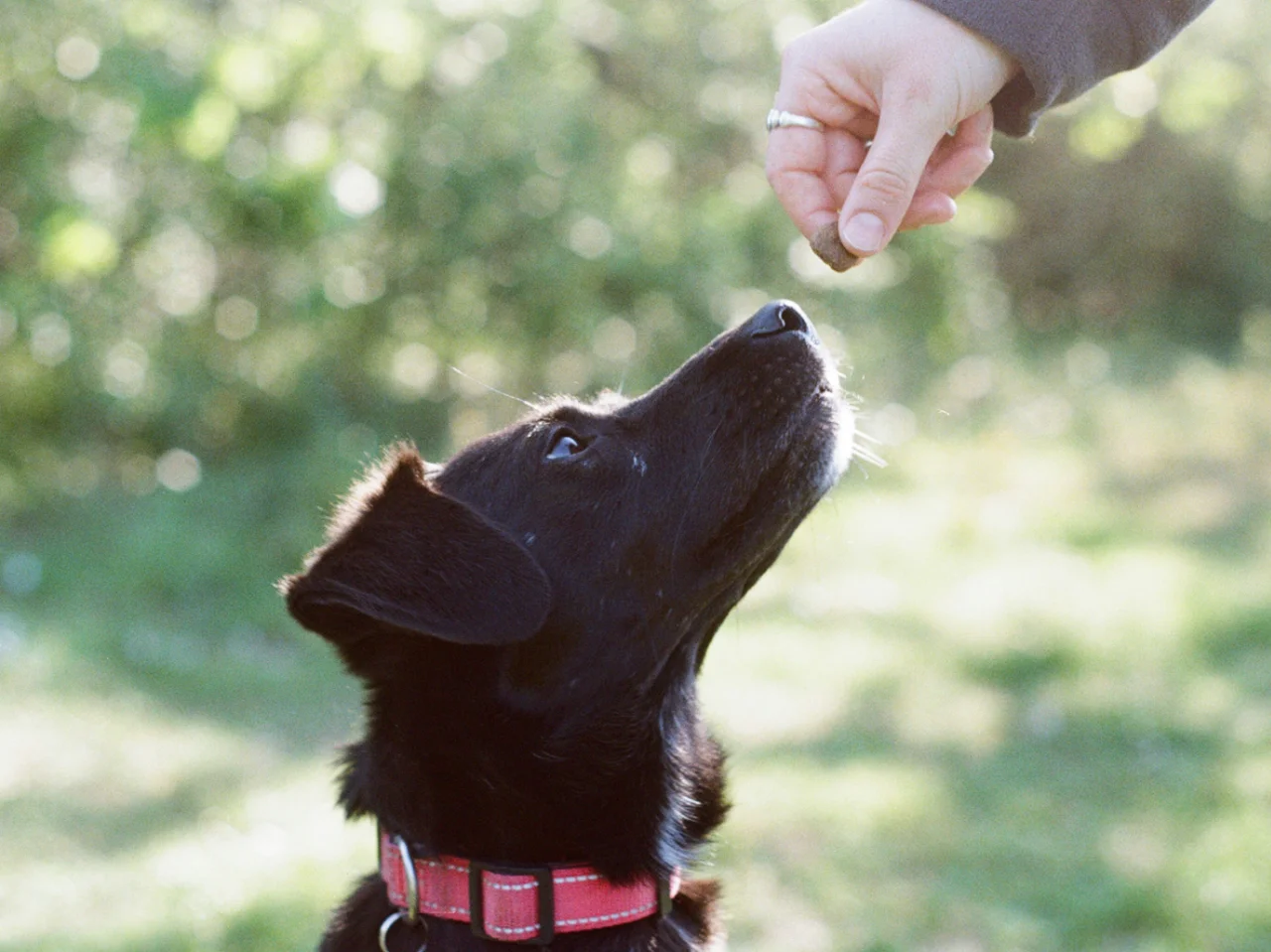
Go ahead and share a piece. Oranges are generally safe for dogs in moderation, and a lot of them think it's a great snack.
Oranges are a healthy snack, but don't think of them as a vitamin boost. A dog on a decent commercial food is already covered nutritionally, so the orange is a bit of fun, in the same category as a slice of apple or a couple of blueberries.
Many dogs can enjoy oranges, and some love them. Others take one sniff and walk away. Both are completely normal. The strong citrus smell is a turn-off for a lot of dogs.
Clementines, Mandarin Oranges, and Tangerines: Can Dogs Have Other Kinds of Oranges?
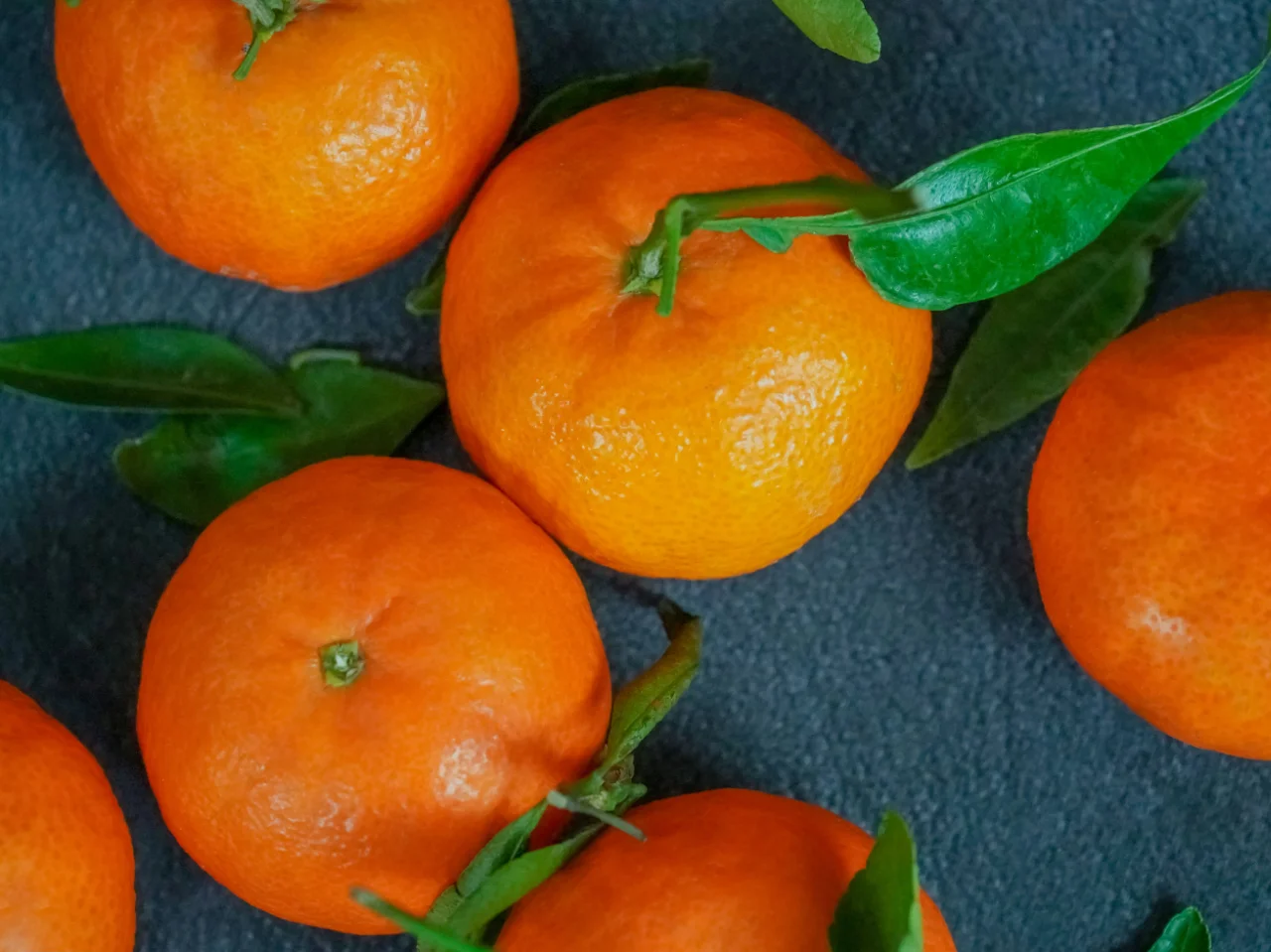
Clementines, mandarins, tangerines, and satsumas are all close cousins of navel and blood oranges. For dogs, the same rules apply to all of them, so yes, dogs can eat tangerines too.
A few small differences:
- Size: These smaller fruits make portions easier, especially for smaller dogs. One or two segments is a good amount for a medium-sized dog.
- Sugar: They tend to be a little sweeter than a navel orange, so keep portions small.
- Seeds: Most clementines are seedless, which is handy. Some mandarins and tangerines still have seeds, so check.
- Thin peel: Their peels come off easily, which is great for you but also means a dog can easily gulp down a whole fruit, peel and all.
That last point is why stockings can be a problem. A dog who finds a few loose clementines under the tree may eat them whole. That's when we start worrying about stomach upset or a blockage.
Grapefruit is a different story. It's more acidic and bitter, and most vets suggest skipping it. Lemons and limes can also be harmful to dogs, since they're very sour and acidic, and the peels contain more of the oils that can irritate the gut.
Health Benefits of Oranges for Dogs (and Their Limits)
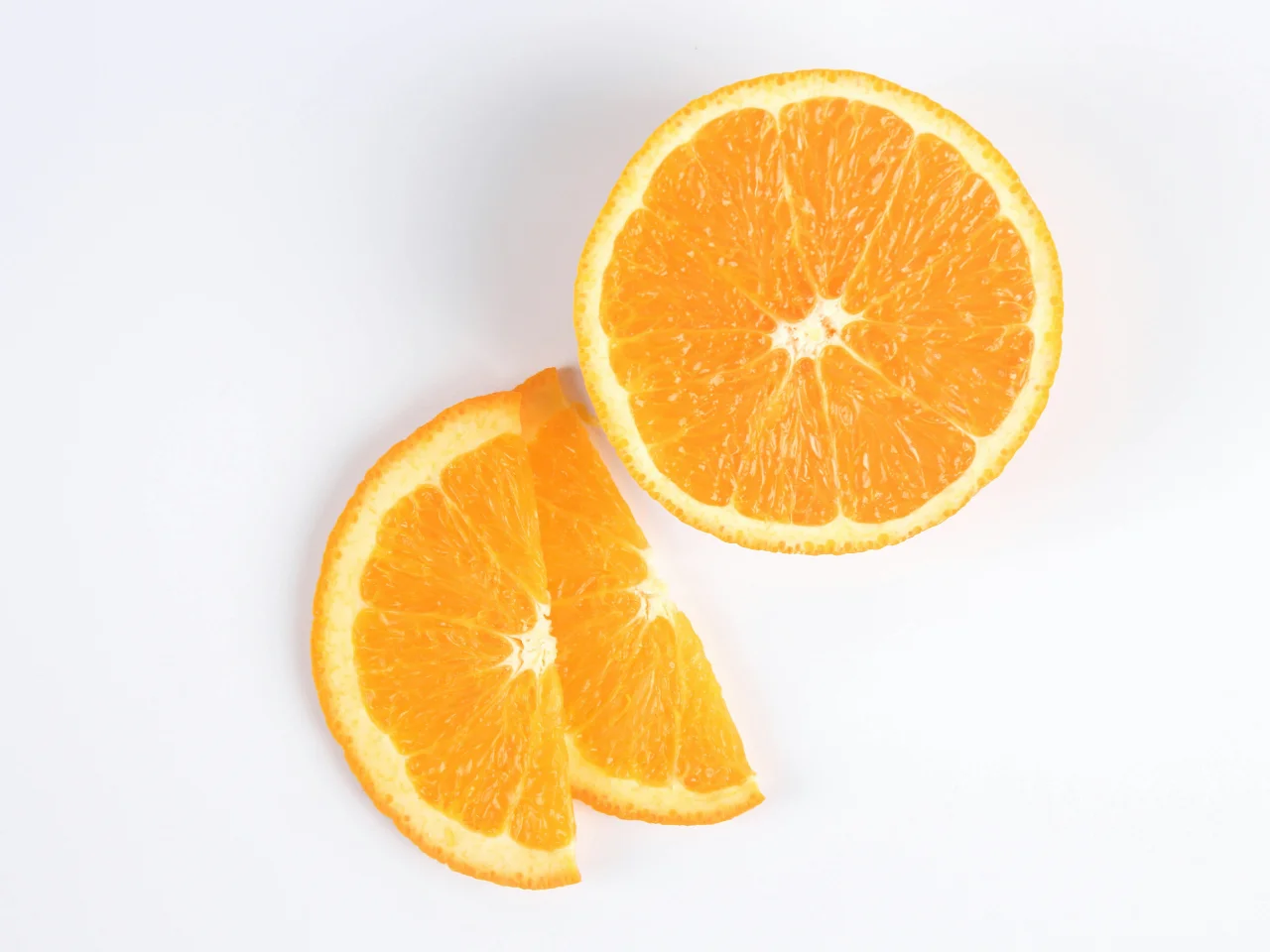
Oranges provide some real nutrition:
- Vitamin C: An antioxidant that helps the immune system, though dogs make their own (more on that below).
- Fibre: Can support digestion in small amounts.
- Potassium: Important for muscles and nerves.
- Water: Oranges are juicy and hydrating.
Here's the limit, though. Unlike people, dogs make their own vitamin C in their liver. So while the vitamin C in oranges isn't harmful, most healthy dogs don't need extra. The benefits of oranges for dogs are real but small.
If you're looking for fruit options for your dog, our guide on what fruits can dogs eat covers safer, lower-sugar choices. Wondering can dogs eat blueberries? They're a popular pick.
Is Orange Peel Bad for Dogs? Risks of Peels, Seeds, and Sugar
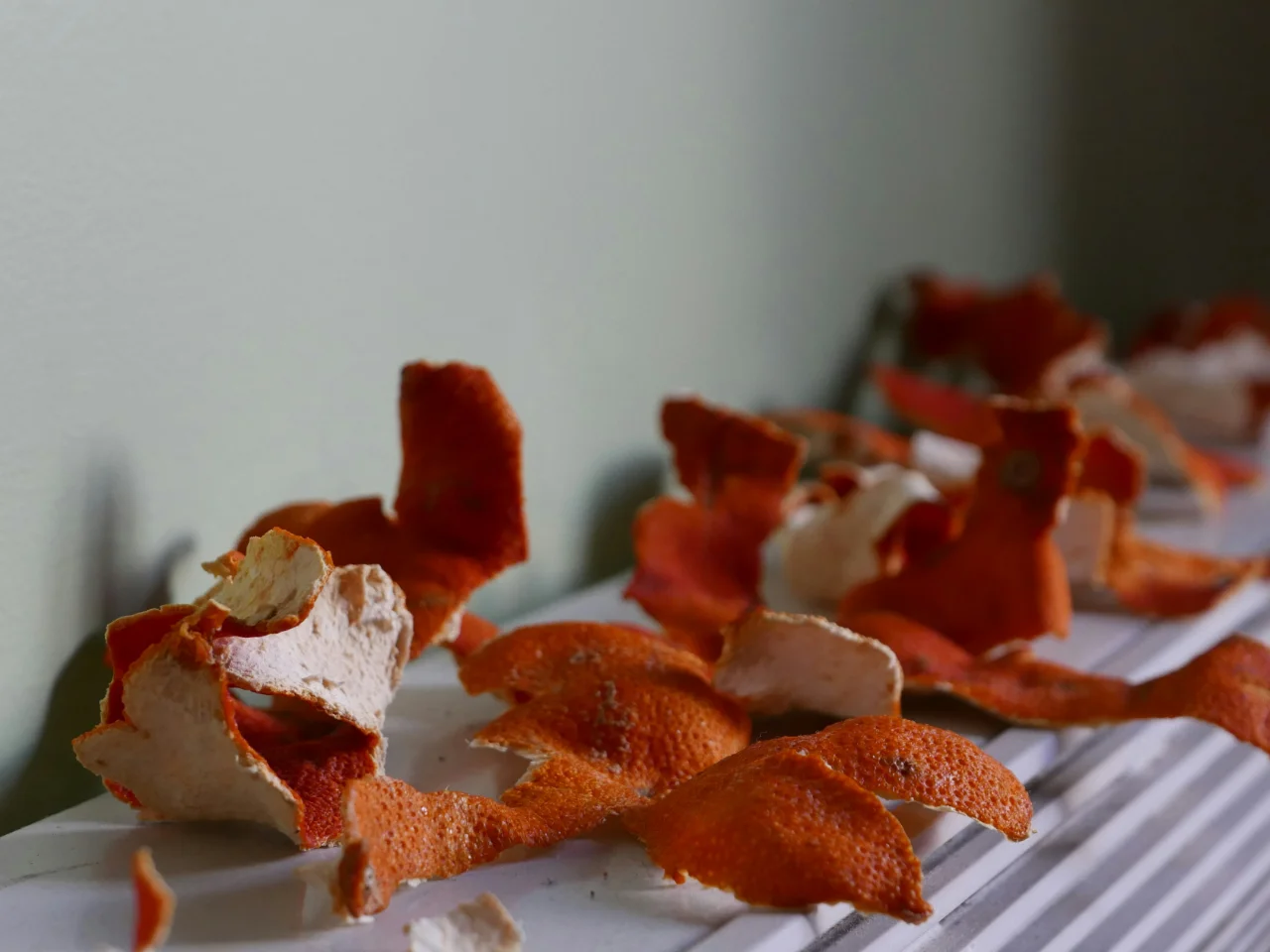
The orange itself is fine. Most problems come from the extras or from eating too much.
Can dogs eat orange peels?
The peel isn't toxic, but it's leathery and stringy, and the peel is difficult to digest. Orange peels contain citrus oils too, which can cause stomach upset. Eating orange peels can lead to:
- Vomiting
- Diarrhea
- An intestinal blockage, especially if a small dog eats large pieces or a whole fruit
Always peel the orange before you share, and make sure peels go straight into a covered bin.
The seeds of an orange
Orange seeds are a choking hazard for small dogs and can contribute to stomach upset. Remove the seeds before feeding.
Sugar and acid
For a Lab, a segment is nothing. For a chubby Chihuahua or a diabetic dog, natural sugar adds up, so ask us first. Citrus fruit is also acidic. Dogs with sensitive stomachs may have digestive issues even from a small amount. Eating several clementines at once will likely cause diarrhea in most dogs.
Orange juice and citrus products
Skip orange juice. It's concentrated sugar without the fibre. Also keep citrus essential oils, cleaners, and air fresheners away from your dog. Our post on essential oils explains which ones to be careful with.
How to Safely Feed Oranges to Dogs: Feeding Tips

If you'd like to give your dog a taste, here are a few feeding tips:
- Peel it completely. Always remove the peel completely, along with as much of the white pith as you can.
- Remove the seeds. Make sure to remove all seeds, and check each segment, even in "seedless" fruit.
- Start small. Introduce oranges with one segment the first time and watch for any stomach upset over the next day.
- Size it right. For small dogs, cut orange slices or segments into bite-sized pieces. Larger dogs can usually have one or two whole segments.
- Keep it occasional. Treats, including fruit, should stay under about 10% of your dog's daily calorie intake.
- Try it frozen. A frozen orange segment can be a fun, refreshing treat for some dogs.
Before giving oranges to dogs with a health condition, a sensitive stomach, or a special diet, check with your vet first. It's a good question to bring up at your next wellness exam.
Holiday Stocking Hazards Worse Than Oranges

A clementine in the toe of a stocking is a classic tradition. But a dog nosing through stockings on Christmas morning can find much worse things than an orange.
- Chocolate: Chocolate coins, truffles, and advent calendar treats are toxic to dogs. Dark and baking chocolate are the most dangerous. Even white chocolate can cause problems.
- Sugar-free gum and candy: Many contain xylitol, which sends a dog's blood sugar crashing and can hurt the liver. Read about xylitol poisoning in dogs.
- Raisins and grapes: Often found in trail mix and treats. They can cause kidney damage. See grape toxicity in dogs.
- Nuts: Macadamia nuts are toxic, and other nuts are fatty and a choking risk.
- Small toys and batteries: Button batteries and small toy parts can cause serious internal injuries.
If your dog eats any of these, call your vet or our emergency team right away. For a full list of holiday risks, see our holiday foods to avoid for pets.
Final Thoughts
Can dogs eat oranges? Yes, in moderation. A peeled, seedless segment of fresh orange, clementine, or mandarin is safe for dogs to eat and a tasty treat for most healthy dogs.
The main things to avoid are the peel, the seeds, and large amounts. Dogs who are overweight, diabetic, or have sensitive stomachs may do better with lower-sugar dog treats, and puppies can eat oranges only in tiny tastes.
This holiday season, keep stockings hung high and out of reach, especially if they hold chocolate, gum, or nuts. If your dog gets into something and you're not sure if it's safe, contact us. We're happy to help.
Frequently Asked Questions
Are oranges toxic to dogs?
Nope. The fruit is fine; it's the extras you need to think about.
- Flesh: A segment or two won't do any harm to a healthy dog.
- Peel: We'd leave it off. Big chunks can get stuck, particularly in little dogs.
- Seeds: Pick them out first, since small dogs can choke on them.
- Amount: Too much can cause vomiting or diarrhea.
- Bottom line: A segment or two is fine for most dogs.
Can dogs eat clementines and mandarins?
Yes, the same rules apply as for oranges.
- Peel first: Remove all the peel.
- Check seeds: Most clementines are seedless, but not all.
- Small portions: One or two segments.
- Sweeter: Slightly more sugar than navel oranges.
- Watch stockings: Dogs may eat loose fruit whole.
My dog ate an orange peel. Now what?
Usually nothing dramatic happens, but keep an eye on things for a day or so.
- Mild signs: An upset tummy or loose stool the next day is pretty common.
- Blockage risk: Bigger in tiny dogs.
- Warning signs: Repeated vomiting, a tender belly, no appetite.
- What to do: Call us.
- Prevention: Keep peels in a covered bin.
How many orange segments can a dog eat?
It depends on your dog's size.
- Small dogs: Part of one segment, cut into pieces.
- Medium dogs: One segment.
- Large dogs: One or two segments.
- Frequency: An occasional treat, not daily.
- Health issues: Ask your vet if your dog is diabetic or overweight.
Can dogs drink orange juice?
It's best to skip it.
- Sugar: Juice is concentrated sugar.
- No fibre: The pulp and fibre are mostly gone.
- Acidity: Can upset sensitive stomachs.
- Added ingredients: Some juices have sweeteners.
- Better choice: Fresh water and a peeled segment.

