


TL;DR: Can Dogs Eat Blueberries? Key Things to Know About
- Dogs can have blueberries, and they are generally safe and non-toxic for most healthy dogs.
- Blueberries are packed with antioxidants, fibre, vitamins, and other nutrients that support overall health.
- They should be served as an occasional treat, not as a replacement for complete and balanced dog food.
- Feeding too many blueberries at once may cause digestive upset in some dogs.
- Small dogs, puppies, and dogs that tend to swallow treats whole may be at a higher risk of choking.
- Fresh or frozen blueberries are the safest options, while blueberry products with added sugars or syrup should be avoided.
- Start with a small amount when introducing blueberries and watch how your dog responds.
- The right or ideal serving size depends on your dog's size, age, health, and daily calorie intake.
- Some dogs can eat blueberries every day, while others may do better with them less often, depending on individual tolerance.
- If your dog has a medical condition or follows a special diet, speak with your veterinarian before adding blueberries to their routine.
Blueberries can be a good and nutritious treat when offered the right way. Choosing plain blueberries, offering the right amount, and watching how your dog responds can help make treat time both safe and enjoyable. Contact us if you have any concerns about your dog's diet or health; our professional veterinarians can provide advice based on your pet's individual needs.
Have you ever wondered if your dog can eat blueberries as a healthy snack? It is easy to think about sharing a few when your dog gives you that curious look, but it is worth checking if they are safe for dogs first. Before you feed blueberries to your dog, taking a moment to learn more can give you extra peace of mind.
Blueberries are a popular berry, and many dogs are happy to give them a try. Whether you have fresh or frozen blueberries, it is normal to wonder if they are a good treat option for dogs. Since every dog is different, it helps to know what to expect before offering something new.
If you're wondering whether dogs can eat blueberries, this guide is a good place to start. It walks through what pet owners should know before feeding blueberries to their dog while keeping a complete and balanced diet. Read on to learn more about feeding blueberries to your dog.
Can Dogs Eat Blueberries and Are They Good for Dogs
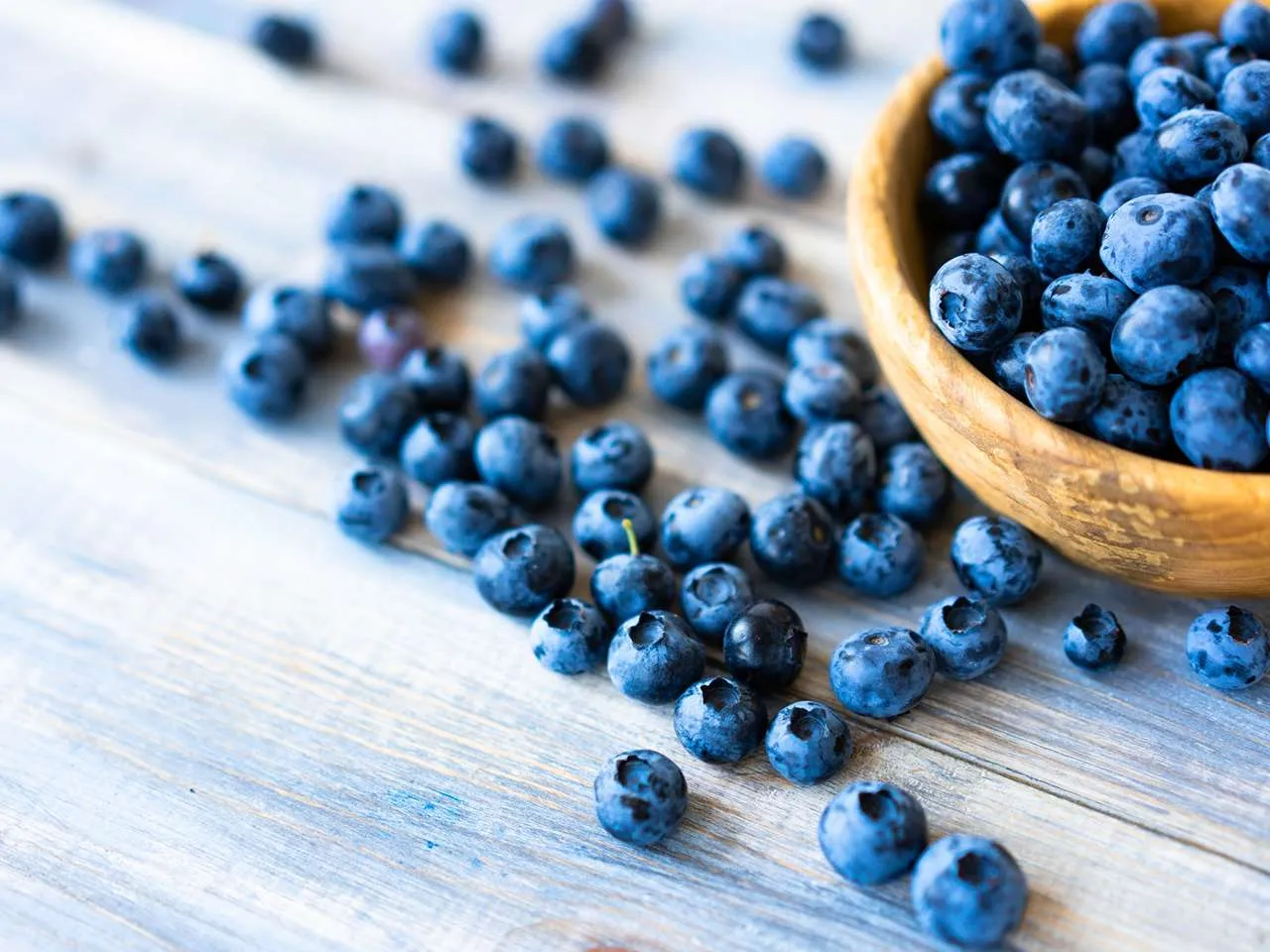
Yes, dogs can eat blueberries. If your dog has ever watched you eat a handful and waited for one to drop, it is only natural to wonder if it is safe to share. The good news is that blueberries are generally considered safe, are not toxic to dogs, and can be enjoyed as an occasional healthy treat alongside a complete and balanced dog food.
Are Blueberries Safe for Every Dog?
Even though blueberries are safe for many dogs, they are not automatically the right choice for every pet. Puppies, dogs with diabetes, or dogs with special dietary needs may need a little extra care before adding blueberries to their diet. If you are unsure, a quick conversation with your veterinarian can help you decide what is best for your dog's individual needs.
- Blueberries are considered safe for dogs to eat and are not toxic.
- Most healthy adult dogs can enjoy them as an occasional treat.
- Puppies and dogs with certain health conditions may need extra care and guidance.
- Your veterinarian can tell you whether blueberries are a good fit for your dog's diet.
- Blueberries should be offered as a treat, not as a replacement for complete and balanced dog food.
What Are the Health Benefits of Blueberries for Dogs
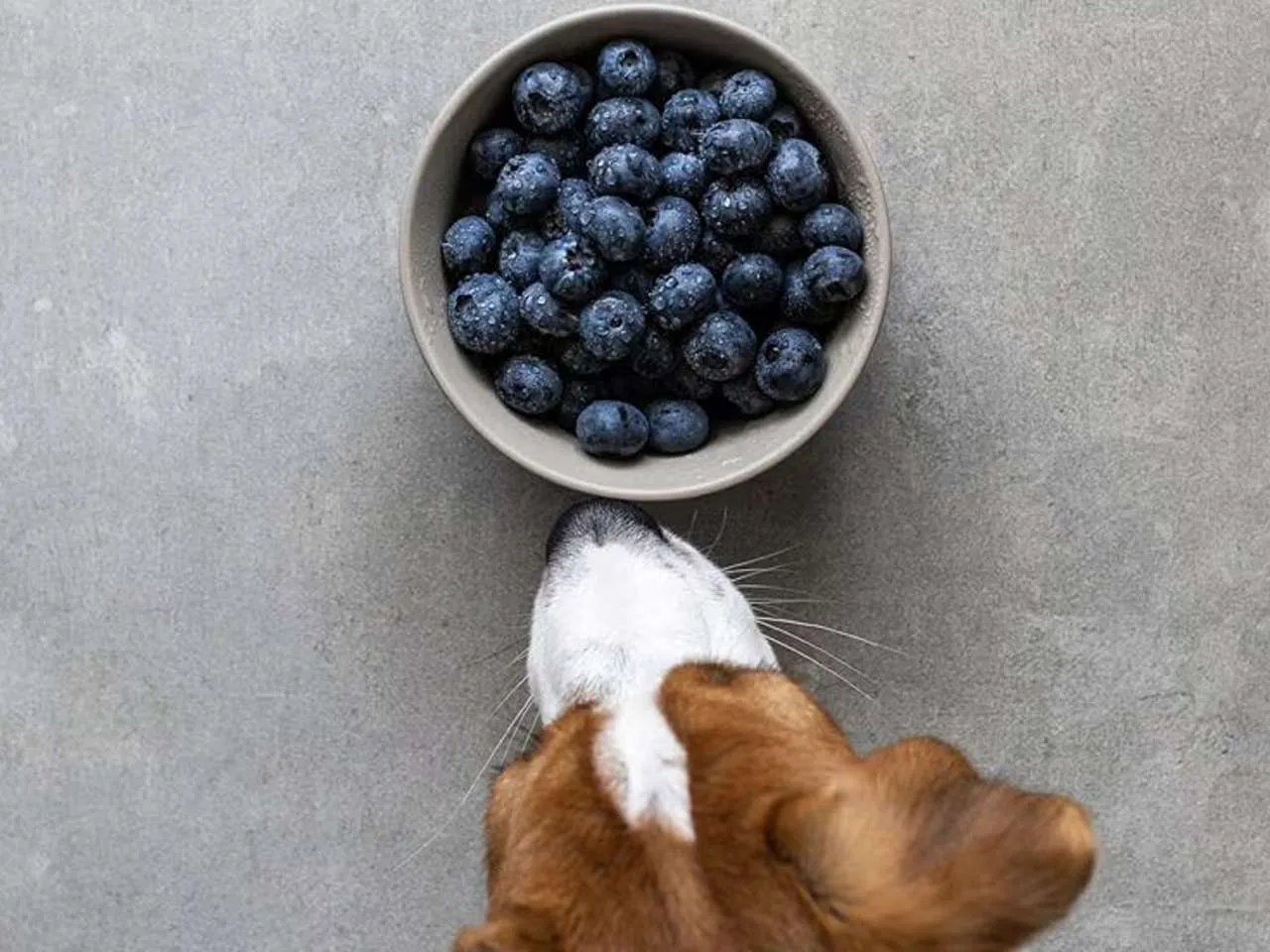
Blueberries may be tiny, but they have a lot of nutritional benefits to offer. Blueberries are not only safe for dogs; they are also rich in nutrients that support overall health, which is why many pet owners like giving them as an occasional healthy snack for dogs. When enjoyed in moderation, they can be a simple way to add a little variety to your dog's routine.
Rich in Antioxidants
Blueberries are rich in antioxidants; this is one of the biggest reasons they stand out. These natural compounds help protect the body's cells from everyday damage and support long-term health.
High in Fibre
Blueberries contain fibre that helps keep the digestive system working normally. It can also support regular bowel movements and healthy gut function.
Supports the Immune System
Blueberries contain vitamin C along with other helpful plant compounds. Together, these nutrients help support a healthy immune system and your dog's natural defences.
May Help Keep the Brain Healthy
As dogs get older, keeping their minds active becomes just as important as caring for their bodies. Some research suggests blueberries may help support brain function because of their antioxidant content.
Supports Heart Health
The natural compounds found in blueberries may also help support your dog's heart health. While they are not a replacement for proper veterinary care, they are significantly healthy for dogs and can be part of a healthy lifestyle.
Helps Maintain Healthy Skin and a Shiny Coat
The vitamins and antioxidants in blueberries can help support healthy skin. Many of the same nutrients also help keep your dog's coat looking soft and shiny.
Supports Strong Bones
Blueberries provide nutrients such as vitamin K and manganese, which help support strong bones and normal body function throughout your dog's life.
Naturally Low in Calories
If you are looking for a low-calorie treat for dogs that is lighter than many store-bought options, blueberries are a great choice. Since blueberries are low in calories, they can be given as an occasional treat without adding too much to your dog's daily calorie intake.
Potential Risks of Feeding Blueberries to Your Dog

Blueberries may be a healthy treat and have several health benefits, but like any food, they are not perfect for every dog. A little extra care can go a long way in helping your dog enjoy them without any unwanted surprises.
They Can Be a Choking Hazard
Blueberries are small, which makes them easy to eat, but that can also be a problem. For some dogs, especially small dog breeds and those dogs that tend to gulp their food, they may swallow them whole instead of chewing.
Take a little extra care if your dog is:
- A puppy that is still learning how to chew treats.
- A smaller dog breed with a tiny mouth.
- Excited and eating too quickly.
- Used to swallowing treats without chewing.
Too Many Can Upset the Stomach
Feeding too many blueberries can cause digestive upset, even though they are a healthy food. If blueberries are a new food for your dog, start with a small amount to see how they handle them before making blueberries a regular treat.
Watch for signs such as:
- Vomiting
- Diarrhea
- Gas
- Mild stomach discomfort
- A temporary loss of appetite
Not Every Blueberry Product Is Safe
Fresh and frozen blueberries are very different from many blueberry-flavoured foods made for people. Products that often contain added sugars or come packed in syrup can be unsafe for dogs.
It is best to avoid:
- Canned blueberries packed in syrup
- Blueberry jam
- Blueberry pie
- Muffins and cakes made with blueberries
- Other sweet blueberry desserts
- Blueberry yogurt and ice cream
Every Dog Is Different
Blueberries are a delicious treat, and some dogs can enjoy them without any problems, while others may be more sensitive to new foods. Paying attention to how your dog responds is one of the easiest ways to tell if blueberries are a good fit.
Keep these tips in mind:
- Introduce a portion size or a small amount of blueberries slowly as a new food.
- Watch your dog after trying them for the first time.
- Think about your dog's size before offering whole blueberries.
- If something does not seem right, stop giving blueberries and speak with your veterinarian.
Watch for Changes After Treat Time
Whenever you introduce something new, it is worth keeping an eye on your dog afterwards. Small changes in behaviour or digestion can help you decide whether blueberries are a good fit.
Contact your veterinarian if your dog:
- Continues vomiting or has ongoing diarrhea.
- Shows signs of choking that do not quickly improve.
- Develops swelling, hives, or trouble breathing.
- Becomes unusually tired or refuses food for an extended period.
Veterinary Tips to Safely Feed Blueberries to Dogs

If you are thinking about sharing blueberries with your dog, a little preparation can make all the difference. Most dogs enjoy them, but following a few simple tips can help make treat time safe and stress-free.
Start With a Few
When trying any new treat, it is always a good idea to start small. This gives you a chance to see how your dog reacts before offering blueberries again.
Stick With Plain Blueberries
A lot of people ask, "Can dogs have blueberries?" The answer is yes, but only when they are plain. Fresh or frozen blueberries are a much better choice than blueberry-flavoured foods made for people.
Give Them a Quick Wash
Before sharing blueberries, give them a good rinse under running water. It only takes a few seconds and helps remove dirt or anything left behind on the fruit.
Think About Your Dog's Size
Every dog eats a little differently. Larger dogs can usually manage whole blueberries, while puppies or smaller dogs may do better with berries that are cut in half or gently mashed.
Keep Blueberries as a Treat
Dogs love treats, and blueberries can be a fun one to share now and then. They should not replace your dog's regular meals or become something your dog eats every day.
Skip Blueberry Snacks Made for People
The fruit itself is one thing, but blueberry products made for humans are another. If you have heard people ask whether blueberries are bad for dogs, it is often because of the extra ingredients found in baked goods, sweets, or other processed foods.
Don't Overdo It
It is easy to keep tossing a few more berries when your dog keeps asking for them. Still, eating too many blueberries can upset your dog's stomach, so it is best to stop before treat time turns into tummy trouble.
Stay Nearby While Your Dog Eats
Watching your dog enjoy a new treat only takes a moment, but it can give you peace of mind. You will also be there to help if your dog has trouble chewing or swallowing.
Take Extra Care With Puppies
Puppies have blueberries too, but they need a little more attention when trying new foods. Introducing treats slowly gives their growing digestive system time to adjust.
Remember That Dogs and Humans Are Different
Just because a food is healthy for people does not always mean it works the same way for pets. Keeping your dog's needs in mind is one of the easiest ways to make smarter choices at treat time.
How Many Blueberries Should You Feed Your Dog

It can be tempting to keep handing out blueberries when your dog keeps asking for more. Even healthy treats are best enjoyed in moderate amounts, and the right serving depends on your dog's size, age, and diet.
Follow the 10% Treat Rule
A good rule of thumb is that dog treats should make up no more than 10% of their daily calories. The rest should come from a complete and balanced food that provides the nutrition your dog needs every day.
Use Your Dog's Size as a Guide
There is no perfect number that fits every dog. A Chihuahua and a Labrador have very different needs, so it makes sense that their blueberry servings should be different too.
Here is a general guide:
- Extra-small dogs (under 10 lbs / 4.5 kg): 2 to 3 blueberries
- Small dogs (10 to 20 lbs / 4.5 to 9 kg): 3 to 5 blueberries
- Medium dogs (20 to 50 lbs / 9 to 23 kg): 5 to 10 blueberries
- Large dogs (50 to 90 lbs / 23 to 41 kg): 10 to 15 blueberries
- Giant dogs (over 90 lbs / 41 kg): Around 15 to 20 blueberries, depending on their overall treat intake
Start Small the First Time
If your dog has never tried blueberries before, there is no need to rush. Offer just a couple at first and see how your dog does before giving more another day.
Count Blueberries as Part of Daily Treats
Blueberries may be healthy, but they still count as treats. If your dog has already had biscuits, training treats, or chews that day, it is a good idea to cut back on the number of blueberries you offer.
Pay Attention to Your Dog's Weight
Sometimes those little treats add up without us noticing. If your dog is starting to gain weight or has been placed on a weight management plan, ask your veterinarian how many treats fit into its daily routine.
Every Dog Is Different
Some dogs are always on the move, while others are happiest curled up for a nap. Things like age, activity level, breed, and overall health all play a part in deciding how many blueberries make sense for your dog.
Let Your Dog's Response Guide You
One of the best ways to know if you are offering the right amount is to watch how your dog feels afterwards. If your dog enjoys blueberries without any stomach issues or changes in appetite, you are probably on the right track.
Final Thoughts
Blueberries can be a fun little treat to share with your dog once in a while. They are an easy way to mix things up without making big changes to your dog's regular diet.
As with any new food, it is worth taking things slowly and seeing how your dog responds. Sticking with plain fresh or frozen blueberries is one of the simplest ways to keep treat time safe.
Every dog is different, so what works well for one may not be the best fit for another. If you are ever unsure, your veterinarian can help you choose what is best for your dog's individual needs.
Frequently Asked Questions
Are blueberries bad for dogs with sensitive stomachs?
Some dogs can enjoy blueberries without any trouble, while others have stomachs that are a little more sensitive. If your dog has had digestive issues before, it is worth taking things slowly the first time you offer them.
Every dog reacts differently: One dog may handle blueberries just fine, while another may not.
Start with just a few: A small taste is usually enough for the first try.
Keep an eye on your dog: Watch for loose stools, vomiting, or signs of an upset stomach.
Avoid introducing lots of new treats at once: It is much easier to tell what caused a problem if you add foods one at a time.
Talk to your veterinarian if you are unsure: This is especially helpful if your dog has ongoing digestive problems.
Can puppies have blueberries as training treats?
Blueberries can make a fun little reward during training, but puppies are still getting used to new foods. Taking it slow helps make training both safe and enjoyable.
Wait until your puppy is eating solid food: New treats are best introduced after weaning.
Keep rewards tiny: Small pieces are enough to keep your puppy interested without overfeeding.
Mix things up: Blueberries can be one of several puppy-safe training treats.
Stay close during treat time: Watching your puppy eat can help prevent problems.
Ask your veterinarian if you have questions: Young puppies sometimes have different feeding needs.
Can dogs have blueberries mixed with their regular food?
Absolutely. Some dogs happily eat blueberries on their own, while others enjoy them mixed into their meals. It is an easy way to add a little variety without changing your dog's routine too much.
Use only a few berries: A little goes a long way.
Mash them if your dog prefers softer food: This can also make mixing easier.
Mix them with plain, unsweetened yogurt: It is a simple treat that many dogs enjoy.
Skip sugary toppings or flavourings: Plain is always the better option.
Keep regular meals as the priority: Blueberries should only be a small addition.
How should you store dog blueberries to keep them fresh?
Keeping blueberries fresh is easy and helps make sure they are ready whenever your dog earns a treat. A little care with storage also helps reduce waste.
Store fresh blueberries in the refrigerator: They will stay fresh longer.
Wash only what you need: Rinse the berries before serving instead of before storing.
Freeze extra blueberries: They keep well and make a refreshing treat later.
Throw away berries that look spoiled: Soft, mouldy, or odd-smelling fruit should not be fed.
Use a clean container: Proper storage helps keep the fruit fresh.
Do fresh and frozen dog blueberries have the same nutritional benefits?
Yes, both are good choices. If you have fresh blueberries one week and frozen ones the next, your dog can still enjoy many of the same nutrients.
Both offer similar nutrition: Fresh and frozen blueberries are both healthy options.
Choose plain blueberries: Avoid products with added sugar or flavourings.
Frozen blueberries make a refreshing treat: Many dogs enjoy them on warm days.
Let frozen berries soften a little first: This makes them easier for some dogs to chew.
Use whichever works best for you: Fresh and frozen blueberries are both convenient options for treat time.

