

TL;DR: What You Need to Know About Kidney Disease in Dogs
- Early diagnosis matters: Recognizing the signs of kidney disease early and visiting your vet early can help slow disease progression, improve comfort, and support a better long-term outlook.
- There are two main types: acute kidney injury (sudden and sometimes reversible) and chronic kidney disease (progressive and incurable but manageable).
- Common causes: Toxin ingestion (such as antifreeze), bacterial infections, age-related degeneration, kidney stones or urinary blockages, certain medications, and genetic predisposition.
- Watch for the warning signs: Increased thirst and urination, reduced appetite, vomiting, weight loss, lethargy, and changes in urination are all signs that shouldn't be ignored.
- Treatment may include: IV fluid therapy, dietary management, medications, ongoing monitoring, and, in select cases, dialysis.
Concerned about your dog's kidneys? If you've noticed any warning signs, book an appointment with us. Early action gives your dog the best chance for a healthier, more comfortable life.
Could your dog's subtle changes in drinking, eating, or energy levels be warning you about a serious health problem? Kidney failure is one of the most common conditions affecting many dogs, especially older dogs, and recognizing the symptoms early can make a difference. Early veterinary care helps identify the underlying cause and determine the best course of treatment.
In this guide, we will discuss how the kidneys work, causes of kidney issues, the most common warning signs, available treatment options, and how you can keep your dog comfortable while supporting long-term health.
What is Kidney Failure in Dogs

The kidneys are essential organs responsible for filtering waste products from the bloodstream, maintaining fluid balance, producing urine, regulating electrolytes, and supporting healthy blood pressure. When the kidneys fail to work properly, waste products accumulate in the body, affecting multiple organ systems and leading to renal disease or renal failure. Depending on the type of kidney failure, the condition may develop suddenly or progress slowly over time.
Acute Kidney Injury in Dogs
Acute kidney failure, also called acute renal failure, develops suddenly—often within hours or days—after severe injury to the kidneys.
- This form of kidney failure is commonly triggered by a toxin, severe dehydration, infection, or reduced blood flow to the kidneys, causing rapid kidney damage.
- In many cases of acute kidney injury, failure can be reversed if intensive treatment begins quickly, especially before extensive damage occurs to the kidney tissue.
Chronic Kidney Disease in Dogs
Chronic kidney failure, also known as chronic renal failure or CKD in dogs, develops gradually due to the gradual loss of kidney function over months or years.
- Unlike sudden injury, this chronic disease permanently damages functioning kidney tissue, and there is currently no cure for chronic kidney disease.
- As the disease progresses, dogs slowly lose filtering ability until advanced disease develops.
- During the final stage of kidney disease, sometimes called end-stage disease, less than 25% to 15% of normal kidney function remains, requiring lifelong management.
What Causes Kidney Disease in Dogs

There are many reasons why dogs can suffer from kidney damage, and knowing the root cause allows veterinarians to select the most suitable treatment plan. Some develop slowly over time, but others can cause sudden kidney injury and need immediate veterinary care.
Bacterial Infections
Serious bacterial infections, including a urinary tract infection that spreads to the kidneys, can inflame delicate kidney tissues and interfere with normal filtering function. If left untreated, these infections may lead to kidney damage, which is why early treatment is so important.
Toxin Ingestion (Antifreeze)
Ingestion of poisonous substances, such as antifreeze, is one of the most common causes of acute and chronic kidney failure and can rapidly destroy kidney cells. Even a small amount can be extremely dangerous, so it's important to seek veterinary care right away if you suspect exposure.
Genetic or Breed Predisposition
Some breeds are more prone to kidney or renal disease and are more likely to develop decreased kidney function at a younger age. Genetics cannot be changed, but regular checkups can help catch problems before they become more serious.
Age-Related Degeneration
As dogs get older, the canine kidney naturally becomes less efficient at filtering waste from the blood. This gradual decline over time increases the risk of renal failure in dogs, particularly if there are other health problems.
Kidney Stones or Blockages
Kidney stones or urinary blockage can stop the normal flow of urine and create pressure that puts extra strain on the kidneys. If untreated, these conditions can cause kidney damage and worsen existing kidney problems.
Certain Medications
Some medications, such as certain NSAIDs and antibiotics, can decrease kidney blood flow or directly harm kidney cells, especially if used improperly or in dogs with pre-existing kidney conditions. The best way to administer medications is exactly as your veterinarian prescribes.
Symptoms of Kidney Disease in Dogs
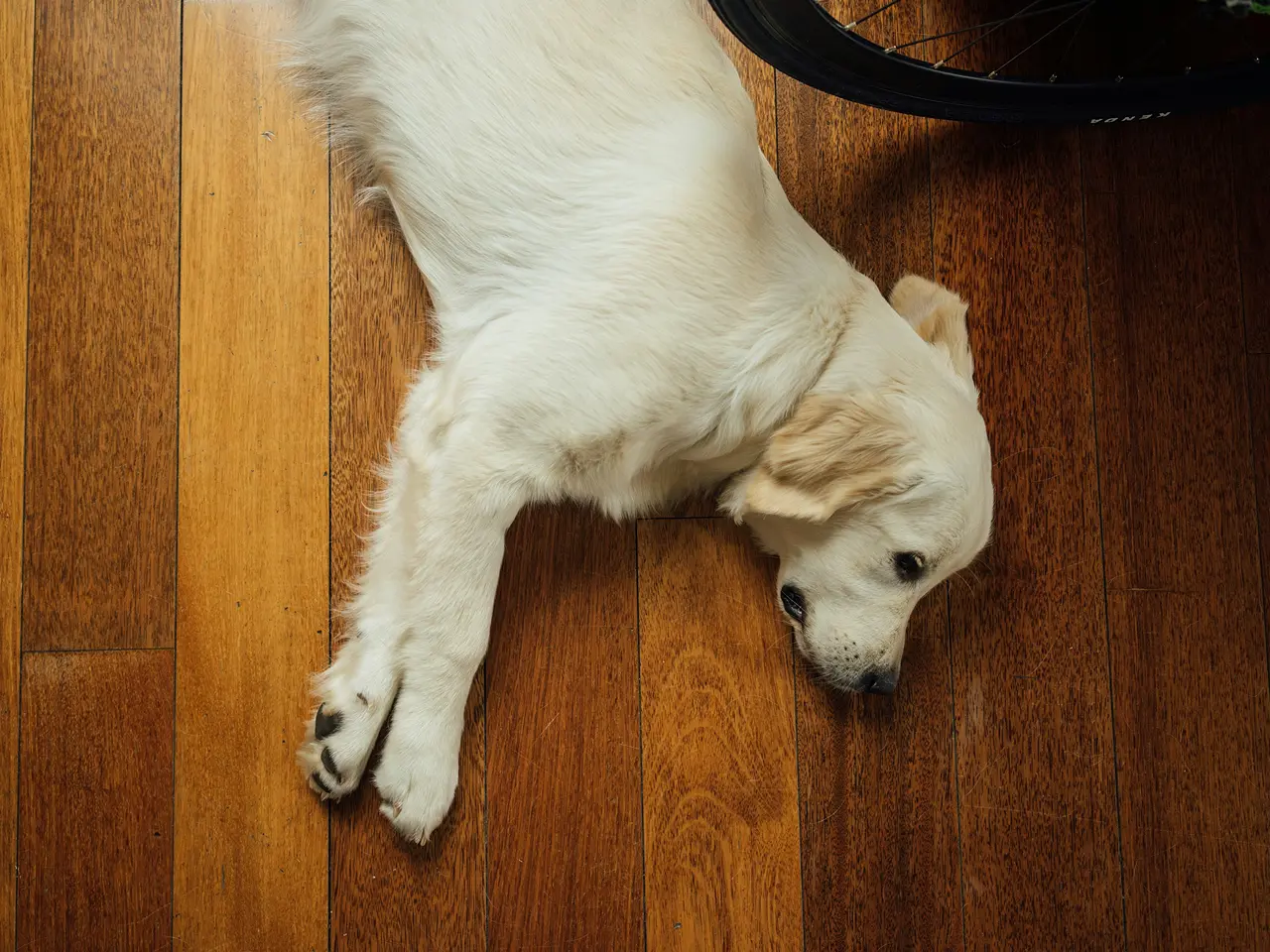
Recognizing the early signs of kidney disease gives you the best chance to seek treatment as soon as possible to slow disease progression and improve your dog's quality of life. These signs and symptoms can develop gradually, so they should always be evaluated by a veterinarian.
More Thirst and Urination
One of the first signs of kidney disease is drinking a lot more water and producing a lot more urine. This happens because the kidneys become less able to concentrate urine as their function declines.
Loss of Appetite
One of the common signs and symptoms that veterinarians look for is reduced appetite. The dogs may slowly lose interest in food due to the build-up of waste products in the bloodstream. You may also notice your dog becoming pickier about meals than usual.
Vomiting and Nausea
As toxins accumulate in the bloodstream, nausea and vomiting can become more frequent, especially in dogs suffering from kidney failure. These symptoms often worsen as the disease progresses if left untreated.
Weight Loss
Chronic kidney disease can cause muscle wasting and gradual weight loss in dogs, particularly if your dog eats less and less over time. Even losing a small amount of weight can be an early sign that something is wrong.
Lethargy and Weakness
Dogs may seem unusually tired, sleep more than usual, or have less interest in exercise because decreased kidney function affects their overall health and energy levels. Everyday activities may become more tiring than they used to be.
Changes in Urine Colour or Output
Changes in urine volume, concentration, or appearance can signal worsening kidney disease and shouldn't be ignored. If you notice these changes, it's best to seek treatment as soon as possible to help identify the underlying cause.
Prognosis for Dogs With Kidney Disease

The outlook for dogs can vary considerably in how they respond to treatment and how advanced their condition is at diagnosis.
- Depends on Stage at Diagnosis: Prognosis is strongly influenced by the stage of the disease, as dogs diagnosed with kidney disease earlier generally have better long-term outcomes than those whose disease has progressed significantly.
- Acute Cases Often Have a Good Prognosis: Dogs suffering from acute kidney failure often recover well if the cause is treated quickly and permanent damage is minimized.
- Chronic Disease Is Manageable, Not Curable: Although there is no permanent cure, many dogs diagnosed with kidney disease can enjoy a good quality of life for months or years with consistent monitoring and appropriate management.
- Early Detection Improves Outcomes: Identifying the condition before extensive damage develops slows the progression of the disease and allows veterinarians to recommend supportive care sooner.
- IRIS Staging Guides Prognosis: Veterinarians use the International Renal Interest Society (IRIS) system to determine the stage of kidney disease, helping estimate prognosis and recommend individualized care as the progression of disease changes over time.
How Vets Diagnose and Treat Dogs With Kidney Disease
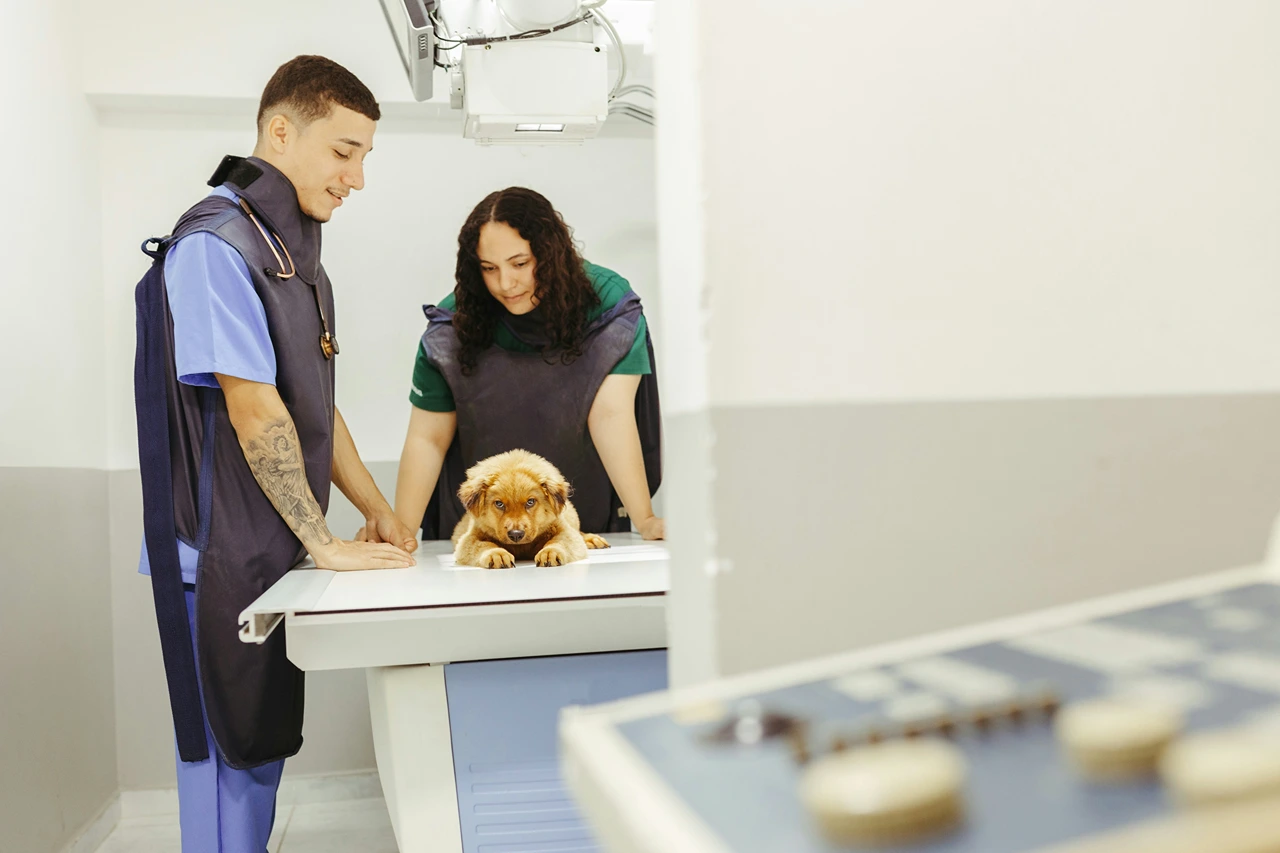
A thorough evaluation helps veterinarians determine the severity of kidney disease and renal failure, identify the underlying cause, and create the most effective treatment plan. Depending on your dog's condition, diagnosis and treatment may involve a combination of laboratory tests, imaging, and supportive care.
Blood Tests (BUN, Creatinine, and SDMA)
Blood tests measure waste products and specialized biomarkers to assess kidney health, confirm renal dysfunction, and estimate the degree of kidney impairment. These results also help your veterinarian monitor how the disease changes over time.
Urinalysis and Urine Protein Ratio
Urine testing evaluates urine concentration, protein loss, and other abnormalities that provide important clues about kidney function. It also helps confirm declining kidney function and track the progression of the disease.
Ultrasound and X-Rays
Diagnostic imaging allows veterinarians to examine the kidneys' size, shape, and structure for abnormalities that may contribute to kidney disease and renal failure. It can also reveal issues such as kidney stones, obstructions, or long-term structural changes.
Blood Pressure Measurement
Kidney disease often happens with high blood pressure, so regular monitoring is important for diagnosis and continued care. Blood pressure control reduces the risk of further kidney damage and reduces complications to other organs.
IV Fluids for Stabilization
Dogs that are hospitalized are often placed on fluids to rehydrate them, improve circulation, and help remaining kidney function while they recover. This treatment is especially important for dogs with sudden kidney injury or severe dehydration.
Dialysis
In some specialty hospitals, severe cases may be considered for dialysis or a kidney transplant. Transplantation is rarely performed in veterinary medicine, and dialysis is still limited in availability.
Final Thoughts
Kidney failure in dogs is serious, but early diagnosis and treatment can make your dog more comfortable, improve quality of life and long-term outlook. By watching for subtle changes like increased thirst, decreased appetite, vomiting, weight loss, or changes in urination, you can get veterinary care before extensive kidney damage occurs.
Whether your dog has acute kidney injury or chronic kidney disease, routine monitoring, a kidney-friendly diet and routine check-ups all play vital roles in managing the condition. If a warning sign is detected, make a veterinarian appointment immediately so your dog has the best chance for a healthier, happier life.
Frequently Asked Questions
What are the symptoms of kidney failure in dogs?
Recognizing the warning signs early gives your dog the best chance of receiving prompt treatment and slowing disease progression.
Increased thirst and urination: Drinking more water and producing larger amounts of urine are often among the earliest signs that the kidneys are no longer concentrating urine effectively.
Loss of appetite: A declining interest in food may develop as waste products build up in the bloodstream, making meals less appealing.
Vomiting and nausea: Toxin accumulation can upset the stomach, leading to repeated vomiting and nausea that often worsen over time.
Weight loss: Gradual muscle loss and decreasing body weight may occur as appetite declines and the condition progresses.
Lethargy and weakness: Dogs often become less active, tire more easily, and spend more time resting because reduced kidney function affects overall energy levels.
What causes renal failure in dogs?
Kidney failure can result from several different conditions, and identifying the underlying cause helps guide appropriate treatment.
Bacterial infections: Infections that reach the kidneys can damage delicate tissues and interfere with normal filtering function if not treated promptly.
Toxin exposure: Poisonous substances, such as antifreeze, can rapidly injure kidney cells and trigger sudden kidney failure.
Genetic predisposition: Certain breeds are inherently more susceptible to kidney problems, making regular health check-ups vital.
Age: As dogs age, their kidneys naturally become less efficient, and this increases the chance of long-term disease.
Kidney stones or medications: Urinary blockages and certain medications may place additional stress on the kidneys or directly contribute to tissue damage.
How is kidney failure diagnosed and treated with veterinary care?
A complete evaluation allows veterinarians to confirm the diagnosis, assess severity, and recommend the most suitable treatment plan.
Blood and urine testing: These tests measure kidney function, identify protein loss, and monitor how the condition changes over time.
Diagnostic imaging: Ultrasound and X-rays help detect structural abnormalities, kidney stones, or urinary obstructions that may contribute to disease.
Blood pressure monitoring: Regular measurements help detect hypertension, which commonly accompanies kidney disease and can worsen kidney damage.
Advanced therapies: In severe cases, intensive supportive care may be necessary, and dialysis may be considered in specialist centres.
Fluid therapy: IV fluids can help with rehydration, circulation and kidney function, especially in acute illness.
What affects the outlook for dogs with kidney failure?
Long-term prognosis depends on several factors, including early detection and management of the condition.
Stage at diagnosis: Earlier detection generally leads to better long-term outcomes because treatment can begin before extensive damage occurs.
Acute vs chronic disease: Acute kidney injury can be reversible with timely treatment, while chronic disease usually requires lifelong management.
Monitoring the disease: Regular checkups can determine if a treatment is working; plans of care can be modified as needed.
Nutrition Matters: Feeding a renal diet can reduce the workload on the kidneys and help support overall health as part of long-term management.
Nutrition is important: A renal diet can help decrease workload on the kidneys and improve overall health as part of long-term management.
Response to treatment: Individual dogs respond differently depending on the underlying cause, severity of disease, and overall health.
How can I help care for a dog with kidney disease at home?
Consistent home care plays an important role in maintaining comfort and supporting quality of life.
Attend regular checkups: Routine examinations allow veterinarians to monitor kidney function and detect changes before they become more serious.
Encourage hydration: Allowing constant access to fresh water assists in the maintenance of normal body functions and restricts dehydration.
Give medications as directed: Following your veterinarian's instructions carefully helps manage symptoms and reduces the risk of complications.
Watch for changes: Monitor appetite, body weight, energy level, and urination so any worsening signs can be addressed quickly.
Follow the care plan: Like many kidney disease patients, dogs benefit most from consistent monitoring, proper nutrition, and long-term management tailored to their individual needs.

