
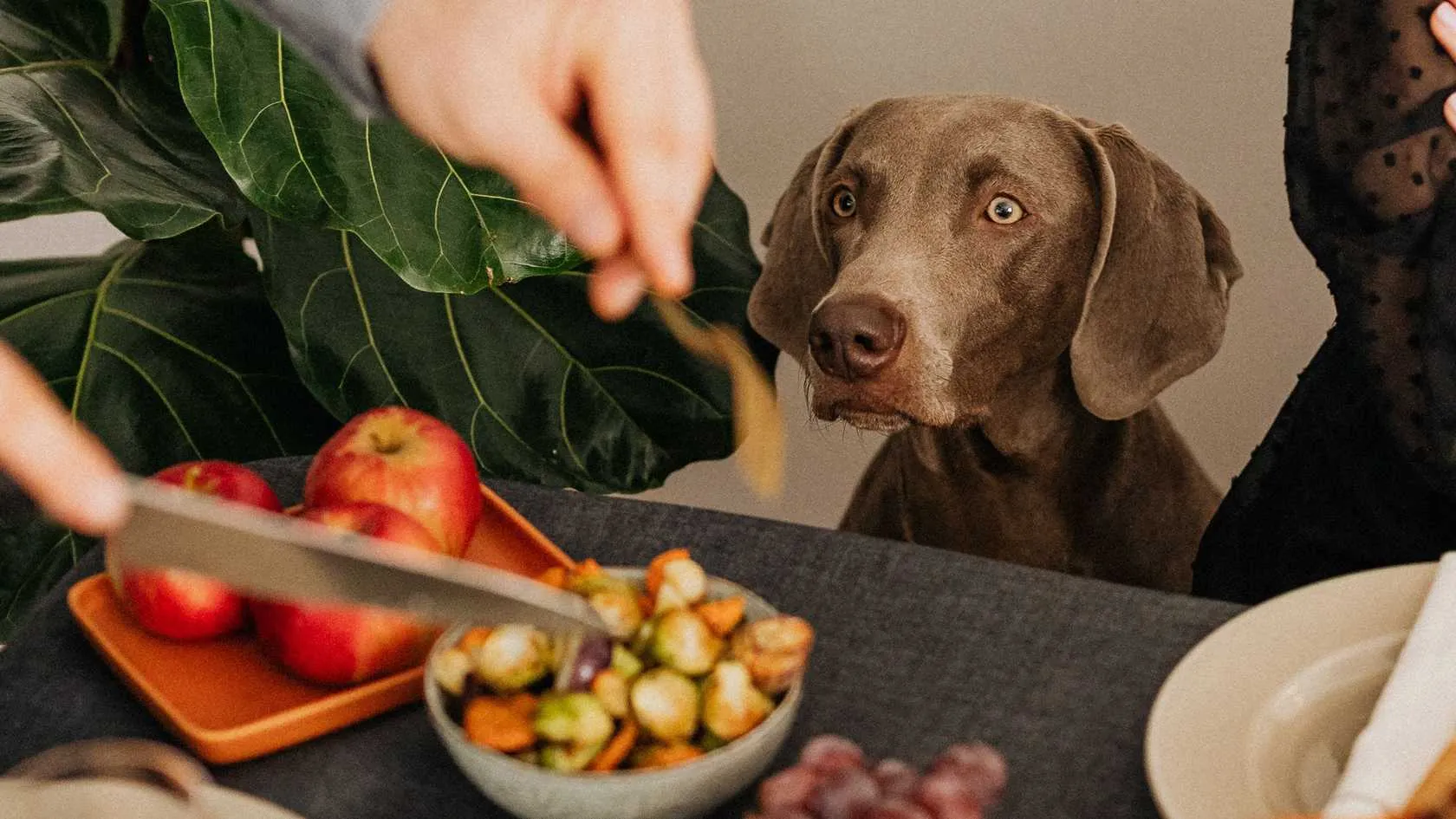

TL;DR: Safe Fruits Dogs Can Eat, Fruits to Avoid, and Safe Serving Tips
- Many dogs enjoy fruit, and some options can be a healthy treat when given in the right amounts.
- Fruits like pineapples, apples, bananas, blueberries, and strawberries can add a little variety to your dog's snack routine.
- Not every fruit is safe for dogs, and some can cause serious health problems if eaten.
- Grapes, raisins, and certain fruit parts like pits and seeds should always be avoided.
- Removing seeds, pits, stems, cores, and tough peels makes fruit easier and safer for dogs to enjoy.
- Plain fresh fruit is the best choice, while products with added sugar, syrups, or sweeteners should be avoided.
- A few small pieces are often enough since too much fruit may lead to stomach issues or extra calories.
- Every dog is different, so age, size, activity level, and health can affect how they handle new foods.
- Puppies may need more careful food choices because they are still growing and developing.
- Fruits and vegetables can be a nice addition to meals, but they should not replace complete dog food.
- Introducing new treats slowly can help spot any signs that a food does not agree with your dog.
- Paying attention to your dog's reaction can make it easier to find treats they enjoy.
- Simple preparation and proper portions can make sharing fruit a safer and more enjoyable experience.
- Knowing which fruits are safe and which ones are not can help prevent accidental poisoning and other problems.
If you are unsure about a certain fruit or notice something unusual after your dog tries a new treat, it is always better to ask for help instead of guessing. Contact us today, and our experienced vets can provide guidance on safe food choices and the right care for your dog.
Have you ever looked at a piece of fruit and wondered, "Can my dog eat this too?" It's a common question because many dogs get curious whenever food is around, but that doesn't mean every fruit is safe for your dog. Knowing which fruits are safe for dogs to eat can help you feel more confident the next time you want to share a little treat.
Although dogs are omnivores, it's not always easy to tell which fruits are healthy for dogs and which ones can be toxic to dogs. With so much information out there, it's understandable to feel unsure about what belongs in your dog's diet. A little guidance can go a long way when it comes to making safe choices.
If you've been thinking about adding fruits to your dog's routine or just want to know what's safe, you're in the right place. Read on to find out which fruits dogs can eat, which ones dogs should avoid, and what to know before feeding your dog fruit.
What Fruits Can Dogs Eat: Safe and Healthy Fruits for Dogs

Many fruits are good for dogs and can be a fun way to add variety to a balanced diet. That said, fruit should only be offered in small amounts as an occasional treat for dogs, not as a replacement for regular dog food. Before giving your dog any new food, make sure it is safe and remove any parts of the fruit that could be harmful.
Apple
Apples are a crunchy snack for dogs, especially when served fresh.
- A good source of fibre and vitamins A and C.
- The vitamins and fibre may help support healthy digestion and the immune system.
- Remove the core and seeds before serving.
Banana
Bananas are great for dogs; they are soft, naturally sweet, and easy to share.
- Rich in potassium, fibre, and vitamin B6.
- Potassium helps support healthy muscles and normal nerve function.
- Give your dog only small amounts because bananas are naturally high in sugar.
Blueberry
Blueberries are one of the easiest fruits to serve because they are already bite-sized and safe for dogs to eat.
- Packed with antioxidant compounds and vitamin C.
- Antioxidants may help protect healthy cells from everyday damage.
- Serve fresh or frozen without added sugar.
Strawberry
Strawberries can be a refreshing fruit for dogs to eat, especially on warm days.
- Contain vitamin C, fibre, and antioxidants.
- May help support the immune system and overall health.
- Wash well and cut into smaller pieces for smaller dogs.
Raspberry
Raspberries contain nutrients that can be a nice addition to an occasional snack.
- Provide fibre, antioxidant compounds, and vitamin C.
- May help support healthy digestion.
- Offer only small amounts because too many may cause an upset stomach.
Blackberry
Blackberries are another berry that is OK for dogs.
- Rich in vitamins and minerals.
- May help support overall health.
- Wash thoroughly before feeding.
Cranberry
Fresh cranberries can be offered once in a while.
- Contain antioxidant compounds and vitamin C.
- May help support urinary tract health.
- Avoid dried cranberries because dried fruits can contain added sugar.
Watermelon
Watermelon is a favourite for many dogs because it is juicy and refreshing.
- Provides vitamin A, vitamin C, and plenty of water.
- A great choice for helping dogs stay hydrated on hot days.
- Remove the seeds and rind before serving.
Cantaloupe
Cantaloupe is sweet, juicy, and easy to prepare.
- Contains vitamins A and C.
- May help support healthy skin and eyesight.
- Remove the rind and seeds before feeding to dogs.
Honeydew
Honeydew is another melon that many dogs enjoy.
- Provides vitamin C and potassium.
- Helps add extra hydration to your dog's diet.
- Serve only the soft flesh.
Mango
Mango is naturally sweet, so a little goes a long way.
- Contains vitamins A and C along with fibre.
- May help support healthy vision and the immune system.
- Remove the peel and pit before serving.
Pear
Pears are soft, juicy, and easy for most dogs to eat.
- Provide fibre and vitamin C.
- Fibre may help support healthy digestion.
- Remove the seeds and core before serving.
Pineapple
Fresh pineapple can be a tasty change from the usual treats.
- Contains vitamin C and manganese.
- May help support normal immune function.
- Choose fresh pineapple instead of canned because canned varieties often contain added sugar.
Peach
Fresh peaches can be shared when prepared properly.
- Contains vitamins A and C.
- May help support healthy skin.
- Always remove the pit before serving.
Nectarine
Nectarines are similar to peaches and can be enjoyable and safe for dogs in moderation.
- Provide vitamins and minerals.
- May help support overall health.
- Remove the pit before feeding.
Plum
Only the flesh of a plum should be shared.
- Contains fibre and vitamin C.
- May help support healthy digestion.
- Never feed the pit because it can be highly toxic to dogs.
Orange
Some dogs like oranges a lot, while others are not interested.
- A source of vitamin C and fibre.
- Can be a refreshing snack in moderation.
- Peel the fruit and remove any seeds before serving.
Tangerine
Tangerines can also be offered as an occasional treat.
- Provide vitamin C and antioxidants.
- May be a nice choice for dogs in small amounts.
- Limit portions because they contain natural sugar.
Kiwi
Kiwi is another fruit that many dogs can enjoy.
- Contains vitamin C, fibre, and potassium.
- May help support healthy digestion.
- Peel the skin before serving.
Papaya
Papaya has a soft texture that makes it easy to chew.
- Rich in vitamins A and C.
- May help support digestive health.
- Remove the seeds and peel before feeding.
Guava
Ripe guava can be a tasty change that dogs may like more than common fruits.
- Contains vitamin C and fibre.
- May provide benefits for dogs as an occasional treat.
- Remove as many seeds as possible before serving.
Apricot
Fresh apricot flesh can be offered once in a while.
- Provides vitamins A and C.
- May help support healthy vision.
- Never feed the pit because it can cause poisoning in dogs.
Coconut
Dogs can safely eat fresh coconut meat, but it can only be shared in moderation.
- Contains fibre and healthy fats.
- May help support healthy skin and a shiny coat.
- Feed only small amounts because too much may cause an upset stomach, especially in overweight dogs.
What Fruits and Vegetables Dogs Should Avoid

It is easy to assume that if a food is healthy for people, it must be safe for dogs too. Although dogs can eat many fresh foods, that is not always the case. While many fruits and vegetables are safe, others are toxic for dogs and can lead to serious health problems. Knowing which fruits dogs can't eat can help make choosing treats a lot less stressful.
Grapes
Grapes may look harmless, but they are one of the biggest foods to avoid.
- Can cause sudden kidney failure.
- Some dogs become seriously ill after eating only a few grapes.
- Contact a veterinarian right away if grapes are eaten.
Raisins
Raisins are dried grapes, so they carry the same risk.
- Can also lead to kidney failure.
- Signs may include vomiting, tiredness, and loss of appetite.
- Do not wait for symptoms before getting veterinary advice.
Cherries
The cherry fruit itself is not the biggest concern. It is the pit and other parts that create the problem.
- The pits, stems, and leaves contain toxic compounds.
- The pit can also become stuck in the digestive tract.
- It is safest to keep cherries off the menu.
Avocados
Avocados are best left to people.
- They contain persin, which can upset a dog's stomach.
- The large pit can be a choking hazard.
- Keep the fruit and pit out of reach.
Lemons
Most dogs are not interested in lemons, and that is probably a good thing.
- Their acidity can irritate the stomach.
- The peel contains oils that may make symptoms worse.
- Skip lemons when choosing treats.
Limes
Limes can cause similar problems to lemons.
- May lead to stomach discomfort.
- The peel is especially irritating.
- Avoid giving limes to dogs.
Grapefruit
Grapefruit is another citrus fruit that is not a good choice.
- The peel and pith are bad for dogs.
- May cause digestive upset.
- Pick one of the safest fruits instead.
Onions
Onions are toxic to dogs, whether they are raw or cooked.
- Can damage red blood cells.
- May lead to anemia.
- Keep onions out of meals and leftovers.
Garlic
Garlic belongs to the same plant family as onions.
- Can also affect red blood cells.
- Large amounts increase the risk of poisoning.
- Avoid adding garlic to homemade dog meals.
Leeks
Leeks contain many of the same harmful compounds.
- Can damage red blood cells.
- May cause weakness over time.
- Do not feed leeks to dogs.
Chives
Even small amounts of chives can be a problem.
- Toxic for dogs.
- May contribute to anemia.
- Keep fresh and dried chives away from pets.
Wild Mushrooms
Wild mushrooms are never worth the risk.
- Some types can damage the liver or nervous system.
- Certain varieties can be life-threatening.
- Prevent dogs from eating mushrooms during walks.
Rhubarb
Rhubarb is another plant that should stay out of a dog's bowl.
- The leaves contain harmful compounds.
- May affect the kidneys and digestive system.
- Keep garden plants out of reach.
Green Tomatoes
Unripe tomatoes are different from ripe ones.
- Contain more harmful natural compounds.
- May cause stomach upset.
- Do not feed green tomatoes.
Tomato Plants
The fruit is not the only concern.
- The leaves and stems can be harmful.
- May lead to digestive problems if eaten.
- Keep dogs away from tomato plants.
Raw Potatoes
Raw potatoes are not the same as cooked potatoes.
- Green potatoes contain higher levels of solanine.
- May affect the digestive and nervous systems.
- Never feed green or sprouted potatoes.
Potato Sprouts
Potato sprouts contain concentrated natural toxins.
- Can be more harmful than the potato itself.
- May lead to poisoning.
- Throw away sprouted potatoes safely.
Elderberries
Raw elderberries are unsafe for dogs.
- The berries, leaves, and stems contain toxic substances.
- May cause vomiting and diarrhea.
- Do not offer raw elderberries.
Gooseberries
Gooseberries are not recommended because there is little safety information available.
- May upset the digestive system.
- Their effects are not well understood.
- Choose one of the safest fruits instead.
Star Fruit
Star fruit is best avoided, especially for dogs with kidney problems.
- May worsen existing kidney disease.
- The risk is higher for sensitive dogs.
- Pick another fruit as a safer option.
Raw Eggplant
Raw eggplant is not the best choice.
- Contains small amounts of solanine.
- May cause digestive discomfort.
- Cooked eggplant is generally a safer option.
Hot Peppers
Spicy peppers and dogs simply do not mix.
Jalapeños
Jalapeños are another pepper to avoid.
- Can cause stomach pain and irritation.
- Offer no real benefits for dogs.
- Do not include them in treats or leftovers.
Raw Beans
Some raw beans contain natural toxins.
- May upset the digestive system.
- Certain varieties are more harmful than others.
- Cook beans thoroughly before they are ever considered for dogs.
Can Dogs Eat Fruit Along With Fruits and Vegetables

Yes, dogs can enjoy fruit along with vegetables, and many owners like to mix them up to add a little variety to treat time. Fresh produce can be a nice addition to a balanced diet without taking the place of complete dog food. The only thing to keep in mind is that there are fruits dogs should not eat, and not every vegetable belongs in a dog's bowl.
Fruits and Vegetables Can Be Enjoyed Together
Fruit and vegetables do not have to be offered separately. Many dog-safe options pair well together and make a colourful, tasty snack.
- Including fruits and vegetables adds more variety than serving the same treat every time.
- Fruits and vegetables can complement each other as occasional treats.
- Mixing different foods can make snack time a little more interesting.
They Each Bring Something Different
One reason fresh produce works so well is that every fruit and vegetable has something unique to offer.
- Fruits are often packed with natural vitamins and moisture.
- Vegetables can be a healthy addition because many are naturally lower in sugar.
- Together, they add more nutritional variety to occasional treats.
Fresh Produce Is Meant to Be an Extra
As tempting as it is to keep offering fresh snacks, they are only one part of a healthy diet.
- A dog would have to eat an unrealistic amount of fresh produce to replace the nutrition found in complete dog food.
- Fruits and vegetables are best enjoyed alongside regular meals.
- Complete dog food should continue to provide most of a dog's daily nutrition.
Choosing the Right Foods Matters
Not all fresh produce is created equal. Some choices are perfectly fine, while others are better left off the menu.
- There are fruits dogs should not eat because they can be harmful.
- Although many vegetables are safe for dogs, some are not suitable.
- Knowing the difference makes it much easier to choose fresh treats with confidence.
Can Dogs and Pups Eat Fruits and Veggies Every Day
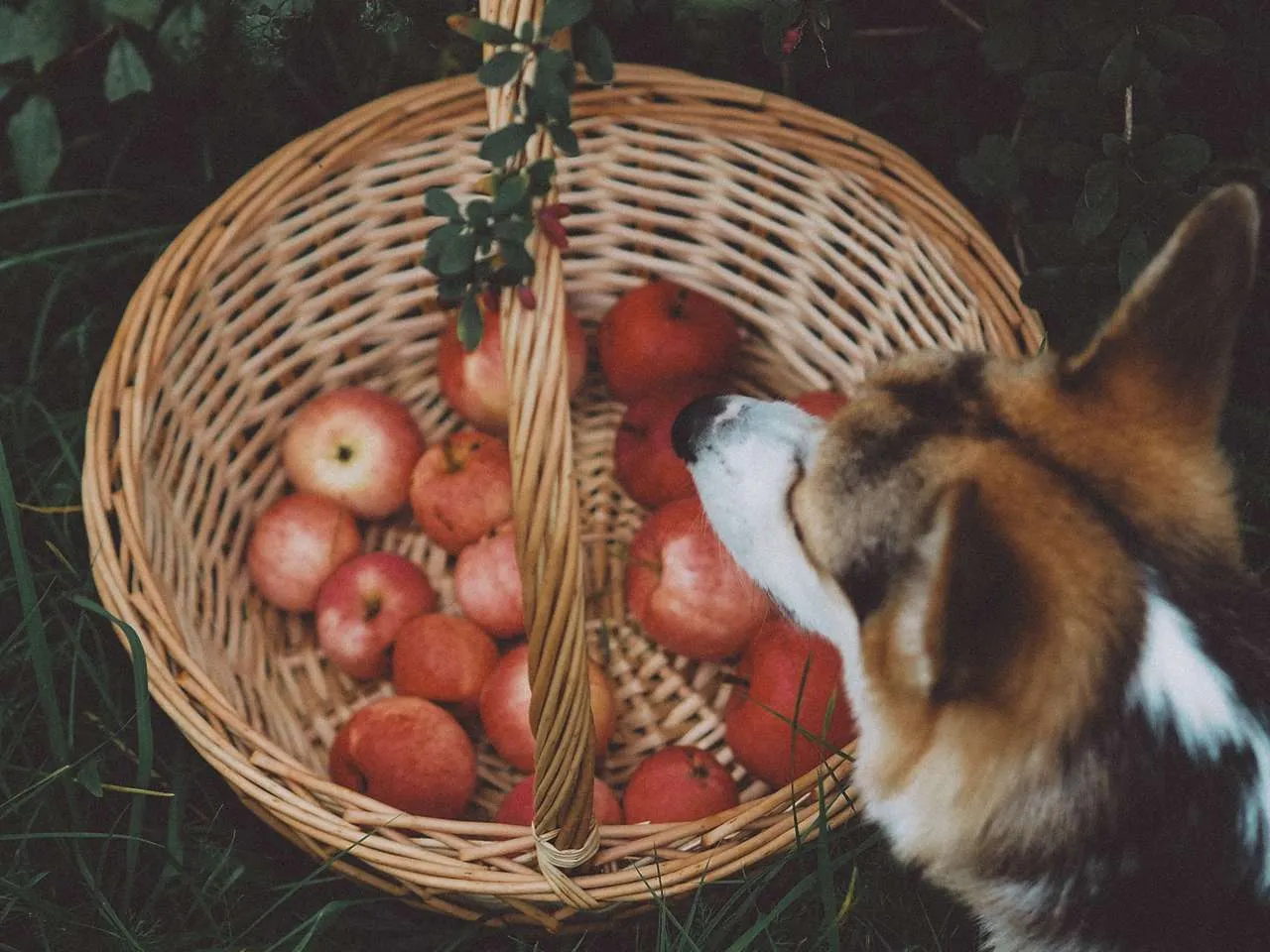
Fresh fruits and vegetables can be a great way to add a little variety to a dog's diet, so it is no surprise that many owners wonder if they can be offered every day. The answer depends on the dog's age, overall health, and the type of produce being served. While some dogs do well with a small daily serving, others may be better off enjoying fresh treats less often.
Adult Dogs Can Enjoy Fresh Produce Regularly
Many healthy adult dogs can have fresh fruits and vegetables as part of their daily routine.
- Small portions fit better into a balanced diet.
- Fresh produce should complement regular meals, not replace them.
- Daily treats should match the dog's size and activity level.
Puppies Need a Different Approach
Puppies have different nutritional needs because they are still growing. Their main focus should always be getting complete nutrition from a high-quality puppy diet.
- Fresh produce should only be a small part of what they eat.
- New foods are best introduced gradually.
- A balanced puppy diet should remain the priority.
Every Dog Is Unique
What works well for one dog may not be the best choice for another. Factors like age, weight, and existing health conditions can all influence what is appropriate.
- Some dogs tolerate fresh produce better than others.
- Certain medical conditions may require dietary adjustments.
- A veterinarian can provide guidance for dogs with special nutritional needs.
Variety Is Better Than Routine
Offering the same fruit or vegetable every day is not the only option. Changing things up from time to time can make healthy treats more enjoyable.
- Different produce offers different nutrients.
- Rotating choices helps create more variety.
- A mix of safe options keeps treat time interesting.
Moderation Makes the Difference
Even healthy foods can cause problems if they are overfed. Keeping portions reasonable helps fresh treats stay a positive part of the diet.
- Too much fruit may lead to excess sugar and calories.
- Large servings can cause digestive discomfort.
- Fresh produce is best enjoyed as a supplement to balanced meals.
Tips for Serving Fruits For Dogs
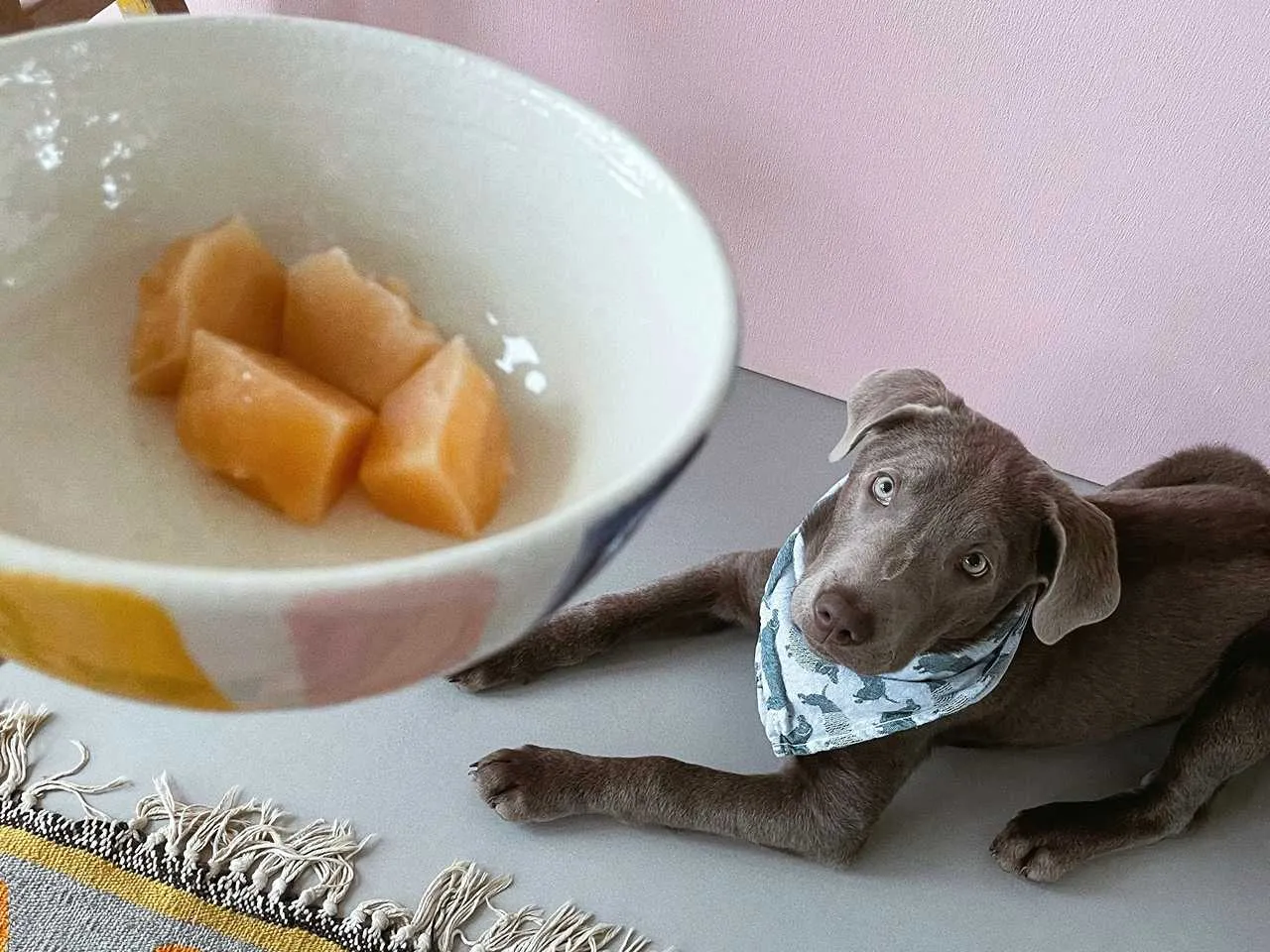
Giving a dog a piece of fruit can be a nice way to add some variety to treat time. It does not take much effort to make fruit safer and easier for dogs to enjoy. A few simple steps can help turn fresh fruit into a better snack option.
Wash Fruit Before Sharing
Even fruit that looks clean can have dirt or residue on the outside.
- Rinse fruit with clean water before giving it to a dog.
- Scrub firmer fruits gently when needed.
- Dry the fruit before cutting it into pieces.
Remove Parts That Should Not Be Eaten
Some parts of fruits are not meant for dogs, so a little preparation goes a long way.
- Take out pits, seeds, and hard cores.
- Remove thick peels that may be difficult to digest.
- Cut away any spoiled areas before serving.
Make Pieces Easy to Eat
A large piece of fruit can be harder for some dogs to handle.
- Cut fruit into small, manageable pieces.
- Adjust the size based on the dog's breed and age.
- Smaller bites can make snack time easier and safer.
Serve Fruit Without Extras
Dogs usually enjoy fruit as it is, so there is no need to add anything else.
- Avoid sugar, syrups, chocolate, or sweet toppings.
- Do not add seasonings or artificial sweeteners.
- Plain fruit is the simplest choice.
Introduce New Fruits Gradually
Trying a new fruit can be exciting, but it is better to start slowly.
- Offer a small amount the first time.
- Give the dog time to adjust before offering more.
- Introduce one new fruit at a time.
Pay Attention to Your Dog's Reaction
Every dog responds differently to new foods.
- Watch for changes like vomiting, loose stool, itching, or discomfort.
- Stop offering a fruit if it does not seem to agree with the dog.
- Get veterinary advice if a reaction appears serious.
Store Leftover Fruit Properly
Keeping fruit fresh helps maintain its quality.
- Store cut fruit in a sealed container in the refrigerator.
- Throw away fruit that becomes spoiled or mouldy.
- Avoid leaving prepared fruit out for too long.
Keep Fruit as an Occasional Treat
Fruit can be a nice addition, but it should stay a small part of the overall diet.
- Regular meals should provide most of the daily nutrition.
- Treats should fit within the dog's usual eating routine.
- Small servings are often enough for dogs to enjoy the flavour.
Final Thoughts
Choosing fruit for your dog does not have to be complicated. Once you know which fruits are safe and which ones are not, it becomes much easier to share a treat with confidence.
A little preparation can make a big difference, and most dogs are more than happy to enjoy a few fresh bites now and then. It is always nice to have healthy treat options, but keeping portions small is just as important as choosing the right fruit.
Since every dog is different, it helps to watch how your dog reacts whenever something new is added to the menu. With a little care and the right information, you can make fruit a safe and enjoyable part of your dog's routine.
Frequently Asked Questions
Can frozen fruit be safe for dogs during hot weather?
Yes, it can. On a hot day, a few pieces of frozen fruit can be a fun way to help a dog cool down, and many dogs seem to love the extra crunch. As long as the fruit is dog-safe and prepared properly, it can be a refreshing treat once in a while.
Choose safe fruits: Blueberries, strawberries, and seedless watermelon are popular options for freezing.
Keep pieces small: Smaller pieces are easier to chew and lower the chance of choking.
Take it slow: Some dogs get excited about treats, so it helps to make sure they do not eat too quickly.
Skip the extras: Frozen fruit should be plain, without sugar, syrups, or flavourings.
Treat, not meal: Frozen fruit is best enjoyed occasionally rather than every day.
Is canned fruit safe for dogs, or is fresh fruit always the better choice?
Fresh fruit is usually the better option because it is simple and contains fewer added ingredients. It can be tempting to share canned fruit, but wide varieties contain syrup or extra sugar that dogs do not need.
Fresh is best: Plain fresh fruit is usually the healthiest choice.
Read the label: Some canned fruit contains sweeteners, preservatives, or other unnecessary ingredients.
Avoid syrup: Fruit packed in syrup adds extra sugar and calories.
Natural options: If canned fruit is used, choose one packed only in water with no added ingredients.
Keep portions small: Even fresh fruit is still a treat and should not be overfed.
Are organic fruits a better option when adding fruits to a dog's diet?
Organic fruit can be a good choice, but it is not the only healthy choice. Whether fruit is organic or not, giving it a good wash before serving is one of the simplest things you can do.
Organic is optional: Both organic and conventional fruit can be suitable.
Wash everything: Cleaning fruit helps remove dirt and surface residue.
Similar nutrition: Both types provide many of the same nutrients.
Preparation matters: Removing pits, seeds, and other unsafe parts is just as important.
Safety comes first: Choosing dog-safe fruit matters more than choosing organic fruit.
How can you tell if your dog is allergic to a particular fruit?
Most dogs can enjoy fruit without any problems, but every dog is different. That is why it is always a good idea to pay attention after offering something new for the first time.
Watch the skin: Itching, redness, or hives can be signs of an allergic reaction.
Notice stomach changes: Vomiting or diarrhea may mean the fruit does not agree with the dog.
Check the ears: Some dogs with food allergies may scratch their ears more than usual.
Look at the timing: Reactions often happen not long after eating the new food.
Ask your veterinarian: If symptoms continue or seem severe, a veterinarian can help identify the cause.
Can senior dogs eat the same fruits that are safe for dogs, or do they have different dietary needs?
Many senior dogs can still enjoy fruit, but they sometimes need a little more consideration than they did when they were younger. Things like health conditions, medications, and a slower metabolism can all influence which treats are the best fit.
Health comes first: Some medical conditions may limit certain fruits.
Smaller servings: Older dogs often do better with modest portions.
Choose softer fruit: Softer options can be easier for dogs with dental problems.
Treats stay treats: Fruit should still be an occasional extra, not a meal replacement.
Personalized advice: A veterinarian can recommend the best treats based on a senior dog's individual needs.

