
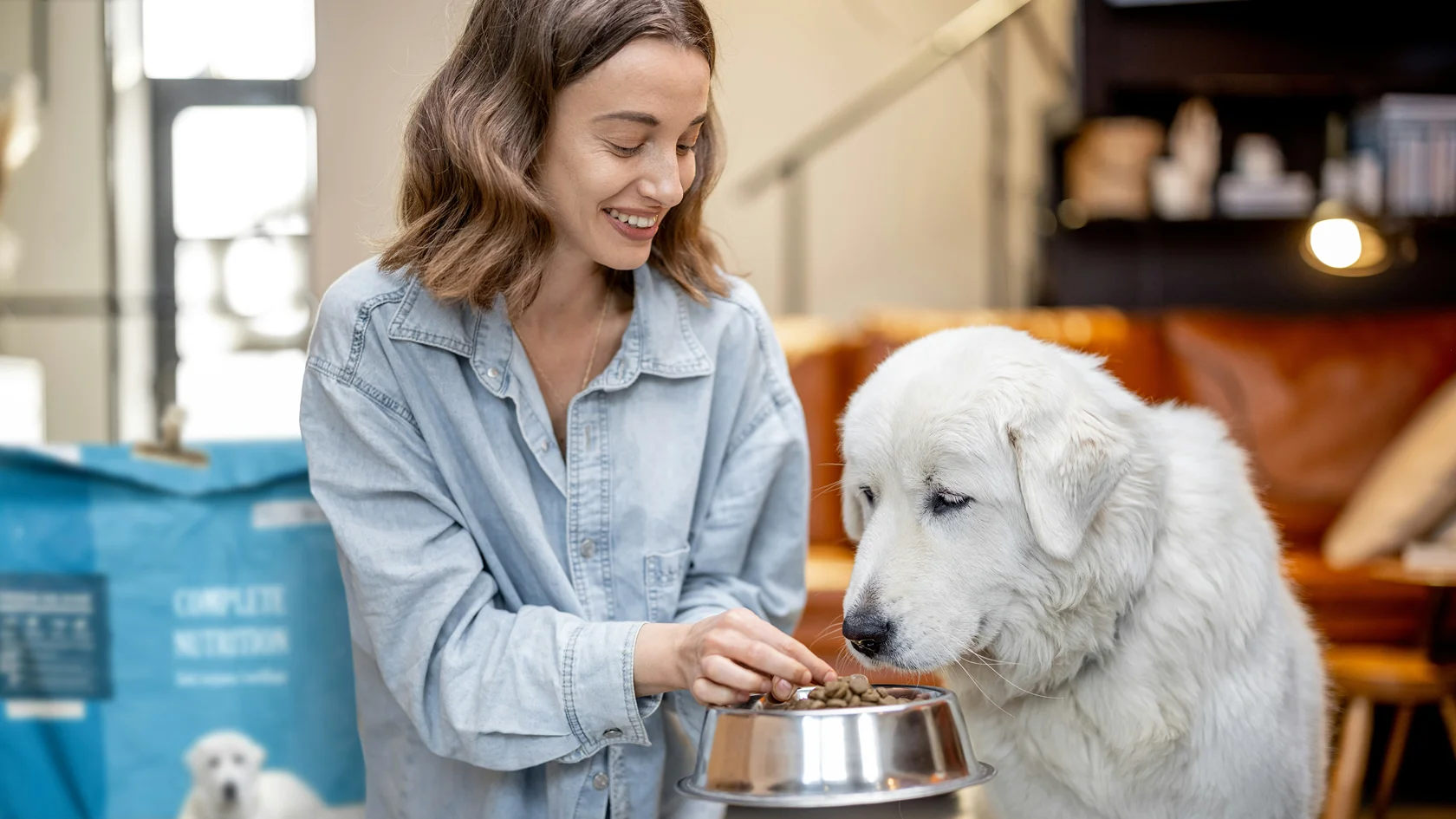

TL;DR: How to Transition Your Dog to a New Diet
- Gradual change is key: The safest way to transition your dog's diet is by introducing food gradually over 7–10 days to support smooth digestion and avoid stomach upset.
- Simple step-by-step mixing plan: Start with mostly old food and slowly increase the new formula until your dog is fully adjusted.
- Why owners switch diets: Many pet parents are transitioning to a new dog food due to life-stage changes, allergies, weight management needs, vet advice, or even a food recall.
- Watch for warning signs: If you notice digestive upset, such as diarrhea, vomiting, gas, lethargy, or loss of appetite, the transition may be happening too fast.
- Hydration helps digestion: Make sure fresh water is available at all times to help your dog transition comfortably during dietary changes.
- Choose the right nutrition: Select a complete, balanced formula based on your dog’s age, breed, size, and health needs for long-term wellbeing.
Need help? Reach out to us. Our veterinary team is here to guide you through transitioning your dog's diet and help you make the right choice for your pet’s health and comfort.
Is it time to switch your dog’s food, but you don’t know how to do it safely? If you are changing from puppy food to adult formulas, trying to address health issues, or just trying to find a new food your pet enjoys, knowing how to transition dog food properly can help prevent digestive issues and ease the change for your pet.
Many dogs can adapt well to a new diet, but changing a dog's food too quickly can lead to stomach upset. The key is to introduce the new food slowly and give your pet enough time to adjust. In this veterinary guide, you'll learn how to transition your dog safely and discover the best way to switch dog foods while supporting your pet's overall health.
Common Reasons for Changing Dog Food
There are many reasons why a dog’s diet may need to change over time. These common situations can help you choose the right nutrition and make dietary transitions smoother for your pet.
Age-Related Dietary Needs
As dogs transition into a new life stage, their nutritional needs change naturally. Switching your puppy to adult dog food helps to ensure your pet is getting the right balance of nutrients for growth, maintenance and long-term health.
Allergies or Food Sensitivities
Sometimes dogs develop allergies, food intolerances or other sensitivities, and a more appropriate diet must be chosen. Learning to identify and avoid trigger ingredients can help improve comfort, digestion and overall quality of life.
Weight Management
If your dog is suddenly gaining or losing weight, you may need to switch to a formula designed to help with healthier weight management. The right diet can maintain an ideal body condition without losing complete nutrition.
Poor Coat or Energy Levels
A dull coat, low energy, or noticeable changes in appearance may suggest that a different food could better support your dog's nutritional needs. After all, the best dog food for one pet is not always the option that is best for your dog.
Vet Recommendation
A vet may recommend a change in diet due to health issues, digestive problems or specific nutritional requirements. Working with a professional can help ensure your pet is getting a complete and balanced diet that is specific to their individual needs.
How to Transition Dog Food the Right Way
The safest way to transition to a new food is through a gradual transition rather than changing food quickly. Every dog responds differently and may require slight adjustments to the schedule.
A standard transition period allows your dog’s digestive system to adapt to the new dog food while reducing the risk of stomach upset.
Day 1–3: 75% Old, 25% New
Begin by mixing 75% old food with 25% new food. This small ratio of new food helps make the transition easier on the digestive tract.
Day 4–6: 50% Old, 50% New
Increase the amount of new food so the mixture is evenly split. Continue to observe how your pet reacts as you slowly transition your dog to the updated diet.
Day 7–9: 25% Old, 75% New
At this stage, most dogs are beginning to adjust to the new food. Continue offering the mixture consistently to keep the transition smooth.
Day 10: 100% New Food
Most dogs can eat the new food exclusively by day 10 without any discomfort. This is the end of the transition to the new food and the end of the transition time.
Check your dog's stool each day during the process. If you notice persistent changes, you may need to extend the transition because some dogs may need a longer transition period.
Keep Fresh Water Available
Proper hydration supports digestion while giving your dog a new diet. Always provide clean water throughout the transition process.
Signs of Switching Dog Food Too Quickly
When introducing a new diet, it’s important to pay attention to how your dog responds. While some pets adjust smoothly, others may show signs that the transition is happening too fast.
- Loose Stools or Diarrhea: One of the most common signs that your dog is adapting too quickly is soft stool or diarrhea. Changing food abruptly can cause temporary digestive disturbances while your dog adjusts.
- Vomiting: Occasional vomiting may indicate that your dog's stomach is having difficulty adapting to the dietary change. If vomiting continues or occurs alongside other symptoms, it’s best to consult your veterinarian.
- Excessive Gas or Bloating: Increased gas or bloating can occur when a different type of food is introduced faster than your pet can comfortably digest. Slowing down the transition helps give the digestive system more time to adjust.
- Lethargy: A drop in energy levels may accompany digestive upset when changing your dog’s diet too quickly. Keep an eye out for other symptoms as well, and contact your veterinarian if the issue persists.
- Loss of Appetite: Some dogs may be reluctant to eat a new food, no matter how slowly it is introduced, while others simply need more time to adjust. Monitor meals closely if your dog doesn’t seem interested in eating or is consistently leaving food behind.
How to Choose New Food for Your Dog
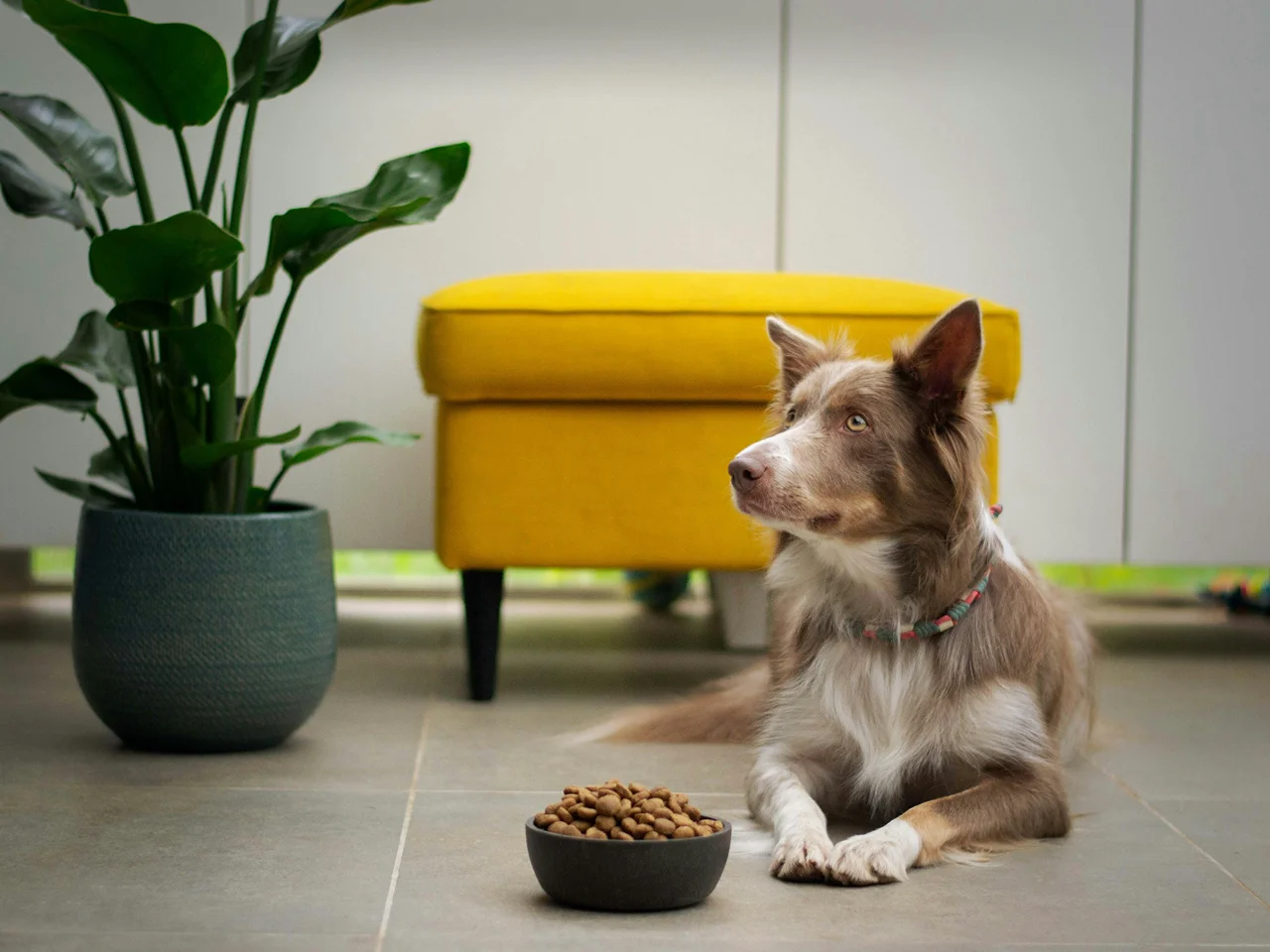
When deciding between wet food, dry dog food or another feeding option, remember that the goal is to choose a complete and balanced formula that meets your dog’s individual needs.
- Match Food to Life Stage: Select a formula appropriate for your dog's age, whether you have a growing puppy or an adult dog. Life-stage nutrition helps support your pet's changing needs.
- Consider Breed and Size: Different breeds and body sizes may benefit from a specific type of food formulated for their unique requirements. This can help support long-term health and wellness.
- Protein Source Quality: If you are going to choose one food to feed consistently, choose high-quality protein ingredients. A healthy, well-balanced formula will allow you to feed your dog with confidence, while supporting muscle maintenance and overall health.
- Avoid Known Allergens: If your dog has a history of food allergies, read ingredient labels carefully before you buy a new food. Staying away from known triggers can help to minimize reactions and gut issues.
- Check With Your Vet First: Talk to your veterinarian about the best options before changing your dog's food. They can help you decide if you need to transition because of a health concern, poor performance on the old diet, or just because your dog likes a different formula.
Final Thoughts
If you're preparing to switch your dog to a new diet, following a gradual plan can help your dog adjust without eating disruptions and make the change to a new dog food with ease. Taking the time to transition slowly allows your dog's digestive system to adapt, reducing the risk of diarrhea, vomiting, gas, and other signs of digestive upset.
Every dog is different, so keep a close eye on your pet, and adjust the transition schedule as needed. Most importantly, select a high-quality diet that is suited to your dog’s specific needs, and consult your veterinarian if you have any questions about nutrition, health conditions or changes in diet.
Frequently Asked Questions
When should I consider changing my dog’s current food?
When the nutritional needs or health situation of your dog changes, a change in diet can be helpful.
Age-Appropriate Nutrition: Moving from puppy to adult formulas supplies nutrients that correspond with your dog's life stage and encourage long-term wellness.
Food Sensitivity Concerns: Recurring skin irritation, itching, or stomach discomfort may indicate that a different diet could be more suitable.
Weight Control Support: A specialized formula may help maintain a healthy body condition if your dog is gaining or losing weight unexpectedly.
Better Coat & Energy: Switching up your dog's diet can sometimes help to support a shinier coat, healthier skin and better daily energy levels.
Professional advice: Your vet can advise on dietary changes that meet your pet’s health needs and nutritional requirements.
How can I safely transition to a new pet food?
A gradual introduction gives your dog time to adjust and helps reduce the risk of digestive upset.
Start With Small Amounts: Begin by mixing a small portion of the new diet with the old food to ease your dog into the change.
Gradually Increase: Over several days, increase the percentage of the new food and decrease the old food.
Keep Regular Feeding Times: Regular meals create a routine that is predictable during the transition process.
Provide Clean Water: Access to clean water helps maintain normal digestion and hydration through the change in diet.
Watch Your Dog’s Response: Monitor hunger, stool quality and general health to make sure the switch is going well.
What are the signs that a Digestive adjustment is happening too quickly?
Some dogs adapt easily, while others may show temporary signs that they need more time.
Loose Stool or Diarrhea: Soft stools are among the most common indicators that the transition pace may be too fast.
Vomiting Episodes: An upset stomach can occur when a new diet is introduced faster than your dog can comfortably tolerate.
Increased Gas or Bloating: Changes in digestion may lead to temporary gas production while the body adjusts.
Reduced Energy Levels: Some dogs may appear less active if digestive discomfort develops during the transition.
Changes in Appetite: A reluctance to eat may signal that your pet needs a slower introduction to the new diet.
What should I do if I notice my dog’s symptoms during a food transition?
Paying attention to changes early can help make the transition safer and more comfortable.
Slow the Transition Schedule: Reducing the pace gives your dog's digestive system additional time to adapt.
Review Feeding Portions: Make sure the ratios are being changed gradually according to the transition plan.
Track Daily Observations: Noting stool quality, appetite and behaviour can help to identify patterns.
Check Hydration Levels: Ensure your dog is drinking enough water to maintain normal bodily functions.
Contact Your Veterinarian If Needed: Signs that don’t go away or get worse should be checked by a veterinarian.
Why is it important to avoid changing your dog’s diet too fast, and how can you keep your dog comfortable?
A slow and thoughtful approach helps support a smoother transition and better overall adjustment.
Protect Digestive Balance: Sudden dietary changes can disrupt the normal adaptation process within the digestive tract.
Avoid Feeding a New Diet Too Soon: Introducing large amounts of new food immediately may increase the likelihood of stomach upset.
Prevent Problems caused by a dog’s food abruptly changing: Gradual transitions help reduce the chances of diarrhea, vomiting, and other temporary reactions.
Choose the Right Formula: Selecting a food that matches your dog’s age, size, and health needs supports successful long-term feeding.
Adjust the Timeline When Necessary: Some dogs simply require a longer transition period to become fully comfortable with their new diet.

