
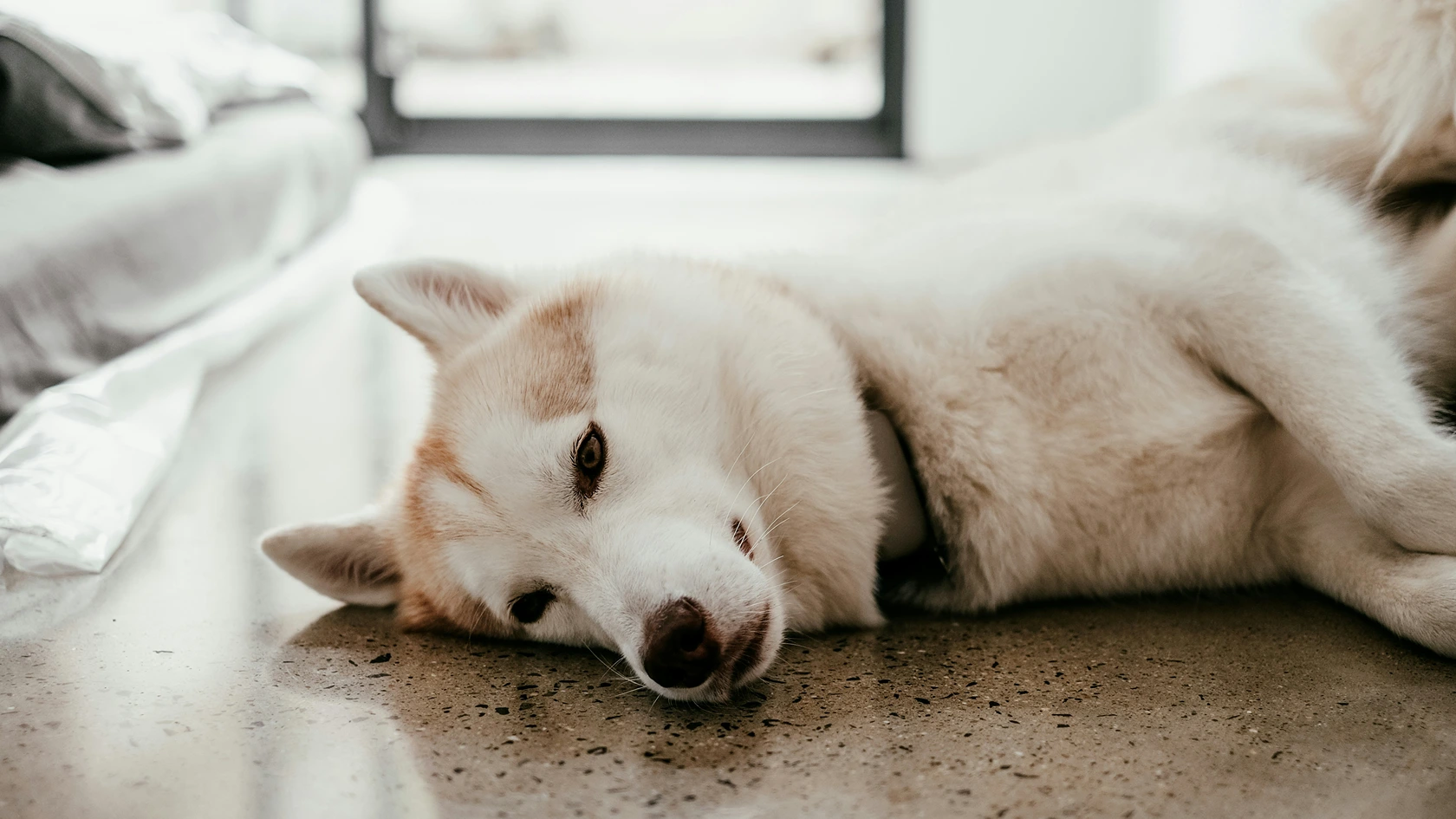

TL;DR: Why Your Dog is Lethargic
- Some winter slowdown is normal: As temperatures drop, it’s common for dogs to rest more. Shorter days, colder weather, and reduced activity can cause your dog to become lethargic without serious illness.
- Know the difference: Normal tiredness passes with rest. If your dog is suddenly lethargic, withdrawn, or uninterested in things they usually enjoy, it may be a sign of illness.
- Seasonal vs medical causes: Cold weather, joint stiffness, and less exercise can play a role—but underlying problems can also cause lethargy.
- Watch for warning signs: Appetite changes (how your dog eats), excessive sleeping, weakness, vomiting, diarrhea, pale gums, or behaviour changes can all be signs your dog needs medical attention.
- Timing matters: If your dog’s lethargy sticks around for more than a day or two, gets worse, or they start acting out of character, it’s a good idea to call your vet.
- Early care makes a difference: Getting a lethargic dog to the vet early can prevent complications and help your dog recover faster.
Need guidance? Consult with us if your dog isn’t acting normally. We can identify the cause and guide the right treatment to get your dog feeling better again.
As temperatures drop, many dog owners notice changes in their pet’s behaviour. Your dog may seem quieter, less playful, or more tired than usual. While some slowdown is normal, lethargy is a common concern during colder months and can sometimes be a sign that something more serious is going on. Understanding seasonal lethargy can help you decide whether your dog just needs extra rest—or needs to see the vet.
In this post, we’ll break down why cold weather can affect your dog’s energy levels, what dog lethargy looks like, the symptoms that shouldn’t be ignored, and when it’s time to take action for your dog’s health.
What is Dog Lethargy?
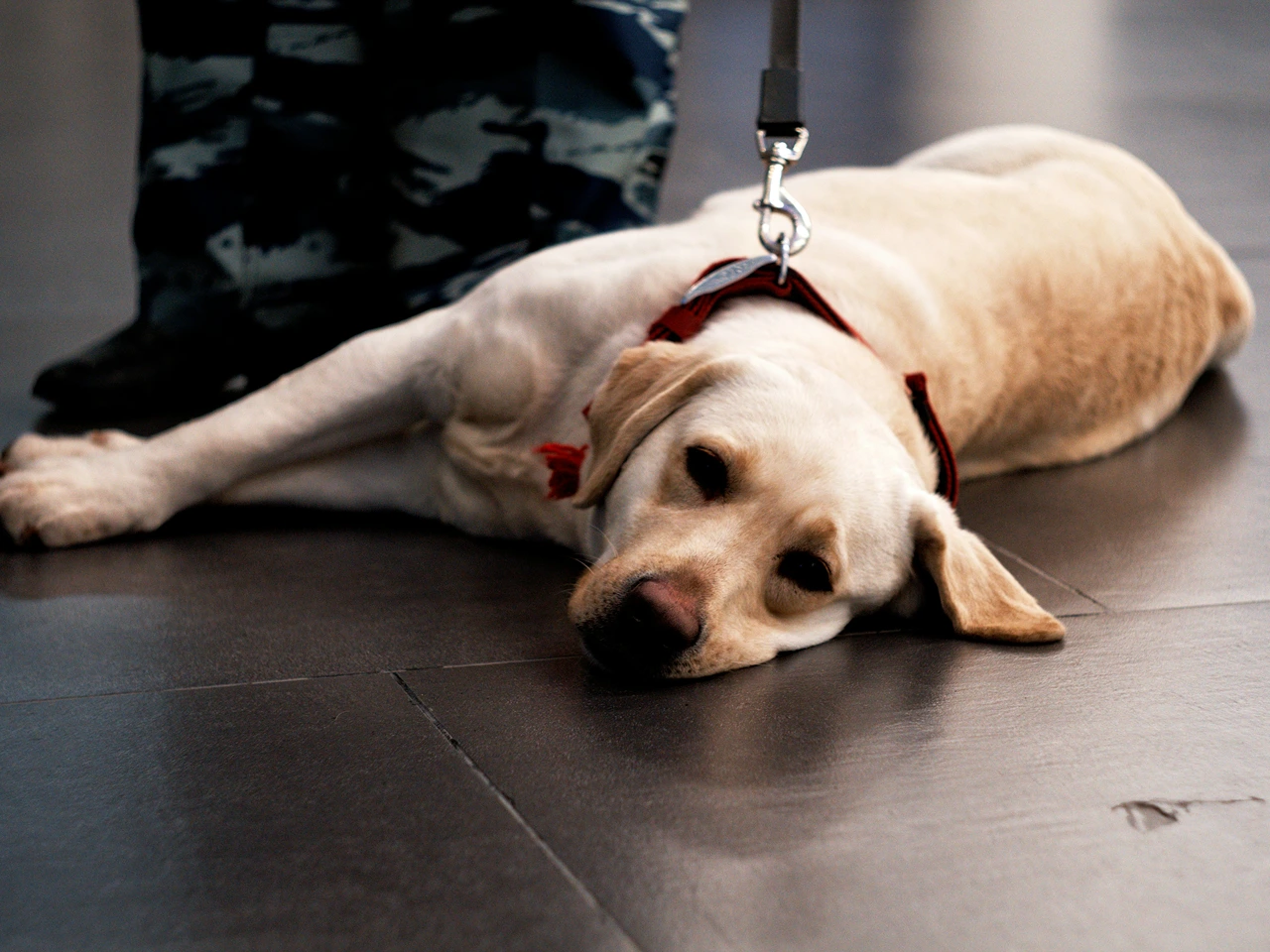
Lethargy is a symptom, not a disease. It’s a noticeable lack of energy, less enthusiasm, and a reluctance to move, play, or interact. A tired dog after a long walk or busy day is normal. However, a dog acting lethargic shows a bigger change in behaviour. This is especially concerning when your dog suddenly slows down, appears withdrawn, or stops engaging in normal routines.
Seasonal changes can affect energy levels. Shorter days and colder weather can lead to lethargy, meaning a dog can be lethargic during winter even without an obvious illness. Still, it’s important to know your dog well enough so you can tell if your dog is just resting more—or if your dog is exhibiting something unusual.
Common Causes of Lethargy in Dogs
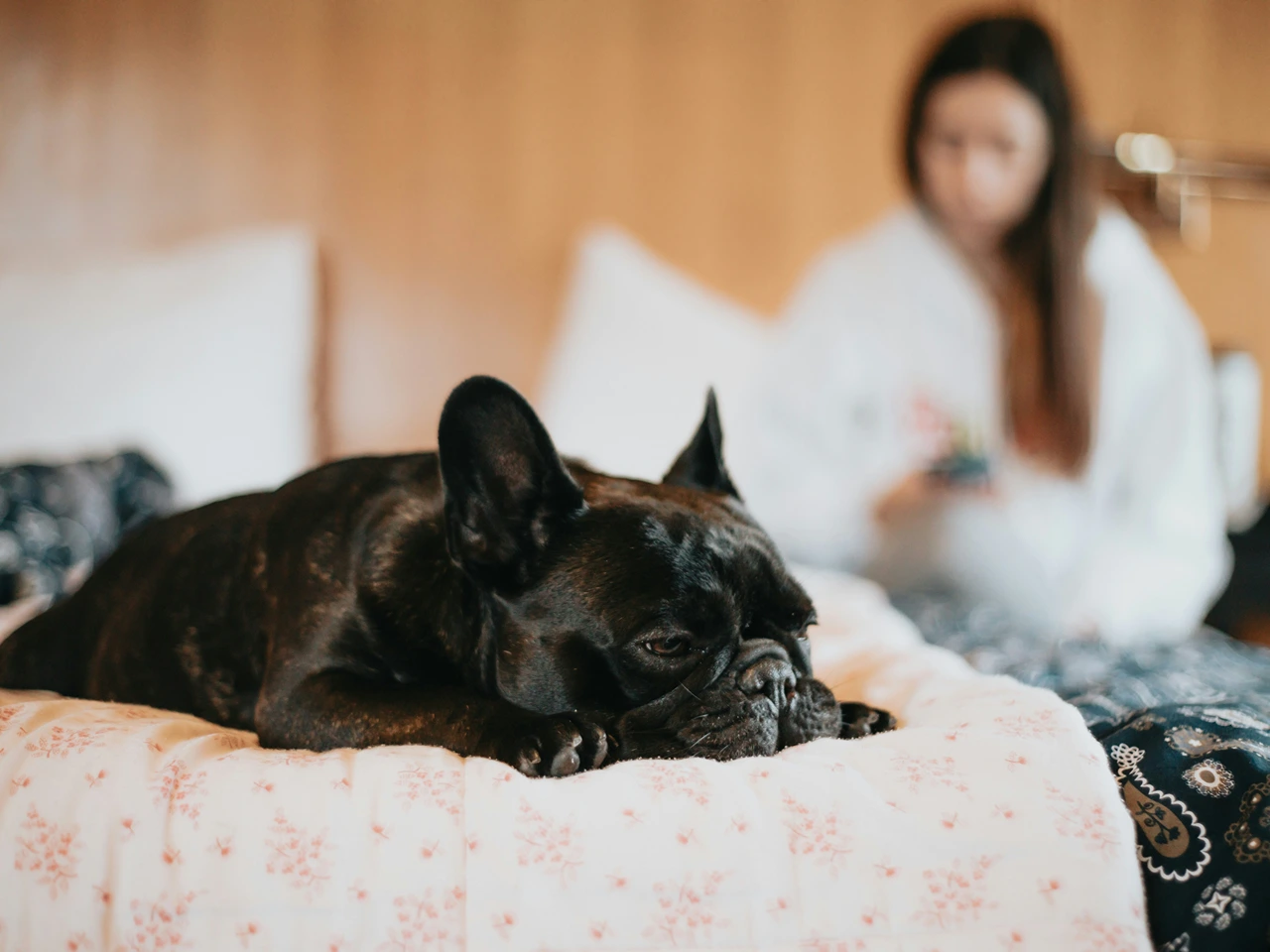
There are many possible causes of lethargy, especially during colder months. Some are seasonal and temporary, while others may signal an underlying health concern that needs attention.
Shorter Daylight Hours
Shorter days can mess with your dog’s natural rhythm, leaving them sluggish and less pumped to play or move around.
Reduced Physical Activity
When winter hits, and your dog isn’t getting as much exercise, they can get bored, restless, and just plain tired—both physically and mentally.
Cold-Related Joint Stiffness
Cold temperatures may cause joint stiffness and discomfort, particularly in an old dog or a dog who’s already prone to arthritis or mobility issues, making movement less appealing.
Seasonal Mood Changes (Winter Blues)
When winter rolls around, some pups slow down. Less sun and outdoor time can leave them feeling tired, grumpy, or totally unmotivated.
Underlying Illness or Disease
Infections or diseases are more serious possible causes, including heart problems, kidney failure in dogs, and liver disease in dogs, all of which can significantly drain energy.
Disrupted Sleep Patterns
Longer nights or a busier household can mess with your dog’s sleep schedule, leaving them looking extra sleepy or sluggish during the day.
Weight Gain From Reduced Activity
If your dog’s moving less and packing on a little winter weight, it can put extra stress on their joints and make even small activities feel exhausting.
In some cases, lethargy in dogs can be caused by an underlying issue unrelated to the season. If your dog develops sudden or severe fatigue, the cause of the lethargy should be evaluated by a veterinarian to rule out serious conditions.
Symptoms of Lethargy in Dogs
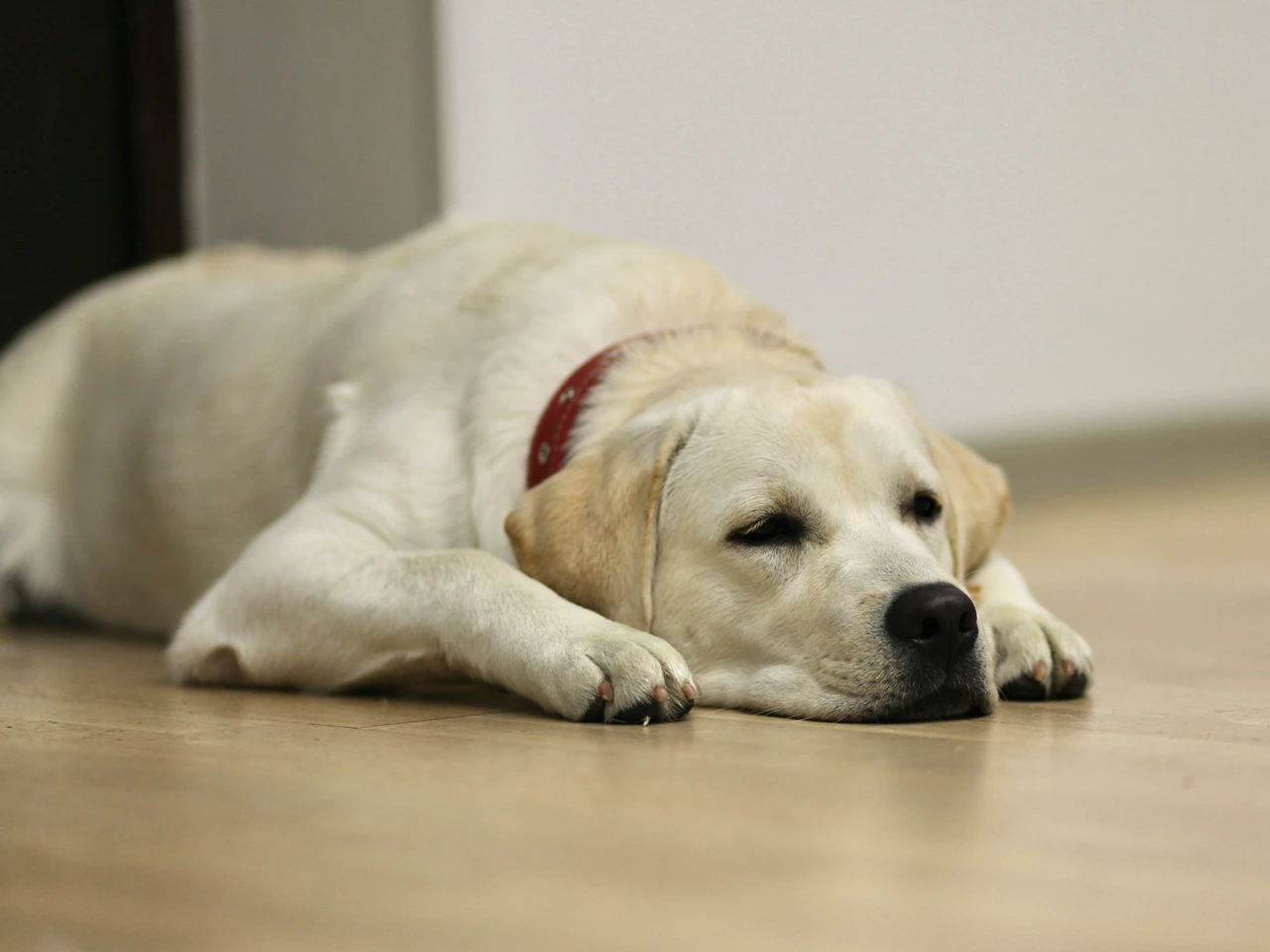
Recognizing the signs of lethargy early can help you support your dog before the condition worsens. A dog is showing lethargy when you notice the following symptoms:
- Excessive sleeping or difficulty waking: Your dog may sleep more than usual or seem unusually hard to wake, even during times they are normally active or alert.
- Reduced interest in walks, toys, or social interaction: A tired dog might suddenly lose interest in stuff they usually love—no excitement for walks, playtime, or even hanging out with the family.
- Slow movement or appearing wobbly: If your dog starts moving slowly, wobbling, or looking a bit off-balance, it could just be tiredness—or it might be a sign something else is going on.
- Changes in eating or drinking habits: Noticeable changes in eating or drinking, including reduced intake or complete avoidance, may point to discomfort or illness.
- Loss of appetite or lack of appetite: A clear loss of appetite or ongoing lack of appetite is a common warning sign, especially if it lasts more than a day.
- Behavioural changes such as withdrawal or irritability: When pups aren’t feeling their best—they might start pulling away, ignoring you, or acting grumpy out of nowhere.
- Signs of discomfort, especially joint-related: If your dog’s moving stiffly, limping, or just seems hesitant to get around, it could be joint pain or inflammation making them feel low on energy.
- Digestive issues like vomiting and diarrhea: Vomiting and diarrhea can quickly drain energy and may worsen lethargy due to dehydration or nutrient loss.
When to Seek Veterinary Care
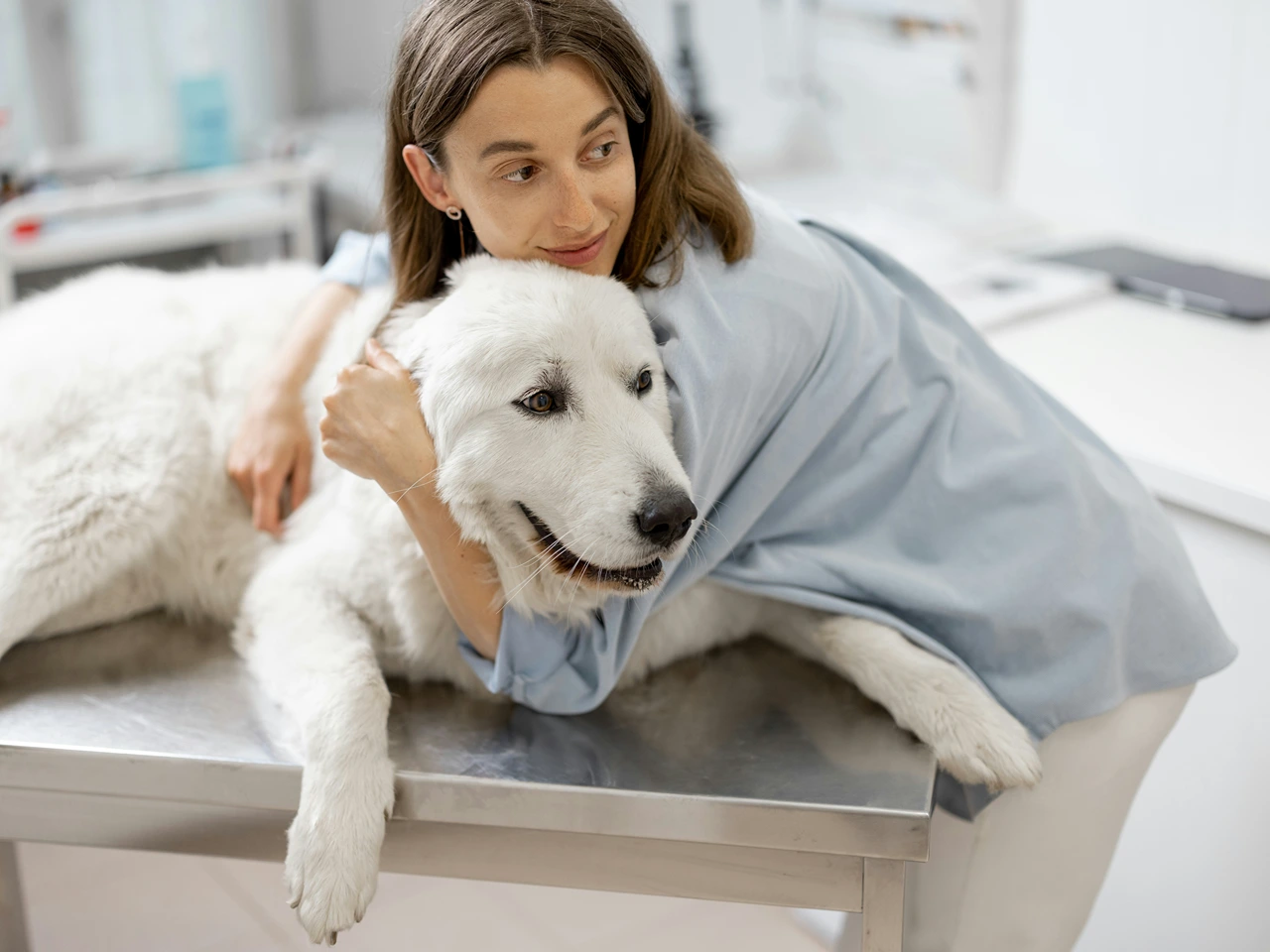
Knowing when to seek veterinary attention is important, especially when lethargy lingers or appears out of the blue. When in doubt, it’s always safer to contact your vet. You should do so if any of the following apply:
Lethargy lasting over 24–48 hours
If your dog is still unusually tired after a day or two, it’s a sign something may be going on beneath the surface and your pet needs to see a professional.
Lethargy with additional symptoms
If your dog is low on energy and also vomiting, running a fever, in pain, or suddenly weak, don’t ignore it—these are often signs they’re not feeling well.
Sudden energy loss in puppies or senior dogs
If a puppy or older dog suddenly slows down, they can get worse quickly—so catching it early really makes a difference.
Behavioural or personality changes
If your normally social dog seems distant or “not themselves,” and you’re not sure what could be causing it, it’s worth paying attention.
Possible seasonal illness or health condition
If you think your dog is dealing with a seasonal illness or flare-up, it’s best to reach out to your vet rather than wait and see.
Sudden collapse or neurological signs
These situations are urgent. Take your dog to a clinic right away so they can see a vet as soon as possible.
If you think your dog is seriously unwell, reach out to your vet immediately or take your dog to an emergency clinic in urgent situations. Some cases clearly mean your pet needs to see a professional without delay.
If something feels off and you’re not sure what could be causing the change, trust your instincts. Even if your dog seems stable, ongoing or unexplained lethargy is a strong reason to seek veterinary care.
How Vets Treat a Lethargic Dog
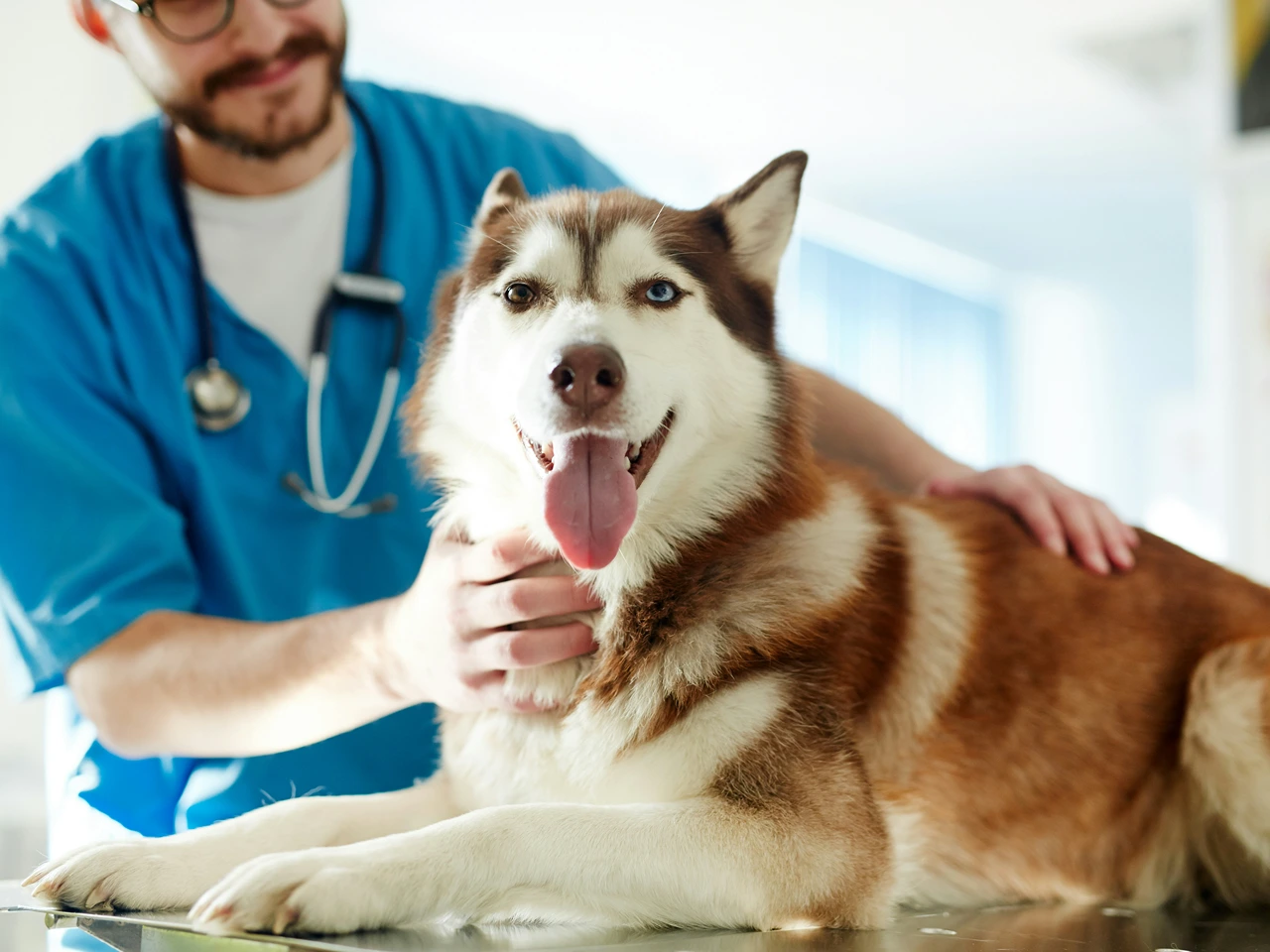
When you get your dog checked, a vet will focus on identifying the underlying cause of the lethargy and creating a personalized treatment plan based on your dog’s age, symptoms, and overall health.
Treatment may include:
- A full physical exam and diagnostic testing to accurately determine the causes of dog lethargy, including checking vital signs, mobility, and any visible discomfort.
- Blood work and lab tests to look for infections, organ dysfunction, or hidden health issues that may be affecting your dog’s energy levels.
- Medication or targeted therapies if an infection, inflammation, or chronic condition is found, helping address the problem at its source.
- Gentle exercises to slowly get your dog’s strength and energy back without wearing them out, especially while they’re recovering.
- Nutrition guidance, particularly if your dog is not eating, to ensure they receive enough calories and nutrients to support healing.
Your veterinarian will guide you on how to give your dog the right support, especially during colder months when lethargy is more common.
Final Thoughts
A seasonal lethargy is normal—but sometimes it’s your dog’s way of saying something’s not right. If your dog is slowing down more than expected or starts acting lethargic, paying attention early makes all the difference. When in doubt, see the vet right away if your dog seems off, because your dog’s health is always worth checking.
Winter can hide early signs that your dog isn’t feeling great—what looks like ‘just being lazy in the cold’ might actually be something more. Paying attention to little changes in energy, appetite, or mood and keeping up regular routines can help you catch problems before they get worse.
Frequently Asked Questions
How can I know if my dog is lethargic or just tired?
If you don't know if your dog is getting tired or lethargic, the difference usually shows in how long the behaviour lasts and how much it affects daily routines.
Response to rest: Normal tiredness improves after sleep or a quiet day, while lethargy tends to persist even after adequate rest.
Interest in activities: A tired dog still shows excitement for walks or toys — a lethargic one, however, often seems completely disengaged.
Energy consistency: Watch whether low energy shows up suddenly or keeps coming back day after day.
Behavioural changes: Withdrawal, irritability, or lack of responsiveness suggest more than simple fatigue.
Physical cues: Slow movement or stiffness can hint at something deeper affecting your dog’s energy — it’s worth paying attention.
When should I take my dog to the vet?
Knowing when to act matters, and it’s safest to contact your vet if your dog shows ongoing or worsening signs.
Extra signs to watch: If your dog is super tired and has vomiting, diarrhea, fever, or seems unusually weak, don’t ignore it.
How long it lasts matters: If your pup stays low-energy for more than a day or two, it’s time to call the vet.
Personality changes: A noticeable change in mood or social behaviour is often a red flag.
Age-related risk: Puppies and senior dogs can decline faster when their energy drops suddenly.
Trust your gut: If your dog seems “off” or just not themselves, it’s always safer to get them checked sooner rather than later.
Why is my dog lethargic in winter?
A lethargic dog in colder months might just be reacting to the season — it doesn’t always mean something’s wrong.
Less sunlight: Short days can throw off your dog’s internal clock and energy.
Less exercise: Fewer walks or playtime can make them sluggish.
Cold-related stiffness: Joint discomfort can make movement less appealing.
Routine changes: Altered schedules during winter can disrupt sleep patterns — which may leave your dog more tired than usual.
Mood shifts: Some dogs experience mild seasonal “winter blues”, a little grumpiness or low energy that comes and goes.
Can seasonal lethargy turn into a health problem?
Seasonal slowdowns are common, but a dog may be lethargic for medical reasons as well.
Hidden illness: Infections or organ issues can mimic normal winter fatigue.
Appetite changes: Eating less alongside low energy is a concern — it could signal something more serious.
Weight gain: Reduced activity can strain joints and worsen tiredness.
Things can add up: Cold weather can make existing issues, like arthritis, feel worse.
Keep an eye out: A little sluggishness might seem harmless at first, but it can get worse if you don’t watch it.
What can I do at home to support a lethargic dog?
Supportive care helps when your dog gets sluggish during colder months.
Stick to a routine: Regular meals, walks, and sleep help keep your dog’s energy steady.
Keep their mind busy: Games and training help prevent boredom and low energy.
Gentle activity: Short, regular walks or play keep joints moving without wearing them out.
Warm comfort: Provide cozy bedding to reduce cold-related stiffness.
Ongoing observation: Track changes so you can act quickly if symptoms increase.

