
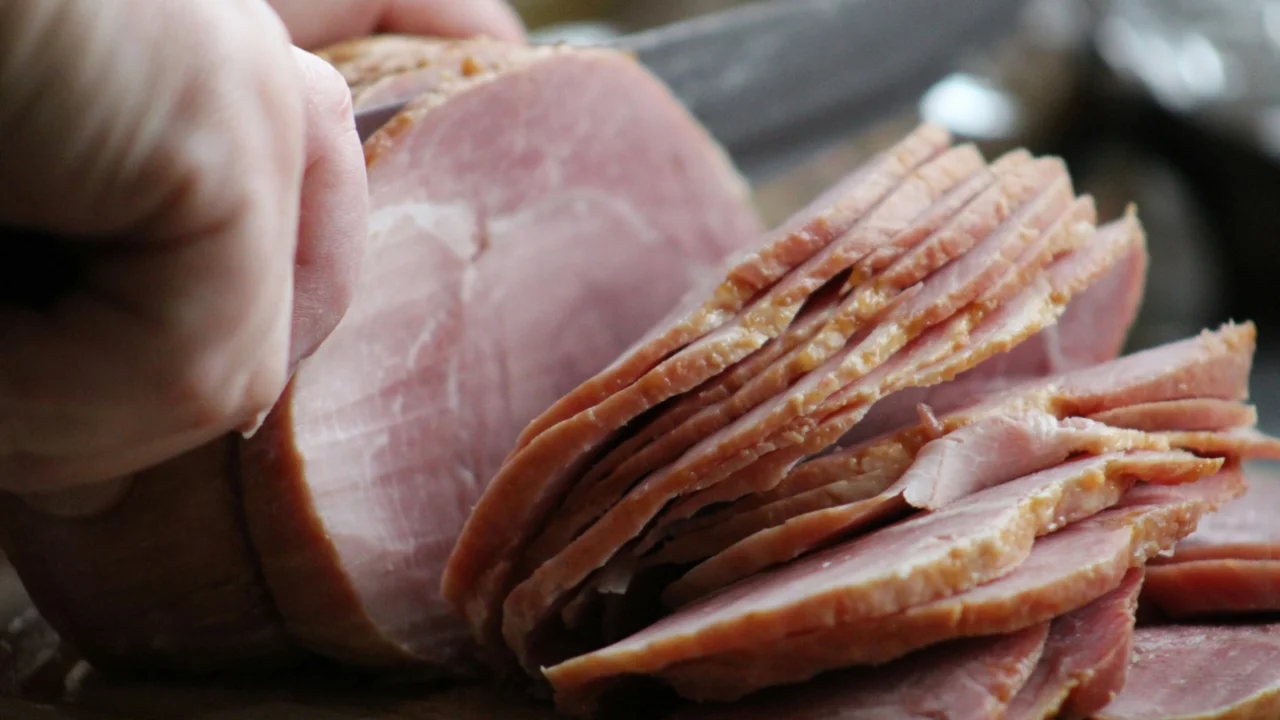

TL;DR: What You Need to Know About Dogs and Ham
- Short answer: Ham isn't toxic, but it's high in fat and not a good choice for dogs. A tiny sliver probably won't hurt. A plate of leftovers can.
- Fat: Ham, especially the fatty edges and skin, is a common trigger for pancreatitis in dogs over the holidays.
- Salt: Cured and deli hams are loaded with sodium. Large quantities can make dogs very thirsty, sick, or worse.
- Glazes and seasonings: Brown sugar, honey, pineapple, and especially seasonings like garlic or onion add their own problems.
- Ham bones: Cooked bones splinter easily. They can crack teeth, cut the mouth, or cause a blockage. Don't give them.
- Watch for: Vomiting, diarrhea, a sore belly, hunching, lethargy, or not eating in the day or two after.
- When to call: If your dog ate a lot of ham, a ham bone, or has any of those signs, call your vet.
If your dog helped themselves to the Christmas ham and you're not sure whether to worry, it's a stressful way to spend a holiday. Contact us, and our veterinary team can help you decide what to do next.
Can dogs eat ham? Every December we get some version of this question, often from someone who turned around for two seconds and found the ham platter a lot emptier than they left it. Or from a family where Grandpa has been slipping slices under the table all through dinner.
Here's the honest answer. Human foods like ham aren't poisonous to dogs the way chocolate or grapes are. But ham is one of the fattiest, saltiest meats on the holiday table, and that combination is exactly what sends a lot of dogs to the vet between Christmas and New Year's.
In this guide, we'll explain why ham is harder on dogs than other meats, how it links to pancreatitis, why ham bones are a real risk, and what to do if your dog ate ham. We'll also share some safer ways to include your dog in the celebration. Read on before the leftovers start piling up.
Can Dogs Eat Ham? The Quick Answer

If your dog snatched one small piece of plain ham, they'll almost certainly be fine. We'd still rather you didn't make a habit of it.
One bite is rarely what gets a dog into trouble. It's the cousin who sneaks them a slice, then your aunt does the same, then the kids drop half a plate on the floor. By Boxing Day you've got a dog who's had the fatty end, some glaze, and maybe a gnaw on the bone.
If you want to give your dog a little something special, there are much better options, which we'll get to below.
Why Ham Is Harder on Dogs Than Other Meats
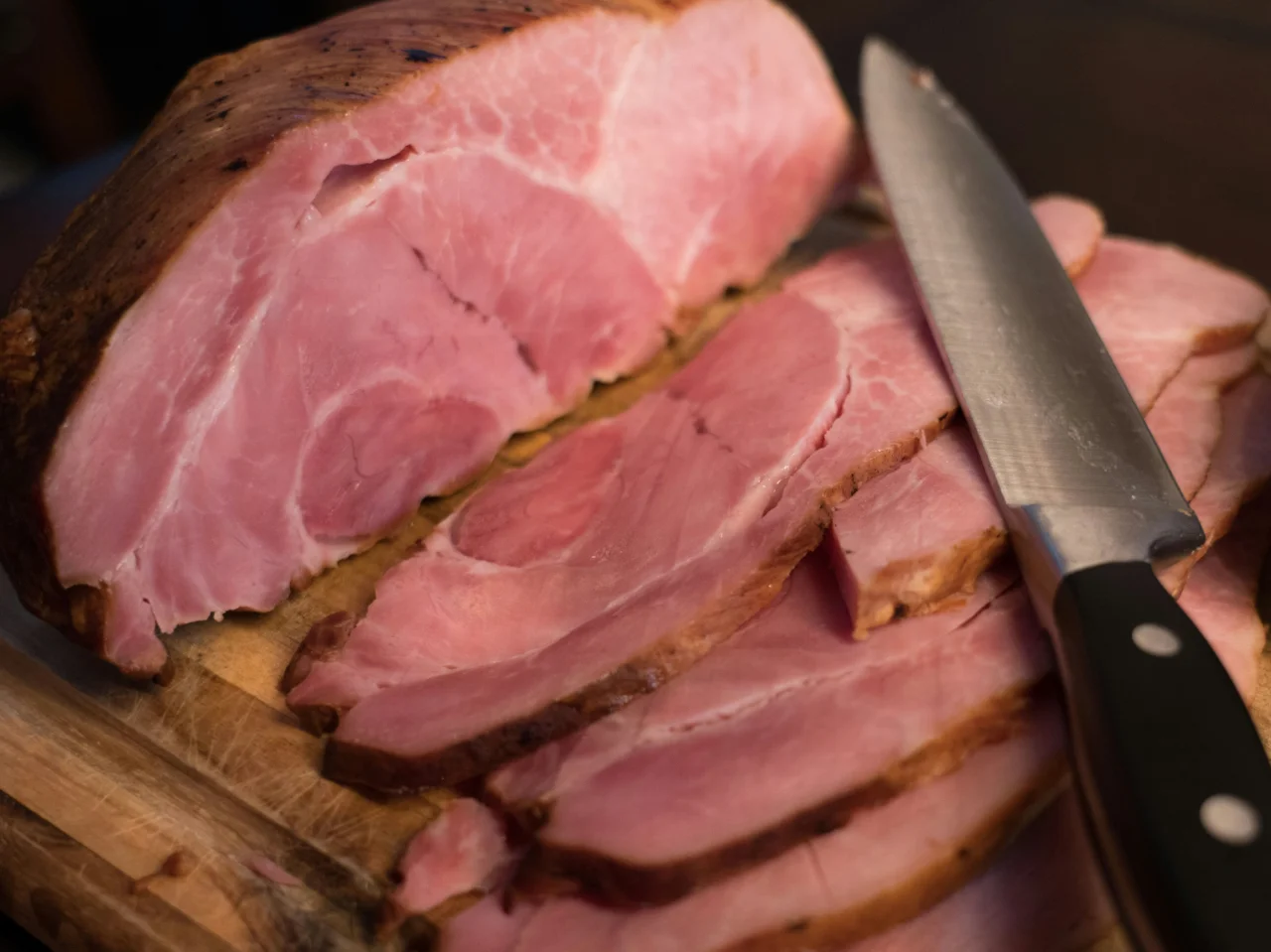
Not all meat is equal for dogs. Plain, skinless chicken or turkey breast, or a bit of lean, fully cooked pork, is fairly easy on the stomach. Ham is different for a few reasons.
High fat content
Ham is a fatty cut, and the outer layer of fat and skin is even richer. A dog's digestive system isn't built to handle a sudden load of fatty food, especially if they're used to a steady diet of dog food. The fat and sodium together can cause anything from an upset stomach to pancreatitis.
A lot of salt
Most ham you buy is cured, which means it's soaked or injected with salt and sodium-based preservatives. Deli meat, spiral-cut hams, and cured meats like bacon are some of the saltiest foods in the fridge. A big serving can make a dog extremely thirsty and cause vomiting and diarrhea. In rare, severe cases, very high salt intake can lead to sodium ion poisoning, which affects the brain and can be life-threatening.
Glazes and seasonings
Think of your family's favourite baked ham recipe. Maybe it's maple and mustard, maybe pineapple rings and cloves. The sugar is mostly a tummy-ache problem. The garlic or onion that some cooks rub in is a bigger deal, because both are harmful to dogs and damage their red blood cells. Our guide on can dogs eat garlic has more.
Raw or undercooked pork
The ham in your grocery cart is almost always pre-cooked. A fresh, uncured ham isn't, and scraps of raw or uncooked pork can carry salmonella and parasites. Keep raw cuts well away from a counter-surfing dog.
Ham and Pancreatitis in Dogs

This is the risk we worry about most with Christmas ham.
The pancreas is a small organ near the stomach that makes digestive enzymes. When a dog eats a big, fatty meal, the pancreas can become inflamed. Those enzymes start irritating the pancreas itself and the tissue around it. That's pancreatitis, and it can range from mild to life-threatening.
Signs to watch for
Pancreatitis signs usually show up within a day or two of the fatty meal:
- Repeated vomiting
- Diarrhea, sometimes greasy
- A painful belly, which can look like hunching or a "praying" stance with the front end down and back end up
- Lethargy and restlessness
- Not wanting to eat
- Fever or dehydration
Dogs at higher risk
Some dogs are more likely to develop pancreatitis, and for them, even small amounts of ham can be enough to trigger it:
- Dogs who've had pancreatitis before
- Overweight dogs
- Miniature Schnauzers and some other small breeds
- Dogs with diabetes or certain hormone conditions
If your dog has a history of flare-ups, our guide on signs of worsening chronic pancreatitis is worth a read. And if your dog is recovering, see how to comfort a dog with pancreatitis.
Are Ham Bones Safe for Dogs?
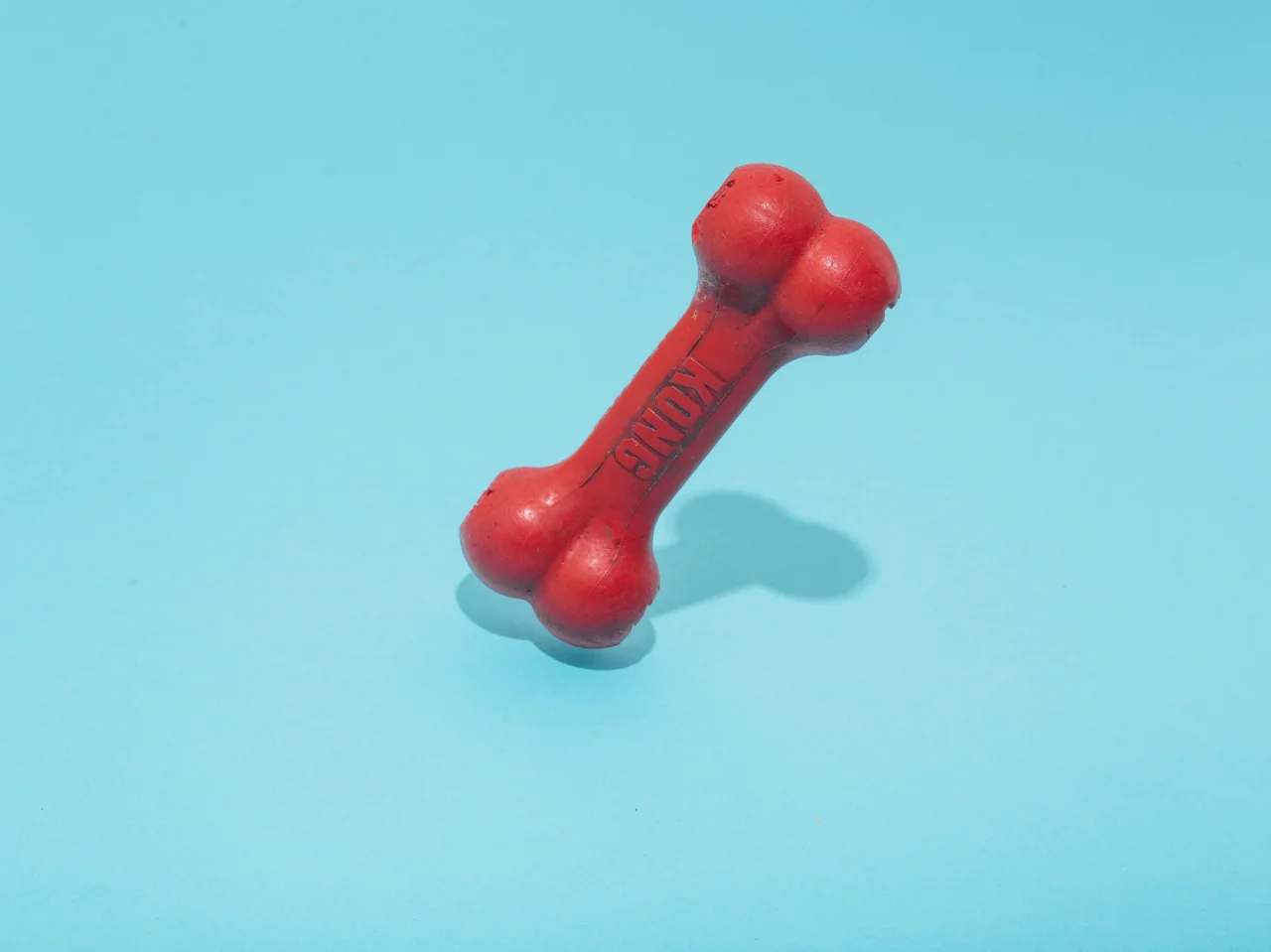
No. You should never feed your dog a cooked ham bone, even though it looks like the perfect dog gift and plenty of people wrap them up for the dog after dinner. Please don't.
Once a bone is cooked it goes brittle, and when dogs chew, they crack it into shards. We've pulled those out of mouths, throats, and stomachs. Problems include:
- Broken or cracked teeth
- Cuts in the mouth, throat, or gums
- Pieces that pose a choking hazard in the throat
- A blockage in the stomach or intestines
- In the worst cases, a sharp fragment that can perforate the digestive tract
Ham bones are also coated in fat and salt, which can lead to pancreatitis and salt problems on top of the injury risk. The same goes for turkey, chicken, and pork chop bones. Our page on safe chews and bones for dogs explains which chews are safer.
If your dog has eaten a ham bone, don't try to make them vomit. Bone fragments can do damage on the way back up. Call your vet for advice.
My Dog Ate Ham: What to Do

First, figure out what and how much. Then follow these steps:
- Remove the rest. Clear the table, the counter, and the garbage so there's no second helping.
- Check what was eaten. A slice of lean ham is very different from the fatty end, the whole glaze, or the bone. Was there garlic, onion, or raisins in the stuffing or sauce? Raisins are a separate emergency, explained in our guide to grape toxicity in dogs.
- Make water available. Salty food makes dogs thirsty. Let them drink.
- Call your vet if needed. Call right away if your dog ate a large amount of ham, a ham bone, anything with garlic or onion, or if your dog is small or prone to pancreatitis.
- Watch closely for 48 hours. Even if your dog seems fine now, pancreatitis can take a day or two to show up.
When it's an emergency
Head straight to an emergency vet if your dog:
- Is vomiting repeatedly or can't keep water down
- Has a swollen or painful belly
- Is retching without bringing anything up
- Seems weak, wobbly, or collapses
- Has a seizure
At the clinic, treatment may include IV fluids, pain relief, anti-nausea medication, and a bland, low-fat diet while the gut recovers. Dogs with severe pancreatitis may need a hospital stay. Most dogs recover well with early treatment.
Safer Ways to Share Christmas Dinner With Your Dog

You don't have to leave your dog out of the fun. Just swap the ham for something kinder on their stomach.
- Plain turkey breast: A few small pieces of skinless, boneless, unseasoned white meat. See can dogs eat turkey for the details.
- Plain veggies: Steamed green beans or carrots with no butter or salt.
- Plain pumpkin: A spoonful of plain canned pumpkin, not pie filling.
- Dog treats: A special chew or a new toy keeps your dog busy during dinner.
- Keep portions tiny: Any occasional treat should be a small part of your dog's daily food.
A few house rules also help:
- Ask guests not to feed the dog, no matter how good the puppy eyes are.
- Keep your dog in another room or behind a gate during the meal if they're a counter surfer.
- Get the carcass and scraps out to the bin in the garage that night, not tomorrow morning.
- Never leave the ham to cool on a low counter or coffee table.
For more seasonal hazards, see our list of holiday foods to avoid for pets. If your dog is prone to stomach trouble, a pre-holiday wellness exam is a good chance to talk about diet.
Final Thoughts
Can dogs eat ham, then? The honest answer is "a crumb, sure, but please don't." Of everything on the Christmas table, it's one of the dishes we see causing the most trouble, mostly because of the fat, the salt, and that bone.
The biggest worry is pancreatitis, which can show up a day or two after the meal. Small dogs, overweight dogs, and dogs who've had it before are most at risk.
Keep the ham platter out of reach, skip the ham bone (it's not worth the risk), and stick to plain, dog-friendly treats this Christmas. It's also a good time to update your pet emergency kit with the nearest after-hours clinic. If your dog ate ham and you're not sure what to do, contact us. We're happy to help.
Frequently Asked Questions
Is ham safe for dogs to eat?
It isn't toxic, but it isn't a good treat.
- Fat: High fat can upset the stomach or cause pancreatitis.
- Salt: Cured ham is very high in sodium.
- Seasonings: Glazes may contain sugar, garlic, or onion.
- Bones: Cooked ham bones can splinter.
- Better choice: Plain turkey breast or dog treats.
My dog ate a slice of ham. Should I be worried?
One slice usually isn't a big deal for a healthy, medium or large dog.
- Watch for 48 hours: Look for vomiting, diarrhea, or belly pain.
- Small dogs: Even a slice is a lot for a tiny dog.
- History matters: Dogs prone to pancreatitis need a call to the vet.
- Water: Let your dog drink freely.
- Call if unsure: Your vet can tell you whether to come in.
Can dogs eat ham bones?
No, ham bones aren't safe for dogs.
- Splintering: Cooked bones break into sharp pieces.
- Choking: Pieces can get stuck in the throat.
- Blockage: Bone fragments can block the intestines.
- Injury: Sharp edges can damage the gut.
- Next step: Call your vet if your dog already ate one.
How long after eating ham do pancreatitis signs appear?
Usually within 24 to 48 hours.
- Early signs: Vomiting and loss of appetite.
- Pain: Hunching or a "praying" position.
- Energy: Lethargy or restlessness.
- Stool: Diarrhea, sometimes greasy.
- Action: Call your vet as soon as you notice signs.
Can dogs eat deli ham or prosciutto?
We'd skip them, yes.
- Sodium: A couple of slices of deli ham can hold more salt than a small dog should get in a day.
- Preservatives: The curing salts used in deli meats add even more.
- Fat: Prosciutto is basically ribbons of fat with a little meat attached.
- Seasonings: Some salamis and cold cuts are made with garlic.
- Occasional crumb: If one falls off your sandwich, no need to panic.

