
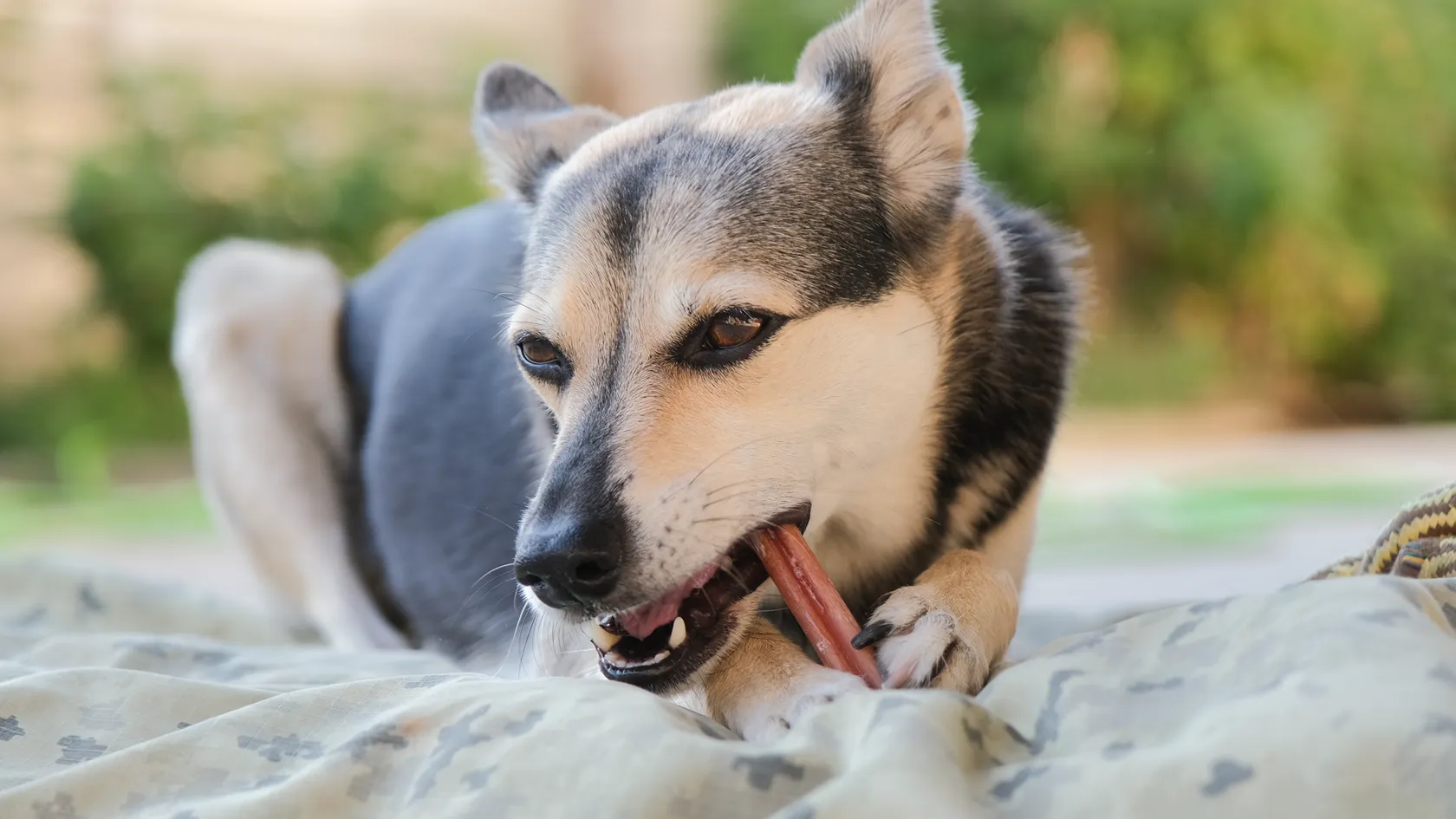

TL;DR: Are Bones Safe for Dogs?
- Cooked bones are risky: Thanksgiving turkey bones can splinter easily, and bones can break into sharp pieces that may cause choking, blockages, or serious digestive injuries.
- Safer chewing options: A supervised raw meat bone, bully stick, durable rubber toy, or vet-approved dental chew can satisfy your dog’s natural urge to chew while providing enrichment.
- Size matters: Choose chews that are appropriate for your dog’s size, age, and chewing style. Even safer options should only be given as long as they're appropriately sized and supervised.
- Know what to do: If your dog eats a turkey bone, contact your veterinarian. Do not attempt to make your dog vomit, and watch out for any signs of choking, vomiting, lethargy, distended abdomen or blood in the stool.
- Keep chewing healthy: There are dental chews available to help reduce plaque buildup. Also, they can help keep your dog's breath fresher between dental cleanings.
- Be cautious with Rawhide: Some rawhide products may pose choking or contamination concerns, as pathogens may be present in lower-quality options. Ask your vet before introducing them.
Have questions? Contact us. We can help you choose safe, appropriate chews based on your dog’s size, age, chewing habits, and overall health—so your pup can enjoy chewing safely all year long.
Is your pup eyeing that leftover turkey carcass on the dinner table this Thanksgiving? It's tempting to toss them a piece — after all, dogs love to chew on something meaty after a feast. But before you hand over any scraps, it's worth knowing exactly what's safe and what could send your dog straight to the emergency vet.
Not all dog bones are safe, and the wrong choice — especially during the holidays — can have serious consequences for your dog. In this blog, we'll share everything pet parents need to know about safe chewing, why turkey bones are not safe for dogs, and what to do if your dog sneaks one anyway.
Can Dogs Eat Bones?
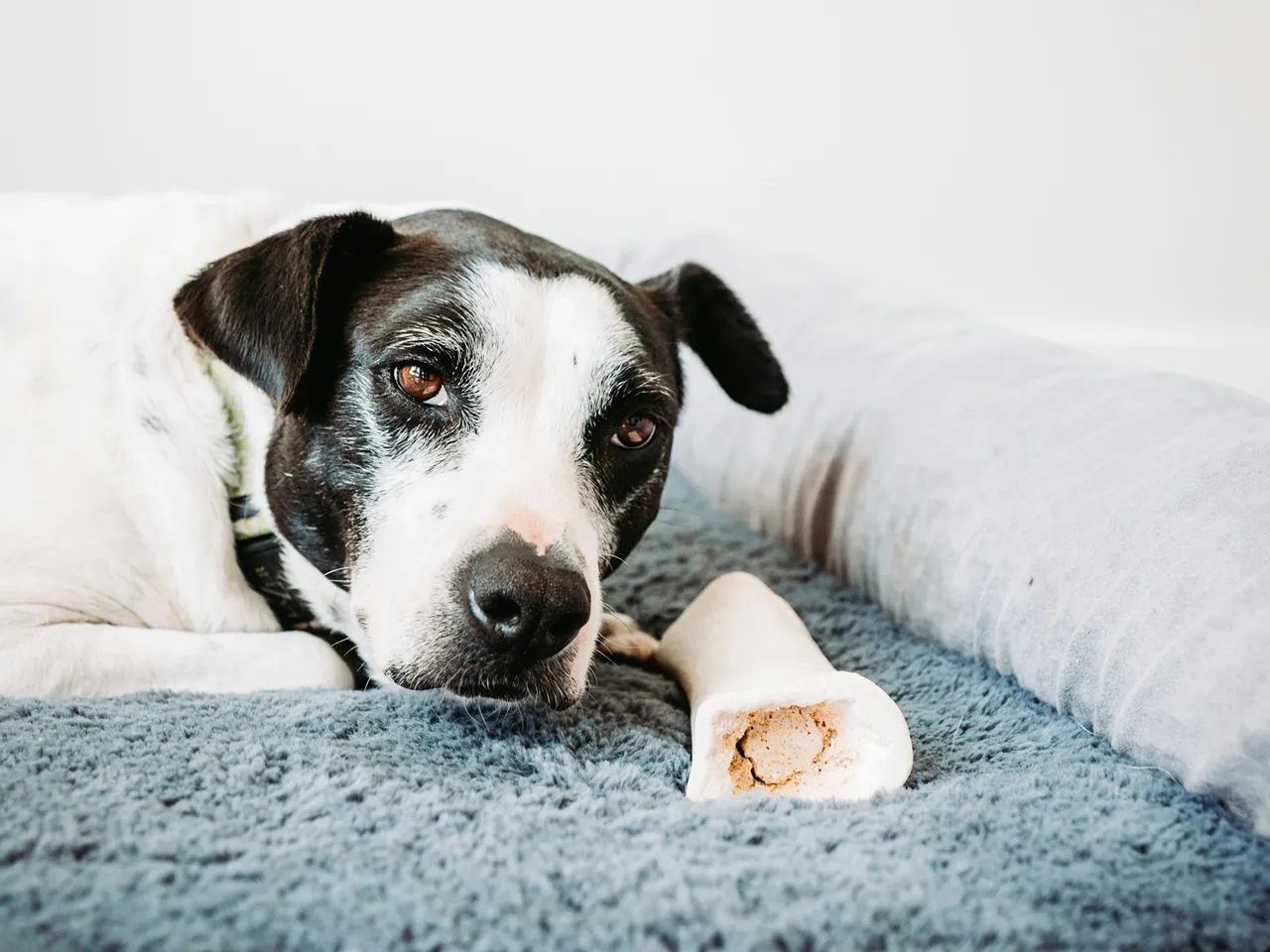
Dogs have a natural instinct and need to chew, and chewing is genuinely good for them — it supports dental health, keeps them occupied and entertained, and can even provide essential nutrients depending on the bone. But not every bone is appropriate, and the wrong one can do more harm than good.
Although many dog owners think they can give their dogs any type of bone, it's a good idea to understand which types of bones are healthy for their pets and which could potentially hurt them. It's important to know which types of bones are good for your dog based on their size, chewing habits, and age before giving them any bones.
Raw vs. Cooked Bones
Raw chicken bones, on the other hand, are more flexible and less likely to break into sharp fragments. Cooked bones, however, not only become harder, but their structure changes, becoming a serious hazard.
Never Give Cooked Bones
When exposed to heat, the internal structure of a bone becomes dry and brittle. Bones tend to crack along unpredictable lines when chewed, creating sharp bone fragments that can lacerate soft tissue throughout the intestinal tract.
Bone Size and Breed Matter
Large dogs can eat bigger bones than smaller dogs, but bigger is not always better, so you have to consider the size of your dog that you are feeding. Round bones can also cause problems by getting stuck in the jaw, while pieces of bone can be a choking hazard for smaller dogs.
Always Supervise Chewing
Even with safe options, chew time should never be unsupervised. Dogs can work through a bone faster than expected, especially determined chewers, and a piece of bone that breaks off unexpectedly needs immediate attention.
Why You Shouldn't Give Your Dog Turkey Bones
Thanksgiving is one of the most common times veterinary emergency clinics see a spike in cases — and turkey bones are a big reason why. Whether it's a drumstick, a rib bone, or a wing, any cooked turkey bone is a genuine hazard for your canine companion.
- Cooked bones become brittle: Turkey bones are naturally thin and lightweight, which makes them especially prone to fracturing. Once cooked, they lose the flexibility they had in their raw state and become rigid — meaning they splinter easily under the pressure of a dog's jaw.
- Splinters cause internal injuries: When a cooked bone breaks apart in your dog's mouth, the resulting fragments are razor-sharp. These sharp bone fragments don't just scratch the surface — they can cause internal bleeding as they travel through the digestive system, tearing through the stomach and intestinal lining along the way.
- Risk of choking or blockage: A fragment that's swallowed quickly can become lodged in the windpipe, causing your dog to choke. Even if it passes the throat, bones can get stuck further along the digestive path, creating a dangerous obstruction that may require surgery.
- Can puncture the digestive tract: Bones can cause serious perforations in the esophagus, stomach, or intestine. A punctured intestinal wall is a life-threatening emergency that requires immediate veterinary intervention.
- Sharp fragments damage gums and throat: Even before the bone is swallowed, sharp bone fragments can damage your dog's gum tissue, throat, and even crack a premolar — a tooth type that takes on a lot of grinding force. Dental injuries from bones are a common finding in veterinary practice, often spotted before owners even realize something went wrong.
What to Do If Your Dog Ate Turkey Bones
Despite your best efforts, dogs are opportunists — and Thanksgiving tables are full of temptation. If your dog may have gotten into turkey bones while you weren't looking, here's how to respond.
- Stay calm, act quickly: Panic won't help your dog, but quick action will. This can help you assess the situation and take the appropriate action to get your dog the help he needs right away.
- Look for signs that your dog is choking: Gagging, drooling, pawing at the mouth, trying to breathe, or being generally uncharacteristically fidgety can all be signs that your dog has got some bones stuck in his throat or windpipe, which requires immediate veterinary attention.
- Do not induce vomiting: This is important. Trying to make your dog vomit after swallowing bone fragments can actually cause more damage, as sharp pieces can lacerate the esophagus on the way back up. Leave this decision to a professional.
- Note how much was consumed: Try to figure out how many bones or how large a piece of bone your dog swallowed. This information helps your vet assess the risk level and decide on next steps — whether that's imaging, observation, or something more urgent.
- Call your vet: Contact your veterinary clinic or an emergency animal hospital as soon as possible. Even if your dog seems fine, dogs cannot always show distress immediately — internal injuries can take hours to become symptomatic. Your vet can advise whether your dog's health warrants a visit or careful monitoring at home.
- Monitor for vomiting, lethargy, and bloating: Within a day or two of the incident, if they begin vomiting, seem lethargic, don’t want to eat, have blood in their stool, or seem bloated, there may be an issue with their intestinal tract. Check in with your vet.
Safe Chews and Bones for Dogs
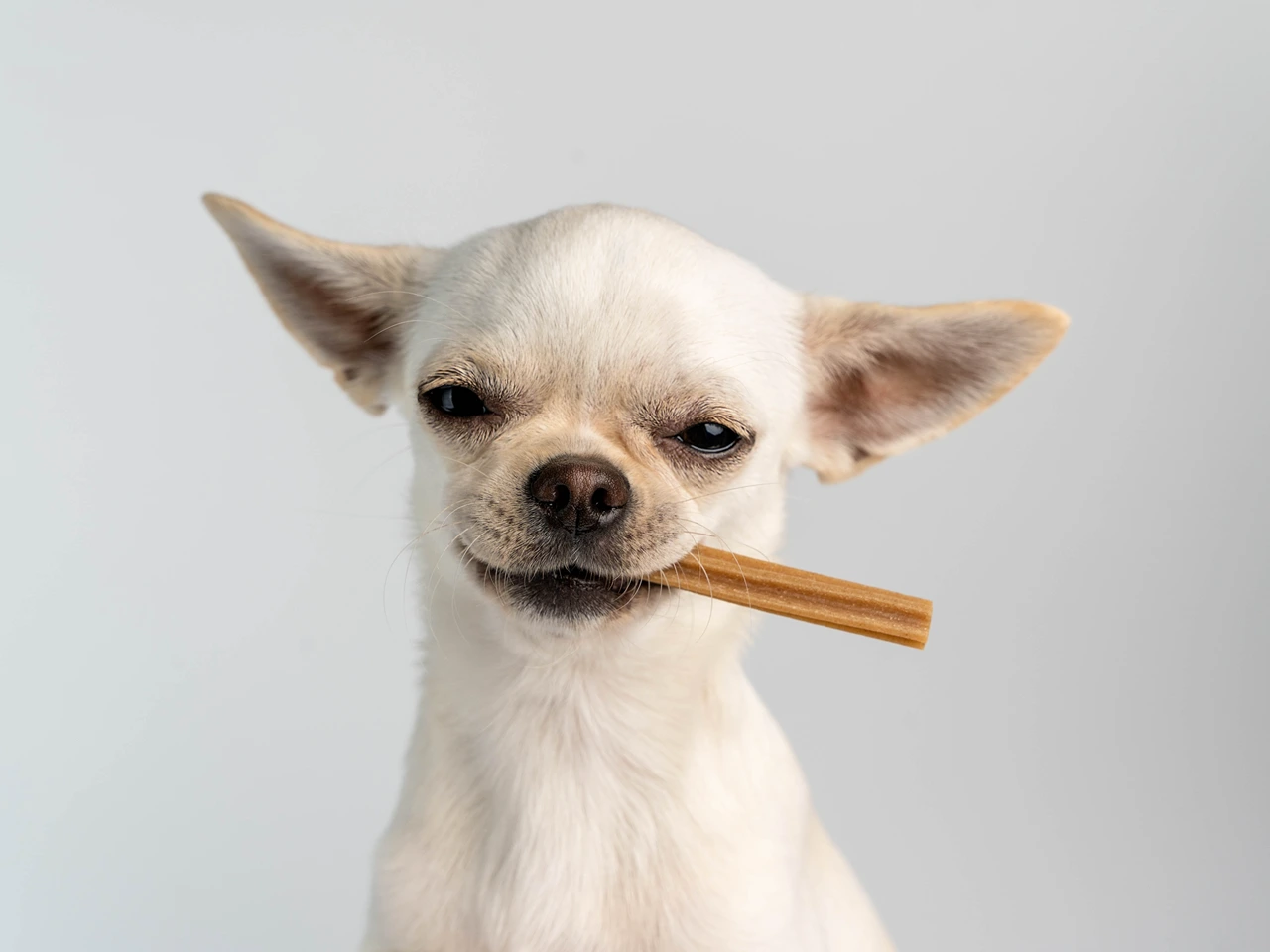
There are plenty of ways to satisfy your dog's urge to chew without putting them in danger. Dogs like to gnaw, and providing the right outlets keeps their mouths busy, their teeth cleaner, and their minds stimulated.
Raw Meaty Bones (Supervised)
Beef marrow bones are among the most popular natural dog toys. They contain collagen, which is beneficial for the joints, and a variety of other nutrients. Marrow bones also help clean a dog’s teeth, but should be given in moderation, as the marrow is calorie-dense. Never allow your dog to eat a large chunk of marrow, and always supervise them while they chew it.
Bully Sticks
Bully sticks are a great chewing option for many dogs. They're fully digestible, long-lasting, and don't splinter the way cooked bones do. They are a go-to for many dog owners. Just make sure to choose a size appropriate for your dog.
Rubber Chew Toys
For dogs that are aggressive chewers or puppies still learning appropriate chewing behaviour, rubber chew toys offer a durable, safe outlet. They won't break into pieces, can't cause an obstruction, and many can be filled with dog food or treats to extend engagement.
Dental Chews (Vet-Approved)
Many dental products on the market are specifically designed to reduce plaque and tartar, freshen bad breath, and support overall oral health — including preventing periodontal disease. Look for options recommended by your vet. These chews help keep your dog's teeth clean and healthy without the risks of real bones.
Avoid Small or Brittle Options
Whatever you choose, steer clear of anything that could become a choking hazard under pressure. Products marketed as chew bones should be size-appropriate, digestible, and ideally recommended by a veterinary professional. Brittle options — even some marketed as natural dog chews — can break apart just like cooked bones, so read labels and do your research.
While rawhide bones are widely sold as dog treats, they come with their own concerns, including the risk of choking, Salmonella, and pathogens that may be present in low-quality options — so always check with your vet before adding Rawhide to your dog's rotation.
Final Thoughts
Keeping your pup safe during the holidays doesn't mean they have to miss out on all the fun. With the right dog chew option, you can give them something satisfying to enjoy while the rest of the family digs into Thanksgiving dinner — without the risks that come with turkey bones. Remember, cooked bones can splinter, cause choking, or lead to serious injuries in the digestive tract.
Choose safe, age- and size-approved options, and always monitor your dog when they're playing. When in doubt, ask your veterinarian what bones and chews are right for your dog's age, size, chewing habits, and your dog's diet. It'll be worth it to prevent the holidays from becoming a disaster.
Frequently Asked Questions
Why are turkey bones bad for dogs?
Turkey bones pose serious health risks to dogs due to the dangers that come with cooking and the structure of the bone itself.
Cooked Bones Become Brittle: Turkey bones are naturally thin and lightweight, and once exposed to heat, they lose flexibility and become rigid — making them highly prone to fracturing under the pressure of a dog's jaw.
Sharp Splinters Cause Internal Injuries: If a cooked turkey's leg breaks, it will generate razor-sharp splinters that can penetrate the stomach and intestinal walls, resulting in internal bleeding.
Risk of Choking or Blockage: The swallowed bone fragment can block the windpipe as well as the lower digestive tract, causing a potentially fatal swelling that may require surgical intervention.
Can Puncture the Digestive Tract: Sharp bone fragments can pierce the esophagus, stomach, or intestines – calling for an emergency veterinary visit.
Damages Gums, Teeth, and Throat: Even before swallowing, sharp fragments can damage gum tissue, crack a premolar, and lacerate the throat, injuries that are often discovered before owners even realize something is wrong.
Are raw bones good for dogs?
Raw bones can be a beneficial chewing option for dogs, but they must be chosen and offered carefully to ensure safety.
Raw Bones Are More Pliable: Unlike cooked bones, raw chicken bones and similar options are softer and less likely to break into dangerous shards, making them a comparatively safer choice for chewing.
They Provide Essential Nutrients: Raw meaty bones like beef marrow options offer collagen and essential nutrients that can support a dog's overall health when given in appropriate portions.
Support Oral Health: Gnawing on raw bones can help reduce plaque and buildup, contributing to better dental hygiene between vet visits.
Supervision Is Still Required: Even with raw bones, chew time should never be left unattended — dogs can break off unexpected pieces quickly, especially determined chewers, and immediate attention may be needed.
Bones should be appropriately sized for the dog: Bigger dogs can manage bigger bones, but rounded bones can get stuck around the lower jaw, and small bones can be a choking hazard for puppies and small dogs.
What chews and treats are safe for dogs?
There are plenty of safe alternatives to real bones that satisfy a dog's natural urge to chew without putting their health at risk.
Bully Sticks Are a Popular Option: A pizzle, more commonly known as a bully stick, is fully digestible, long-lasting, and doesn't splinter the way cooked bones do, making it a reliable go-to for many dog owners.
Rubber Chew Toys Work Well for Aggressive Chewers: Durable rubber toys won't break into pieces or cause obstruction, and many can be filled with kibble or other dog food to keep your pup engaged for longer.
Dental Chews Support Oral Health: Vet-approved dental chews are specifically designed to reduce plaque and tartar, freshen breath, and help prevent periodontal disease — all without the risks that come with real bones.
Avoiding Brittle or Small Items: Even natural dog chews can be broken and unsafe, like cooked bones, so make sure to check the label, buy the right size, and do your homework.
Checking the Rawhide Properties: Although very popular and widely sold, Rawhide is associated with choking hazards and pathogens, so consult your vet before giving it to your dog.
What should I do if my dog eats turkey bones?
Acting quickly and calmly is essential if your dog manages to get into turkey bones during the holidays.
Stay Calm and Assess Immediately: Panicking won't help your dog — a clear head allows you to evaluate the situation properly and take the right steps without delay.
Watch for Distress Signals: Gagging, drooling, pawing at the mouth, or difficulty breathing may indicate a bone is lodged in the throat or windpipe, which requires emergency care right away.
Do Not Induce Vomiting: Attempting to make your dog vomit after swallowing bone fragments can cause additional harm, as sharp pieces may lacerate the esophagus on the way back up — always leave this to a professional.
Note How Much Was Consumed: Try to determine how many bones or how large a piece your dog swallowed, as this helps your vet assess the risk level and decide whether imaging, observation, or urgent intervention is needed.
Monitor in the Hours That Follow: Even if your dog seems fine initially, watch closely for bloating, blood in stool, reluctance to eat, or unusual fatigue — internal injuries from sharp bone fragments can take hours to become symptomatic.
Is chewing safe for dogs with stress?
Chewing is a natural means of relieving stress for dogs, and knowing how to deal with pet anxiety is essential in order to make responsible decisions for the dog's wellbeing.
Chewing Has Genuine Calming Benefits: Dogs instinctively use chewing to self-soothe — it keeps them occupied, mentally stimulated, and can reduce anxious behaviour.
Safe Chew Options Matter Most: Providing a chew that is size-appropriate and digestible ensures the activity stays beneficial rather than becoming a source of physical harm, especially for dogs prone to stress-chewing.
Supervision Reduces Risk: Even calm, well-behaved dogs can accidentally swallow a piece of bone or chew that breaks off unexpectedly — supervised chew sessions are the safest way to let your dog decompress.
Dog Chews and Treats Can Be Part of a Routine: Incorporating the best dog chews and treats in your daily routine will provide a source of enrichment that can help support emotional balance as well as physical well-being.
Always Consult a Vet for Anxious Dogs: If your dog exhibits destructive chewing linked to anxiety, your vet can recommend the most appropriate chewing options suited to your dog's size, age, and behavioural needs.

