
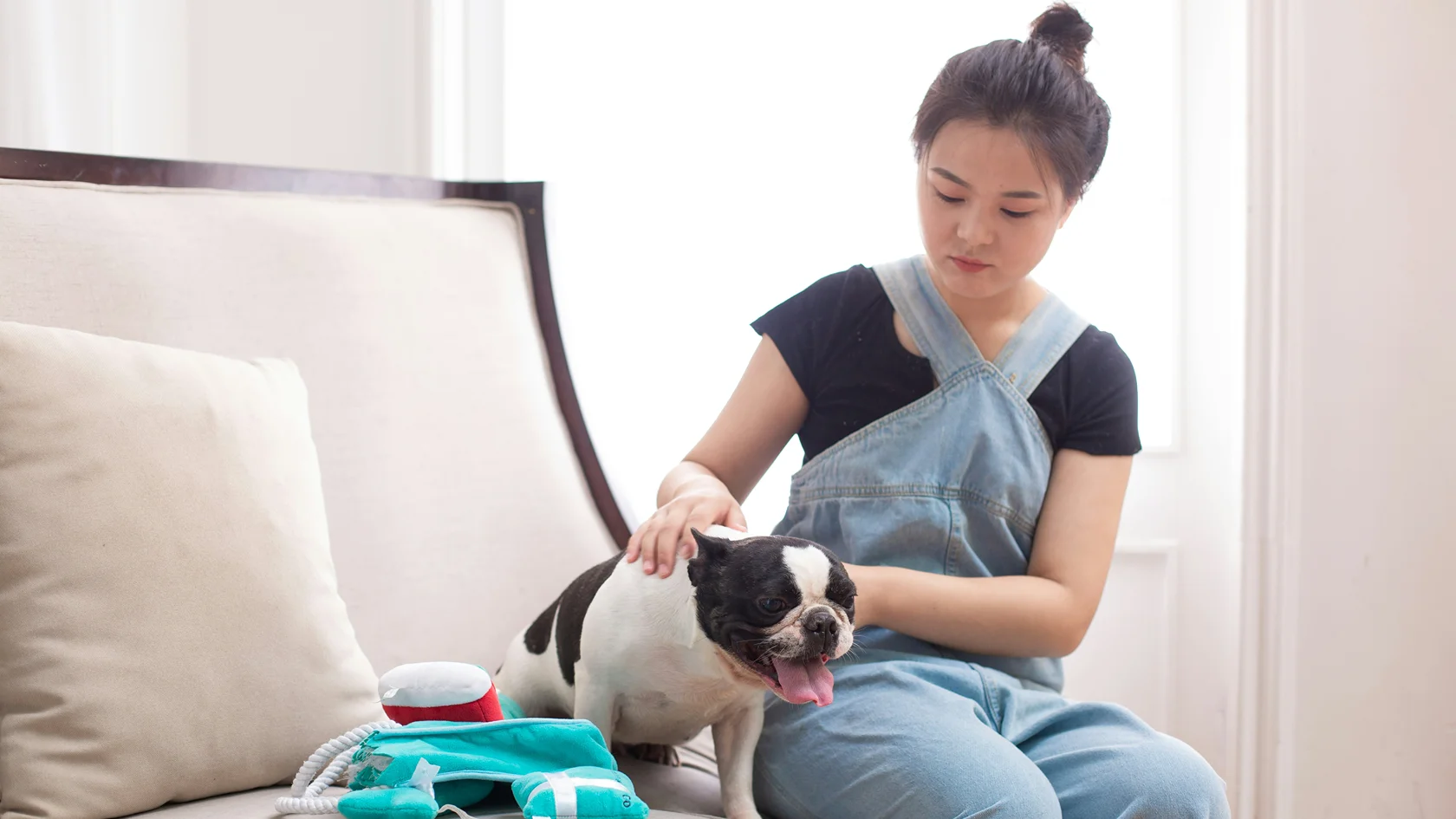

TL;DR: What Pet Owners Need to Know About Dogs with Pancreatitis
- Recognize the warning signs: Vomiting, loss of appetite, lethargy, hunched posture, abdominal pain, and dehydration can signal pancreatitis.
- Comfort starts at home: Keep your dog calm, rested, cool, hydrated, and follow your veterinarian’s feeding and activity instructions.
- Nutrition is important: When feeding resumes, small, frequent low-fat meals can minimize stress on the pancreas. Fasting should only be performed under veterinary supervision.
- Veterinary treatment is important: Depending on the severity, treatment can include IV fluids, pain and anti-nausea medications, nutritional support, blood work, and imaging.
- Prevention is key: Maintain a healthy weight, feed a consistent low-fat diet, avoid fatty treats and table scraps, secure trash, and keep up with regular vet checkups.
Need help supporting your dog? Talk to us about the right diet, treatment, and recovery plan to help your pet feel comfortable and get back to their happy, healthy routine.
Is your dog suddenly refusing food, hunching over, or acting unusually tired? These could be signs that your dog may be dealing with something more serious than an upset stomach. Pancreatitis is a painful and potentially dangerous condition that sends thousands of dogs to the vet every year — and autumn, with the presence of fatty cookout foods and rising temperatures, is a particularly risky season.
If your pet has just been diagnosed with pancreatitis or you're trying to get ahead of the condition, knowing how to support your dog through it can make an impact in their recovery.
What is Pancreatitis in Dogs?
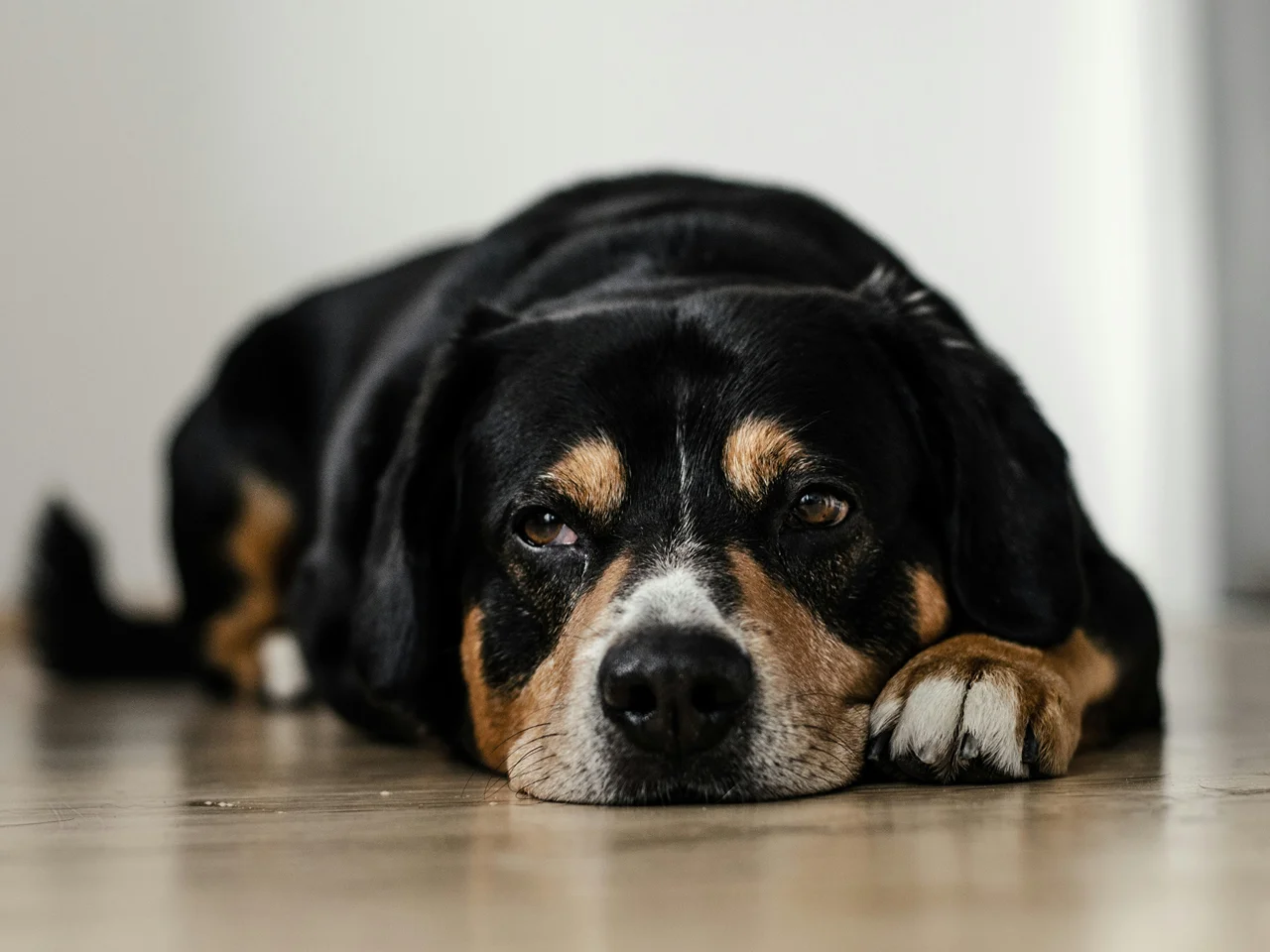
Pancreatitis in dogs refers to the inflammation of the pancreas, an organ that plays a vital role in both digestive function and blood sugar regulation. When the pancreas becomes inflamed, the digestive enzymes it produces can begin breaking down the organ itself rather than food — causing significant pain and internal damage.
- Acute pancreatitis comes on suddenly and can range from mild to life-threatening. Acute episodes often require immediate veterinary care.
- Chronic pancreatitis develops gradually and may smoulder for months or years, often going undetected until a more severe episode strikes.
- The condition disrupts both enzyme production and insulin output, affecting how the body processes food and regulates blood sugar.
- Pancreatitis is common in dogs of all breeds, though middle-aged and overweight dogs tend to be at higher risk.
Common Causes of Pancreatitis in Dogs

Knowing what can cause pancreatitis is one of the best ways to protect your pet. Several factors — some dietary, some medical — can set off a pancreatitis attack or contribute to repeated pancreatitis over time.
- High-fat diet or fatty meals: High-fat meals are among the most frequent triggers. A dog that ate table scraps or raided the garbage after a barbecue is at real risk of a pancreatitis flare-up.
- Obesity: Obesity is a significant contributor to developing pancreatitis, as excess body fat puts ongoing strain on the pancreatic system.
- Medications (e.g., steroids): Certain medications, particularly corticosteroids, are known to trigger pancreatitis in susceptible dogs.
- Trauma to the abdomen: Injury or surgery can also lead to pancreatic inflammation.
- Underlying Conditions: Hypothyroidism or diabetes increase the risk of pancreatitis and make pancreatitis more complex to manage.
Symptoms of Pancreatitis in Dogs
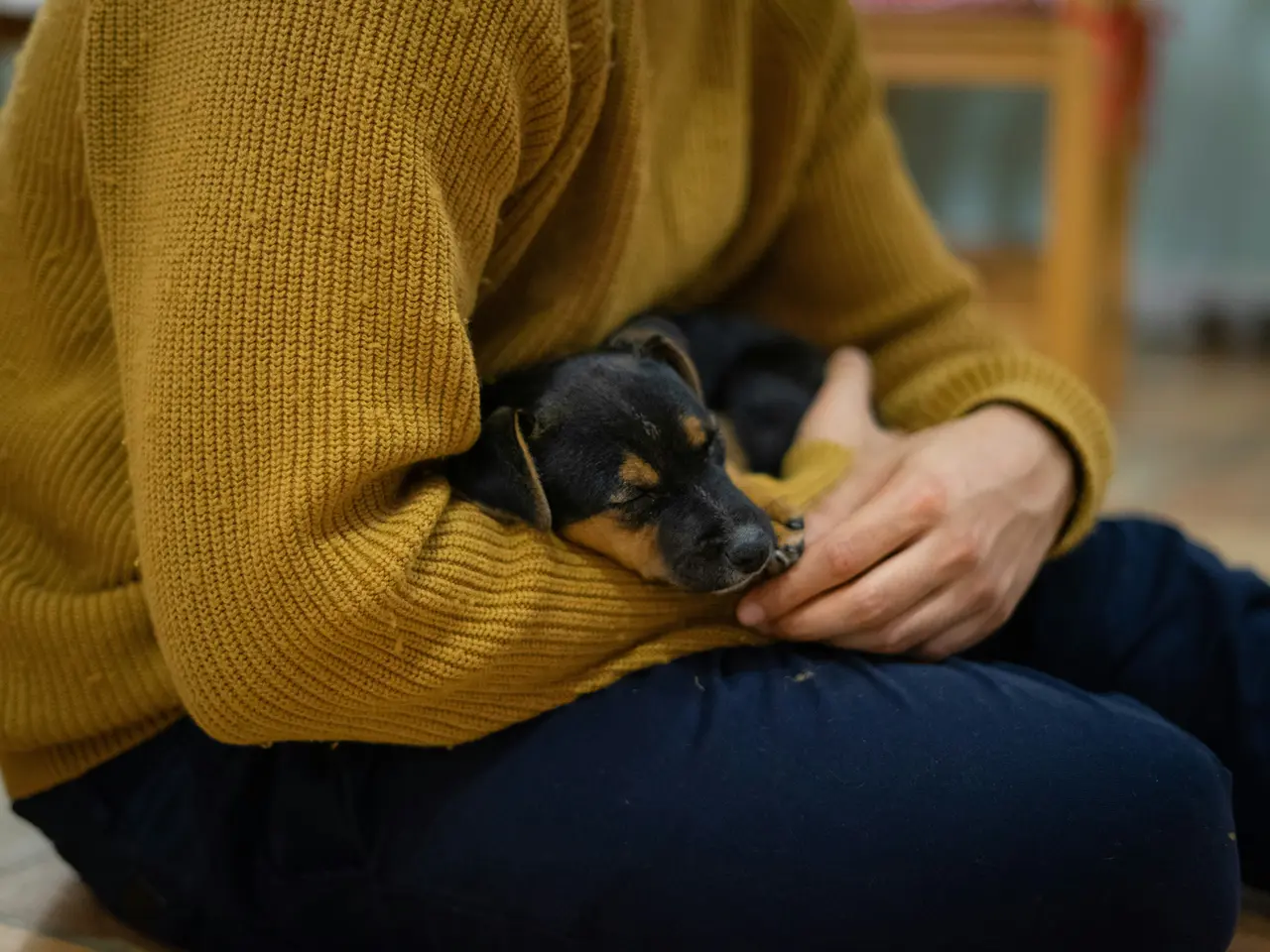
Catching pancreatitis symptoms early gives your dog a much better chance at a smooth recovery. The signs can vary depending on whether the episode is mild or severe, but there are several red flags worth knowing.
- Vomiting is the most common symptom of pancreatitis and may occur repeatedly over a short period.
- A hunched posture — where the dog appears to be guarding their belly — is a telltale sign of abdominal discomfort.
- Loss of appetite is typical, especially in dogs with severe episodes who refuse food entirely.
- Lethargy and weakness can accompany even mild cases of pancreatitis, leaving your pet noticeably low-energy.
- Abdominal pain or bloating may be visible, and your dog may flinch or whimper when touched near the belly.
- Fever and dehydration often follow prolonged vomiting or diarrhea, which is why keeping your dog hydrated is so important. If you suspect your dog may have pancreatitis, contact your vet without delay.
How to Comfort a Dog with Pancreatitis

It takes patience, awareness and a calm environment to recover from pancreatitis. During your dog's pancreatitis, your job at home is to minimize stress, help in healing, and be sure to follow all instructions given by your veterinarian closely. Here’s how to make your dog’s comfort and well-being a priority:
Provide rest and a quiet environment
Dogs recovering from an attack of pancreatitis need to be handled as little as possible. Keep the activity level low and provide a comfortable, cool resting place away from household noise.
Withhold food temporarily, but only under vet guidance
Resting the gut for 12–24 hours is sometimes recommended to give the inflamed pancreas a break. Never do this without your vet's direction, as severe pancreatitis cases may require nutritional support rather than fasting.
Introduce small, frequent low-fat meals
When you begin to feed your dog again, feed small amounts of low-fat dog food several times during the day rather than one or two large meals. This allows the food to be digested without putting stress on the pancreas.
Always keep fresh water available
Proper hydration of your dog is essential. Provide water regularly so your dog stays hydrated, especially if your dog vomits.
Avoid heat and overexertion
The heat can worsen inflammation and accelerate dehydration. In warmer months, make sure your dog has access to cool shaded areas and avoid vigorous activity outside until they have fully recovered.
Veterinary Treatment for Pancreatitis in Dogs
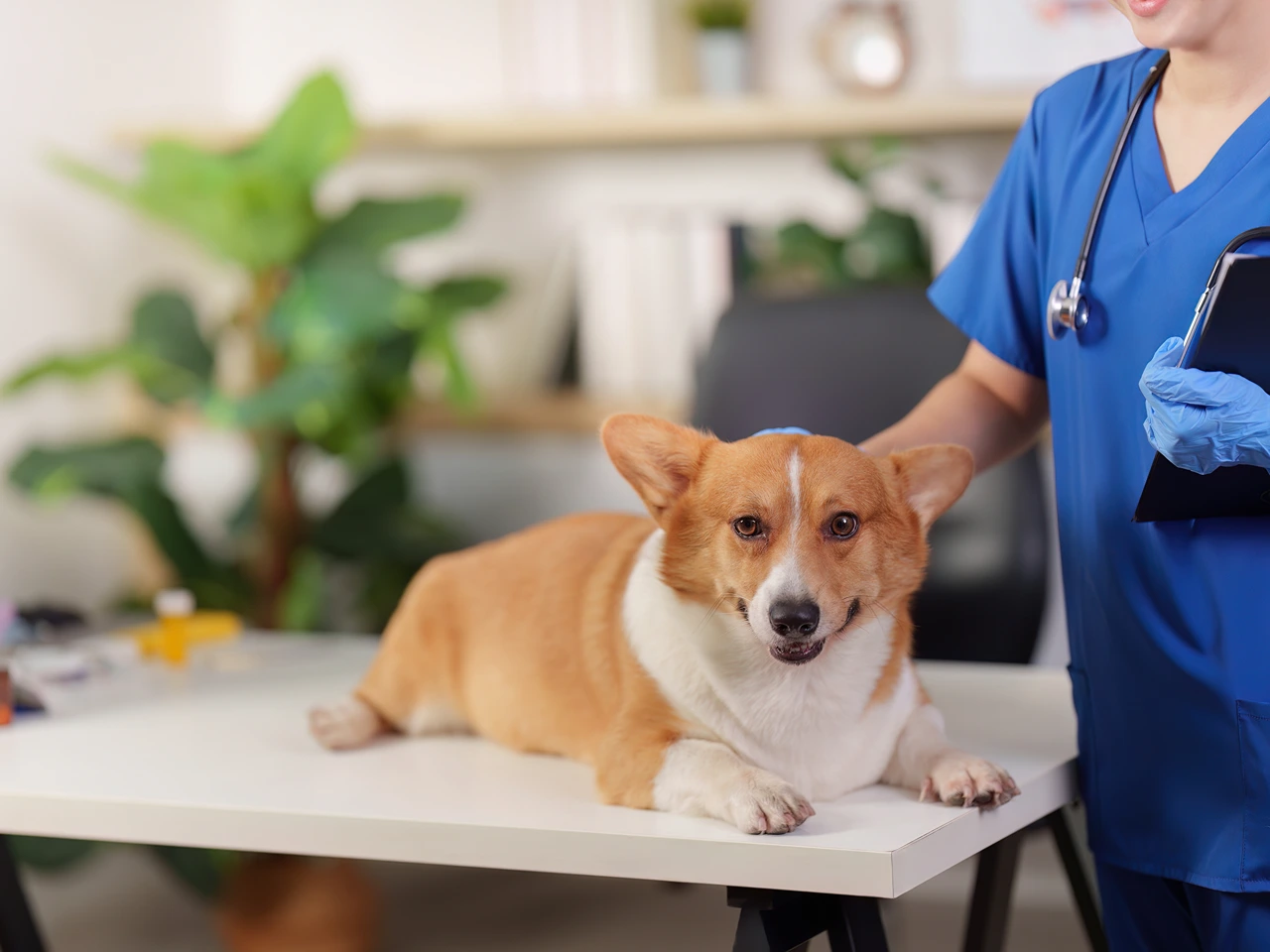
Professional medical care is usually required to treat pancreatitis. Veterinary assessment is recommended even for mild episodes, and moderate to severe pancreatitis requires early management in a systematic fashion to prevent complications.
- In dogs, IV fluids are usually the first choice of treatment for pancreatitis, particularly if the dog is dehydrated from vomiting. IV hydration can help flush toxins and restore electrolyte balance.
- Anti-nausea medications reduce discomfort and allow dogs to begin eating again sooner, which supports pancreatitis recovery.
- Pain management is a critical part of the treatment approach, as pancreatitis is genuinely painful. Your vet may prescribe analgesics tailored to your dog's needs and history of pancreatitis.
- Nutritional support may be necessary for dogs who cannot eat on their own. In some cases of pancreatitis, a feeding tube provides essential nutrients while giving the gut time to rest.
- Blood panels and ultrasounds are used to confirm diagnosis, monitor pancreatic enzymes, and rule out complications. Vets often repeat bloodwork on dogs diagnosed with pancreatitis to see how they are doing.
Pancreatitis often requires more than a single vet visit, regardless of whether it's acute or chronic pancreatitis. Follow-up appointments are an important part of complete care and comfort during recovery.
How to Prevent Canine Pancreatitis
Prevention is the best long-term option if your dog has a history of pancreatitis or is at increased risk. If you establish the right habits at home, you can greatly reduce the frequency of pancreatitis flare-ups and help dogs live more comfortable, healthier lives.
Feed a low-fat, consistent diet
A low-fat diet reduces the workload on the pancreas and minimizes the chance of inflammation. Look for formulated low-fat dog food options, or ask your vet about a highly digestible diet for dogs that works for your pet's specific needs.
No table scraps or fatty treats
This is especially important during holidays and gatherings. Even one indulgent moment — a piece of grilled meat, a greasy chip — can trigger pancreatitis in a sensitive dog. Eliminate table scraps from your dog's diet entirely.
Maintain a healthy weight
Obesity is a key driver of developing pancreatitis. Work with your vet to find the right caloric intake and exercise level for your dog's size and age.
Schedule regular vet check-ups
This can be particularly helpful when managing pancreatitis in dogs with other conditions. Your vet will be able to spot early warning signs and adjust your dog’s treatment regimens before a full-blown pancreatitis attack happens.
Final Thoughts
Pancreatitis may be painful and dangerous, but many dogs can recover with veterinary care, careful nutrition and a supportive home environment, and a good quality of life can be achieved. Follow your veterinarian’s directions for feeding, medications, hydration and activity as you recover and avoid fatty foods or table scraps that could cause a repeat episode.
Keep your dog cool, hydrated and away from BBQ leftovers and unsecured trash. If your dog experiences recurrent vomiting, severe lethargy, abdominal pain, refusal to eat, or signs of dehydration, contact your veterinarian immediately.
Frequently Asked Questions
What are the signs of pancreatitis in dogs?
Awareness of the early warning signs can help pet owners obtain care before the condition progresses.
Vomiting and Loss of Appetite: Frequent vomiting and no desire to eat are common warning signs, especially in more severe episodes.
Belly Pain: Severe belly pain may be accompanied by a hunched posture, tenderness of the abdomen, whimpering or bloating.
Lethargy and weakness: Dogs may become unusually tired, weak, or reluctant to move as inflammation and discomfort progress.
Dehydration: Prolonged vomiting or diarrhea can cause dehydration, making access to fresh water especially important.
Prompt veterinary attention: These symptoms can have several causes, so a veterinarian should evaluate any dog showing persistent or severe symptoms.
How to safely feed a dog with pancreatitis?
Safe feeding is meant to lighten the load on the digestive system and to supply the dog with the right nutrition it needs to recover.
Follow your veterinarian's advice: Only withhold food temporarily if this is specifically recommended, as some dogs need nutritional support rather than fasting.
Choose low-fat meals: Once feeding resumes, small portions of an easily digestible, low-fat meal can help reduce strain on digestion.
Offer frequent portions: Several small meals throughout the day are generally easier to tolerate than one or two large meals.
Avoid fatty extras: Table scraps, greasy foods, barbecue leftovers, and rich treats can increase the risk of another flare-up.
Monitor eating and drinking: Contact your veterinarian if your dog continues refusing food, cannot keep food or water down, or appears increasingly weak.
What should I look for in dog food for pancreatitis?
Choosing appropriate nutrition can support recovery while reducing the likelihood of irritating an already inflamed digestive system.
Low fat content: A veterinarian may recommend a diet with carefully controlled fat levels to minimize pancreatic stimulation.
Easy digestion: Highly digestible ingredients can make meals easier for a recovering digestive system to process.
Consistent nutrition: Keeping meals consistent can help avoid sudden dietary changes that may upset your dog's digestive system.
Appropriate portions: Even an appropriate diet should be served in controlled, smaller portions when your dog is recovering.
Veterinary guidance: Your vet can recommend a therapeutic diet based on your dog's condition, nutritional needs, weight, and recovery progress.
What does treatment of pancreatitis usually involve?
Professional care is important because the condition can range from a mild episode to a potentially life-threatening illness.
Fluid therapy: IV fluids can address dehydration and help restore fluid and electrolyte balance, especially after repeated vomiting.
Nausea control: Anti-nausea medications may help reduce vomiting and may help the dog start eating again.
Pain relief: Pain control is very important because the inflammation around the pancreas can be very painful.
Nutritional support: Dogs that cannot eat on their own may need extra nutrition, sometimes this may involve a feeding tube.
Diagnostic monitoring: Blood work and ultrasound can help to confirm the problem, assess for complications and monitor response to care.
How can I help protect my dog's pancreas from future flare-ups?
Long-term prevention focuses on controlling dietary risks, maintaining healthy habits, and recognizing problems early.
Maintain a healthy weight: Keeping your dog at an appropriate weight can reduce one of the important risk factors associated with recurrent episodes.
Skip table scraps: Fatty meats, greasy foods, and leftovers from cookouts should stay out of your dog's diet.
Secure tempting foods: Keep garbage, compost, and BBQ foods inaccessible so accidental dietary indiscretions do not lead to an emergency.
Keep your dog cool: Provide a shaded or air-conditioned resting spot, fresh water and limit strenuous activity.
Attend follow-up visits: Regular veterinary visits allow for ongoing monitoring and help identify any underlying conditions or changes that could increase the risk of another episode.

