
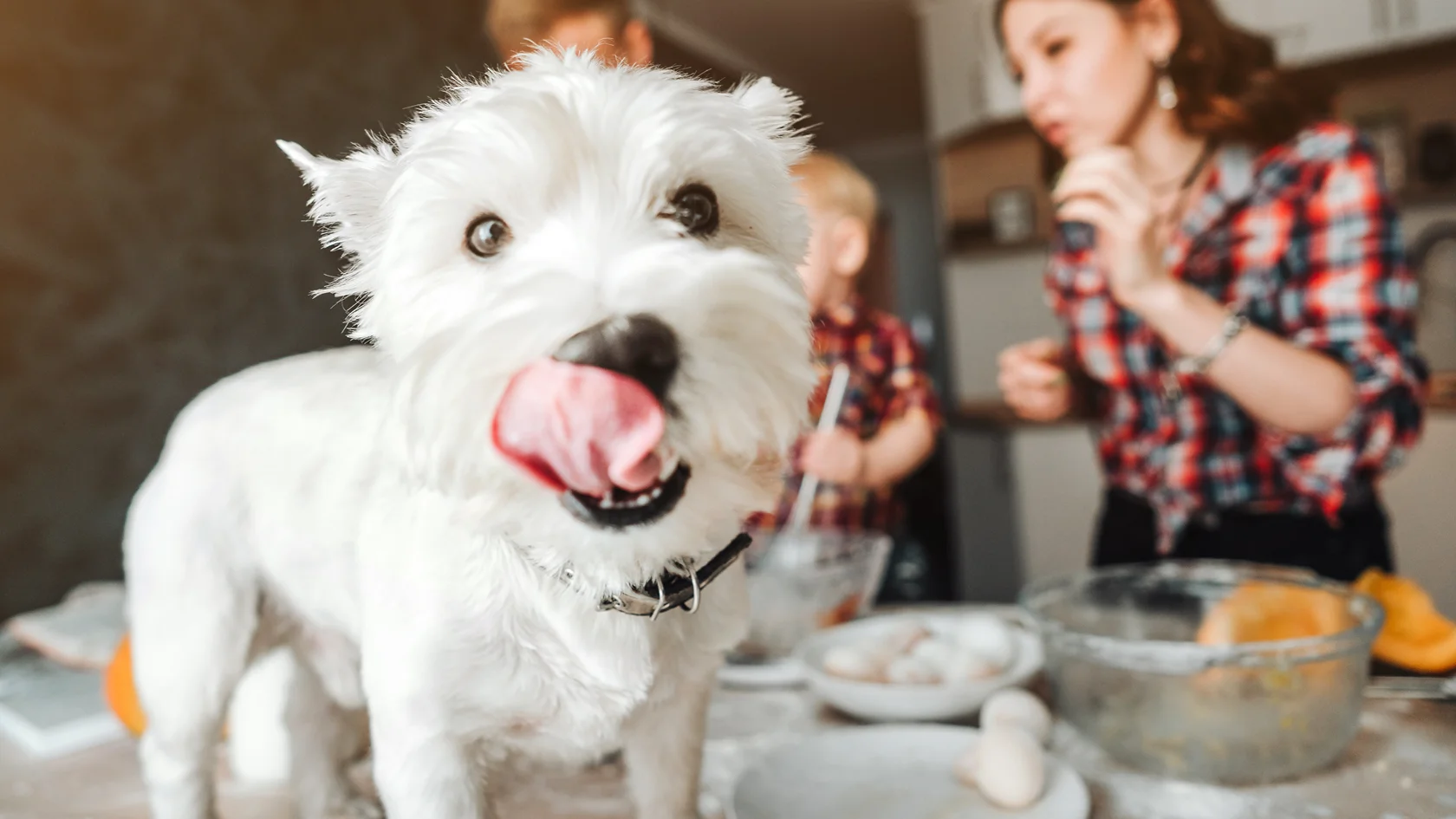

TL;DR: Can Dogs Eat Turkey?
- Turkey can be a healthy treat: Lean, fully cooked turkey provides high-quality protein, B vitamins, and important minerals that can support your dog’s muscles, energy, and overall health.
- Keep it simple: Plain turkey that is fully cooked, boneless, and free from seasonings is generally safe for dogs to eat in small amounts.
- Choose lean cuts: Boneless white meat is a great option because it is lower in fat and easier on your dog’s digestive system. Remove the skin and visible fat before serving.
- Small portions are best: Turkey should complement your dog’s balanced diet, not replace it. Start with a small amount, especially if your dog is trying turkey for the first time.
- Skip the harmful extras: Onion, garlic, butter, gravy, stuffing, heavy seasoning, and processed turkey products can make a holiday meal unsafe for pets.
- Keep bones off the menu: Cooked turkey bones can splinter and cause choking or serious internal injuries. For the safest choice, avoid giving your dog turkey bones altogether.
- Watch for sensitivities: Some dogs may react poorly to new foods. Vomiting, diarrhea, itching, or other unusual symptoms after eating turkey are good reasons to contact your veterinarian.
Have questions? Contact us for guidance. We’re here to help you find out what Thanksgiving foods are safe for your dog and how to share those special treats without risking their health.
Is it actually okay to share turkey with your dog, or are you setting up a holiday trip to the vet? The answer is somewhere in between, and knowing which parts of the turkey are safe and which are best left off their plate can make a difference for your pet’s health.
Plain, fully cooked turkey can be a tasty treat for dogs, but holiday preparations often include ingredients that aren’t pet-friendly. This guide covers everything you need to know before serving your dog turkey this holiday season, including safe serving tips, potential risks and when to seek veterinary care.
Is it Safe to Feed Your Dog Turkey?
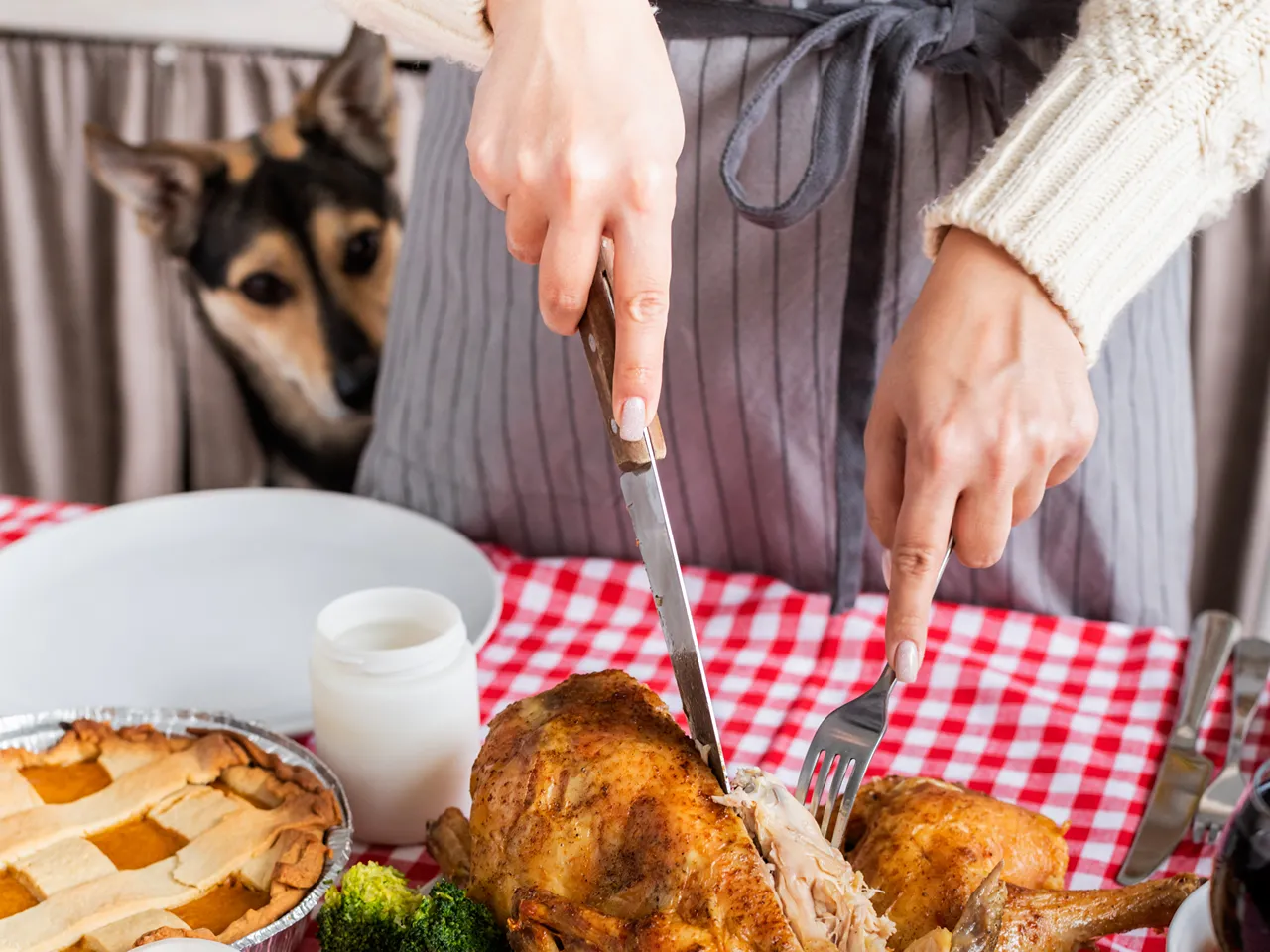
Plain, cooked turkey is safe for dogs to eat — but only under the right conditions. Dogs can eat turkey when it has been prepared simply, without added ingredients. Turkey in small amounts is generally well-tolerated by most healthy dogs.
- Avoid seasoned or spiced portions: Turkey with seasonings — garlic, onion, herbs, and the like — can be harmful to dogs, and even trace amounts of certain spices used in holiday cooking carry real risks. If you want to share turkey from the dinner table, make sure it comes from an unseasoned batch set aside specifically for your pet.
- Skin is high-fat — skip it: Turkey skin is loaded with fat and is often coated in butter, oils, or spices. Feeding it to your dog can trigger pancreatitis, which is a painful inflammation of the pancreas that may require veterinary care.
- White meat is better than dark meat: The white meat of a turkey is leaner and easier on the digestive system of your dog. Dark meat has more fat, something to be mindful of if your dog has a sensitive stomach or a history of digestive issues.
Even unseasoned turkey should be treated as an occasional addition, not a staple. Turkey can be a healthy bonus to your dog's regular meals, but it should never replace a balanced dog food.
Benefits of Turkey for Dogs
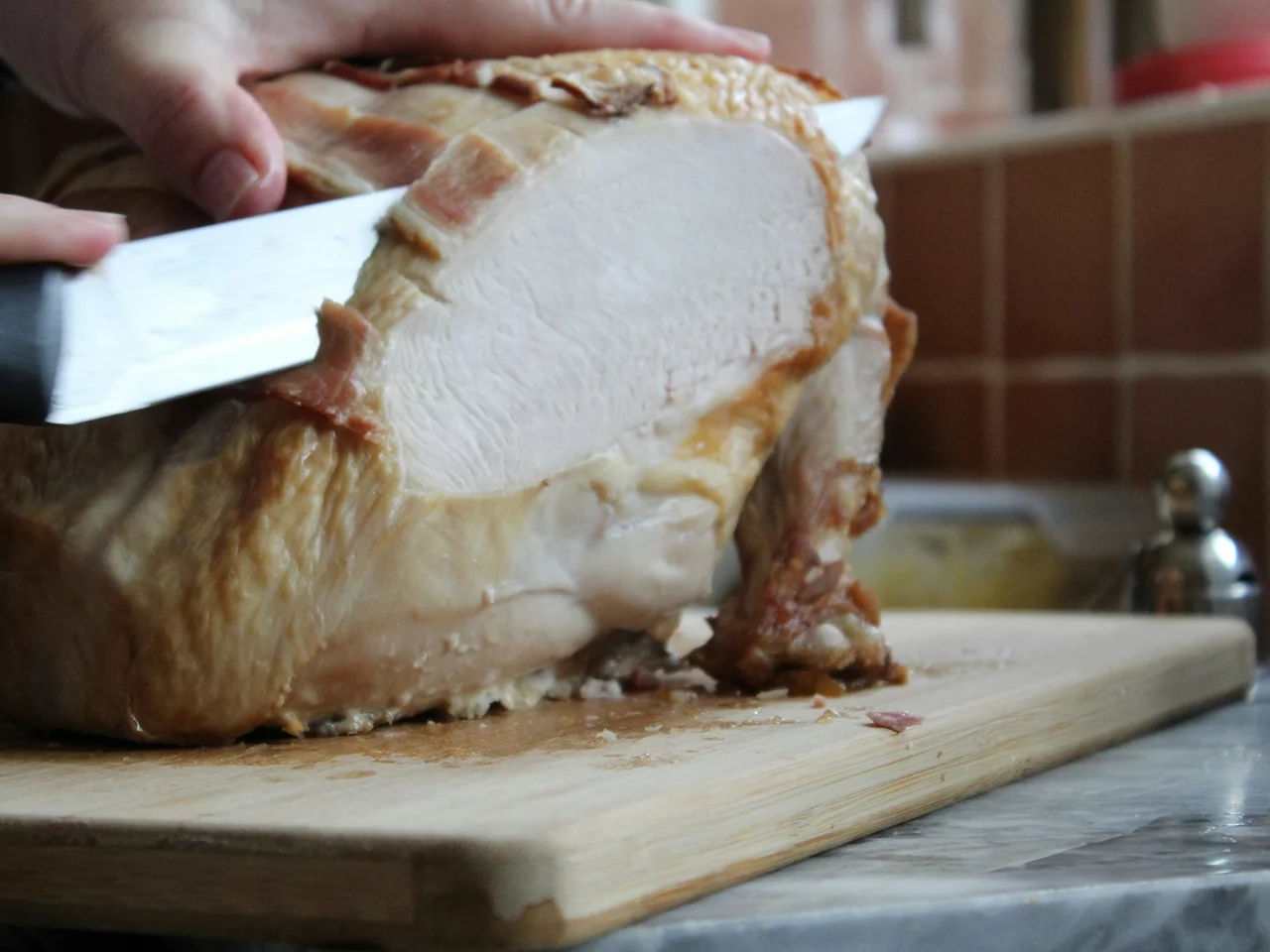
When prepared correctly, turkey can be a great addition to your pet's diet. Here is why turkey earns a spot on the approved list.
High-Quality Lean Protein
Turkey is a great source of protein that supports your dog's overall health, and turkey breast in particular is one of the leaner forms of turkey available. As a source of protein for dogs, it competes well with other common proteins found in commercial dog food.
Supports Muscle Maintenance
The amino acids found in turkey meat help build and maintain lean muscle mass, making it a great option for dogs who are active or recovering from illness.
Rich in B Vitamins
Turkey provides several vitamins and minerals, including B6 and B12, which support energy metabolism, nerve function, and immune health in dogs.
Contains Phosphorus and Selenium
These trace minerals play a role in bone health, thyroid function, and antioxidant activity — all valuable contributions to your dog's diet when sourced from whole foods like turkey.
Low in Fat (White Meat)
Compared to many other protein sources, white turkey meat is relatively low in fat, which makes it appropriate as a treat or supplement without piling on unwanted calories.
Easily Digestible
Turkey is often easier on a dog's gut than heavier proteins, which is one reason it shows up in several commercial and veterinary-recommended dog food formulas. Some dogs with food sensitivities actually do quite well with turkey-based diets.
Are Turkey Bones Safe for Dogs?
This is where things get serious. Bones are one of the most common holiday hazards for dogs, and turkey is no exception.
- Cooked bones are dangerous: Cooked turkey bones — whether from a roast, a smoked bird, or leftovers — become brittle when exposed to heat. That brittleness makes them much more likely to break apart under chewing pressure.
- They splinter and cause choking: Bone fragments can lodge in your dog's throat or become a choking hazard before they even make it to the stomach. This is one of the reasons cooked bones are consistently flagged as a hazard by animal health professionals.
- Risk of internal punctures: Sharp splinters that do make it past the throat can puncture the esophagus, stomach lining, or intestines. These injuries are dangerous for dogs and often require emergency surgery to treat.
- Raw bones are slightly safer — but not risk-free: Some veterinarians and canine nutrition advocates suggest that raw turkey necks may be handled better by dogs since they haven't been heat-treated. However, raw bones still carry a risk of bacterial contamination, including Salmonella, and are not appropriate for every dog.
- Avoid all turkey bones: Regardless of whether the bones are raw or roasted, most animal health professionals agree it is safest to avoid feeding your dog any turkey bones at all. The potential complications simply outweigh any perceived benefit.
Every single veterinary hospital and professional organization has the same standing recommendation: keep bones away from dogs. If in doubt, your vet is the best person to advise you on your pet.
How to Safely Feed Turkey to Dogs
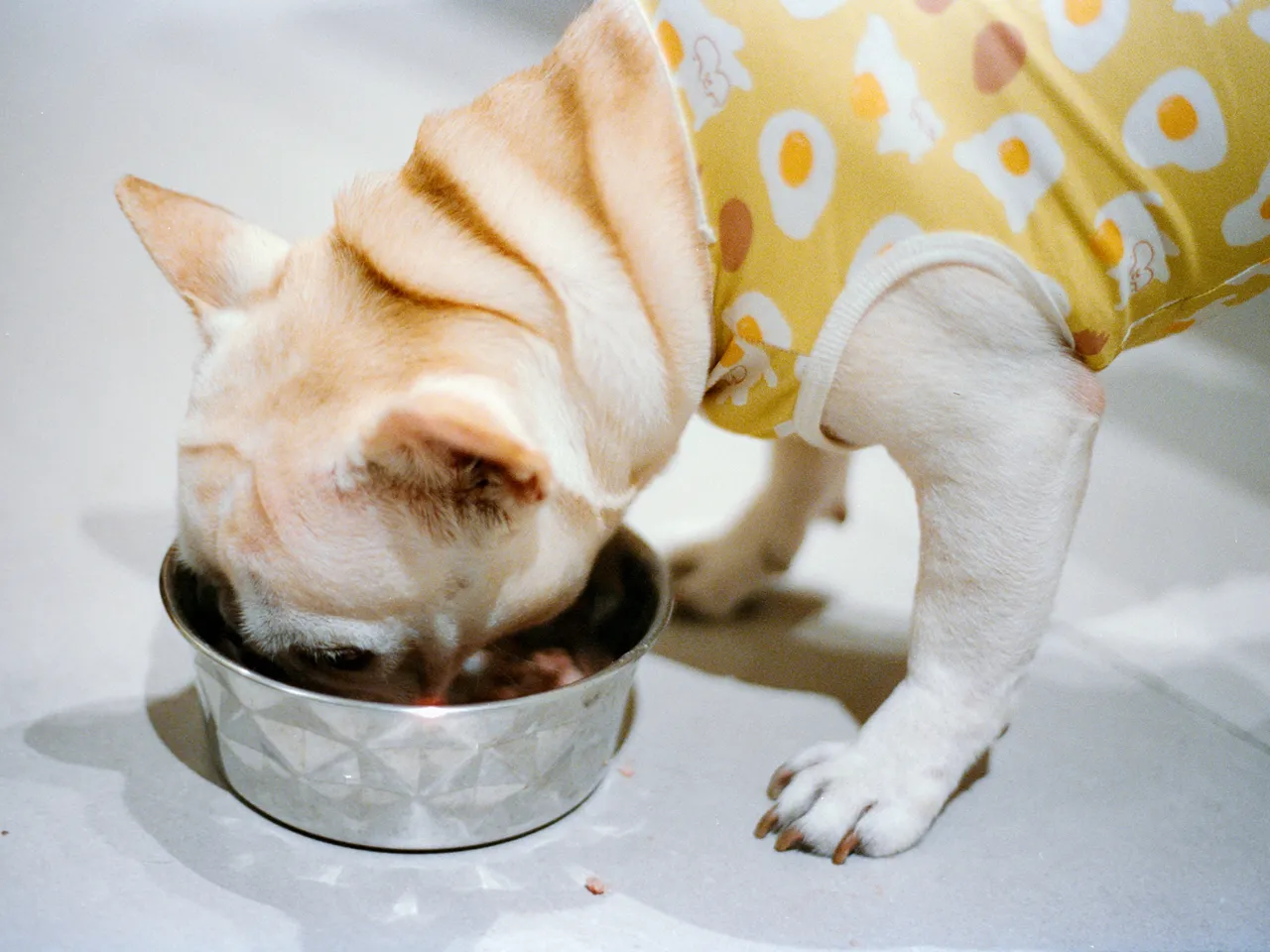
If you have decided to let your dog enjoy a little holiday bird, following a few simple steps makes serving turkey much safer and more enjoyable for everyone.
1. Remove skin and fat before serving
Before giving your dog turkey, strip away all the skin and visible fat. This lowers the risk of digestive upset and helps prevent the kind of high-fat meal that can set off pancreatitis.
2. Serve plain and unseasoned only
The safest way to let a dog eat turkey is to prepare a separate plain portion — no butter, no broth, no rubs. Commercially sold turkey bacon and turkey sausage should also be avoided, as processed turkey products are often high in fat and loaded with high levels of sodium and preservatives that can be toxic to dogs at high enough levels.
3. Boneless pieces only
Always double-check that every piece you offer is fully boneless. Even small fragments of bone hidden in leftover turkey can pose a problem, so it pays to be thorough.
4. Small portions as a treat
Lots of turkey can lead to an upset dog’s stomach, especially if they’re not used to it. Give small bites and see how your dog reacts before giving more.
5. Avoid onion and garlic contamination
Many Thanksgiving dishes — stuffing, gravies, casseroles — are cooked with onion and garlic, both of which are toxic to dogs. Even leftover turkey that has been sitting near these ingredients can pick up enough residue to be a concern.
6. No stuffing or gravies
Both are almost always made with ingredients that are harmful to dogs, whether it is onion, garlic, seasoning, butter, or excessive sodium. It is better to avoid giving your dog turkey that has been anywhere near these preparations.
7. Introduce slowly if it's the first time
If this is your dog's first time trying turkey, start with a very small amount to check whether turkey is safe for them individually. Some dogs have an allergy to turkey or a sensitivity that only becomes apparent after the first exposure, so turkey can contain allergens worth watching for. Signs like itching, vomiting, or diarrhea after serving turkey are worth a call to your veterinarian.
Final Thoughts
Sharing a little of the holiday with your dog can be a genuinely sweet moment — as long as you know what is safe and what is not. Turkey is safe for dogs in its plainest, leanest, boneless form, and many dogs genuinely enjoy it as an occasional treat. The problems arise when well-meaning dog owners pass along skin, bones, seasoned meat, or undercooked turkey without realizing the risks involved.
Keep portions small, avoid anything prepared with onion, garlic, butter, or heavy seasoning, and never give your dog turkey bones. When in doubt, consultation with your veterinarian is always worth it, especially if your dog shows signs of illness after eating turkey.
Frequently Asked Questions
What are the risks of feeding turkey to your dog?
Turkey can be a healthy treat, but certain preparations and ingredients can turn it into a holiday hazard.
Cooked Bones: Turkey bones will splinter and break apart and can cause choking and serious internal injuries. Never feed cooked bones to dogs.
High-Fat Foods: Turkey skin, fatty scraps, butter, and rich leftovers can cause digestive upset and may contribute to pancreatitis.
Toxic Ingredients: Onion, garlic, and heavily seasoned foods can be harmful to dogs, even when they are present in dishes such as stuffing or gravy.
Processed Turkey: Turkey bacon and sausage can contain excessive sodium, preservatives, and fat that make them unsuitable for canine treats.
Food Reactions: Some dogs may have sensitivities or allergies to turkey, so vomiting, diarrhea, or itching after eating it should be taken seriously and discussed with a vet.
How can you safely feed your dog turkey?
It's best to make a small, simple serving just for your dog, rather than giving them seasoned holiday leftovers.
Choose plain meat: Use fully cooked turkey without seasonings, sauces, butter or broth so that the portion is easy on your dog’s digestive system.
Take off Skin and Fat: Before you serve, take off the skin and any fat you can see to cut down on calories they don’t need and avoid stomach upset.
Check for Bones: Inspect each piece thoroughly and serve only boneless meat, because even small fragments can pose a serious danger.
Avoid Contamination: When preparing the turkey, be sure to keep it away from stuffing, gravy, onion, and garlic to avoid potentially harmful ingredients transferring onto the meat.
Introduce Gradually: If this is the first time your dog has eaten turkey, give a small amount and watch for any digestive or allergic reactions before giving more.
How much turkey should you give your dog?
Turkey should remain an occasional treat, with the amount adjusted to your dog's size, diet, and individual tolerance.
Start Small: Start with just a few bite-sized pieces, particularly if turkey is new to your dog.
Consider Body Size: A small dog needs considerably less than a large dog, so avoid using the same serving size for every pet.
Keep Treats Limited: Turkey should complement your dog's normal balanced diet rather than replace a meal or become a major source of daily calories.
Watch the Response: Monitor your dog after the first serving for vomiting, diarrhea, itching, or other unusual reactions.
Ask for Individual Advice: A veterinary professional can recommend an appropriate serving size based on your dog's nutritional needs, health history, and regular diet.
What should pet owners know about turkey bones and veterinary safety?
Understanding the bone-related hazards can help prevent an otherwise enjoyable holiday treat from becoming an emergency.
Cooked Bones: Heat makes turkey bones brittle, increasing the chance they will splinter when chewed and cause serious injuries.
Choking Hazard: Pieces of bone can get lodged in the throat, posing an immediate threat that may require immediate action.
Internal Damage: Sharp splinters can harm the esophagus, stomach or intestines and may require emergency treatment.
Raw Is Not Risk-Free: Raw turkey bones may be less brittle than cooked ones, but they can still cause injuries and expose dogs to harmful bacteria.
Professional Guidance: A veterinary professional can provide individualized advice if your dog has eaten a turkey bone or if you are unsure about the safest feeding choices.
When should you contact a vet after your dog eats turkey?
Knowing which symptoms deserve attention can help you respond quickly if your dog reacts poorly after eating turkey.
Persistent Vomiting: Repeated vomiting after eating turkey may indicate digestive irritation or a more serious problem that needs assessment.
Severe Diarrhea: Ongoing or severe diarrhea can lead to dehydration and should not be ignored, especially in smaller or vulnerable dogs.
Abdominal Pain: Restlessness, a hunched posture, or obvious discomfort can signal a problem after consuming fatty food or bones.
Choking/Trouble Breathing: Don't wait for symptoms to go away; get help if your dog is having trouble breathing, gagging, or showing signs of choking.
Unusual Reactions: If your dog is acting strangely after eating turkey for the first time, get him to a vet for advice and don’t give him any more food.

