


TL;DR: Worsening Pancreatitis Signs and Autumn Holiday Food Risks
- If your dog has chronic pancreatitis, keep an eye out for signs that things may be getting worse, such as repeated vomiting, worsening belly pain, severe tiredness, dehydration, or refusing food and water.
- Pancreatitis can be acute or chronic, and dogs with chronic pancreatitis may have recurring episodes.
- There is not always one obvious cause, but fatty foods, sudden diet changes, certain health problems, and other factors can raise the risk.
- A veterinarian may use your dog’s history, physical exam, blood tests, and imaging to help determine whether pancreatitis is the problem.
- Treatment depends on how sick your dog is and may include fluids, pain relief, medication for vomiting, nutritional support, and close monitoring.
- If your dog has had pancreatitis before, keeping their diet consistent and following their veterinarian’s advice can help with long-term management.
- Autumn holiday foods such as fatty meats, gravy, bacon, rich casseroles, stuffing, chocolate, and rich desserts can be risky for dogs with pancreatitis.
- Holiday gatherings can make it easy for dogs to sneak food from several people, so remind family and guests not to share their meals or treats.
- Home remedies should not take the place of professional veterinary care when your dog is showing worrying signs.
It can be scary when your dog suddenly seems unwell, especially if they have dealt with pancreatitis before. If you notice worsening symptoms or your dog gets into something they should not eat, contact us right away. Our expert veterinarians are here to check your dog, answer your questions, and give them the care they need.
Could your dog’s chronic pancreatitis be getting worse without you noticing right away? Small changes can be easy to miss, especially when your dog seems fine most of the time. With autumn just around the corner, it’s also worth thinking about the foods your dog might come across during the holidays.
Pancreatitis in dogs can be acute or chronic, and dogs with chronic pancreatitis may go through recurring episodes. It can be stressful when your dog suddenly seems unwell or starts acting differently from usual. During autumn holidays, certain rich, fatty, or seasoned foods can also increase the risks for dogs with pancreatitis.
If you’re worried about worsening pancreatitis in dogs, knowing what to look out for can make things a little less stressful. Read on to learn about pancreatitis in dogs, treatment, and the food risks that can come with the autumn holidays.
Signs and Symptoms of Pancreatitis in Dogs
Canine pancreatitis can affect dogs in different ways, and the symptoms may vary from one case to another. While some dogs experience mild forms of pancreatitis, others can develop severe cases of pancreatitis that require prompt veterinary attention. Signs of pancreatitis in dogs include:
Digestive Changes
Because the pancreas plays an important role in producing digestive enzymes that help food reach the small intestine and break down and process nutrients, digestive upset is often among the first warning signs. These changes may occur during an acute episode of pancreatitis or with ongoing pancreatic inflammation.
- Vomiting or diarrhea
- Repeated vomiting
- Loss of appetite
- Nausea
- Reduced interest in food
- Changes in stool consistency
Signs of Abdominal Discomfort
Pancreatitis can present with abdominal pain and discomfort, especially in dogs with acute pancreatitis or dogs with severe pancreatitis. The level of discomfort can vary depending on the severity of the inflammation.
- Hunched posture
- Tense abdomen
- Sensitivity when touched
- Restlessness
- Difficulty getting comfortable
- Reluctance to move
Changes in Energy and Behaviour
A dog may have pancreatitis if noticeable changes in energy levels or behaviour occur alongside other clinical signs. These symptoms are common in dogs with acute and chronic pancreatitis.
- Lethargy
- Weakness
- Sleeping more than usual
- Reduced interest in activities
- Less interaction with family members
- General signs of illness
Hydration-Related Symptoms
Digestive upset can sometimes lead to dehydration, particularly when vomiting continues for an extended period. Dogs with severe cases may be more vulnerable to fluid loss.
Signs of Acute Pancreatitis
Acute pancreatitis in dogs can develop suddenly and may cause more noticeable symptoms. An episode of pancreatitis may range from mild to severe, depending on how much the pancreas is affected.
- Sudden vomiting
- Severe abdominal pain
- Weakness
- Fever
- Shaking or trembling
- Refusal to eat
Signs of Worsening Pancreatitis
Signs of worsening pancreatitis may indicate that the condition is becoming more serious or that a dog requires further veterinary care. Dogs with severe cases are more likely to exhibit multiple symptoms simultaneously. Worsening pancreatitis in dogs includes:
- Repeated vomiting that does not improve
- Increasing abdominal discomfort
- Severe lethargy
- Refusing food and water
- Worsening dehydration
- Difficulty standing or walking
- Rapid decline in overall condition
When to Seek Veterinary Care
Pancreatitis is a serious condition, and early diagnosis and treatment can play an important role in recovery. If your dog shows signs of acute pancreatitis or other concerning symptoms, seeking veterinary advice can help determine the next steps for diagnosing and appropriately treating pancreatitis in dogs.
What Can Cause Pancreatitis in Dogs?
There is not always one clear common cause of pancreatitis in dogs, which can make the condition frustrating for pet owners. Sometimes, a specific trigger is easy to identify, while other cases of pancreatitis happen without an obvious explanation. Still, knowing what can raise the risk of pancreatitis can make it easier to protect your dog.
Diet and Food
What a dog eats can sometimes play a role in pancreatitis risk, especially when they suddenly get rich or unfamiliar food. It is easy to give a dog a little table food during family meals, but some foods may trigger pancreatitis in dogs that are more sensitive.
- High-fat foods
- Greasy table scraps
- Fatty meats
- Large portions of unfamiliar food
- Sudden changes to their usual diet
Health Conditions
Some dogs are more likely to develop pancreatitis because of an existing health problem. If your dog already has another condition, your veterinarian may consider it when looking into the possible cause of pancreatitis.
- Diabetes
- High levels of fat in the blood
- Certain hormonal disorders
- A previous episode of pancreatitis
- Other underlying health problems
Medications and Other Triggers
Certain medications and other situations may also be linked to pancreatitis. This does not mean they will definitely trigger pancreatitis, but they can be worth mentioning when discussing your dog’s health with a veterinarian.
- Certain medications
- Abdominal injuries
- Exposure to some toxins
- Recent surgery
- Other suspected triggers
Factors That May Increase the Risk
Some dogs simply have a higher risk for pancreatitis because of their age, health history, or individual characteristics. Knowing these factors can help you have a more useful conversation with your veterinarian about pancreatitis risk and management.
- Older dogs
- Dogs with previous cases of pancreatitis
- Dogs with a history of high blood fat levels
- Certain inherited predispositions
- Dogs with several underlying health conditions
How Vets Diagnose Pancreatitis in Dogs
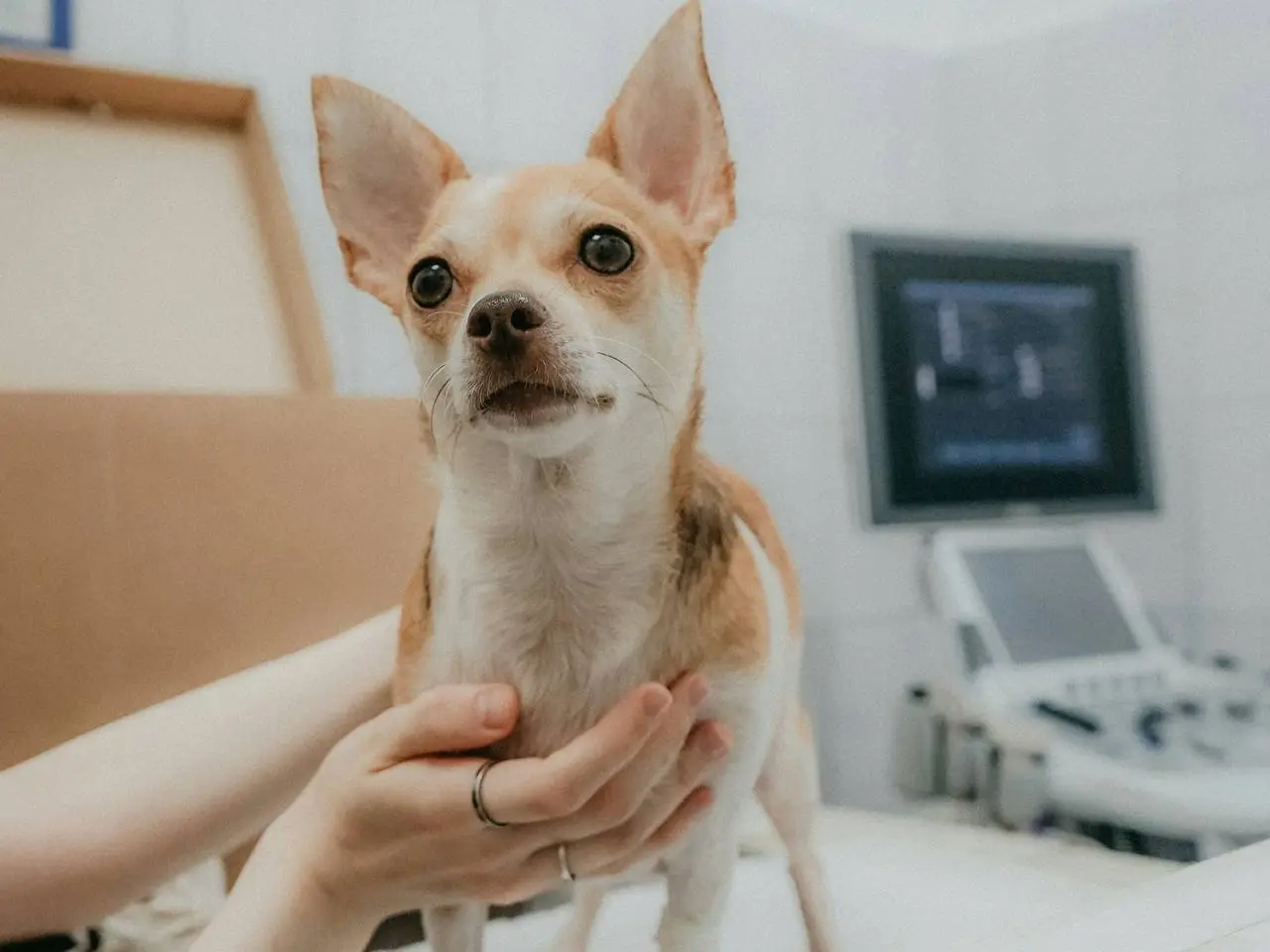
Getting a diagnosis of pancreatitis is not always as simple as doing one test and getting a clear answer. Pancreatitis may present with common clinical signs and symptoms that look like other digestive problems, so vets usually put several pieces of information together. This can be especially important when a dog may have pancreatitis, but the signs are not very obvious.
Looking at Your Dog’s History
Your vet will usually start by asking what you have noticed at home. Even small changes can be helpful, especially if your dog has had pancreatitis before or has a higher risk of pancreatitis.
- Previous cases of pancreatitis
- Changes in appetite
- Vomiting or diarrhea
- Changes in energy or behaviour
- Recent changes in food
- Recent medications
- Other existing health problems
Checking Your Dog’s Condition
Next, the vet will examine your dog and look for signs that may support the diagnosis of pancreatitis. This is also a chance to check whether something else could be causing the same symptoms.
- Abdominal pain or tenderness
- Dehydration
- Changes in body temperature
- Changes in heart rate or breathing
- Weakness
- Other signs of illness
Running Blood Tests
Blood tests can give the vet more information about what is happening inside your dog’s body. They can help support a diagnosis of pancreatitis while also showing whether there are other problems that need attention.
- Complete blood count
- Blood chemistry tests
- Pancreas-specific markers
- Blood fat levels
- Signs of dehydration
- Other abnormal results
Using Imaging Tests
Sometimes, the vet needs a closer look at the abdomen to understand what is going on. Imaging can be useful when pancreatitis may present alongside another condition or when the diagnosis is still uncertain.
- Abdominal ultrasound
- X-rays
- Other imaging tests when needed
Putting Everything Together
Vets do not always rely on one result to diagnose pancreatitis. Instead, they consider your dog’s history, clinical signs, examination, blood tests, and imaging together to decide whether pancreatitis is likely and whether it appears mild or more serious.
Treatment for Pancreatitis in Dogs
The treatment of pancreatitis in dogs depends on how severe the condition is and how your dog responds to care. Since pancreatitis can lead to dehydration, pain, and other complications, treatment is focused on helping the dog stay stable while the pancreas recovers.
Managing Mild Pancreatitis
Dogs with mild pancreatitis may improve with supportive care and careful monitoring. Mild pancreatitis may not require intensive treatment, but your veterinarian should still guide the management of pancreatitis.
- Maintaining hydration
- Controlling nausea and vomiting
- Providing appropriate nutrition
- Managing pain
- Monitoring appetite and energy
- Watching for worsening symptoms
Management of Acute Pancreatitis
Management of acute pancreatitis is mainly about keeping your dog comfortable and supporting recovery while the inflammation settles. Dogs with acute episodes may need veterinary treatment if their symptoms are persistent or become more serious.
- Fluid therapy when needed
- Medication for nausea and vomiting
- Pain relief
- Nutritional support
- Monitoring hydration
- Regular assessment of overall condition
Caring for Severe Pancreatitis
More serious cases may require hospitalization and closer monitoring. Pancreatitis can lead to complications that need prompt veterinary attention, especially when a dog is unable to eat, drink, or keep food down.
- Intravenous fluids
- Ongoing pain management
- Medication for persistent vomiting
- Nutritional support
- Monitoring important body functions
- Treatment for complications
Managing Recurring Pancreatitis
Dogs recovering from pancreatitis may need ongoing care, particularly if they have repeated episodes. The long-term approach will depend on your dog’s health, history, and any conditions that may make pancreatitis more likely to return.
- Following a veterinarian-recommended diet
- Avoiding known food triggers
- Managing underlying health conditions
- Keeping regular veterinary appointments
- Following prescribed medications
- Watching for returning symptoms
Is There a Cure for Pancreatitis?
There is no single cure for pancreatitis that works for every dog. Treatment of pancreatitis in dogs focuses on supportive care, symptom control, and preventing complications rather than relying on home remedies or one specific treatment.
Autumn Holiday Foods Risky for Dogs With Pancreatitis
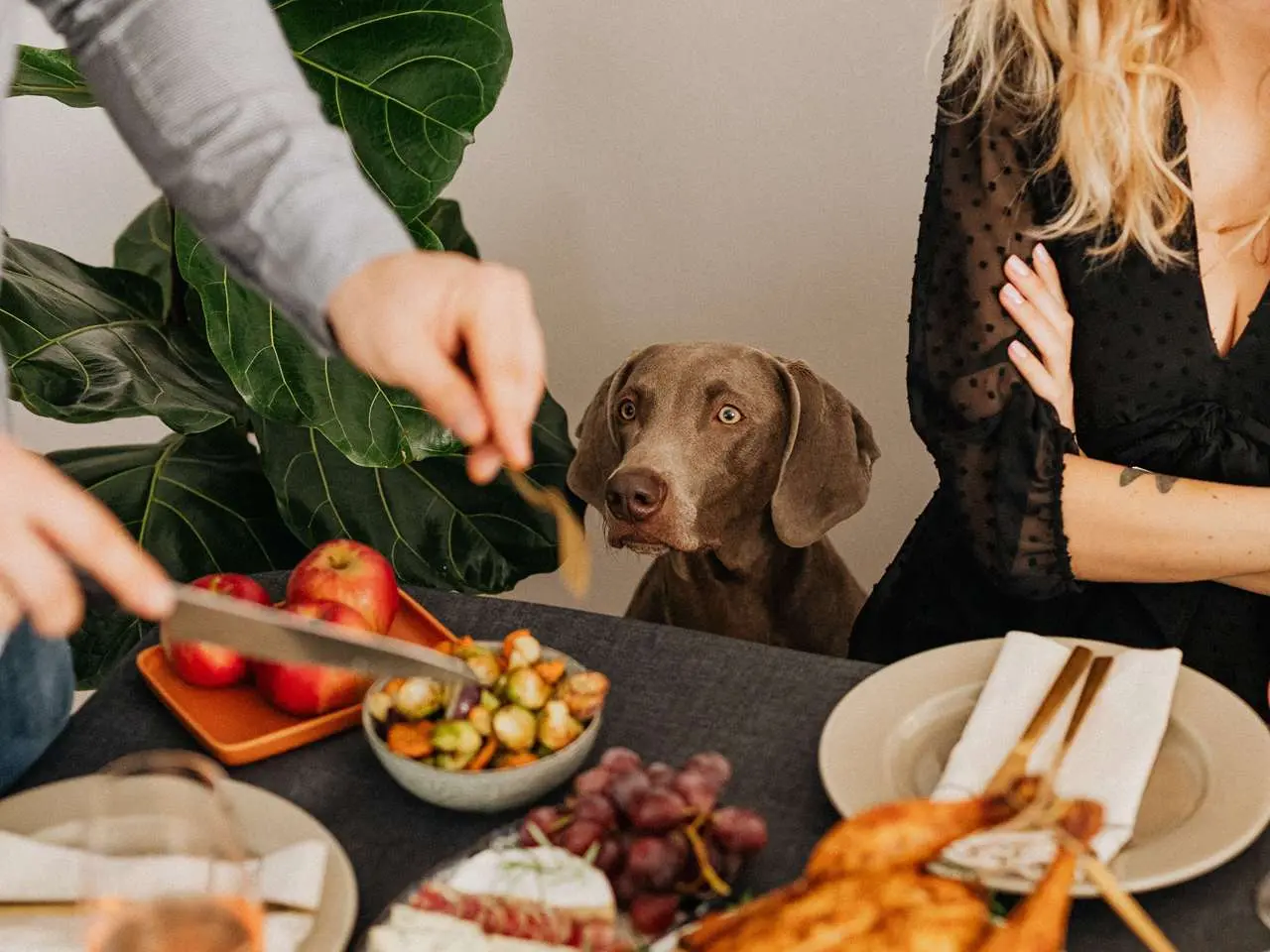
During Canadian autumn holidays like Thanksgiving and Halloween, it is easy to feel tempted to share a little of the feast with your dog. But if you have a dog with pancreatitis, those rich holiday foods can be a real concern, especially when they are much fattier than your dog’s usual meals. Since pancreatitis is common in dogs, being careful around holiday food can help reduce the chance of another painful episode.
High-Fat Meat and Drippings
Holiday meats may look harmless, but the skin, fatty cuts, and cooking juices can contain a lot of fat. Dogs with pancreatitis are more likely to have trouble after eating rich foods, so it is better to keep these foods off their plate.
- Turkey skin and dark meat: Higher in fat than plain, lean turkey meat.
- Gravy and pan drippings: Can be packed with grease and butter and may contain onions or garlic.
- Holiday ham or bacon: High in fat and sodium and not a good choice for dogs with pancreatitis.
Rich Side Dishes and Casseroles
Thanksgiving sides can be surprisingly rich because they often combine butter, cream, cheese, and other heavy ingredients. A small bite may seem like no big deal, but several small bites from different people can quickly add up.
- Traditional stuffing: May contain butter or turkey fat, as well as onions, garlic, and heavy seasoning.
- Mashed potatoes: Often made with cream, cream cheese, milk, or butter.
- Green bean casserole: May contain creamy soup, butter, and fried onions.
Autumn Sweets and Festive Treats
Halloween and Thanksgiving bring plenty of sweets within easy reach, and dogs are often quick to investigate anything that smells interesting. When you have pancreatitis in your dog, it is best to keep festive desserts out of reach because some can be high in fat or contain ingredients that are toxic to dogs.
- Pecan and pumpkin pies: Usually contain rich, buttery crusts and sugary fillings.
- Halloween chocolate: Contains cocoa compounds that are toxic to dogs and can also be high in fat.
- Butter-laden sweet potatoes: Candied or heavily buttered versions are much richer than plain sweet potatoes.
Foods to Keep Away From Your Dog
During a busy holiday gathering, pancreatitis is often triggered when a dog gets little bits of food from several people without anyone realizing how much they have eaten. If pancreatitis is common in your dog or they have had previous episodes, let everyone know which foods they should not share.
- Fatty meats and poultry skin
- Gravy and pan drippings
- Ham and bacon
- Stuffing with onions or garlic
- Rich casseroles
- Chocolate
- Rich pies and desserts
- Heavily seasoned foods
How to Prevent Pancreatitis in Dogs
You cannot always prevent pancreatitis, but there are some simple things you can do to lower your dog’s risk. A little extra care with food, treats, and your dog’s overall health can go a long way. This is especially worth keeping in mind if your dog has had pancreatitis before.
Keep Their Diet Simple and Consistent
Dogs can be very convincing when they want a bite of whatever is on your plate. Still, keeping their regular meals consistent and avoiding sudden changes can help reduce unnecessary dietary risks.
- Stick to a balanced diet that suits your dog
- Avoid sudden changes to their food
- Limit high-fat foods
- Skip fatty table scraps
- Keep rich holiday foods away from your dog
Keep Your Dog at a Healthy Weight
A healthy weight is important for your dog’s overall well-being. If your dog needs to lose weight, it is better to work with a veterinarian than to suddenly cut back their food.
- Check their weight regularly
- Measure meals and treats
- Keep treats within a reasonable amount
- Make sure they get regular exercise
- Ask your veterinarian about safe weight management
Stay on Top of Other Health Problems
Some dogs may have a higher risk of pancreatitis because of other health conditions. Keeping those conditions under control can be an important part of looking after your dog.
- Keep up with veterinary checkups
- Follow treatment plans for existing conditions
- Give medications exactly as prescribed
- Watch for changes in appetite or weight
- Mention recurring digestive problems to your veterinarian
Be Careful With Treats and Holiday Foods
It is hard to resist those hopeful eyes when your dog wants a taste of the holiday meal. But if your dog has had pancreatitis, sharing fatty foods or rich leftovers may not be worth the risk.
- Choose treats approved by your veterinarian
- Avoid fatty meats and greasy foods
- Skip gravy and rich sauces
- Keep chocolate and other unsafe foods away
- Ask guests not to feed your dog
Pay Attention to Early Changes
You know your dog’s normal habits better than anyone, so small changes can be worth noticing. If something seems off, especially after your dog has had pancreatitis before, do not ignore it.
- Watch for vomiting
- Notice changes in appetite
- Look for unusual tiredness
- Pay attention to signs of abdominal discomfort
- Contact your veterinarian if concerning symptoms appear
Final Thoughts
Chronic pancreatitis in dogs can be stressful to manage, especially when you are unsure whether a new symptom is something minor or a sign that things are getting worse. Repeated vomiting, belly pain, weakness, or dehydration are changes you should not simply brush off.
There is not always one clear cause, but diet, existing health problems, and other factors can make another episode more likely. Treatment depends on how your dog is doing and may involve supportive care, medication, nutrition, and regular veterinary monitoring.
Autumn holidays can make things a little harder, with fatty meats, gravy, rich side dishes, and desserts often within easy reach. If your dog starts showing worsening signs or manages to eat something they should not, it is best to call your veterinarian instead of trying a home remedy.
Frequently Asked Questions
Can pancreatitis in dogs become a long-term condition requiring ongoing management of pancreatitis?
Yes. Some dogs can develop chronic pancreatitis and need ongoing care even after they seem to have recovered. It can be worrying when symptoms keep coming back, but regular care can help you keep track of your dog’s health.
Recurring episodes: Some dogs may go through pancreatitis more than once.
Long-term care: Chronic pancreatitis may require continued attention to diet, symptoms, and overall health.
Other health problems: Existing conditions may affect your dog’s risk of having another episode.
Regular checkups: Follow-up visits can help your veterinarian monitor how your dog is doing.
Watch for changes: If familiar symptoms return, let your veterinarian know rather than waiting for them to become worse.
How can damage to the pancreas affect digestion after pancreatitis?
The pancreas has an important job in helping your dog digest food, so ongoing problems with it can sometimes affect digestion. If pancreatic function is reduced, your dog may have trouble properly breaking down and absorbing nutrients.
Digestive enzymes: The pancreas produces enzymes that help break down food.
Poor digestion: Reduced enzyme production can make it harder to digest meals properly.
Weight changes: Ongoing digestive problems may make it difficult for some dogs to maintain their weight.
Stool changes: Changes in stool can sometimes be a sign that food is not being digested normally.
Further testing: Ongoing digestive problems may need veterinary assessment to check pancreatic function.
How long can the treatment of pancreatitis in dogs take during recovery?
There is no set recovery time that applies to every dog. The treatment of pancreatitis in dogs can take longer when the illness is more serious, while some dogs with milder cases may improve sooner.
Mild cases: Dogs with mild pancreatitis may recover with supportive care and careful monitoring.
Severe cases: Dogs that are more seriously ill may need longer veterinary care.
Progress: Changes in appetite, energy, and digestive symptoms can help show whether your dog is improving.
Continued care: Some dogs need ongoing management even after the initial episode has passed.
Veterinary advice: Your veterinarian can give you a more realistic recovery timeline based on your dog’s condition.
Can the cause of pancreatitis affect the long-term diagnosis and treatment?
Yes. Knowing the possible cause of pancreatitis can help your veterinarian decide what needs to be checked and how your dog should be managed. Sometimes, though, there is no obvious cause, which can make the diagnosis and treatment process less straightforward.
Diet: Rich or fatty foods may contribute to pancreatitis in some dogs.
Health conditions: Certain existing illnesses can increase the risk.
Medications: Your veterinarian may consider your dog’s medications when looking into the possible cause.
Previous episodes: A history of pancreatitis can be important when planning future care.
Individual factors: Your dog’s age, health history, and overall condition can all be considered.
Can the clinical signs of pancreatitis change after a dog has recovered?
Yes. A future episode may not look exactly like the last one, so it is worth paying attention when your dog starts acting differently. Even if your dog has recovered well before, new signs should not automatically be assumed to be the same problem.
Different symptoms: One episode may involve vomiting, while another may cause more noticeable discomfort or tiredness.
Milder signs: Not every episode will cause severe symptoms.
Returning symptoms: Familiar signs coming back may be a reason to speak with your veterinarian.
Changes over time: Dogs with chronic pancreatitis can have periods when they seem completely well and times when symptoms return.
When unsure: If something about your dog seems unusual, it is safer to ask your veterinarian than to wait and see what happens.

