
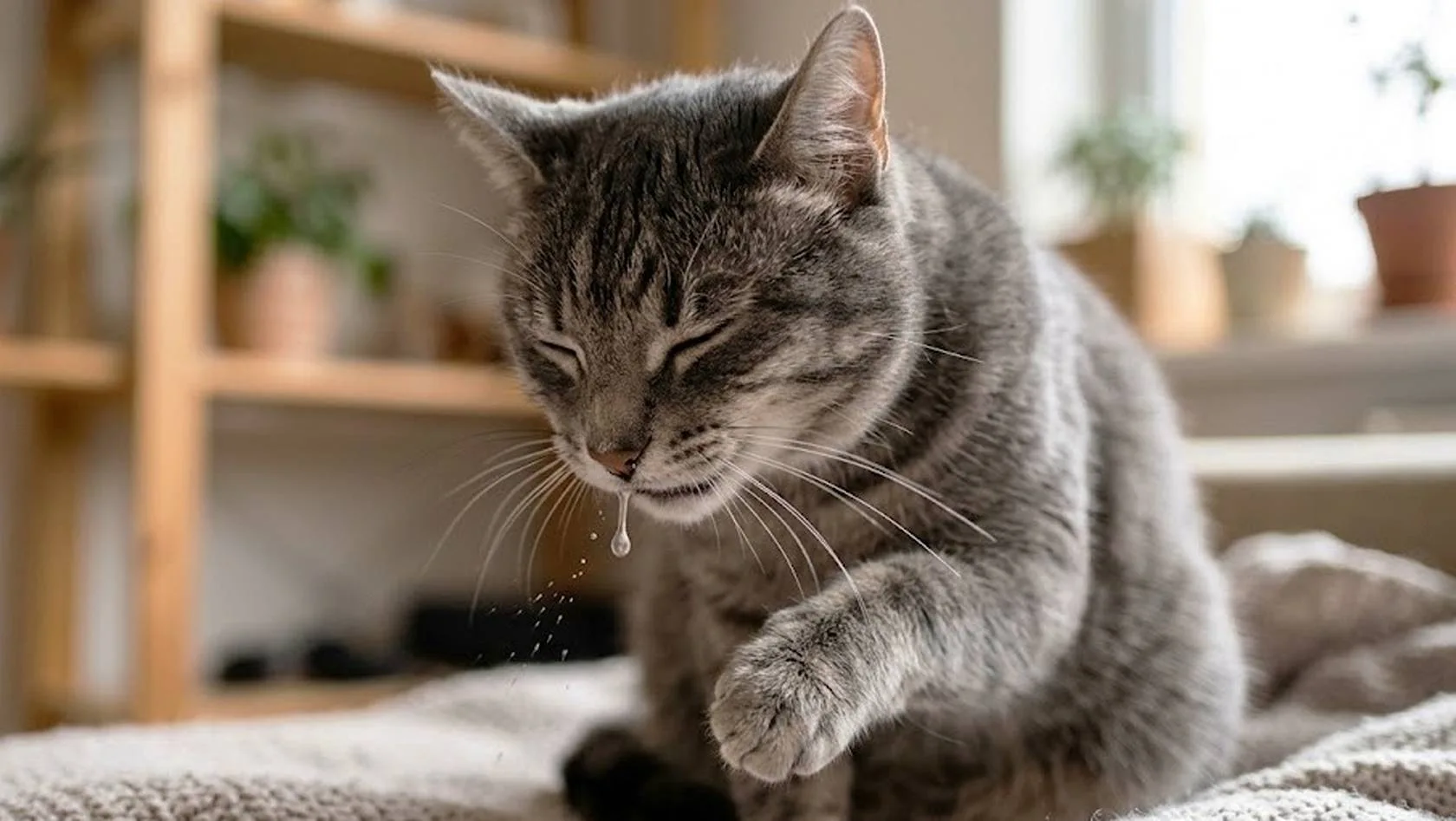

TL;DR: Cat Cold Symptoms, Causes, Treatment, and When to Seek Vet Support
- Cat colds are upper respiratory illnesses.
- They usually come from feline viruses or bacteria.
- Common signs include sneezing, a runny nose, and watery eyes.
- Coughing, congestion, and low energy can happen too.
- Some cats may eat less while they are sick.
- Cat colds can spread through contact with infected cats.
- Shared bowls, bedding, and surfaces can also spread infection.
- Outdoor cats may have more chances to encounter infections.
- Indoor cats can still become infected.
- Kittens, older cats, and nursing cats may need closer attention.
- Mild cases can often be managed with supportive care at home.
- Rest, fluids, food, and a comfortable space can help.
- Never give your cat human cold medication without veterinary advice.
- More serious cases may need medication, fluids, oxygen, or hospital care.
- See a vet if symptoms get worse or do not start improving.
- Trouble breathing, severe weakness, or refusing food needs prompt attention.
If your cat starts feeling unwell, it can be hard to know whether it is just a cold or something more serious. Contact us; our professional vets can check your cat's symptoms and help you decide what to do next.
Is your cat showing signs of a cold? Seeing your cat sneeze, cough, or have a runny nose can be worrying, especially when you are not sure if it is just a passing sniffle. When your cat starts acting a little different, it is natural to wonder what is going on.
Cats can catch colds, and cold symptoms in cats can be easy to brush off at first. Whether you have a kitten, an adult cat, or a senior cat, seeing your cat under the weather can be hard to ignore. A little extra attention can go a long way when your cat is not feeling like itself.
A cat's cold may seem harmless at first, but some signs can be more concerning than others. Knowing what to watch for can help you feel more prepared if your cat develops a cold. Read on to learn about cat cold symptoms, possible causes, and when it may be time to visit your vet.
Can Cats Catch a Cold Like Humans
Cats can catch colds just like humans, but they do not usually catch the same virus that causes the common cold in people. A cat suffering from a cold may have an illness affecting the upper respiratory system, which can make the two seem very similar at first. It can be easy to assume a cat has caught a human cold, but the infections are generally different.
Can a Cat Catch a Cold From a Person?
A cat is unlikely to catch a human cold from a person. Cat colds are generally linked to infections that affect cats rather than the viruses behind most human colds. Cats are more likely to come into contact with these infections through another cat.
A cat may be exposed when it:
- Interacts closely with another cat
- Spends time near another cat with an infection
- Lives with several cats
- Has recently been boarded around other cats
- Spends time outdoors and encounters unfamiliar cats
- Shares space with another cat carrying a respiratory infection
Even indoor cats are not completely removed from this possibility. A cat does not have to spend time outside to come into contact with an infection, especially in a home with multiple cats.
What Are the Common Cat Cold Symptoms
Cat colds are harmless, and their symptoms can vary from one cat to another, so not every cat will look or act the same when feeling unwell. Sometimes the changes are easy to notice, while other times they can be quite subtle. If a cat is experiencing cold symptoms, paying attention to small changes in its usual routine can help you spot them.
Sneezing and Nose Symptoms
Sneezing and sniffles are often among the first things noticed as effects of a cold. A cat may also have cold symptoms like a runny nose or other changes around its nose.
- Sneezing
- Sneezing and a runny nose
- Nasal congestion
- Frequent licking of the nose
- Discharge around the nose
Eye Symptoms
The eyes can also show changes when cats with a cold are feeling under the weather. These signs may affect one or both eyes.
- Watery eyes
- Red or irritated eyes
- Eye discharge
- Squinting
- Frequent blinking
- Swelling around the eyes
Appetite and Eating Changes
Some cats may continue to eat as usual, while others may lose interest in food. Offering soft or wet food that is easier to swallow may help a cat that has a sore throat or mouth discomfort. A change in eating habits can be noticeable when it is different from what is normal for that particular cat.
- Eating less than usual
- Losing interest in favourite foods
- Taking longer to finish meals
- Showing less interest in treats
- Refusing food
Changes in Energy and Behaviour
Cats can become quieter when they are not feeling their best. A change in everyday behaviour may stand out, especially in a cat that is normally playful or social.
- Sleeping more than usual
- Reduced activity
- Less interest in playing
- Hiding more often
- Being less social
- Appearing quieter than usual
Coughing and Other Respiratory Signs
Some cats may have more than sneezing and a runny nose. Coughing and other breathing changes can also occur alongside cold symptoms.
- Coughing
- Gagging
- Frequent swallowing
- Changes in meowing
- Noisy breathing
- Breathing faster than usual
General Signs of Illness
A cat may also seem generally unwell while experiencing cold symptoms. These changes can be easy to miss if they are mild.
- Fever
- Shivering
- Tiredness
- Less interest in normal activities
- Changes in usual behaviour
Symptoms in Kittens and Older Cats
Kittens and older cats may show noticeable changes when they are feeling unwell. Their usual eating, sleeping, and activity patterns can make these changes easier to recognize.
- Sleeping much more than usual
- Becoming unusually quiet
- Eating less
- Drinking less
- Showing little interest in their surroundings
- Developing several symptoms at the same time
What Causes a Cold in Cats
Cat colds are upper respiratory illnesses usually caused by infections rather than the viruses behind the human cold. A cat can develop a URI after coming into contact with an infectious agent, especially through another cat. It can be unsettling to see a cat start feeling unwell without knowing where the illness came from, but there are several possible sources.
Viral Infections
Viruses are a common cause of upper respiratory infection in cats. They can spread between cats, particularly when they spend a lot of time around each other.
- Feline herpesvirus
- Feline calicivirus
- Other feline respiratory viruses
- Exposure to another cat carrying an infection
Bacterial Infections
Bacteria can also cause or contribute to respiratory infections in cats. Sometimes a bacterial infection occurs on its own, while other times it can develop alongside a viral infection.
- Chlamydia felis
- Bordetella bronchiseptica
- Mycoplasma
- Contact with an infected cat
How Cats Become Exposed
A cat can develop a URI after contact with an infected cat or something that has been contaminated. This is why respiratory infections can spread fairly easily when cats share the same spaces.
- Spending time near another cat suffering from an infection
- Interacting with other cats
- Being exposed to another cat with a cold
- Sharing food or water bowls
- Sharing bedding or toys
- Coming into contact with contaminated surfaces
Situations That Increase Exposure
Some cats simply have more chances to encounter infectious agents because of where they live or spend time. Outdoor cats may meet more cold viruses than indoor cats, while indoor cats can still be exposed through other cats at home or after being boarded recently.
- Living in a multi-cat household
- Regularly interacting with other cats
- Spending time around unfamiliar cats
- Staying in a shelter or cattery
- Being boarded recently
- Living in a crowded environment
Factors That Can Make Infection More Likely
Not every cat reacts to an infection in the same way. Kittens, older cats, and cats already dealing with health problems may be more vulnerable after exposure.
- Being a young kitten
- Being an older cat
- Experiencing significant stress
- Having an existing health condition
- Having a weakened immune system
- Going through a major change in environment
Can a Cat Cold Lead to Pneumonia?
An upper respiratory infection (URI) does not usually develop into pneumonia, but complications can sometimes occur. Pneumonia affects the lungs and is more serious than an infection limited to the upper respiratory tract. Keeping your cat up to date on vaccinations and limiting exposure to sick cats will make it less likely for your cat to develop a URI.
This can be a bigger concern for kittens, older cats, and cats with other health problems. If a respiratory illness becomes more severe, it should not simply be assumed to be a harmless cold.
Home Remedies You Can Do When Your Cat Gets a Cold
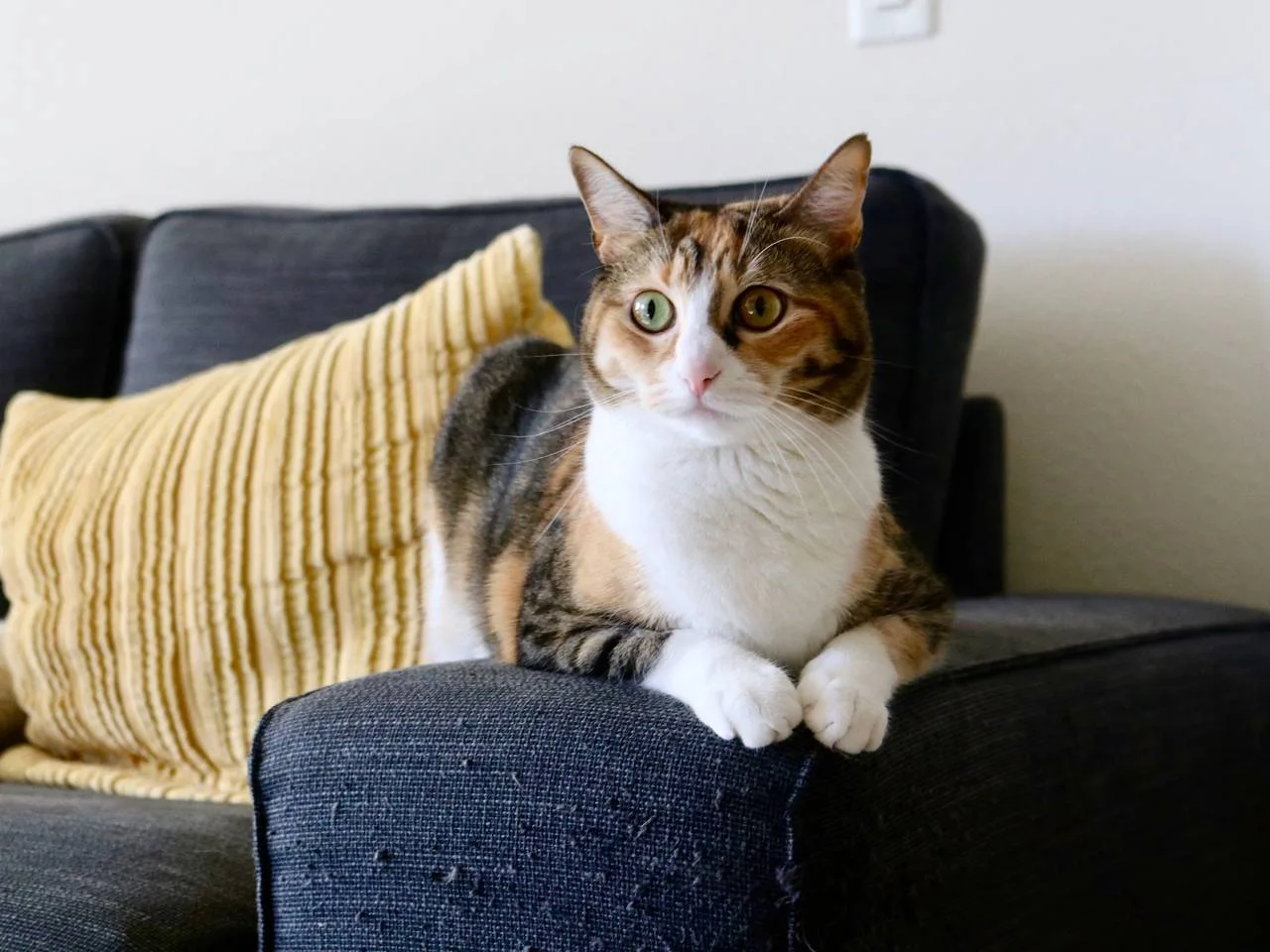
Seeing a cat feeling under the weather can be worrying, but a few simple things at home can help your cat feel more comfortable. Keeping the surroundings calm, offering food and water, and giving plenty of rest can make those sick days a little easier. The aim is to support your cat while it has time to recover.
Give Your Cat a Quiet Place to Rest
Cats usually appreciate a peaceful spot when they are not feeling well. Set up a comfortable area where your cat can relax without too much noise or activity.
- Choose a warm, quiet resting area
- Keep the room comfortably warm
- Place food and water nearby
- Keep the litter box easy to reach
- Let your cat sleep without unnecessary interruptions
Make Food Easier to Eat
A cat that feels congested may not be as interested in food. Making meals more appealing can sometimes encourage your cat to keep eating.
- Offer small meals throughout the day
- Warm wet food slightly to bring out its smell
- Offer familiar foods your cat normally enjoys
- Keep fresh water available
- Keep food and water bowls clean
Help Your Cat Breathe More Easily
Gentle moisture in the air may make things more comfortable when your cat has nasal congestion. A little humidity can be useful without putting anything directly on your cat.
- Spend a short time with your cat in a steamy bathroom
- Keep a bowl of hot water safely out of reach
- Keep smoke and strong fragrances away from your cat
- Gently wipe away nasal discharge with a soft, damp cloth
- Never put anything inside your cat's nose
Give Your Cat Some Space From Other Cats
If there are other cats at home, giving the sick cat its own space can be helpful. It also gives the cat a quiet place to rest without being bothered.
- Provide a separate resting area
- Use separate food and water bowls
- Keep bedding separate
- Clean shared surfaces regularly
- Wash hands after handling the sick cat
Keep the Area Clean
A clean space can make your cat more comfortable while it is recovering. It is especially helpful to clean anything that becomes soiled with nasal or eye discharge.
- Wash food and water bowls regularly
- Clean dirty bedding promptly
- Keep the litter box clean
- Wipe down frequently used surfaces
- Replace heavily soiled blankets
Never Give Your Cat Human Cold Medication
It can be tempting to give human cold medication when a cat seems sick, but these medicines can be dangerous for cats. Never give your cat human cold medication unless a veterinarian has specifically advised the medicine and dose.
- Never give your cat human cold medication
- Do not give human cough or cold medicine
- Do not use leftover medication from a person
- Do not give medication prescribed for another pet
- Do not assume an over-the-counter medicine is safe for cats
- Ask a veterinarian before giving your cat any medication
Know When Home Care Is Not Enough
Home care can help with comfort, but it should not be the only plan if a cat is not getting better. If a cold keeps going or your cat begins coughing, it may be time to have the situation checked.
- Watch for a cold that does not get better
- Pay attention if your cat begins coughing
- Make sure your cat continues to eat and drink
- Keep an eye on changes in your cat's condition
- Make an appointment with your vet if the illness persists
When Should You Take Your Cat to the Vet
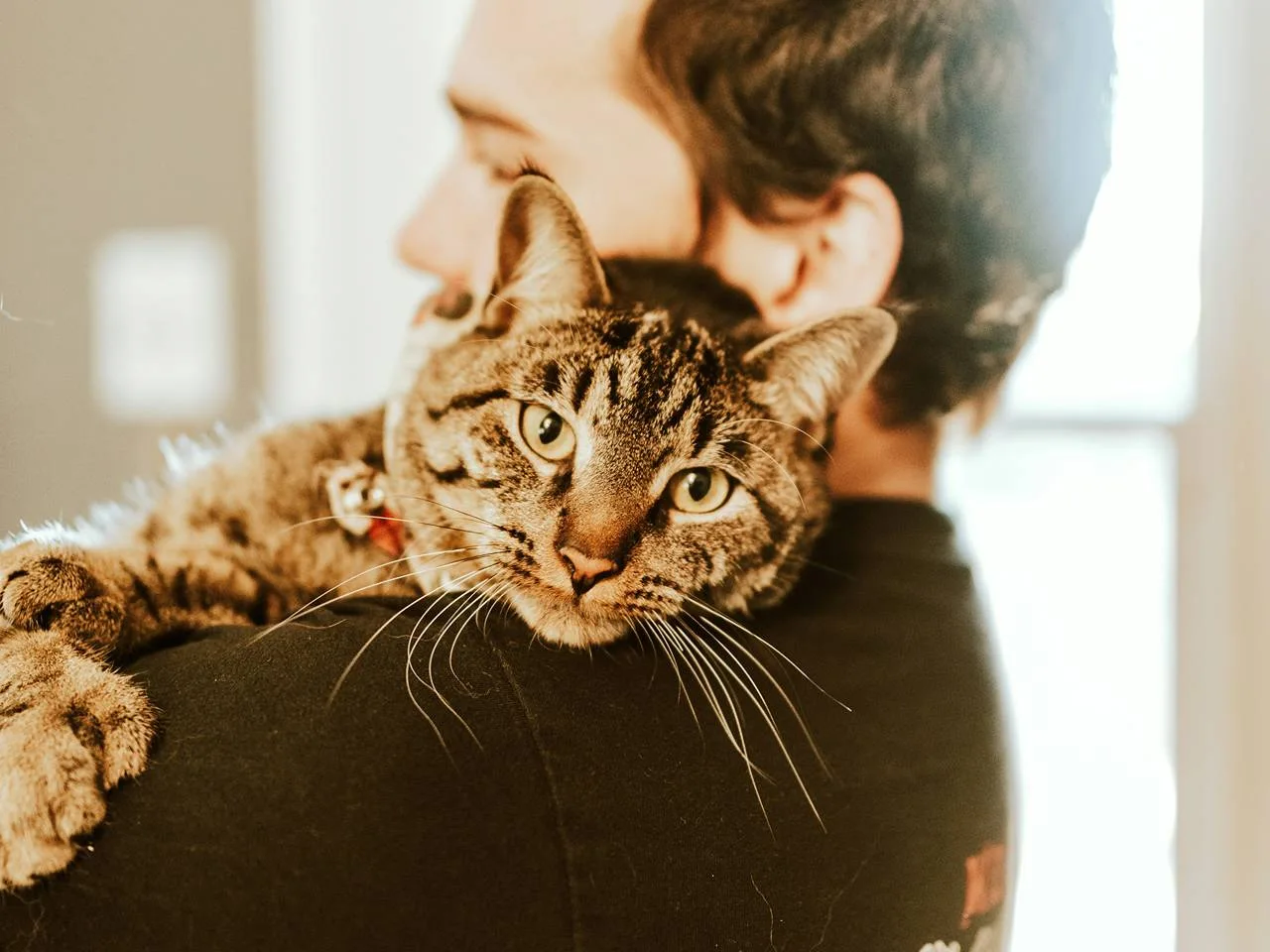
If your cat's cold symptoms are getting worse, lasting longer than expected, or affecting eating and breathing, it is worth getting assistance from a vet to determine the best options. It is always better to have a concerning change checked than to spend days wondering if your cat will recover on its own.
When Your Cat Is Having Difficulty Breathing
If your cat is having difficulty breathing, this is not something to watch casually at home. Breathing trouble can be a sign of a more serious respiratory problem and needs prompt attention.
- Breathing with its mouth open
- Struggling to get enough air
- Breathing unusually fast or noisily
- Stretching its neck while trying to breathe
- Noticeably using its chest or belly to breathe
- Looking distressed or unable to settle
If your cat has difficulty breathing, bring your cat to a vet as soon as possible. Severe breathing problems should be treated as an emergency.
When Your Cat Stops Eating or Drinking
It is fairly common for a sick cat to eat less than usual. Congestion can make food harder to smell, while feeling unwell can make meals less appealing. However, completely refusing food or water is a different matter.
- Refusing food completely
- Eating very little for an extended period
- Refusing water
- Becoming weak or unusually tired
- Showing possible signs of dehydration
- Having trouble eating or swallowing
If your cat is having trouble eating because it is unwell, a vet can look into the cause and determine the best care.
When the Symptoms Are Getting Worse
A cat should generally start showing some sign of improvement as it recovers. If things are moving in the opposite direction, it is worth having your cat checked.
- Cat's cold symptoms become more severe
- Nasal or eye discharge increases
- Your cat becomes increasingly tired
- New symptoms start appearing
- Your cat starts coughing
- Your cat loses more interest in food or normal activities
For example, similar symptoms such as sneezing may not be a major concern on their own, but a cat that keeps getting worse should not simply be assumed to have a harmless cold.
When There Is Still No Improvement
Some respiratory illnesses can take a few days to settle, so your cat may not look completely normal right away. Still, there should eventually be some improvement. A persisting cold with little change may need a closer look, especially if there is no improvement by the fourth day.
- Symptoms stay the same for several days
- Your cat does not gradually return to its normal routine
- Congestion continues without getting better
- Nasal or eye discharge persists
- Coughing continues or becomes more frequent
- Symptoms improve for a short time and then come back
If there is no clear sign of improvement, a vet can perform an accurate diagnosis of your pet's condition instead of assuming it is simply a cold.
When Your Cat Is More Vulnerable
Some cats may need a little more attention when they become sick. This can include kittens, older cats, and cats that are nursing. Their condition may change more quickly, so waiting too long is not always a good idea.
- A kitten becomes unusually weak or sleepy
- A cat that is nursing stops eating or drinking properly
- An older cat suddenly becomes much less active
- Several concerning signs appear at once
- Your cat's condition changes quickly
If your cat falls into one of these groups and seems noticeably unwell, contacting a vet can help determine whether treatment is needed.
After Recent Contact With Other Cats
It helps to tell the vet about any recent situations where your cat may have been exposed to other cats. For example, if you boarded your cat recently or it spent time around unfamiliar cats, that information may help explain the illness.
- Your cat recently stayed at a boarding facility
- Your cat had close contact with another sick cat
- A new cat recently joined the household
- Your cat regularly spends time around outdoor cats
- Several cats in the same home develop similar signs
These details can help vets discuss the causes of your cat's illness and work toward an accurate diagnosis of your pet's condition.
When You Are Not Sure What Is Wrong
Cold-like symptoms can have several possible causes, and not every cat with sneezing or congestion has the same illness. If something about your cat's condition does not seem right, it is reasonable to have it checked rather than trying to guess the cause.
- Symptoms keep coming back
- Several different problems appear at once
- Your cat remains unwell despite supportive care
- The illness does not follow the usual pattern of recovery
- You are unsure whether your cat has a simple cold or another condition
A vet can examine your cat, look at the full picture, and determine the best next step. Getting the right diagnosis can make it much easier for your cat to get the care it needs.
Veterinary Treatment Options for Cat Cold
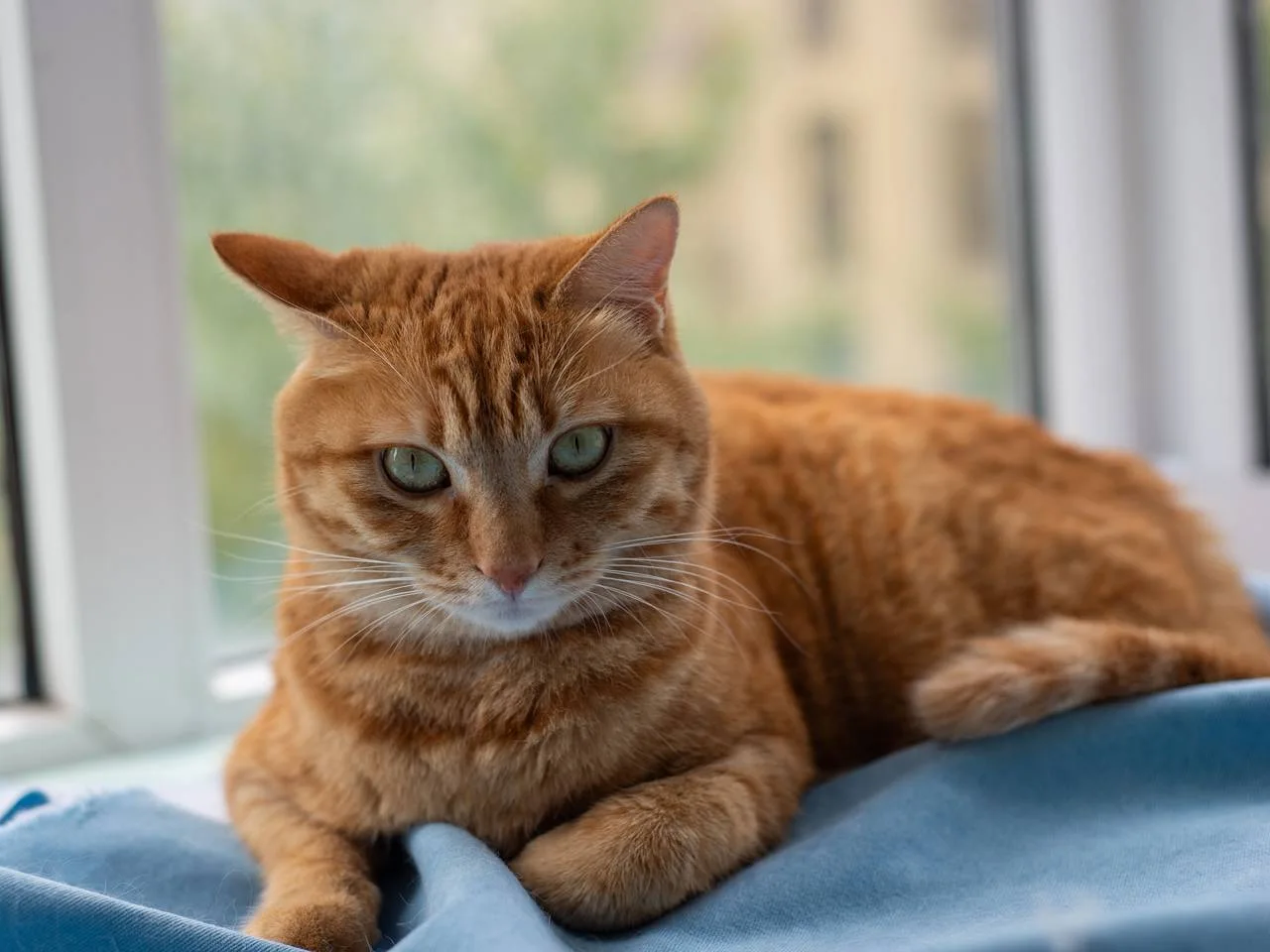
Treatment depends on the cause and severity of the illness. Some cats need simple supportive care, while others may need medication or additional veterinary treatment.
Supportive Care
Mild cases may only require supportive care while the cat recovers.
- Fluids
- Food and water support
- Rest and comfort
- Cleaning eye and nose discharge
- Monitoring recovery
Antibiotics
Antibiotics may be prescribed when a bacterial infection is suspected.
- Prescription antibiotics
- Correct dose and schedule
- Completing the prescribed course
- Monitoring for changes
Antiviral Medication
Some viral infections may benefit from antiviral treatment, depending on the cat's condition.
- Prescription antiviral medication
- Following the recommended dose
- Monitoring the cat during treatment
- Reporting worsening symptoms
Eye Treatment
If the cat is showing significant eye redness, discharge, swelling, or irritation, the vet may recommend treatment for the eyes.
- Prescription eye drops
- Eye ointment
- Cleaning discharge as directed
- Avoiding unapproved eye medication
Fluids and Nutritional Support
Cats that are not eating or drinking enough may need additional support.
- Subcutaneous fluids
- Intravenous fluids
- Appetite support
- Assisted feeding when necessary
Oxygen Therapy
Cats with serious breathing problems may need oxygen at a veterinary clinic or hospital.
- Supplemental oxygen
- Breathing monitoring
- Oxygen level monitoring
- Close veterinary observation
Hospital Treatment
Severe cases may require hospital care for closer monitoring and treatment.
- Intravenous fluids
- Oxygen therapy
- Assisted feeding
- Prescription medication
- Ongoing monitoring
Diagnostic Testing
Diagnostic testing may be recommended when symptoms are severe, unusual, or not improving as expected. The goal is to identify the cause and choose a treatment option that helps the cat recover safely.
- Physical examination
- Infection testing
- Blood tests
- X-rays when needed
- Other tests based on symptoms
Final Thoughts
A cat cold can seem like a small problem at first, especially when it is just a few sneezes or a runny nose. Still, it helps to keep an eye on those symptoms because they can sometimes become more serious.
Simple care at home, along with plenty of rest, food, and fluids, can help your cat stay comfortable while recovering. If your cat stops eating, becomes very weak, or has trouble breathing, it is time to contact a vet.
When something about your cat's condition does not feel right, getting it checked can save a lot of worry and make sure your cat gets the care it needs.
Frequently Asked Questions
Can a cat cold come back after it goes away?
Yes, some cats can have respiratory symptoms again after they seem completely better. This is especially possible with feline herpesvirus, which can stay in the body and become active again later.
Stress: Things like moving, changes at home, or a new cat can sometimes trigger symptoms.
Past infections: A previous respiratory infection can sometimes lead to recurring problems.
Notice the pattern: Keep track of when the symptoms come back and what was happening around that time.
Keep notes: A simple record can help your vet understand what has been happening.
Get advice: Frequent flare-ups are worth discussing with your vet.
Can stress make a cat's cold symptoms worse?
It can, particularly in cats carrying feline herpesvirus. Stress can sometimes trigger the virus again, which may bring back respiratory or eye symptoms.
Changes at home: Moving or bringing home another pet can be stressful for some cats.
Busy households: Living with several cats can sometimes add to a cat's stress.
Keep a routine: Regular feeding and play times can help your cat feel more settled.
Give them space: A quiet place to hide or rest can make a big difference.
Watch for flare-ups: If symptoms seem to return during stressful times, mention this to your vet.
Can a cat still spread an infection after it feels better?
Yes, depending on the infection, a cat may still spread a virus after its symptoms have improved. Some cats can continue shedding certain viruses for weeks or even longer.
Take it slowly: Ask your vet before letting a recovering cat mix closely with other cats.
Clean supplies: Wash bowls, bedding, and other items that the cats share.
Watch the other cats: Keep an eye out for sneezing, eye discharge, or other changes.
Be careful with new cats: Keeping a new cat separate at first can help reduce the chance of spreading infection.
Ask your vet: Your vet can tell you when it is safer for your cats to be together again.
Does a cat still need vaccines after having a cold?
Yes. Having one respiratory infection does not mean a cat is protected from every infection that can cause similar symptoms. Vaccines can also help reduce how severe some respiratory infections become.
Check the records: Make sure you know which vaccines your cat has already received.
Follow the schedule: Your vet can recommend when boosters are needed.
Mention past illness: Let your vet know if your cat has had repeated respiratory problems.
Consider lifestyle: Outdoor access and contact with other cats can affect vaccination needs.
Keep up with checkups: Regular vet visits make it easier to keep vaccinations on track.
Why does my cat keep getting respiratory infections?
Repeated respiratory problems can happen for different reasons, so it is worth looking beyond another simple cold. Some cats can have recurring infections, while others may have ongoing exposure or another health problem that needs attention.
Recurring viruses: Feline herpesvirus can stay in the body and cause symptoms to return.
Household exposure: Living with several cats can increase opportunities for infections to spread.
Stress: Stress may trigger symptoms again in some cats.
Other health problems: An underlying condition can sometimes make infections more likely to return.
Veterinary check: If your cat keeps getting sick, a vet can help work out why.

