

TL;DR: Key Things to Know About Fading Kitten Syndrome
- Fading Kitten Syndrome affects newborn kittens during the first few weeks of life.
- It is not one specific disease but a group of health problems that can stop a kitten from growing and thriving normally.
- Early warning signs can include poor nursing, low body temperature, weakness, dehydration, pale gums, and little or no weight gain.
- A kitten that constantly cries, feels cold, or separates from the rest of the litter should be checked by a veterinarian.
- The condition may be linked to infections, birth defects, poor nutrition, or other medical issues.
- Quick veterinary care and supportive treatment can give some kittens a better chance of recovery.
- Monitoring daily weight can help you notice problems before they become more serious.
- Keeping the nesting area clean, warm, and quiet supports healthy development during the first weeks of life.
- Home remedies should never replace professional veterinary care for a sick newborn kitten.
Seeing a tiny kitten become weak can be frightening, but acting quickly can make all the difference. If you notice anything that doesn't seem right, contact us right away. Our passionate veterinarians are here to examine your kitten, answer your questions, and provide the care they need as soon as possible.
Have you ever watched a newborn kitten that seemed healthy at first, only to become weak a few days later? It can be upsetting and confusing, especially when you don't know what's happening. Fading Kitten Syndrome is a life-threatening condition that affects some neonatal kittens during their first few weeks of life.
The term refers to failure to thrive in neonatal kittens, and it can leave many cat owners wondering what went wrong. Learning the signs and causes can help you better understand why early veterinary care matters.
Seeing a young kitten struggle is something no one wants to experience. Taking the time to learn about Fading Kitten Syndrome can help you feel more prepared if concerns ever come up. Read on to learn what Fading Kitten Syndrome is, the signs to watch for, its possible causes, and when to contact a veterinarian.
What Is Fading Kitten Syndrome
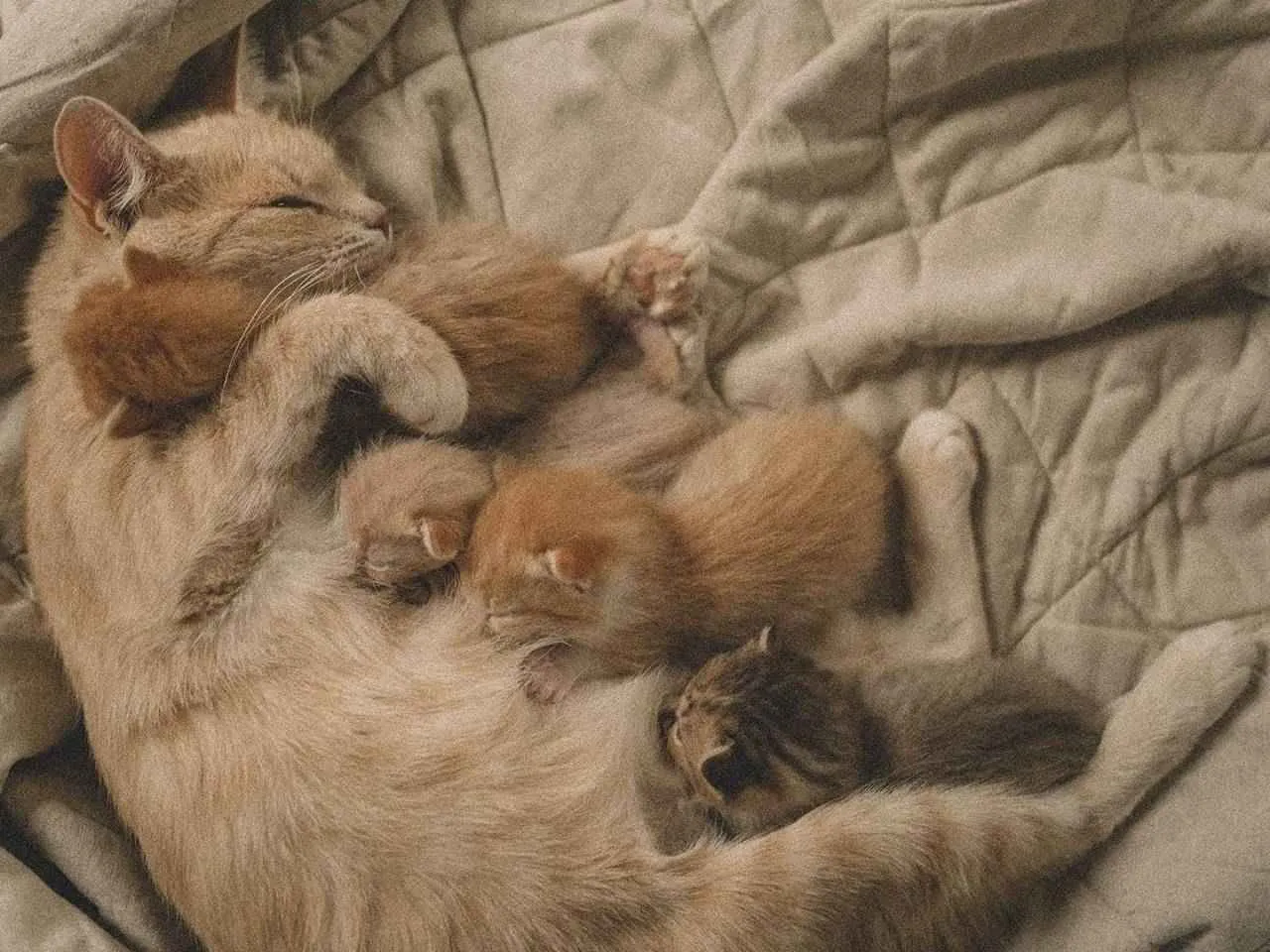
Fading Kitten Syndrome refers to a set of health problems that can affect newborn kittens during the first few weeks of life. It is not a single disease but a general term used when a kitten stops developing the way it should and begins to decline. In some cases, the exact cause is unknown, while in others, a vet may be able to identify an underlying cause.
Why Is It Called a Syndrome?
The name can sound confusing at first, but it is actually quite simple. The term "syndrome" is used because different health problems can lead to the same condition in a young kitten. These may include congenital defects, bacterial or viral infection, parasites, low birth weight, or failure of passive transfer of maternal antibodies.
Here are a few important things to remember:
- It is a general medical term, not a specific disease.
- It affects kittens during their first weeks of life.
- Different health problems can lead to the same condition.
- A vet can help determine whether an underlying cause can be identified.
What Are the Symptoms of Fading Kitten Syndrome

It is not always easy to tell when something is wrong with a newborn kitten. Some changes are subtle at first, while other signs of fading kitten syndrome become more noticeable within a few days after birth. Paying close attention during the early weeks can make a big difference.
Poor Nursing
Healthy kittens usually nurse often and stay close to the mother cat. A kitten that has trouble feeding or suddenly stops nursing may not be getting enough milk to support healthy growth.
Little or No Daily Weight Gain
One of the easiest ways to check a kitten's progress is by tracking daily weight. Kittens should gain around 10-15 grams per day, so little or no weight gain over several days should not be ignored, especially in small animals like kittens.
Low Body Temperature
A kitten that feels cold compared with the rest of the litter may have a low body temperature. Hypothermia can make a kitten even weaker and less interested in nursing.
Weakness
A healthy kitten should have enough strength to crawl, nurse, and stay with its littermates. If moving around seems difficult or the kitten feels unusually limp, it could be a sign that something is wrong.
Constant Crying
Newborn kittens cry from time to time, especially when they are hungry. However, crying that continues even after feeding or warming up can be a sign of a problem.
Pale Gums
Checking a kitten's gums may provide another clue. Healthy gums are pink, while pale or white gums can suggest that the body is not functioning as it should.
Dehydration
Dehydration can happen quickly in newborn kittens. Dry gums, poor nursing, and low energy are a few signs that may point to fluid loss.
Low Blood Sugar
A kitten with low blood sugar may seem sleepy, weak, or difficult to wake. Without enough energy, feeding and normal growth can become much harder.
Trouble Staying With the Litter
Healthy kittens naturally stay close to the mother cat and their littermates. A kitten that keeps drifting away or cannot keep up with the litter may need closer attention.
Difficulty Suckling
Some kittens try to nurse but cannot suck well enough to get the milk they need. In some cases, a cleft palate or another feeding problem may be the reason.
Feeling Cold Even in a Warm Home Environment
Even with a heating pad or hot water bottle nearby, an affected kitten may still struggle to stay warm. This can be another sign that the body is having trouble regulating its temperature.
Smaller Than Littermates
It is common for one kitten to be slightly smaller than the others, but the difference should not continue to grow. A kitten that falls farther behind over days or weeks may not be developing as expected.
Reduced Activity
Most healthy kittens gradually become stronger and more active as they grow. A kitten that rarely moves or sleeps almost all the time may be showing that it needs veterinary care.
What Are the Causes of Fading Kitten Syndrome
One of the hardest things about Fading Kitten Syndrome is that there is not always one clear reason why it happens. Kitten Syndrome is a set of conditions that can affect newborn kittens, and more than one problem may be involved at the same time. Some causes are present at birth, while others develop within the first few weeks.
Missing Out on Colostrum
The first milk from the mother cat, called colostrum, gives newborn kittens antibodies that help protect them from infectious disease. A kitten that does not receive enough of this early milk may have a harder time fighting off illness, and it may cause fading kitten syndrome.
- Weak nursing after birth
- Poor milk intake
- Delayed access to the mother cat
- Reduced transfer of protective antibodies
Bacterial and Viral Infections
Very young kittens have immune systems that are still developing, so infections can affect them more easily than older cats. Bacterial infections and viral illnesses can become serious in a short time if they are not recognized early.
- Bacterial infections
- Viral infections
- Respiratory infections
- Bloodstream infections
Neonatal Isoerythrolysis
Although it is uncommon, neonatal isoerythrolysis is a serious condition that can affect newborn kittens. It happens when the mother cat has a blood type that is not compatible with her kittens, allowing antibodies in the colostrum to attack the kittens' red blood cells.
- Blood type incompatibility
- Damage to red blood cells
- Reduced oxygen delivery throughout the body
- Rapid decline after nursing
Not Getting Enough Nutrition
Healthy kittens need regular feedings to grow and gain weight. Missing feedings or not getting enough milk can quickly affect a kitten during the first days of life.
- Low milk production
- Difficulty nursing
- Competition from stronger littermates
- Needing milk replacer after losing the mother cat
Being Weaned Too Early
Newborn kittens depend on their mother for both nutrition and protection. Being weaned from their mother before they are ready can affect normal growth, especially before eight weeks of age.
- Early weaning
- Sudden diet changes
- Poor nutrition
- Difficulty adjusting to solid food
Birth Defects
Some kittens are born with physical problems that make everyday activities much harder. Depending on the condition, feeding, breathing, or normal development may be affected.
- Cleft palate
- Heart defects
- Organ abnormalities
- Skeletal abnormalities
Environmental Challenges
The place where a kitten is raised matters more than many people realize. A stressful or unhealthy environment could lead to Fading Kitten Syndrome, especially during the first few weeks.
- Dirty nesting areas
- Cold or damp surroundings
- Overcrowding
- Poor ventilation
Parasites
Even a small number of parasites can have a big effect on a newborn kitten. They may reduce nutrients, cause blood loss, or make it harder for a kitten to stay healthy.
- Fleas
- Roundworms
- Hookworms
- Coccidia
Problems During Birth
A difficult birth can leave a kitten struggling from the very beginning. Some kittens recover well, while others have a harder time getting the healthy start they need.
- Prolonged labour
- Birth injuries
- Reduced oxygen during delivery
- Delayed nursing after birth
Can a Kitten Survive Fading Kitten Syndrome
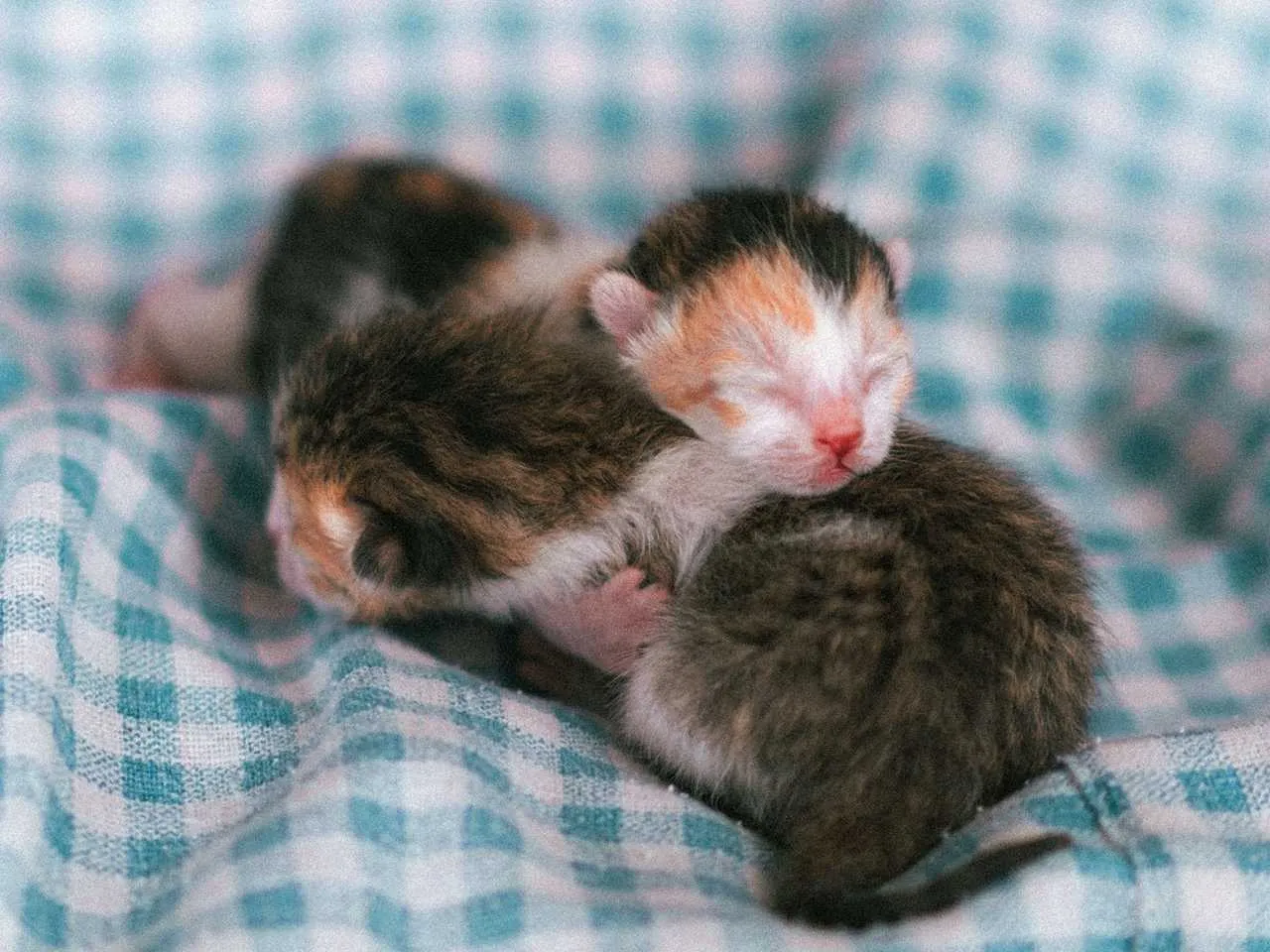
One of the first questions many people ask is whether a kitten can recover from Fading Kitten Syndrome. While there is no guaranteed outcome or any hacks for the best chance of survival, some kittens do survive with prompt veterinary care and supportive treatment. The earlier help begins, the better the chance of giving a kitten the support it needs.
Every Kitten Has a Different Outcome
No two kittens with Fading Kitten Syndrome are exactly alike. Some begin to improve after treatment, while others remain very fragile. A lot depends on the condition affecting the kitten and how quickly care starts.
- Overall health before symptoms appeared
- The condition causing the illness
- How early veterinary care begins
- Response to supportive treatment
- Ability to nurse or feed regularly
Small Improvements Can Mean a Lot
Recovery does not always happen all at once. Even small changes can be encouraging and may show that a kitten is moving in the right direction.
- Nursing more often
- Gaining around 10 to 15 grams per day
- Becoming stronger and more active
- Crying less frequently
- Staying warm more easily
Care Does Not End After the Veterinary Visit
A kitten that returns home may still need plenty of attention. Careful monitoring and following the veterinarian's instructions can help support recovery during the days ahead.
- Feed on the recommended schedule
- Check weight every day
- Keep the nesting area warm and clean
- Watch for any changes in behaviour or feeding
- Return for follow-up visits if advised
Be Careful With Home Remedies
It is understandable to want to help a weak kitten as quickly as possible. Suggestions such as sugar water or Karo syrup are sometimes shared online, but they are not a substitute for veterinary care. Before trying any home remedy, it is safest to speak with a veterinarian to make sure it is appropriate for the kitten's condition.
Tips to Help Prevent Fading Kitten Syndrome
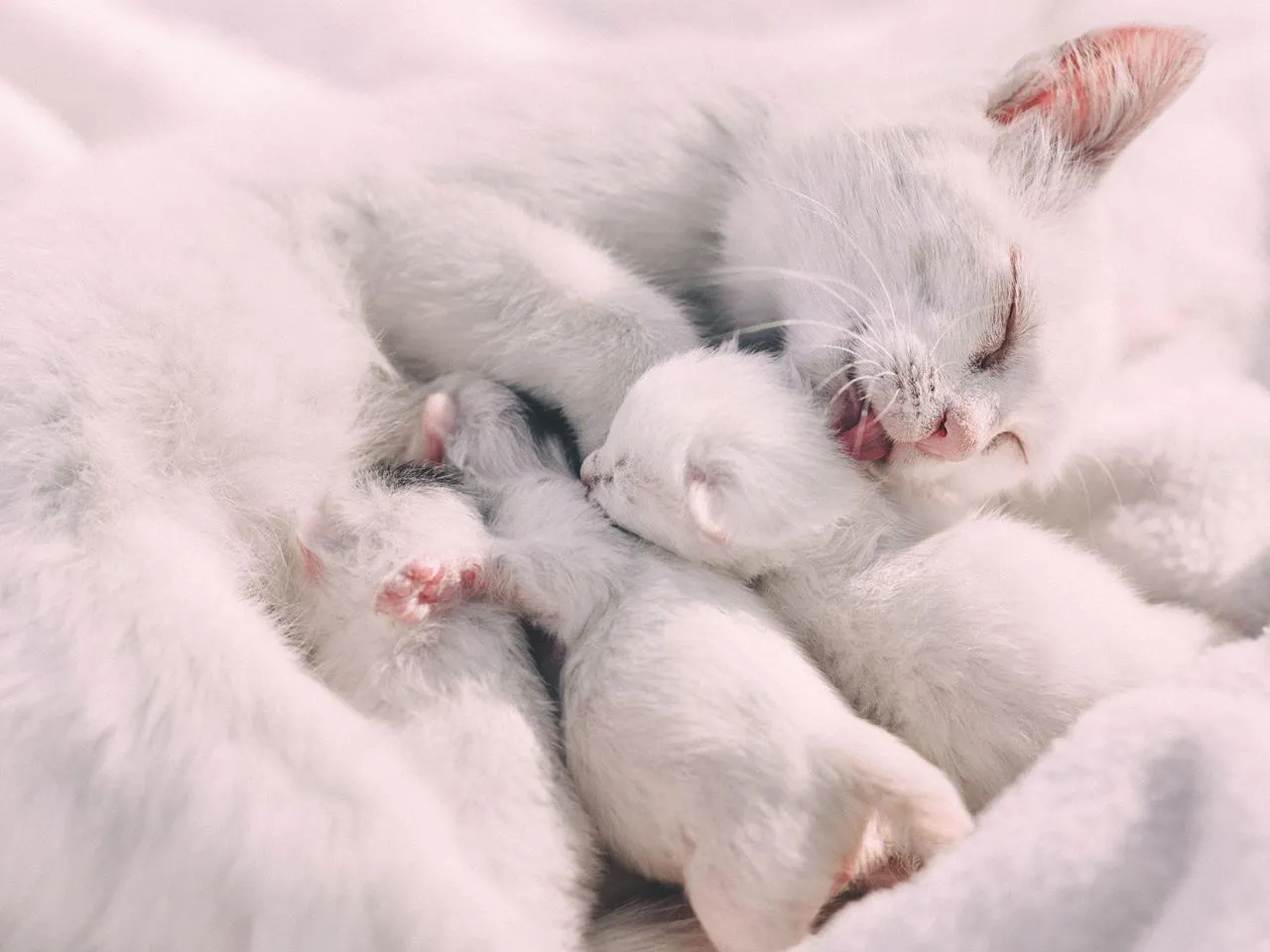
Not every case can be prevented, but there are steps that can help give newborn kittens a healthier start. Fading Kitten Syndrome affects kittens during a very delicate stage of life, so even small changes are worth paying attention to. The first days, especially before kittens are two weeks old, are often the most important for keeping a close eye on their health.
Keep Up With Veterinary Checkups
Regular veterinary care can help catch problems before they become more serious. It also gives the mother cat and her kittens the best support during pregnancy, birth, and the weeks that follow.
- Have the mother cat checked before and after giving birth.
- Schedule health exams for newborn kittens.
- Follow the veterinarian's care recommendations.
- Ask questions if anything seems unusual.
Prepare a Safe Place for the Litter
A warm, clean nesting area can make a big difference for newborn kittens. Since they rely on their surroundings for comfort, a quiet place helps them rest and nurse without added stress.
- Change bedding whenever it becomes dirty.
- Keep the nesting area warm and dry.
- Protect the litter from drafts.
- Choose a calm spot away from heavy foot traffic.
Watch How the Kittens Nurse
One of the easiest ways to check that everything is going well is to watch feeding time. This is especially important while kittens are less than two weeks old because they depend completely on their mother for nutrition.
- Make sure every kitten has a chance to nurse.
- Watch for weaker kittens that get pushed aside.
- Notice if a kitten suddenly loses interest in feeding.
- Contact a veterinarian if a kitten refuses to nurse.
Check Their Growth Every Day
Looking at the kittens every day makes it easier to notice small changes that might otherwise be missed. A quick daily weight check can provide helpful clues about how each kitten is doing.
- Weigh each kitten at the same time every day.
- Write down daily weight changes.
- Watch for changes in activity or feeding.
- Compare each kitten with the rest of the litter.
Take Good Care of the Mother Cat
The mother cat's health has a big impact on her kittens. When she is healthy, comfortable, and well cared for, she is better able to care for her litter.
- Feed a complete and balanced diet.
- Keep fresh water available at all times.
- Give her a quiet place to rest.
- Keep her living area clean and comfortable.
When to Rush to the Veterinarian for Fading Kitten Syndrome
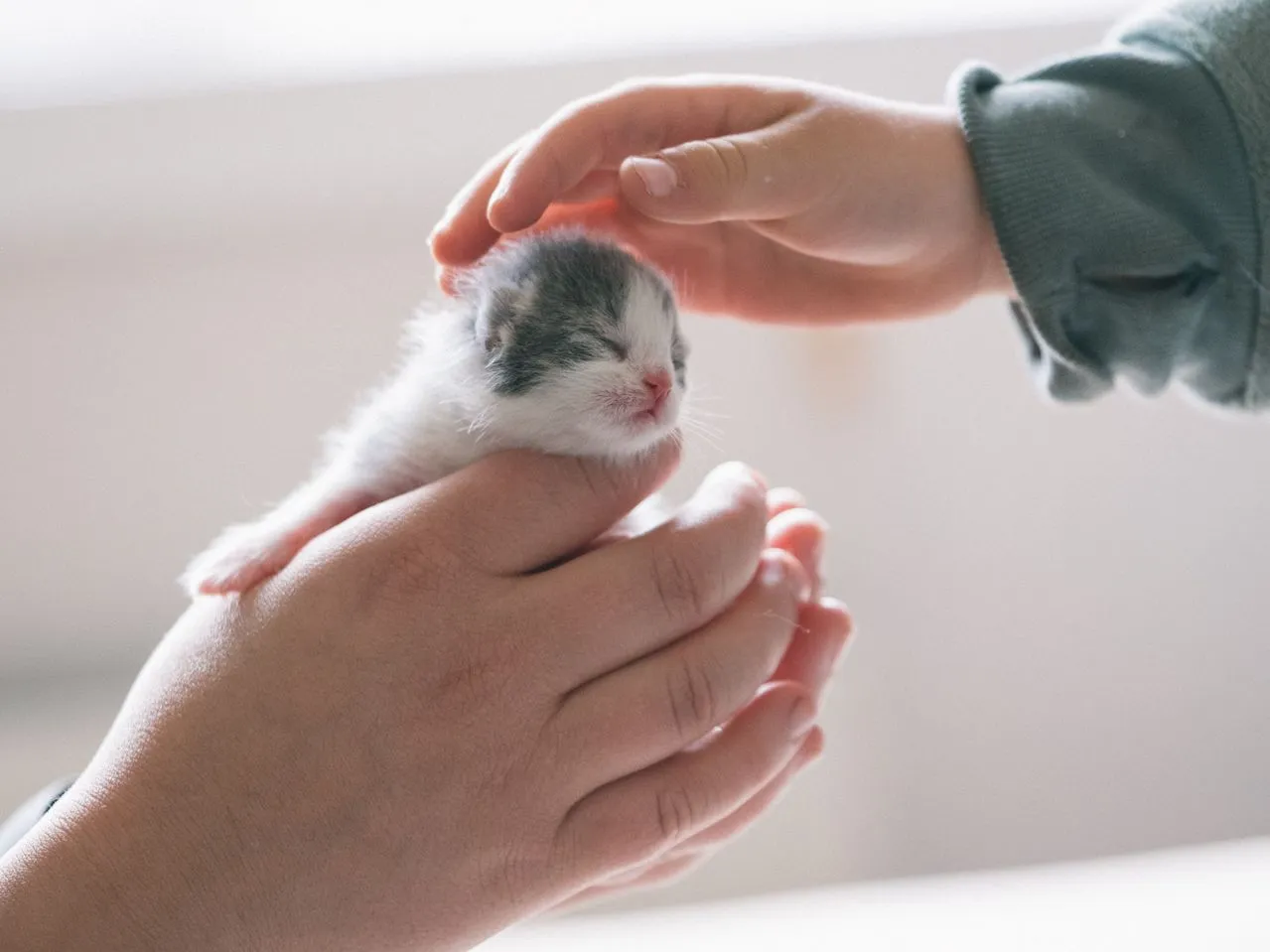
Newborn kittens can become seriously ill in a very short time, so it is important not to wait if something seems wrong. Even subtle changes can quickly turn into a medical emergency, especially during the first few weeks of life. If a kitten shows any of the following signs, seek veterinary care as soon as possible.
- Refuses to nurse or suddenly stops feeding.
- Becomes limp, weak, or difficult to wake.
- Feels unusually cold to the touch.
- Has trouble breathing or is gasping for air.
- Cries constantly and cannot be comforted.
- Has pale, white, or bluish gums.
- Shows little or no weight gain for more than a day.
- Stops moving around with the rest of the litter.
- Has diarrhea, especially if it is frequent or severe.
- Vomits repeatedly.
- Has signs of dehydration, such as dry gums or sunken eyes.
- Develops seizures or muscle tremors.
- Bleeds from the nose, mouth, or umbilical area.
- Has a swollen abdomen or appears to be in pain.
- Collapses or becomes unresponsive.
Final Thoughts
Fading Kitten Syndrome can be frightening, especially because newborn kittens can become weak in such a short time. Knowing what to watch for can help you act quickly if something doesn't seem right.
Even small changes in feeding, weight, or behaviour are worth paying attention to during the first few weeks of life. While every situation is different, getting veterinary care as early as possible gives your kitten the best support.
If you are ever unsure about your kitten's health, it is always better to have them checked than to wait. Our passionate veterinarians are here to answer your questions and provide the care your kitten needs to get the best possible start in life.
Frequently Asked Questions
Can the strongest kitten in the litter develop Fading Kitten Syndrome?
Yes. It is easy to assume that only the smallest or weakest kitten is at risk, but that is not always the case. Even a kitten that seems healthy and active at first can develop problems if an underlying condition is present.
Hidden health problems: Some conditions are not noticeable right after birth and may take a few days to appear.
Sudden changes: A playful, nursing kitten can become weak much faster than many people expect.
Size is not everything: Being the biggest kitten in the litter does not always mean it is the healthiest.
Daily check-ins: Spending a few minutes watching the whole litter each day can help you notice changes early.
When in doubt: If a kitten suddenly seems different from the rest, it is best to have a veterinarian examine them.
Should a kitten with Fading Kitten Syndrome be separated from the litter?
There is no one answer that fits every situation. Some kittens benefit from staying with their mother and littermates, while others may need extra care in a separate space. A veterinarian can help decide what is safest based on the kitten's condition.
Warmth: Staying with the litter can help keep a newborn kitten warm.
Extra feeding: Some kittens need individual feedings if they are too weak to compete for milk.
Closer monitoring: Separate care can make it easier to track feeding and overall progress.
Health concerns: Certain medical conditions may require temporary separation.
Veterinary advice: The best approach depends on the kitten's individual needs.
Can stress in the mother cat negatively affect newborn kittens?
Yes, it can. A mother cat that feels calm and secure is more likely to nurse and care for her kittens normally. Even small changes around the nesting area can sometimes affect her behaviour.
Too much noise: Loud sounds or constant activity can make some cats uneasy.
Frequent interruptions: Repeatedly disturbing the nesting area may cause stress.
Comfort matters: A quiet, comfortable place helps the mother focus on caring for her litter.
Regular nursing: A relaxed mother is more likely to feed her kittens consistently.
Daily observation: Watching how the mother interacts with her kittens can help you notice changes early.
Is it safe to handle newborn kittens every day?
Many people want to check on newborn kittens often, and that is completely understandable. Gentle handling is usually fine when needed, but it is still important to keep it brief and avoid unnecessary disturbance during the first few days.
Handle gently: Always support the kitten's entire body.
Keep it short: Only handle the kitten when there is a good reason.
Wash your hands: Clean hands help reduce the spread of germs.
Return the kitten promptly: Place the kitten back with the mother as soon as you finish.
Watch the mother's reaction: If she seems stressed, give her more space.
Can orphaned kittens still grow up healthy?
Yes, they can, but they usually need much more hands-on care. Raising orphaned kittens takes time, patience, and close attention because they depend on people for everything during their first weeks of life.
Use kitten milk replacer: It provides the nutrition growing kittens need.
Keep them warm: Young kittens cannot control their body temperature very well.
Feed on schedule: Regular feedings are important for healthy growth.
Check their progress: Daily weight checks help make sure they are developing well.
Stay in touch with your veterinarian: Regular checkups can help catch problems before they become serious.

