
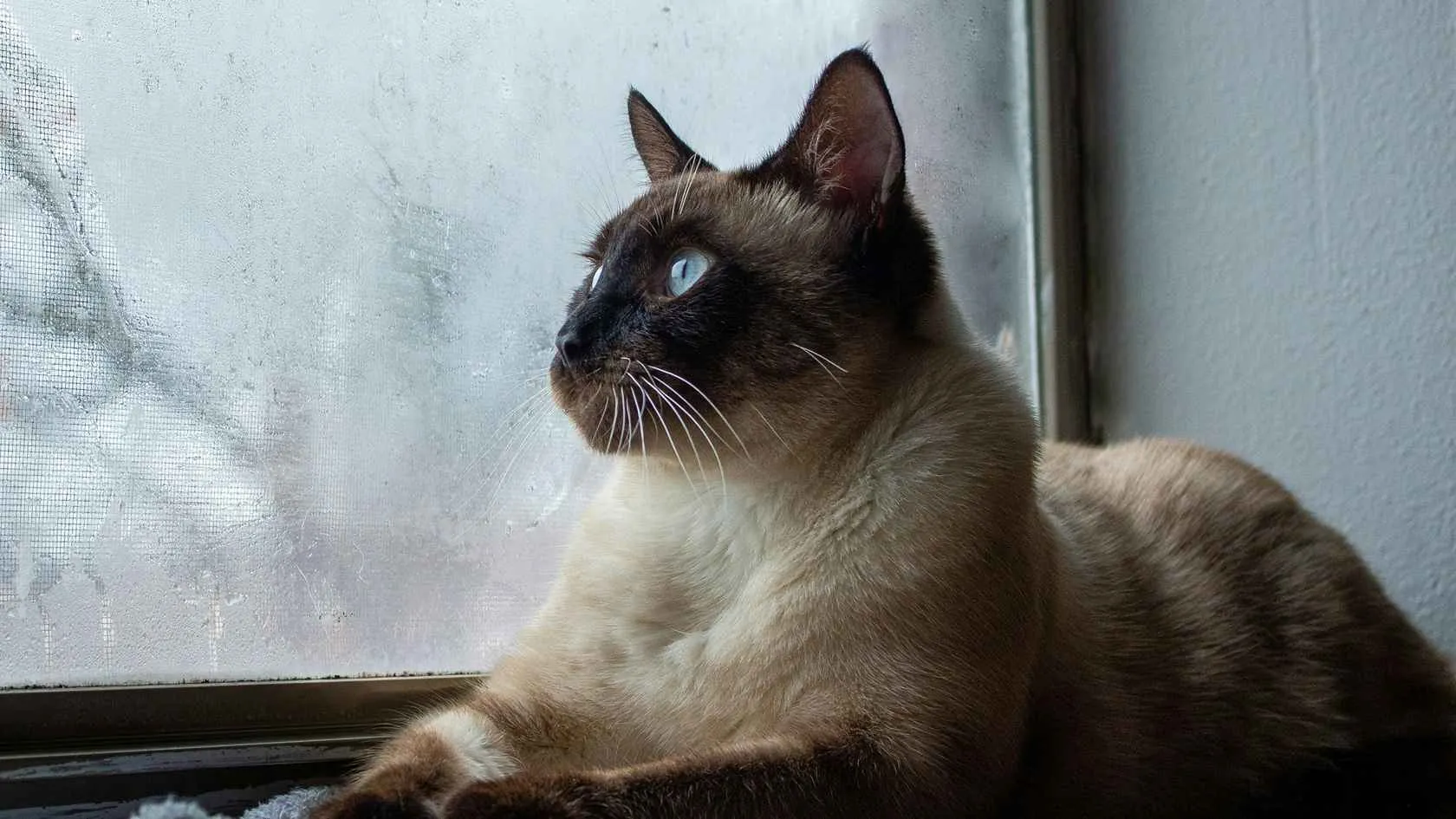

TL;DR: Cat Worms and What You Should Know
- Cats can get worms, and even if they look fine, it can affect their digestion and overall health.
- Worms can come from fleas, hunting small animals, or even just exploring around the house.
- Kittens and older cats are usually more vulnerable to getting sick.
- Watch for changes like odd stool, vomiting, bloated bellies, or worms you can actually see.
- Some cats may not show anything obvious, so regular vet checkups really help.
- Keeping your cat’s environment clean and using flea prevention lowers the risk of worms.
- Quick treatment works best, so don’t wait if something seems off.
- Paying attention to your cat’s energy, eating habits, and bathroom routines can catch problems early.
If your cat seems off or shows any of these signs, reach out to us. Our professional vets can check them over and help your cat feel better fast.
Is your cat acting a bit off lately, and you just can’t figure out why? Sometimes, it turns out they may have worms from something as simple as a flea or accidental ingestion of parasite eggs. It’s surprising how easily cats and kittens can contract worms without you noticing right away.
Worms in your cat, like roundworm, tapeworm, or hookworm, are actually pretty common intestinal parasites in both kittens and adult cats. Cats infected might pick them up from fleas, feces, or even a rodent, and those worm infestations can start quietly. The tricky part is that the early signs of worms can be really easy to miss.
If you ever suspect your cat has worms, it’s one of those things you don’t want to brush off. Worms may not seem like a big deal at first, but they can affect your cat’s health if left untreated. Read on to better understand worms in cats and what you should keep an eye on.
Common Types of Worms in Cats and How Each Type of Worm Affects Feline Health

Cats can contract different types of worms, and each one affects them in its own way. Knowing the types of worms helps you spot problems early and understand why it’s important to treat worms promptly.
Roundworms
Roundworms are very common, especially in kittens.
- Roundworms look like spaghetti and are sometimes easy to see in stool.
- Kittens tend to have higher rates, but adults can get them too.
- Heavy infestations can make a cat’s belly swell, cause weight loss, or make their coat look dull.
Hookworms
Hookworms are tiny worms that feed on a cat’s blood in the intestine.
- They are so thin that you might only notice tiny strings in the stool.
- Their feeding can make a cat weak or anemic if left untreated.
- Treating worms early prevents serious health issues.
Whipworms
Whipworms are less common but still something to watch for.
- They are long and thin with one end slightly thicker, like a whip.
- Most of the time, you won’t see them in stool, so ask your vet for a proper diagnosis.
- Infestations can cause diarrhea and irritation in the intestine.
Tapeworms
Tapeworms often sneak in when cats groom fleas or eat infected rodents.
- They show up as small white segments in stool or near the anus.
- Cats can contract them easily while grooming or hunting.
- Even if symptoms are mild, tapeworms can irritate the intestine.
Heartworms
Heartworms are rare but can affect a cat’s heart and lungs.
- Infected cats might cough or seem unusually tired.
- Severe cases can cause heart failure if untreated.
Lungworms
Lungworms live in the cat's respiratory system and can cause coughing or wheezing.
- Cats usually get them from snails, slugs, or other hosts outdoors.
- Signs include a persistent cough or trouble breathing.
Bladder Worms
Bladder worms are uncommon but target the urinary system.
- They may cause changes in urination or discomfort.
- Ask your vet if you suspect an infestation.
Liver Flukes
Liver flukes are rare parasites that affect the liver.
- Infected cats can have digestive upset or liver issues.
- Only a vet can confirm the diagnosis with proper testing.
Symptoms of Worms in Cats: Signs Your Cat Has Worms
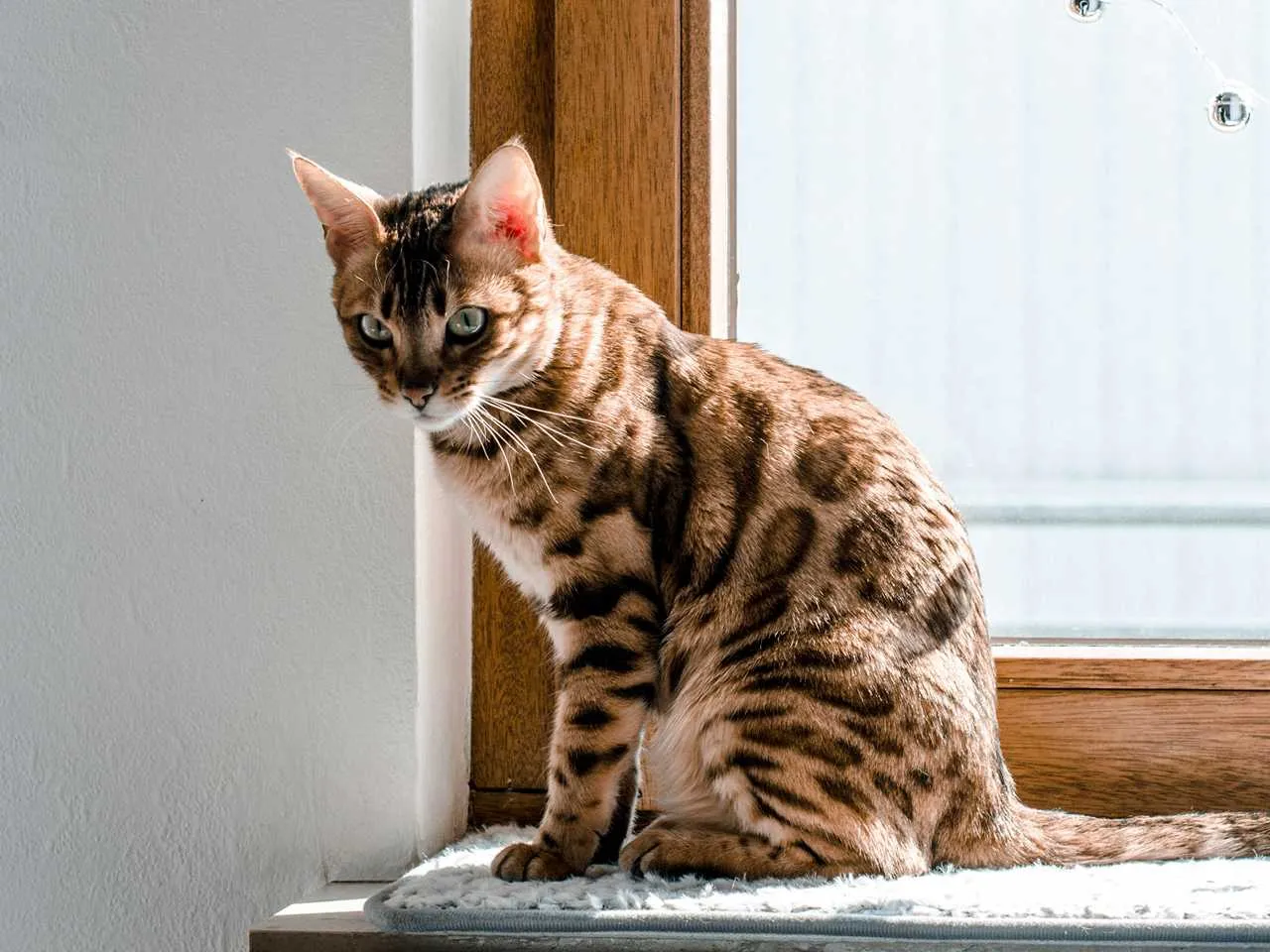
Sometimes, cats can have intestinal worms and still seem perfectly fine, which can make it tricky to notice anything is wrong. Paying attention to symptoms of intestinal worms, such as small changes in their body, stool, or behaviour, can really help catch a problem early. Catching worms early can make treatment much easier and prevent serious health issues.
Physical Signs
A few changes in your cat’s body can hint that worms are present.
- A distended belly, especially in kittens, who tend to have higher rates of infection.
- Weight loss or a coat that looks dull or rough.
- Lethargic behaviour or weakness, such as they get tired more quickly.
- Pale gums, which can mean anemia from blood-sucking worms.
Digestive and Stool Changes
Worms often show up in how your cat digests food or in their stool and vomit.
- Vomit that looks like thin, spaghetti-like worms.
- Stool with mucous or black and tarry patches.
- White segments near the anus or in feces that look like tiny grains of rice (tapeworm eggs).
- Presence of larva or worm eggs in feces.
Behavioural and Grooming Changes
Your cat’s behaviour can give you clues, too.
- Excessive grooming or licking around the tail.
- Less energy or playfulness than usual.
- Changes in appetite, eating more or less than usual.
Respiratory Signs
Some worms can even affect the lungs, causing mild breathing issues.
- Coughing or wheezing.
- Slight difficulty breathing during activity.
- Rare nasal discharge.
Important Notes
Keep in mind that some cats show no obvious signs, and infestations can be microscopic.
- The only way to be sure is a fecal test from your vet for an accurate diagnosis.
- Regular deworming with a wormer or dewormer like praziquantel helps keep cats healthy.
- Spotting worms early helps prevent dehydration, weakness, and other complications.
Causes How Cats Get Worms: Understanding Parasite Transmission
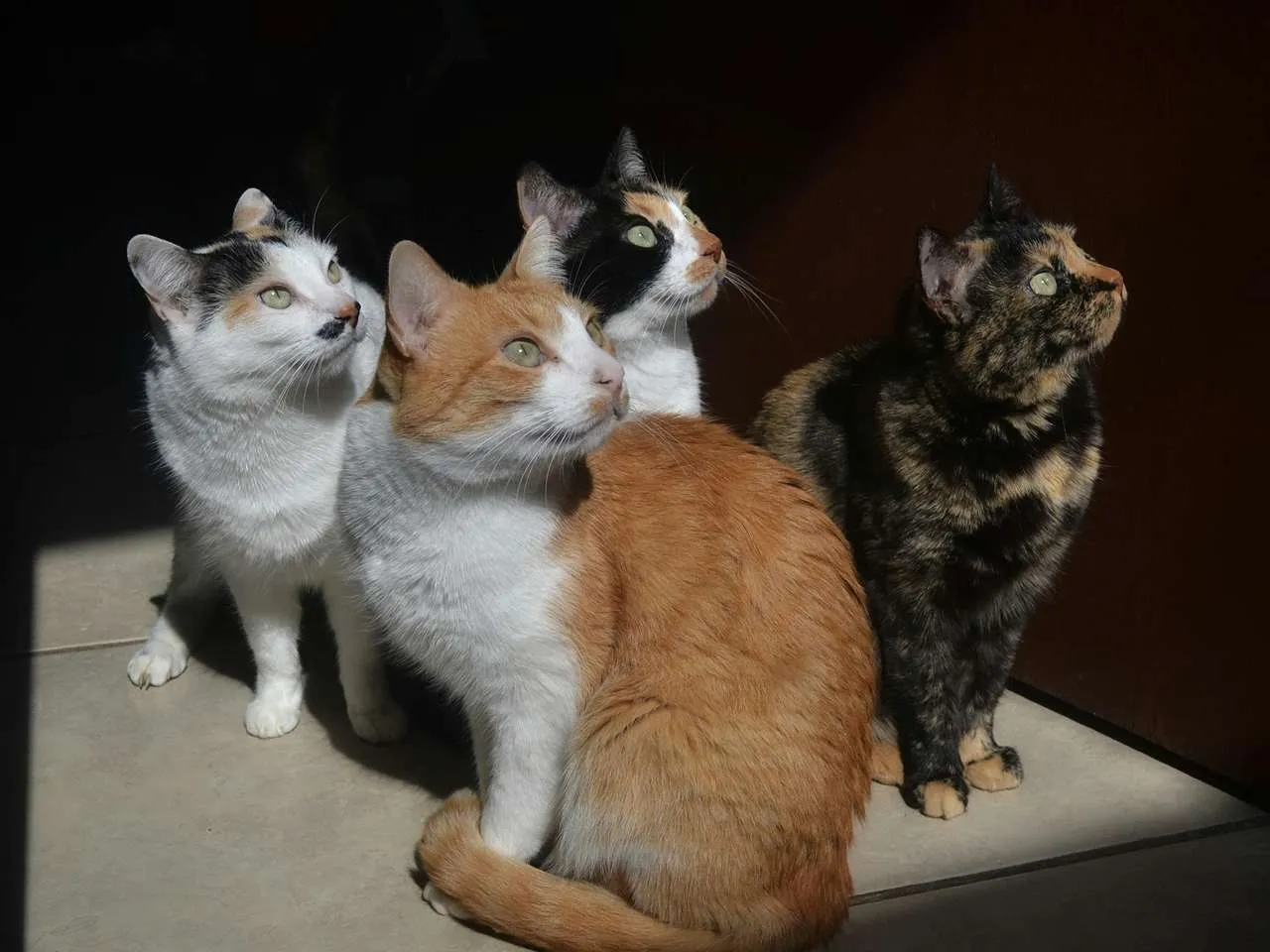
Cats can pick up worms in a bunch of different ways, even if they seem careful or mostly stay indoors. Knowing how infestations happen can help you spot risks and keep your cat healthy.
Fleas (Tapeworms)
Sometimes the simplest thing, like grooming, can lead to worms.
- A cat eats a flea while grooming, and tapeworm larvae end up in the intestine.
- Those larvae can then grow into adult tapeworms.
- Keeping fleas under control is the easiest way to prevent this kind of infestation.
Hunting and Diet
What your cat eats can make a big difference.
- Cats that catch and eat rodents or other prey can ingest worms like tapeworms and roundworms.
- Outdoor cats face higher risks because prey often carries intestinal worms.
- Even a few bites or nibbles can allow larvae to reach the intestine.
Environmental Exposure
Worm eggs are sneaky and can be anywhere.
- Cats may ingest eggs after coming into contact with contaminated soil, litter, or surfaces.
- Grooming afterwards can bring those parasites straight into the intestine.
- Even indoor cats aren’t completely safe if eggs are on objects they touch.
Accidental Ingestion
Sometimes worms find their way into a cat in ways you wouldn’t expect.
- Cats can ingest microscopic larvae or eggs while exploring or playing.
- Cats can accidentally swallow parasites while grooming themselves, especially after coming into contact with contaminated areas.
- Infestations can occur even if the cat doesn’t hunt.
Mother to Kitten Transmission
Young cats or kittens are especially at risk.
- Mother cats can infect kittens during nursing.
- Kittens have higher rates of infestation because their immune systems are still developing.
- Regular worming and early attention can help keep kittens healthy.
When to See a Veterinarian for Cats with Worms

It can be tricky to tell when a cat really needs a vet, but some signs are hard to ignore. Worms can cause problems ranging from mild upset to serious health issues, so spotting them early makes treatment much easier. Keeping an eye on your cat’s behaviour and health helps you act before things get worse.
Signs That Require Veterinary Attention
If your cat shows any of these changes, it’s time to call a vet.
- Frequent vomiting or diarrhea, especially if worms, mucous, or blood appear.
- Sudden weight loss or a drop in appetite.
- Lethargy or a noticeable lack of energy.
- A swollen or bloated belly.
- Pale gums, which could mean blood loss from worms.
- Drinking much more or much less than usual.
- Intense itching or discomfort around the rear area.
- Worms are visible in vomit or stool.
- Black or tarry stool, which can signal internal bleeding.
- Coughing or trouble breathing, sometimes caused by lungworms.
- Signs that worms may heavily infest your cat, such as lots of visible worms suddenly appearing.
Getting Ready for the Vet
A little prep can make the visit smoother and help the vet give the best care.
- Bring a fresh stool or vomit sample if you can.
- Keep a note of any changes in appetite, behaviour, or bathroom habits.
- Write down any worm treatments or medications your cat has had.
- Ask your vet questions about treatment options and follow-up care.
Worm Treatment and Flea Control Options for Managing Worms in Cats

Dealing with worms can feel overwhelming, but most infections can be treated quickly if you know what to do. The right combination of treatment and prevention makes a big difference in keeping your cat healthy. Understanding your options helps you protect your cat from discomfort and future infestations.
Deworming Medications
Deworming is the main way to clear worms, and your veterinarian will guide you through it.
- The type of medication depends on the kind of worm your cat has.
- Treatments can come as pills, liquids, or topical applications.
- Sometimes follow-up doses are needed to make sure all worms are gone.
Flea Control
Flea prevention is important because fleas can bring worms into your home.
- Using regular flea treatments keeps your cat from picking up parasites while grooming.
- Options include topical drops, collars, sprays, and treating the home environment.
- Consistency is key to protecting kittens and adult cats from future problems.
Ongoing Care
Even after treatment, a little attention goes a long way to prevent worms from coming back.
- Keep up with regular vet checkups and any recommended deworming schedule.
- Watch your cat’s appetite, energy, and bathroom habits for early signs of trouble.
- Maintain a clean living space and limit exposure to pests or wildlife that can carry worms.
Final Thoughts
Worms can be tricky because sometimes a cat looks fine but still has them. Knowing how cats pick up worms and what signs to watch for can really help keep them healthy.
Catching a problem early makes treatment easier and prevents more serious issues. Regular checkups, deworming, and keeping fleas under control go a long way in protecting your cat.
If you think your cat might have worms, it is always better to call the veterinarian sooner rather than later. Paying attention and acting quickly helps your cat stay happy, healthy, and full of energy.
Frequently Asked Questions
How often should I check my cat for worms?
Even when a cat looks healthy, worms can sneak in without obvious signs. A few simple and easy habits can help you catch problems early.
Routine vet visits: Most cats benefit from a yearly fecal check, and kittens might need them more often.
Keep track of changes: Note anything unusual in eating, energy, or litter box habits.
Check their coat and body: A shiny coat and steady weight are good clues that your cat is doing well.
Adjust for lifestyle: Outdoor cats or hunters may need more frequent checks.
Talk with your vet: They can help you figure out the best schedule for your cat.
Can worms spread between pets at home?
It’s natural to worry if one cat with worms can pass them to others. There are simple approaches to reduce the risk.
Separate litter boxes: Each cat having their own box can help limit or manage exposure.
Watch their interactions: Giving each cat their own litter box can help lower the risk of spreading parasites.
Keep shared spaces spotless: Thoroughly wash bedding, toys, feeding bowls, and food areas often.
Stick to regular deworming: Treating all pets on a schedule lowers the chance of spread.
Ask your vet for tips: They can suggest extra precautions for multi-pet homes.
Are some cats more likely to get worms?
Some cats are just more vulnerable due to age or lifestyle. Knowing this can help you stay on top of prevention.
Kittens are more at risk: Their immune systems are still developing.
Older cats can be vulnerable: Age can make it harder to fight off parasites.
Outdoor cats face higher chances: Hunting or roaming increases exposure.
Cats with health issues: Cats with weaker immunity are more likely to get worms.
Check with your vet: They can help you create a care plan for your cat’s needs.
Can stress or a new environment make worms more likely?
Cats can get stressed when their world changes, and stress can affect their health. Being aware can help prevent problems.
Stress can weaken immunity: Cats under stress may be more vulnerable to infections.
New surroundings matter: Changes in litter, bedding, or furniture can expose them to tiny eggs.
Travel or boarding: Make sure hygiene and parasite prevention are maintained.
Watch their behaviour: Changes in appetite or grooming could be a sign that something is off.
Talk with your vet: They can suggest ways to reduce stress and keep your cat safe.
Is it safe to use store-bought worm treatments?
It might be tempting to just grab something off the shelf, but not all treatments are safe for every cat. A few checks make all the difference.
Know the problem first: Different worms need different treatments and dosages.
Side effects are possible: The wrong product or dose can cause issues.
Follow-up matters: A vet can confirm the worms are gone and make sure they don’t come back.
Special cases: Kittens, pregnant cats, or cats with health issues may need a specific plan.
Ask your vet first: Their guidance keeps your cat safe and ensures treatment works.

