

TL;DR: What You Need to Know About Pumpkin for Dogs
- Is it safe?: Yes, most dogs can have pumpkin. Plain cooked pumpkin is one of the few "people foods" vets will happily tell you to try.
- What kind: The can should say 100% pumpkin and nothing else. Pumpkin pie mix looks the same in the can but has sugar, spices, and sometimes xylitol.
- How much: Go small. Around a teaspoon for a little dog, or a tablespoon for a big one, mixed into a meal.
- Digestion: It can firm up a mild bout of diarrhea, and it can nudge things along when a dog is a bit backed up.
- Skip these: Raw pumpkin, the stem and rind, last week's jack-o'-lantern, and anything with "pumpkin spice" on the label.
- Seeds: A few plain, roasted, ground pumpkin seeds are okay. Salted snack seeds are not.
- When to call: If diarrhea drags on past a day or two, there's blood, your dog is straining with nothing coming out, or there's vomiting too, pumpkin isn't the answer.
If your dog has an upset stomach and you're wondering whether pumpkin will help or just delay a vet visit, that's a fair thing to worry about. Contact us, and our veterinary team can help you decide what makes sense for your dog.
Is there a can of pumpkin in your pantry right now that you bought "for the dog"? A lot of our clients keep one around, and for good reason. Pumpkin for dogs is one of the most common home tips out there for a touchy stomach, and unlike a lot of internet advice, this one mostly holds up.
October makes the question even more timely. Ontario farm stands are piled with pumpkins, Canadian Thanksgiving brings pie to the table, and Halloween pumpkin carving leaves jack-o'-lanterns on porches for weeks. Some of that pumpkin is great for dogs. Some of it can cause real problems.
Below, we explain why dogs can eat pumpkin, how it helps digestion, how much to give, which kinds to buy, and how to make it at home. We'll also cover the risks and the signs that mean your dog needs more than a home remedy. Read on to learn how to use pumpkin safely for your dog.
Is Pumpkin Good for Dogs? Health Benefits of Pumpkin
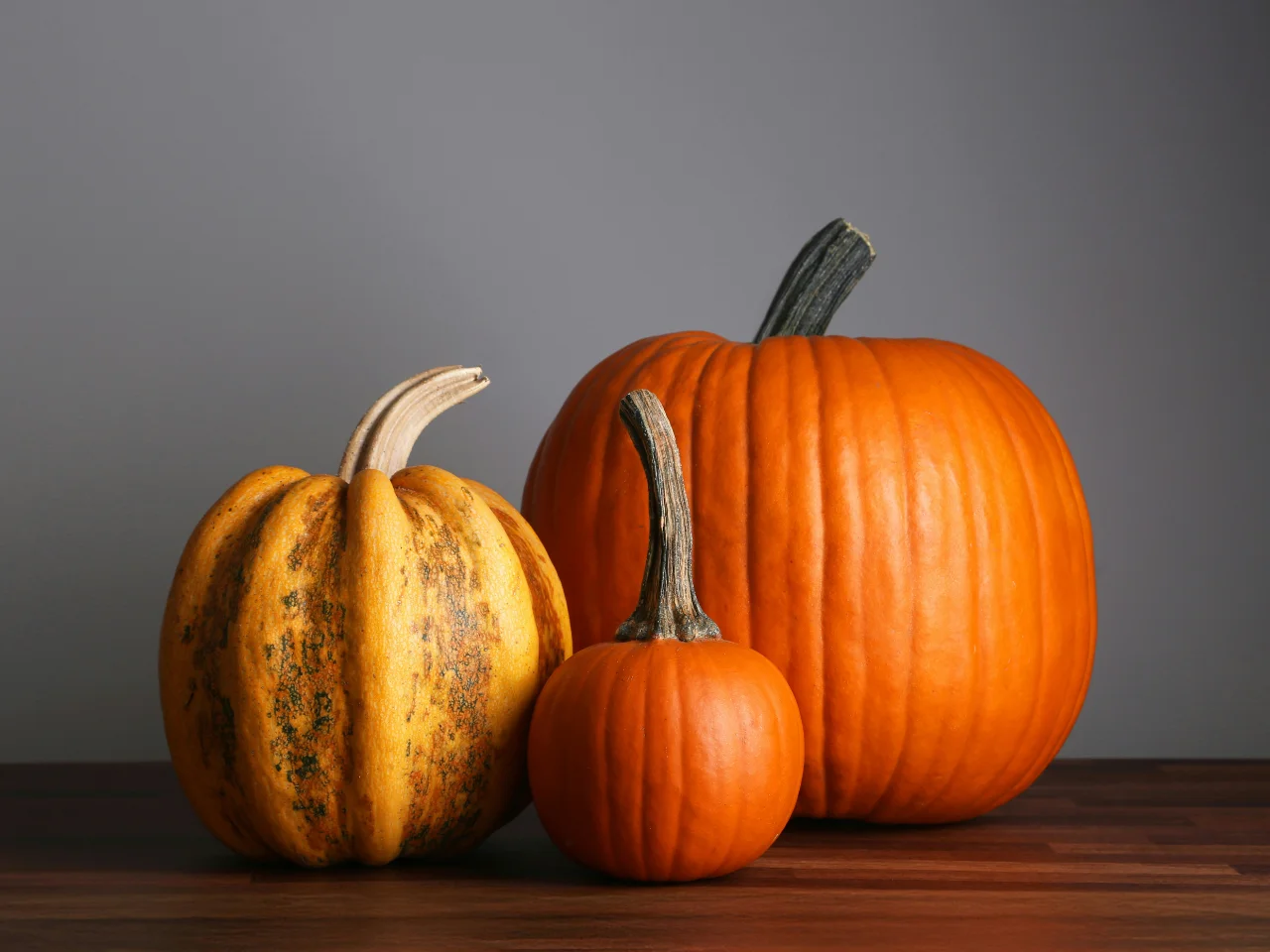
Plain pumpkin is safe for dogs and good for your dog in small amounts. It's low in calories, mild in flavour, and most dogs like the taste of pumpkin, which makes it easy to add pumpkin to a meal.
The health benefits of pumpkin for dogs come from what it brings to the bowl:
- Fibre: Pumpkin is high in both soluble and insoluble fibre, which help regulate stool and support gut health.
- Water: Canned pumpkin is about 90% water, which helps a little with hydration.
- Vitamins: Pumpkin contains beta-carotene (which the body turns into vitamin A), plus vitamins C and E.
- Minerals: Potassium and iron in small amounts.
That said, pumpkin is a supplement for dogs, not a meal. A dog on a complete and balanced diet is already getting what they need. Pumpkin is there for digestive health, and maybe as a low-calorie treat.
How Pumpkin Helps with Diarrhea and Constipation
People are often surprised that we'd suggest the same food for runny poop and for no poop at all. The trick is that pure pumpkin has two kinds of fibre, and each one handles a different job.
For mild diarrhea
The soluble kind acts a bit like a sponge. It pulls in the extra water sloshing around the gut and turns it into a soft gel, so the next stool comes out with some shape to it. We often see a difference by the following day. As a bonus, gut bacteria feed on that fibre, which is good for the bowel in the long run.
For mild constipation
This is how pumpkin can help with constipation: the insoluble fibre does the work. Pumpkin adds bulk and holds on to water, so a hard, dry stool turns softer. The catch with constipation in dogs: they need to be drinking. Fibre with too little water can actually make a blockage of stool worse, so keep the bowl full.
When pumpkin won't fix it
A bit of pumpkin is great after your dog snuck a new treat or got into the garbage. It does nothing for worms, infections, pancreatitis, a swallowed sock, or a food intolerance. Not sure what's normal for your dog? Our dog poop guide and our post on understanding dog stools are worth a read.
How Much Pumpkin Should I Give My Dog?
There's no single right amount of pumpkin, because it depends on your dog's size and why you're giving it. A common starting point many vets use:
- Small dogs (under 10 kg): About 1 teaspoon per meal.
- Medium dogs (10 to 25 kg): About 1 to 2 teaspoons per meal.
- Large dogs (over 25 kg): About 1 tablespoon of pumpkin per meal.
Start at the low end and see how your dog's stool looks over the next day. You can go up a little if needed, but more isn't better. Too much pumpkin can cause the very diarrhea you're trying to fix.
How often can dogs eat pumpkin?
For a short bout of soft stool, a few days of pumpkin with meals is usually enough. If you're thinking about giving pumpkin every day long term, ask your vet first. Daily fibre can be helpful for some dogs, but it should be planned, especially for dogs with diabetes or kidney disease.
Whatever else you feed your dog, pumpkin counts toward their treat calories. Keep all extras under about 10% of the daily total.
Canned Pumpkin, Fresh, or Pie Filling? Choosing the Right Kind
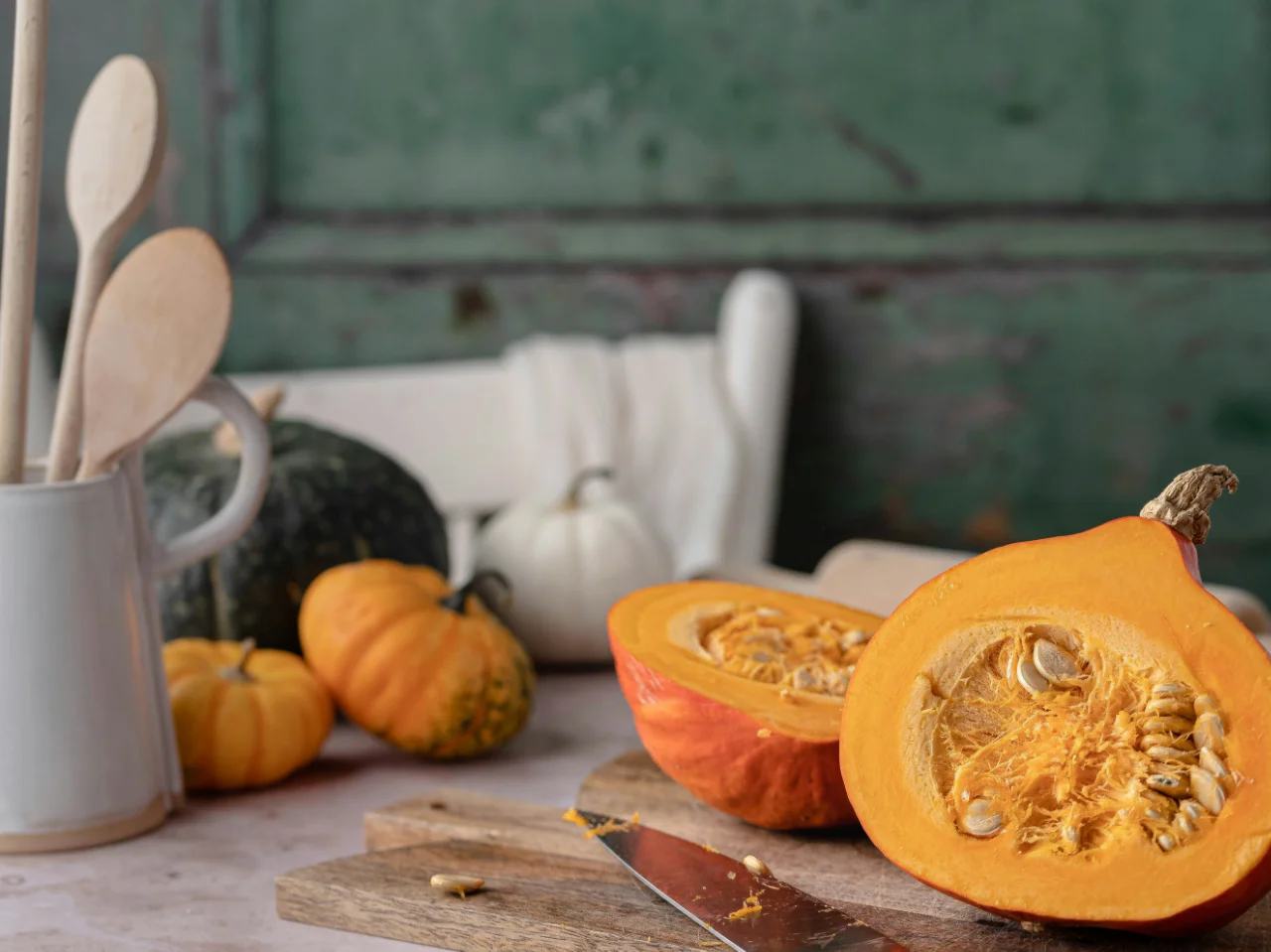
The label matters more than anything else here.
Canned pumpkin puree
Honestly, plain canned pumpkin is what we'd grab. Turn the can around and read the ingredients: you want one word, pumpkin. Pure pumpkin puree is just pumpkin with no added sugar or salt. Canadian grocery stores stock regular and organic pumpkin all year, it's the same every time, and an opened can lasts a few days in the fridge.
Pumpkin pie filling
Leave this one on the shelf, and buy pumpkin and not pumpkin pie filling. Pie filling contains sugar and spices like nutmeg and cloves, and some "sugar-free" versions use xylitol. Xylitol poisoning in dogs can drop blood sugar quickly and damage the liver, so any amount needs a call to your vet. The same goes for leftover pumpkin pie after Thanksgiving dinner.
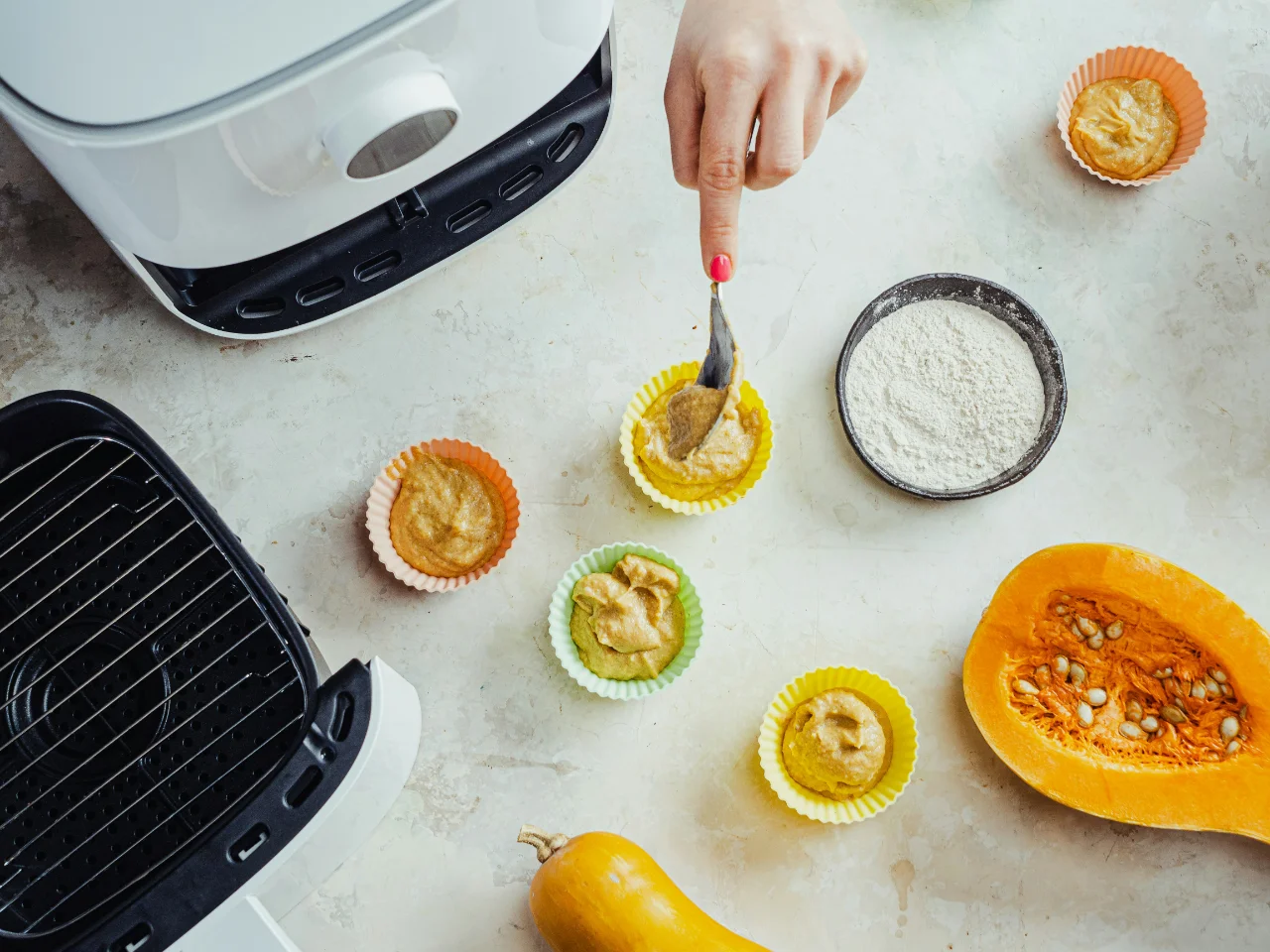
How to prepare pumpkin at home
If you'd rather use fresh pumpkin, small sugar or pie pumpkins work best for making pumpkin puree yourself. Here's how:
- Cut the pumpkin in half and scoop out the seeds and stringy pulp.
- Roast or steam it until the flesh is soft.
- Scoop the pumpkin flesh away from the rind.
- Mash or blend it with no salt, butter, or spices.
- Let it cool. It's good in the fridge for three or four days, or you can spoon it into an ice cube tray and freeze it.
Those frozen pumpkin cubes make portioning easy, and plenty of dogs treat them like a popsicle.
Pumpkin powder and pumpkin dog treats
You'll also see dried pumpkin powders and pumpkin dog treats at pet stores. Some are fine. Others are mostly flour and flavouring with a little pumpkin for the label. If you want to use one, bring the package to your next visit and we'll take a look.
Is Pumpkin Safe for Dogs? Risks to Know
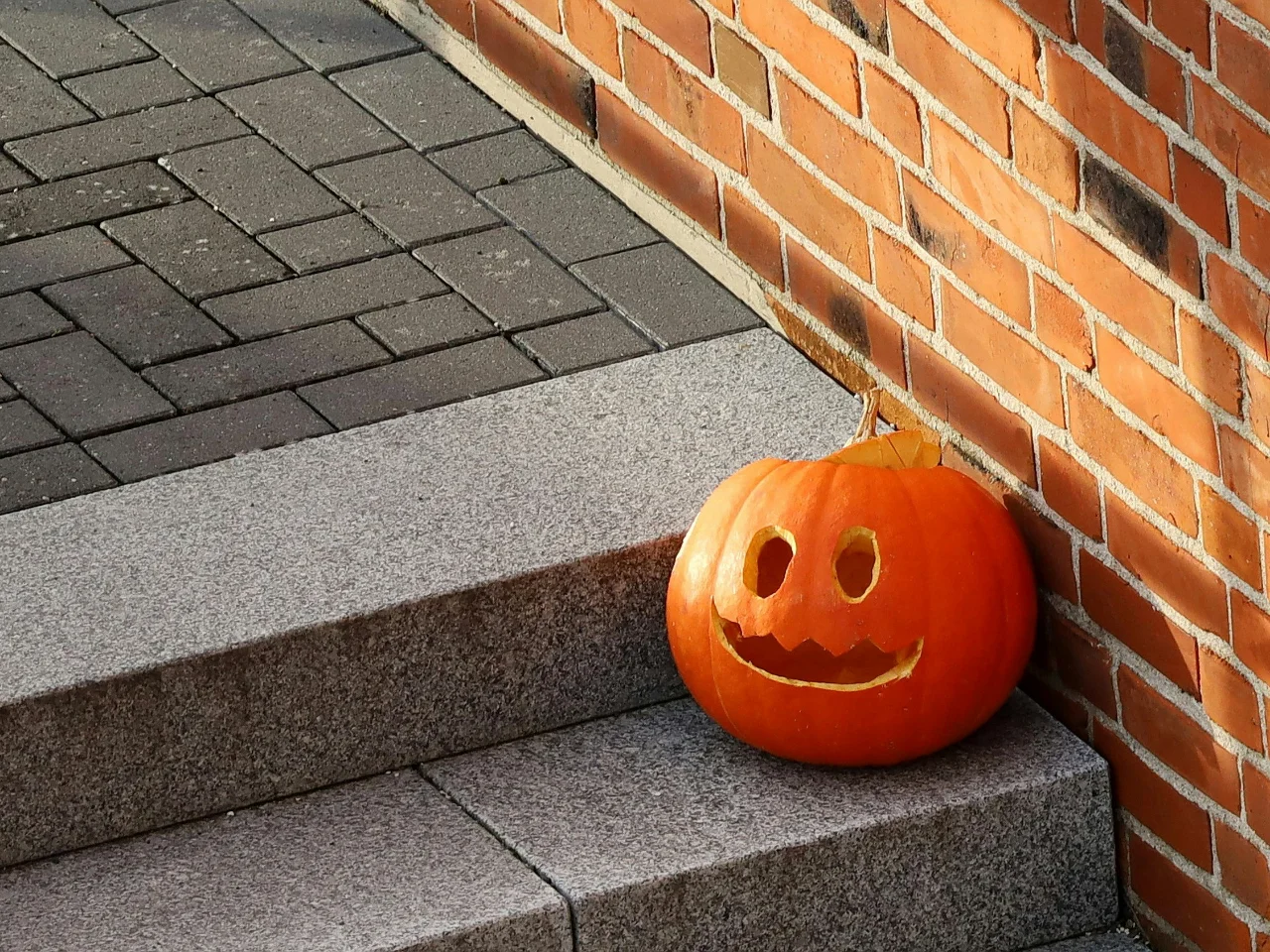
Pumpkin isn't toxic to dogs, but a few things are worth knowing before feeding pumpkin to your dog.
- Too much fibre: Large amounts can cause gas, bloating, or loose stool.
- Raw pumpkin: Hard to digest and more likely to upset the stomach. Always cook it.
- Stem and rind: Tough, fibrous, and a choking or blockage risk.
- Jack-o'-lanterns: Carved pumpkins that sit outside grow mould quickly. Mouldy food is dangerous for dogs and can make them very sick, so toss old pumpkins where your dog can't reach them.
- Spiced products: Pumpkin spice lattes, muffins, and baked goods often contain sugar, dairy, nutmeg, or chocolate, which is extremely toxic to dogs.
- Vitamin A overload: Rare, but possible if pumpkin is fed in very large amounts for a long time on top of a complete diet.
With Halloween and the holidays coming, our list of holiday foods to avoid for pets is a useful reminder of what else to keep off the floor. Got a cat too? Here's whether cats can eat pumpkin.
When to See a Vet Instead of Reaching for Pumpkin
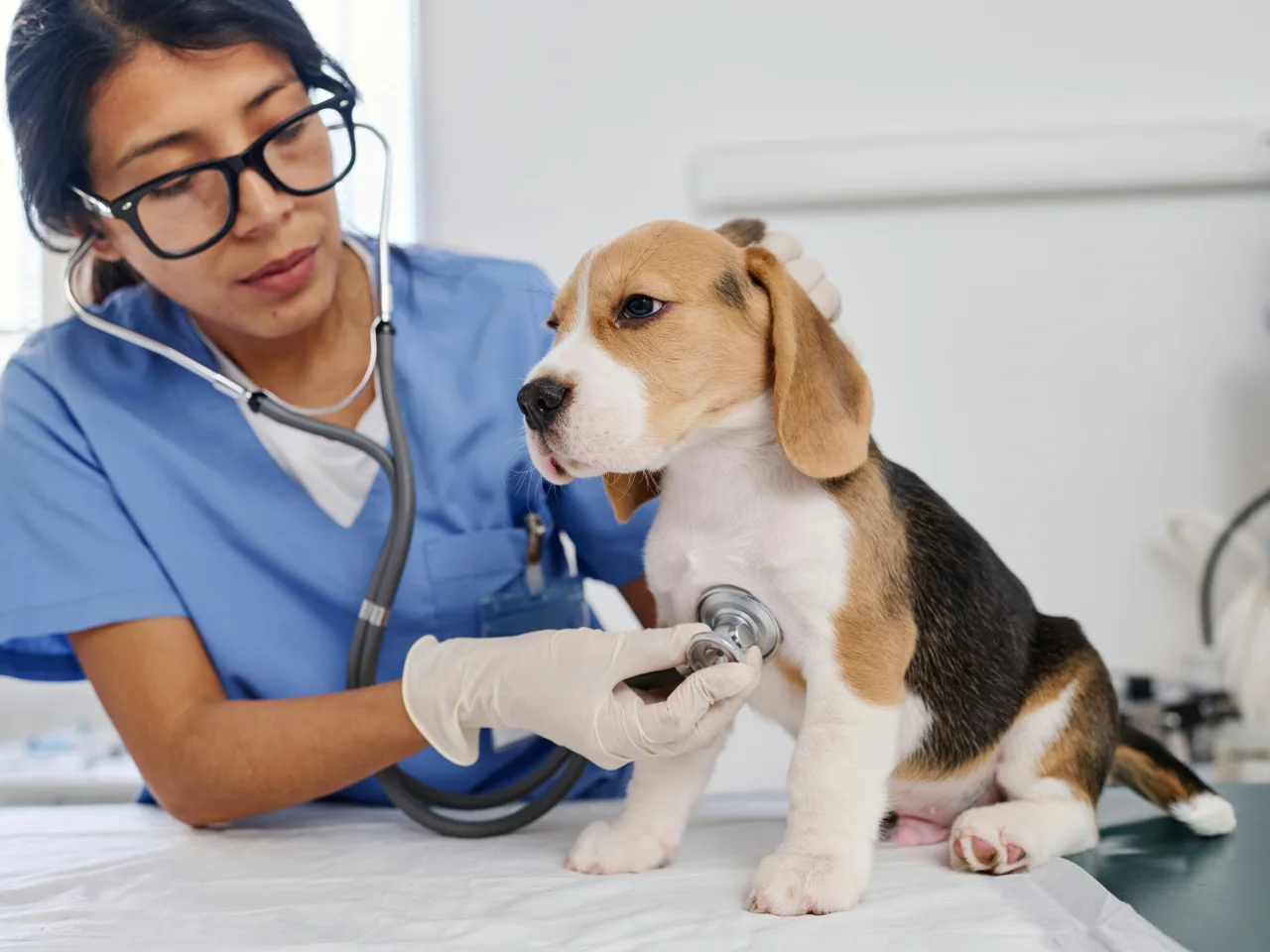
If your dog had one soft stool and is otherwise bouncing around, pumpkin is a sensible first move. It's the wrong move when something bigger is brewing. Pick up the phone if you notice:
- Loose stool that's still going on after a day or two
- Repeated vomiting, especially with diarrhea on top
- Red streaks or blood in the stool, or stool that looks black and sticky
- Hunching and straining for more than a day without much result
- A dog who's flat, sore in the belly, or turning down food
- Tummy trouble in a young puppy or an older dog
If your dog may have eaten something toxic, or is straining and vomiting, don't wait to see whether pumpkin helps. Contact our emergency team right away. For ongoing soft stools or diet questions, a wellness exam gives your vet a chance to look at your dog's overall health. If you're changing foods, our guide on how to transition dog food can help prevent upset in the first place.
Final Thoughts
A can of plain pumpkin is about the cheapest, simplest gut helper you can keep in the house. For a dog with a slightly off stomach, a spoonful mixed into dinner often does the trick.
Just buy the right can, start with a little, and leave pie filling, raw pumpkin, and the porch jack-o'-lantern out of it. When an upset lasts more than a day or two, or there's vomiting, blood, or a dog who isn't acting like themselves, it's time for a vet.
Grab a can next time you're shopping and keep it for the next rough day. And if you're ever unsure about your dog's tummy or diet, contact us.
Frequently Asked Questions
How long does it take for pumpkin to work in dogs?
Often by the next day, though it varies.
- Mild diarrhea: Usually better within one to three days.
- Constipation: Give it a day or two, with plenty of water.
- No change: Two days with no improvement means it's time to call.
- Getting worse: Stop the pumpkin and call your vet.
- Every dog differs: The cause matters more than the dose.
Can I give my dog pumpkin every day?
Some dogs do fine with a little daily, but ask your vet before you make it a habit.
- Long-term fibre: Can help dogs who get soft stool often.
- Calories: A daily spoonful adds up for a small dog.
- Vitamin A: Big daily servings aren't a good idea.
- Medical conditions: Diabetic dogs and dogs with kidney disease need a plan.
- Balance: It shouldn't push out their regular food.
Is canned pumpkin better than fresh for dogs?
Neither is better, as long as both are plain and cooked.
- Canned: Easy, consistent, and the one most vets reach for.
- Fresh: Great if you roast it with nothing added.
- Label check: "100% pumpkin" only. Pie filling is a different product.
- Storage: An open can is good for a few days in the fridge.
- Freezing: Ice cube trays work for both.
Can puppies eat pumpkin?
Yes, but only a tiny bit, and puppy diarrhea deserves a call sooner.
- Start tiny: A pinch on their food is enough.
- Puppy diarrhea: Puppies dehydrate quickly.
- Parasites: Loose stool in a puppy often means a stool test.
- Vaccines: Diarrhea in an unvaccinated puppy is urgent.
- Growth diet: Pumpkin shouldn't replace puppy food.
What if my dog ate pumpkin pie?
A small bite of plain pie usually means a mild upset stomach at worst.
- Check for xylitol: A sugar-free pie needs an urgent call.
- Spices: Lots of nutmeg can cause tremors and vomiting.
- Fat and sugar: Rich pie can set off diarrhea or pancreatitis.
- Chocolate or raisins: Any of these in the pie or crust means a call.
- Watch closely: Note any vomiting, diarrhea, or low energy.

