


TL;DR — Blood in Dog Stool (Bloody Poop in Dogs)
- Blood in a dog’s stool is a symptom that can signal anything from mild digestive upset to a serious health issue.
- You may notice bright red streaks or dark, tarry stool, depending on whether the blood comes from the lower or upper digestive tract.
- A dog may have been exposed to spoiled food, parasites, bacteria, or stress — all of which can cause bloody stool or diarrhea.
- Sometimes, intestinal inflammation, infection, or injury may also be the reason why a dog is showing blood in its poop.
- Keep an eye out for other symptoms like vomiting, fatigue, or appetite loss, as these can help your vet identify the exact cause.
- Treatment can range from simple dietary changes to medication or more advanced veterinary care, depending on what’s found.
If you’re seeing blood in your dog’s stool, don’t wait. Contact us — our professional vets can help diagnose the cause and provide the right treatment to get your dog back to feeling well.
Have you ever looked at your dog’s poop and noticed fresh blood or streaks of blood? It’s unsettling, and any dog owner would naturally worry. Blood in a dog’s stool can come from different parts of the digestive tract, like the stomach, small intestine, colon, or rectum.
The way the blood appears—small amounts, bright red streaks, or even tarry stool—can give clues about what’s going on. Even tiny amounts of blood in stool can mean your dog may need veterinary attention. Sometimes your dog might also vomit or have changes in their normal stool, which can make it even more worrying.
Seeing blood in their stool is never something to brush off. Whether it’s fresh blood or digested blood in dog poop, it could be a sign your dog needs care. Keep reading to learn the common causes and what steps you can take.
Common Causes of Blood in Dog Stool

The presence of blood in your dog’s poop can be really scary, and it’s natural to feel worried. Blood in a dog’s stool can appear as fresh-looking blood, small streaks of blood, or melena, coming from the stomach, small intestine, colon, or rectum. Understanding the common causes can help you figure out if your dog needs to see a veterinarian.
Dietary Indiscretion
Sometimes dogs eat things they shouldn’t—like bones, spoiled food, or random objects around the house. This can irritate their digestive tract and cause bloody stools in dogs. You might notice small amounts of blood or streaks of bright red blood in their stool.
Parasites
Intestinal parasites, such as hookworms, whipworms, or Giardia, can damage the lower digestive tract. If your dog has been exposed, a stool sample may show small amounts of bloody stool.
Infections
Bacterial, viral, or fungal infections can inflame the stomach or small intestine and lead to bloody diarrhea in dogs. Blood may appear as fresh-looking blood, small streaks, or even large amounts of blood, depending on the severity.
Inflammatory Conditions
Conditions like inflammatory bowel disease (IBD) or colitis can cause recurring bloody stools in dogs. The appearance of blood can vary from small amounts to streaks of bright red blood, and stool may also be accompanied by diarrhea.
Acute Hemorrhagic Diarrhea Syndrome (AHDS)
This sudden condition can cause severe bloody diarrhea and large amounts of blood in the stool. Dogs may also vomit and become dehydrated, making it a condition that requires immediate veterinary attention.
Food Allergies or Intolerances
If a dog has eaten something they are sensitive to, it can cause inflammation and blood in their stool. Stool may show small amounts of bloody material or streaks of bright red blood.
Injury or Trauma
Cuts or tears in the colon or rectum, often from straining or swallowing sharp objects, can lead to blood in a dog’s poop. The blood usually appears as fresh-looking blood or small streaks of blood.
Medications or Toxins
Some medications or toxins can irritate the stomach or small intestine, causing your dog to pass blood in their stool. Blood may show up as small amounts or as bloody diarrhea in dogs.
Blood Clotting Issues
Conditions affecting blood clotting can lead to large amounts of blood in the stool. This may appear as severe bloody diarrhea or frequent small amounts of blood.
Tumours or Polyps
Growths in the lower digestive tract can cause blood in dog poop, sometimes along with other changes in your dog’s condition. Blood may be fresh-looking or digested, depending on where it’s coming from.
Stress or Sudden Dietary Changes
Even stress or sudden changes in diet can sometimes cause small amounts of bloody stool. Stool may show streaks of bright red blood or small amounts of blood.
Even tiny amounts of blood in your dog’s stool shouldn’t be ignored. Paying attention to the appearance of blood and discovering the causes can help you decide when to treat bloody stool at home or see a veterinarian.
What Your Dog’s Poop Looks Like When There’s Blood

The appearance of your dog’s poop can tell you a lot about their health. Blood in dog poop can look very different depending on where it’s coming from and how much is present. Paying attention to the stool and diarrhea can help you understand what’s happening and when a veterinarian should be involved.
Fresh-Looking Blood or Bright Red Blood Streaks
Fresh blood or bright red streaks usually come from the lower digestive tract, like the colon or rectum.
- Often appears when a dog strains, has minor injuries, or experiences inflammation in the colon or rectum.
- Small amounts of blood may mix with normal stool.
- Large amounts of blood may signal a condition that needs a veterinarian’s attention.
Tarry Stool or Digested Blood in Dog Poop
When blood has been digested, the stool may look dark or black, known as melena.
- Usually caused by a condition in the upper digestive tract, such as ulcers or infections.
- Large amounts or frequent occurrences should be checked promptly by a veterinarian.
- The appearance of the blood may be sticky or have a strong odour.
Bloody Diarrhea in Dogs
Sometimes blood appears mixed with diarrhea, which can vary in colour and consistency.
- Common causes include infections, parasites, acute hemorrhagic diarrhea syndrome, or inflammatory conditions.
- Blood may be present in small amounts or large amounts, sometimes with mucus.
- If your dog is vomiting, seems lethargic, or has severe bloody diarrhea, veterinary attention is needed immediately.
Observing the types of blood in your dog’s stool, along with other symptoms, helps you notice blood early, discover possible causes of bloody stool, and decide whether to treat bloody stool at home or see a veterinarian.
What to Do When Your Dog Is Pooping Blood

Seeing blood in your dog’s poop can be worrying—but knowing what to do helps both you and your dog. How you respond depends on how the stool looks, how much blood is present, and any other signs your dog is showing. As a responsible dog owner, noticing blood and understanding your dog’s condition is the first step toward helping them feel better.
Collect a Stool Sample
Whenever possible, collect a fresh stool sample before heading to the veterinarian.
- This makes finding blood easier and helps identify conditions that cause bloody poop in dogs.
- Pay attention to whether the blood is bright red, streaked, or dark and tarry.
- Keep the sample in a clean container for the veterinarian to examine.
Monitor Other Symptoms
While keeping an eye on the stool, watch your dog for other signs.
- Notice if your dog seems lethargic, is vomiting, or has severe bloody diarrhea.
- Track changes in appetite, energy, or behaviour.
- These observations help the veterinarian understand the reasons why your dog is pooping blood.
Manage Minor Cases at Home
Small amounts of blood don’t always mean a serious problem, but careful monitoring is important.
- If there are only small streaks of blood, you can watch your dog and avoid giving unusual foods or treats.
- Make sure your dog has plenty of fresh water to stay hydrated.
- Keep track of the stool's appearance and blood over the next day or two.
Seek Veterinary Care
Any large amount of blood, recurring blood, or concerning symptoms should be addressed quickly.
- Contact a veterinarian if your dog is showing persistent blood, very dark stool, or signs of pain.
- Severe bloody diarrhea or a large amount of blood present in stool is an emergency.
- The veterinarian can identify the condition that causes the bloody poop and recommend proper treatment.
When to See a Vet for Bloody Dog Poop
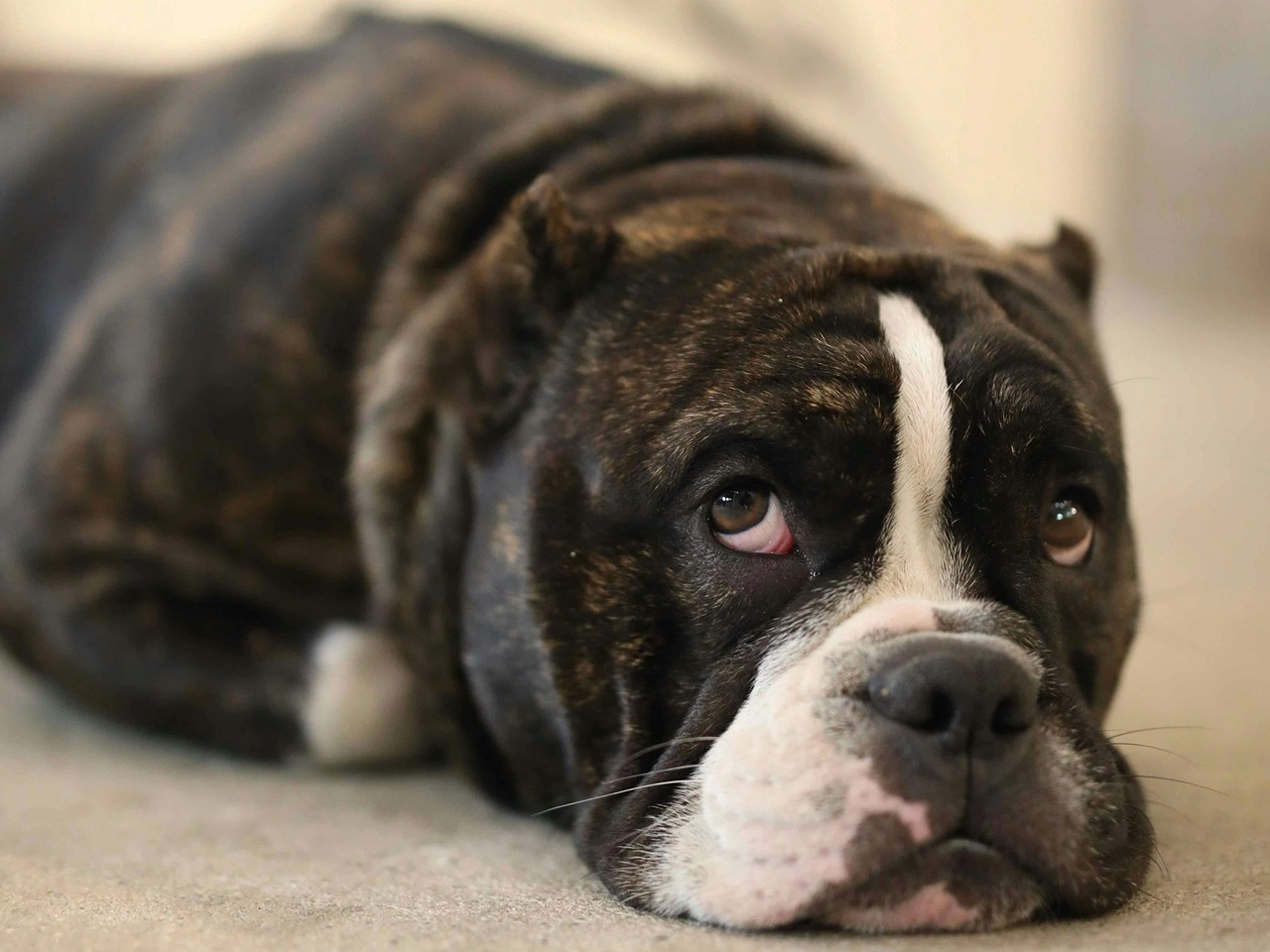
Knowing when to take your dog to a veterinarian is important if blood is present in their stool. While small streaks of blood may sometimes be minor, certain signs show that professional care is needed. Paying attention to how the stool looks and other symptoms helps identify the reasons why a dog is pooping blood and when to act.
Large Amounts of Blood or Severe Bloody Diarrhea
If your dog has large amounts of blood or severe bloody diarrhea, veterinary care is needed immediately.
- May indicate serious conditions like acute hemorrhagic diarrhea syndrome, infections, or bleeding in the digestive tract.
- Blood can be bright red, fresh-looking, or dark and tarry if it has been digested.
- Waiting too long can put your dog at risk of dehydration or worsening illness.
Persistent or Recurrent Blood in Stool
Even small amounts of blood that appear repeatedly should not be ignored.
- Recurrent blood in dog poop may indicate underlying conditions like parasites, inflammatory bowel disease, or food sensitivities.
- A veterinarian can examine stool and run tests to identify the causes of bloody stool.
- Early detection often makes treatment easier and more effective.
Additional Symptoms That Require Veterinary Care
Other symptoms alongside blood in the stool are important to watch for.
- Vomiting, lethargy, loss of appetite, or changes in behaviour.
- Severe diarrhea, dehydration, or pain when defecating.
- These signs may show that your dog has been exposed to a condition that needs immediate care.
Additional Symptoms Alongside Bloody Dog Poop, Like Vomiting or Changes in Stool

Sometimes, blood in your dog’s stool isn’t the only sign that something is wrong. Paying attention to other changes in your dog’s behaviour, appetite, or stool can give you clues about what’s happening. As a responsible dog owner, noticing these signs early can make a big difference in getting your dog the right care.
Vomiting
Vomiting along with blood in the stool can signal a more serious problem.
- It may be caused by infections, toxins, or inflammation in the digestive tract.
- Frequent vomiting or signs of distress require immediate veterinary attention.
- Even occasional vomiting alongside blood in stool should be mentioned to your vet.
Changes in Stool Consistency or Appearance
Your dog’s stool can tell you a lot about their health.
- Diarrhea, very soft stool, or hard stool can accompany bloody poop in dogs.
- Blood may appear as bright red streaks, fresh-looking blood, or dark, tarry stool if it has been digested.
- Watching how the stool looks helps your veterinarian figure out the reasons why a dog is pooping blood.
Behaviour and Appetite Changes
Sometimes your dog’s habits reveal subtle health issues.
- Lethargy, loss of appetite, or unusual behaviour may appear alongside blood in stool.
- These changes may indicate that your dog may have been exposed to a condition that needs veterinary care.
- Observing your dog closely ensures early detection and treatment.
Other Symptoms to Watch For
Some additional signs can help you know when to act quickly.
- Abdominal pain or bloating—your dog may whine, pace, or seem uncomfortable.
- Dehydration—look for dry gums, sunken eyes, or reduced skin elasticity.
- Fever—your dog may feel warmer than usual or appear tired.
- Straining to defecate can point to problems in the lower digestive tract.
- Mucus in the stool—often comes with diarrhea or inflammation.
- Sudden weight loss—could be a sign of a chronic condition causing blood in stool.
Remember, blood in stool is a symptom that shouldn’t be ignored. Paying attention to these additional signs alongside bloody dog poop helps you understand what’s happening and ensures your dog gets the care they need quickly.
Final Thoughts
Seeing blood in your dog’s stool can be scary, and it’s natural to feel worried as a pet owner. Blood in stool is a symptom that can mean anything from a minor irritation to a more serious digestive problem.
Paying attention to the stool—whether it has bright red streaks or looks dark and tarry—and watching for other signs like changes in appetite or energy can give you important clues. Even small amounts of blood shouldn’t be ignored, as your dog may need veterinary care.
Collecting a stool sample and keeping track of your dog’s behaviour helps the vet figure out the cause more quickly. Staying observant and acting promptly gives your dog the best chance for a full recovery and peace of mind for you.
Frequently Asked Questions
Why is my dog pooping blood?
Finding blood in your dog’s poop can be really worrying. In many cases, it means something is irritating your dog’s digestive system, but not every cause is serious.
Mild irritation: Sometimes it happens when your dog eats something new, gets stressed, or has a sudden diet change.
Infections or parasites: These are common reasons why a dog might pass bloody stool. They inflame the intestines and can cause diarrhea.
More serious causes: Ulcers, internal bleeding, or digestive tract inflammation may also lead to bloody poop in dogs.
Watch your dog’s behaviour: If your dog seems tired, isn’t eating, or keeps passing blood, it’s best to see your vet right away.
What can cause blood in my dog’s stool?
There are many possible causes of bloody stool in dogs — some mild, others more serious.
Bright red blood: This usually comes from the lower digestive tract, such as the colon or rectum, and can mean irritation or minor injury.
Dark, tarry stool (melena): This shows that blood has been digested, which often points to a problem in the upper digestive tract.
Dietary or environmental causes: Dogs are curious and sometimes eat things they shouldn’t, which can upset their stomach and cause bloody poop.
Parasites or infections: These are among the most common causes and can easily be treated once diagnosed.
Veterinary diagnosis: Bringing a stool sample helps your vet identify what’s causing the issue and choose the right treatment.
What does it mean if my dog has blood in its stool?
Blood in your dog’s stool is a symptom — it means something’s going on in their digestive system that needs attention.
Small streaks of blood: Often caused by mild irritation, straining, or hard stool.
Bloody diarrhea: Usually linked to inflammation or infection in the intestines.
Dark blood (melena): Suggests digested blood from the upper digestive tract, such as the stomach or small intestine.
Accompanying symptoms: If your dog is weak, vomiting, or not eating, see your vet as soon as possible.
How can I tell if my dog’s bloody stool is serious?
It’s normal to be unsure at first, but the key is to look at how your dog acts and what their stool looks like.
Mild cases: A small amount of bright red blood may clear up on its own after some rest and hydration.
Severe cases: Dark, tarry stool or frequent vomiting often point to a more serious condition.
Other symptoms: If blood in stool is a symptom of infection, inflammation, or toxin exposure, your dog needs immediate care.
Veterinary care: A responsible dog owner should never ignore recurring or large amounts of bloody poop — it’s always better to be safe.
What should I do if my dog passes blood and their stool looks abnormal?
If you find blood in your dog’s poop, don’t panic — but do act quickly. Your response can make a big difference in helping your dog recover.
Observe carefully: Note whether the blood looks bright red or dark, and check the texture of the stool.
Avoid home remedies: Don’t try changing food or giving medicine on your own, as this could make things worse.
Bring a stool sample: This helps your vet find out exactly what’s causing the bleeding.
Contact your vet: If your dog may have been exposed to something harmful or keeps passing blood, a vet visit is the safest next step.

