
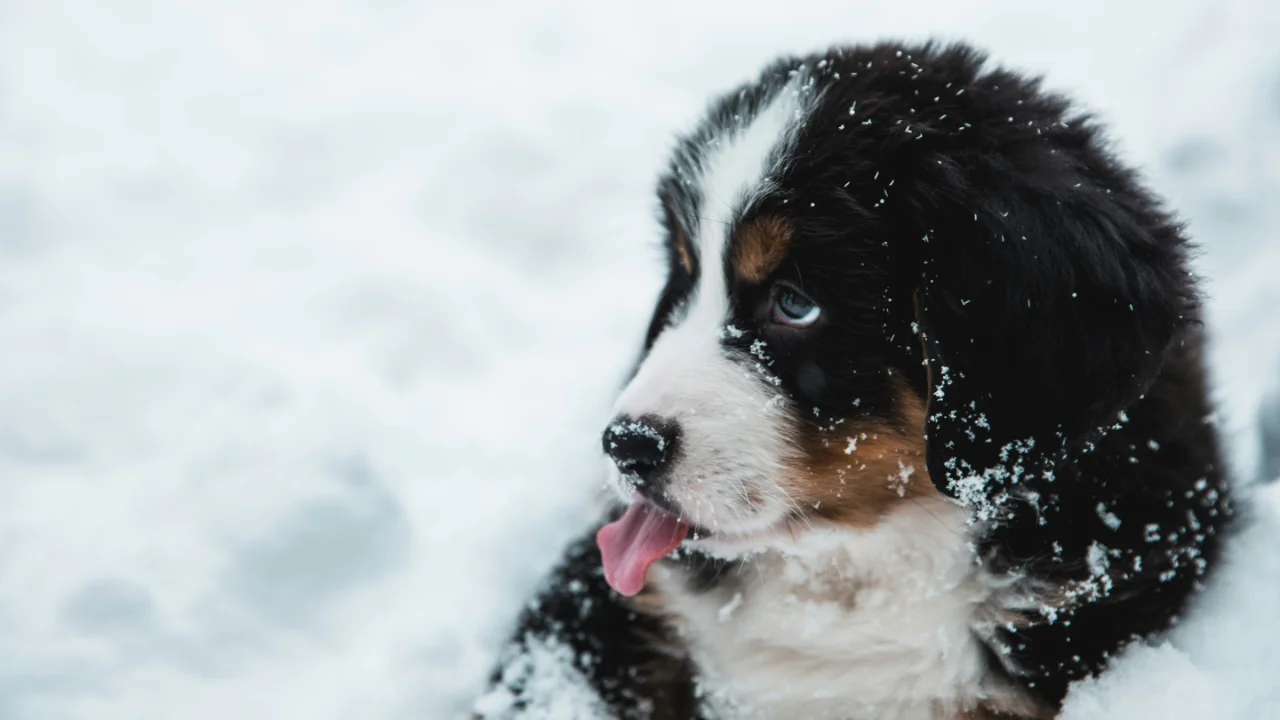

TL;DR: What You Need to Know About a Dog Dry Nose
- The myth: A warm, dry nose doesn't mean your dog is sick, and a cold, wet nose doesn't prove they're healthy. It's an old wives' tale.
- Winter is rough on noses: Cold wind, low humidity, and long hours by the heat vent all pull moisture out of the skin.
- Totally normal moments: Right after a nap, after a long walk, or in many senior dogs, it's normal for a dog to have a dry nose.
- Worth a closer look: Cracks, crusting, bleeding, colour loss, or thick, rough skin on top of the nose.
- Red flags: We'd want to hear from you if the dry nose comes with a dog who's off their food, unusually sleepy, or has stuff coming out of their nose.
- What helps: More water around the house, a humidifier running at night, and a balm that's made for dogs.
- Skip human products: Lip balms and creams can contain ingredients your dog shouldn't lick off.
If you've noticed your dog's nose looking dry or cracked and you can't tell whether it's the weather or something more, that's a fair thing to wonder about. Contact us, and our veterinary team can take a look and give you a straight answer.
You reach down to give your dog a pat, and that nose that's usually cool and damp feels like sandpaper. Many dog owners grew up hearing that a dry nose means a sick dog, so it's natural to feel a jolt of worry.
Here's the good news: in a Canadian winter, a dog dry nose is usually about the season, not a disease. Between the furnace, the wind chill, and a dog who naps eight feet from the fireplace, noses take a beating. But a few health problems do show up on the nose first, and it helps to know what they look like.
In this guide, we'll explain why noses in dogs are wet in the first place, the common causes of a dry nose in cold weather, the signs that point to an underlying health issue, and simple prevention and treatment you can start at home. Read on so you know when to relax and when to call.
Why Is a Healthy Dog Nose Usually Wet?
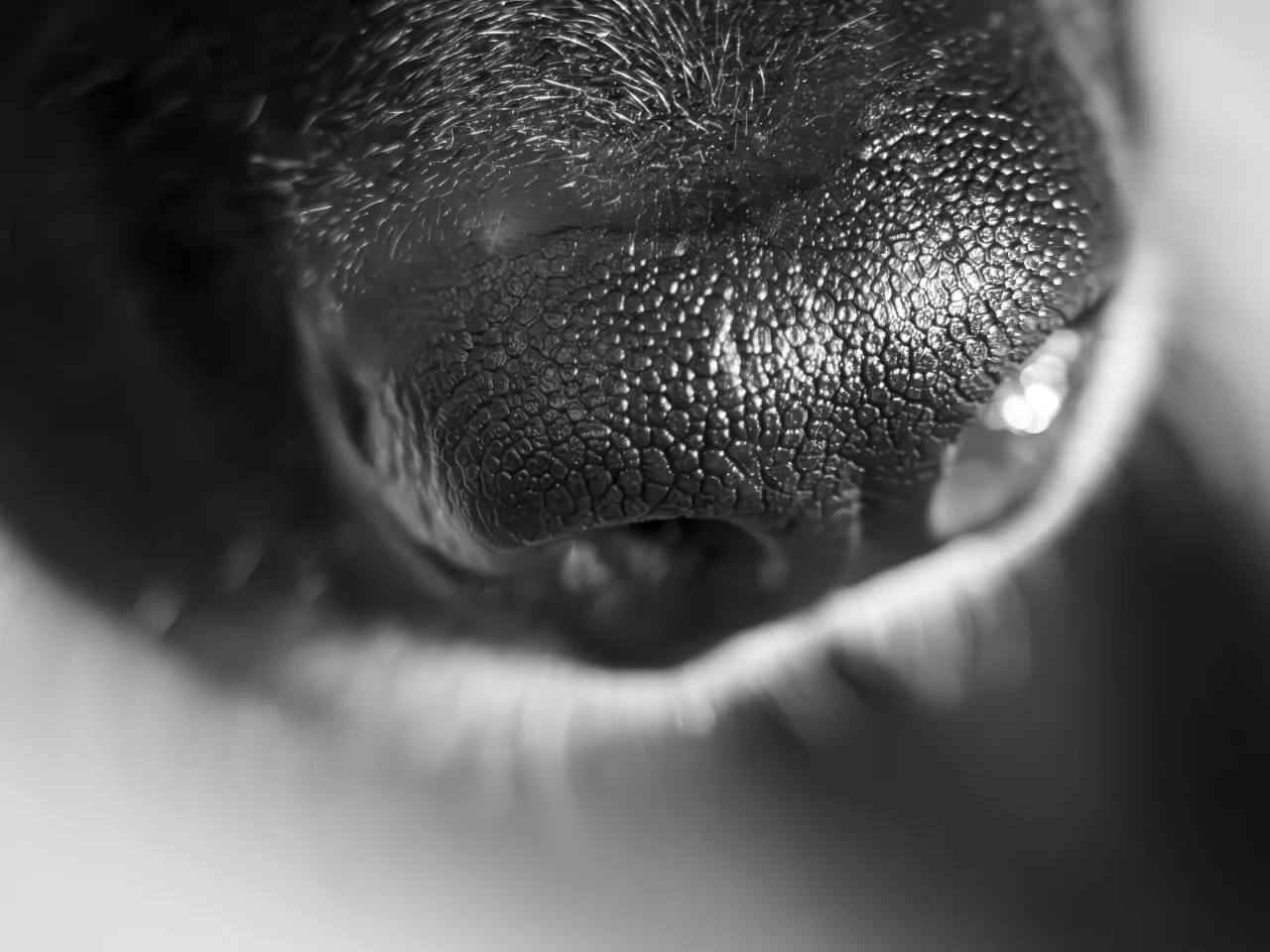
A healthy dog nose is typically moist for two reasons, though a moist nose is not always a sign of health. Glands inside the nose release a thin layer of mucus, and dogs lick their noses all day long, topping that layer up. Neither is about being sick or well. It's about smell.
That moisture traps scent particles, which is a big part of why your dog's sense of smell is so ridiculously good.
So when the nose dries out, the most likely explanation is boring: the dog hasn't been licking for a while, or the air is pulling moisture away faster than the glands can replace it. Whether a nose is wet or dry can change several times a day in plenty of healthy dogs.
Common Causes of a Dry Nose in Cold Weather
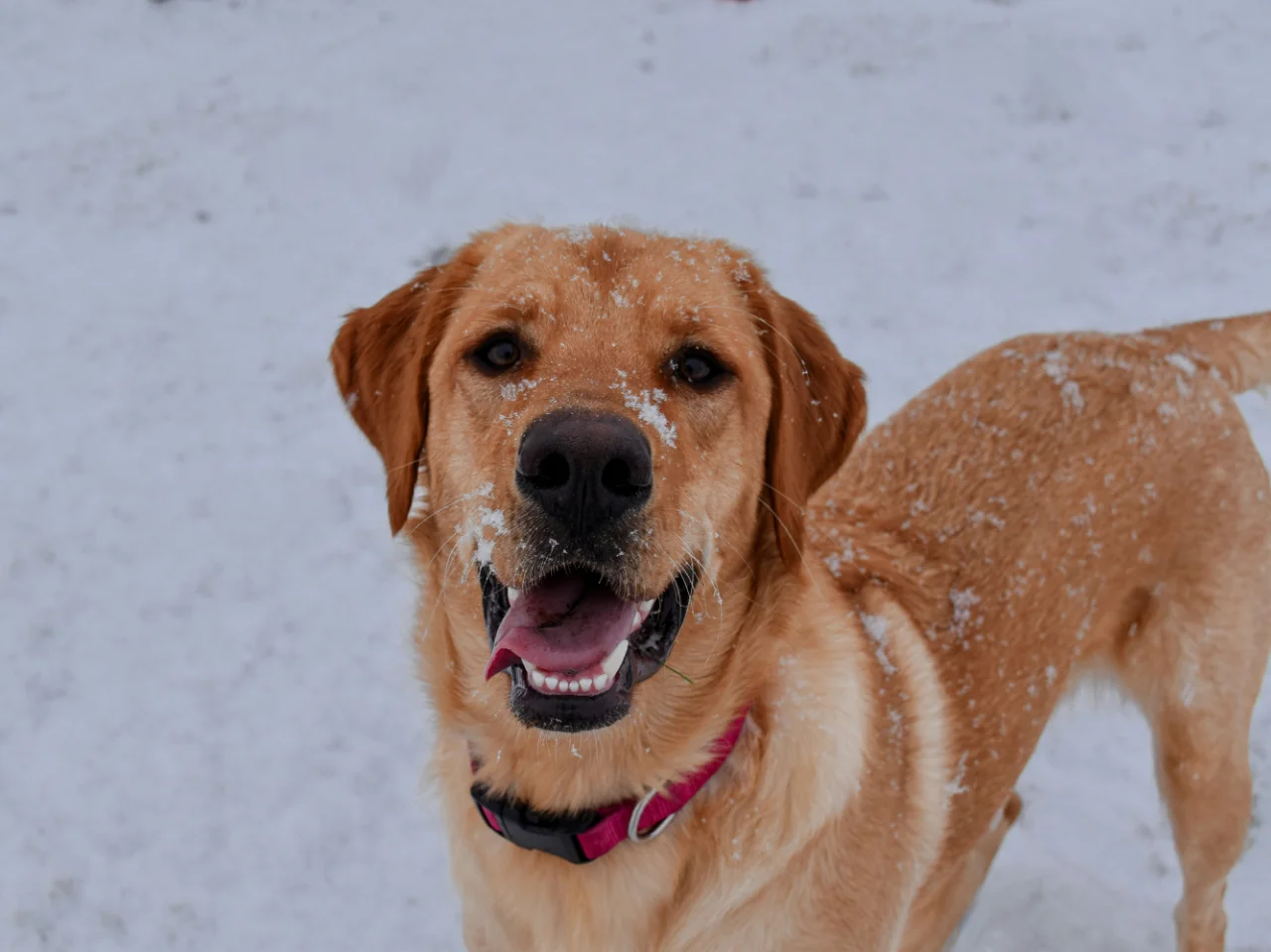
Winter stacks several potential causes on top of each other, and any of them can lead to a dry nose.
- Dry indoor air: Forced-air heating can drop the humidity in your home well below what skin likes. This is the same reason we see more dry skin on dogs once the furnace comes on.
- Cold wind: A long walk along the lake in January can leave the nose dry and irritated.
- Heat sources: Lots of dogs pick the spot right next to the vent, the space heater, or the wood stove.
- Sleep: Dogs don't lick while they sleep. Many have a dry nose for the first few minutes after waking, and it's gone by the time they've had breakfast.
- Dehydration: Some dogs drink less when it's cold, so make sure your dog stays hydrated. The nose may be the first place it shows.
- Sun and snow glare: Sunlight bouncing off snow can cause sunburn on a pink or lightly pigmented nose.
If you've been wondering how cold is too cold for dogs, a constantly chapped nose after walks can be a hint that your dog's outings are a bit long for the conditions.
Breeds and Ages More Prone to Dry, Cracked Noses
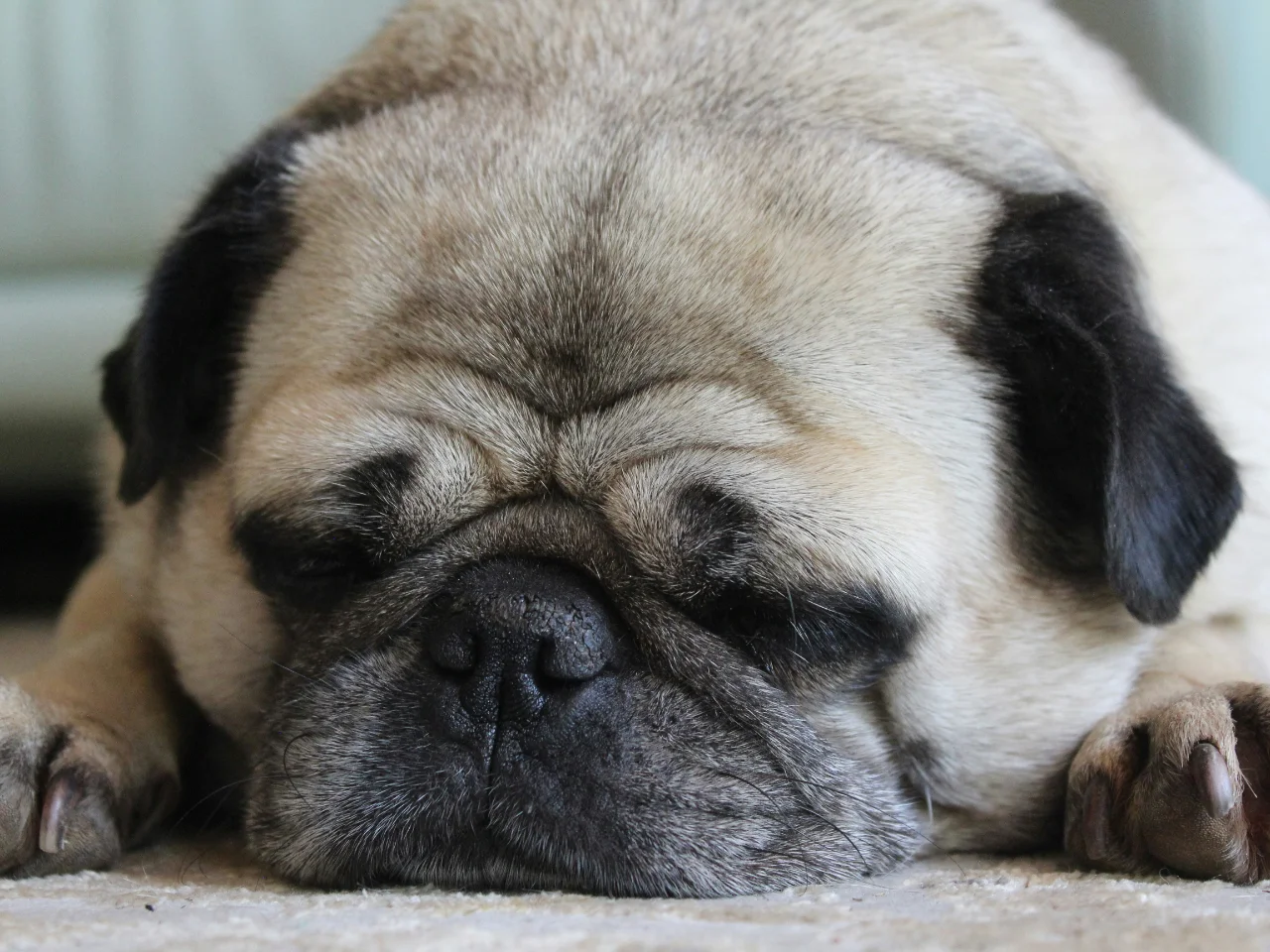
Flat-faced breeds
Pugs, French Bulldogs, English Bulldogs, and Shih Tzus have short muzzles, and some of them physically can't reach the top of their nose with their tongue. Others have blocked tear ducts, which normally drain a little moisture onto the nose. They may need a balm year-round.
Senior dogs
If your grey-muzzled dog's nose has gone a bit rough lately, you're not imagining it. Older noses get drier, and some grow a thick, crusty layer called nasal hyperkeratosis. Owners tell us it looks like tree bark or a little cauliflower on top of the nose. A thin layer isn't a big deal. A thick one can split, making a dry nose uncomfortable or even painful.
Certain breeds with hyperkeratosis
Labrador Retrievers, Golden Retrievers, Cocker Spaniels, and a few others are more prone to hyperkeratosis on the nose and paw pads. If your dog is one of them, winter can turn a mild problem into a cracked dog nose.
When a Dry Dog Nose Is a Sign of Illness
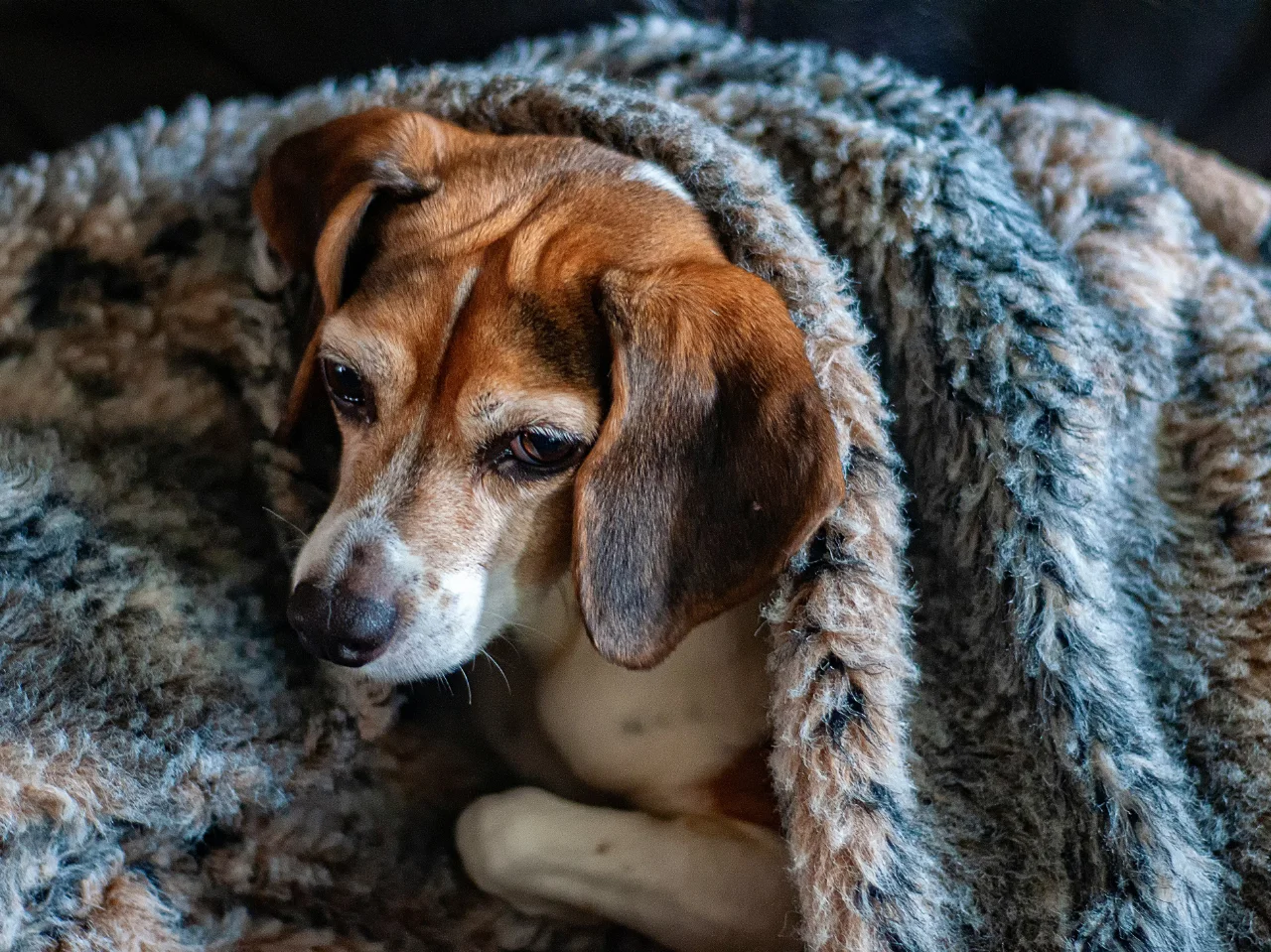
Honestly, we pay more attention to the dog attached to the nose. If a dry nose in dogs is accompanied by other symptoms like these, contact your veterinarian:
- Lethargy, or your dog just doesn't seem like themselves. Some dogs slow down in winter, so compare against our guide to seasonal lethargy in dogs.
- Thick or coloured nasal discharge, nosebleeds, or sneezing a lot
- Vomiting, diarrhea, or a dog not eating or drinking water
- Dry gums that feel tacky, which point to dehydration. Gums tell you more than the nose does, and pale gums in dogs are a reason to call the same day.
- Coughing, or eye discharge along with nose crusting
Nose Changes That Need a Vet Visit
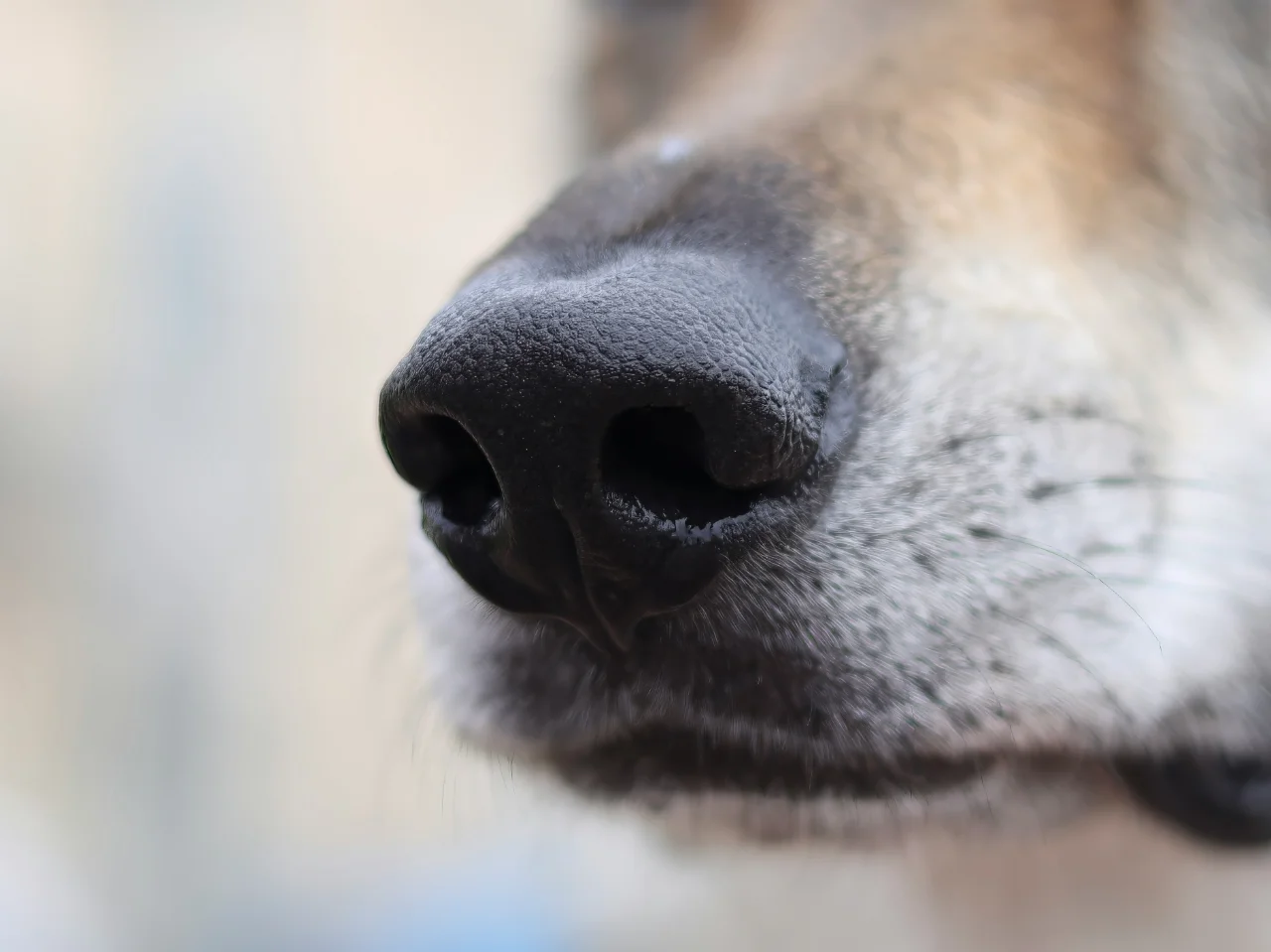
Sometimes the nose itself looks wrong. These changes point to an underlying health issue rather than dry air:
- Loss of colour: A nose that's fading from black to pink or grey, especially with a smooth, shiny surface, can be an early sign of an autoimmune condition like discoid lupus.
- Sores, scabs, or ulcers: Crusting that keeps coming back, or open sores, needs a proper look. Autoimmune skin diseases such as pemphigus often start on the nose and face.
- Thickened nose and paw pads together: In unvaccinated dogs, canine distemper can cause hardened nose and foot pads, usually with fever, cough, and discharge. It's one more reason to keep dog vaccinations up to date.
- Bleeding cracks: Deep, cracked skin hurts and can get infected.
- Allergies: Dogs with skin allergies often rub their faces, and the nose can end up dry and irritated along with itchy paws or ears. If your dog is also chewing their feet, see why dogs lick their paws.
If the nose has been chronically dry for weeks even with a humidifier and balm, it's worth booking a wellness exam. If needed, your vet can take a small skin sample to find the cause.
Prevention and Treatment: How to Help Your Dog's Dry Nose at Home
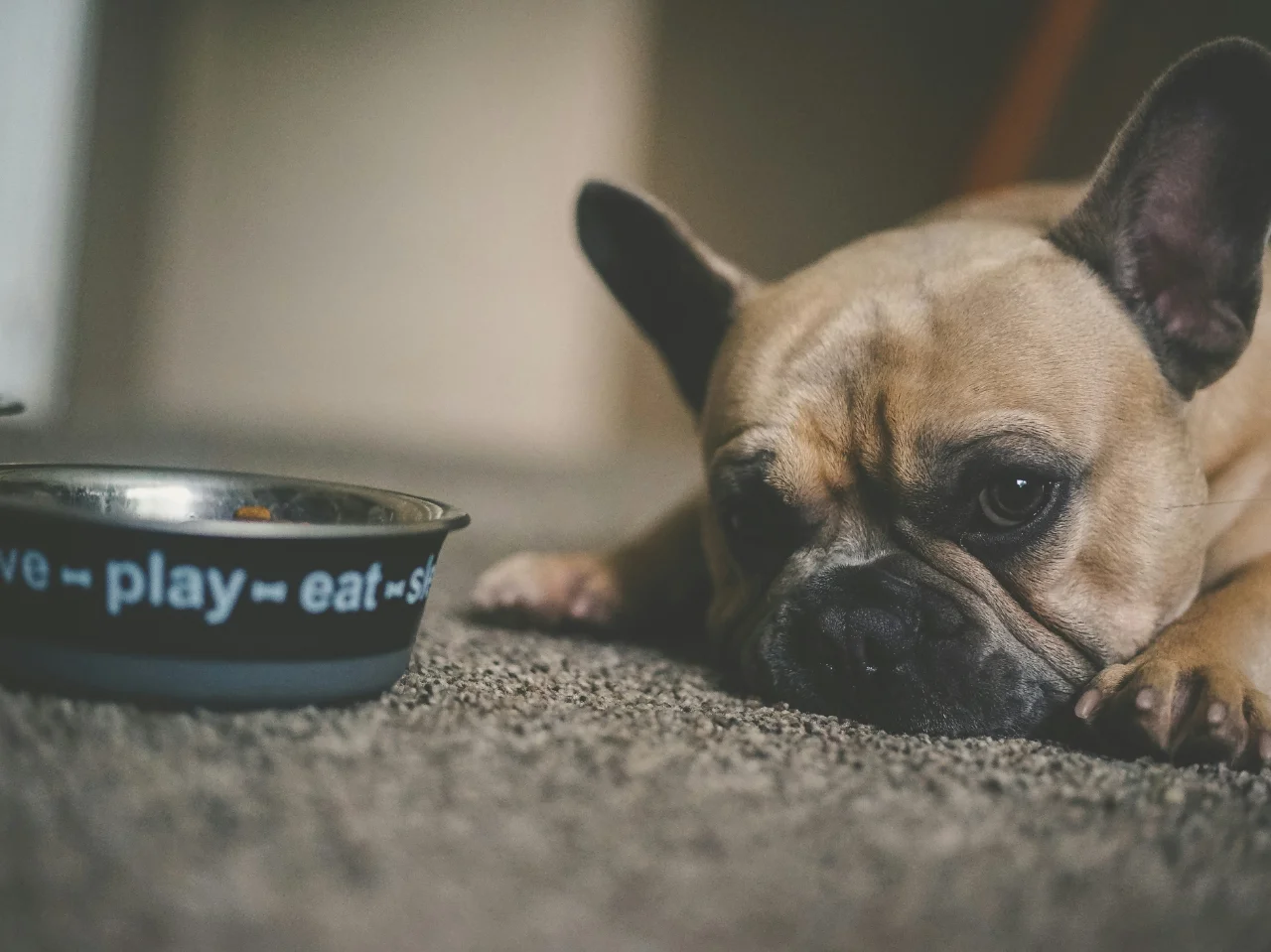
If you're concerned about a dry nose that comes from winter air, a few small changes go a long way.
- Make water easy. Put fresh water in more than one room, and refresh it often. Our pet hydration tips are written for summer, but the basics apply in January too.
- Add some humidity. A humidifier in the room where your dog sleeps helps their nose, their skin, and yours.
- Move the bed. If your dog sleeps up against the heat vent or fireplace, shift the bed a few feet away.
- Use a dog-safe nose balm. Look for a balm made for dogs, since anything on the nose will get licked off. A thin layer at bedtime works well.
- Protect on walks. On windy or bright snowy days, a thin layer of balm before you go out can help protect your dog. Shorter walks on bitterly cold days are kinder to noses and paws exposed to road salt alike.
What not to put on your dog's nose
- Human lip balm or creams: Some contain zinc, menthol, fragrance, or sunscreen ingredients that aren't meant to be swallowed.
- Essential oils: Several are irritating or toxic to dogs.
- Picking at crusts: Pulling off thickened skin or scabs can make a hyperkeratotic nose bleed and get infected.
For dogs with hyperkeratosis, autoimmune disease, or allergies, your vet may recommend treatment options such as a prescription ointment, an allergy plan, or carefully trimming thick skin. Early, effective treatment makes a big difference. Our winter pet care tips cover the rest of the cold-weather routine.
Final Thoughts
We get this question a lot once the snow arrives, and the answer we give most often is "it's the house." Furnaces, wind, long naps on the couch. None of that is illness, and the nose was never a good thermometer anyway.
What deserves a vet visit is a nose that cracks, bleeds, loses colour, crusts over again and again, or comes with other symptoms like lethargy, discharge, or a poor appetite.
Most dryness gets better with water, humidity, and a dog-safe balm. If your dog's nose isn't improving or something looks off, contact us to book a visit, and we'll check it out.
Frequently Asked Questions
Is it normal for a dog's nose to be dry?
Yes, often. Many dogs have a dry nose at times every day.
- After sleep: Dogs don't lick their noses while they sleep.
- After exercise: Panting and wind dry the nose temporarily.
- In winter: Low indoor humidity is a very common cause.
- With age: Senior dogs tend to have drier noses.
- When to check: If it's dry all the time and cracking.
Does a dry nose mean my dog has a fever?
No. Nose temperature isn't a reliable way to check for fever.
- Myth: The nose-feel test is something most of us learned as kids, and it just doesn't hold up.
- Better sign: A dog who's eating breakfast and pestering you for a walk probably isn't running a fever.
- Accurate check: Taking a temperature properly needs a thermometer, and plenty of owners prefer to let us do that part.
- Gums: Slippery and pink is what you want to see.
- Call your vet: If something feels off, trust that, whatever the nose is doing.
Can I put Vaseline or coconut oil on my dog's nose?
It's better to use a balm made for dogs.
- Licking: Whatever you apply will be swallowed.
- Petroleum jelly: Your dog will eat most of it within a minute, and it can give some dogs a tummy ache.
- Coconut oil: A dab is usually fine, though a greedy licker may end up with loose stool.
- Dog nose balm: Made on the assumption that it'll be licked off.
- Ask first: Cracked, bleeding, or crusty noses need a look before you treat them.
Why is my dog's nose dry and cracked?
Cracks usually mean the dryness has been going on for a while.
- Environment: Dry heat, cold wind, and sun on snow.
- Hyperkeratosis: Thickened skin that splits, common in older dogs.
- Allergies: Rubbing and irritation dry the skin.
- Autoimmune disease: Possible if there's colour loss or sores.
- Next step: See your vet if the cracks bleed or don't heal.
How can I keep my dog's nose moist in winter?
Think about the air in your house first, then the rest.
- Humidifier: The bedroom is the best spot, since that's where your dog spends the most hours.
- Fresh water: We like a bowl upstairs as well as in the kitchen, because older dogs often won't bother with the stairs.
- Heat: Dogs love the vent, so you may need to move the bed more than once before they accept the new spot.
- Balm: Put it on right before lights out, when your dog is sleepy and less likely to lick it straight off.
- Walks: When the wind chill hits minus 25, keep it to a short loop and save the long hike for a milder day.

