

TL;DR: What You Need to Know About Dog Dry Skin
- Fall can affect your dog’s skin: Cooler temperatures, lower humidity, indoor heating, and seasonal allergens can make your dog’s dry skin worse.
- Know the causes: Dry skin can be linked to allergies, parasites, poor nutrition, over-bathing, harsh shampoos, or environmental changes.
- Simple care can help: Gentle grooming, proper hydration, oatmeal baths, dog shampoos, and a humidifier may help maintain the skin's integrity and comfort.
- Prevention matters: A proper diet, regular grooming, adequate prevention of parasites, and proper hydration may promote the skin's protective abilities.
- Watch for warning signs: Persistent itching, redness, sores, hair loss, foul odour, or sudden changes may point to an underlying condition or skin infection.
- When to see your vet: If dryness persists or worsens, your veterinarian can identify the cause and recommend treatment to help your dog recover and stay comfortable.
Have questions? Reach out to us. We’re here to help you understand your dog’s skin needs and create a care plan that keeps your pet's skin healthy and comfortable throughout the changing seasons.
Is your dog scratching more than usual as the weather starts to cool? Fall can bring changes that affect your dog's skin, including lower humidity, cooler temperatures, indoor heating, and seasonal allergens. While occasional flaky skin may be minor, persistent dryness can sometimes point to allergies, parasites, nutritional concerns, or other skin problems.
Knowing the causes of dry skin can help you recognize changes early and support your dog’s skin health. In this guide, we’ll look at why fall can make dryness worse, what you can safely do at home, how to prevent recurring skin issues, and when it’s time to contact a veterinarian.
What Causes Dry Skin on Dogs

Dry skin is caused by several possible factors. Some dogs may simply be prone to dry skin, while others develop dryness because of an underlying problem. A dog’s skin normally has a protective barrier made up of oils, cells, and other substances that help retain moisture.
- Low indoor humidity: Dry air can pull moisture from the skin, particularly during colder months when homes are heated. A dry environment may cause the skin to become tight, rough, or flaky.
- Poor diet or nutritional deficiencies: Diet plays an important role in skin and coat health. A diet that does not provide adequate essential fatty acids, protein, vitamins, or minerals can contribute to a dull coat and dry dog skin.
- Allergies: Environmental or food allergies can cause itchy skin in dogs. Repeated scratching, licking, and chewing can damage the skin barrier and also lead to secondary irritation or skin infections.
- Parasites: Fleas, mites, and other parasites can cause serious itching and inflammation. A few of them can make your pet scratch, bite, and lick itself continuously.
- Bathing and shampoos: Too frequent washing and using human shampoos can lead to a skin allergy or dryness. As a result, the pet’s skin may become itchy and irritated.
- Genetics: A few dog breeds have a genetic disposition toward sensitive skin that is prone to irritation and dryness. Consult your veterinarian to see if this may be a factor in the recurrence of your pet's condition.
Importantly, dry skin is a symptom, rather than a diagnosis in itself. If they continue or is present and accompanied by other symptoms, the condition may be indicative of an underlying skin disorder which requires the attention of a veterinary professional.
Why Fall Can Make A Dog's Dry Skin Worse

Fall weather can create several conditions that contribute to dry skin. Even if your dog has healthy skin throughout the summer, seasonal changes can affect moisture levels and the way the skin and coat respond.
Drop in Outdoor Humidity
As temperatures fall, the air can become colder and drier. Spending time outdoors in cold and dry conditions may contribute to moisture loss, particularly for dogs that are already experiencing dry skin.
Indoor Heating
Turning on furnaces and heaters can reduce humidity inside your home. If the air becomes particularly dry, your dog’s skin becomes more susceptible to moisture loss.
Seasonal Allergies
Fall allergens such as mould spores, dust, and other environmental triggers can aggravate sensitive dogs. Allergies may cause itchy skin, and constant scratching can damage the skin, allowing bacteria or yeast to cause secondary problems.
Coat Transition Between Seasons
Dogs naturally shed their hair and grow it back year-round. However, they tend to shed a lot of their undercoat during specific seasons. This process, in addition to the accumulation of dead cells, may cause the dog's coat to appear dull or, in some instances, the skin to feel dry and flaky.
Less Frequent Hydration
Some dogs may drink less water when the weather is cooler. Although hydration alone is not usually the only cause of your dog’s dry skin, keeping your dog hydrated supports normal skin function and overall health.
Home Remedies if Your Dog Has Dry Skin
Mild dryness without redness, sores, hair loss, or dramatic itching can often be dealt with at home. However, home remedies should not be used as a substitute for an examination by a veterinarian if your dog has a substantial number of symptoms.
Coconut Oil
Small amounts of plain coconut oil are sometimes used as a moisturizer, but applying oils directly to the skin is not appropriate for every dog. Dogs may lick it off, and excessive amounts can cause digestive upset. Ask your veterinarian before using it, particularly if your dog has recurring skin problems.
Oatmeal Baths
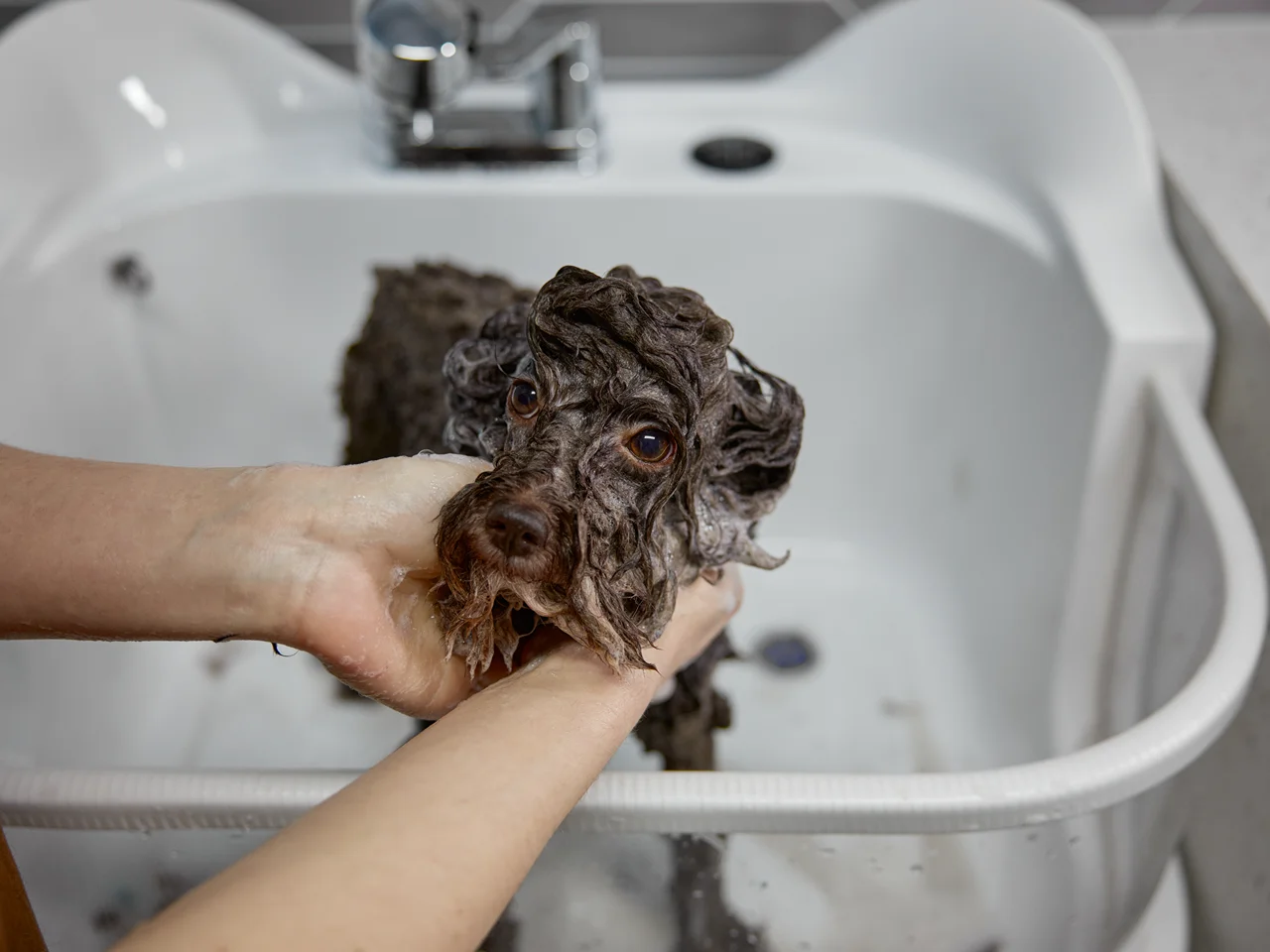
A lukewarm oatmeal bath may help to soothe irritated skin. Use a dog-approved oatmeal or veterinarian-recommended preparation and avoid using hot water that may further deplete the skin of natural oils.
Omega-3 Fatty Acid Supplements
Omega-3 fatty acids may benefit the skin and fur of your dog and be an effective treatment for dry, itchy skin. It's best to go with a veterinary-approved omega-3 supplement and to talk to your vet about the right dosage, as they're not right for all dogs.
Humidifiers
Using a humidifier in your home can be useful when indoor heating creates dry air. Increasing household humidity may help keep your dog’s skin more comfortable, especially during prolonged periods of cold weather. Place it somewhere your dog cannot knock it over or access the electrical components.
Gentle Shampoo
If you need to bathe your dog, use a mild dog shampoo. Also, do not do it often unless the animal's veterinarian indicates otherwise, and make sure to rinse the substance off the pet to avoid irritation.
Increase Water Intake
Make fresh water available throughout the day. Keeping water bowls clean and accessible can encourage drinking and support normal hydration. Skin hydrated properly is better able to maintain its natural protective function.
How to Prevent Dry Skin on Dogs
Prevention focuses on protecting the skin barrier and addressing factors that can lead to dry skin before they become ongoing problems.
- Balanced, high-quality diet: Feed a complete and balanced dog food appropriate for your dog’s age, size, and life stage. Good nutrition helps promote healthy skin and supports a healthy coat.
- Regular grooming: Brushing removes loose fur, dirt, and dead skin cells while helping distribute natural oils throughout the coat. Grooming also gives you an opportunity to notice changes in your dog’s skin and coat early.
- Flea and parasite prevention: Consistent parasite prevention can reduce one of the common triggers for itching and inflammation. Your veterinarian can recommend a prevention plan based on your dog’s individual needs.
- Maintain indoor humidity levels: If your home becomes very dry during fall and winter, using a humidifier may help. Avoid making the environment excessively humid, however, since high humidity can also encourage certain allergens and microorganisms.
- Routine vet check-ups: Regular examinations allow your veterinarian to identify early signs of allergies, parasites, nutritional problems, or other skin conditions. This is particularly important for dogs that frequently develop dryness or irritation.
A consistent routine can go a long way toward maintaining healthy skin. Good nutrition, appropriate grooming, parasite prevention, hydration, and proper bathing habits all support healthy skin and a shiny coat.
When to See a Veterinarian
Not all cases of dry skin are serious, but it is important to contact your veterinarian if there are other concerns or if the condition persists. You should contact your veterinarian if:
- There is persistent scratching or biting: This can be a sign of allergy, parasites, infection or some other cause rather than dry skin.
- Hair loss or bald patches: Areas of missing fur can occur with allergies, infections, parasites, hormonal conditions, or repeated self-trauma.
- Redness, sores, or bleeding: Damaged skin is susceptible to bacterial infections, particularly if your dog constantly scratches or bites the irritated area. Untreated dry skin combined with ongoing trauma can also lead to skin infections.
- Foul odour from the skin: An unusual or unpleasant smell can be associated with bacterial or yeast overgrowth and should be evaluated by a veterinarian.
- Sudden or severe onset: If your dog’s dry skin appears suddenly or is accompanied by intense itching, discomfort, lethargy, or other concerning changes, schedule a veterinary examination promptly.
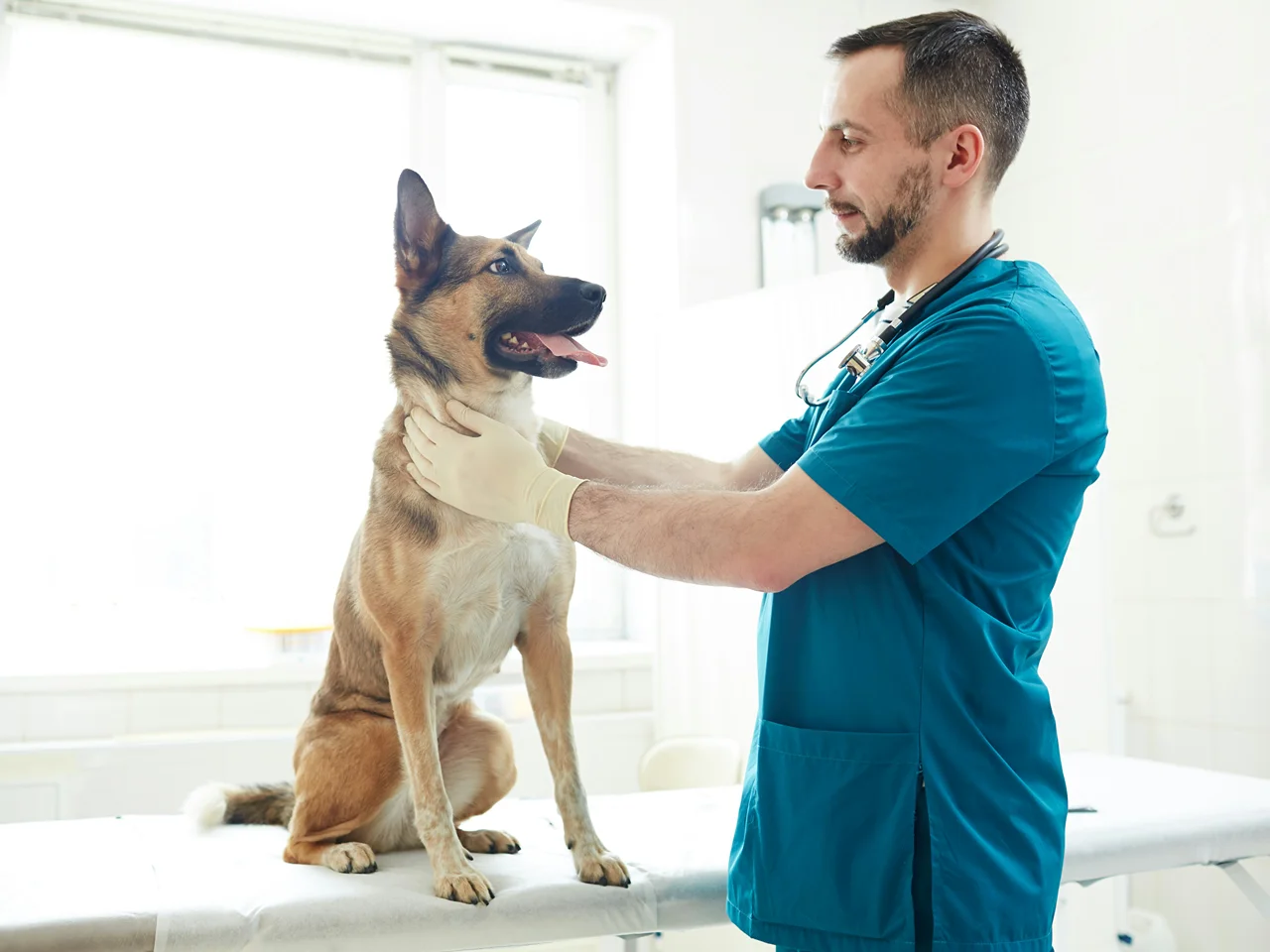
Your veterinarian can examine your dog, identify the underlying cause of your dog’s dry skin, and recommend appropriate treatment. Depending on the findings, this could include parasite control, allergy management, prescription medication, dietary changes, or treatment for an infection.
Final Thoughts
Remember that the state of your dog's skin is directly related to their general health. A slight dryness may be improved with special care, but a more serious condition such as flaking or itching, redness, and hair loss requires a visit to the veterinarian.
By watching for signs of dry skin, feeding a balanced diet, grooming regularly, keeping your pet hydrated, and using appropriate topical treatments, you can help keep your dog’s skin in optimal condition so they stay healthy and comfortable in any weather. In case something goes wrong, a professional vet will be able to examine the dog and prescribe a treatment plan that will restore the animal’s skin health and comfort.
Frequently Asked Questions
What are the common symptoms of dry skin in dogs?
Recognizing the symptoms of dry skin early can help you address the issue before it worsens.
Flaking and rough texture: A dog's dry skin may appear as visible flakes, rough patches, or a dull coat, especially during seasonal changes like fall when humidity levels drop indoors and outdoors.
Persistent scratching or licking: Dogs with dryness often scratch, lick, or chew at their skin repeatedly, which can cause damage to the skin barrier and irritation over time.
Hair loss or bald patches: Missing fur in certain areas is also a possible sign of worsening dryness or other underlying causes such as allergies or parasites.
Redness and visible sores: When skin becomes too dry and is repeatedly irritated through scratching or biting, it can develop redness, open sores, or even bleed in more severe cases.
Unusual odour from the coat: A foul or unpleasant smell coming from your dog's skin or coat may indicate that bacterial or yeast overgrowth has developed secondary skin involvement alongside the dryness.
What dry skin remedies can I use for my dog with dry skin at home?
Mild cases of dryness can often be managed with a few simple, safe at-home approaches before seeking professional help.
Oatmeal baths: A lukewarm oatmeal bath (using a dog-approved oatmeal product) can help soothe minor skin irritations. Avoid using hot water, which can remove healthy oils from your dog's skin.
Omega-3 fatty acid supplements: Adding a prescription omega-3 fatty acid supplement to your dog's diet may improve the health of his coat and skin, but you should always consult with your vet before adding any supplement or medication to their diet.
Use a humidifier indoors: Indoor heating during fall and winter can reduce household humidity significantly, and running a humidifier in your home can help minimize moisture loss from your dog's skin.
Use a gentle, dog-approved shampoo: Using a gentle, dog-approved shampoo can help prevent irritation and further dryness of the skin after each bath, while allowing the skin to retain its natural oils, so avoid frequent bathing.
Encourage drinking water: Encourage drinking water by ensuring that clean, fresh water is always available and accessible for drinking. Dry skin may be improved by simply increasing fluid volume in the body.
When should I take my dog to the vet for dry skin concerns?
Knowing when to involve a vet is essential, as some skin changes go beyond what home care alone can address.
Persistent or worsening dryness: If dryness does not improve with simple home adjustments within a reasonable time, a veterinary examination can help identify whether an underlying condition is responsible.
Sudden or severe onset: If your dog's dry skin develops quickly and is associated with severe itching, discomfort or lethargy, it is best to take your dog to the vet rather than waiting.
Signs of infection: Damaged or inflamed skin can allow bacteria or yeast to enter the body; your veterinarian can help determine the issue and treat any infection.
Suspected allergies or parasites: Due to dry skin sometimes being a symptom of food allergies, environmental triggers, fleas, or mites, your vet can run appropriate tests to pinpoint and address the root cause.
Recurring skin issues: Dogs that experience recurring dryness or irritation should be taken to a veterinarian because it could be due to breed-specific tendencies or other long-term conditions that a vet will need to address.
How can I treat dry skin in dogs and prevent it from coming back?
Treating the immediate dryness while also addressing its root causes is key to keeping your dog's skin consistently healthy.
Feed a balanced, high-quality diet: Providing a complete dog food rich in essential fatty acids, protein, vitamins, and minerals helps treat dry skin in dogs by nourishing the skin from the inside out.
Regular brushing and grooming: The frequent brushing of your dog will loosen dead skin cells and hair to allow for healthy barrier formation through the natural oils in the hair.
Consistent parasite prevention: Fleas, mites, and other parasites are a common trigger for itching and inflammation, so following a vet-recommended parasite prevention plan is a crucial part of long-term skin care.
Keep your house humid: That means using a humidifier when the house is heated throughout the cold season. This will prevent dryness of the skin and, consequently, flare-ups.
Regular vet check-ups: A veterinarian can detect nutritional problems, allergens, and other skin issues in time and recommend a course of action.
What makes a dog's dry skin worse during fall, and how can I help?
Fall brings a unique set of environmental and seasonal changes that can significantly impact your dog's skin health.
Drop in outdoor humidity: As temperatures cool and air becomes drier, a dog's dry skin may lose moisture more quickly during outdoor time, particularly for dogs already prone to seasonal skin sensitivity.
Indoor heating systems: Furnaces and heaters can reduce indoor humidity considerably, creating a dry environment that draws moisture away from your dog's skin and coat throughout the day.
Seasonal allergens: Fall allergens such as mould spores and dust can aggravate sensitive dogs, and due to dry skin often coexisting with allergy-related inflammation, the two issues can compound each other if left unaddressed.
Coat transition during seasons: Dogs naturally lose and regenerate their undercoat during seasonal variations, which may lead to the appearance of flaky or unhealthy skin, as the old coat emerges.
Decreased water consumption in cold weather: Some dogs naturally drink less in cold weather, and although this isn't the direct cause, dry skin can often be worsened by reduced water intake, which affects overall skin function.

