

TL;DR: Why Does My Dog Sneeze a Lot?
- Normal sneezing happens: Occasional sneezing is common in dogs, especially during play, excitement, or after sniffing something interesting. Most brief episodes are harmless.
- Common triggers: Dust, smoke, perfumes, seasonal allergies, and other airborne irritants can cause your dog to sneeze. Removing these triggers can often help your pet feel more comfortable.
- Watch for foreign objects: Grass seeds, dirt, or other debris can become something stuck in their nose, leading to repeated sneezing and discomfort after outdoor adventures.
- Know the symptoms: Repeated sneezing, discharge from the nose, watery eyes, pawing at the nose, or swelling of the face can be signs that your dog needs a closer look.
- Remember seasonal allergies: Pollen and mould during fall and spring can cause more sneezing. You can reduce your exposure by avoiding common irritants in your home.
- When to seek care: Sneezing that lasts for more than 24 hours, is accompanied by blood, persistent coughing or difficulty breathing are reasons to seek prompt veterinary attention. If your dog is breathing fast or is having a hard time breathing, call your veterinarian right away.
Have questions about your dog’s sneezing? Contact us. Our veterinary team can help determine whether it’s a harmless irritation or something that deserves professional care.
Is your dog sneezing a lot lately, and you're not sure whether it's something to brush off or a reason to call your vet? While an occasional sneeze is completely normal, sneezing a lot can sometimes point to an underlying issue that deserves a closer look.
From harmless airborne irritants to more serious upper respiratory concerns, there are quite a few reasons your dog might be sounding off. In this post, we'll walk you through the potential causes of your dog's sneezing, what symptoms to watch for, and when it is time to take your dog in for a professional evaluation.
Sneezing in Dogs: What You Need to Know
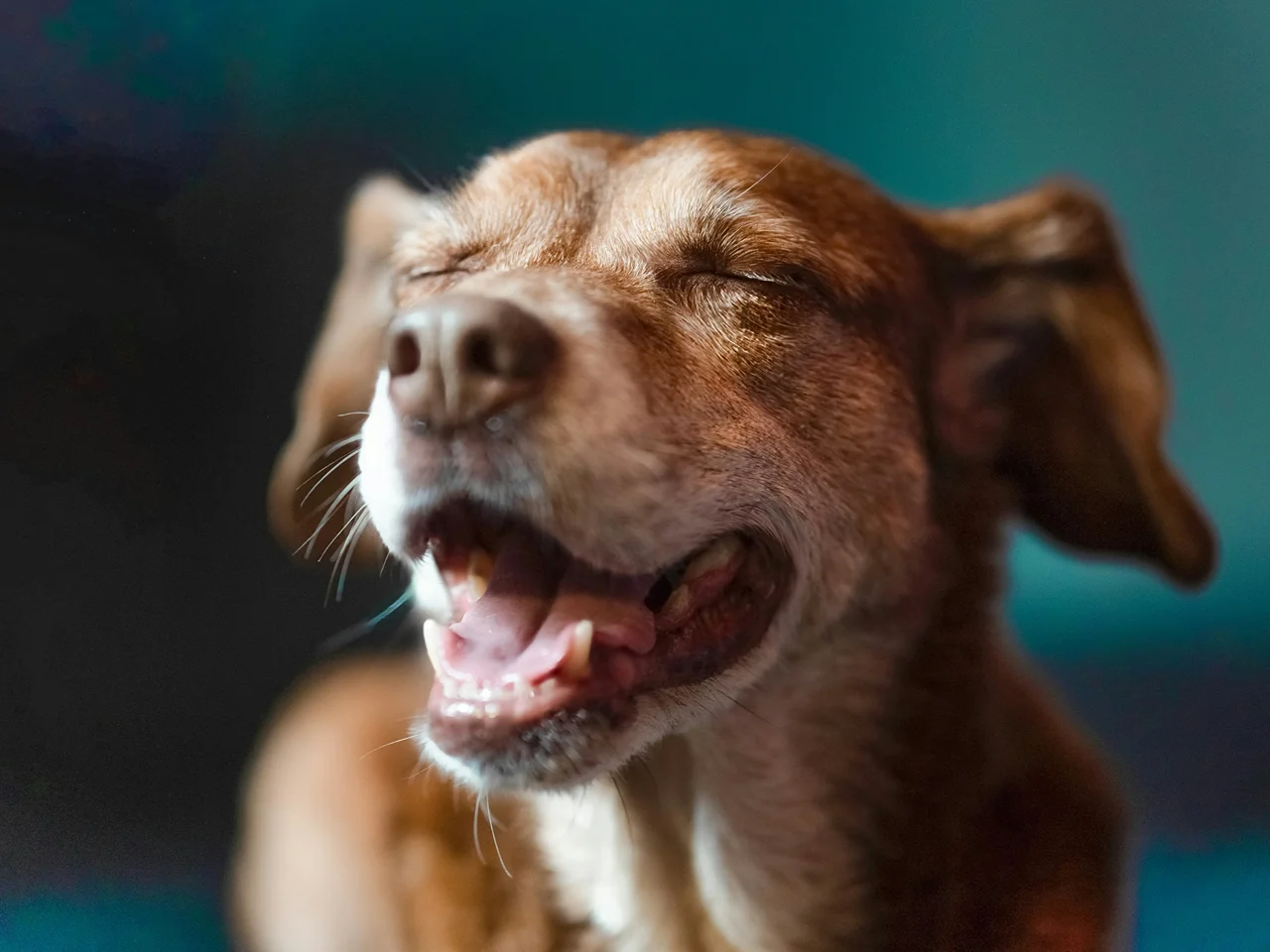
Not all sneezes are the same. Understanding your dog's sneezing behaviour helps you figure out whether what you are seeing is perfectly fine or a sign of illness.
- Normal vs. excessive sneezing: A dog sneezing once or twice after sniffing the grass is no cause for alarm. However, excessive sneezing — especially when it happens repeatedly throughout the day — can signal that something is irritating your dog's nose or affecting their airways.
- Single sneeze vs. sneezing fits: A sneezing fit is a series of rapid, consecutive sneezes that your dog just cannot seem to stop. These aren't like a single sneeze on its own and may indicate your pet is having some sort of nasal problem or irritation.
- Communication tool in dogs: Sometimes, a dog is sneezing to communicate. Dogs use soft sneezes during play to signal they mean no harm — a sort of "I'm just having fun" signal. Many pet owners are surprised to learn this is normal dog behaviour.
- Reverse sneezing explained: A reverse sneeze is a funny-sounding honking gasp that occurs when a dog inhales sharply thru the nose. This is when something irritates the nasal passage for a brief period, and although it may look dramatic, it is usually harmless and will usually stop on its own.
- Age and breed differences: Senior dogs and flat-faced breeds like Bulldogs or Pugs are more prone to sneezing and respiratory quirks due to their anatomy. First-time dog owners with these breeds may be caught off guard, but although much less common, structural issues can occasionally be a factor.
Common Causes of Sneezing in Dogs
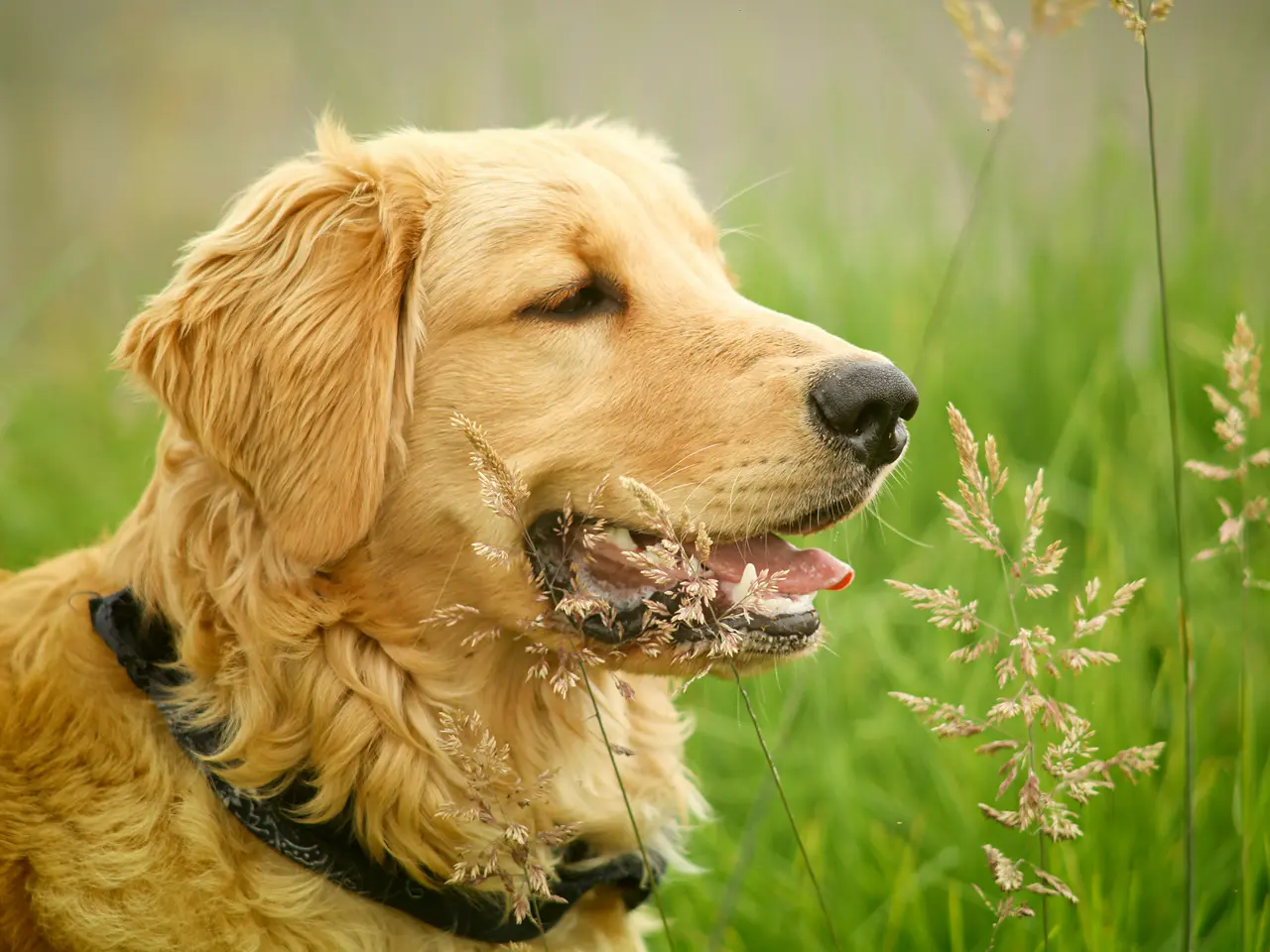
There are many things that can cause sneezing in dogs, ranging from everyday triggers to medical conditions that need attention.
Airborne irritants
Dust, cigarette smoke, perfume, and air fresheners are frequent culprits. These can lead to sneezing almost immediately after your dog inhales the particles. If you use heavy fragrances at home, you may unknowingly cause your dog to sneeze throughout the day.
Foreign objects in the nose
After an outdoor adventure, grass seeds, dirt and other small particles can get lodged in your dog’s nose. When something is in their nose, the body's instinct is to sneeze it out. If it doesn't sneeze it out, the object may stay lodged and cause long-lasting irritation.
Nasal infections
A dog has a respiratory infection when bacteria or fungi take hold in the nasal passages. This type of infection can cause frequent sneezing, thick nasal discharge, and general discomfort — and it will not resolve without treatment.
Seasonal allergies
Just like people, dogs can develop sensitivities to pollen, mould spores, and other seasonal particles. If a dog has an allergy to environmental triggers, it can make fall and spring particularly rough, as these seasons may cause more sneezing due to allergies, which can sometimes be accompanied by a runny nose.
Nasal mites or polyps
Nasal mites are small parasites that affect the nose and cause severe irritation. Polyps are benign (not cancerous) growths that can block airflow. Both can make dogs sneeze a lot, and you may have to get them diagnosed by a vet.
Excitement or play sneezing
Some dogs sneeze when they get excited — during greetings, during play, or when they sense a walk is coming. This sneezing seems random but is actually a happy, communicative response. It is typically brief and nothing to worry about.
Signs of Nasal Infection and Seasonal Allergy in Dogs
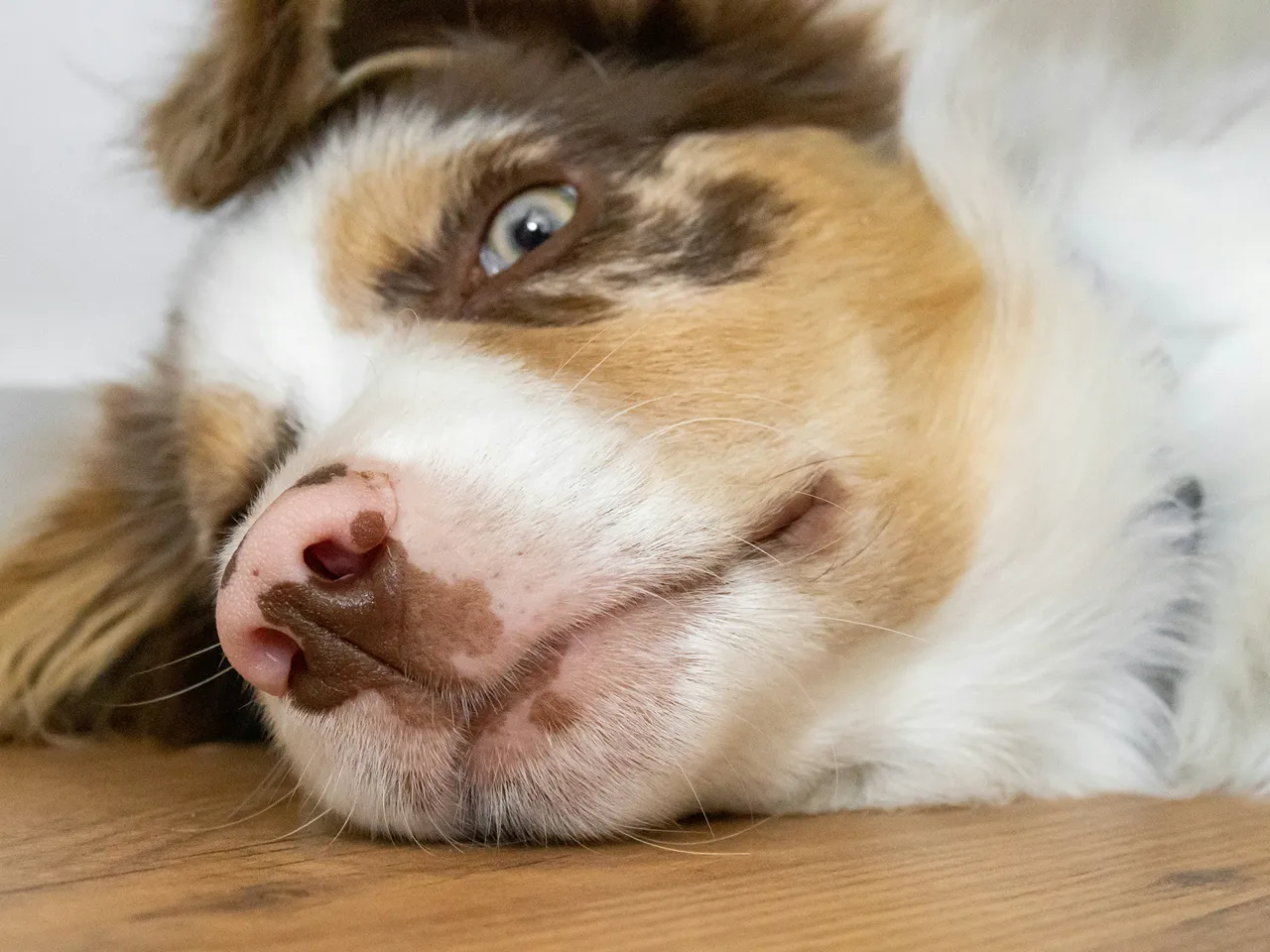
Whether your dog is dealing with a nasal infection or allergy, knowing what to look for along with sneezing can help you determine whether your pet needs medical care.
- Thick or discoloured discharge: Clear discharge from the nose can be normal, but yellow, green, or bloody discharge is a red flag. In addition to sneezing, discoloured nasal discharge often points to a bacterial or fungal infection brewing in the nasal passage.
- Persistent itching and pawing: If you notice your dog repeatedly rubbing their nose on furniture or pawing at their nose, they are likely experiencing significant discomfort.
- Watery eyes: Watery eyes are a symptom of allergic reactions. When sneezing accompanies eye discharge, it is often a sign that your pet's immune system is reacting to something in the environment.
- Swollen face or muzzle: Swelling around the face — especially the nose and mouth area — can signal a severe allergic response or infection.
- Sneezing with blood: Sneezing could be a symptom of something more serious when blood is involved. A dog sneezing blood may indicate trauma or a foreign object. This warrants urgent veterinary attention.
- Worse in fall/spring: If your dog’s sneezing gets worse at certain times of the year, pollen and mould are probably to blame. Allergic sneezing may increase in high pollen periods, particularly in autumn when leaf fall leads to higher mould counts.
What to Do When Your Dog Keeps Sneezing
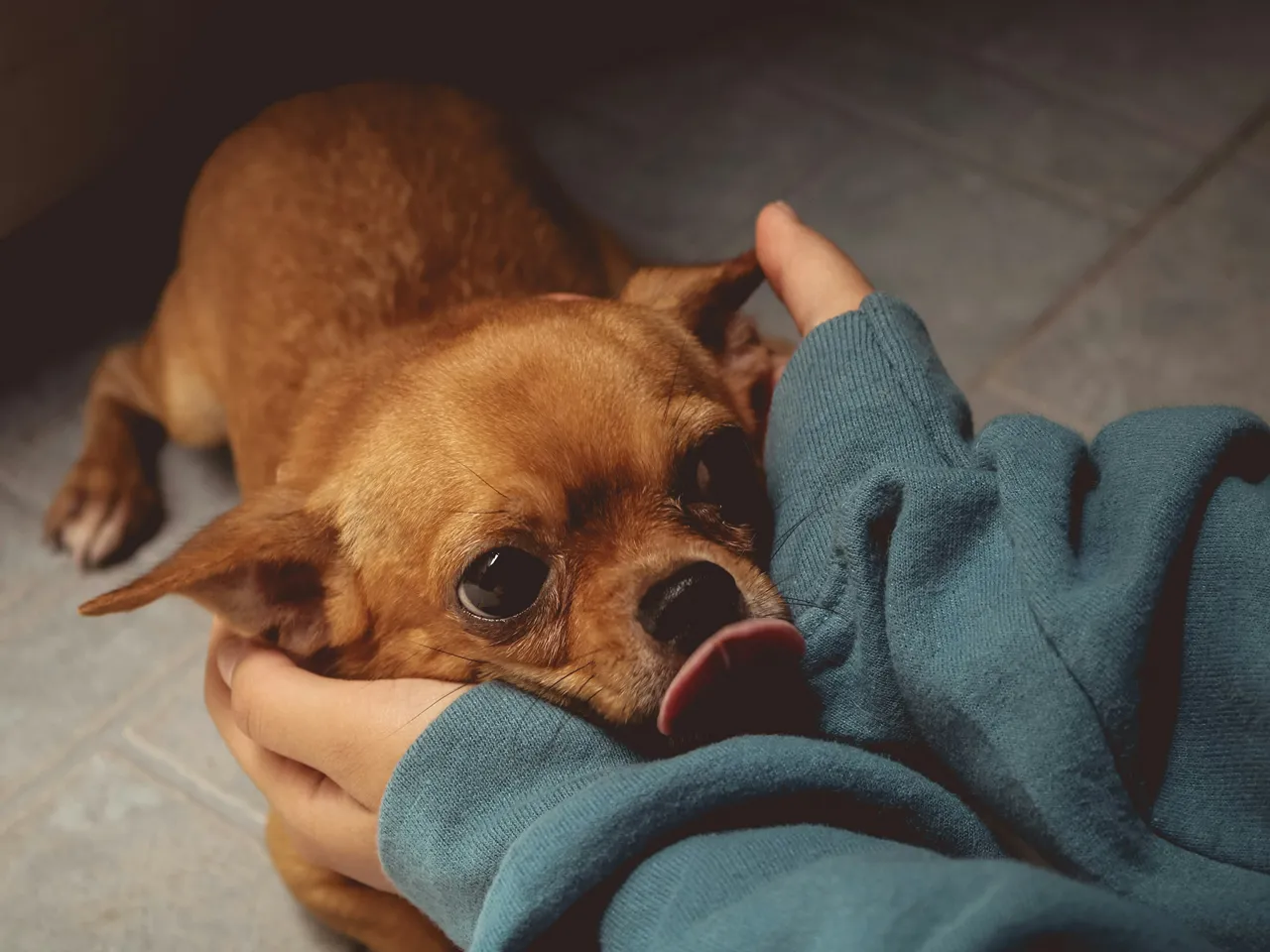
If you suspect your dog is sneezing more than it should, taking a few simple steps before heading to the clinic can give your veterinarian useful information.
- Note frequency and duration: Keep track of how often sneezing fits happen, how long they last, and whether they occur at specific times of day. Details about your pet's sneezing pattern help your veterinary team narrow down the cause of your dog's sneezing quickly.
- Check for visible irritants: Take a look around your home. Candles, cleaning sprays, scented plug-ins, and air fresheners can all cause sneezing in sensitive pets. Also inspect the yard — foxtails and plant material are common hazards for dogs and cats after outdoor play.
- Remove household triggers: Once you identify a possible irritant, remove it and observe sneezing behaviour over the next day or so. Your dog may show noticeable improvement once the offending product is gone.
- Avoid DIY medications: It can be tempting to try remedies for dog sneezing found online, but human antihistamines and nasal sprays are not safe for all pets.
- Schedule a vet visit: If your dog is sneezing more than usual and continues for more than a day, or is paired with any other symptoms, it is time to book an appointment. Your veterinarian can perform a thorough examination and determine the cause of excessive sneezing.
When to Seek Vet Care
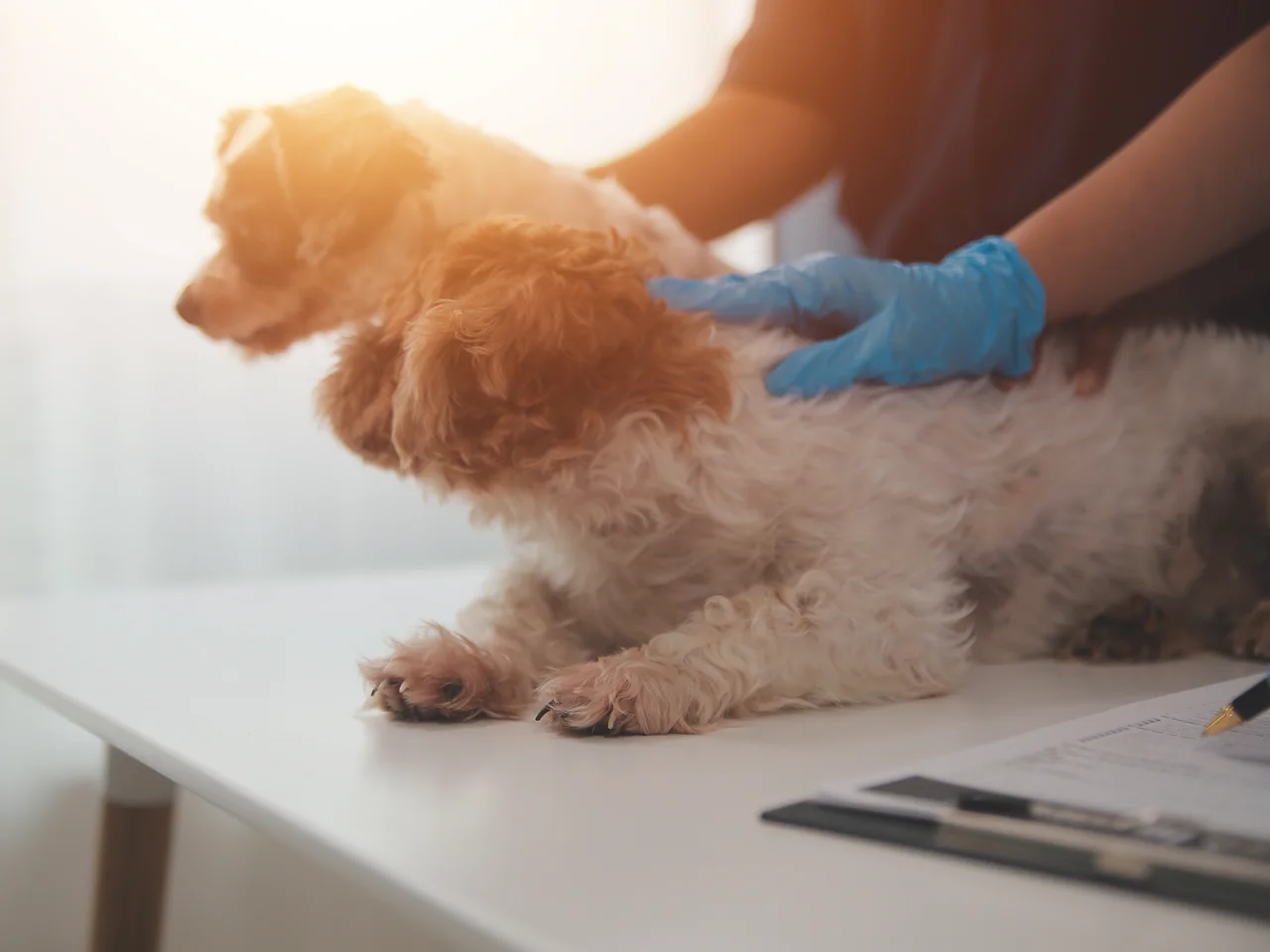
Some situations call for immediate action. A dog may need emergency or same-day care if any of the following apply.
Bleeding from the nose
Blood coming from the dog's nose — especially if it is persistent or heavy — should never be waited out. Contact your vet immediately when bleeding is involved, as it may point to trauma, infection, or a nasal tumour.
Accompanying persistent cough
Sneezing and coughing together suggest something may be affecting the entire upper respiratory tract. If a dog has a respiratory infection that has spread beyond the nose, they will usually need antibiotics or antifungal treatment.
Something stuck in nostril
If you can see a foreign object or your dog is pawing desperately at their face, do not attempt to remove it yourself. A veterinary team has the tools to safely extract anything stuck in your dog's nose without causing further damage.
Sneezing lasts over 24 hours
Frequent sneezing fits that continue for more than 24 hours, with no obvious environmental trigger, deserve a professional opinion. A dog suddenly going from fine to non-stop sneezing is not something to dismiss.
Difficulty breathing
If you think sneezing could be blocking airflow or your pet is struggling to breathe through their nose and mouth, treat this as urgent. You should contact a veterinarian right away if your dog shows open-mouth breathing, wheezing, or laboured respiration along with sneezing.
Final Thoughts
Keeping tabs on your dog's health does not have to be stressful. Many pet owners find that knowing what is normal for their specific pet makes it much easier to catch problems early. An occasional sneeze is usually nothing to worry about, but frequent sneezing, nasal discharge, bleeding, coughing, or breathing difficulties should not be ignored.
Seasonal allergies and daily irritants can cause it, but infections, foreign objects and other nasal problems can cause lasting symptoms, too. If you are in doubt, your veterinarian is always your best resource. They can identify the underlying cause and recommend the right treatment to make your dog comfortable again.
Frequently Asked Questions
What is a reverse sneeze, and should I be concerned?
A reverse sneeze typically isn’t a serious medical problem. It’s simply a temporary response to irritation.
What It Sounds Like: A reverse sneeze tends to sound like a honking gasp, as your dog rapidly pulls air in through the nose instead of pushing it out.
Common Triggers: An episode may be triggered by a brief irritation of the nasal passages by particles such as dust, pollen, grass or other particles.
Short Episodes: Most episodes stop on their own within a short time, with your dog returning to normal afterward.
When to Watch Closely: Watch more closely for more frequent episodes with a discharge, cough, weakness or other unusual symptoms.
Breed Factors: Some breeds, like Pugs and Bulldogs, have flat faces and may be more prone to these breathing oddities due to their physical makeup.
How can I tell if my dog has a respiratory infection?
Certain changes beyond ordinary sneezing can indicate that your pet may be dealing with an infection that requires professional evaluation.
Nasal Discharge: Thick yellow, green, or bloody discharge is more concerning than the occasional clear moisture around the nose.
Frequent Sneezing: Repeated sneezing that persists rather than resolving after an irritant is removed can point to an underlying illness.
Coughing: A persistent cough alongside nasal symptoms may indicate that the problem is affecting more of the upper respiratory tract.
General Discomfort: Reduced energy, persistent nose rubbing, or other changes in normal behaviour can accompany an infection.
Professional Treatment: Bacterial or fungal infections may require medication, so an examination is important before deciding on treatment.
What should I do if my dog is sneezing a lot?
When sneezing becomes frequent, observing patterns and removing possible triggers can help you decide what to do next.
Watch the pattern: Make notes of how often episodes happen, how long they last, and what sets them off, like eating, playing, sleeping, or going outside.
Check the Environment: Look for dust, cigarette smoke, perfumes, candles, cleaning products and air fresheners that could be irritating your pet's nose.
Check Outdoor Exposure: Grass seeds, dirt, and other small pieces of plant material can enter the nostrils after outdoor activities.
Skip Human Medication: Avoid giving antihistamines, nasal sprays, or other medications unless a professional has confirmed they are appropriate for your pet.
Know When to Act: Sneezing that continues beyond 24 hours or appears with other symptoms should prompt you to arrange an examination.
When should pet owners seek veterinary care for frequent sneezing?
Knowing the warning signs can help pet owners recognize when monitoring at home is no longer enough.
Nosebleeds: Blood from the nose can result from trauma, infection, or another nasal problem and should be evaluated promptly.
Facial Swelling: Swelling around the muzzle or face may signal a significant allergic reaction or infection that needs attention.
Foreign Objects: If something appears lodged in a nostril, professional removal is safer than trying to pull it out at home.
Persistent Symptoms: Sneezing that repeatedly continues without an obvious environmental cause warrants a closer examination to identify what is happening.
Breathing Changes: Open-mouth breathing, wheezing, or laboured respiration alongside sneezing should be treated as an urgent situation.
How can you help your dog breathe more comfortably during a sneezing episode?
Creating a calm, clean environment can reduce potential irritation while you monitor your pet for signs that professional care is needed.
Remove Irritants: Move your dog away from smoke, strong fragrances, sprays, candles, and other airborne substances that may be aggravating the nasal passages.
Keep Them Calm: Excitement can trigger sneezing in some dogs, so giving your pet a quiet space may help them settle.
Watch Their Breathing: Check for wheezing, struggling to breathe, breathing with their mouth open or any indication that your dog is having a hard time getting air.
Avoid nasal manipulation: Do not put anything in the nose or try to remove an object embedded deep inside, as this can cause additional injury.
Seek Urgent Help: If your pet is still having difficulty breathing or looks distressed, seek veterinary help immediately rather than trying to use home remedies.

