


TL;DR: Why Dogs Lick Their Paws
- Normal grooming: Occasional paw licking is part of your dog’s natural cleaning routine — it helps remove dirt and soothe minor irritation.
- When it’s too much: Constant paw licking can point to discomfort, allergies, or even pain that needs attention.
- Common causes: Environmental allergies, dry skin, parasites, boredom, or joint pain are often behind frequent paw licking.
- Spot the warning signs: Redness, swelling, hair loss, bad odour, or limping are clear signs it’s time to see your vet.
- How to help: Inspect and clean paws regularly, remove irritants, adjust diet if needed, and consult your vet for persistent licking.
- Treatment options: Depending on the cause, your vet may suggest medicated paw soaks, anti-inflammatories, antihistamines, antibiotics, or protective boots.
Need help? If your dog won’t stop licking their paws, schedule a visit with us. We’ll help you find the cause, ease their discomfort, and get those paws feeling better.
Paw licking is a common behaviour among dogs, and in most cases, it’s nothing to worry about. While it might look like just another habit, this behaviour can tell you a lot about your pet’s comfort, health, and even their emotions. From normal grooming routines to hidden skin irritations, paw licking is your dog’s subtle way of communicating something important.
Knowing why your dog licks its paws can help you determine whether it’s a harmless habit or something that needs attention. In this post, we’ll explore why dogs lick their paws, share the most common causes, and help you recognize when it’s time to worry, so you can respond with care and confidence.
Paw Licking in Dogs
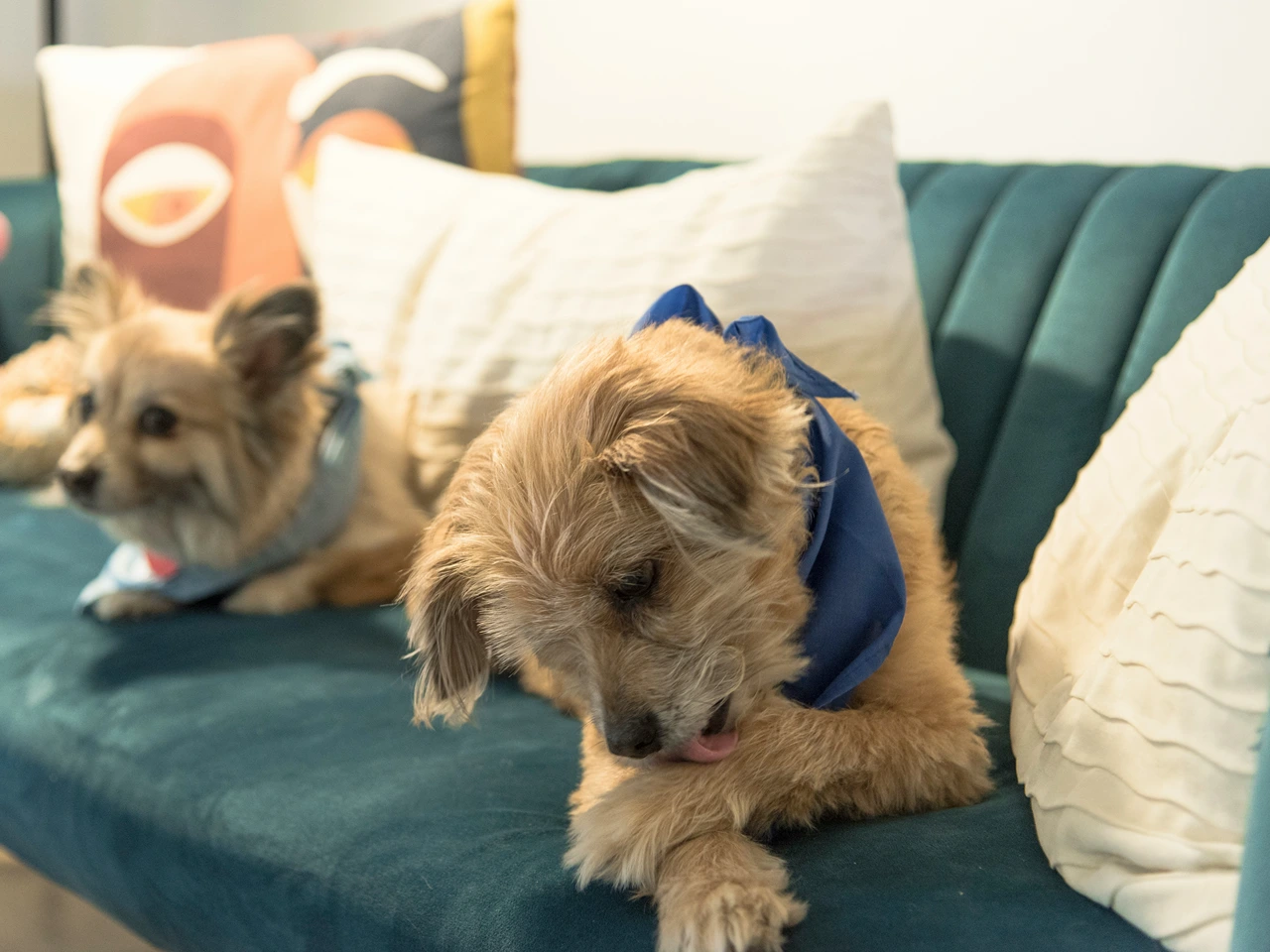
Licking is a natural and common behaviour that helps dogs stay clean and comfortable. A little paw licking here and there is perfectly normal too; it’s just their way of tidying up and getting rid of dirt, dust, or tiny irritants after a walk or playtime. Also, dogs often lick their wounds to soothe minor irritation, just as they would naturally in the wild.
However, there’s a difference between healthy grooming and excessive paw licking. When your dog frequently licks their paws, chews, or nibbles at them for long periods, it could indicate discomfort. So, how often is too often? If you notice your dog licking paws excessively, which interrupts sleep, playtime, or causes redness and swelling, it’s time to take a closer look or consult your vet.
Common Reasons Why Dogs Lick Their Paws
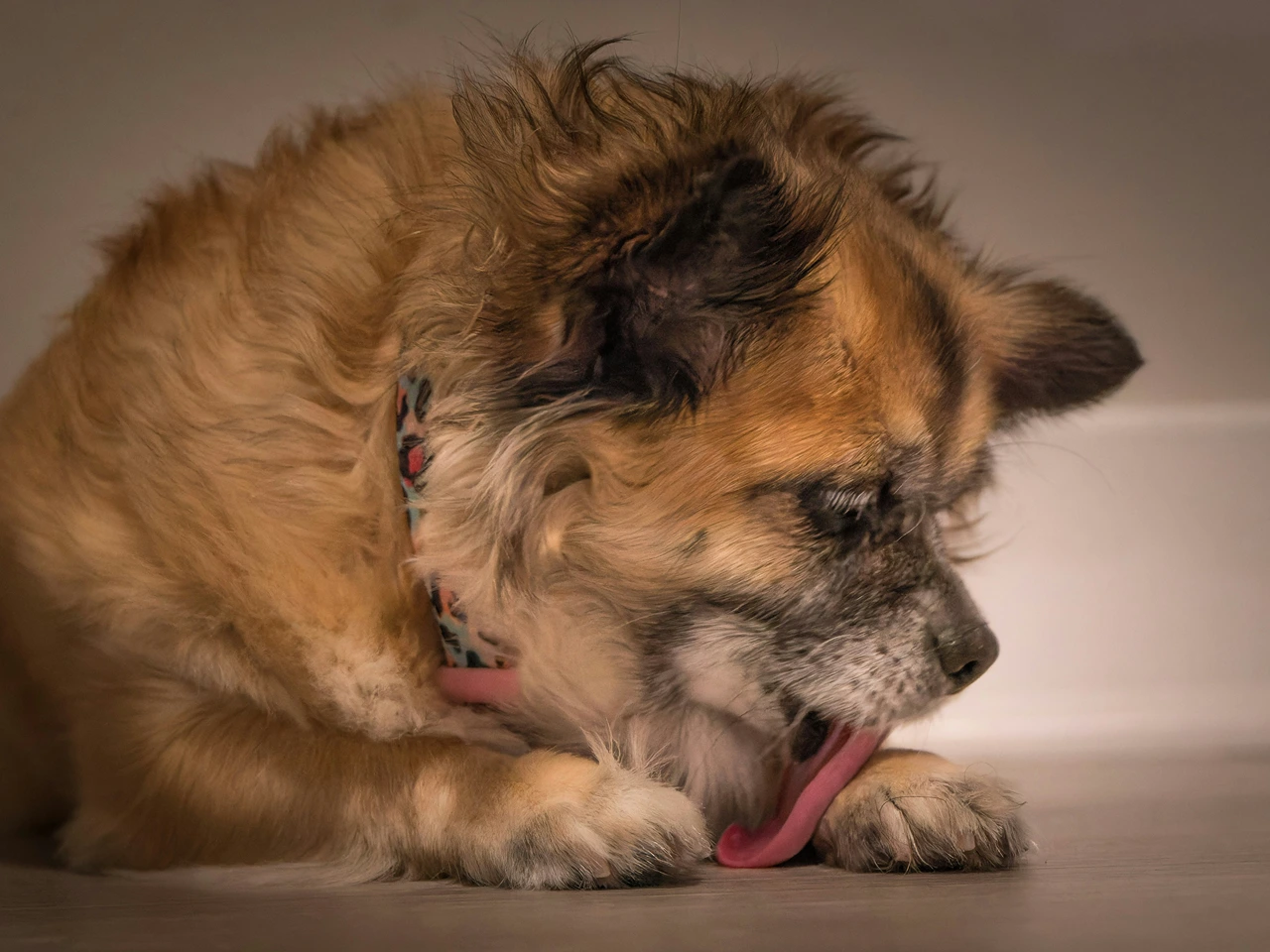
There are many reasons why your dog may be licking their paws, some completely harmless, others a sign that something’s bothering them.
1. Basic Hygiene and Cleaning
Many dogs lick their paws simply as part of their daily grooming. It’s normal for dogs to clean their feet after walks, playtime, or meals — especially if they’ve stepped in something sticky or muddy.
2. Allergies (Environmental or Food)
Allergies are one of the top reasons for paw licking. Environmental triggers like pollen, mould, or dust mites are known to cause itchy paws, while certain food ingredients can do the same. If your dog keeps licking nonstop, they may be trying to soothe that itch, many will even obsessively lick their paws for relief.
3. Minor Injuries (Cuts, Splinters, Burns)
Sometimes dogs lick their paws because something small is bothering them. If your dog keeps licking one of their paws, it might be a sign your dog has a cut, splinter, or burn. Take a moment to examine the paws for any redness or swelling.
4. Dry or Itchy Skin
Dry or flaky skin can make dogs just as uncomfortable as it makes us. This often happens during cold or dry months when humidity drops. A little extra moisturizing care or a vet-approved shampoo can go a long way before the licking can cause more irritation.
5. Boredom or Anxiety
When dogs are bored, lonely, or anxious, they may lick their paws as a way to comfort themselves. It’s similar to nail-biting in humans. Over time, this can lead to acral lick dermatitis or even a lick granuloma if left unchecked.
6. Parasites (Fleas, Ticks, Mites)
Even a single flea bite can make your dog’s paws unbearably itchy. If your dog has sensitive skin or allergies, that irritation can make them lick their paws nonstop just to feel better. Regular flea treatments and checking for ticks or mites can help keep your dog’s skin calm and their paws feeling comfy.
7. Joint Pain or Arthritis
If your older dog is dealing with joint pain or arthritis, they might lick around sore spots to ease the ache. You’ll often see them focus on one of their paws or legs more than the others. Since licking can cause more irritation, it’s best to check in with your vet for pain management options.
8. Foreign Objects Between Paw Pads
Dogs can develop irritation from small stones, thorns, or grass seeds that get stuck between their pads — it happens more often than you’d think. If your dog is focusing on one paw in particular, it might be worth a gentle examination of the paws to make sure nothing is wedged in there.
When You Should Worry

It’s totally normal for dogs to lick their paws once in a while, but if they’re doing it constantly or really going at it, it could lead to irritation or even an infection.
- Red or inflamed paw pads: Persistent redness or swelling can indicate irritation, allergies, or early infection caused by excessive licking.
- Hair loss around paws: When your dog licks too often, the constant moisture can damage hair follicles and lead to bald spots or thin patches.
- Development of hot spots or infections: Overlicking creates damp areas where bacteria and yeast thrive, often resulting in painful sores or foul odours.
- Limping or avoiding pressure: This could mean the licking is due to pain, injury, or a deeper issue, such as a foreign object or infection.
- Constantly licking their paws to the point of rawness: If the skin becomes red, cracked, or raw, it’s a clear sign that the licking has gone too far.
If you notice any of these symptoms, take your dog to the vet as soon as possible. Addressing the cause early helps prevent worsening wounds and stops bacteria from entering the skin.
What to do When Your Dog is Licking Its Paws
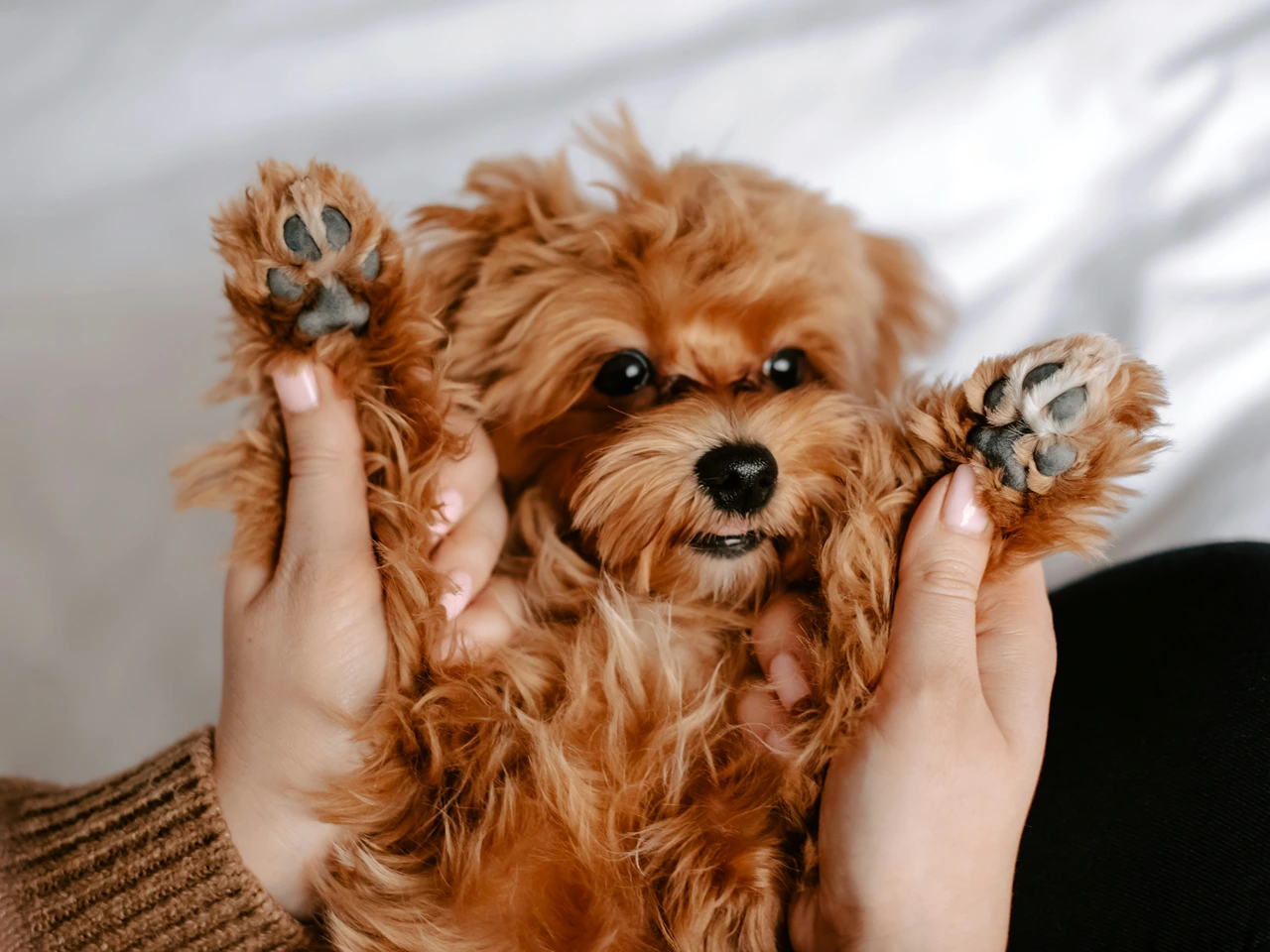
When your dog starts licking their paws more than usual, don’t panic, but don’t ignore it either. Being observant and taking small, consistent steps is part of responsible dog ownership.
- Inspect paws thoroughly: Take a close look between the toes and under the pads for tiny cuts, swelling, or anything stuck there. Sometimes it’s as simple as a pebble or grass seed causing the fuss.
- Clean paws regularly: Wipe them down with a groomer-approved dog paw cleaner, then dry the paws completely. This simple habit keeps dirt, moisture, and bacteria from causing infections.
- Monitor frequency and duration: Notice how often your dog is licking and for how long. Occasional licking is fine, but constant licking can be your pup’s way of saying something’s wrong.
- Check for environmental triggers: Dust, grass, pollen, or even your floor cleaner could be irritating their paws, causing your dog to lick more. Try removing or changing what might be causing the itch.
- Consider dietary changes: If food allergies might be to blame, talk to your vet about switching dog food to a hypoallergenic or limited-ingredient diet—it can make a big difference.
- Consult your veterinarian if persistent: If your dog just won’t stop licking or you spot sores or redness, it’s best to let a vet take a closer look. It’s always better to catch things early.
Try not to scold them for licking, instead, distract your dog with toys, training, or a fun walk to shift their focus and help them relax.
Treatments for Paw Licking

Treatment really depends on what’s causing your dog’s paw licking in the first place. Once your vet figures out the root of the problem, they might recommend one or more of these effective options:
Medicated paw soaks
These are great for helping soak the paws and remove any dirt, allergens, or irritants that could be making your dog uncomfortable. They also soothe itchy skin and calm inflammation, which can really help if your pup’s paws are red or irritated.
Anti-inflammatory medications
If your dog’s licking behaviour stems from pain, swelling, or arthritis, anti-inflammatory meds can provide much-needed relief. Once the discomfort eases, most dogs naturally lick less and feel more at ease.
Antihistamines for allergies
When allergies in dogs are the cause—especially environmental allergies like pollen, dust, or grass—antihistamines can help control the itching and irritation. This can make a huge difference in reducing paw licking and keeping your dog more comfortable.
Antibiotics for infections
If your vet diagnoses infections of the paws, whether bacterial or yeast-related, antibiotics or antifungal treatments may be prescribed. These clear up the infection and allow the skin to heal, breaking the cycle of irritation and licking.
Protective boots or socks
These can be a simple yet effective way to stop your dog from licking irritated spots. They also help protect your dog’s paws from dirt, allergens, and rough surfaces while their skin heals.
Alternative therapies (e.g., acupuncture)
And for older or anxious pups, gentle treatments like acupuncture can be a great way to ease pain and calm stress-related licking.
Final Thoughts
Paw licking can sometimes be your dog’s way of saying something’s not quite right. Keeping their paws clean, moisturized, and free from irritants can go a long way in keeping them comfy and preventing problems before they start.
And if your dog just won’t stop licking or seems a bit uncomfortable, don’t wait it out—consult with a vet, who can help figure out what’s really going on. With a few simple steps and some extra TLC, you can keep your dog feeling happy and healthy.
Frequently Asked Questions
Why is my dog licking their paws so often?
It’s normal for dogs to groom, but when your dog is licking their paws frequently, there might be an underlying issue.
Allergies: Allergies are known to cause itchy, irritated skin that leads dogs to lick or chew their paws for relief.
Environmental Irritants: Grass, dust, or road salt can make paws uncomfortable, prompting your dog to clean them more often.
Injuries or Foreign Objects: Cuts, splinters, or debris stuck between pads can make dogs focus on one paw.
Dry Skin or Weather Changes: Cold air and low humidity may cause dryness, making your pet lick to soothe irritation.
Anxiety or Boredom: Some dog behaviours, like excessive grooming, can be a sign of emotional stress or restlessness.
Does excessive licking need attention?
Yes, occasional licking is fine, but excessive licking can signal health or behavioural problems.
Persistent Itching: If your dog licks their paws excessively, it might point to allergies, yeast infections, or fleas.
Signs of Pain: Dogs often lick near painful joints or injuries as a way to comfort themselves.
Infection Risks: Moisture from too much licking can create sores or hot spots that get infected.
Behavioural Triggers: Anxiety or compulsive behaviours can escalate when left unaddressed without training or stimulation.
Seek Expert Help: A dog trainer or behaviourist can help you identify emotional causes and correct obsessive paw-licking patterns.
Why do dogs develop the habit of paw licking in the first place?
Some dogs learn to lick their paws as a coping or comfort habit rather than from a medical issue.
Self-Soothing Behaviour: Dogs lick their paws when they are feeling anxious or seeking comfort from stress.
Learned Attention-Seeking: If licking earns your reaction, they might repeat it for engagement.
Past Discomfort: The licking might have started from an old itch or injury that became habitual.
Lack of Enrichment: Dogs without enough mental or physical activity can turn to repetitive grooming.
Emotional Reinforcement: Certain dog behaviours become ingrained over time if not redirected early.
What health problems can paw licking indicate?
Sometimes, frequent paw grooming signals an underlying disease in dogs that shouldn’t be ignored.
Yeast or Bacterial Infections: These cause inflammation, odour, and continuous paw biting.
Allergic Reactions: Some foods or environmental triggers may irritate skin, making your dog lick for relief.
Arthritis or Joint Pain: Older dogs may lick near painful joints or paws due to stiffness.
Parasites: Fleas or ticks on the legs and paws can cause itching and excessive grooming.
Behavioural Disorders: Compulsive licking can lead to lick granulomas or sores if not addressed promptly.
How can I help my dog stop licking their paws excessively?
If your dog licks its paws too much, it’s time to take simple but effective steps to improve comfort and health.
Check Often: Take a quick look at your dog’s paws every now and then for any cuts, thorns, or swelling, and give them a gentle clean if needed.
Handle Allergies: If allergies seem to be the issue, chat with your vet to figure out what’s causing them and how to keep flare-ups under control—whether through diet changes or meds.
Keep Paws Safe: A good pair of dog boots or a layer of paw balm can go a long way in protecting those sensitive paws from harsh surfaces and irritants.
Reduce Stress: Provide toys, walks, and attention to help your dog cope with boredom or anxiety.
Veterinary Visit: If nothing works, try taking your dog to a vet for a professional exam that may include paw licking evaluation and treatment.

