


TL;DR: What You Need to Know About Colds and Flu in Dogs
- Short answer: Yes, dogs can get colds, but not yours. A dog cold is a mild upper respiratory tract infection caused by canine viruses and bacteria, not the human cold virus.
- Common causes: Usually kennel cough, which is often Bordetella teamed up with a virus. Canine parainfluenza, adenovirus, respiratory coronavirus, and canine influenza are the other usual suspects.
- Symptoms: Think sneezing, a drippy nose, a cough, maybe goopy eyes. Some dogs are a little flat or picky with food for a few days.
- Contagious?: Very, between dogs. Dog parks, daycare, boarding, and grooming salons are where most dogs catch it.
- Can I catch it?: Canine respiratory viruses generally don't spread to people, and your cold won't spread to your dog.
- Treatment: Mostly rest. Mild cases are usually gone in one to three weeks, and your vet can add antibiotics or a cough medicine if things get worse.
- When to call: Right away for hard breathing, fever, refusing food, or a wet cough. Puppies, seniors, and flat-faced dogs should be checked for any cough.
If your dog has started sneezing or coughing and you're not sure if it's a simple cold or something more, it's normal to feel uneasy. Contact us, and our veterinary team can help you figure out whether your dog should come in.
When fall arrives, the phones at our clinic get busier, and many pet owners want to know one thing: can dogs get colds like we do? Usually it starts with a sneeze, then a honking cough after a weekend at daycare. It sounds a lot like the cold going around your office, and in some ways it is.
Dogs don't catch human colds, but dogs can contract their own respiratory infections, and cold and flu season in Canada tends to bring more of them. Dogs spend more time indoors together at daycare, play groups, and holiday boarding. Ontario also saw an outbreak of canine influenza in 2018, so it isn't just a theoretical risk here.
Below, we cover what a dog cold really is, how it compares with dog flu and kennel cough, what symptoms to watch, how vets treat it, and how to prevent it. Read on to learn how to keep your dog healthy this season.
Can Dogs Get Colds Like Humans Do?
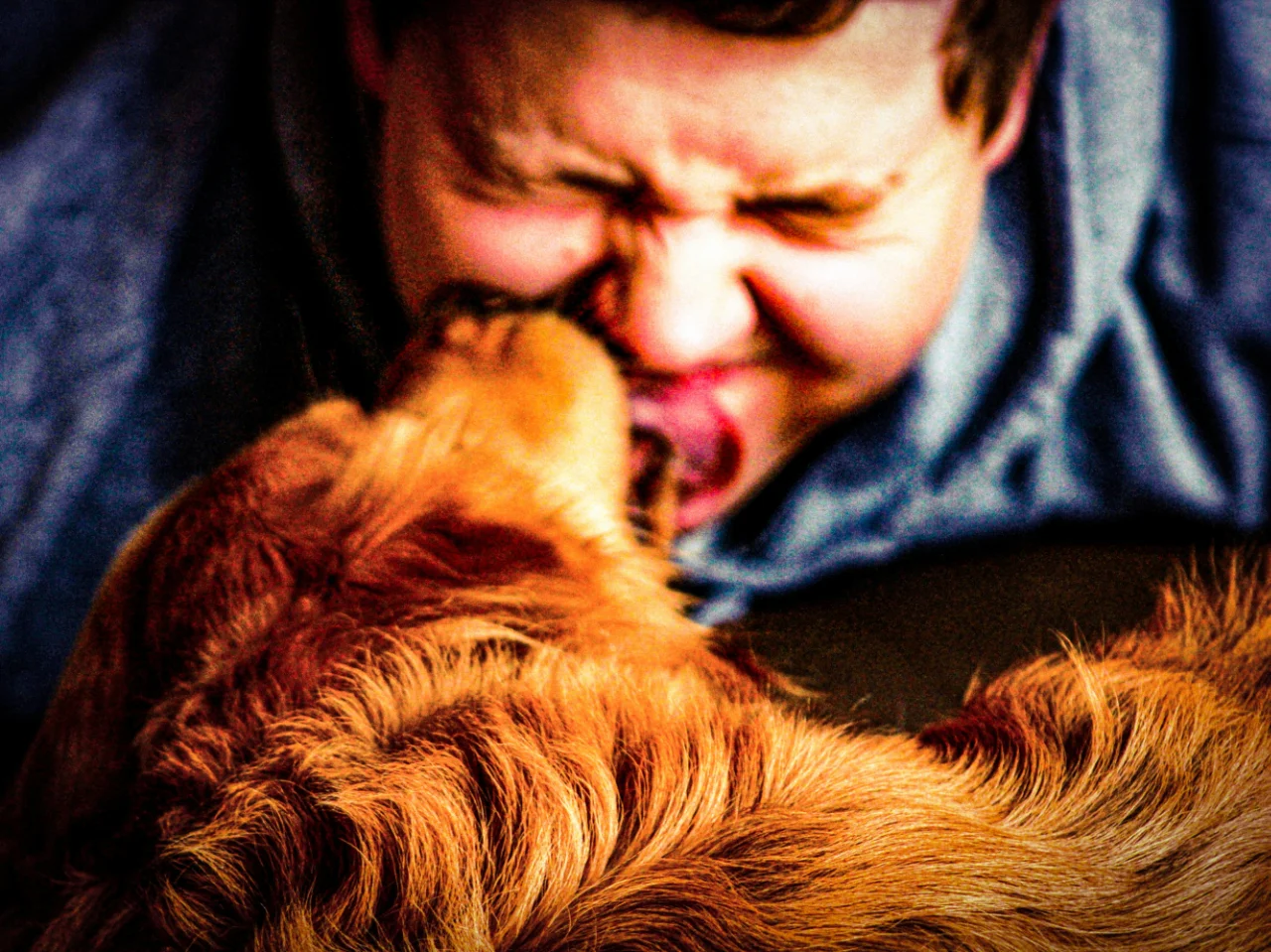
The answer is yes and no. Dogs can catch a cold in the sense that they get mild infections of the nose, throat, and airways. They can't catch the human cold virus, though. The rhinoviruses that give you a stuffy nose are adapted to people, and dogs have their own set of bugs.
It works the other way too. The viruses that cause colds in people don't bother dogs, and canine bugs rarely affect humans, so go ahead and cuddle your sniffly dog.
What vets mean by a "dog cold"
Vets have a mouthful of a name for "dog colds": canine infectious respiratory disease complex, or CIRDC. It's less one disease than a gang of viruses and bacteria that often show up together. The regulars:
- Bordetella bronchiseptica: The bacterium most people mean when they say kennel cough.
- Canine parainfluenza virus: Spreads fast and turns up wherever dogs gather. Learn more about canine parainfluenza.
- Canine adenovirus type 2: Brings on a dry cough. Routine vaccines cover it.
- Canine respiratory coronavirus: Not the same virus as COVID-19.
- Canine influenza virus: Actual dog flu (more on that below).
Dog Flu vs. a Common Cold: What's the Difference?
A cold and the flu can bring similar flu-like symptoms in dogs at first, but the flu tends to hit harder.
Canine influenza
Canine influenza is caused by two influenza A strains, H3N8 and H3N2. In 2018, Ontario had its first big H3N2 outbreak, with about 100 confirmed cases linked to dogs imported from Asia. It's highly contagious. Almost every dog exposed to the virus becomes infected because they have no natural immunity.
Common dog flu symptoms include:
- A cough that hangs on for 10 to 30 days
- Fever, plus a dog who's tired and not hungry
- Thick, cloudy nasal discharge
- Quicker breathing when it's more serious
Most dogs recover fine. A few develop severe symptoms like pneumonia and end up needing hospital care.
Can dogs get the flu from people?
The dog flu and human flu are different viruses. So far, there's no evidence that canine influenza infects humans. Rarely, dogs have tested positive for other viruses, like the virus that causes COVID-19 or bird flu, after close contact with infected people or infected animals such as birds. Our post on whether dogs and cats can get COVID covers that in more detail.
Cold Symptoms in Dogs to Watch For

Cold-like symptoms in dogs usually show up three to ten days after contact with other dogs who are sick (see our post on the kennel cough incubation period). Watch for:
- Sneezing: Occasional sneezing is normal. A dog sneezing a lot, especially with discharge, is not. See our guide to dog sneezing a lot.
- Runny nose: Clear discharge is common early on. Yellow or green discharge suggests a secondary bacterial infection.
- Coughing: A dry, honking cough is typical of kennel cough. Here's how to tell apart dog coughing and gagging.
- Watery eyes: Mild eye discharge often goes along with nasal signs.
- Low energy: Your dog may nap more and skip a walk or two. (Not every sleepy dog is sick, though; seasonal lethargy in dogs is common in winter.)
- Reduced appetite: A blocked nose can make food less appealing. If it lasts, read about why a dog is not eating or drinking.
Many dogs with a mild cold still act fairly normal. That's a good sign. A dog who is quiet, hiding, or not eating is showing signs of illness beyond a sniffle, and it's time to take them to the vet.
How Do Dogs Catch Colds and Flu?
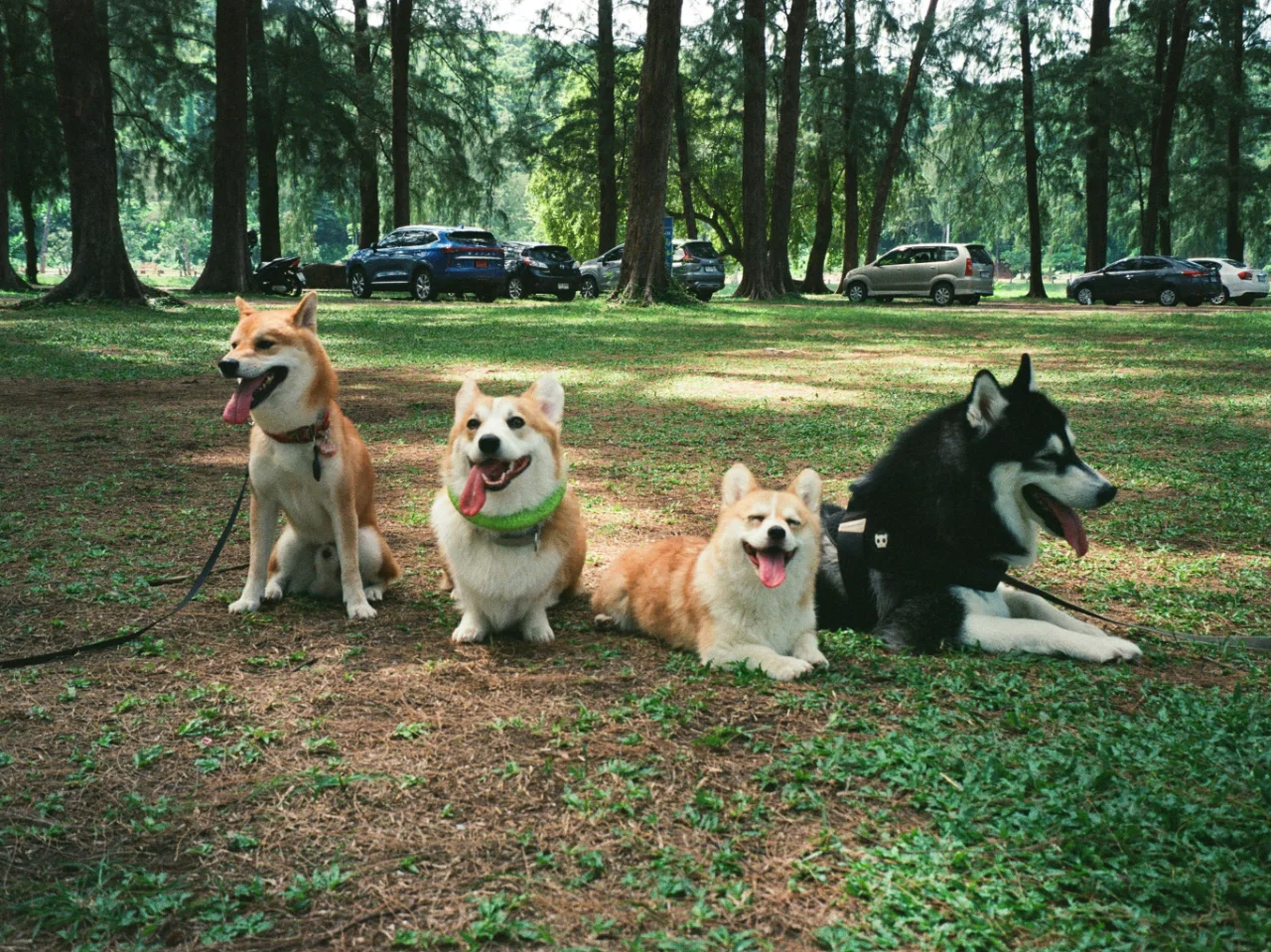
It's mostly droplets. One good sneeze can carry across a room, and the germs hang around on water bowls, toys, leashes, and people's hands for hours afterward.
High-risk places
- Dog parks and daycare: Dozens of sniffs and shared toys in an afternoon.
- Boarding and grooming: Indoors, close quarters, and dogs who are a bit stressed, which doesn't help.
- Training classes and shows: A room full of dogs from different homes.
- Shelters and rescues: A new adoptee sometimes brings a cough home with them. Cats can pick up some of these germs too, so here's what to know when your cat has a cold.
Why some dogs get sicker
Age matters. Puppies haven't built up much immunity yet, and seniors and dogs with compromised immune systems have less in reserve, so a simple cold can slide into pneumonia more easily. Pugs, Frenchies, and Bulldogs already breathe through narrow airways, which leaves little room for swelling and mucus. Our cold weather doesn't cause colds, but a chilled, stressed, run-down dog fights them off less well. Our tips on how cold is too cold for dogs can help.
How Vets Diagnose and Treat a Dog Cold
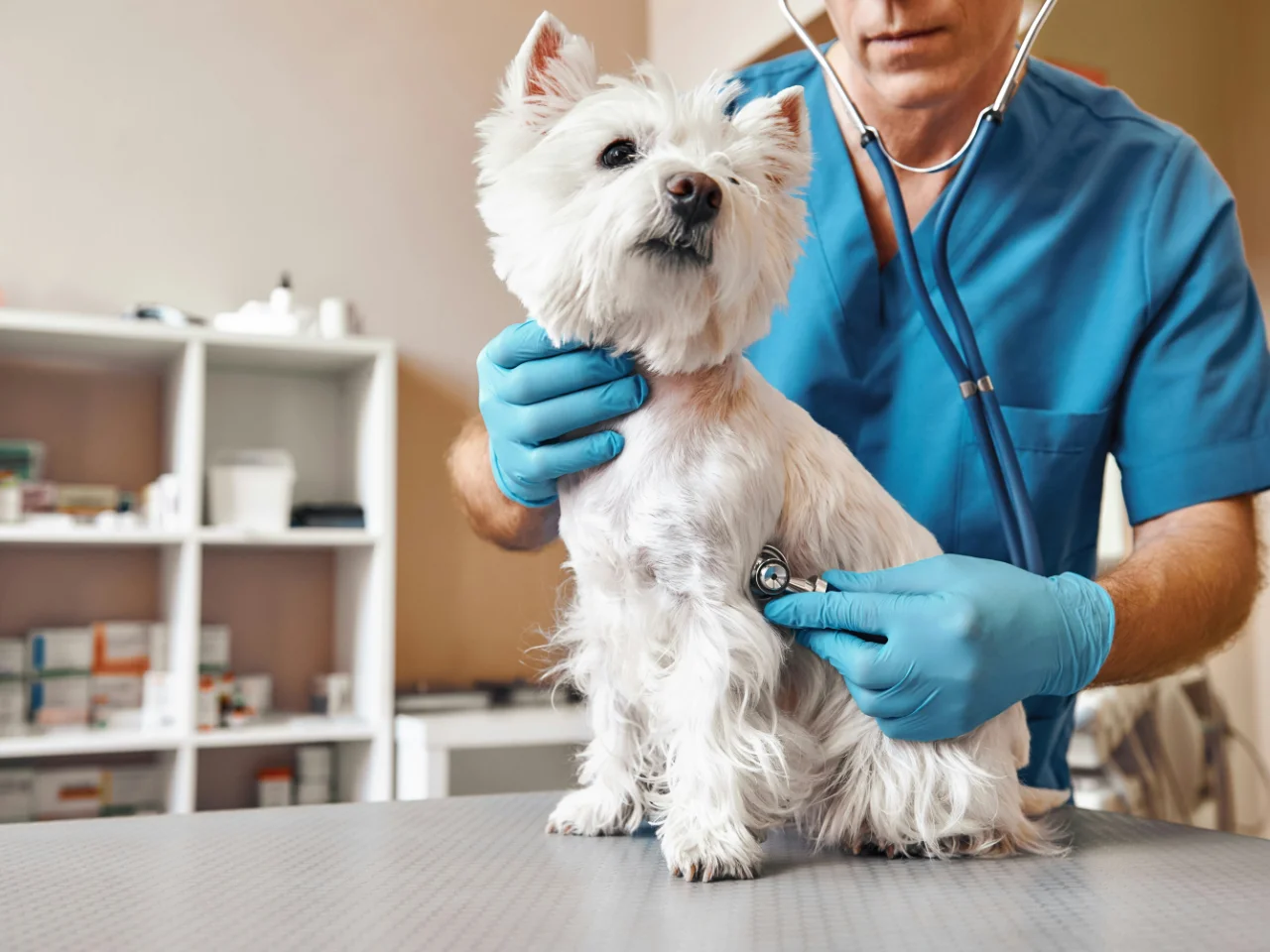
A cold visit is rarely a long one. Expect a stethoscope on the chest, a thermometer, and a few nosy questions from us (a daycare day recently? a new foster at home?).
If there's a fever, the breathing looks hard, or the cough has gotten worse over a few days, we'd usually want some tests:
- Chest X-rays: These show whether pneumonia has set in.
- PCR respiratory panel: A quick swab of the nose or throat that names the exact bug.
- Blood work: Gives a picture of how hard your dog's body is fighting.
Treatment options
Since most dog colds are viral, no pill knocks out the virus itself. The job is to keep your dog comfortable while their body does the work:
- Rest: No dog park for a while. Short, boring walks are perfect.
- Humidity: Run a humidifier, or sit with your dog in the bathroom while the shower runs hot. The steam loosens mucus.
- Fluids and food: A stuffy dog can't smell much, so warming their food a little makes it more tempting.
- Harness instead of collar: Keeps pressure off a sore throat.
- Prescription medication: If needed, your vet might prescribe antibiotics for secondary infections, a cough suppressant, or an anti-inflammatory.
One firm rule: no human cold or flu medicine unless your veterinarian prescribes it. Plenty of those products contain acetaminophen, decongestants, or xylitol, and all three can poison a dog.
How to Prevent Colds and Flu in Dogs
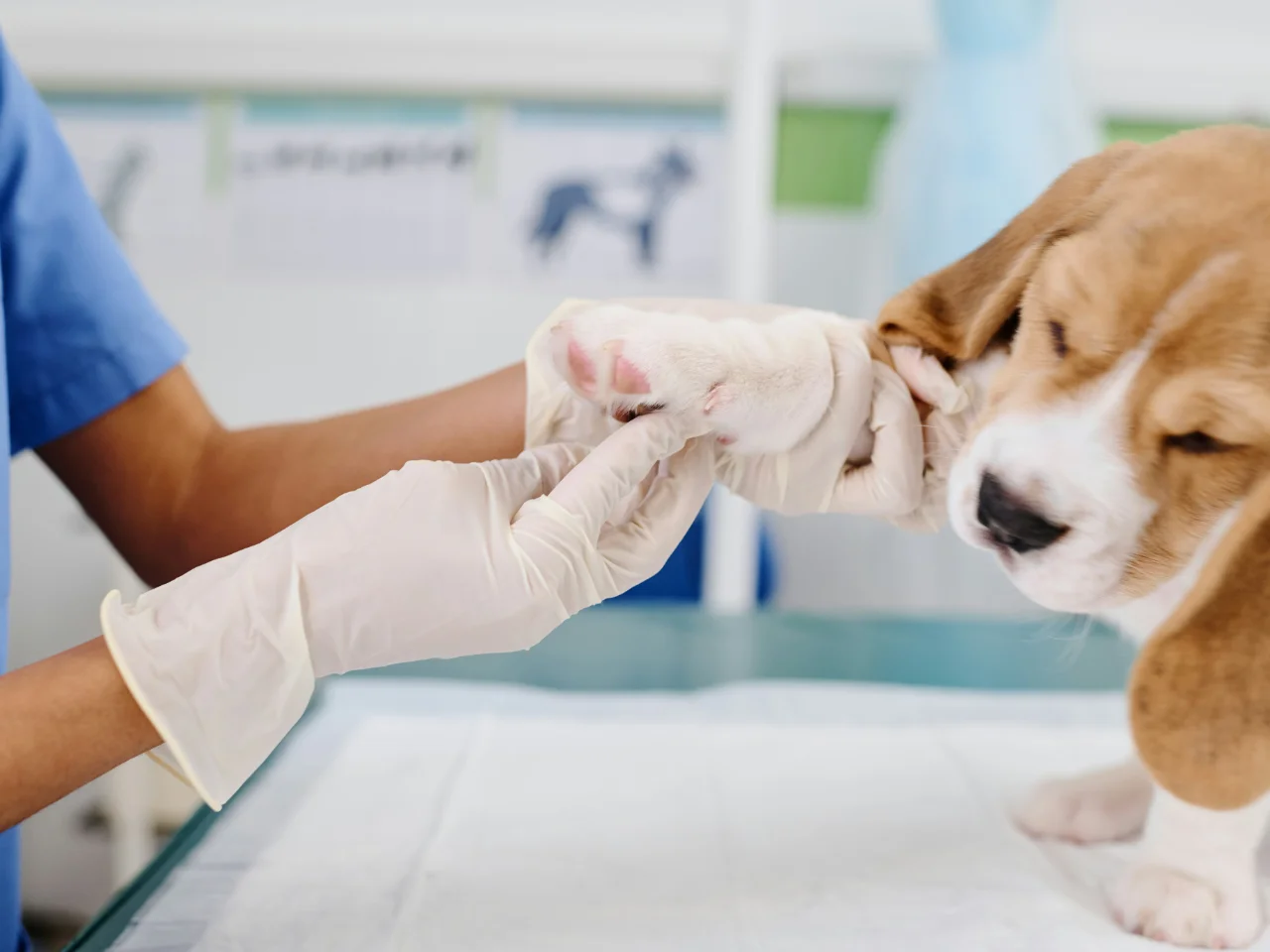
You can't make a dog sniffle-proof. You can make a cold a lot less likely, though.
- Keep vaccines current: The core vaccinations your dog already gets cover parainfluenza and adenovirus. If your dog is the social type, off to daycare twice a week or boarding over the holidays, we'll usually add Bordetella and the flu vaccine. Our dog vaccination guide explains what each one does.
Common sense covers the rest. A coughing dog stays home from daycare, boarding, and training class for about two weeks; that's the biggest favour you can do the other dogs. At the dog park or on a patio, use your own water bowl.
Toss bowls, toys, and the leash in for a wash every so often. And keep the yearly wellness exam on the calendar, because that's where we spot the small stuff early.
Booking holiday boarding? Ask what vaccines they want, because many kennels need Bordetella at least a week before drop-off.
Final Thoughts
Dogs do get colds. They just get dog colds, from dog germs, and most shake them off in one to three weeks.
After daycare or a kennel stay, keep an ear out for coughing and an eye on energy and appetite. Trouble breathing, no interest in food, a fever, or a cough in a very young, old, or flat-faced dog all mean it's time to call.
Vaccines and a bit of common sense carry a lot of weight this time of year. If your dog has started coughing or sneezing, contact us and we'll help you sort out next steps. If breathing looks laboured or your dog seems really unwell, call our emergency team right away.
Frequently Asked Questions
How long does a cold last in dogs?
Most mild dog colds last one to three weeks.
- Kennel cough: The cough can linger for up to three weeks.
- Canine influenza: The cough may last 10 to 30 days.
- Contagious period: Dogs can spread infection for two weeks or more.
- Getting worse: Symptoms that worsen after a week need a vet visit.
- Rest helps: Calm, quiet days speed recovery.
Can my dog give a cold to my cat?
Sometimes. Most dog and cat viruses are species-specific, but some germs cross over.
- Bordetella: Can spread between dogs and cats.
- Cat colds: Usually come from feline herpesvirus or calicivirus.
- Separate bowls: Keep pets' dishes apart while one is sick.
- Watch your cat: Sneezing or eye discharge in your cat needs attention.
- Vet check: A sneezy cat with a poor appetite should be seen.
Should I walk my dog when they have a cold?
Yes, just keep it low-key.
- Short walks: A potty break and a slow loop around the block is plenty.
- Avoid other dogs: They're contagious, so no parks and no greetings for now.
- Cold air: Very cold air can set off a coughing fit.
- Use a harness: Pulling on a collar presses right on an irritated windpipe.
- Watch breathing: Head home if your dog is panting hard or coughing a lot.
Is a dog cold an emergency?
Usually it isn't. Call us the same day, though, if you see any of these:
- Laboured breathing: Belly heaving at rest, or gums that look grey or bluish.
- Not eating: Your dog has turned down food for a full day.
- High fever: Warm ears, shivering, and a dog who won't get off the couch.
- Wet cough: A gurgly cough instead of a dry honk.
- High-risk dogs: Very young, elderly, or flat-faced dogs shouldn't wait it out at all.
Is there a vaccine for dog colds?
Not one shot for everything, no. But vaccines do cover most of the big culprits.
- Bordetella: Comes as nose drops, an oral dose, or a needle.
- Parainfluenza and adenovirus: Already included in your dog's core combo shot.
- Canine influenza: Protects against both strains seen in North America.
- Not 100%: A vaccinated dog can still catch a mild case.
- Ask your vet: Whether your dog boards, goes to daycare, or mostly stays home changes what we'd suggest.

