
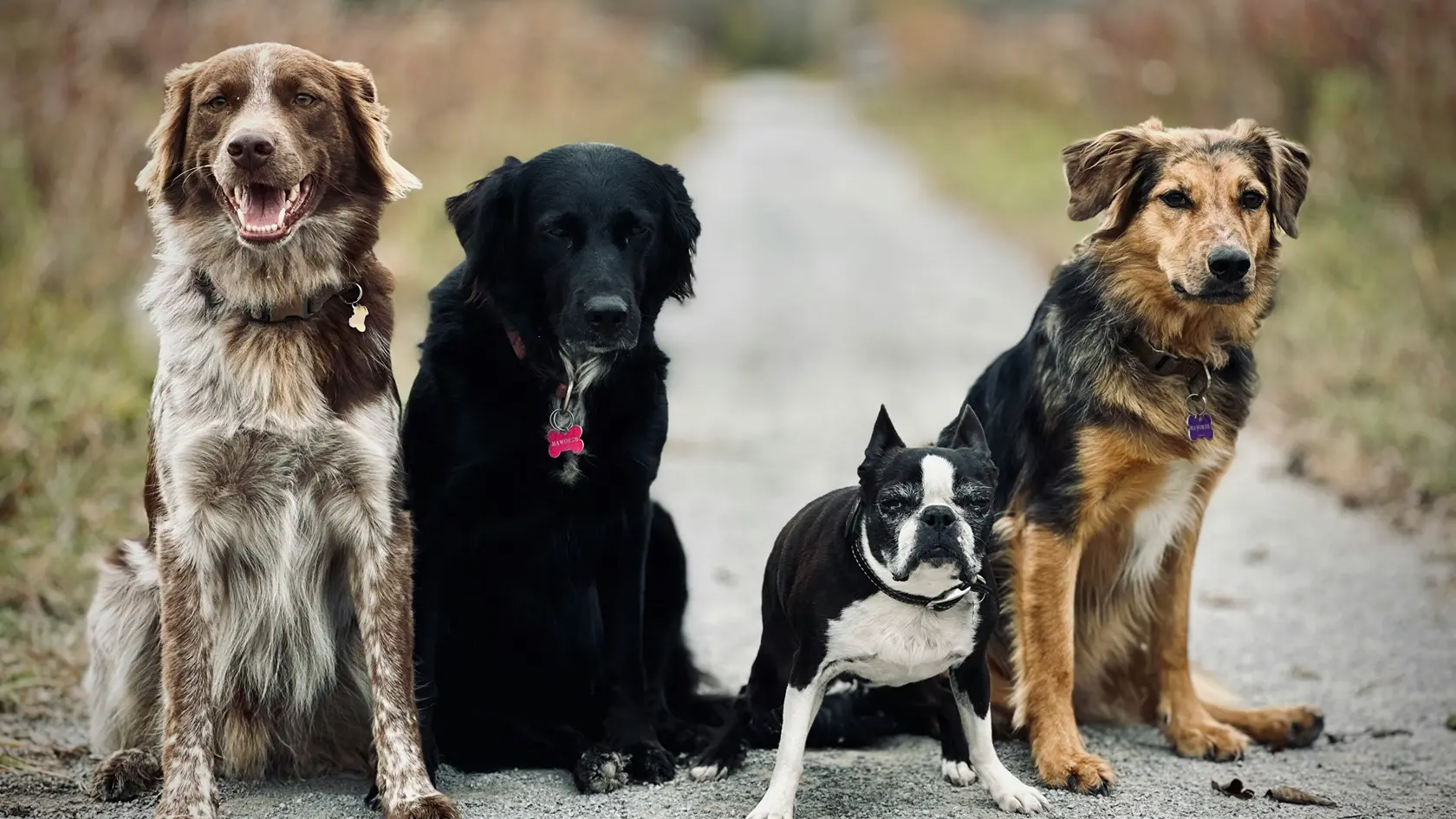

TL;DR: A Veterinary Guide to Kennel Cough in Dogs
- It's important to know the timeline: The incubation period usually lasts 2 to 14 days, and most dogs show symptoms 5 to 7 days after being exposed. This helps owners keep an eye on their dogs for early signs.
- Highly contagious but manageable: Kennel cough is an infectious bronchitis of dogs, spreading easily through airborne droplets, shared spaces, and close contact in social environments.
- Early signs are usually pretty mild: Most dogs still act totally normal and energetic, even with that dry, hacking cough, and in simple cases, they just need some rest and basic supportive care to get better.
- Prevention helps keep everyone safe: Vaccines, steering clear of crowded/high-risk spots during outbreaks, and catching symptoms early can all go a long way in stopping it from spreading between dogs.
- Why quick action helps: Dogs may spread infection before symptoms appear, so monitoring and limiting contact protects other pets and prevents larger outbreaks.
Have concerns about your dog’s cough? Contact us for guidance, early assessment, and a care plan that supports a smooth recovery while keeping other dogs safe.
Kennel cough is one of the most common respiratory illnesses seen in dogs, especially those that socialize frequently in places like dog parks and boarding facilities. Because it spreads easily between dogs, knowing when symptoms are likely to appear after exposure can help owners recognize the condition early and prevent it from spreading to other pets.
In this veterinary guide, we’ll break down everything you need to know about kennel cough, how long it takes to show up, what signs to watch for, how to help your dog feel better, and ways to prevent it—so you can act fast, support your pup’s recovery, and keep other dogs safe too.
What is Kennel Cough in Dogs?
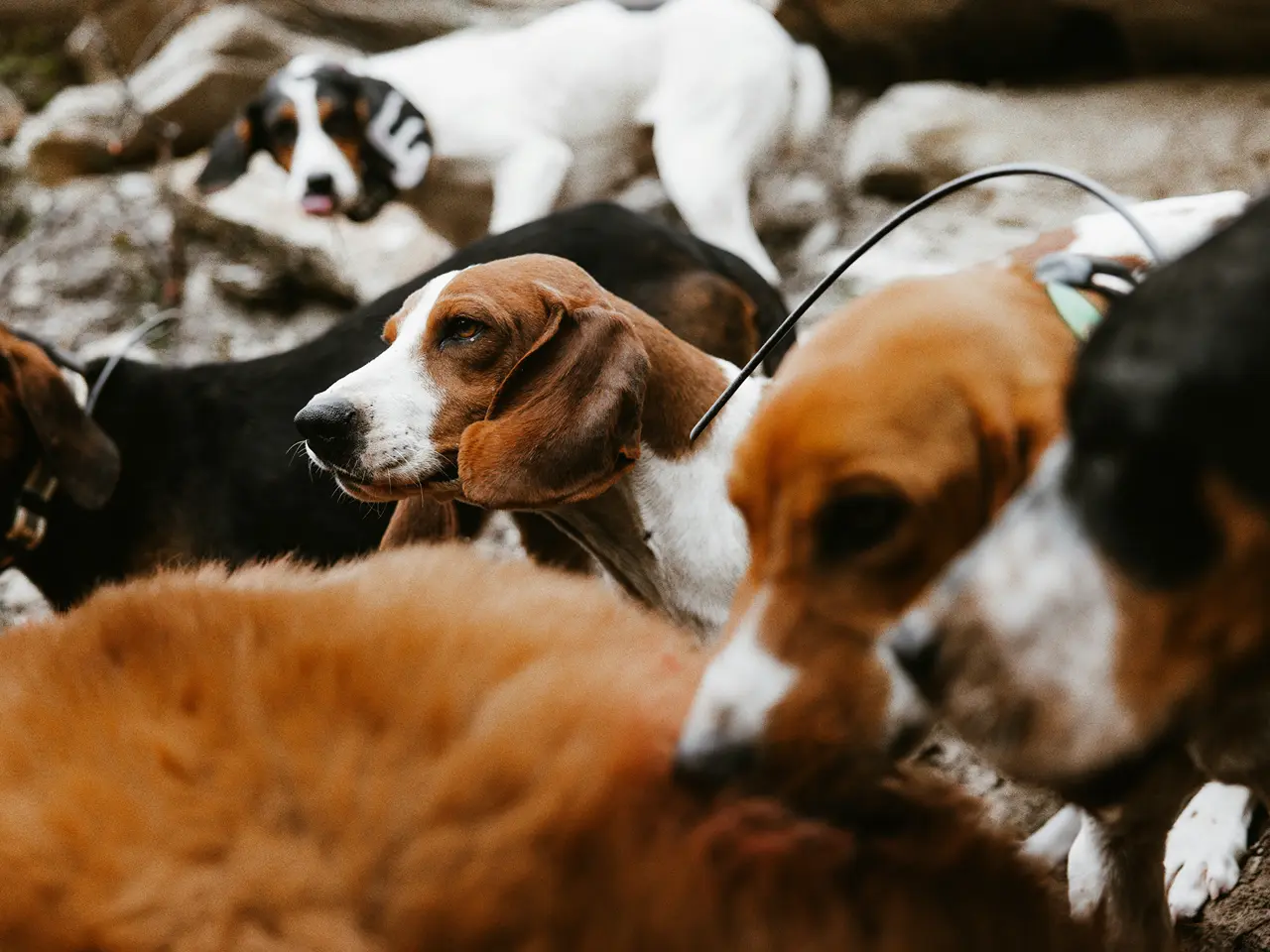
Kennel cough is an infectious respiratory disease affecting a dog’s breathing passages. It is medically known as canine infectious tracheobronchitis, as it primarily inflames the airways responsible for breathing.
This condition is highly contagious and affects the respiratory tract, particularly the trachea and bronchi. The illness develops when multiple organisms — both viral and bacterial — work together, which is why kennel cough is a complex illness rather than a single infection.
Common causes include Bordetella bronchiseptica, canine parainfluenza virus, canine adenovirus, canine adenovirus type 2, and sometimes viruses related to canine influenza or canine distemper. Because multiple infectious agents may be involved, and members of the kennel cough group of pathogens contribute, canine infectious respiratory disease provides a more accurate medical description.
Key characteristics include:
- Targets airway structures: Irritation of a dog’s throat leads to inflammation and the classic canine cough.
- Usually mild but contagious: Most dogs experience an uncomplicated case of kennel cough, meaning symptoms remain limited to the airways.
- Higher risk in young dogs: A puppy or immunocompromised dog may develop more serious complications.
- Potential complications: In rare situations, infection may progress to pneumonia, requiring intensive care or even hospitalization.
Because kennel cough is an infectious condition caused by more than one pathogen, it cannot always be completely avoided, even with prevention measures.
How Do Dogs Get Kennel Cough?
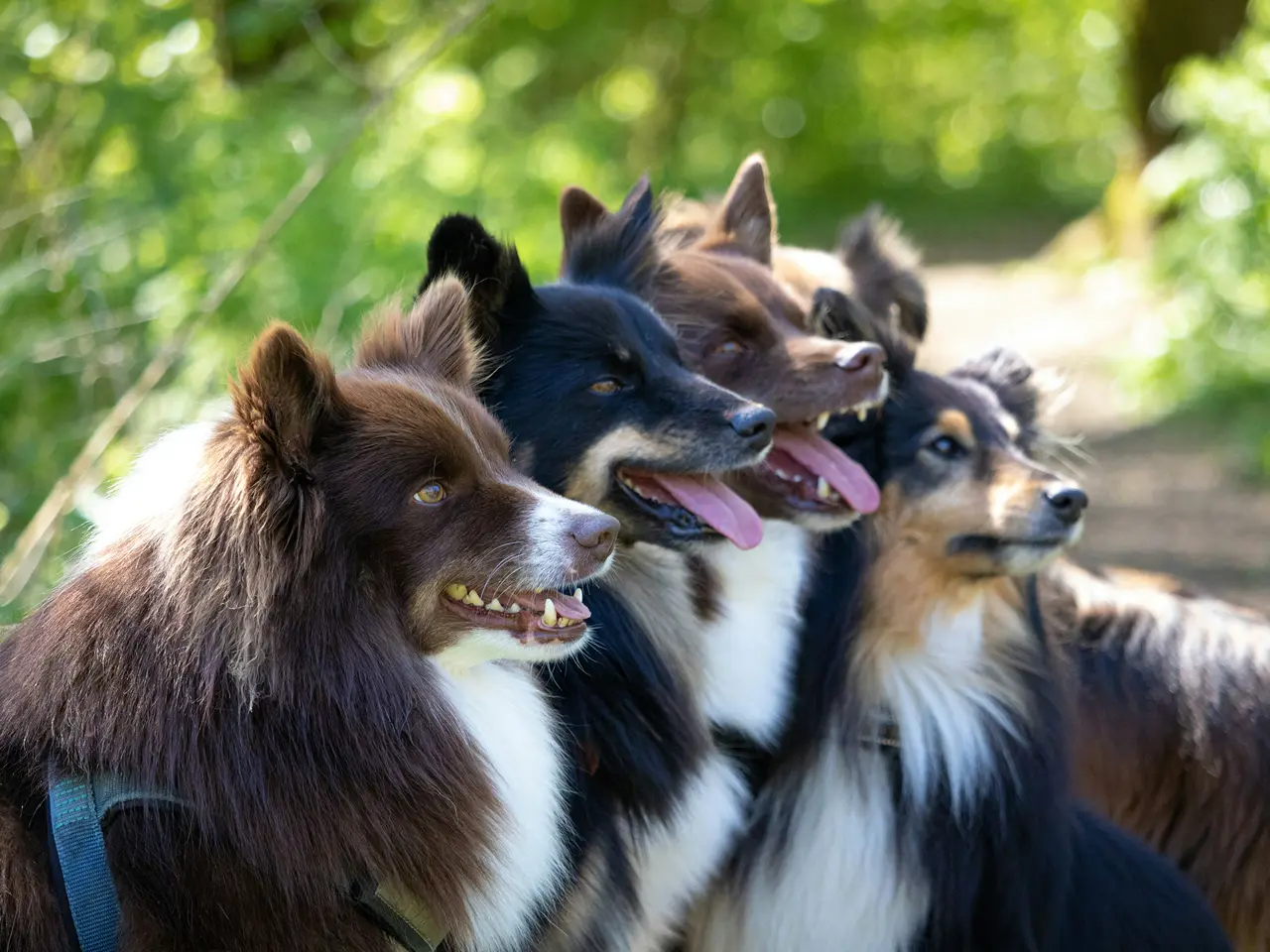
Dogs become sick when exposed to airborne organisms released by an infected dog. The disease spreads easily wherever dogs gather closely together—so even everyday social situations can carry some risk.
Airborne Droplets
When a dog coughs, it releases tiny particles into the air that other dogs can easily breathe in. This is one of the quickest ways for dogs to get sick, especially in small, poorly ventilated spaces.
Direct Contact
Friendly greetings that involve touching noses may seem harmless, but they can quickly spread germs. It doesn't take long for kennel cough to spread in close contact like this.
Contaminated Objects
Shared items like food and water bowls or toys can hold onto germs if they’re not cleaned regularly. When another dog uses them, those lingering pathogens may transfer and cause kennel cough.
Shared Resources
Communal drinking areas and feeding stations are used by multiple dogs throughout the day. This constant sharing increases the chance that dogs get infected, even without direct contact.
Crowded Environments
A crowd of dogs within enclosed spaces creates the perfect setting for germs to spread. With limited airflow and close proximity, infectious particles can circulate much more easily.
Boarding Environments
Being in a boarding kennel or similar place for a long time naturally increases exposure. Even clean and well-kept places can be dangerous when there are a lot of dogs in the same area.
Social Gathering Areas
Dog parks, daycare centers, or events with highly social pets often mean high exposure to a crowd. The more dogs that interact, the greater the likelihood of transmission.
These conditions are some of the common reasons why dogs get infected rapidly, especially when ventilation is limited or sanitation is inconsistent.
Kennel Cough Incubation Period: How Long Before Symptoms Appear

The kennel cough incubation period refers to the time between exposure to infectious organisms and the appearance of clinical signs. Symptoms typically develop within 2–14 days after exposure, although most dogs begin showing signs within 3–10 days, with clinical symptoms most commonly appearing around 5–7 days.
During this incubation phase, some dogs may already spread infection even before obvious symptoms of illness begin, meaning transmission can occur while an infected dog still appears healthy. At this stage, infectious organisms multiply within the respiratory tract while the affected dog may seem completely normal.
Because shedding can occur before symptoms are noticeable, kennel cough can spread quickly, and outbreaks may develop quickly after just one case of kennel cough enters a group environment such as a kennel, daycare, or shelter.
Common Symptoms of Kennel Cough in Dogs
Recognizing early clinical signs helps prevent spread and allows faster care—especially if you notice changes in your dog’s usual behaviour.
Typical symptoms include:
- Strong, dry cough: A coughing dog often develops a persistent, dry cough that sounds like a goose honk. This distinctive cough that sounds like something stuck in the throat is usually the first sign dog owners notice.
- Gagging or retching: If the dog's airways are irritated, it may gag or retch, as if it is trying to get something out of its throat. This can happen along with a lot of coughing.
- Sneezing: Some dogs may sneeze more often as the upper respiratory tract becomes irritated. While mild, this symptom can add to overall discomfort.
- Runny nose: When the nasal passages become inflamed, a light nasal discharge may come out of the nose. This symptom is usually mild but easy to see, especially in dogs that are active.
- Watery eyes: Irritation and inflammation can extend to the eyes, causing them to appear watery. This is often subtle but may accompany other respiratory signs.
- Low energy: Dogs are usually only mildly sick, but some may be less active or seem less playful than usual. In mild cases, energy levels usually stay pretty normal.
- Less appetite: A dog may lose its appetite a little, but if you notice a fever or appetite loss, you should see a vet right away. Taking care of things early on helps avoid problems.
In cases of uncomplicated kennel cough, most dogs remain alert and active despite the coughing, which helps distinguish it from more severe respiratory illnesses.
Dog Kennel Cough Treatment Options
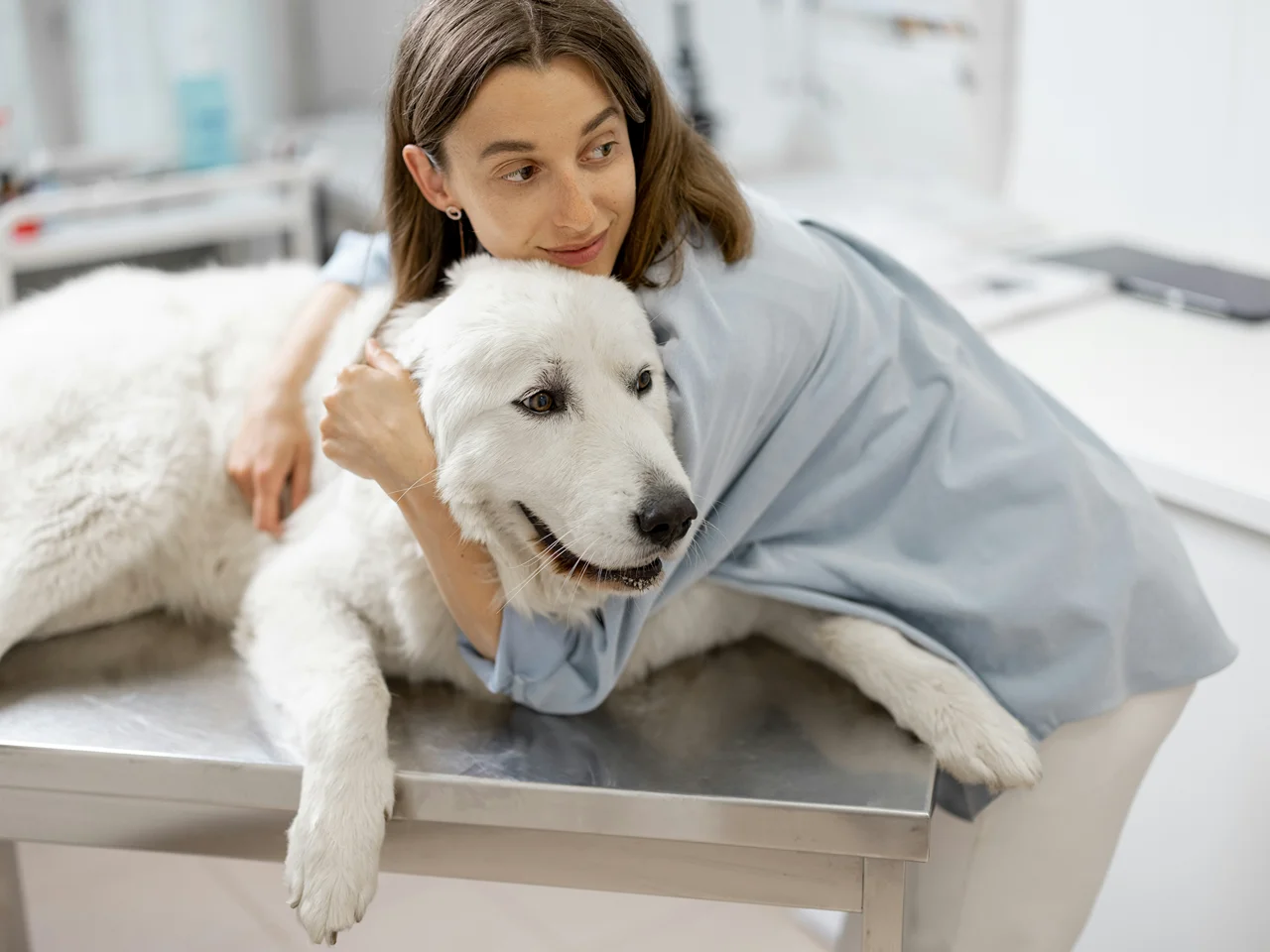
Treatment focuses on comfort, preventing complications, and limiting the spread among dogs with kennel cough—so supportive care plays a big role in recovery.
Rest and Isolation
Keeping your dog well-rested and away from other dogs will help stop the spread while the body heals. This easy step is often one of the best ways to help your dog get better.
Medications
A veterinarian may prescribe an antibiotic if a secondary bacterial infection is suspected. Not all cases need medication, but it’s important to follow professional guidance when they do.
Symptom Relief
Cough suppressants can help ease the irritation and give the airway time to heal. These are usually suggested when coughing happens a lot or gets in the way.
Humidified Air
Using humidified air, such as from a humidifier or a steamy bathroom, can help soothe inflamed respiratory tissues. This can make breathing more comfortable during recovery.
Natural Soothing
Sometimes, a little bit of honey can help soothe a sore throat, but only if a vet says it's okay. It's a mild option that can go along with other treatments.
Recovery Timeline
Most mild cases get better on their own within 1–3 weeks as dogs recover from kennel cough. With the right care and attention, symptoms slowly get better during this time.
If a dog’s condition worsens, lethargy increases, or breathing difficulty develops, veterinary reassessment is necessary since infection can occasionally progress to pneumonia.
An uncomplicated case of kennel cough typically improves without aggressive therapy, but consistent monitoring helps ensure a smooth recovery.
Importance of Vaccines in Preventing Kennel Cough in Dogs

Vaccination plays a key role in reducing illness severity and protecting dogs—especially those that are social and frequently interact with other pets.
- Bordetella vaccination: This vaccine targets Bordetella bronchiseptica, one of the main viral and bacterial causes of kennel cough. It helps prepare the immune system to respond quickly if exposure occurs.
- Severity reduction: Even if a vaccinated dog becomes infected, vaccines help prevent infection or reduce how sick the dog becomes. Illness is often milder and shorter in duration.
- Not absolute protection: Because kennel cough can be caused by more than one pathogen, the kennel cough complex cannot be prevented completely. Vaccination lowers the risk, but it doesn't guarantee full immunity.
- Facility requirements: Many boarding kennels and daycare centres require proof of vaccination before dogs can board, helping minimize outbreaks in shared spaces.
- Best for social pets: Highly social dogs that visit dog parks, daycare, or other public areas benefit the most from vaccination, as it reduces their chances of severe illness.
- High-risk protection: Vaccines serve as a core preventive measure for dogs at risk of kennel cough from one complicated outbreak source, protecting them during high-exposure situations.
A vaccination program may also include protection against adenovirus, canine influenza, and canine distemper. This lowers the risk of respiratory infections even more and keeps your dog healthier around other dogs.
Final Thoughts
Kennel cough isn’t just one single disease—it’s actually caused by a mix of different organisms working together, which explains why outbreaks still occur despite good prevention. Most dogs with kennel cough have a mild case and get better with rest and care.
Early recognition of symptoms, limiting exposure, and working with a trusted veterinary professional remain the best ways to protect your pet and other dogs — especially during the first 14 days after potential exposure. If your dog has kennel cough, prompt care can reduce complications and help prevent wider transmission in shared environments.
Frequently Asked Questions
How serious is canine infectious tracheobronchitis (Kennel cough) in dogs?
Canine infectious tracheobronchitis (kennel cough) is usually mild, but its severity can vary depending on the dog’s overall health and risk factors.
Mild in most cases: The majority of dogs experience a self-limiting illness with a dry cough and minimal impact on energy levels.
Higher risk groups: Puppies, senior dogs, or those with weakened immune systems are more likely to develop complications.
Possible problems: If the infection isn't treated or if the symptoms get worse, it can sometimes turn into pneumonia.
Response to care: Most dogs get better within a few weeks with the right amount of rest and treatment, and they don't have any long-term problems.
When to seek veterinary care: Signs like lethargy, fever, loss of appetite, or difficulty breathing indicate a more serious condition that needs prompt attention.
How do dogs catch kennel cough?
Dogs become infected through exposure to contagious particles in shared environments or close contact with other dogs.
Airborne transmission: Coughing releases infectious droplets that other dogs can inhale, especially in enclosed or poorly ventilated spaces.
Direct contact is the easiest way it spreads: When dogs sniff each other up close or play face-to-face, germs can pass along really quickly.
Shared stuff can spread it too: Things like food bowls, toys, or bedding can carry the infection if they’re not cleaned properly between uses.
High-density settings: Dog parks, kennels, and daycare centers have a lot of dogs that interact with each other, which makes them more likely to get sick.
Environmental factors: Infectious organisms spread more easily in crowded places with bad ventilation and a lot of contact.
What is the incubation period for kennel cough?
The incubation period is the time between exposure and when symptoms first appear in an infected dog.
Typical timeframe: Symptoms usually develop within 2–14 days after exposure, with most appearing around 5–7 days.
Early infectious stage: Dogs can spread the disease before showing any signs, which makes it more likely that it will go unnoticed.
Silent progression: This is when the infection spreads in the respiratory tract, but the dog still looks healthy.
Potential for rapid spread: Outbreaks can happen quickly in group settings because of early shedding.
Importance of monitoring: Keeping a close eye on your dog after exposure helps you find early signs and stop the spread.
What are the common symptoms of kennel cough?
Recognizing symptoms early helps you manage the condition and reduce transmission to other dogs.
Persistent dry cough: A distinctive honking cough is often the first and most noticeable symptom.
Gagging or retching: If your dog is gagging or retching, it could be because their throat is irritated.
Nasal and eye discharge: A mild runny nose and watery eyes can happen when the lungs are inflamed.
Changes in behaviour: Some dogs have less energy or are a little lethargic.
Changes in appetite: You might notice a temporary drop in appetite, so keep an eye out for signs that it is getting worse.
How does vaccination help prevent kennel cough in dogs?
Vaccination plays a key role in protecting dogs by reducing both the risk and severity of kennel cough.
Builds immune defence: Vaccination prepares the immune system to recognize and respond quickly to common kennel cough pathogens.
Lessens the severity of symptoms: Vaccinated dogs that get sick usually cough less and get better faster.
Limits the spread of infection: Vaccination helps stop the spread of infection by lowering the amount of infectious material a dog sheds.
Important for dogs that are around a lot of other dogs: Dogs that go to parks, kennels, or daycare a lot should get vaccinated regularly.
Part of preventive care: While not foolproof, vaccination is a core strategy alongside hygiene and avoiding high-risk exposure.

