
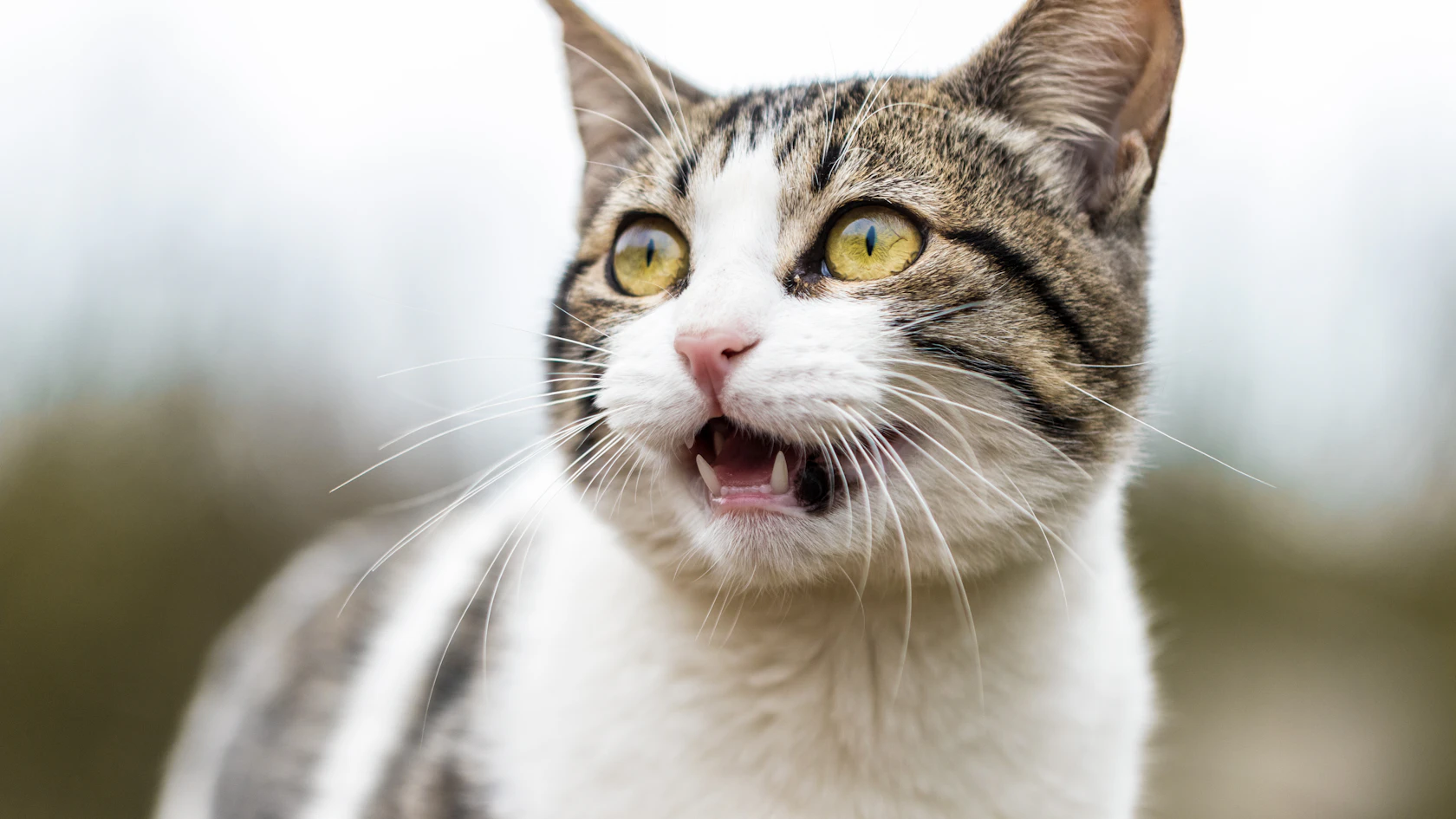

TL;DR: Why Is My Cat Sneezing?
- An occasional sneeze is normal: Dust, a sniff of perfume or a tickle in the nose can make any cat sneeze now and then.
- Upper respiratory infections are the most common cause: Feline herpesvirus and calicivirus cause sneezing, a runny nose and watery eyes, especially in kittens and shelter cats.
- Winter brings its own triggers: Dry furnace air, dusty litter, scented candles and holiday air fresheners can irritate a cat's nose.
- Other causes include: Dental disease, nasal polyps, something stuck in the nose and, in older cats, tumours.
- See a vet if: Sneezing lasts more than a few days, the discharge is yellow, green or bloody, your cat stops eating, or you see any difficulty breathing.
Is your cat sneezing constantly? Book a visit with PetNation and our Toronto vets will find the cause and help your cat feel better.
Cats sneeze a lot most often because of an upper respiratory infection, usually feline herpesvirus or calicivirus, or because of irritants like dusty litter, scented candles and dry furnace air. Dental disease, something stuck in the nose, nasal polyps and, in older cats, tumours are less common causes. An occasional sneeze is normal, but constant sneezing, coloured discharge or a cat that stops eating needs a vet. It gets especially common in late fall and winter, when cats are indoors and the air is dry.
In this guide, we focus on sneezing in cats: what's normal, the common causes, what the other symptoms can tell you, and when to make an appointment.
If your cat is also coughing or seems to have a full-blown cold, we've linked to our articles on those topics along the way. Most sneezing cats are fine, but a few signs mean you should call us the same day.
Why Do Cats Sneeze?
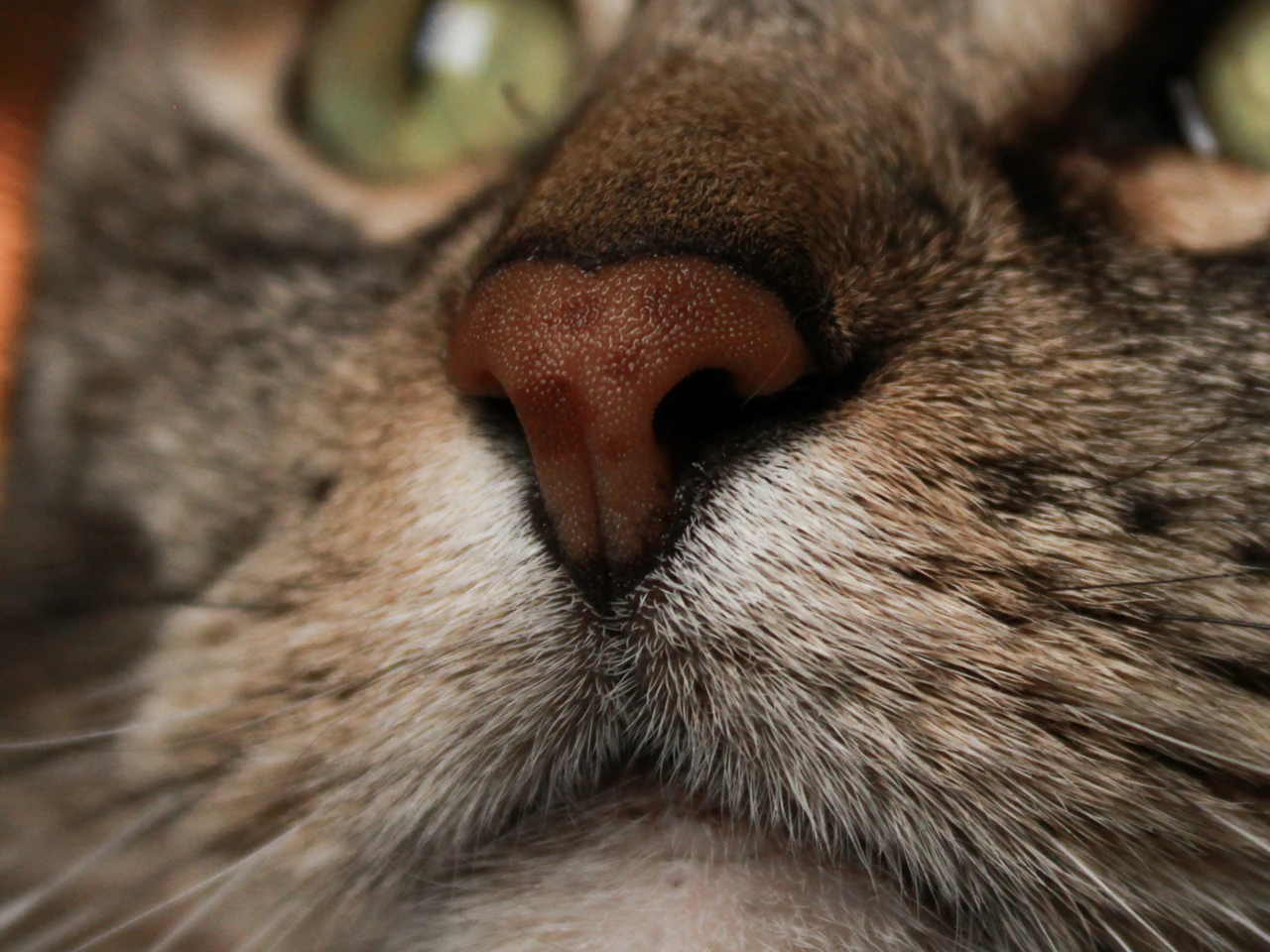
A sneeze is a reflex that clears the nose. When something irritates the lining of a cat’s nasal passages, the body pushes air out fast to get rid of it. That "something" might be dust, a strong smell, a virus, or inflammation further back in the nasal cavity.
An occasional sneeze, or even a few short sneezing episodes in a row, isn't usually a cause for alarm. Feline sneezing becomes worth a closer look when it turns into constant sneezing. What matters is how often it happens, how long it lasts, and whether there are other signs, like a runny nose, eye discharge, a cough or a change in appetite.
How often is normal? There's no exact number, but a healthy cat might sneeze a few times in a day after a dusty dig or a strong smell and then stop. Sneezing in fits several times a day for more than 2 or 3 days is worth a call to your vet. The Cornell Feline Health Center notes that up to 97% of cats are exposed to feline herpesvirus at some point, so viral sneezing is something most cats will meet.
Common Causes of Sneezing in Cats
Upper respiratory infection
An upper respiratory infection (URI) is the most common cause of sneezing in cats. About 80 to 90% of these infections are caused by two viruses:
- Feline herpesvirus (FHV-1): Causes sneezing, nasal discharge, watery eyes and sometimes eye ulcers. Once a cat is infected, the virus stays in the body for life and can flare up during stress. Learn more about feline herpesvirus.
- Feline calicivirus (FCV): Causes sneezing and nasal congestion, and often mouth ulcers that make eating painful.
These viruses are very contagious between cats. They spread through sneezes, shared food bowls and litter boxes, and on our hands and clothes. Kittens, young cats from shelters and cats in multi-cat homes are the most likely to catch them. Bacteria like Bordetella and Chlamydia can also play a role. If you think it's a cat cold, our article on what to do when your cat has a cold covers URIs in more detail. Each sneeze sends virus particles into the air, so sick cats should be kept apart.
Irritants in the home
Many cats sneeze because of something in the air. Common irritants include:
- Dusty or scented cat litter
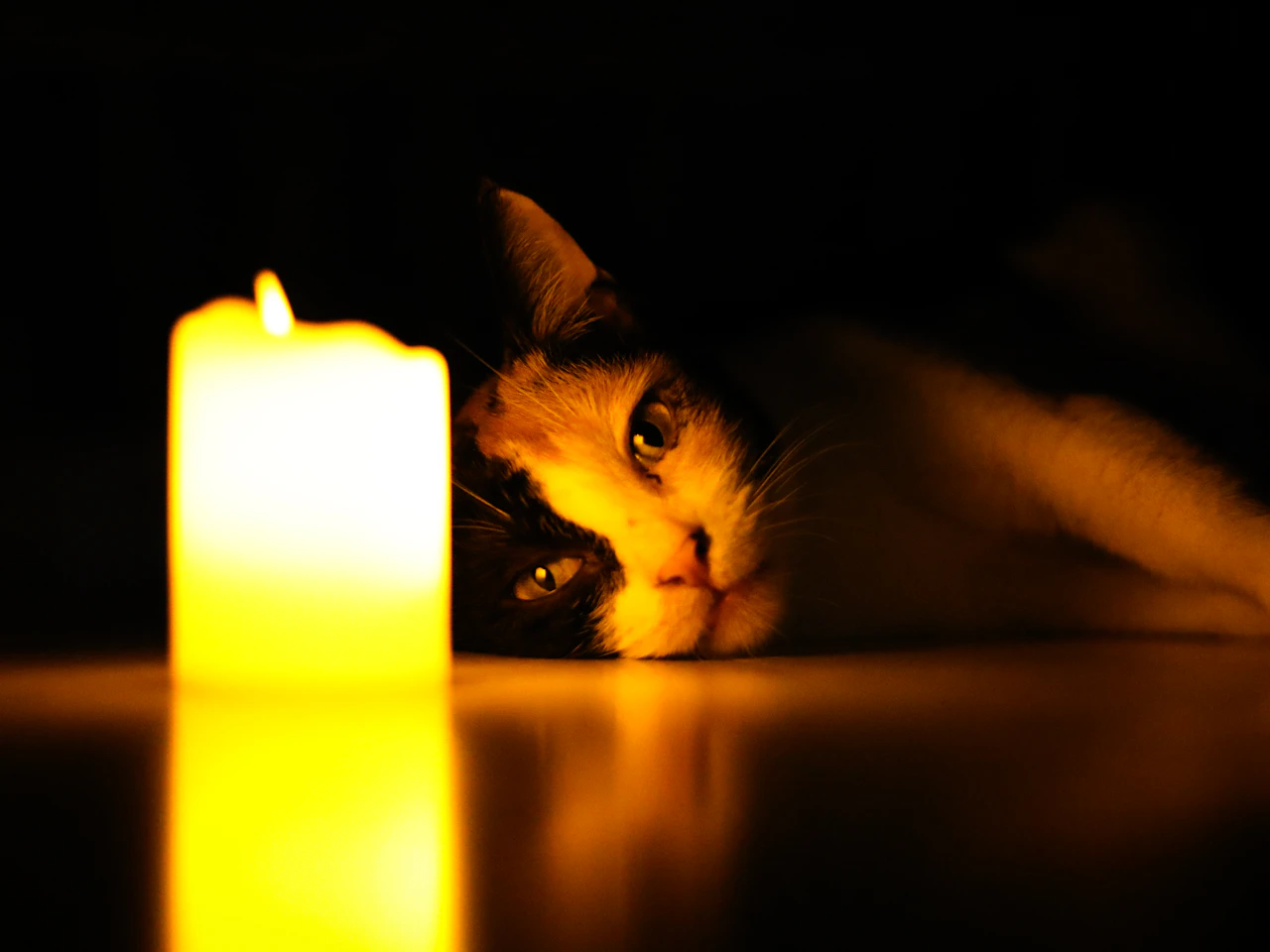
- Scented candles, plug-in air fresheners and room sprays
- Cleaning products and bleach
- Perfume, hairspray and smoke
- Dust from furnace vents when the heat first comes on in the fall
- Pine and fir scents from holiday decorations
Dry winter air in Canadian homes can also dry out a cat’s nose, making it more sensitive. The same furnace air is behind cat dandruff in winter. If your cat sneezes mostly after using the litter box or when you light a candle, an irritant is a likely culprit.
Want to find out if something in the air is to blame? Change one thing at a time and give each change a week or two. Try an unscented, low-dust litter first, then put away the candles and plug-ins, then swap the furnace filter. If the sneezing eases off after one of these, you've probably found your trigger.
Allergy triggers
Cats can develop allergies to an allergen like pollen, dust mites or mould, but allergies are less common in cats than in dogs as a cause of sneezing. Signs of allergies in cats usually show up as itchy skin, over-grooming and scabs rather than sneezing. Some cats with allergies also wheeze, which can point to asthma. Read about cat asthma if your cat wheezes or coughs.
Dental disease
The roots of a cat's upper teeth sit right under the nasal passages. When a tooth root becomes infected, the infection can push into the nose and cause sneezing and a one-sided nasal discharge. Bad breath, drooling or dropping food can be clues. Our guide to periodontal disease in cats explains more.
Something stuck in the nose
A blade of grass or a bit of houseplant can get inhaled. Expect a sudden sneezing fit and pawing at the face. If it doesn't settle, see a vet.
Grass awns and plant fibres are the most common culprits, and the sneezing usually comes from one side, sometimes with a little blood. Don't try to pull anything out yourself, since the inside of the nose bleeds easily. Your vet may need to sedate your cat and look inside the nose with a small camera, called rhinoscopy, to find and remove it.
Nasal polyps and tumours
A polyp is a benign growth, and nasal polyps are more common in young cats. They can cause noisy breathing, sneezing and nasal discharge. In older cats, persistent sneezing, a bloody nose or swelling of the face may be a sign of a nasal tumour. These need imaging and a veterinary exam to diagnose.
According to the American College of Veterinary Surgeons, polyps are usually removed under anesthesia by gentle traction. They come back in 30 to 50% of cats after traction alone, compared with under 2 to 10% when it's combined with surgery on the middle ear.
Reverse Sneezing in Cats
Reverse sneezing in cats is much less common than in dogs, but it does happen. The cat pulls air in with quick, loud snorts, often with its neck stretched out. An episode usually lasts a few seconds. A single episode is rarely a problem, but frequent episodes can be linked to nasal irritation, polyps or infection, so mention it to your vet. If you can, take a video to show them.
Your Cat Is Sneezing: What Other Symptoms Can Tell You
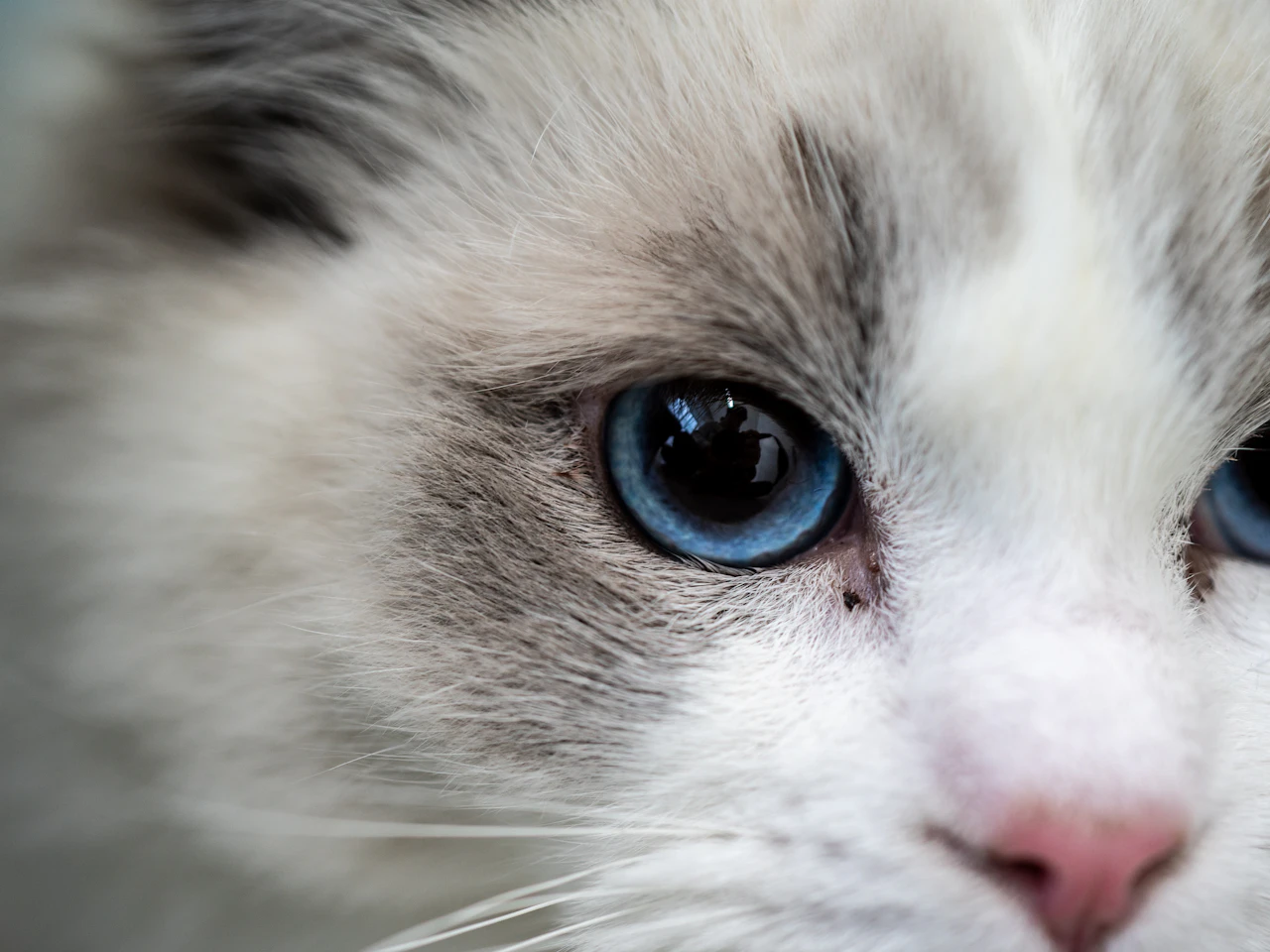
- Sneezing and runny nose with watery eyes: Typical of a viral upper respiratory infection.
- Thick yellow or green nasal discharge: Often means a secondary bacterial infection.
- Discharge from one nostril only: Can point to dental disease, a foreign object or a growth.
- Blood in the discharge: Needs a vet visit.
- Coughing or wheezing: Suggests the problem may involve the lower airway. See our guide to cat coughing.
- Not eating: Cats rely on smell to eat. A stuffy nose can make them lose interest in food, which is risky after a day or two.
Cat Sneezing So Much? When to See a Vet or Animal Hospital
Book an appointment with your veterinarian if:
- Your cat is sneezing excessively for more than a few days
- The nasal discharge is yellow, green or bloody
- Your cat stops eating for more than 24 hours
- Eyes are red, swollen, squinting or crusted shut
- Your cat is a kitten, a senior or has a chronic illness
- The sneezing keeps coming back
Seek veterinary care at an animal hospital, or see your vet as soon as possible, if your cat has difficulty breathing, is breathing with its mouth open, or is very lethargic. In Toronto, PetNation provides emergency care.
Veterinary Tests That Find the Cause of Sneezing in Cats
Vets find the cause of sneezing with an exam first, then targeted tests such as PCR swabs, blood work, dental X-rays and, for long-term cases, CT scans or rhinoscopy. Your vet will start with a full exam, including the mouth, eyes, nose and lungs. They'll want to know whether the cause is viral or bacterial, or whether there's an underlying health problem. Depending on what they find, the plan may include:
- Swabs to test for viruses and bacteria
- Blood work to check your cat's overall health
- Dental X-rays if a tooth problem is suspected
- Advanced imaging or a look inside the nasal cavity for long-term cases
The Cornell Feline Health Center lists PCR testing of swabs as the main way to confirm herpesvirus, calicivirus and Chlamydia. About 20% of cats with upper respiratory signs carry Chlamydia felis, which is treated with antibiotics such as doxycycline.
Treatment Options and How to Stop a Cat from Sneezing at Home

Appropriate treatment depends on the cause. Viral infections usually get supportive care, while bacterial infections may need an antibiotic. Some cats with herpesvirus benefit from antiviral medication, and cats with allergies may need allergy medication. Your vet will choose the right drug and dose for your cat, so don't give any human cold medicine, which can be toxic to cats.
A few care tips to help your cat feel better at home:
- Add moisture to the air: Run a humidifier, or bring your cat into the bathroom while you shower.
- Keep the nose clean: Gently wipe the nose and eyes with a soft, damp cloth.
- Warm up the food: Slightly warmed wet food smells stronger and can tempt a stuffy cat to eat.
- Cut down irritants: Switch to unscented, low-dust litter and skip candles and sprays.
- Keep sick cats apart: Separate a sneezing cat from other cats, and wash your hands after handling them.
- Keep vaccines up to date: The core cat vaccine protects against herpesvirus and calicivirus. It doesn't always stop infection, but it makes the illness milder. See our cat vaccination guide.
Final Thoughts
Most cats who sneeze now and then are perfectly healthy. But when sneezing becomes frequent, comes with discharge, or affects your cat's appetite or breathing, it's time for veterinary care. The sooner the cause is found, the sooner your feline friend can get back to normal, and the better for your cat’s health overall.
If your cat won't stop sneezing, our team at PetNation in Toronto can help you get to the bottom of it.
Frequently Asked Questions
When should I worry about my cat sneezing?
Worry about your cat’s sneezing when it's frequent, lasts more than a few days or comes with other signs. One sneeze after a dusty dig in the litter box isn't the problem.
Coloured discharge: Yellow, green or bloody mucus needs a vet check.
Appetite loss: A cat not eating for 24 hours or more should be seen.
Eye problems: Squinting or swollen eyes can mean an eye ulcer.
Breathing changes: Open-mouth breathing is an emergency.
Kittens: Young kittens can get sick quickly, so call sooner.
Will cat sneezing go away on its own?
Often, yes, if the cause is mild.
Irritants: Sneezing usually stops once the trigger is removed.
Mild viral infections: Many clear up within 7 to 10 days with supportive care.
Bacterial infections: These may need treatment from your vet.
Chronic causes: Dental disease, polyps and tumours won't go away without treatment.
Watch the trend: If your cat is getting worse instead of better, book a visit.
Can cat food or litter cause sneezing?
Litter is a much more common trigger than food.
Dusty litter: Clay litter can release fine dust when your cat digs, and a sneeze right after the litter box is a big clue.
Scented litter: Perfumes can irritate a cat's nose.
Food allergies: These usually cause itchy skin or stomach upset, not sneezing.
Dry kibble dust: Rarely, a cat may sneeze when eating very dusty food.
Try a switch: Move to an unscented, low-dust litter for a couple of weeks and watch for a change.
Is cat sneezing contagious to other cats or people?
It depends on the cause.
To other cats: Viral upper respiratory infections spread easily between cats.
To dogs: Most feline respiratory viruses don't infect dogs.
To people: Cat herpesvirus and calicivirus don't infect humans.
Bordetella: This bacterium can rarely spread between species, mainly to people with weak immune systems.
Good hygiene: Wash your hands and use separate bowls while your cat is sick.
Can cats get hay fever?
Cats can have seasonal allergies, but they look different from human hay fever.
Skin first: Most allergic cats get itchy skin rather than a runny nose.
Sneezing is possible: Some cats do sneeze more during pollen season.
Indoor allergens: Dust mites and mould can cause year-round signs.
Rule out infection: Your vet will check for a URI before blaming allergies.
Treatment: Allergy medication and reducing exposure can help.
If allergies are suspected, your vet may suggest a trial of 4 to 8 weeks with fewer allergens in the home, or refer your cat to a veterinary dermatologist for allergy testing.
Can a cat's sneezing be caused by allergies or irritants?
Yes, but irritants are far more common than true allergies. Dusty or scented litter, candles, air fresheners, smoke, cleaning sprays and furnace dust can all make a cat sneeze, usually without fever, eye discharge or a change in appetite. True allergies to pollen, dust mites or mould are less common in cats, and they show up more often as itchy skin than as sneezing. Viruses and bacteria cause most cases of sneezing with discharge, so your vet will usually rule out an infection before blaming an allergy.
What could be causing my cat to make a strange cough sound?
A strange honking, hacking or snorting sound can be a hairball, reverse sneezing, asthma or something in the throat. A cat that crouches low with its neck stretched out and coughs or wheezes may have asthma, which affects the lower airways. Snorting with quick breaths in is more likely reverse sneezing or a nasal problem, such as a polyp. Take a short video and show it to your vet. A resting breathing rate above 35 breaths per minute, or any open-mouth breathing, needs a vet the same day.
How is the cause of a cat's sneezing diagnosed and treated?
Diagnosis starts with a history and exam, and then tests are chosen based on the signs: PCR swabs for viruses and bacteria, blood work, dental X-rays for one-sided discharge, and CT scans or rhinoscopy for sneezing that lasts more than a few weeks. Treatment depends on the cause. Viral infections get supportive care, such as fluids, steam and tempting food, and sometimes antivirals for herpesvirus. Bacterial infections like Chlamydia get antibiotics, and the Cornell Feline Health Center notes that most uncomplicated Bordetella cases recover within 10 days of starting antibiotics. Polyps and bad teeth need a procedure.

