

TL;DR: What You Need to Know About Cat Dandruff
- What it is: Those white flakes are dead skin cells. A few are normal, but a snowstorm on a dark blanket usually means the skin is too dry or something else is going on.
- Why winter: Furnaces pull moisture out of the air. Indoor humidity in a Canadian house can drop well below 30% in January, and your cat's skin feels it.
- Other causes: Weight gain or arthritis that makes grooming hard, a diet low in fatty acids, fleas, mites, allergies, ringworm, or conditions like diabetes.
- What helps: A humidifier, gentle brushing, enough water, and a diet with omega-3s. Your vet may suggest a supplement or a cat-safe shampoo.
- Don't use: Human dandruff shampoo. Some of the active ingredients aren't safe for cats, who lick everything off.
- Is it contagious?: Dry skin isn't. Fleas, mites, and ringworm can be, and ringworm can spread to people.
- When to call: Flakes plus itching, hair loss, scabs, redness, or a cat who suddenly stopped grooming.
If you've noticed flakes on your cat and you're not sure if it's just dry air or something that needs treatment, you're not overthinking it. Contact us, and our veterinary team can take a look and help you sort it out.
Have you started finding little white flecks on your cat's back, usually right around the time the furnace kicks on for the season? Cat dandruff is one of those things owners notice in late fall, and many wonder why cats get dandruff at all. Is it dry skin? Fleas? Something worse?
Most of the time, flaky skin in cats comes from the house. Forced-air heating dries out the air, and cats lose moisture from their skin the same way we do. Our hands crack; their coat gets flaky. That said, dandruff can also be the first visible sign of a cat who's having trouble grooming, or of a skin problem that needs a vet.
In this guide, we'll go through what cat dandruff is, why indoor heating makes it worse, the other common causes, and what you can do at home. We'll also cover when flakes are a sign to book a visit. Read on to learn how to help your cat's skin through the dry season.
What Is Cat Dandruff?
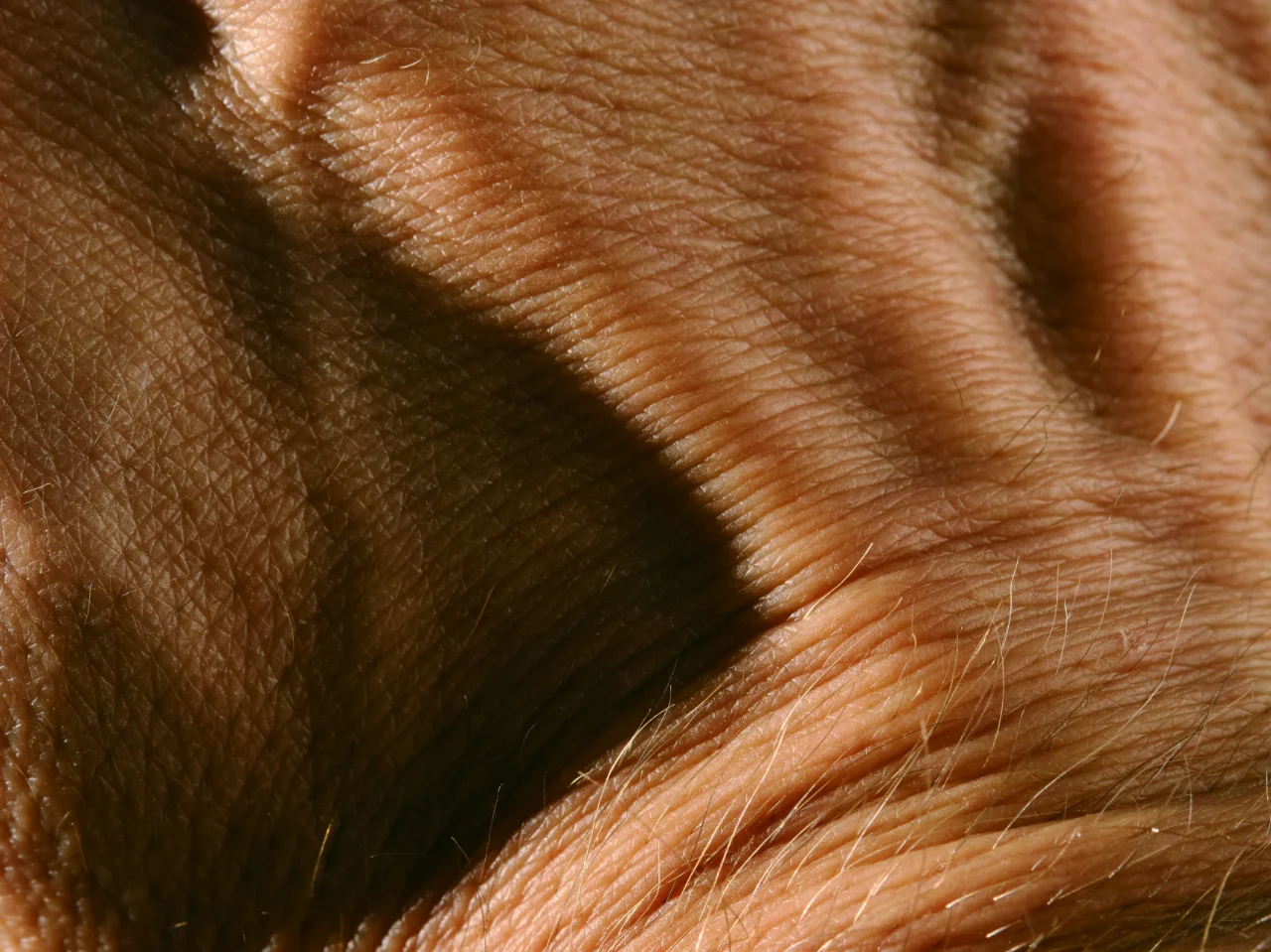
Your cat's skin is always renewing itself. Old cells dry up and fall away, and new ones take their place. Usually, regular grooming helps remove dead skin cells without anyone noticing. Dandruff is what you see when buildup happens faster than your cat can clear it, or when the skin is dry enough that they flake off in bigger pieces.
Dandruff vs. dander
- Cat dander: Tiny, invisible bits of skin and saliva proteins. It's what sets off cat allergies in people.
- Dandruff: The white flakes you can actually see in the fur, usually along the back and near the base of the tail.
Every cat has dander. All cats can have dandruff too, but when they do, there's usually a reason.
Where to look
Part the fur along your cat's spine, behind the shoulders, and just in front of the tail. Those spots are hardest for a cat to reach, so flakes of dandruff show up there first.
Why Indoor Heating Dries Out Your Cat's Skin
Winter air in Ontario is cold and holds very little moisture to begin with. When the furnace heats it up, the relative humidity inside drops even further. A lot of homes sit somewhere around 20 to 30% for weeks at a time.
Here's what that does to a cat:
- The skin barrier dries out: The natural oils that keep skin supple get stripped away faster.
- Cats drink less in winter: Many cats aren't big drinkers, and a mostly dry-food diet doesn't help.
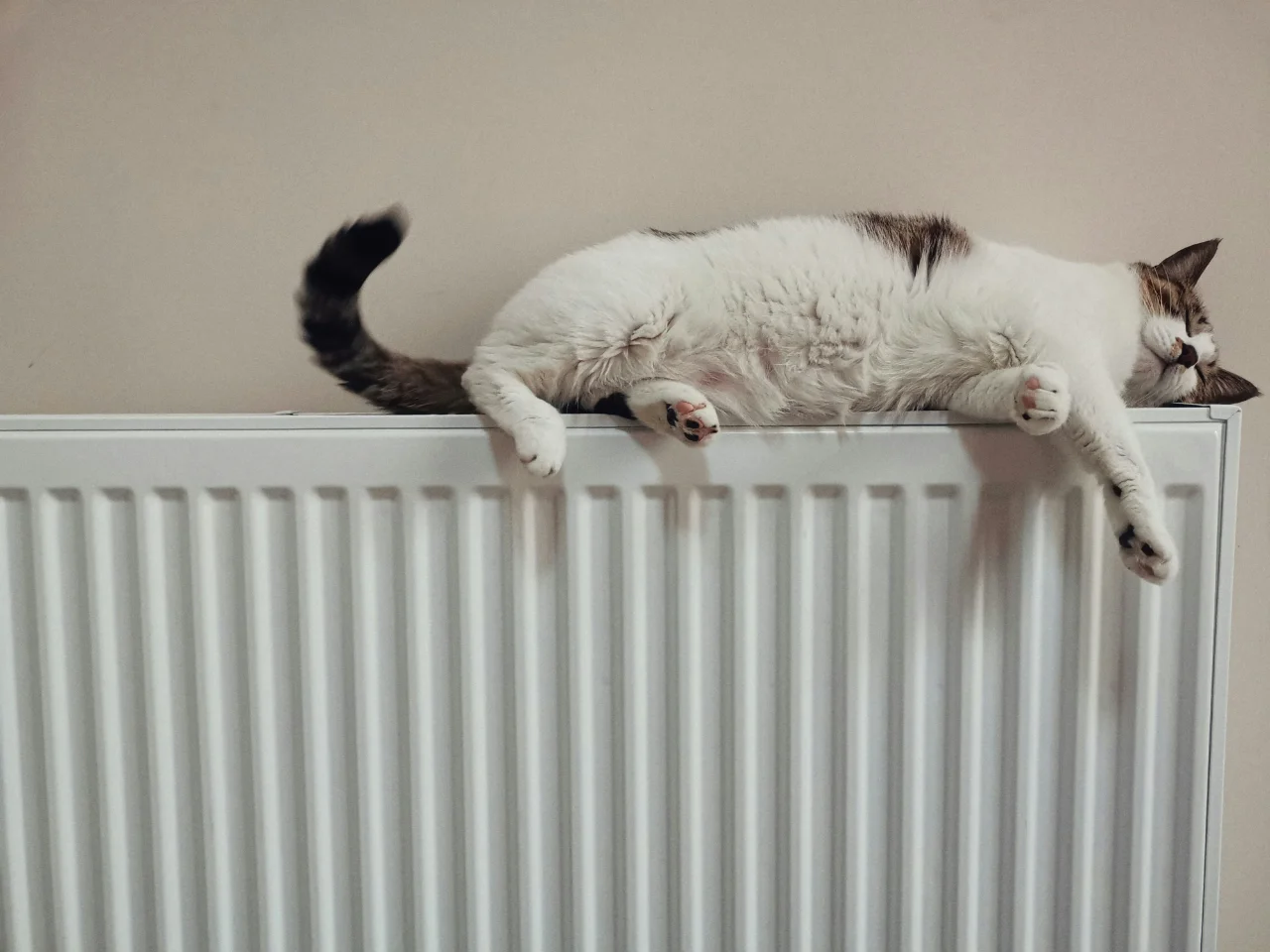
- Cozy spots make it worse: Cats love lying next to heat vents, radiators, and fireplaces. Great for napping, rough on skin.
- Less sunlight, more time indoors: Cats tend to groom less when they're bored or sleeping more, so flakes build up.
The result is a coat that looks dull and feels a bit coarse, with flakes that seem to multiply every time your cat jumps off the couch. If your cat also sheds more this time of year, our post on cat shedding season explains what's normal.
Other Common Causes of Dandruff in Cats
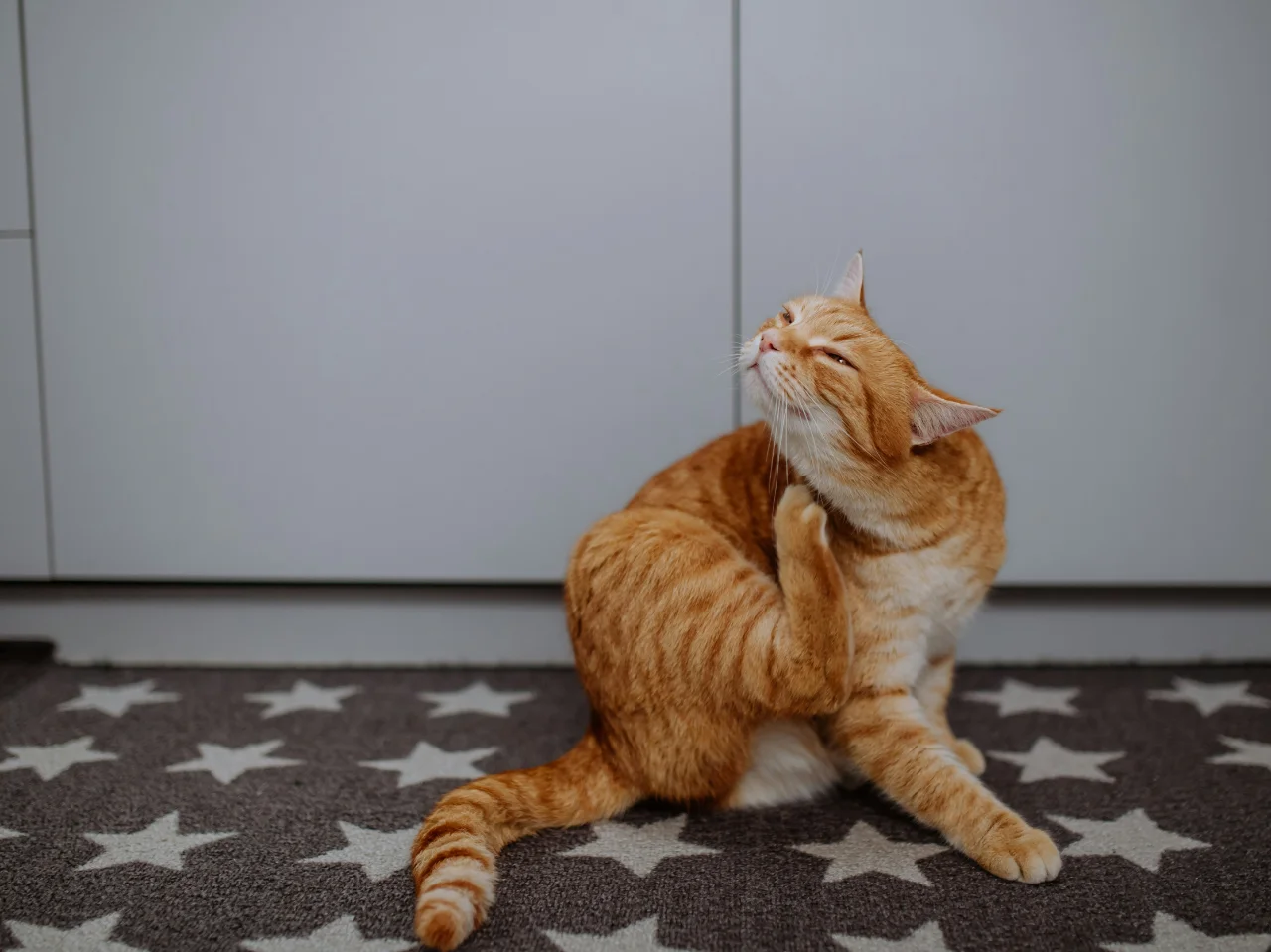
Dry air is the usual thing that causes cat dandruff, but there are other potential causes. If the flakes don't improve once the air is more humid, one of these may be involved.
Trouble grooming
When a cat loses the ability to groom their back, they can't keep it clean. We see this a lot in cats with obesity, and with older cats who have arthritis in the spine or hips. If your cat is getting on in years (here's a quick guide to cat age in human years), stiff joints may be the real reason behind a flaky lower back.
Diet
Cat skin runs on fat, specifically omega-3 and omega-6 fatty acids. A good complete cat food covers that. Budget brands and home-cooked diets sometimes don't, and a lacking diet often causes dandruff before other signs show. Our guide on choosing the right pet food goes into more detail.
Fleas, mites, and other external parasites
- Fleas: Flea dirt looks like black specks, but fleas also cause scratching that leaves skin flaky.
- Cheyletiella mites: Nicknamed "walking dandruff," because the mites move the flakes around. They can bite people too.
- Other mites: Ear mites and mange mites mostly cause itching, but skin changes can follow. Here's more on ear mites in cats.
Skin infections and allergies
Despite the name, ringworm is a fungus. It leaves round, scaly bald patches, and yes, you and the kids can catch it. Food allergies and reactions to dust mites or pollen are another culprit, and allergies in cats usually come with a lot of scratching. And if the flakes and black specks are only on the chin? That's more likely cat acne.
Health conditions
Hyperthyroidism, diabetes, and kidney disease can all change the coat and leave dandruff and flaky skin behind. A cat with dandruff plus weight loss, more thirst, or a change in appetite needs blood work to rule these out.
How to Get Rid of Cat Dandruff at Home
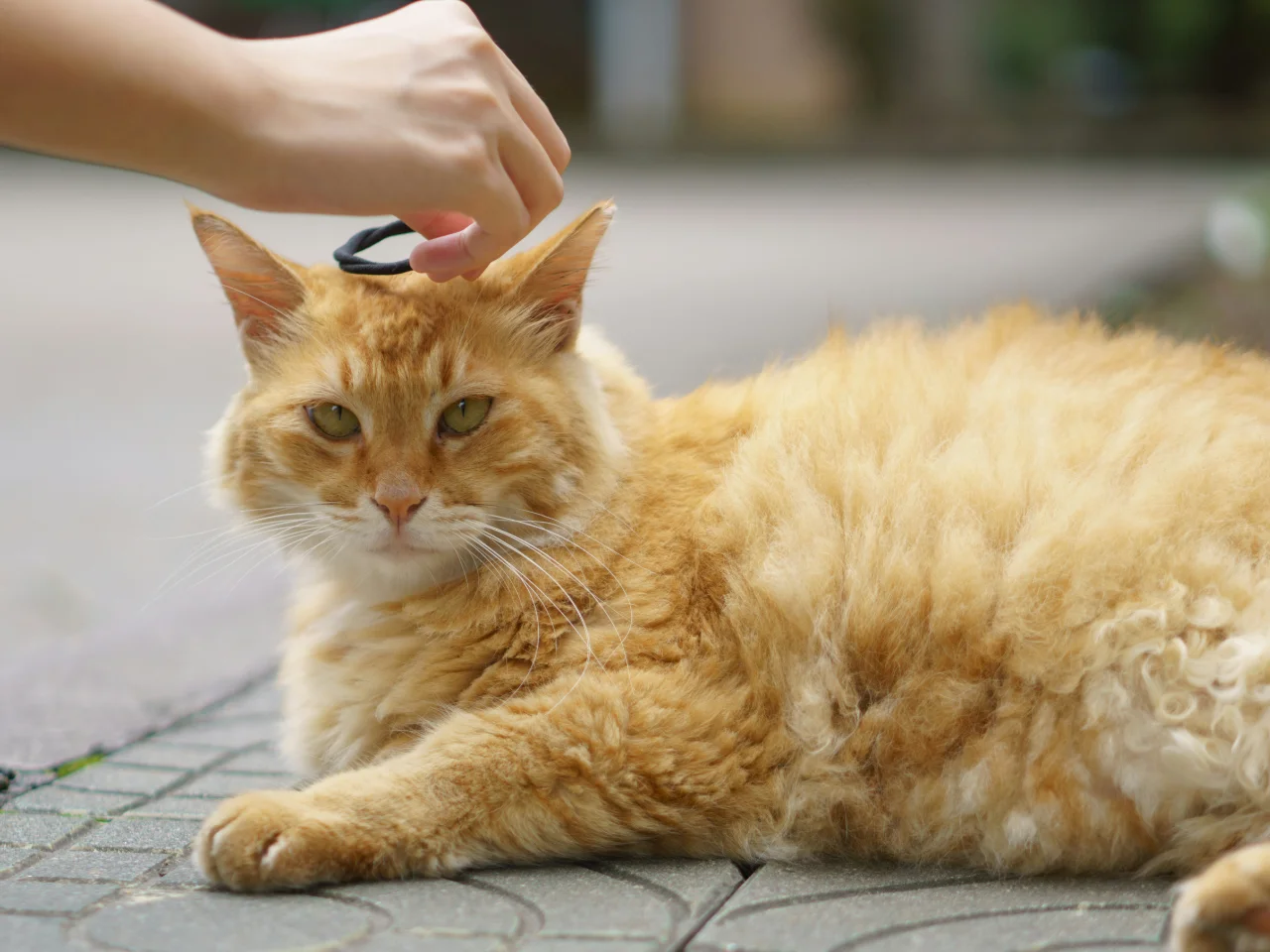
For most cases of dandruff caused by dry skin, a few changes at home usually make a clear difference within a few weeks.
- Add moisture to the air. A humidifier in the room where your cat sleeps helps a lot. Aiming for about 40% indoor humidity is a good goal for you and your cat.
- Brush regularly. Brushing your cat regularly with a soft brush or rubber grooming mitt, a few times a week, makes a big difference. It lifts the flakes out of the undercoat and spreads the skin's own oils around. Plenty of cats who hated it at first end up leaning into the brush.
- Boost hydration. Adding wet cat food, a water fountain, or a few extra water bowls around the house encourages drinking.
- Check the diet. Ask your veterinarian whether omega-3 fish oil supplements made for pets make sense for your cat.
- Move the bed. Shift your cat's favourite spot a little further from the heat vent.
What about bathing a cat?
Good news for everyone involved: most cats never need one, and frequent baths actually dry the skin further. If your vet does suggest a bath, they'll recommend a gentle shampoo for cats. Please don't borrow yours. Human dandruff shampoos can contain zinc pyrithione, coal tar, or essential oils, and whatever's left on the fur ends up in your cat's stomach.
Home remedies to skip
You'll find a lot of online advice to rub coconut or olive oil into the coat, or to spritz on an essential oil mix. We'd skip all of it. The oil gets licked off and can cause diarrhea, and some essential oils (tea tree is a common one) are outright toxic to cats.
When to See a Vet About Cat Dandruff
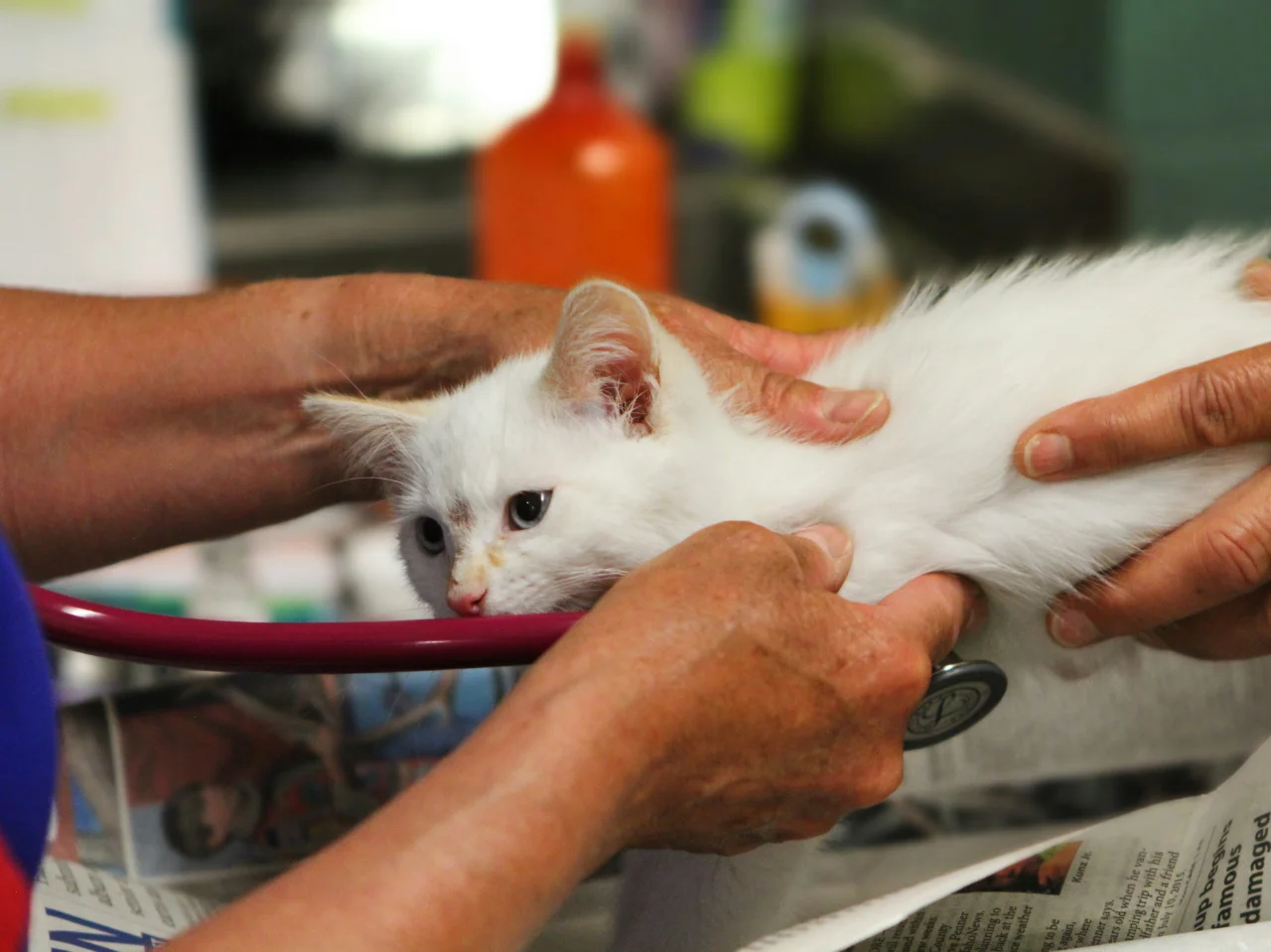
If your cat is eating, playing, and grooming like always, a bit of dandruff can wait while you try the humidifier. Get them in to see us, though, if you spot any of these:
- Itching, over-grooming, or bald patches
- Red, scabby, or greasy skin
- Flakes that move (a sign of mites)
- Circular patches of hair loss, which could be ringworm
- A cat who has stopped grooming
- Dandruff together with weight changes, more thirst, or vomiting
At the appointment, your veterinarian will check the skin and coat closely to find the cause of your cat's dandruff, and may recommend a few simple tests. These can include a flea comb check, skin scrapings for mites, a fungal culture for ringworm, or blood tests for underlying disease. Our medicine and surgery team can handle any skin condition that needs medical treatment.
How to Prevent Dandruff in Cats
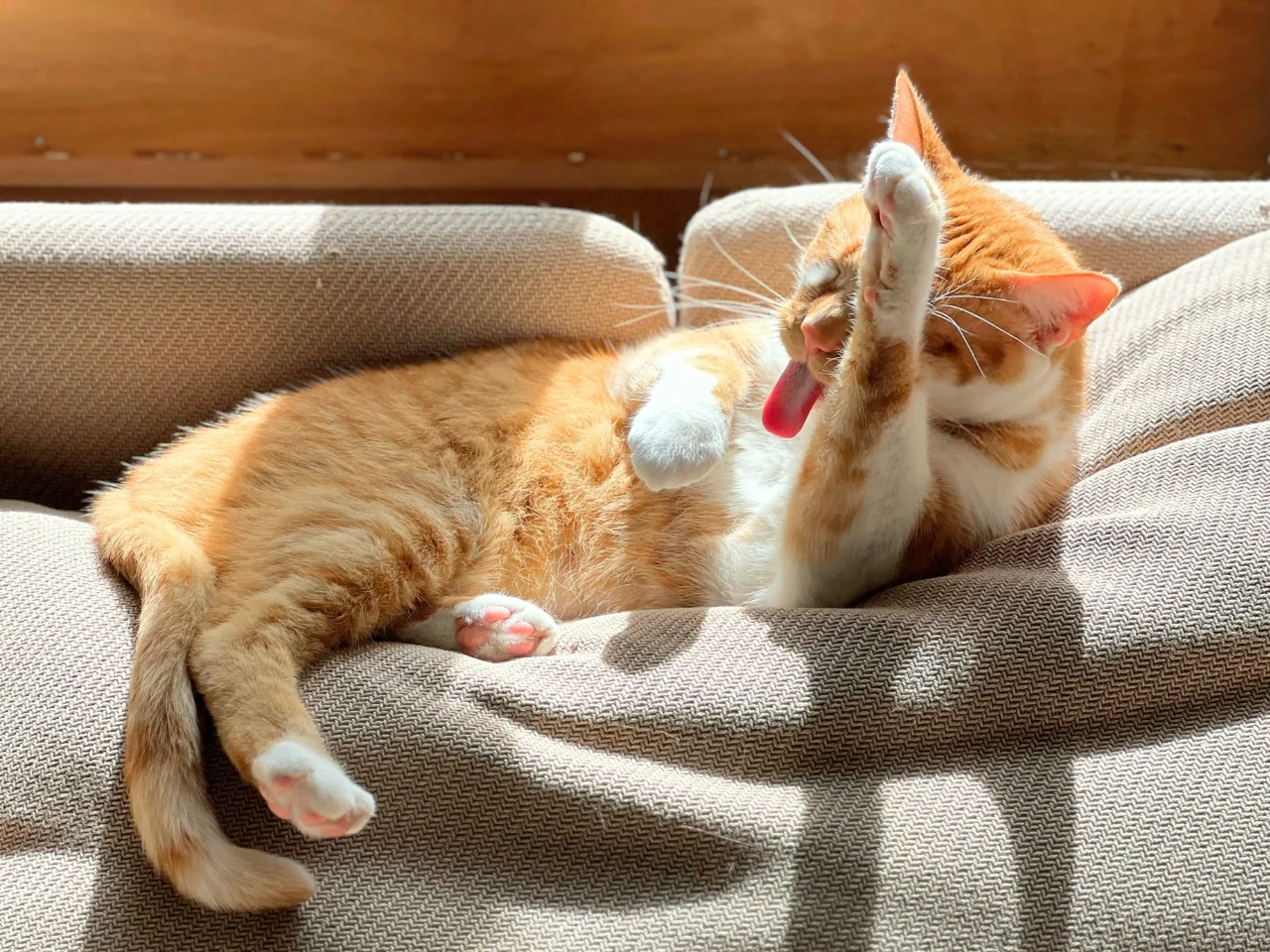
Once you've sorted out existing dandruff, keeping it away is mostly about routine.
- Run a humidifier all winter: Start when the furnace comes on in October or November.
- Make grooming a habit: A few minutes of brushing a few times a week does a lot.
- Keep weight in check: A lean cat can reach their whole body. Your vet can help with a safe weight loss plan.
- Stay on flea and tick prevention: A monthly flea and tick product keeps up flea control all year. Fleas don't take winter off indoors, and ticks on cats still turn up on mild fall days. Learn more about when fleas are most active.
- Book yearly checkups: We look at skin and coat at every wellness exam, which is often where early arthritis or thyroid trouble first gets noticed in older cats.
For more cold-weather tips, see our guide to winter pet care.
Final Thoughts
Feline dandruff is common in Canadian winters, and most of the time it's simply dry skin from indoor heating. Humidity, brushing, water, and a good diet usually clear it up.
Keep an eye on what comes along with the flakes. Itching, hair loss, scabs, or a cat who has stopped grooming are signs that something more than dry air is going on, and they deserve a vet visit.
A few small changes now can keep your cat's coat soft and flake-free until spring. If you're unsure what's behind your cat's dandruff, contact us and we'll help you find out.
Frequently Asked Questions
Is cat dandruff contagious?
Dry-skin dandruff isn't contagious, but some causes of flaky skin are.
- Dry air: Not contagious at all.
- Fleas: Spread easily to other pets in the house.
- Cheyletiella mites: Can pass to other pets and cause itchy bites on people.
- Ringworm: Spreads to people and pets through contact.
- When unsure: Let your vet check before assuming it's harmless.
Can I use human dandruff shampoo on my cat?
No. Human shampoos aren't made for cat skin, and some ingredients can be harmful.
- Zinc pyrithione: Can be toxic if licked off.
- Coal tar and salicylic acid: Not safe for cats.
- pH: Cat skin has a different pH than ours.
- Licking: Cats swallow whatever stays on their fur.
- Better option: Ask your vet for a cat-safe product.
Does cat dandruff make allergies worse?
It can. Flaky skin often goes along with more dander in the house.
- Dander: The real allergy trigger, tiny and invisible.
- More shedding: Dry skin can mean more loose hair and dander.
- Brushing: Brush your cat outside or in one room.
- Air filters: A HEPA filter helps people with allergies.
- Healthy skin: Treating dandruff may reduce dander a little.
How often should I brush a cat with dandruff?
A few times a week is a good starting point for most cats.
- Short-haired cats: Two to three times a week.
- Long-haired cats: Ideally every day, or mats start forming.
- Senior cats: Go gently, and focus on the lower back.
- Tools: A soft brush or grooming mitt works well.
- Keep it short: A few minutes is enough, and stop if your cat is annoyed.
Will cat dandruff go away on its own?
Sometimes, once spring arrives and humidity rises, but it's better to help it along.
- Seasonal dandruff: Often improves when the heating goes off.
- Underlying causes: Mites, allergies, or arthritis won't fix themselves.
- Humidifier: Usually speeds things up a lot.
- Diet changes: Take a few weeks to show in the coat.
- No improvement: If flakes last more than a month, see your vet.

