

TL;DR: What You Need to Know About Cat Shedding Season
- Shedding is normal: Cats naturally shed old or damaged fur to maintain a healthy coat. Seasonal changes can lead to heavier shedding, especially during spring and fall.
- Indoor cats may shed year-round: Cats that spend most of their time indoors may shed all year because artificial lighting and consistent temperatures can affect their natural shedding rhythm.
- A healthy coat keeps growing: Shedding helps remove old fur and make room for a new coat, supporting your cat’s comfort and healthy skin.
- Every cat is different: Breed, age, coat type, health, and environment all affect how much a cat sheds. Some cats naturally have more noticeable shedding than others.
- Regular grooming helps: Brushing your cat several times a week — or daily during peak shedding — removes loose fur, keeps the coat looking healthy, and can help reduce hairballs.
- Nutrition matters: A high-protein diet with essential fatty acids, along with good hydration, supports healthy skin and a strong, resilient coat.
- Know what’s unusual: Sudden excessive hair loss, bald patches, skin irritation, or major changes in your cat’s coat may be signs of an underlying health concern and should be checked by a veterinarian.
Have questions? Reach out to us. We’re happy to help you understand your cat’s shedding patterns and provide guidance to keep their coat healthy, comfortable, and looking its best year-round.
If you've been finding cat hair on every surface around your home, you're probably wondering whether what your cat is going through is completely normal — or a sign that something's off. Shedding is a natural process for cats, helping them remove old or damaged hair and maintain a healthy coat. However, the amount your cat sheds can vary depending on the season, breed, age, health, and even their indoor environment.
Knowing when to expect it, why it may peak during specific times of the year, and how much is normal can help you identify any potential problems early on. In this guide, we’ll go over what cat owners need to know about the shedding cycle and practical ways to manage loose fur.
When Does Seasonal Shedding in Cats Happen?
For most cats, shedding isn't random — it follows a predictable rhythm tied to the time of year. Spring shedding and fall shedding are the two biggest shedding windows, though the experience can look quite different depending on your cat and where you live.
- Spring and fall are the peak periods: Cats typically start shedding most heavily in spring, as the days grow longer and temperatures rise, and again in autumn as summer fades. These are the two moments in the year when the body signals it's time for a coat change.
- Daylight — not temperature — drives the change: The shedding cycle is triggered by photoperiod, meaning the number of daylight hours your cat is exposed to. Longer days prompt the release of the winter coat; shorter days signal the body to prepare a thick winter coat for the months ahead.
- Spring brings the heaviest shed: This is when your cat loses its dense winter undercoat to make room for a lighter summer coat. Expect more fur than usual on your furniture, your clothes, and pretty much everything else.
- Autumn shedding is mild: When the summer coat is shed and replaced with a thicker winter version, the volume of loose fur is generally lower — though still noticeable.
- The shedding period can stretch from weeks to months: There's no fixed timeline. Some cats move through their seasonal coat changes quickly; others shed gradually over a longer stretch.
The climate and individual variations play an important role. Outdoor cats that live in different seasons areas have the most consistent cycle. Cats that live in a more temperate environment or have health issues that affect their cycle may have it on a slightly different schedule.
Why Do Cats Shed?
Shedding is a normal biological function — not a malfunction. When a cat grooms itself, or you notice fur collecting on your cushions, it's the body doing exactly what it's supposed to do.
Shedding renews the coat
The natural cycle of shedding old, dead hair helps your cat to grow new hair and keep their skin in good condition. It makes their coat healthy and comfortable.
Photoperiod regulates the process
Just as it triggers seasonal changes in the wild, the amount of daily light your cat receives sends hormonal signals that govern when and how much cats shed their fur. This is why seasonal coat shifts are so consistent across the species.
Removes dead, damaged hair
Fur that's reached the end of its growth cycle stops receiving nutrients and eventually loosens. Shedding is how the body clears it out before it causes problems — including the formation of a hairball, which happens when a cat swallows too much loose fur during grooming.
Seasonal temperature adaptation
A thick winter coat helps cats stay warm in the winter, while a thinner summer coat allows better airflow and heat regulation in warmer months. Shedding is what makes that transition possible.
Stress can increase shedding
When adult cats shed excessively outside of normal seasons, stress is frequently the cause. New pets or households, as well as stressful conditions, are known to contribute to feline alopecia.
Poor nutrition worsens shedding
Poor-quality cat food lacking essential fatty acids and protein can leave the cat's coat dull and prone to excessive shedding. What goes into your cat's body shows up in their fur.
Indoor Cats and Shedding Season: Is Your Cat's Shedding Normal?
Many indoor cats live in a world of consistent temperatures and artificial lighting — which means their relationship with shedding looks a little different from their outdoor counterparts.
- Indoor cats shed year-round: They are exposed to electric lights and indoor heating and cooling, not the shifting pattern of natural daylight. The stimuli that would cause them to shed a thick winter coat do not occur in an indoor environment.
- Artificial light disrupts the natural rhythm: Exposure to indoor lighting — especially in the evenings — can confuse the body's photoperiod signals. This is why many indoor cats tend to shed continuously at a low, steady level rather than following the classic spring-and-autumn pattern.
- Low-level shedding throughout the year is normal: If your indoor cat seems to shed a lot but consistently — without dramatic spikes — that's typically nothing to worry about. Shedding throughout the year at a manageable level is simply how many indoor cats normally operate.
- No dramatic peaks are normal: Don't expect the same kind of heavy seasonal coat dump you might see in an outdoor cat. Indoor life tends to smooth out the curve.
- Excessive shedding can be a red flag: If your cat is suddenly losing large amounts of fur, developing patches, or showing changes in skin and coat condition, it's worth speaking to your vet. Hair loss in cats that goes beyond the natural shedding cycle may point to an underlying health issue.
Cat Breeds and Shedding Season: Which Fur Types Shed the Most?
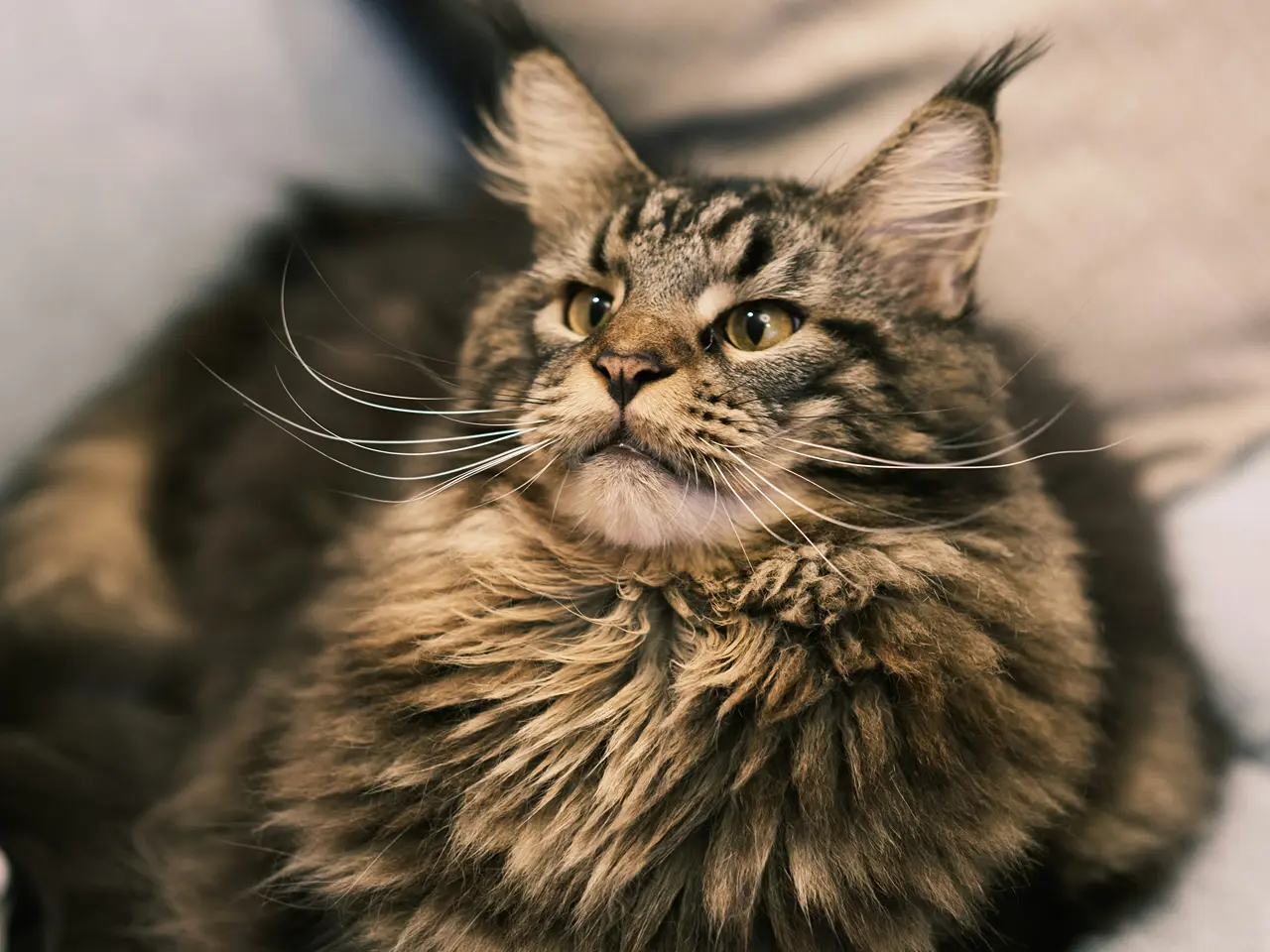
Not all cats shed equally. Different breeds shed at different rates depending on their coat type, genetics, and how their fur is structured — and understanding this can help set realistic expectations for cat lovers of different breeds.
- Double-coated breeds are the heaviest shedders: Cats with two distinct coat layers — a dense undercoat beneath a longer topcoat — tend to experience heavy shedding during seasonal transitions. The heaviest shedding typically happens in spring when that undercoat releases all at once.
- Maine Coon, Siberian, and Persian cats lead the pack: These long-haired cats — along with Norwegian Forest Cats — are known for significant, noticeable shedding, particularly in spring. Their thick, multi-layered coats are built for cold climates, which means more fur to lose when the weather warms up.
- Short-haired breeds shed less visibly: Short-haired cats still go through the same shedding period, but their fur is finer and shorter, making it less obvious on furniture and clothing. That said, how much they shed in terms of volume can still be substantial.
- The Sphynx is the exception: With little to no fur, the Sphynx sits at the opposite end of the spectrum — minimal shedding, though they require their own kind of skin care to compensate.
- Coat length doesn't always predict shedding amount: Some short-haired cats can actually shed a lot relative to their coat length, while certain long-haired cats with single-layer coats may shed less than others. It's worth researching specific breeds that shed before bringing a new cat home — especially if shedding is a concern for your household.
- Kittens shed differently from adults: Kittens shed their soft baby fur as they mature, which is a separate process from adult seasonal shedding. Once kittens shed their juvenile coat and grow into their adult fur, the shedding cycle becomes more predictable.
How to Control Cat Shedding Season
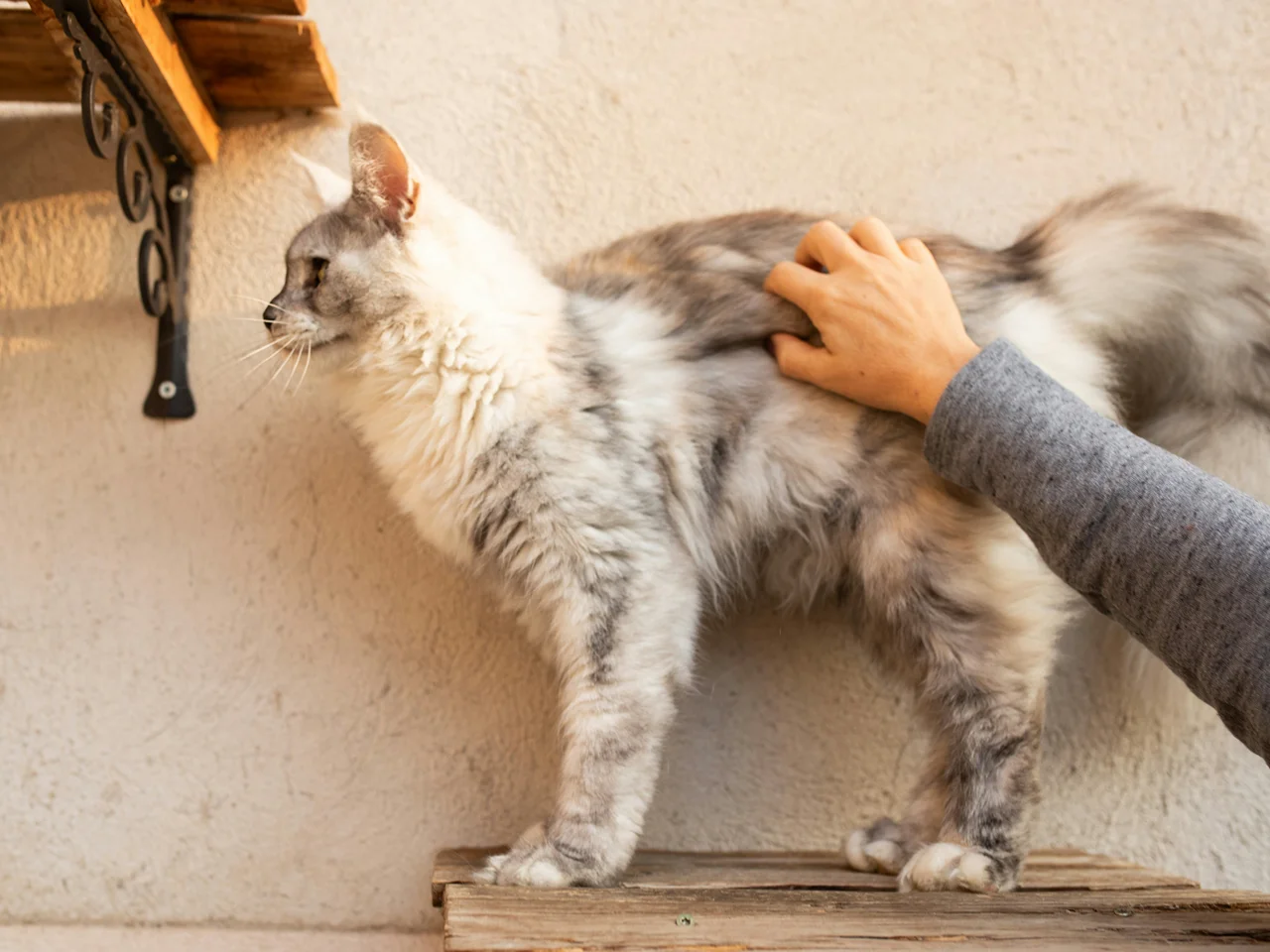
While you can't stop shedding — nor would you want to, since it's essential to coat health — there's plenty you can do to manage it. Here are the most effective ways to reduce loose fur around your home and support a healthier coat overall.
Brush regularly to get ahead of loose fur
Grooming your cat several times a week — daily during peak shedding periods — is the single most effective thing you can do. Regular brush sessions remove dead hair before it lands on your furniture and reduce the risk of hairball formation from excessive self-grooming.
Use the right deshedding tools
A slicker brush works well for most coat types, while deshedding combs and grooming gloves help reach the undercoat where loose fur tends to accumulate. The right tool makes grooming your cat faster and more effective for both of you.
Feed a high-protein, omega-3-rich diet
Cat food that's rich in protein and essential fatty acids — particularly omega-3s — supports healthy skin and coat from the inside out. A well-nourished coat is more resilient, sheds more predictably, and is less prone to breakage. Keeping the coat healthy starts at mealtime.
Schedule regular vet check-ups
Routine veterinary visits help catch any underlying issues — such as hormonal imbalances, parasites, or allergies — that might be making shedding much worse than it should be. If you have questions about cat shedding that go beyond the seasonal norm, your vet is the right person to ask.
Keep your cat well hydrated
Hydration plays a quiet but important role in a healthy coat. Cats that don't drink enough water can develop dry, brittle fur that sheds more than it otherwise would. A water fountain or wet food can encourage better daily intake.
Professional grooming during the heaviest shedding periods
For long-haired cats or heavy-shedding breeds, a professional groomer — especially in spring — can make a significant difference. A professional can safely thin the undercoat and help manage the volume of loose fur during the most intense weeks of the shedding period.
Final Thoughts
Managing cat shedding season does not have to be an impossible task. Shedding is a perfectly normal and healthy process which should not cause any distress to the cat owner. With appropriate brushing, dietary supplements, constant access to water, and visits to the veterinarian, it will be possible to maintain the cat’s coat in good condition and minimize the amount of hair lost during shedding.
Take notice of signs such as bald spots, extreme hair loss, skin irritation, or anything else unusual that may require a trip to the veterinarian. With proper grooming and a little preparation on your part come shedding season, you can keep your cat looking and feeling their best throughout every day of the year.
Frequently Asked Questions
When Is Shedding Season for Cats?
Shedding season follows a predictable yearly rhythm, but the timing and intensity can vary based on your cat's lifestyle and environment.
Spring is the heaviest period: This is when cats shed their dense winter undercoat to make way for a lighter summer coat, resulting in the most noticeable fur accumulation around your home.
Autumn brings a milder shed: The summer coat gives way to a thicker winter version during fall, though the volume of loose fur is generally lower than in spring.
Daylight hours trigger the change: The shedding cycle is governed by photoperiod, meaning the number of hours of light your cat is exposed to signals when a coat transition should begin.
Can last weeks or months: Some may shed rapidly in certain seasons while others do so gradually.
Climate and individuality: Outdoor cats in seasonal climates usually follow this pattern, whereas indoor ones or ones that live in a region with little seasonal variance will have a slightly different cycle.
What Is Considered Normal Shedding in Cats?
Normal shedding is a healthy biological process, but what "normal" looks like depends on your cat's breed, age, and living environment.
Shedding renews the coat naturally: The cycle exists to clear out dead, damaged hair and make room for new growth, keeping the skin underneath healthy and comfortable.
Indoor cats shed at a steady level year-round: Because artificial lighting disrupts photoperiod signals, many indoor cats tend to shed continuously rather than in dramatic seasonal bursts.
Kittens shed differently from adult cats: Young cats lose their soft baby fur as they mature, which is a separate process from the adult seasonal shedding cycle that becomes more predictable over time.
Stress can cause cats to shed more than usual: Disruption in a cat's daily routine, introduction of new animals into the household, or even a stressful environment can cause cats to shed excessively outside of the normal shedding season.
No dramatic peaks indoors is normal: If your indoor cat sheds consistently at a manageable level without sudden spikes, there is typically nothing to worry about.
How Do I Support a Healthy Coat During Shedding Season?
Supporting your cat's coat health during shedding season comes down to good nutrition, regular grooming, and proper hydration.
Feed a high-protein, omega-3-rich diet: Cat food rich in essential fatty acids and protein helps keep the coat resilient, sheds more predictably, and reduces brittleness that can make shedding worse.
Brush regularly: Daily grooming sessions during peak shedding periods remove dead hair before it ends up on furniture and lower the risk of hairball formation from excessive self-grooming.
Hydration plays a role: Cats that don't drink enough water can develop dry, brittle fur that sheds more than it otherwise would — a water fountain or wet food can encourage better daily intake.
Use the right deshedding tools: Slicker brushes for most coats and deshedding combs and gloves for getting down to the undercoat, where loose fur is likely to accumulate.
Schedule a professional grooming: For long-haired or heavy-shedding breeds, a professional groomer can safely thin the undercoat and manage the fur volume during the most intense weeks of the shedding period.
Why Is My Cat Shedding So Much?
If your cat shedding so much has you concerned, several factors — from diet to health conditions — could be driving higher-than-usual fur loss.
Poor nutrition: Lacking essential fatty acids and protein can leave the coat dull and prone to shedding far more than is healthy, so what your cat eats directly affects how their coat behaves.
Underlying health issues: Hormonal imbalances, parasites, or allergies can all make shedding significantly worse than the seasonal norm, and a vet check-up is the right step if you suspect something is off.
Most indoor cats tend to shed year round: Exposure to artificial evening lighting disrupts the bodies natural photoperiods which can lead to cats shedding at a constant rate instead of seasonally.
Hairball formation is a related concern: When a cat swallows too much loose fur during grooming, it leads to hairball buildup — a sign that shedding may need to be better managed through regular brushing.
Visit your vet if there are sudden, dramatic changes: Bald patches, skin irritation, or unusual coat changes that go beyond the natural shedding cycle may point to an underlying condition that needs professional attention.
Which Cat Breeds Experience Excessive Shedding?
Not all cats shed equally — breed, coat structure, and genetics all influence just how much fur you can expect to find around your home.
Double-coated breeds: Pedigree cats like the Maine Coon, Siberian, Persian, and Norwegian Forest Cat have thick, multi-layered coats built for cold climates, meaning more fur for cats to lose when warmer weather arrives.
Short-haired breeds shed less visibly, but not necessarily less: Their finer, shorter fur is less obvious on furniture and clothing, though the overall shedding volume can still be substantial during an upcoming season change.
The Sphynx sits at the opposite end of the spectrum: With little to no fur, this breed sheds minimally — though they require dedicated skin care to compensate for the lack of a protective coat.
Coat length doesn't always predict shedding amount: Some short-haired cats shed heavily relative to their coat length, while certain long-haired cats with single-layer coats may shed less than you'd expect.
Research breeds before adopting: If shedding is a concern for your household — particularly for allergy sufferers — understanding a specific breed's coat type before bringing a cat home can save you from being caught off guard.

