


TL;DR: Can Dogs Eat Cherries? Safety, Pit Risks, and What Pet Owners Should Know
- Dogs can eat cherries only in very small amounts and only when the pit is fully removed.
- Cherry pits, stems, and leaves can be risky and may lead to choking, intestinal blockage, or cyanide poisoning if chewed or swallowed.
- Even the fruit itself can upset a dog’s stomach and may cause vomiting or diarrhea if too much is eaten.
- Smaller dogs are usually more at risk since even one pit can cause bigger problems for them.
- Cherries are not meant to be a regular snack and should never replace normal dog food or treats.
- Canned or cherry-flavoured products are better avoided because of added sugar and other ingredients.
- Fresh cherries are still not fully “safe” unless carefully prepared and the pit is removed.
- It is easy to miss a pit, so double-checking before sharing is really important.
- Eating multiple pits can increase the chance of intestinal blockage, especially if it goes unnoticed.
- Some dogs may seem fine at first, but reactions do not always show up immediately.
- Not all fruits are safe for dogs, so it helps to be cautious before offering anything new.
- Careful preparation always comes down to one simple step: remove the pit completely.
If something feels off after a dog eats cherries, it is better not to wait and hope it passes. Contact us; our experts can help check the situation and guide the next steps, so things do not get worse.
Can dogs eat cherries? It is the kind of question that often comes up when a dog stares at a bowl of cherry fruit or quickly grabs one before anyone notices. In that moment, many dog owners start wondering whether cherries are safe for dogs or if they are something to be concerned about.
It is easy to see why there is so much confusion about dogs and cherries. Between fresh and ripe cherries, maraschino cherries, and different opinions, it is not always clear what information to trust before deciding to feed your dog one.
If a dog eats a whole cherry or just the flesh of the cherry, it is natural to have questions about what to do next. Read on to learn whether dogs can eat cherries, what every dog owner should know, explore safe serving guidance, and find answers to your questions.
Can Dogs Have Cherries? What to Know Before Sharing This Fruit
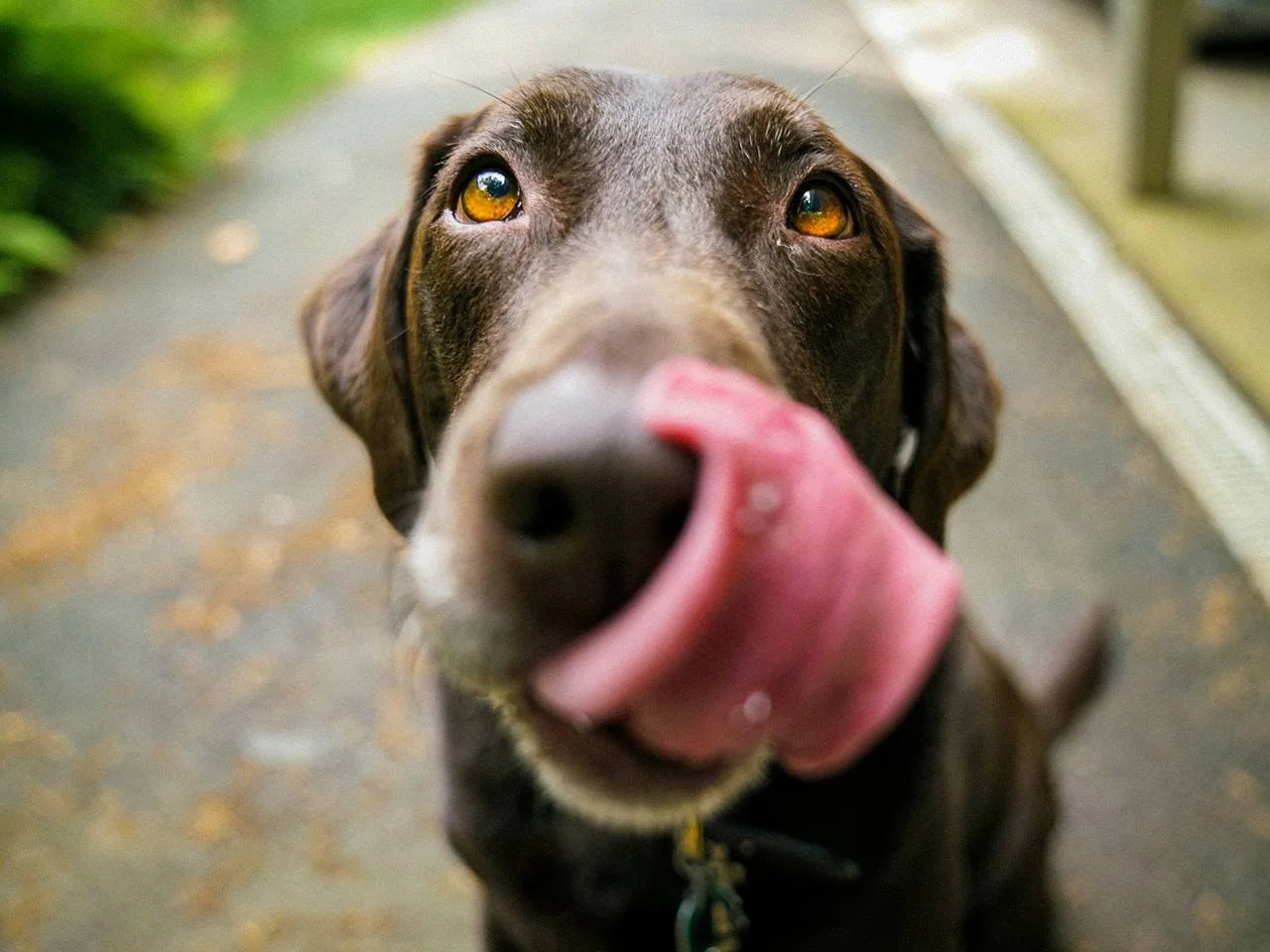
It is easy to wonder if a cherry is okay to share when a dog is watching every bite at snack time. Since many fruits can be part of a healthy daily diet, cherries often seem like they should be fine, too. The answer is not as simple as it may seem, which is why it is worth knowing the basics before offering one.
Are Cherries Safe for Dogs?
The short answer is that cherries aren't toxic to dogs, but that does not mean they are automatically a good choice. Whether cherries are safe depends on how they're prepared, which part of the fruit is offered, and whether they are given in moderation.
- Unprocessed cherries need more attention before they are considered for dogs.
- The flesh, pit, stem, and leaves are not all the same, so each part should be looked at separately.
- Preparation makes a difference, especially if the fruit contains added sugar, preservatives, or has not had the pit removed.
- The size of the dog also matters, so what seems like a small amount for large dogs may be different for small dogs and puppies.
- Cherries should only be considered an occasional addition and should not replace a balanced dog food diet or regular dog treats.
Do Cherries Offer Any Health Benefits for Dogs?

It is easy to see why cherries catch a dog owner's attention. They look fresh, colourful, and are known for being good for people, so it is natural to wonder if they offer the same benefits to dogs. While cherries are not a nutritional must-have, they do contain several nutrients that make them a healthy fruit.
What Makes Cherries Nutritious?
Fresh cherries are packed with nutrients that support overall health. They are not the only fruit with these benefits, but they do have a nutritional profile that is worth knowing about.
- Antioxidants: Help protect the body's cells from everyday damage caused by free radicals.
- Vitamin A: Supports healthy eyes, skin, and normal immune function.
- Vitamin C: Helps support normal body functions and acts as an antioxidant.
- Potassium: Plays an important role in healthy muscles, nerves, and fluid balance.
- Fibre: Helps support healthy digestion and regular bowel movements.
- High water content: Contributes to hydration and makes fresh cherries a refreshing fruit.
- Natural plant compounds: Cherries include polyphenols that help support overall cellular health.
- Melatonin: Naturally found in cherries and linked to healthy sleep cycles.
- Low fat content: Makes fresh cherries a naturally light fruit.
When Are Cherries Bad for Dogs? Risks to Watch For Before Feeding Your Dog

Cherries can seem like a harmless snack at first, especially when a dog is clearly interested in whatever is being eaten. But there is a real difference between the fruit and the parts around it, and that is where most of the concern comes in. Even a small situation can turn into something serious depending on what gets eaten and how much.
What Are the Main Risks of Feeding Cherries to Dogs?
Most of the issues come from what happens when a dog chews or ingests different parts of the cherry. It is not always obvious at first, which is why it helps to slow things down and think about each part.
- Cherry pits: A pit may be a choking hazard, and it can also lead to an intestinal blockage if swallowed. If multiple pits are eaten, the chance of an obstruction is higher, especially in smaller dogs. It’s important to remove the pit before giving cherries to dogs.
- Stems and leaves contain cyanide: They contain compounds that contain cyanide. Once chewed or ingested, they can release cyanide and may cause cyanide poisoning.
- Chewing the pit: When a dog chews a pit instead of swallowing it whole, more compounds are released, increasing toxicity risk.
- Stomach upset: Even just the fruit can sometimes lead to vomiting, diarrhea, or an upset stomach if too much is eaten.
- High sugar content: Cherries have a high sugar content, so even small amounts are not always the best idea for regular feeding.
- Processed cherries: Maraschino cherries aren’t toxic, but they usually contain added sugar. It is also better to avoid canned or cherry-flavored products since they are not really made with dogs in mind.
- Smaller dogs: It is often more of a concern for smaller dogs because even one pit can create more serious problems than it might for larger dogs.
- Warning signs: If something goes wrong, signs like red gums, weakness, or trouble breathing can show up and may point to cyanide poisoning.
What Can Go Wrong When Cherries Are Not Given the Right Way?
If a dog ends up eating cherries in a way that causes issues, the effects can show up in different ways. Sometimes it is mild, and other times it can become more serious quite quickly.
- Vomiting or diarrhea: Often one of the first signs that something did not sit right with the dog’s stomach.
- Intestinal blockage: A pit may cause an intestinal blockage, which can lead to discomfort, reduced appetite, or difficulty passing stool.
- Cyanide-related effects: In more serious cases, eating leaves or stems may lead to cyanide poisoning.
- Physical signs: Red gums, weakness, or unusual breathing can be worrying signs that something is wrong.
- Behaviour changes: A dog might seem off, less active, or just not like itself.
- Getting worse over time: Symptoms can build up, especially if multiple pits were eaten or a larger amount was ingested.
How to Practice Safe Serving and Safely Feed Cherries to Your Dog

Feeding dogs new foods always feels a bit tricky, especially when they are staring like they really want a bite of whatever is in your hand. With cherries, it is one of those situations where being careful from the start makes a big difference. It is not just about sharing food but about making sure it is done in a way that keeps things safe.
How Should Cherries Be Prepared Before Giving Them?
If cherries are going to be given at all, the way they are prepared really matters. It is one of those small steps that can prevent a lot of unnecessary worry later.
- Eat cherries without pits: Only give your dog the soft flesh, and the pit always needs to be removed first.
- Pits can also be risky: Even one pit can cause problems if it gets swallowed, so it is not something to overlook.
- Safe in small amounts: Cherries should only be given occasionally, and even in small portions, are usually enough.
- Not all fruits are safe for dogs: It helps to remember this before trying anything new, since some foods are just not a good fit.
- Keep it simple: The fewer changes or additions you make, the easier it is on a dog’s system. Plain yogurt can be a gentle option, and it can also be used as a food topper in small amounts.
What Is the Safer Approach for Feeding Dogs Fruits?
Most of the time, it feels easier to stick with options that are known to be safe instead of guessing. There are plenty of choices that do not come with the same level of concern.
- Alternatives to keep your dog safe: Other dog-friendly fruits are usually a simpler and safer option.
- Offer safer choices instead: It is often less stressful to go with foods that are already known to be dog-friendly.
- Watch how your dog reacts: Every dog is different, so it helps to pay attention after trying something new.
- Be careful even in small amounts: Small servings can still affect some dogs differently.
What to Do if Your Dog Ate Cherry Pits or Too Many Cherries and When to Call Your Veterinarian

This kind of situation can be pretty stressful, especially when it happens fast, and there is no time to think. The best approach is to stay calm, act step by step, and focus on what can be controlled right away. What matters most is what was eaten, how much, and how your dog is doing afterwards.
What Should You Do Right After It Happens?
The first few minutes are really about preventing things from getting worse and getting a clear idea of what happened.
- Take away any remaining cherries or pits: Make sure nothing else can be eaten.
- Figure out what was eaten: Try to recall if it was just the fruit or if pits were involved too.
- Avoid home fixes: Do not try to make your dog vomit unless a vet tells you to.
- Keep things calm: Let your dog rest and avoid unnecessary movement or excitement.
- Jot down details: Time, amount, and what exactly was eaten can really help later.
- Stay close and observe: Just quietly watch your dog while deciding what to do next.
When Should You Call a Veterinarian?
Sometimes it is better not to wait and see, especially when there is any doubt about what was swallowed.
- If pits were eaten: It is safer to get professional advice since complications can happen.
- If a lot was eaten: Even if everything looks fine at first, it is worth checking in with a vet.
- If your dog is small or still a puppy: A smaller dog's body can be more sensitive to what they ingest.
- If something just feels off: That gut feeling is usually worth trusting.
- If you are unsure what happened: A quick call can clear up confusion and help you decide what to do.
- If there are signs of cyanide poisoning: Signs like trouble breathing, unusual weakness, or odd gum colour- it needs urgent veterinary attention right away.
Most of the time, quick thinking and a simple call for advice are enough to keep things under control and avoid bigger problems.
Final Thoughts
Cherries might look like a harmless snack, but they are a bit more complicated when it comes to dogs. It is usually not the fruit itself that causes trouble, but the pit, stems, and leaves that can lead to real risks.
Even a small amount can upset a dog’s stomach, and a swallowed pit can turn into something more serious. It is one of those foods where things can go from “looks fine” to “not worth the worry” pretty quickly.
That is why many people end up sticking to safer fruit options instead. When there is any doubt, it really helps to play it safe and put the dog’s well-being first.
Frequently Asked Questions
Can dogs eat dried cherries, or are they different from fresh cherries?
It is easy to think dried cherries are just fresh cherries without the water, but they are a little different. Many store-bought versions contain extra ingredients that make them a less suitable snack for dogs.
More concentrated sugar: Drying the fruit makes the natural sugar more concentrated than in fresh cherries.
Extra ingredients: Many packaged dried cherries contain added sugar or preservatives that are not ideal for dogs.
Small but rich: A few dried cherries can contain much more sugar than the same amount of fresh fruit.
Read the label: Not all dried cherries are the same, so it helps to check the ingredients first.
Fresh is usually the better choice: If cherries are ever given, fresh and properly prepared ones are generally a better option.
What should pet owners do if a dog eats a whole cherry but seems completely normal?
It can be tempting to assume everything is fine when a dog keeps acting as if nothing happened. Still, it is worth keeping a close eye on things because some problems do not show up right away.
Stay calm: There is no need to panic, but do not ignore what happened either.
Keep watching: Pay attention to your dog's appetite, energy, and bathroom habits over the next day.
Think about what was eaten: Try to remember if it was only the fruit or if the pit, stem, or leaves were swallowed too.
Skip extra treats for now: Keeping meals simple can make it easier on the stomach.
Ask for advice if you are unsure: A veterinarian can help you decide whether any further care is needed.
Can cherries be mixed with other dog treats, or is it better to serve them on their own?
When trying a new food, keeping things simple usually makes life easier. Mixing several treats together can make it difficult to know what caused a reaction if something does not agree with the dog.
Try one new food at a time: This makes it much easier to see how your dog responds.
Watch the total amount: Treats can add up faster than many dog owners realize.
Keep portions small: Snacks should only be a small part of your dog's balanced diet.
Think long term: Dog treats should be something extra, not a replacement for complete meals.
Choose simple treats: Foods with fewer ingredients are usually easier on the stomach.
What are some safer alternatives for dogs that enjoy sweet fruits?
If cherries seem like more trouble than they are worth, there are plenty of other fruits to choose from. Many dog owners find these options easier to prepare and feel more comfortable serving.
Blueberries: Small, easy to eat, and naturally packed with antioxidants.
Apple slices: A crunchy snack once the seeds and core have been removed.
Watermelon: Seedless pieces can make a refreshing treat on a warm day.
Bananas: Naturally sweet and best enjoyed in moderation.
Strawberries: Fresh strawberries can be an occasional treat when properly prepared.
Are certain breeds more sensitive to dogs and cherries than others?
It is usually not the breed that makes the biggest difference, but the dog's size, age, and overall health. Some dogs simply have a harder time handling certain foods than others.
Smaller dogs: They are generally more likely to have problems because even small amounts can affect them more.
Puppies: Young dogs often have more sensitive digestive systems than adults.
Dogs with health issues: Existing stomach or digestive problems can make reactions more likely.
Fast eaters: Dogs that swallow food quickly may be more likely to gulp down a bite.
Every dog is different: One dog may handle a food without any issues, while another may react very differently.

