
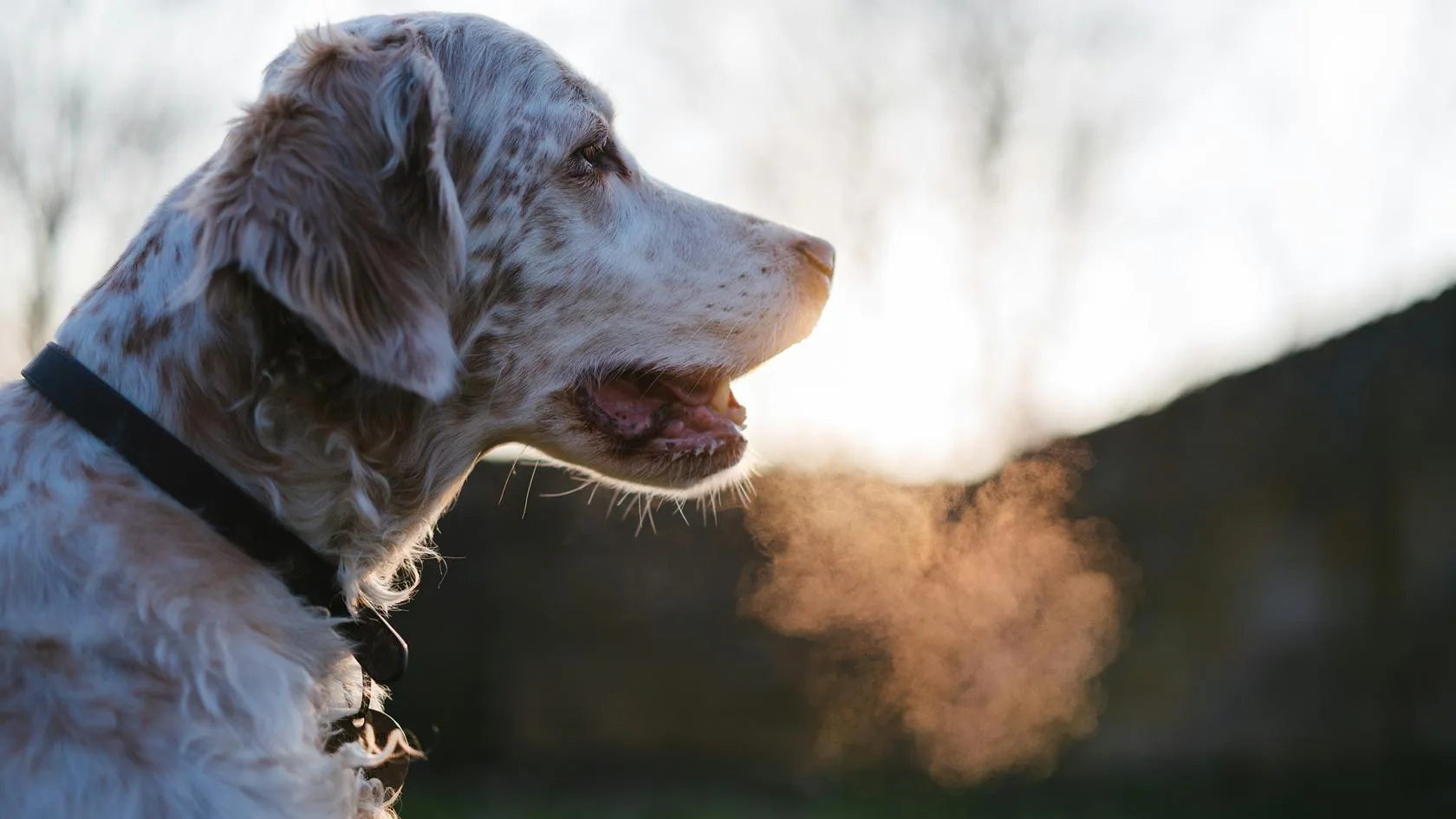

TL;DR: Dog Breathing Fast In Warm Weather, Causes, and When To Worry
- Dogs often breathe faster in warm weather just to cool themselves down.
- Things like exercise, excitement, or hot days can make panting more noticeable.
- Stress, anxiety, or even pain can also make breathing speed up.
- Sometimes it’s linked to health issues like infections or airway problems.
- More serious cases include heat stroke or heart and lung conditions.
- It’s worth paying attention if the breathing doesn’t slow down after rest.
- Sudden changes or heavy breathing that feels “not right” should be watched closely.
- You’ll usually notice patterns if you’re familiar with your dog’s normal behaviour.
- If it keeps happening, a vet check is the safest move.
If your dog’s breathing ever feels off or doesn’t settle like it normally does, it’s better to get it checked than ignore it. Give us a call, our professional vets can help figure out what’s going on and give you peace of mind and your dog feeling great again.
Is your dog breathing fast in warm weather and suddenly showing panting or heavy breathing that makes you go “hmm, that’s not usual”? Dogs often breathe faster when it’s hot, after exercise, or when they’re dealing with stress or anxiety, especially when their breathing rate goes above normal breaths per minute while resting or sleeping. But sometimes a dog is breathing abnormally fast, or the dog is breathing heavily even while just acting normal, and that can feel worrying.
Fast breathing in dogs can come from simple things like heat, dog breeds, or your dog breathing rapidly because of stress or excitement. Since breathing helps a dog’s body stay at a normal temperature, changes in a dog’s breathing are easier to notice when they’re just lying down and calm. Knowing your pet’s normal respiratory rate really helps you tell what’s normal and what’s not.
Sometimes it really is just heat, but other times it can be linked to breathing issues that need attention. Knowing when to just keep your dog calm or when to call the vet can make a big difference when abnormal breathing shows up. Read on to understand what your dog’s breathing might be telling you.
What Fast Dog Breathing in Warm Weather Can Mean
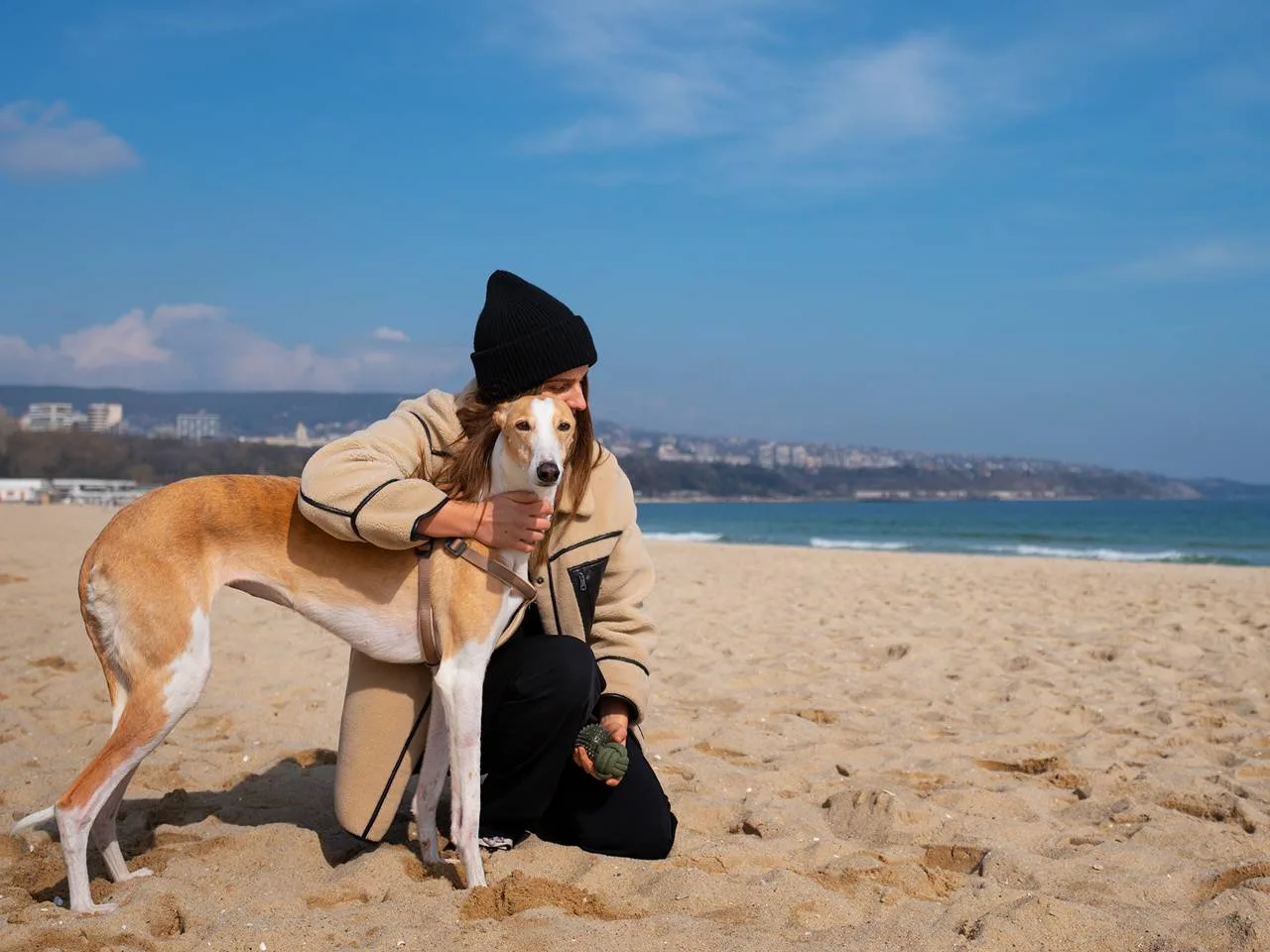
Sometimes in warm weather, a healthy dog will start breathing faster just because their body is trying to stay cool. A dog’s breathing can change a bit from normal breathing, so it helps to understand your pet’s normal breathing, including breaths per minute when resting, so you can notice when your dog is breathing rapidly.
Normal Temperature Adjustment Response
Breathing allows a dog’s body to cool down, especially when the air feels hot and heavy.
- A healthy dog may need to breathe faster to allow air movement and cooling.
- Faster breathing per minute while your dog is at rest can still be normal breathing.
- Puppy breathing can naturally look quicker than that of adult dogs.
- It really helps to know your dog so you understand what’s normal for them.
Environmental Cooling Mechanism
When it’s hot, breathing could simply increase because the body is trying to get back to a normal temperature.
- Rapid breathing allows heat to escape through air exchange.
- Allowing water and heat to evaporate helps the cooling process.
- A dog’s fast breathing can look more obvious during hot days.
- It’s basically the body’s way of helping your dog feel better again.
What Abnormally Fast or Heavy Breathing in Dogs Looks Like
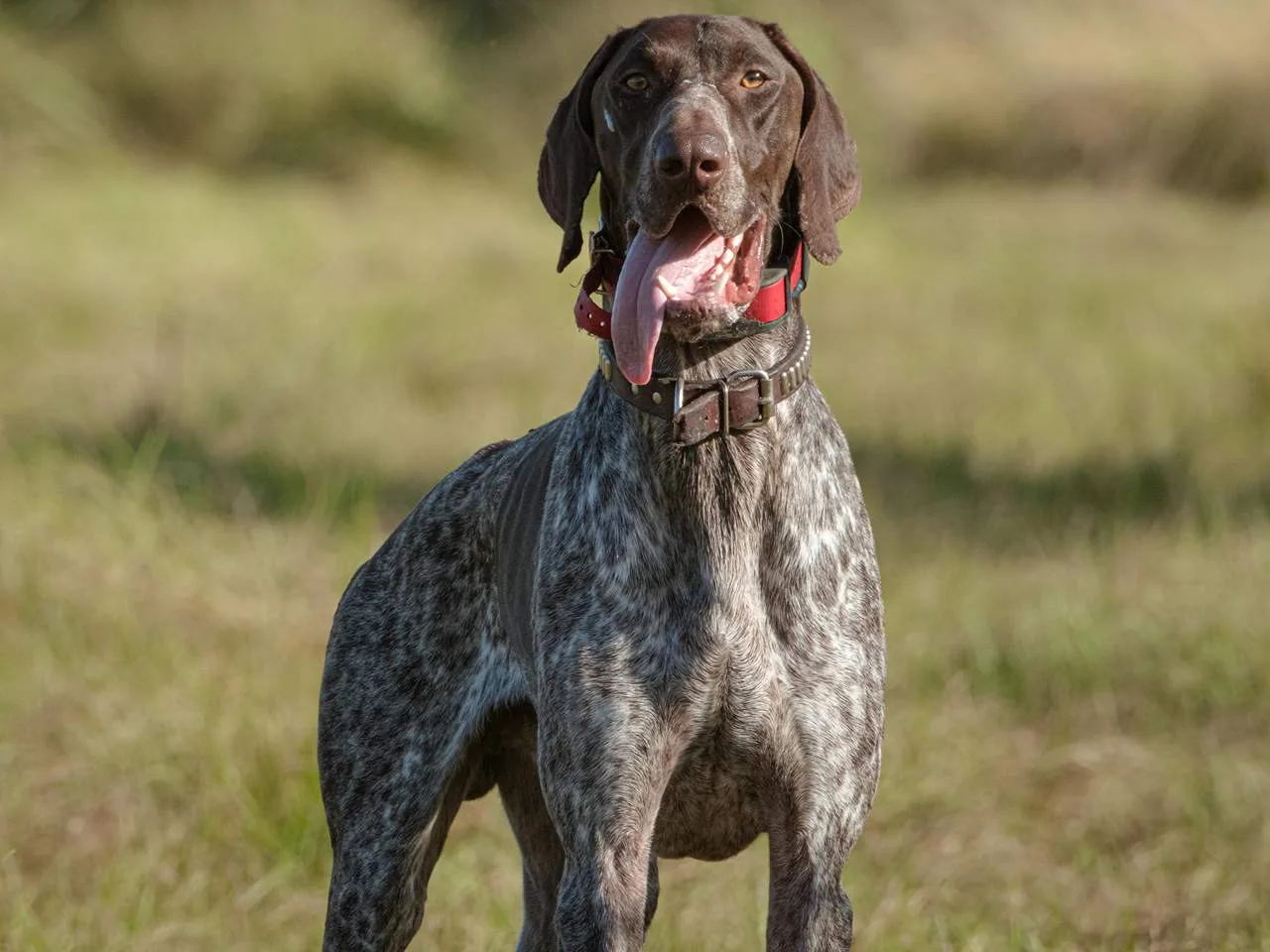
Sometimes you just notice that your dog’s breathing feels unusual, even if you can’t explain exactly why. Understanding of your pet’s normal breathing and breaths per minute when resting makes it easier to spot abnormal breathing when something suddenly seems off.
Noticeable Change In Breathing Pattern
The breathing may start looking stronger, quicker, or less relaxed than usual.
- Breathing becomes faster than normal per minute while at rest.
- The dog is breathing heavily with more noticeable chest movement.
- Breathing could sound louder or more strained than normal.
- Causes of fast breathing are not always obvious right away.
Unusual Breathing At Rest
Sometimes the change stands out more when your dog should already be calm.
- Breathing fast while at rest continues longer than expected.
- Breathing fast while sleeping or resting may interrupt comfortable rest.
- Breathing fast but otherwise acting normal can still feel unusual.
- Monitor the dog's breathing if the pattern suddenly changes.
Physical Signs Of Strain
You may also notice small body changes that make breathing look more difficult.
- Breathing difficulties may show through tense body posture.
- The dog may need to breathe fast to allow air movement more easily.
- Notice that your dog avoids fully relaxing while lying down.
- Abnormal breathing in dogs includes visible effort even during calm moments.
Factors Associated with Fast and Trouble Breathing
Fast or trouble breathing in dogs can come from a lot of different things, and honestly, it often depends on the cause of your pet’s breathing. Sometimes it’s mild and short-lived, but other times breathing could be a sign of something that needs attention, especially if it keeps happening or feels unusual.
Asthma
Asthma can make your dog’s breathing feel tight and a bit uncomfortable, like they’re not getting enough air. A vet may help figure out triggers and what can keep things under control.
Lung Disease
Lung diseases can slowly make breathing more difficult over time, as airflow becomes less efficient. In these cases, a vet will perform a full check to understand what’s going on.
Exercise
After exercise, it’s normal for your dog to breathe faster for a short time. Most of the time, things settle once you give your dog a minute while they are resting.
Kennel Cough
Kennel cough can sound worrying because of the coughing and faster breathing it causes. It spreads easily, so it’s something you don’t want to ignore.
Laryngeal Paralysis
This affects the throat muscles and can make breathing sound strained or noisy. It usually becomes more noticeable during walks or warm weather.
Windpipe Issues
Windpipe problems can make airflow feel restricted, almost like breathing through a narrow space. The dog's breathing difficulties will determine how much it affects daily life.
Bacterial Respiratory Infection
These infections can make your dog feel off and breathe heavier than usual. A vet will need to know the full symptoms to decide the right treatment.
Fungal Respiratory Infection
Fungal infections can build up slowly and make breathing feel more laboured over time. They often need ongoing care to manage properly.
Pressure On The Windpipe
When something presses on the windpipe, breathing can feel tight or limited. It may become more noticeable when your dog is resting or moving around.
Stiffening Of Airways
When airways lose flexibility, breathing doesn’t flow as smoothly as it should. If it continues, breathing issues should always be checked by a vet.
Smoke Inhalation
Smoke can irritate the lungs quickly and make breathing feel rough or fast. Depending on exposure, urgent vet care may be needed.
Breed Characteristics
Some dogs just have body structures that make breathing harder, especially in heat. These dogs often have a higher risk of developing breathing issues in warm weather or under stress.
Pain
Pain can change the way your dog is breathing, sometimes making it faster or shallower. It can happen suddenly and look like breathing fast due to stress caused by pain.
Parasites
Some parasites affect the heart or lungs and can slowly impact breathing. You might notice changes over time rather than all at once.
Pneumonia
Pneumonia can make breathing feel heavy and uncomfortable, like your dog is working harder to breathe. A vet may step in to help restore your dog to good health.
Compressed Lungs
When the lungs can’t fully expand, breathing feels shorter and more effortful. It can make your dog tire out more easily than usual.
Hernia
A hernia can sometimes put pressure inside the body that affects breathing. How serious it is depends on the situation.
Heat Stroke
Heat stroke is serious and happens when the dog has heatstroke and can’t cool down properly. This often needs urgent vet care right away.
Anemia
Anemia means less oxygen is moving through the body, so breathing has to work harder. A vet may check what’s causing it and how to treat it.
Nausea
When dogs feel nauseous, their breathing can change a bit or become lighter panting. It usually passes once they start feeling better.
Collapsing Windpipe
A collapsing windpipe can make breathing sound harsh or like a “honking” cough. If it keeps happening, dog breathing problems should always be checked by a veterinarian as soon as possible.
Anxiety
Any signs of anxiety and stress can cause fast breathing even without physical illness. Training with a certified dog behaviourist may be recommended if your dog is breathing fast due to stress or anxiety.
Medication
Some medications can change how fast or slow your dog breathes. If you notice changes, contact your vet so they can review it.
When Fast Breathing in Dogs Means You Should See a Vet
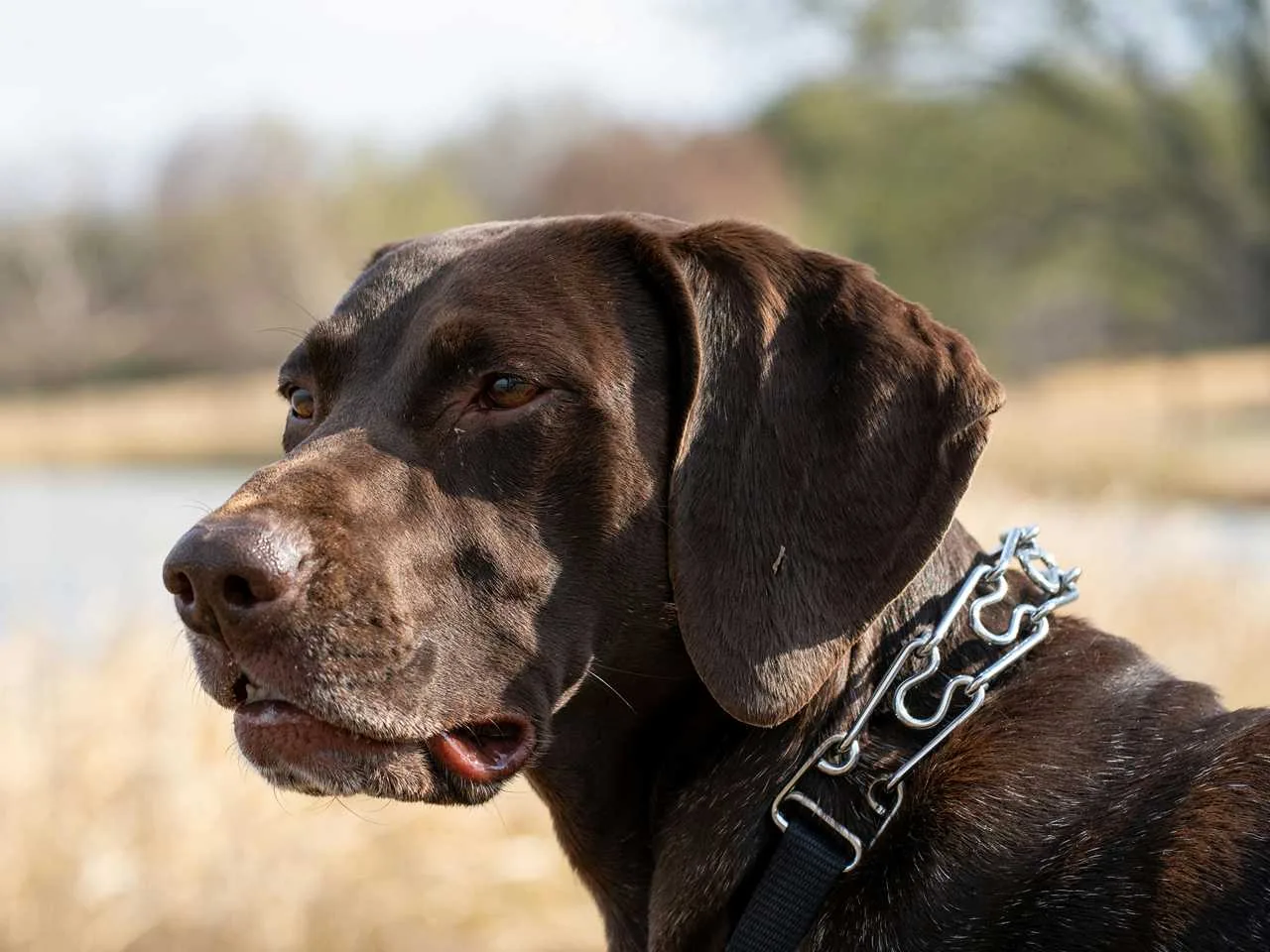
Fast breathing in dogs can be scary to see, especially when you’re not sure if it’s just normal or something more serious. Sometimes it settles after rest, but there are moments when it really does mean you should get it checked sooner rather than later.
Breathing That Stays Heavy
When your dog is still breathing heavily even after resting, it’s hard not to worry.
- The dog is breathing heavily even after resting.
- Breathing issues should always be taken seriously.
- Breathing doesn’t go back to normal as you’d expect.
- Things don’t seem to be improving over time.
- It can feel like something just isn’t right.
Sudden Or Concerning Changes
It’s especially concerning when the change feels sudden or out of nowhere.
- The reasons why your dog is breathing differently aren’t always obvious.
- It doesn’t match what you usually see from them.
- The change feels random or unexpected.
- That “something’s off” feeling is worth listening to.
What The Vet Will Check
When you bring your dog in, the vet will ask a lot of simple questions to piece things together.
- The vet will ask when the fast breathing started.
- The vet will ask about what your dog was doing before it began.
- The cause of your dog's breathing will be looked into carefully.
- All the details help figure out what’s going on.
When Additional Support Is Needed
Sometimes it takes more than just observation to help your dog feel better.
- Rest and oxygen therapy may be needed in more serious cases.
- A dog behaviourist may be required if stress and anxiety are a big part of the issue.
- Breathing problems might need closer attention and follow-up.
- Getting help early can really make a difference in recovery.
Simple Tips to Monitor Your Dog’s Breathing in Warm Weather
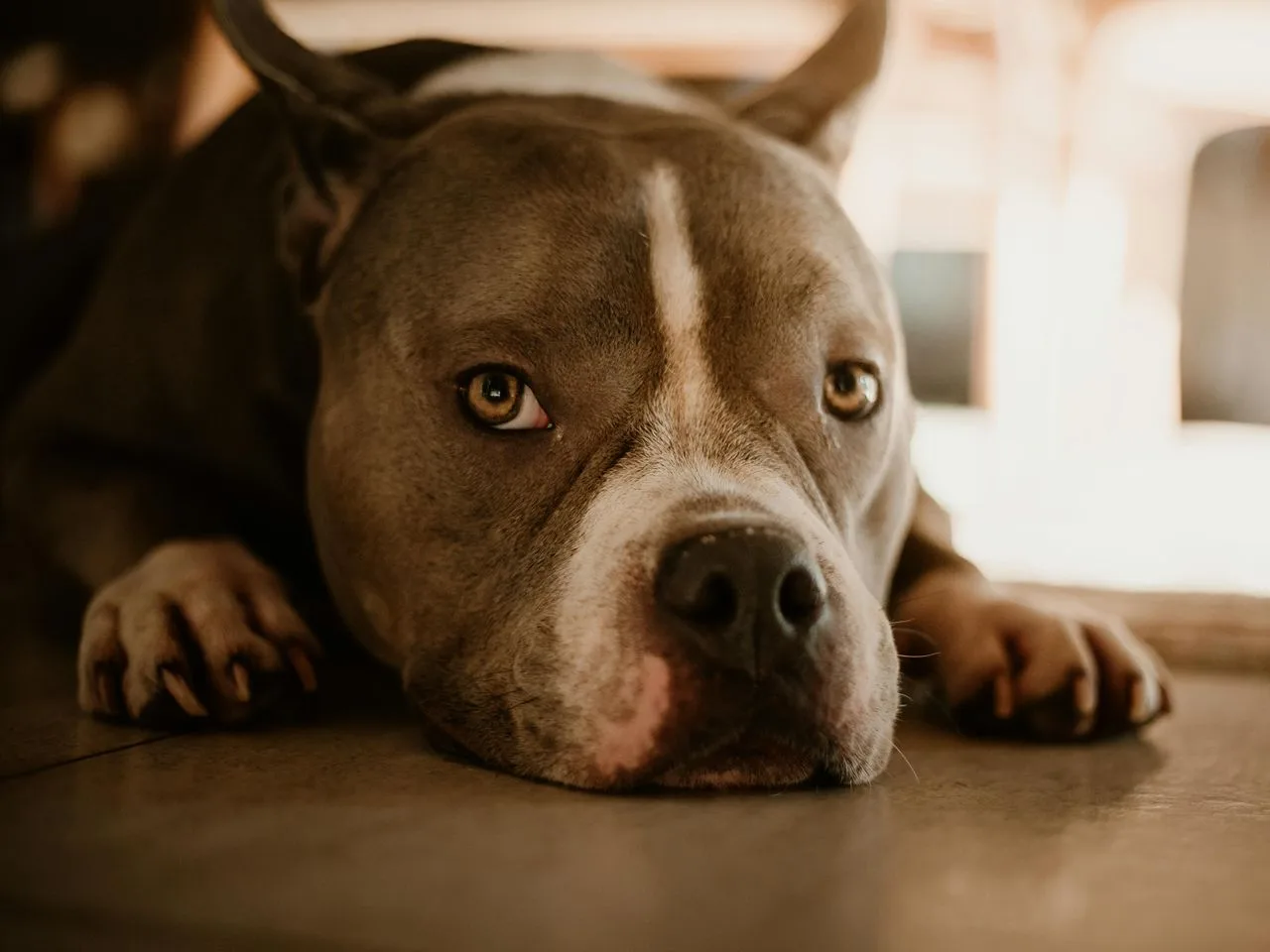
When it’s hot outside, pay a bit more attention to how your dog is breathing, just to make sure everything still looks normal. It doesn’t need anything complicated; just a few quick checks during the day can really help you feel more at ease.
- Watch your dog when they’re just lying around and fully relaxed.
- See how fast their breathing settles after a walk or play.
- Compare it to the way they usually breathe when everything is normal.
- Observe if their breathing rhythm or effort suddenly feels weird or unusual.
- Check if they still seem calm while breathing in warm weather.
- Keep an eye out for any new pattern you haven’t seen before.
- Make sure they’ve got a cool, comfy spot to rest.
- Give fresh water often, especially on warmer days.
- Just take a moment now and then to see if anything feels “off” even when things are quiet.
Final Thoughts
Fast breathing in dogs during warm weather is pretty common, and most of the time, it’s just their way of cooling off. But I know it can feel worrying when it looks heavier than usual or doesn’t calm down after resting.
The tricky part is that you really notice these changes more once you know what your dog’s normal breathing looks like. Sometimes it’s nothing serious, but other times it can be stress, pain, or something health-related that needs attention.
If it keeps happening or just doesn’t feel right to you, it’s better not to brush it off. Getting a vet to check it can give you peace of mind and help your dog stay comfortable.
Frequently Asked Questions
Why is my dog breathing differently in warm weather?
When the weather gets hot, we sometimes notice our dog breathing a bit faster, and it can make me pause for a second, too. Most of the time, though, it’s just their way of cooling off and dealing with the heat.
Notice the heat around them: Warm or humid weather can naturally make breathing faster and more noticeable than usual.
Check recent activity level: If they’ve been running, playing, or just got excited, that can easily speed up their breathing for a while.
Watch how they recover: It should slowly settle once they rest in a cooler, calmer spot.
Observe any changes: If it feels very different from what you normally see, it’s worth paying attention.
Stay a little more alert: If it doesn’t settle back down, getting it checked is the safer move.
When should I worry about changes in my dog’s normal breathing?
This is one of those things where you kind of just “feel” when something is off. Some breathing changes are harmless, but others just don’t settle the way they should.
Check how long it continues: If fast breathing goes on for longer than expected, it’s something to watch.
Look at how much effort it takes: If it looks like they’re working hard just to breathe, that’s not typical.
Notice behaviour changes too: Things like restlessness or seeming uncomfortable can go along with it.
Compare with the usual pattern: If it looks clearly different from what you’re used to, don’t ignore it.
Get help when unsure: Honestly, if it doesn’t feel right, it’s better to just have a vet check it.
Can stress affect my dog’s breathing?
Yeah, stress can really mess with how a dog breathes, even if they’re not sick at all. I’ve seen it happen in situations where they just seem uneasy or overwhelmed.
Notice common triggers: Loud noise, unfamiliar new places, or being left alone can set it off.
Watch their behaviour closely: You might see pacing, shaking, or them sticking close to you more than usual.
Check how they settle down: Once they feel safe again, their breathing should ease up and go back to normal.
Create a calm environment: A quiet and calm, familiar space usually helps them relax faster.
Look for repeating patterns: Over time, you’ll start noticing what situations trigger it.
What does heavy breathing look like in dogs?
Heavy breathing just looks more intense. Like they’re putting in effort even when they’re supposed to be resting.
Watch chest and belly movement and rhythm: It moves more strongly than their normal, relaxed breathing.
Listen for sound differences: It can sound deeper or louder than what you used to feel or hear.
Check during rest: It can still happen even when they’re just lying down or resting.
Compare with usual behaviour: It often feels clearly different from their normal calm state.
Pay attention if it continues: If it doesn’t ease up, it’s worth getting checked.
When should I take my dog to the vet for breathing changes?
This is one of those things where it’s better to trust your gut a bit. If something feels off and it’s not going away, it’s worth checking.
Watch if it doesn’t improve: Breathing that stays unusual even after rest shouldn’t be ignored.
Notice sudden changes quickly: If it just comes out of nowhere, that’s a red flag and should be checked.
Check how your dog feels overall: If they seem weak, uncomfortable, or acting strange, take note.
Avoid waiting too long: An early vet visit can make a big difference if something is wrong.

