


TL;DR: Why is My Dog Limping on the Front Leg?
- Limping can happen suddenly: A dog suddenly limping on a front leg after spring walks is common and often linked to minor strains, paw injuries, or joint stress.
- Many treatable causes: The most common possible causes of dog limping include sprains, sore muscles, debris in the paw, nail injuries, or early joint issues, which can also cause limping.
- Watch how your dog moves: If your dog seems to favour one paw, hesitates to put weight down, or shows signs of limping on front legs, it’s a sign that something needs attention.
- Early care makes a difference: Rest, paw checks, and proper monitoring can support recovery and protect your dog’s limp from getting worse.
- Know when to see the vet: A vet visit is important if pain increases, swelling appears, or if your dog is still limping after a few days.
- Professional diagnosis matters: Seeing a specialized vet for limping cases can identify whether the issue involves soft tissue, joints, or bone and recommend the right treatment options.
Have concerns about your dog’s legs? Contact us and let our veterinary team help give your dog the support needed. We assess what your dog needs and create a care plan designed to relieve pain and restore safe movement.
Have you gone for a walk and suddenly noticed your dog slow down or hold one paw up? When a dog's front leg limping appears out of nowhere, it’s natural to worry—especially after spring walks when uneven terrain, allergens, and outdoor activity increase.
A limp may be mild or obvious, temporary or persistent, and understanding what’s behind it can help you decide how to help your dog feel better and when to seek veterinary support. In this post, we’ll explore common causes of front leg limping, warning signs to watch for, and practical recovery tips to support your dog’s comfort and mobility.
Common Causes of Limping in Dogs
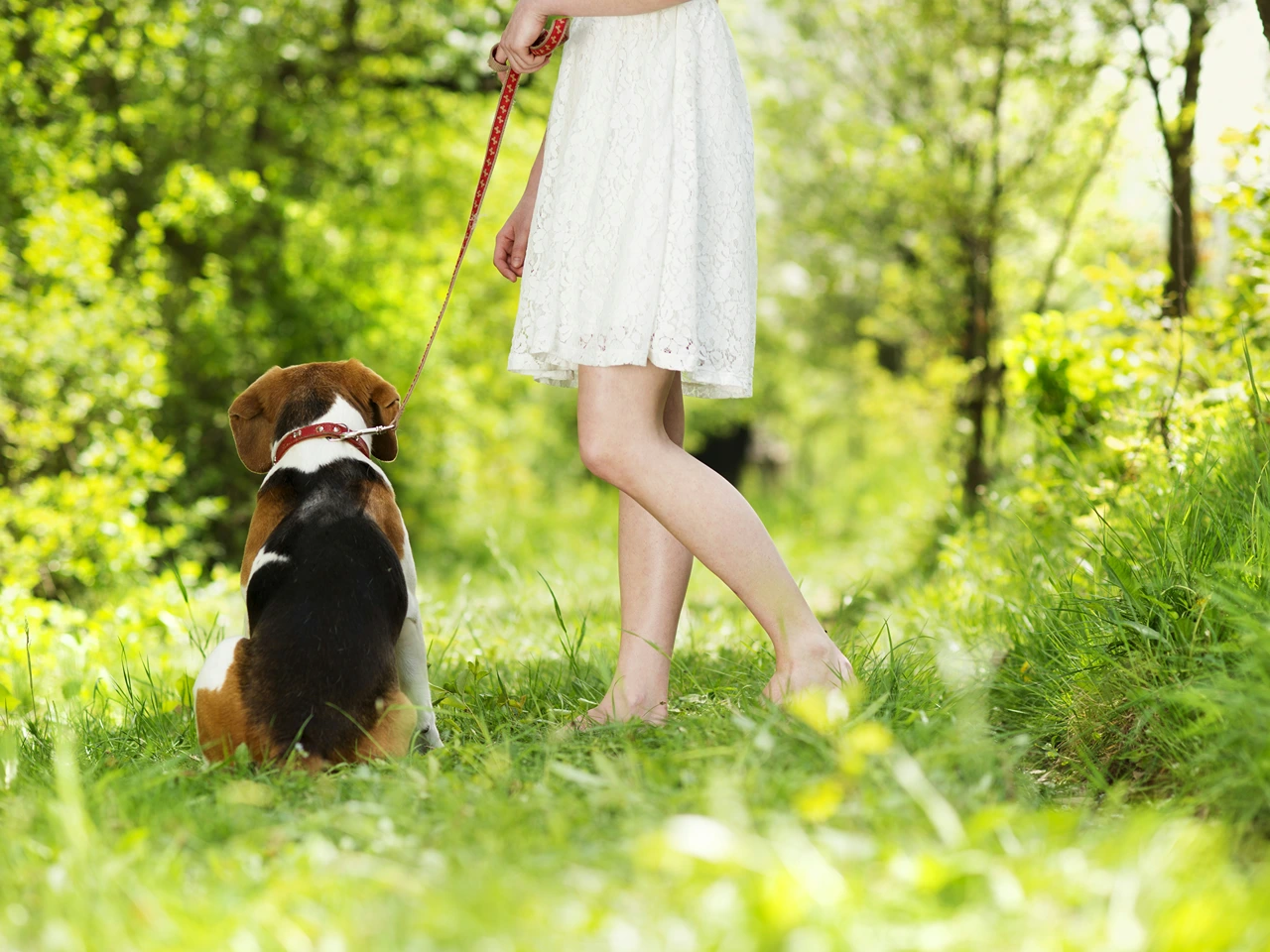
There are many potential causes behind a limp, especially when it involves the front legs. Limping may appear suddenly after an incident or develop gradually over time, depending on the underlying cause and how much stress is placed on the affected leg.
Injuries (Sprains, Strains, Breaks)
Increased outdoor activity during spring often leads to front leg injuries, such as sprains, muscle strains, or even a broken bone. These injuries usually cause sudden pain and make it difficult for a dog to bear weight, which can quickly lead to limping.
Arthritis and Joint Problems
Older dogs are particularly susceptible to arthritis, which can lead to chronic discomfort, stiffness, and decreased mobility. After prolonged walking or rest, symptoms frequently get worse and can eventually lead to limping.
Foreign Objects in Paw Pads
Small stones, thorns, or debris—more common during spring walks—can become trapped in the paw pads. This irritation causes localized pain and inflammation, leading dogs to favour the affected leg.
Nail Injuries or Infections
A torn, cracked, or infected nail can be surprisingly painful, even if the damage looks minor. Nail issues often make weight-bearing uncomfortable and can easily lead to limping if left untreated.
Muscle Soreness from Overexertion
Similar to humans after vigorous exercise, dogs who abruptly increase their activity levels may experience muscle soreness. Particularly in the front legs, this transient discomfort may result in stiffness and mild limping.
Insect Bites or Stings
Bites or stings can cause rapid swelling, tenderness, pain, and inflammation in the limb. When the reaction affects the front leg, dogs may limp suddenly despite no visible injury.
Growth Plate Injuries in Puppies
Puppies have soft, developing bones with sensitive growth plates. Trauma or excessive exercise can result in front leg lameness, which requires prompt attention to prevent long-term damage.
Shoulder or Elbow Dysplasia
Similar to hip dysplasia, structural joint disorders can also affect the elbows or shoulders. These problems frequently show up when exercising and may progressively lead to and contribute to limping, especially as the illness worsens.
Signs of Front Leg Limping in Dogs
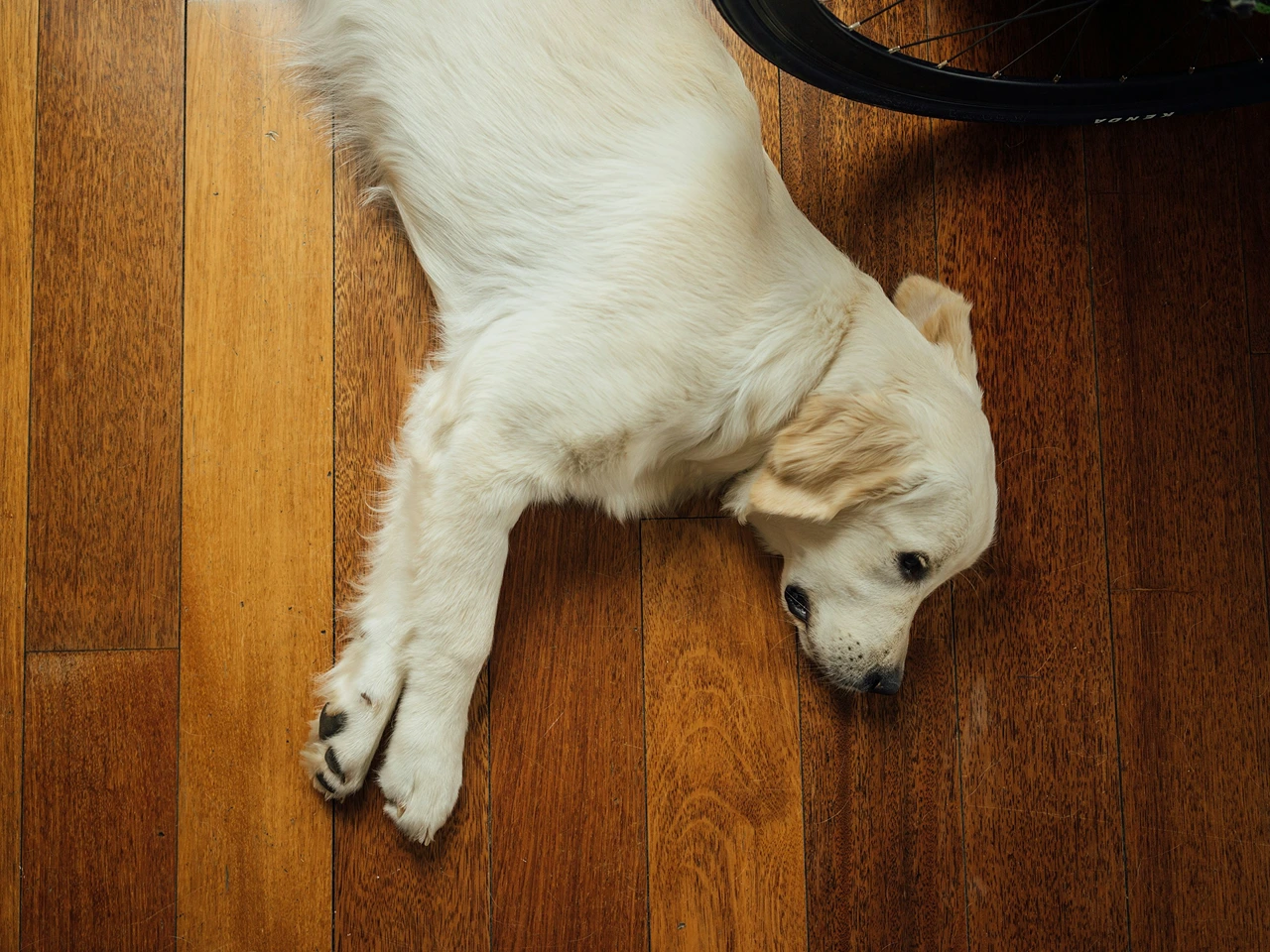
Sometimes the sign of pain is easy to spot, while other times your dog may be limping but not showing obvious distress. Paying attention to subtle behaviour changes can help you catch signs of injury early.
- Favouring one leg while walking: You may notice your dog clearly favouring one leg, often slowing down, shortening strides, or shifting weight away from the sore side. This is a common clue that the dog is uncomfortable and instinctively protecting the injured limb.
- Holding the paw up when standing: When a dog repeatedly lifts or holds one paw off the ground, it’s a strong indication that one leg is painful. This behaviour usually means the leg may hurt even at rest, not just during movement.
- Reluctance to put weight on the leg: If your dog hesitates to place weight on the leg, it often signals pain, strain, or joint issues. The leg may feel unstable or sore, making normal walking uncomfortable.
- Swelling or inflammation: It is obvious that there has been an injury if there is noticeable swelling, redness, or warmth around the leg or joints. These physical alterations frequently follow trauma, overuse, or small mishaps while out for a walk.
- Whining or crying when touched: If your dog vocalizes when the leg is touched, it suggests tenderness or sharper pain in that area. This reaction is a clear sign of pain that shouldn’t be ignored.
- Reduced activity level: A dog favouring one leg may also become less playful, avoid walks, or rest more than usual. Limping combined with lower energy often means discomfort is limiting normal movement.
Care Tips You Can Do if Your Dog is Limping
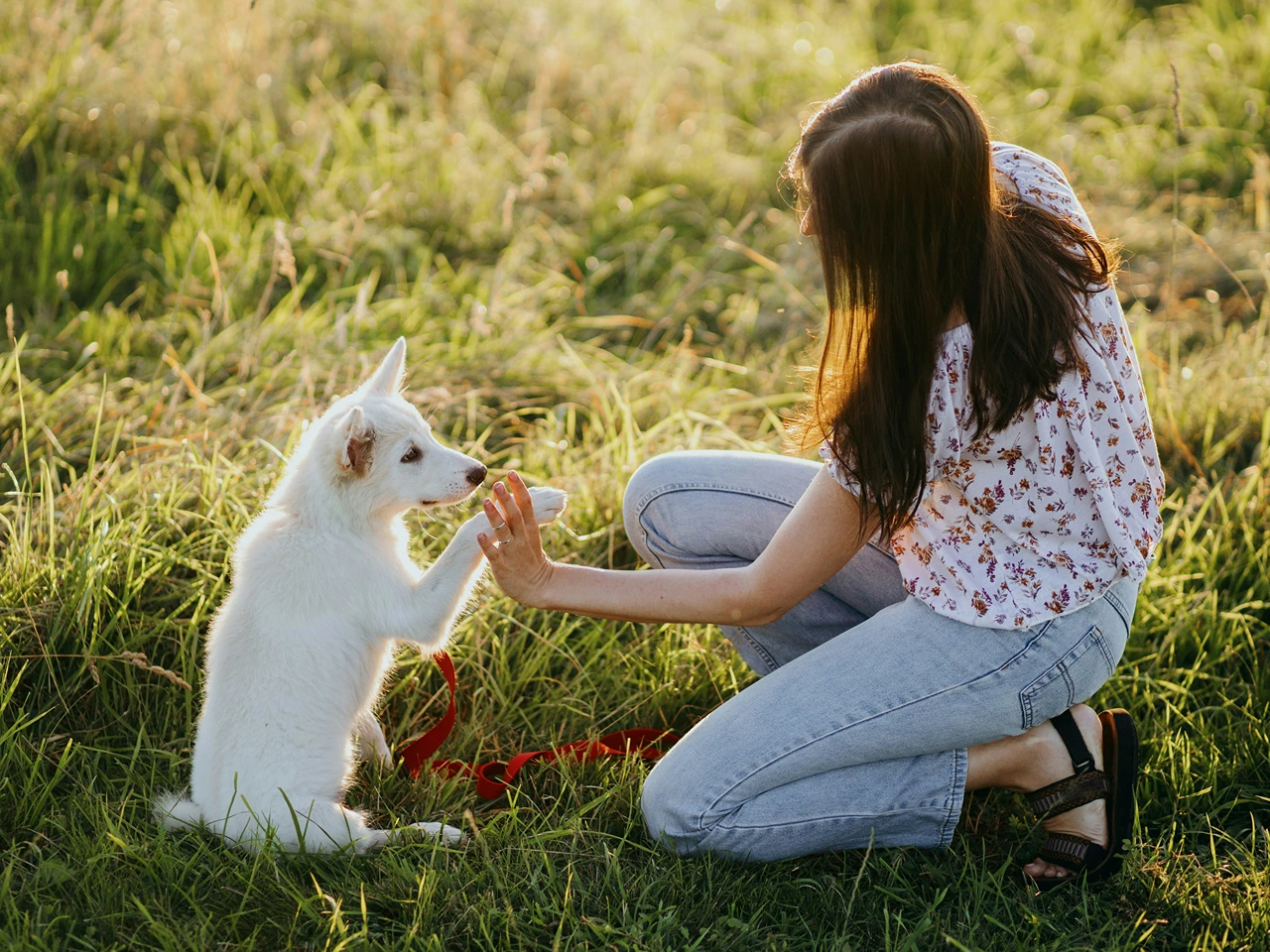
If limping is mild and your dog at home seems otherwise well, a few simple steps can offer comfort while you monitor their progress and help your dog recover safely.
- Rest and restrict activity: Sudden limping often follows overexertion, especially after active spring walks. Limiting running, jumping, and long walks gives strained muscles or joints time to heal and reduces pain in dogs.
- Apply ice for acute injuries: If the limp appeared suddenly, applying a cold pack to the injured leg for short periods can help reduce swelling and inflammation. This is most effective within the first 24–48 hours.
- Use warm compresses for chronic conditions: For ongoing stiffness or joint-related pain in dogs, gentle warmth can relax tight muscles and improve circulation. Warm compresses are best used once swelling has gone down.
- Examine paw pads and nails: Carefully check your dog’s paws for cuts, thorns, cracked pads, or broken nails that may be causing discomfort. Spring debris is a common cause of sudden limping during walks.
- Keep the area clean: To avoid infection, gently clean any small cuts or scrapes you find on the injured leg. Maintaining wound cleanliness promotes healing and prevents more issues.
- Monitor for worsening symptoms: Watch closely over the next few days—if limping does not improve, worsens, or is paired with swelling or behaviour changes, it’s time to seek veterinary care.
How Vets Treat a Limping Dog
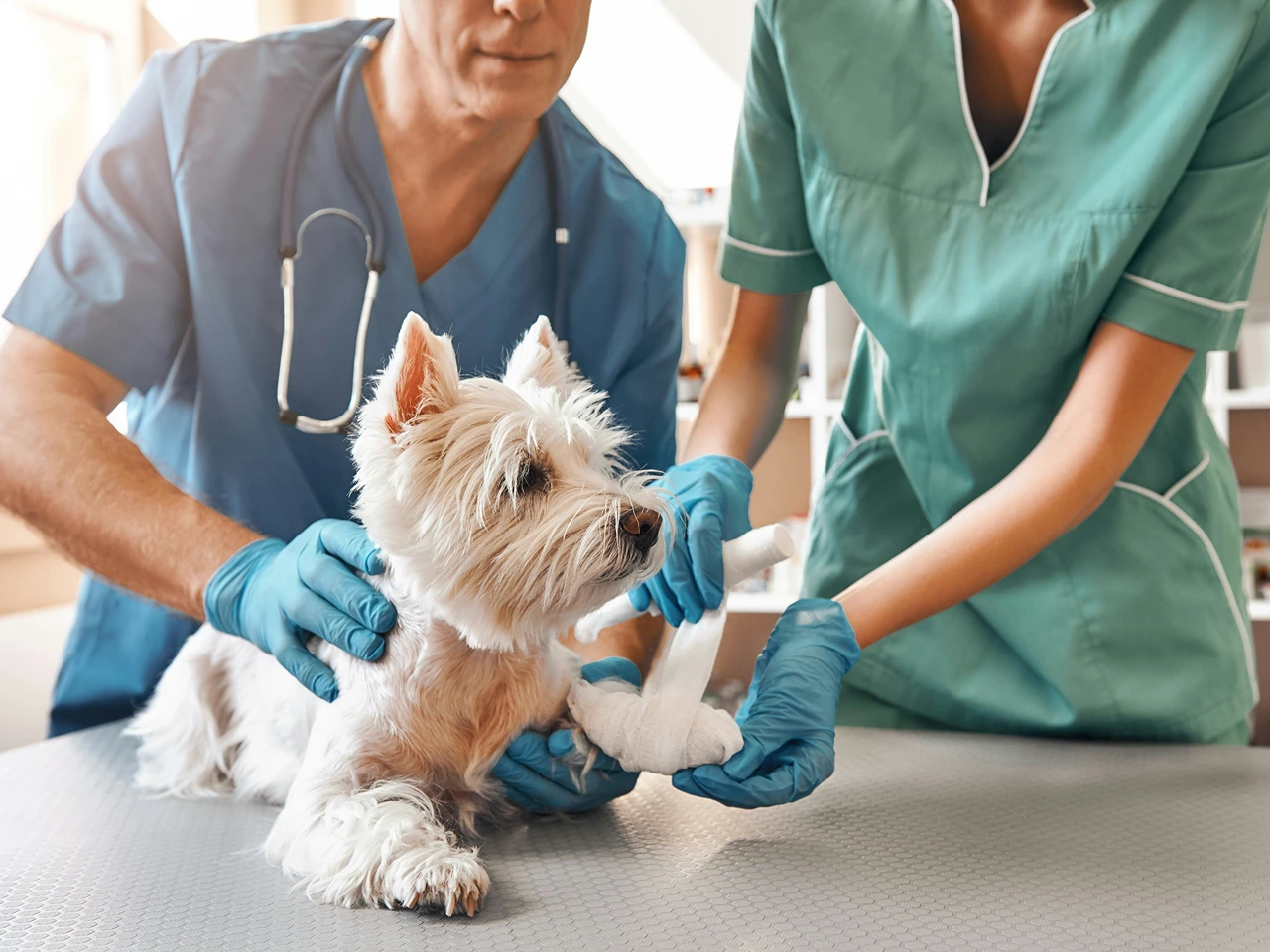
When home care isn’t enough, professional veterinary care ensures the issue is properly diagnosed and treated before it worsens. A veterinarian creates a treatment plan based on the cause, severity of the injury, and your dog’s overall health.
Physical Examination
A veterinarian closely evaluates movement, posture, and gait to assess pain and limping. This hands-on exam helps determine the severity of the injury and which tests or treatments are needed next.
X-rays or Imaging Tests
Imaging is used to identify or rule out severe injuries such as fractures, joint damage, or bone abnormalities. These tests give the vet a clear picture of what’s happening beneath the surface.
Anti-inflammatory Medications
These medications help reduce swelling, stiffness, and discomfort that contribute to pain and limping. They are often prescribed as part of an early treatment plan to promote healing.
Pain Management
Safe, vet-approved pain medication provides targeted pain relief based on your dog’s condition. Proper pain management is essential, especially if the dog is in severe pain or mobility is significantly affected.
Physical Therapy
Your vet may suggest gentle rehab exercises and controlled movement to help your dog rebuild strength and flexibility. For more serious injuries or long-term recovery, physical therapy is often part of the treatment plan.
Joint Supplements
Supplements may be added to support joint health and mobility, particularly in older dogs or those with chronic issues. Your vet may suggest these to help reduce ongoing pain and limping.
Your vet may advise you to take your dog back for follow-up visits to monitor progress and adjust treatment as needed. In urgent situations—such as when a dog is in severe pain, suddenly unable to walk, or severe injuries are suspected—contact an emergency vet immediately.
How to Prevent Future Limping in Dogs

While not all limping issues are preventable, developing healthy habits can help keep your dog active and comfortable, reducing the risk of future injuries.
- Regular exercise appropriate for age and breed: Consistent, balanced activity helps prevent strain on your dog’s front or back limbs, including the hind leg, and reduces the chance your dog starts limping.
- Maintain a healthy weight: Keeping your dog at a healthy weight reduces stress on joints and muscles, making it less likely your dog starts limping from unnecessary pressure.
- Regular nail trimming: Proper nail length ensures your dog walks naturally and avoids awkward movements that can cause your dog to limp.
- Check paws after walks: Inspect your dog’s paws for cuts, debris, or swelling after outdoor adventures to catch problems early before your dog starts limping.
- Provide joint supplements if recommended: Supplements can support long-term mobility, particularly for dogs prone to joint stress, helping prevent your dog from limping in the future.
- Regular vet check-ups: Ongoing veterinary exams allow issues to be detected early, especially if your dog has been limping or shows signs of discomfort in the front or back limbs.
- Seek professional advice when in doubt: If you notice any persistent limping or are unsure why your dog starts limping, bring your dog to a vet or see a vet specialist who handles limping cases to ensure proper care.
Final Thoughts
Spring walks are meant to be fun, but noticing your dog limping on its front leg can quickly turn concern into worry. Limping—whether it’s the left or right front leg or a pattern where the front leg often seems sore—can stem from minor strains or more serious issues.
Even if your dog seems okay otherwise, don’t ignore changes in movement or posture. Most dogs recover quickly and get back to enjoying their walks—especially when they’re given a little rest, close monitoring, and a vet’s guidance if needed.
Frequently Asked Questions
Why does my dog limp on the front leg?
Dogs' front legs may be strained by exposure to new surfaces, increased activity levels, and seasonal dangers.
Overuse from increased activity: Walks that are longer or more strenuous can put undisciplined muscles and joints under stress.
Uneven terrain stress: When moving, the front leg may become twisted or jarred by trails, rocks, and uneven paths.
Seasonal paw irritants: Debris, thorns, and tiny stones are more prevalent in the spring and can get stuck in paw pads.
Allergic reactions or bites: Insect stings or allergic swelling may cause sudden front-leg discomfort.
Underlying joint sensitivity: Pre-existing joint issues may flare up with increased spring activity.
How can I tell if my dog’s front leg limp is serious?
Some limps resolve quickly, but certain signs suggest a more serious issue that needs attention.
Chronic limping: A limp that lasts longer than 24 to 48 hours could be an indication of a joint issue or injury.
Refusal to bear weight: Steering clear of any pressure on the leg frequently indicates severe pain.
Visible deformity or swelling: Unusual leg positioning, heat, or swelling may be signs of an injury.
Touch-sensitive pain: Tears, snarling, or yanking away indicate sensitivity or more serious injury.
Abrupt behavioural changes: Limping and lethargy or decreased appetite can be signs of discomfort.
What can I do at home to help my dog recover from mild limping?
If the limp is mild and your dog seems otherwise well, simple home care may support recovery.
Reduce physical activity: Rest and quick bathroom breaks help to avoid putting additional strain on the front leg.
Cold therapy for swelling: Using ice for a brief period of time after an activity can help lower inflammation.
Check the paws and nails: Look for any painful cuts, debris, or nail damage.
Warm compress for stiffness: Applying a little heat can help relieve persistent pain in the muscles or joints.
Track daily progress: A few days of improvement indicate that rest is beneficial.
When should I take my dog to the vet for front leg limping?
Veterinary care is essential when limping doesn’t improve or shows concerning signs.
Instead of getting better, the limp gets worse: Growing pain could be a sign of a more serious injury.
Severe vocalization or pain: Medical attention is frequently necessary for severe pain.
Inability to walk normally: Sudden loss of mobility is a medical concern.
Suspected trauma or fractures: Professional evaluation is necessary for falls or accidents.
Recurring limping episodes: Repeated limps may point to chronic joint or structural issues.
How can I prevent my dog from limping after future walks?
Long-term mobility is supported and front-leg limping is less likely with preventive care.
Increase activity levels gradually: Develop endurance gradually, particularly after a sedentary winter.
Maintain a healthy body weight: Keep their weight in check because a lower weight puts less strain on their front-leg joints.
Trim nails regularly: Proper nail length promotes balanced movement and posture.
Check paws after every walk: After each walk, check the paws for cuts or debris. This helps to prevent the problem from getting worse.
Plan for routine veterinary examinations: These examinations aid in the early detection of joint or mobility issues.

