


TL;DR: What Pet Owners Need to Know About Kennel Cough in Dogs
- Usually mild, not deadly: Most cases are not life-threatening as kennel cough tends to resolve on its own in healthy dogs.
- Highly contagious illness: It spreads easily through air, contact, and shared items.
- Know the signs: A dry cough that sounds like a honk, gagging, sneezing, a mild fever, and low energy are all early signs.
- Dogs that are at risk need extra care: Puppies, older dogs, and dogs with weak immune systems are more likely to have problems.
- Simple treatment works: Rest, hydration, and monitoring are often enough, with medications used when necessary.
- Keep it from spreading: Dogs with kennel cough should be isolated to protect other pets and stop outbreaks.
- Preventing is important: Getting vaccinated, staying away from sick dogs, and limiting exposure in crowded places all lower the risk.
Have concerns? Don't ignore a cough that won't go away. Talk to us to make sure your dog is safe, comfortable, and on the road to recovery.
Could your dog’s cough be something serious or even life-threatening? If you’ve noticed your dog coughing, it’s natural to worry. Even though kennel cough is usually mild, knowing its risks, symptoms, and treatment can help you act quickly to keep your pet safe. This common respiratory illness, which is often caused by a mix of viruses and bacteria, spreads quickly in places where dogs are around each other.
In this blog, we’ll break down whether kennel cough can be deadly, the key symptoms to watch for, the risks for vulnerable dogs, and share effective treatment and prevention options to keep your dog safe and healthy.
Is Kennel Cough Deadly in Dogs?
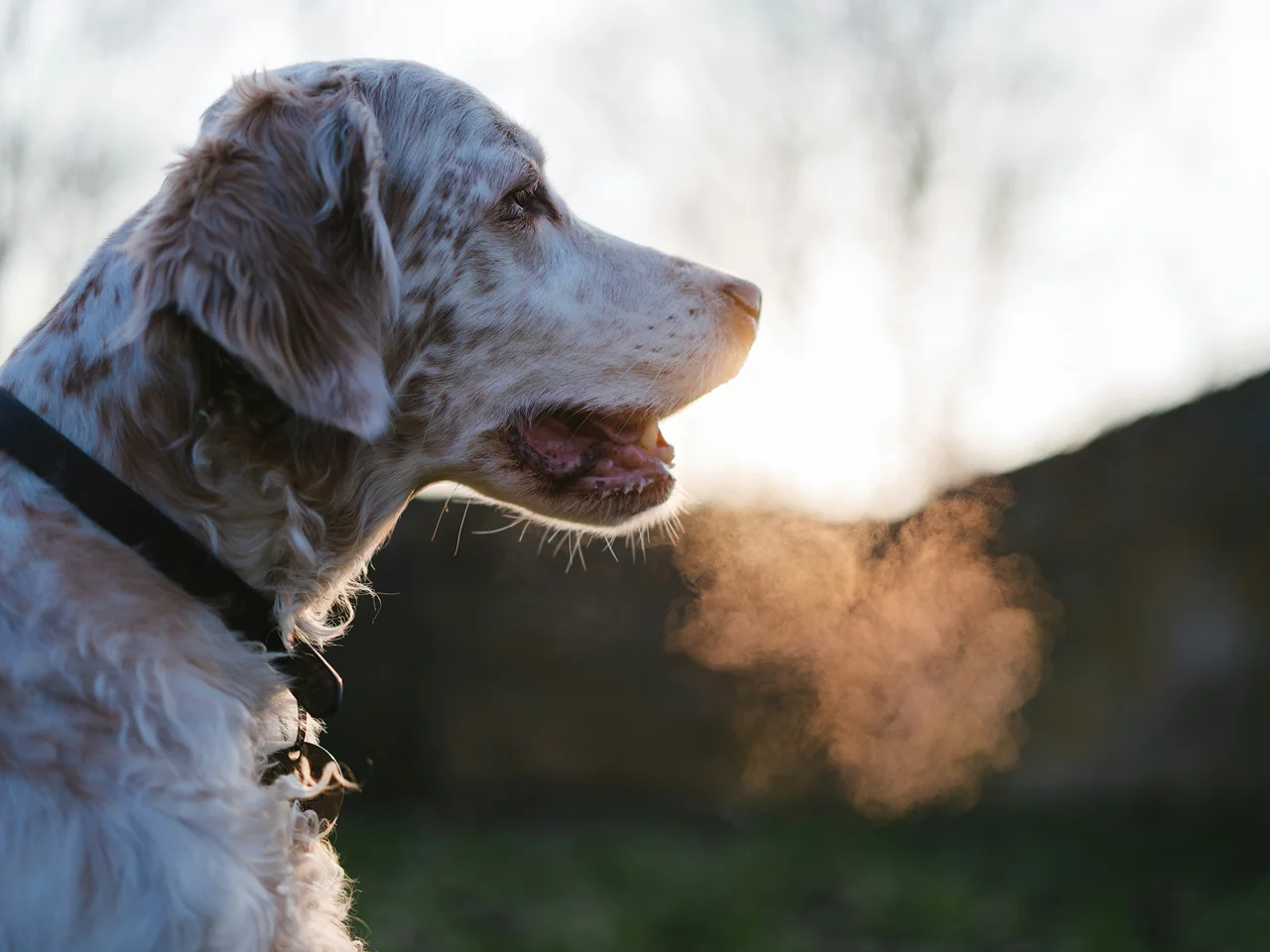
Kennel cough, also known as canine infectious tracheobronchitis, is an infectious respiratory disease that affects dogs worldwide. It is rarely fatal in healthy dogs, and most cases are mild. In fact, kennel cough is a common condition that many dogs experience at least once in their lifetime.
For most healthy dogs, the illness is self-limiting, and they recover from kennel cough within a couple of weeks—even without treatment. However, certain groups are more vulnerable. Puppies, senior dogs, and those with weakened immune systems are at higher risk of complications from kennel cough, including pneumonia.
Because this condition is highly contagious, dogs are more likely to contract kennel cough after recent exposure to other dogs, especially if they’ve been around infected dogs. While death is possible in severe cases, it is uncommon. With proper care and monitoring, many dogs fully recover and return to normal health.
Ways Dogs Get Kennel Cough and How It Spreads
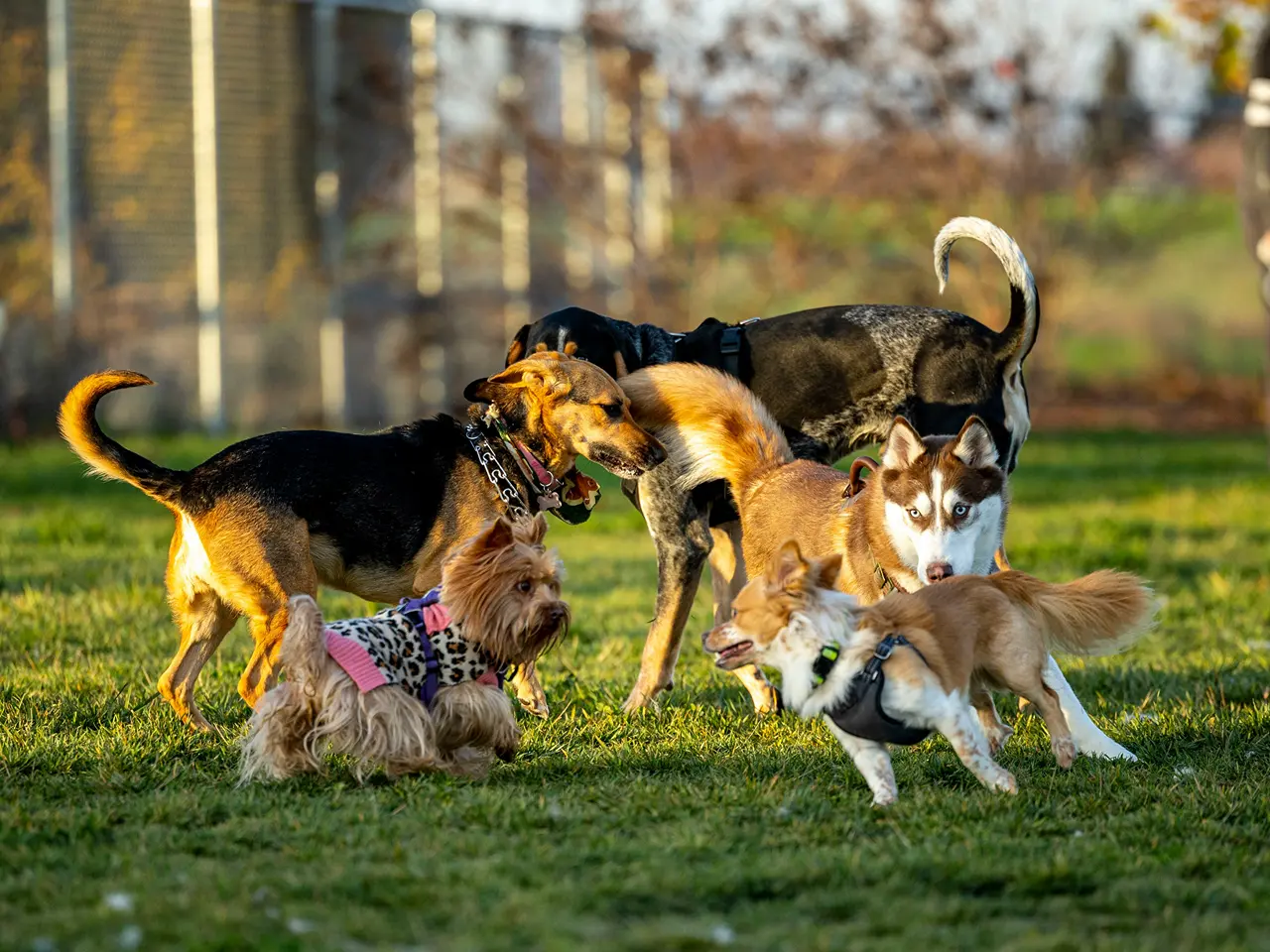
Understanding kennel cough causes can help reduce the spread of the disease. This canine infectious respiratory disease is transmitted from dogs in several ways:
- Airborne transmission through coughing: When a dog coughs, tiny droplets with viruses that cause kennel cough, like canine parainfluenza virus, canine adenovirus, and Bordetella bronchiseptica, get into the air. This makes it easy for other dogs to get kennel cough.
- Nose-to-nose contact: Direct interaction with infected dogs allows the kennel cough infection to pass quickly, especially during greetings or play.
- Shared food and water: Bowls can harbour bacteria and viruses, increasing the risk of infection in dogs when they are shared among multiple pets.
- Contaminated surfaces: Items like toys, bedding, and crates can carry pathogens, contributing to the spread of the disease even without direct contact.
- Boarding kennels: Close quarters and constant interaction among dogs that spend time together make it easy for dogs to catch kennel cough—this is how many cases originate.
- Dog parks: Social spaces like parks expose dogs to many others, raising the chances of exposure to a kennel cough infection.
- Grooming facilities and shelters: Any environment where dogs are in groups increases the likelihood of transmission and a potential case of kennel cough.
Because this condition is highly contagious, even brief exposure can be enough for a dog to develop kennel cough.
Common Signs and Symptoms of Kennel Cough in Dogs
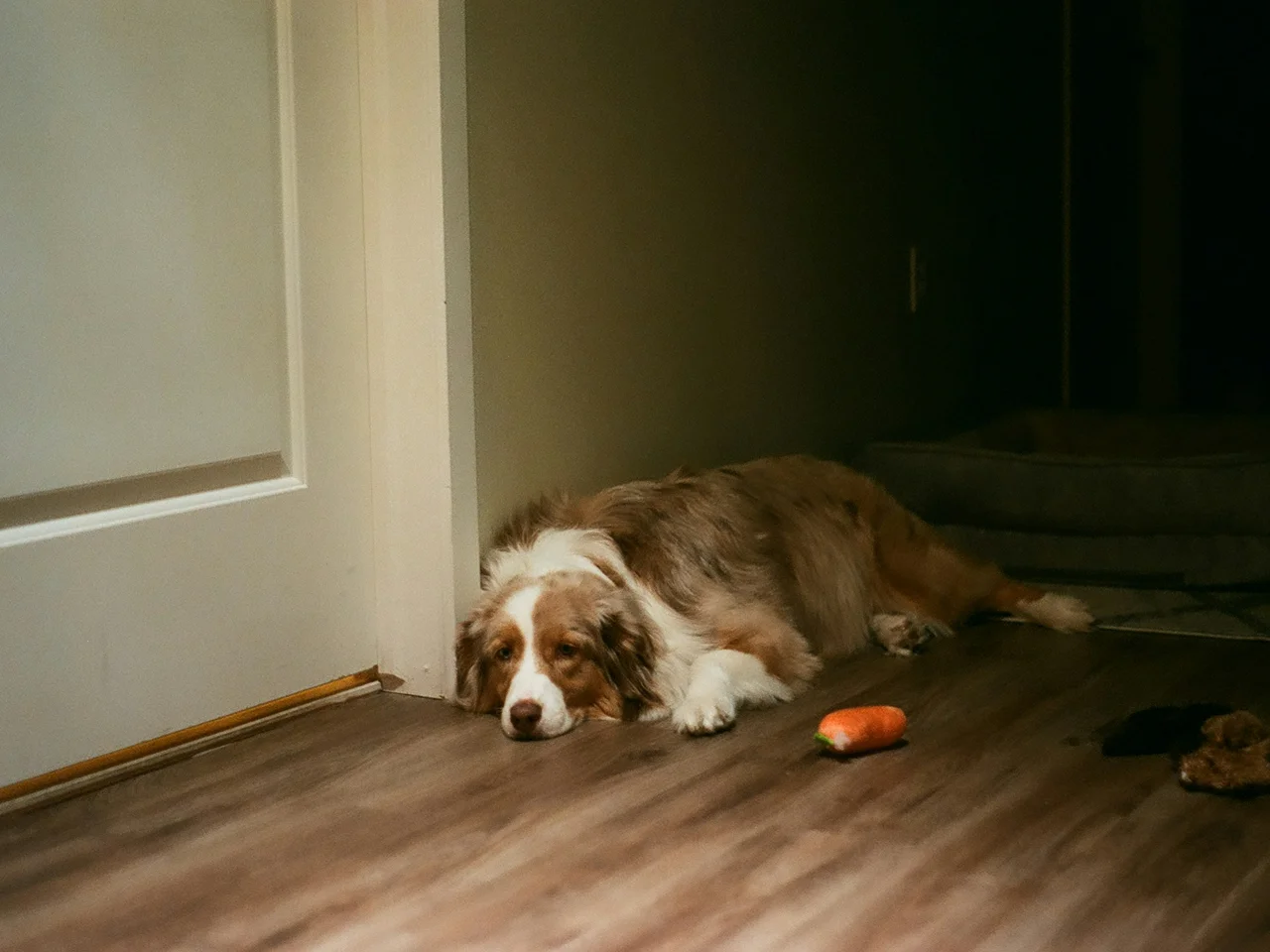
Recognizing the signs of kennel cough early helps ensure proper care and prevents complications. After exposure, dogs typically go through an incubation period of about 2–14 days before symptoms appear, with most cases showing signs within a few days. Symptoms may then last 1–3 weeks, depending on the dog’s overall health and immune response.
Loud, Dry, Honking or Hacking Cough
The most common symptom is a hacking cough that doesn't go away. It often sounds like a goose honk and gets worse when they do something exciting or active, like after exercise or when they put pressure on their throat.
Gagging or Retching
Dogs sometimes gag or retch after a coughing fit, almost like they’re trying to clear something stuck in their throat. Because of this, it can look like kennel cough is starting even before other symptoms show up, and you might notice a little foam or saliva coming up, too.
Sneezing and Nasal Irritation
It's common to have mild sneezing and a runny nose, which are signs of irritation in the upper airways and early signs of kennel cough. These symptoms may be more noticeable in dusty or strongly scented places.
Mild Fever
Some dogs get a low-grade fever as their immune system fights the infection. In most cases, this fever is mild and goes away quickly, often as the infection starts to go away.
Lethargy and Reduced Appetite
A dog that could have kennel cough may appear less energetic, sleep more, or show a temporary decrease in appetite, but most dogs still remain alert and responsive despite these mild changes.
Eye Discharge
Watery or slightly thick eye discharge can accompany respiratory irritation and is sometimes seen alongside other signs of kennel cough.
In some cases, symptoms may progress into a moist cough, which can suggest deeper lung involvement. If severe symptoms develop—such as difficulty breathing, high fever, or worsening lethargy—it’s important to have a veterinarian diagnose kennel cough promptly.
Treatment for Kennel Cough in Dogs

When it comes to treating kennel cough in dogs, most cases improve on their own. Still, a little supportive care goes a long way—and the good news is most dogs recover naturally within two weeks after symptoms begin.
- Isolation and rest: If your dog has kennel cough, it’s best to keep them separated from other pets and let them rest, giving the respiratory tract time to heal while avoiding the spread of infection.
- Medications when needed: In some cases, your vet may prescribe an antibiotic if a bacterial infection is suspected, or suggest cough suppressants to ease the coughing and keep your dog more comfortable.
- Avoid collar pressure: Try switching to a harness, as this helps prevent extra pressure on the throat and reduces irritation of the respiratory tract.
- Hydration and comfort: Make sure your dog drinks plenty of water—staying hydrated helps soothe the respiratory tract and supports overall recovery.
- Monitor for worsening signs: Keep an eye on your dog, and don’t hesitate to visit your vet if symptoms get worse, last beyond two weeks after symptoms, or if you notice signs of complications like pneumonia.
With proper symptoms and treatment management, most dogs recover without lasting issues.
How to Prevent Kennel Cough in Dogs

The best way to lower the risk of this dog disease is to stop it from happening in the first place. A few simple steps can go a long way toward keeping your dog healthy.
- Bordetella vaccine: The kennel cough vaccine protects against Bordetella bronchiseptica, which is one of the main causes of the infection.
- Regular boosters: Your vet may suggest yearly or twice-yearly boosters to keep your dog safe, depending on how active they are.
- Vaccinate before boarding: This is especially important if your dog will be in kennels, daycare, or grooming facilities where dogs are at risk of exposure.
- Avoid sick dogs: Try to keep your dog away from others showing kennel cough symptoms, as the illness spreads easily through close contact.
- Limit exposure in crowded areas: Busy dog parks or events can increase the chances of infection, especially in places where many dogs are at risk.
Giving your dog the right diet and making sure they get enough exercise can also help their immune system, making them less likely to get sick from viruses and other germs that cause respiratory diseases.
Final Thoughts
Although kennel cough is a highly contagious illness that affects dogs, it is usually mild and manageable. With a little awareness and early action, most dogs recover pretty quickly. Keeping up with kennel cough vaccinations and reducing your dog’s exposure to risky environments can make a big difference in helping them stay happy, safe, and healthy.
Don't brush off a cough that won’t go away or starts getting worse — especially if it’s a puppy, a senior dog, or a dog that already has health issues. Monitoring your dog closely and seeking veterinary advice when needed ensures timely treatment and prevents complications.
Frequently Asked Questions
Is Kennel Cough Contagious?
Yes, kennel cough spreads quickly between dogs, especially when they are in a shared environment or close to each other.
Kennel cough is a highly contagious respiratory illness: When infected dogs cough or sneeze, they release droplets into the air that can spread the disease quickly.
Common in social dog environments: Places like boarding facilities, parks, and grooming salons increase exposure risk because dogs catch kennel cough through frequent interaction.
Multiple infectious agents involved: The condition develops from a combination of bacteria and viruses, including canine influenza, canine parainfluenza virus, canine adenovirus, and Bordetella bronchiseptica, all of which can work together to trigger respiratory disease outbreaks and worsen symptoms in affected dogs.ks.
Direct and indirect transmission: Dogs can get sick from direct contact, like when they greet each other with their noses, or from touching contaminated bowls, toys, or surfaces.
Early isolation slows the spread: Keeping an infected pet away from other dogs and practicing good hygiene can help keep the disease from spreading to other dogs in the home or community.
What Does a Dog With Kennel Cough Sound Like?
A distinctive cough is usually the first and most recognizable sign owners notice.
Honking cough: A dog with kennel cough often produces a dry, goose-like honk that may worsen during excitement or exercise.
Gagging after coughing: Dogs may retch or appear to be clearing their throat, sometimes producing small amounts of foam or saliva.
Mild upper respiratory signs: Sneezing, nasal discharge, or watery eyes can accompany irritation in the airways.
Changes in energy levels: Some dogs become a little sluggish or lose their appetite, but they stay alert and responsive.
Symptoms usually show up quickly: They usually show up within a few days of being exposed and can last anywhere from one to three weeks, depending on how healthy the dog is overall.
What Is the Best Kennel Cough Treatment for Dogs?
Most cases get better with supportive care, but getting advice from a vet makes sure the recovery is safe.
Rest and less activity: Cutting back on exercise lets the respiratory tract heal and helps keep coughing to a minimum.
Veterinary-guided care: If your vet thinks your dog has kennel cough, they may recommend medications like cough suppressants or, in some cases, antibiotics — helping control the infection and keep your dog more comfortable.
Switching from a collar to a harness: Using a harness instead of a collar reduces pressure on the throat, which can help prevent extra coughing and irritation.
Help with hydration and comfort: Giving your dog plenty of fresh water and a calm, stress-free place to rest can help ease irritated airways and speed up healing.
Changing from a collar to a harness: A harness takes pressure off the throat and stops more coughing.
Keeping an eye out for problems: If symptoms get worse, breathing gets harder, or recovery takes longer than expected, see a vet.
How Does the Kennel Cough Vaccine Help Prevent Infection?
Vaccination lowers the risk of illness and helps reduce the severity if exposure occurs.
Targets important bacteria: Protection focuses on organisms that are often involved in outbreaks, such as Bordetella bronchiseptica, which is one of the main bacteria that causes kennel cough in dogs.
Recommended for dogs that are social: The kennel cough vaccine is best for dogs that go to daycare, boarding kennels, or parks.
Boosters keep them safe: Regular vaccinations help keep their immunity strong, especially for dogs that are around other dogs a lot.
Lessens spread and severity: Vaccinated dogs can still get sick, but their symptoms are usually less severe, and they recover faster.
Part of a bigger plan to stop disease: Vaccination works best when combined with good hygiene, a healthy diet, and staying away from sick animals.
Can Kennel Cough Become Serious or Deadly?
While usually mild, certain dogs face higher risks and require closer monitoring.
Generally self-limiting illness: Most healthy dogs recover within a few weeks with minimal intervention.
Some pets are more likely to get sick than others: For example, puppies, older dogs, and pets with weak immune systems are more likely to get pneumonia.
Secondary infections can happen: If severe coughing or an illness that isn't treated isn't watched, it can turn into a deeper respiratory infection.
Early care leads to better outcomes: Getting help right away when symptoms get worse can help prevent complications and speed up recovery.
Being aware protects your health: Knowing how dogs catch kennel cough and spotting the signs early lets owners act quickly to keep their pets safe.

