
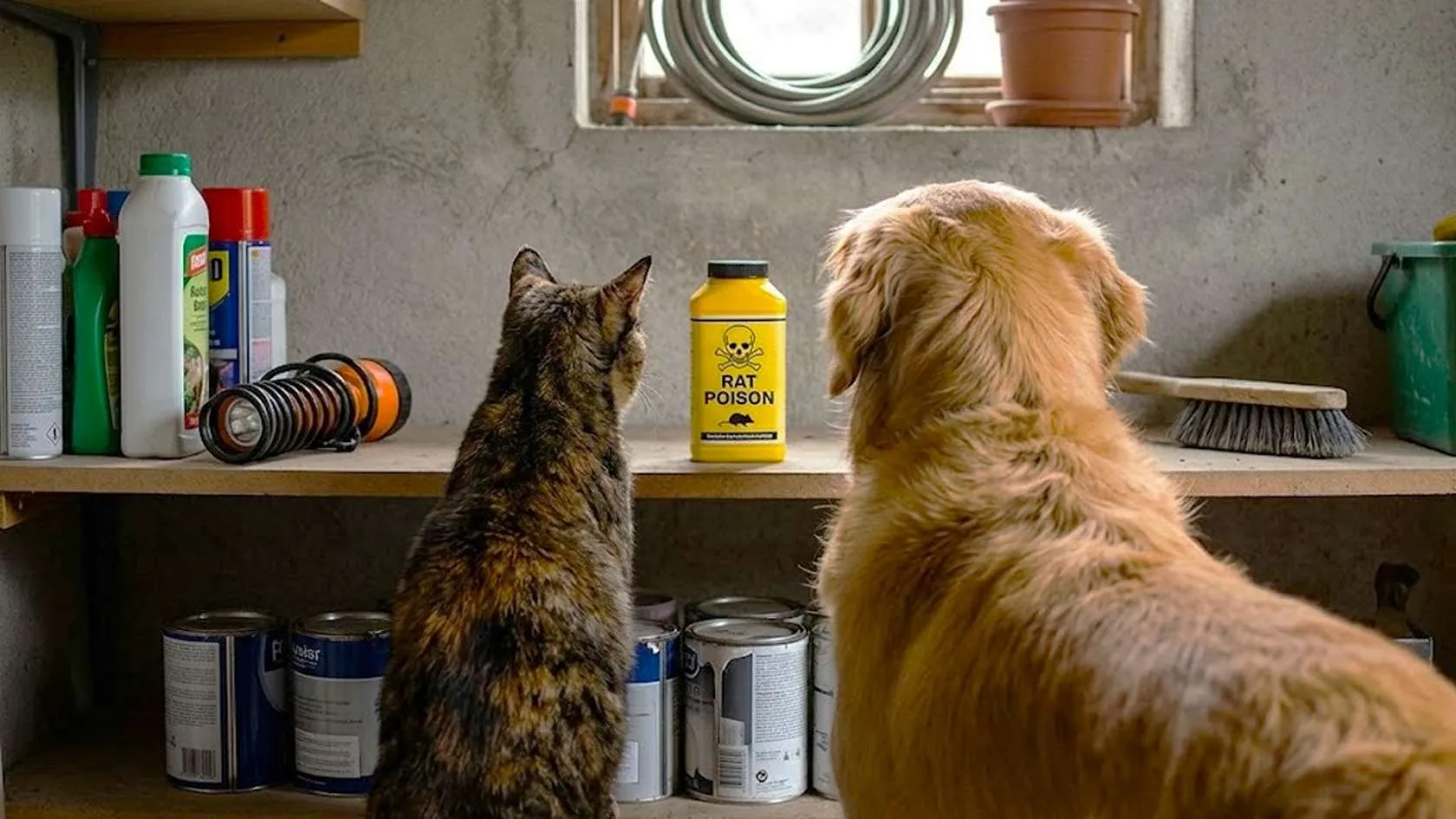

TL;DR: Bromethalin Rodenticide, Pet Poisoning, Fall Rodents, and More!
- Bromethalin is a type of rat poison used to control rats and mice.
- Unlike anticoagulant rodenticides, it does not work by affecting blood clotting.
- It can be found in different forms, including pellets, blocks, and soft baits.
- Dogs and cats can accidentally eat the bait if they can get to it.
- The amount eaten can make a difference in how serious the poisoning is.
- Bromethalin poisoning can affect the nervous system and cause serious problems.
- Signs can include weakness, tremors, seizures, and paralysis.
- Some pets may also become unusually restless or develop a high body temperature.
- Severe poisoning can be life-threatening.
- There is no specific antidote for bromethalin poisoning.
- Getting veterinary advice quickly is important after a possible exposure.
- Keeping the original bait package can help identify what the pet may have eaten.
- Fall can bring more rats and mice around homes as they look for food and shelter.
- Cooler weather can encourage rodents to move into warmer, protected areas.
- Changes in food sources can also bring rodents closer to homes.
- Pets do not always have to eat the bait itself to be exposed.
- A dog or cat can also be exposed by eating a rat or mouse that has eaten the poison.
- Cats that hunt outdoors may have more chances to come across affected rodents.
- Dogs that catch or eat rodents can also be exposed.
- Dead rodents should be kept away from pets and removed as soon as possible.
- Bait should always be placed somewhere pets cannot reach.
- Knowing where bait has been placed can be helpful if a pet is later exposed.
- If exposure is suspected, information about the product, amount, and timing can help the veterinarian.
- When in doubt, it is better to ask a veterinarian than wait and see what happens.
If your pet may have eaten rat poison or a rodent that could have been exposed to bromethalin, getting advice sooner is better than waiting for something to seem wrong. Contact us; our compassionate vets can check your pet and help you figure out the next step.
Could rat poison become a real concern for dogs and cats during fall rodent season? Bromethalin rodenticide is one of the common products used for rodent control, but accidental ingestion can put pets at risk of bromethalin poisoning. It is easy to overlook this risk when bait is being used around the home, especially when pets are naturally curious.
Bromethalin toxicosis is an important topic in veterinary toxicology because exposure can lead to serious toxicity in dogs and cats. Understanding the risks can make it easier to think about where rodenticide is placed and how pets might come into contact with it.
A little extra care around rodent bait can go a long way when pets are part of the household. Knowing the risks of bromethalin can help with safer rodent control and better risk mitigation measures. Read on to learn more about bromethalin rodenticide, poisoning risks, and ways to help keep dogs and cats safe during fall rodent season.
What Is Bromethalin Poison and Why Is It Used
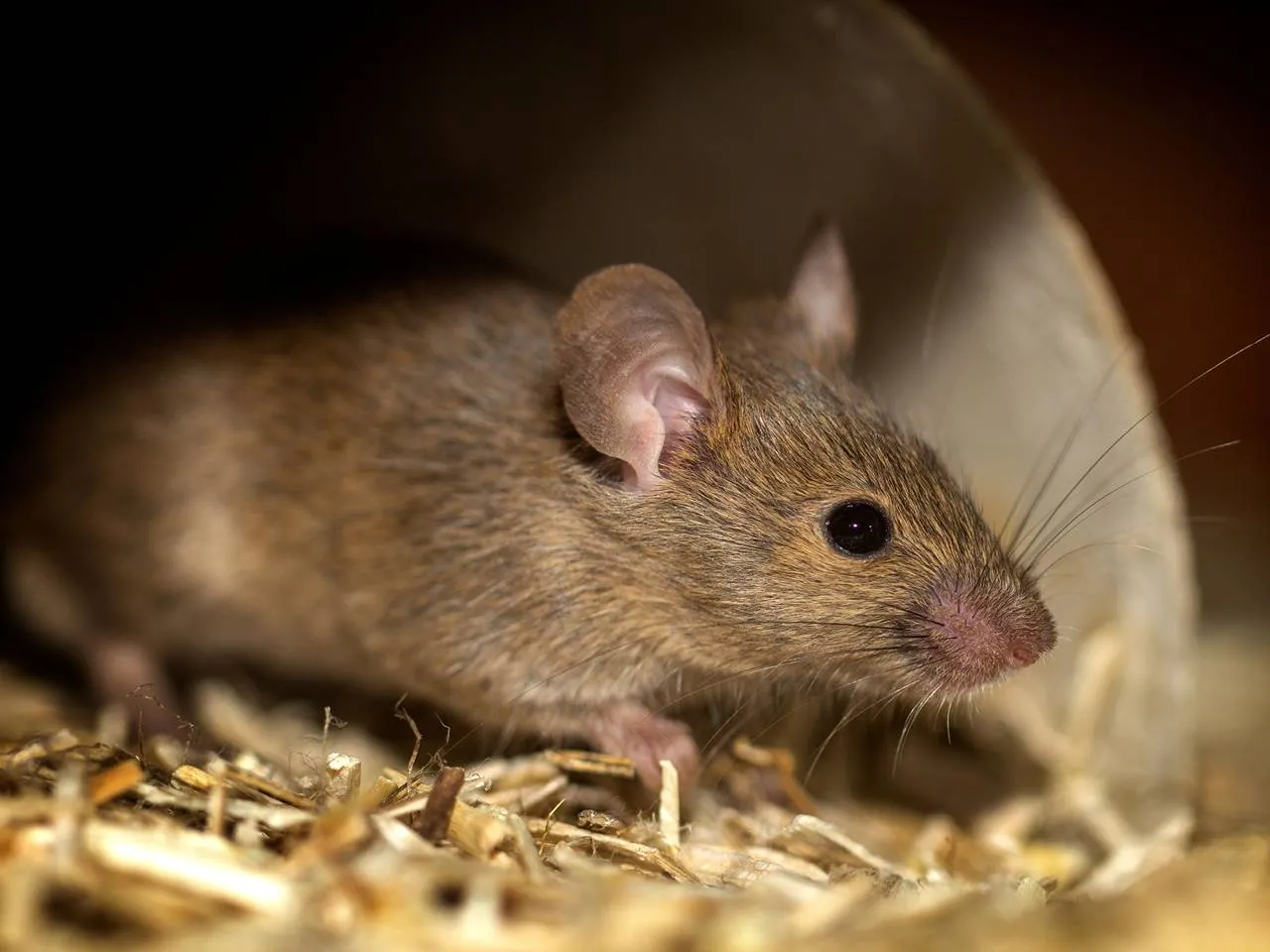
Bromethalin is a neurotoxic rodenticide used in some products to control rats and mice. It can be found in certain pellet and soft bait products and is different from anticoagulant rodenticides. Knowing what kind of poison is being used can be helpful when there are pets around the home.
Why Is Bromethalin Used to Control Rodents?
Bromethalin is used to kill mice and rats after they ingest treated bait. The amount of bromethalin and the type of bait can vary between products, so checking the product label is important when identifying what was used.
- It is a non-anticoagulant rodenticide: Bromethalin does not work like anticoagulant rodenticides, which interfere with normal blood clotting.
- It is used against target species: The main target species are rats and mice.
- It comes in different bait forms: Depending on the product, bromethalin can be found in pellets, blocks, or soft baits.
- The toxic dose of bromethalin can vary: Different products can contain different concentrations of the active ingredient.
- It is intended for rodent control: Bromethalin bait is made to control rodent populations, not for use on companion animals.
- The product label provides key information: It identifies the active ingredient, concentration, formulation, and intended use.
Mechanism of Action of Bromethalin
Bromethalin works by disrupting energy production in cells of the central nervous system (CNS). After an animal ingests it, bromethalin is rapidly absorbed from the gastrointestinal tract and metabolized in the liver into desmethylbromethalin, an active metabolite that contributes to its neurotoxic effects.
- Bromethalin is rapidly absorbed: After ingestion, the substance can be rapidly absorbed from the gastrointestinal tract and distributed through the body.
- It is metabolized in the liver: The liver converts bromethalin into desmethylbromethalin, which has stronger toxic effects.
- It affects mitochondrial oxidative phosphorylation: Desmethylbromethalin interferes with oxidative phosphorylation, which cells use to produce energy.
- It can uncouple oxidative phosphorylation: This reduces the energy available for normal cellular functions.
- It affects sodium regulation: Reduced cellular energy can interfere with sodium-potassium pumps that help maintain the normal balance of sodium and other electrolytes across cell membranes.
- It causes osmotic changes: Disrupted sodium regulation can cause fluid to move into nervous tissue, leading to fluid accumulation.
- It can cause intramyelinic fluid accumulation: Fluid can build up within the myelin surrounding nerve fibres and interfere with normal nerve function.
- It can affect the brain and spinal cord: More extensive fluid accumulation can contribute to cerebral edema and swelling involving the spinal cord.
- It can increase intracranial pressure: Cerebral edema can contribute to increased intracranial pressure and further affect CNS function.
- It produces neurological toxicity: These effects explain why bromethalin is classified as a neurotoxic rodenticide and why exposure can cause severe neurological problems.
Put simply, bromethalin affects the nervous system by interfering with the way cells produce and use energy. That is what sets it apart from anticoagulant rodenticides and helps explain why even a product intended for rodent control can be a serious concern when pets accidentally ingest it.
Why Fall Is a Peak Season for Rat and Other Rodent Activity
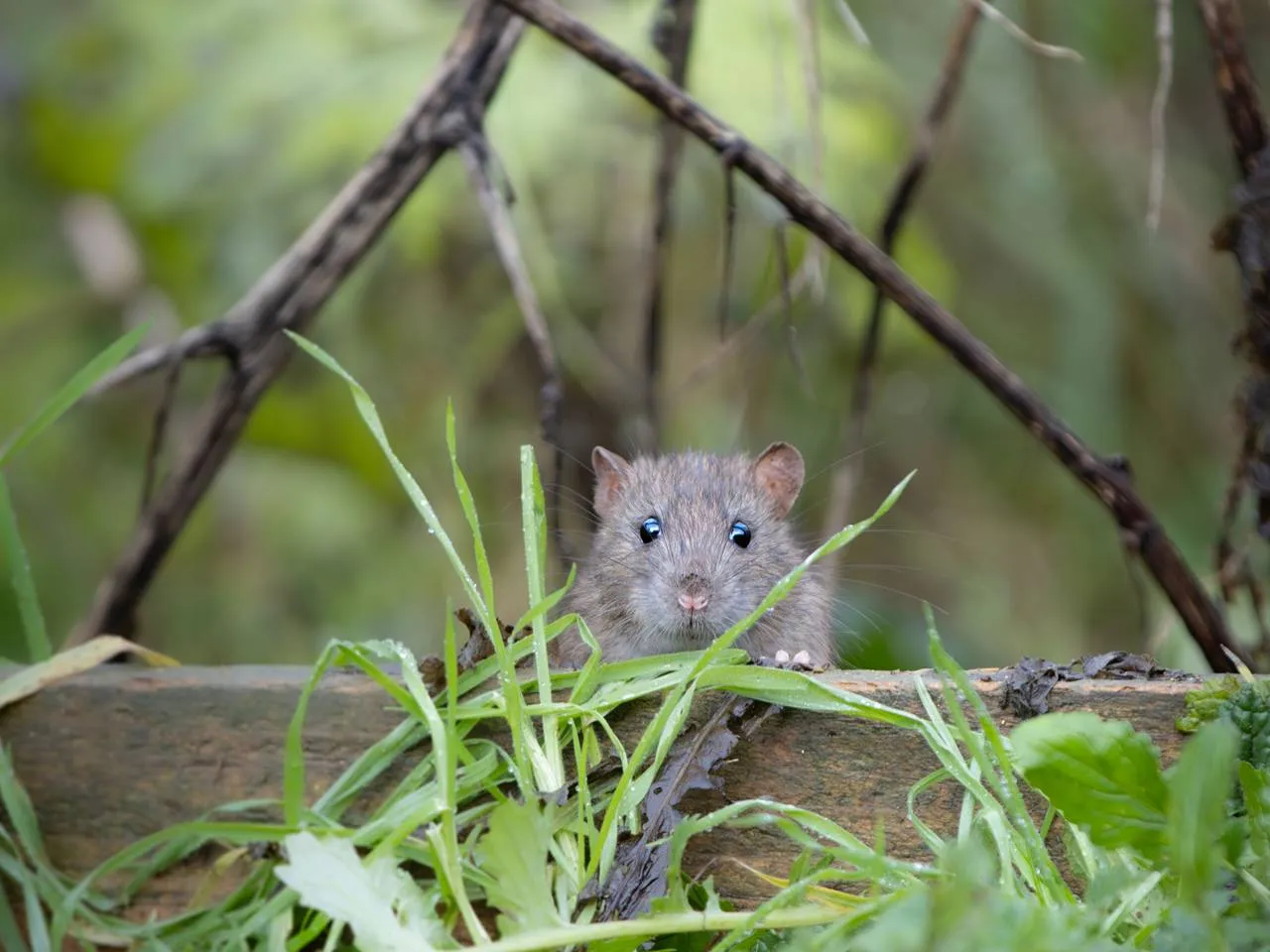
Fall can bring a noticeable increase in rat and mouse activity as they respond to changing temperatures and food availability. As the season shifts, rodents may start moving around more in search of food and sheltered places to stay. It is also when they may begin getting closer to homes and other buildings in search of more comfortable surroundings.
What Drives Rodent Activity in Fall?
The reasons are fairly simple: rodents are looking for food and shelter as outdoor conditions change. These seasonal changes can make them more active and encourage them to explore areas they may not normally visit.
- Changing temperatures: Cooler weather can push rats and mice to look for warmer, more protected places.
- Changes in food availability: Some outdoor food sources may become less reliable, so rodents may search farther for something to eat.
- Need for shelter: Rodents may become more active while looking for suitable places to stay as conditions outside become less comfortable.
- More movement: Searching for food and shelter can lead rodents to travel farther than usual.
- Moving closer to homes: Buildings can offer both food and protection, making them appealing as fall progresses.
- Preparing for colder months: Rats and mice may increase their activity as they look for dependable food sources and sheltered areas before winter.
Bromethalin Poisoning and Its Potential Toxicity in Dogs, Cats, and Other Pets

Bromethalin poisoning can be a serious concern when dogs, cats, or other pets are exposed to this common rodenticide. The product may be meant for rodents, but pets can accidentally ingest bait if they can get to it. When rodenticide is being used around the home, knowing the potential risks can make it easier to keep pets out of harm's way.
Which Pets Can Be Affected by Bromethalin?
Bromethalin is made for target rodents, but dogs, cats, and other animals can also be exposed. The potential risk can vary depending on the animal, the product involved, and the amount ingested.
- Dogs may be exposed: Dogs may find bait while sniffing around areas where rodenticide has been placed.
- Cats may be exposed: Cats can also come across bromethalin bait around the home or other places where rodent control is being done.
- Other pets may be affected: Other non-target animals can also be exposed if they can reach the product.
- The amount ingested matters: The potential severity can vary depending on the amount ingested.
- Multiple doses can increase exposure: Repeated access to bait can increase the total amount an animal consumes.
- Keeping pets away can reduce exposure: Limiting access to rodenticide is one of the simplest ways to reduce exposure.
Why Is Bromethalin Toxicity a Concern?
Bromethalin toxicity is concerning because it can cause severe neurologic problems in affected animals. Clinical signs develop at different times, and the outcome can vary depending on the amount ingested and the severity of the exposure.
- Neurologic signs can develop: Bromethalin exposure can affect normal nervous system function.
- Rear limb weakness may occur: Some animals may have trouble standing or walking normally because of weakness in the back legs.
- Hyperexcitability is possible: Some affected animals may show unusually heightened nervous system activity.
- A paralytic syndrome can develop: Severe toxicity may progress to marked weakness and paralysis.
- A convulsant syndrome is possible: Some animals can develop seizures and other serious neurologic activity.
- Hyperthermia may occur: A rise in body temperature can happen alongside severe neurologic activity.
- The prognosis can vary: Depending on the amount ingested and severity of toxicity, the prognosis can range from favourable to poor to grave.
- Fatal bromethalin poisoning is possible: Severe toxicity can become life-threatening.
Signs of Bromethalin Poisoning in Dogs and Cats
Bromethalin poisoning mainly affects the nervous system, so the signs can vary from one pet to another. Some pets may first seem tired or unsteady, while more serious cases can progress to tremors, seizures, or paralysis. Signs may also take time to appear, so a pet that seems fine shortly after exposure may still become sick later.
- Vomiting: Some pets may vomit after exposure.
- Loss of appetite: Affected pets may lose interest in food.
- Lethargy or depression: A pet may seem unusually tired, quiet, or less responsive than normal.
- Weakness: Weakness can develop, sometimes becoming more noticeable in the hind legs.
- Difficulty walking: Stumbling, poor coordination, or trouble standing may occur.
- Hindlimb changes: Some pets may develop unusually strong hindlimb reflexes or weakness that affects their back legs.
- Muscle tremors: Shaking or muscle twitching can occur as the nervous system becomes affected.
- Hyperexcitability: Some pets may appear unusually restless, alert, or reactive.
- Changes in awareness: A pet may seem confused, dull, or less responsive.
- Seizures: More severe poisoning can cause seizures, including severe generalized seizures in dogs.
- Paralysis: Serious cases can progress to partial or complete paralysis, often involving the hind legs.
- Increased body temperature: Hyperthermia can occur, particularly with severe neurological activity.
- Death: Severe bromethalin poisoning can be fatal.
- Dogs and cats can be affected differently: Dogs may develop either a seizure-related form or a slower-onset paralytic form, depending partly on the amount consumed. Cats are particularly sensitive to bromethalin and commonly develop weakness or paralysis.
If a dog or cat may have eaten bromethalin bait, it is better not to wait for these signs to appear. Early veterinary assessment can be important because neurological problems may develop after a delay.
Why Prompt Veterinary Attention Matters
There is no antidote for bromethalin, so suspected exposure should not be taken lightly. Veterinary professionals can look at the animal's condition, the product involved, the amount that may have been consumed, and when the exposure might have happened.
- There is no antidote for bromethalin: There is no specific treatment that directly reverses bromethalin poisoning.
- Early veterinary assessment matters: Veterinary professionals can assess a suspected exposure and decide what needs to happen next.
- Early decontamination may be considered: Depending on the circumstances, decontamination may be useful after a recent ingestion.
- Activated charcoal may be used: Veterinary medicine may use activated charcoal in appropriate cases.
- A cathartic may be considered: A cathartic may sometimes be used with activated charcoal, but it is not suitable for every situation.
- Emesis needs professional guidance: Vomiting should not be induced at home unless veterinary professionals specifically advise it.
- Gastric lavage is case-dependent: This form of decontamination may only be considered in selected situations.
- Supportive care may be needed: Animals with significant toxicity may need supportive care based on their condition.
- Animal poison control can help: An animal poison control centre can relay clinical toxicology information to veterinary professionals when needed.
- The timing of exposure matters: A suspected ingestion discovered hours or days after exposure may need to be handled differently from a very recent ingestion.
If bromethalin exposure is suspected, getting veterinary advice early can help determine the right course of action. Having the product packaging, an estimate of how much may have been ingested, and any information about when the exposure occurred can give veterinary professionals useful information when assessing the situation.
Bromethalin Toxicology: What Happens After Pet Exposure

When a dog or cat is exposed to bromethalin, the substance goes through several stages inside the body before the full picture becomes clear. The amount involved, the type of exposure, and how the pet processes the substance can all affect what happens next. These details are useful when veterinary professionals assess a suspected exposure.
How a Pet Processes Bromethalin After Exposure
After a pet ingests bromethalin, the substance is absorbed through the digestive tract and processed by the body. What happens after that can continue beyond the initial ingestion, which is one reason the exposure history matters.
- Bromethalin is absorbed after ingestion: The substance enters the body through the gastrointestinal tract and then moves into the circulation.
- The liver processes bromethalin: The liver metabolizes bromethalin and produces metabolites, including desmethylbromethalin.
- An active metabolite is formed: Desmethylbromethalin contributes to the toxicological activity following exposure.
- Bromethalin undergoes enterohepatic circulation: Some bromethalin and its metabolites can pass into bile and return to the gastrointestinal tract.
- Reabsorption can occur: Material that returns to the digestive tract may be absorbed again.
- Exposure can continue after the initial ingestion: The toxicological process is not necessarily over once the substance has left the stomach.
- The amount involved matters: The course can differ depending on how much bromethalin the pet ingested.
- An acute exposure can vary in severity: A larger ingestion can create a different concern from a smaller exposure.
- The product matters too: The concentration and formulation can affect how much bromethalin is available to the animal.
What Veterinary Professionals Consider After Exposure
There is more to assessing a suspected exposure than simply knowing that a pet got into rat poison. Details about the product, amount, and timing can help with the diagnosis of bromethalin toxicosis and give the veterinary team a better idea of what the pet may have been exposed to.
- Species and body size: These details help put the reported exposure into context.
- Estimated amount consumed: The potential dose is considered when assessing the exposure.
- Product concentration: Different products can contain different concentrations of bromethalin.
- Time of ingestion: Knowing when the pet may have eaten the bait helps establish the exposure timeline.
- Type of bait: Pellets, blocks, and soft baits may contain different amounts of the active ingredient.
- Repeated access: If the pet had more than one opportunity to eat the bait, estimating the total exposure can be difficult.
- Product packaging: Keeping the original package can make it easier to identify the active ingredient and concentration.
- Clinical history: Changes noticed after exposure can provide additional information during the veterinary assessment.
- Necropsy in fatal cases: If a suspected case results in death, a necropsy may help investigate the cause.
Treatment is a separate part of managing bromethalin exposure and depends on the individual case. Products or measures such as sorbitol or mannitol should not be given without veterinary guidance, and the use of a cathartic also depends on the circumstances. In severe cases, the prognosis is poor to grave, which is why suspected exposure should be taken seriously.
What to Know About Secondary Poisoning in Pets

Pets do not always have to eat rat poison directly to be exposed to it. A dog or cat can also become exposed by eating a rat or mouse that has already eaten the poison. This can be easy to overlook, especially for pets that like to chase, catch, or scavenge rodents.
How Can a Pet Be Exposed Through a Rodent?
The main concern is what happens when a pet eats an affected rodent. The amount of poison the rodent consumed, how much of the animal the pet eats, and whether more than one rodent is eaten can all make a difference.
- Eating a poisoned rodent: A pet may be exposed after eating a rat or mouse that has consumed bait.
- The amount eaten matters: Eating part of a rodent is different from eating the entire animal, and the possible exposure can vary.
- More than one rodent can increase exposure: A pet that catches and eats several rodents may have a greater overall exposure.
- Outdoor cats may have more opportunities: Cats that hunt can come across rodents that have been exposed to poison without anyone noticing.
- Dogs can be exposed too: Dogs that catch or eat rodents can also encounter this type of exposure.
- Dead rodents should be removed: Any dead rats or mice found around the home should be kept away from pets.
- Bait use nearby is important information: If rodent poison has been used in or around the home, that detail can help a veterinarian assess a possible exposure.
- The source may not be obvious: Sometimes there is no clear sign that a pet ate a poisoned rodent, so recent hunting or scavenging activity can be worth mentioning during a veterinary visit.
Final Thoughts
Bromethalin rodenticide can be useful for controlling rats and mice, but it can also put pets at risk. When fall brings more rodents closer to homes, there may be more chances for pets to find bait or catch an affected rodent.
Dogs and cats can be exposed by eating the bait itself or by eating a rodent that has consumed it. Since bromethalin poisoning can cause serious problems with the nervous system, even a possible exposure is worth taking seriously.
Keeping bait and poisoned rodents somewhere pets cannot reach is a simple way to lower the risk. A little extra care around rodent control can make a real difference when there are pets at home.
Frequently Asked Questions
Can bromethalin rodenticide be dangerous if a pet only touches the bait?
Simply touching intact bait is not the same as eating it, but it is still better to keep pets away from it. The bigger concern is if a pet licks the bait, chews it, or later licks its paws after getting the product on them.
Eating the bait is the bigger concern: Most of the risk comes from swallowing the product rather than simply touching it.
Keep pets away from the area: Even a curious pet can turn a quick sniff into a bite, so bait should always be placed somewhere pets cannot reach.
Clean up loose pieces: If bait gets knocked over or broken, clean it up carefully rather than leaving small pieces behind.
Check the paws and fur: If bait gets onto a pet, ask a veterinarian how it should be cleaned instead of guessing at home.
Keep the package handy: The label can give useful information if there is any concern about possible exposure.
How should unused bromethalin bait be stored?
Unused bait can be easy to forget about once it has been put away, but it still needs to be stored somewhere pets cannot get to it. A secure, inaccessible place can help prevent an accidental chewing or swallowing incident.
Keep it in the original package: This makes it easier to identify the product if questions come up later.
Store it away from pet supplies: Keep bait separate from food, treats, toys, and medications.
Choose a truly inaccessible spot: A low cupboard may not be enough if a curious pet can open it.
Check the packaging: Damaged or torn packaging can make it easier for pets to reach the bait.
Follow the label: Storage instructions can vary, so check what the manufacturer recommends for that particular product.
What should be done with leftover bromethalin bait?
Leftover bait should not simply be tossed somewhere outside where pets or wildlife might find it. The safest approach is to check the product instructions and follow the appropriate disposal method.
Read the disposal instructions: The label may explain exactly how the unused product should be handled.
Do not leave it outside: Even old or unwanted bait can still be a danger if an animal finds it.
Keep it secure until disposal: Store leftover bait somewhere pets and other animals cannot reach.
Do not pour or scatter it: Avoid disposing of the product in a way that could leave it accessible to animals.
Ask if you are unsure: A local waste service or pest-control professional may be able to explain how to dispose of it properly.
Can bromethalin poisoning be confirmed with a routine veterinary test?
There is not always a quick test that can confirm bromethalin poisoning on its own. A veterinarian may need to put together information about the possible exposure, the product involved, and what is happening with the pet.
The exposure history helps: Knowing where the pet could have encountered bait can provide an important clue.
The product can provide useful information: The original package can show the active ingredient and concentration.
The pet's condition matters: A veterinarian will consider the signs the pet is showing as part of the overall assessment.
Other causes may need to be ruled out: Similar problems can happen with other conditions, so the veterinarian may need to consider other possibilities.
Each case is different: The tests and assessments used can depend on what happened and what information is available.
How can families reduce the chance of rodenticide exposure when using pest control?
Using rat poison around the home can feel worrying when pets are around, but a few simple precautions can lower the chance of an accident. The goal is to control rodents without giving pets an easy way to reach the bait or affected rodents.
Let everyone know where bait is placed: This makes it less likely that someone accidentally gives a pet access to the treated area.
Keep pets away from treated areas: Restrict access to places where rodenticide has been put down.
Use suitable bait stations: When appropriate for the product, enclosed stations can make it harder for pets to reach the bait.
Check around the area: Look for spilt bait, damaged stations, or dead rodents that pets might find.
Keep the product details: Knowing exactly which product was used can be very helpful if an exposure ever happens.
Consider other pest-control options: A pest-control professional can help find an approach that works while taking the presence of pets into account.

