
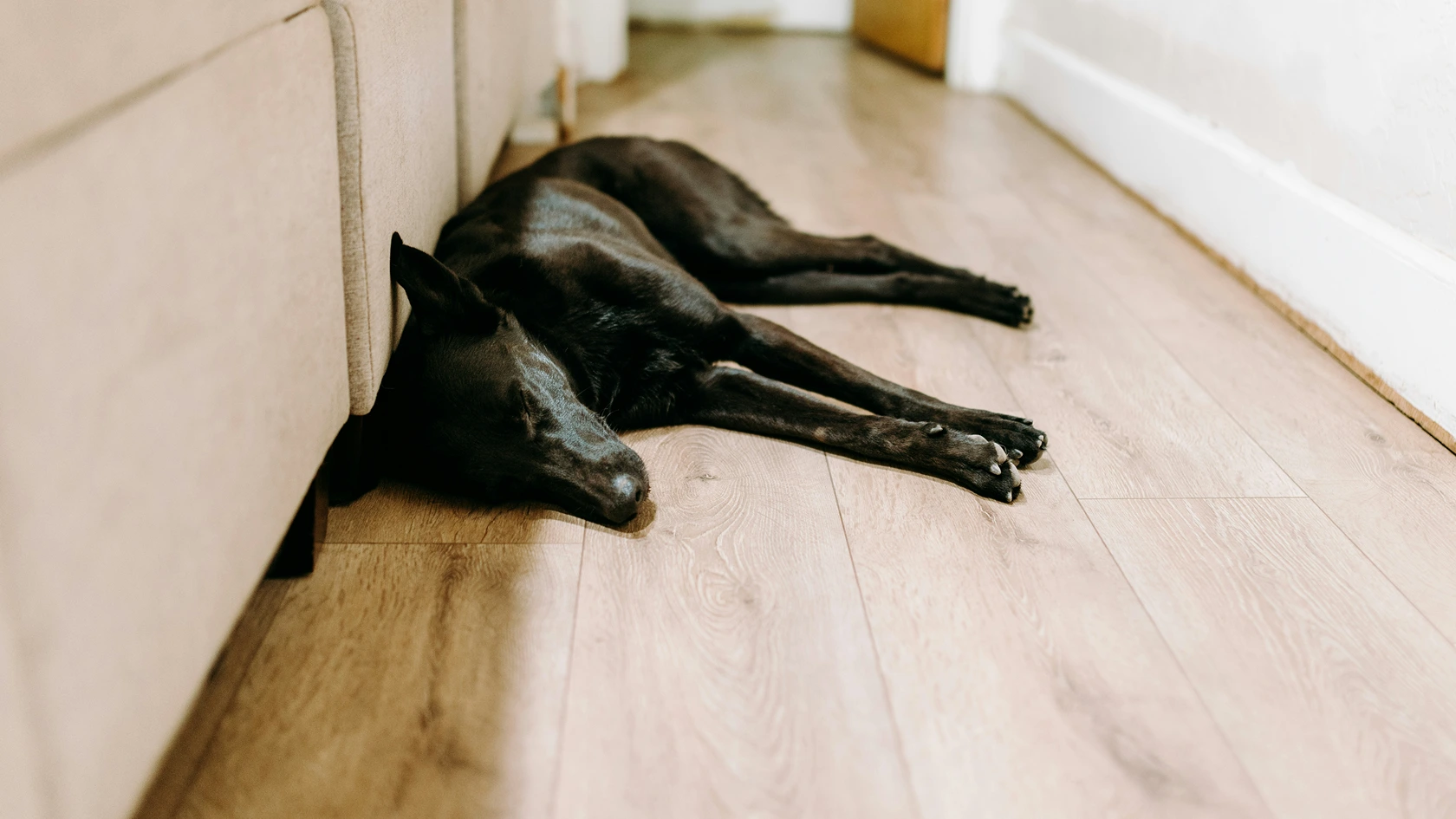

TL;DR: What You Need to Know About Lethargy in Dogs
- Lethargy is more than normal tiredness: If your dog is acting lethargic, it means low energy that doesn’t improve with rest and may affect eating, play, or interaction.
- Spring changes can affect energy: Allergies, heat shifts, parasites, dehydration, and other reasons why your dog may be lethargic often appear during seasonal transitions.
- Watch early warning signals: Reduced activity, appetite loss, or behaviour changes are common symptoms of lethargy in dogs and can be a sign that your dog needs closer monitoring.
- Home care can help (at first): Hydration, gentle activity, routine, and comfort can support recovery if lethargy in your dog is mild and temporary.
- Know when it’s time for help: If your dog seems lethargic for over 24 hours or shows severe symptoms like vomiting, pain, or breathing issues, it’s time to bring your dog to the vet.
- Why early action matters: Catching issues early helps vets create the right treatment plan based on what your dog needs.
Concerned about your dog’s energy? Schedule a visit with us. We can check whether your dog needs medical attention and keep your dog healthy and active.
Has your dog suddenly lost energy, making you think if something is wrong or if they’re just tired? Seasonal changes can affect dogs in ways that aren’t always obvious, especially after months of cooler weather and different routines. You may observe longer naps than normal, slower movement, or less enthusiasm for playtime. The best course of action for your pet can be determined by understanding what is normal and what is cause for concern, as many dog owners notice changes during this season.
In this blog, we’ll explore the common causes of lethargy in dogs, symptoms that may signal an underlying health issue, simple at-home care tips, and guidance on when it’s best to seek professional veterinary care to keep your dog healthy and active throughout the season.
What is a Lethargic Dog?
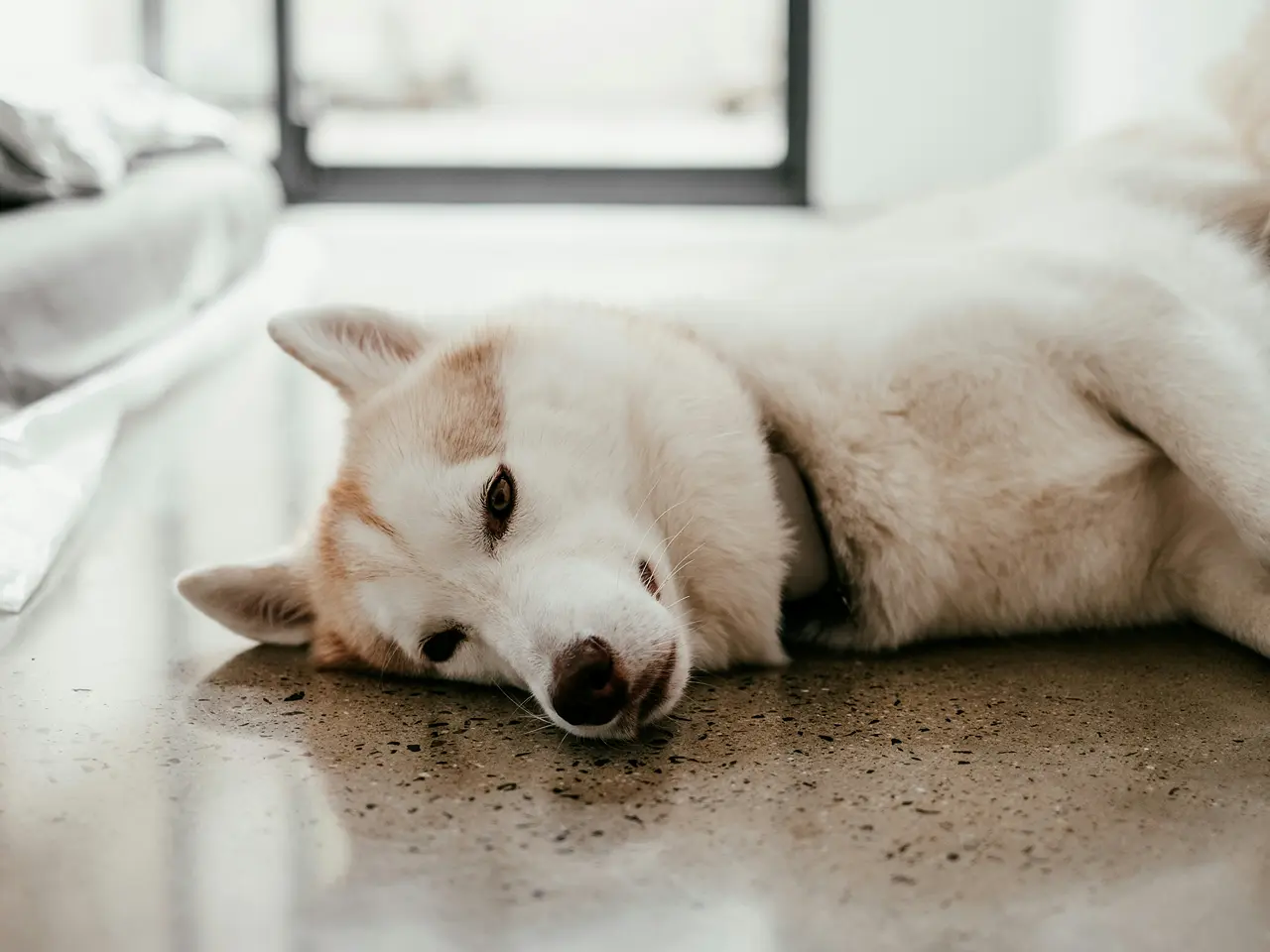
A lethargic dog shows a noticeable and ongoing decrease in energy, enthusiasm, and engagement with daily life. While every dog may have slow days, lethargy is different from a normal rest period and can signal that something more is going on. A tired dog will usually rest and then return to normal behaviour, but a dog that is acting lethargic does not regain energy even after adequate sleep.
Unlike regular rest, lethargy often affects a dog’s basic routines. A dog that doesn’t want to eat or drink, avoids movement, or seems withdrawn from family interactions may be experiencing more than simple fatigue. These changes can interfere with walks, playtime, and responsiveness to their surroundings.
In contrast, a healthy dog typically maintains interest in food, activity, and interaction. When these behaviours fade, lethargy can be a sign of illness, and learning how to tell if your dog is lethargic or just tired becomes essential.
Common Causes of Lethargy in Dogs

There are many possible causes of lethargy in dogs, especially during seasonal transitions. A dog lethargic in spring may simply be adjusting to changes, but low energy could also be caused by underlying health concerns that need attention.
Seasonal Allergies and Pollen
Allergic reactions can irritate the skin and airways, which may make your dog lethargic and less interested in normal activities. Ongoing discomfort can cause a dog to become sluggish over time.
Temperature Changes
Sudden increases in warmth can make your dog lethargic, particularly if they are not yet acclimated. Heat stress can quickly cause a dog to slow down and appear unusually tired.
Spring Parasites (fleas, ticks)
Fleas and ticks can cause irritation, anemia, or illness, which may leave your dog weak and low on energy. In some cases, these parasites could be caused by seasonal exposure and lead to more serious disease in dogs.
Dietary Changes
Switching foods too quickly can upset digestion and cause a dog to become lethargic. Poor nutrient absorption may also leave your dog lacking energy during the adjustment period.
Dehydration
Not drinking enough water can quickly make your dog lethargic and less responsive. Even mild dehydration can cause a dog to slow down and appear tired.
Infectious Diseases
Some diseases in dogs may first appear as low energy before other symptoms develop. A lethargic dog may show signs of illness days before more obvious warning signs appear.
Medication Side Effects
Certain medications can make your dog lethargic, sleepy, or less alert than usual. A lethargic dog may need monitoring to ensure the side effects are mild and temporary.
Spring Depression
Yes, dogs can experience emotional changes, and shifts in routine or environment could be caused by seasonal changes. These mood shifts may cause a dog to become withdrawn or low in energy.
For older dogs, these possible causes of lethargy may have a stronger impact, and a lethargic dog may need closer monitoring to rule out age-related health concerns.
Early Signs of Dog Lethargy

Recognizing the signs of lethargy early helps prevent complications. Lethargy can point to underlying problems, especially when it appears suddenly or continues to worsen over time.
- Reduced interest in walks or play: You may notice your dog avoiding walks, toys, or games they once enjoyed. A sudden drop in enthusiasm is often one of the earliest signs of lethargy.
- Changes in sleeping patterns: If your dog seems to be sleeping much more than usual or appears restless and unable to settle, this change may indicate low energy or discomfort.
- Lack of appetite: A lack of appetite is a common red flag; if your dog is not eating or skipping meals, it may signal illness or stress. Even picky eaters should be monitored closely when appetite changes suddenly.
- Slower response to stimuli: A dog that reacts slowly to sounds, commands, or movement may be showing signs of lethargy. This reduced alertness can also come with visible discomfort or weakness.
- Changes in water consumption: It’s important to notice your dog’s drinking habits, as both increased or decreased water intake can be linked to health issues when paired with lethargy.
- Reluctance to exercise: If your dog seems hesitant, stiff, or unwilling to move, energy loss may be connected to pain or joint discomfort rather than simple tiredness.
- Social withdrawal: A dog avoiding family interaction, attention, or favourite routines may be showing signs of lethargy and feeling unwell.
If your dog is showing multiple symptoms of lethargy, it’s important to pay close attention and consider seeking veterinary advice.
What You Can Do if Your Dog is Lethargic
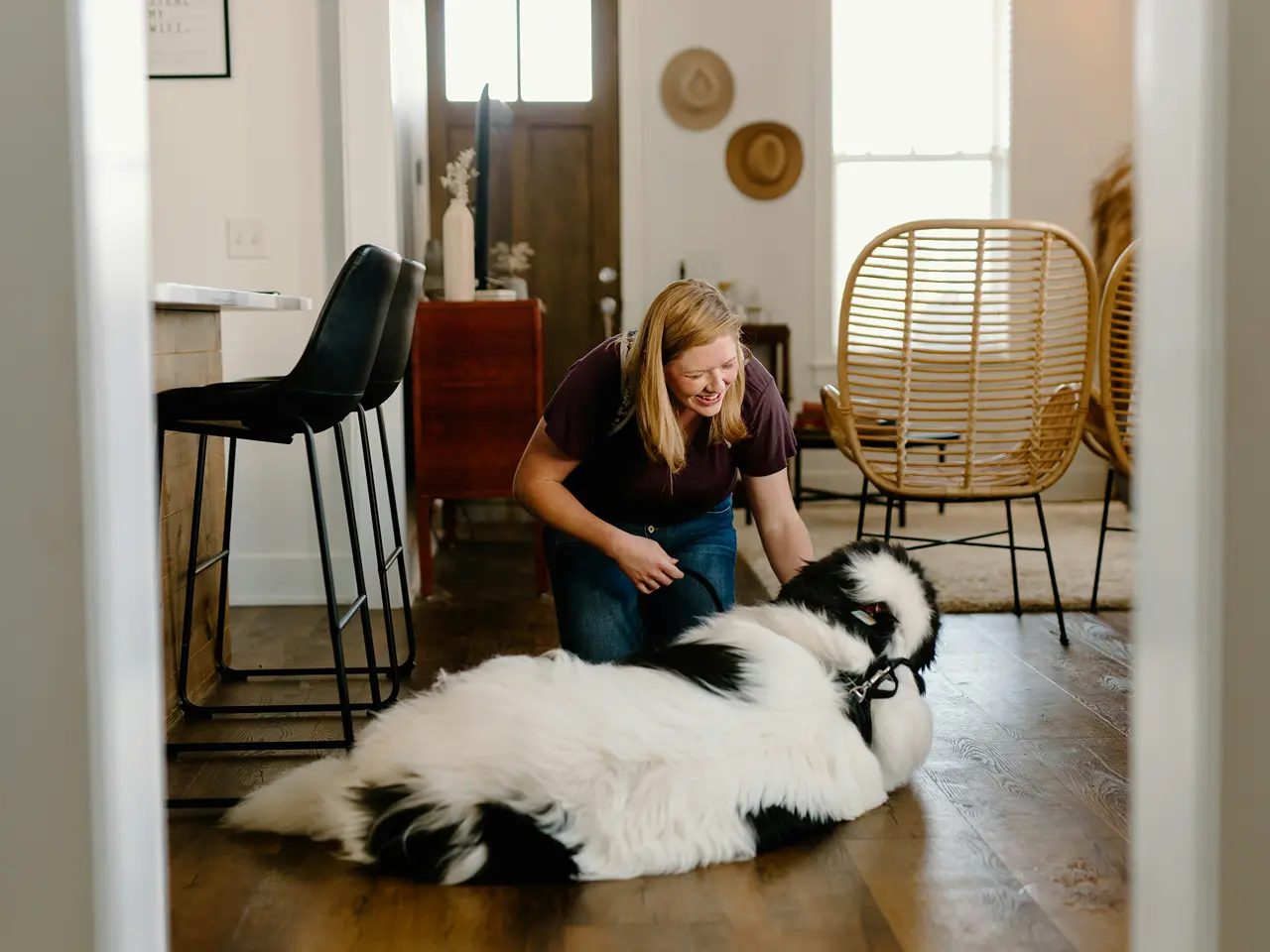
If you’re caring for a lethargic dog at home, small adjustments can help support recovery—while you continue to observe closely for changes.
Monitor Water Intake
Make sure your dog always has access to clean, fresh water because dehydration can exacerbate fatigue and weakness. A noticeable decline in eating and drinking could be an indication of a more serious problem that requires care.
Maintain Regular Exercise
Gentle movement, such as short walks or light stretching, helps circulation and stiffness. Avoid overexertion and never force activity on a dog that is lethargic.
Adjust Diet if Needed
Stay with familiar meals because abrupt changes in diet can cause digestive problems and decrease appetite. Even if portions need to be smaller or given more frequently, make sure your dog is getting enough food and water.
Create a Comfortable Environment
A calm, quiet, and cool resting space allows a dog at home to relax and conserve energy. Soft bedding and minimal noise can make a big difference for a lethargic dog at home.
Maintain Regular Routine
Keeping feeding, walks, and rest times consistent helps reduce stress. Structure reassures dogs and may encourage a gradual return of normal energy levels.
Provide Mental Stimulation
Gentle interaction or puzzle toys are examples of light enrichment that keeps the mind active without putting undue strain on the body. This can improve mood while honouring a sluggish dog's boundaries.
These steps can help keep your dog comfortable, but they are not a substitute for veterinary care if lethargy continues or worsens.
When to Call Your Vet for Dog Lethargy
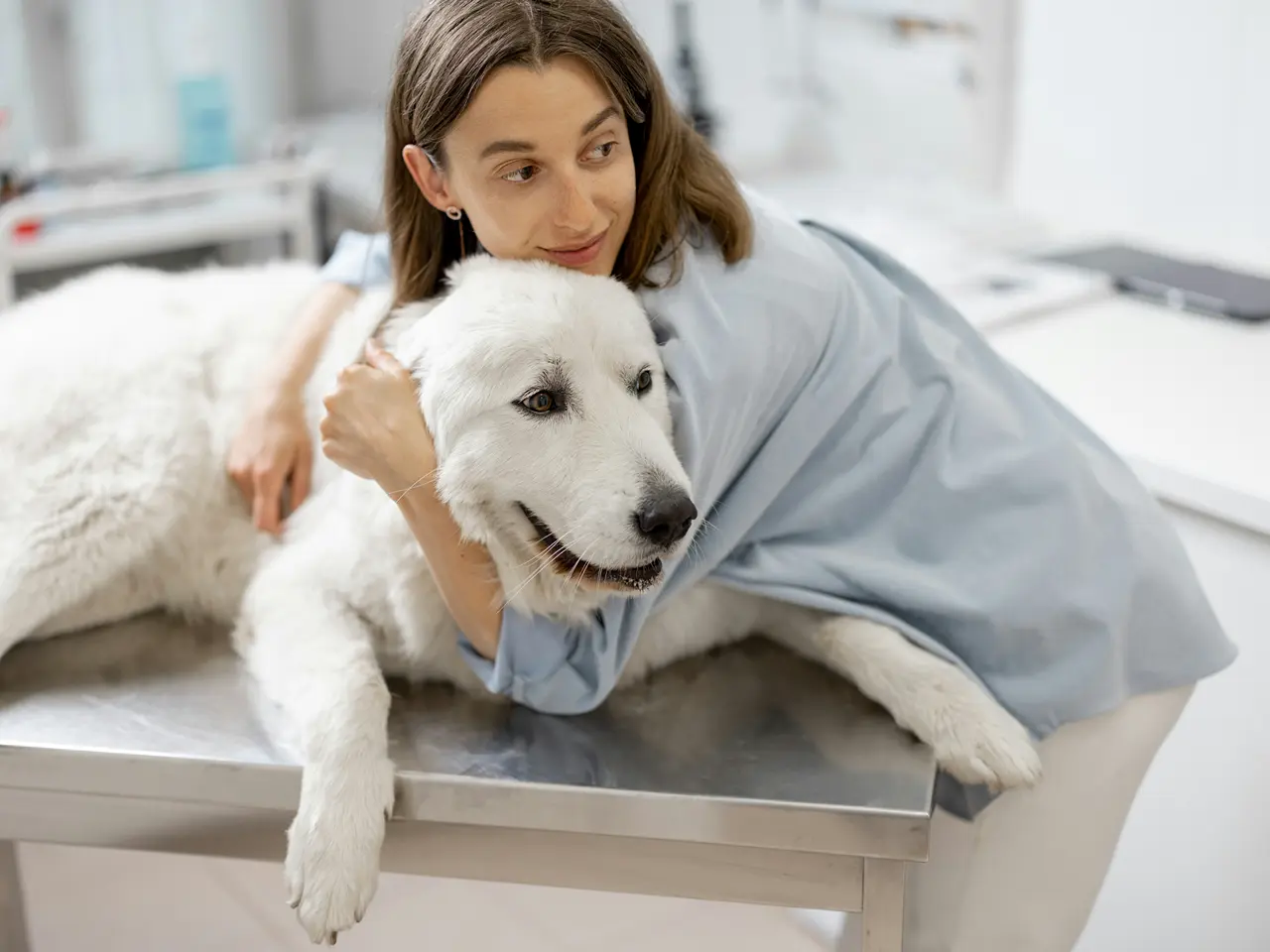
Sometimes, careful observation isn’t enough. If your dog is showing signs of lethargy that don’t improve or begin to worsen, it’s time to contact your vet.
- Symptoms lasting over 24 hours: If your dog suddenly becomes low-energy and remains lethargic for more than a day, take them to the vet for evaluation. Ongoing fatigue may signal an underlying issue that needs diagnosis and treatment.
- Accompanying severe symptoms: Lethargy accompanied by other symptoms, especially symptoms such as vomiting, diarrhea, weakness, or collapse, means you should contact your vet as soon as possible. These combinations can point to serious illness.
- Signs of dehydration: Dry or sticky gums, sunken eyes, or refusal to eat or drink require prompt care. Dehydration can worsen quickly and your vet can get your dog stabilized safely.
- Fever or extreme temperatures: A fever, chills, or overheating may indicate infection or inflammation. These signs warrant veterinary attention to begin proper treatment for a lethargic dog.
- Breathing difficulties: Laboured, rapid, or noisy breathing is an emergency. If this occurs, get your dog immediate medical help and take them to the vet without delay.
- Loss of appetite for multiple days: While skipping one meal can happen, refusing food for several days is not normal. Whether or not your dog seems alert otherwise, prolonged appetite loss should be checked.
- Signs of pain or distress: If your dog is in pain, trembling, whining, hiding, or showing visible discomfort, consult a vet promptly. Pain is often linked to conditions that won’t resolve without care.
If your dog is showing signs that are accompanied by other symptoms, take them to the vet right away. A veterinarian can provide an accurate diagnosis and treatment tailored to your pet’s needs. Even if you think your dog is simply tired, and whether or not your dog improves on its own, trust your instincts as a pet owner and get your dog professional help when needed.
Final Thoughts
When in doubt, see a vet if your dog continues to decline. It’s always better to take your dog in early than to wait until the condition worsens. Knowing the signs your dog may show helps you better notice if your dog is experiencing something unusual.
If your dog is getting weaker, acting different, or seems lethargic due to seasonal changes, stay observant. Early action can prevent serious illness, especially if your dog is suffering from hidden conditions that worsen without proper care and timely treatment.
Frequently Asked Questions
What can cause lethargy in dogs during spring?
Lethargy in dogs can happen for several reasons, especially as seasons change.
Seasonal allergies: Pollen and other allergens can make dogs uncomfortable and slow down their energy levels, causing sluggish behaviour.
Temperature changes: Sudden warm weather may leave dogs panting and resting more, temporarily reducing their usual activity.
Parasites: Over time, fleas, ticks, and other springtime parasites can sap a dog's vitality and cause weakness.
Dietary problems: Lethargy can result from abrupt food changes or inadequate nutrition that upsets digestion.
Side effects of medications: Certain prescription medications may make dogs drowsy or less responsive.
How can I tell if my dog is lethargic?
Early detection of lethargy can help avoid more serious health issues.
Decreased interest in activities: Refusing to go for walks or playtime could be a sign of low energy that goes beyond simple fatigue.
Sleep changes: A dog's body may not be functioning normally if they exhibit excessive or restless sleep patterns.
Appetite loss: Not eating or drinking as frequently as normal may indicate underlying problems.
Slower responses: Reluctant responses to instructions or outside cues can indicate weakness or discomfort.
Social disengagement: Steering clear of family members may be a sign of a more serious energy deficit.
What are some at-home care tips for a lethargic dog?
While you keep an eye on your dog's health, small changes at home can aid in their recovery.
Maintain hydration: Fresh water should always be readily available because dehydration exacerbates sluggishness.
Continue to exercise gently: Light play or quick walks promote circulation without taxing a weary dog too much.
Adjust diet gradually: Avoid sudden food changes and make sure your dog is eating well to support energy.
Comfort: A relaxed, cool setting can aid in a sluggish dog's recuperation.
Check for parasites: Energy levels can be restored with routine flea or tick inspection and treatment.
When should I contact a veterinary professional for dog lethargy?
Some symptoms require prompt veterinary care to prevent complications.
Symptoms lasting over 24 hours: Persistent low energy is a sign that professional evaluation is needed.
Accompanying severe symptoms: Vomiting, diarrhea, or collapse indicate a potentially serious condition.
Dehydration signs: Dry gums or refusal to drink/eat should prompt immediate vet attention.
Fever or breathing issues: High temperatures or laboured breathing may point to infection or illness.
Persistent pain or distress: Visible discomfort, whimpering, or stiffness requires veterinary assessment.
What treatment for lethargy in dogs might a vet recommend?
A veterinarian can identify the cause and provide targeted care to restore your dog’s energy.
Changes to medication: If side effects are making a veterinarian drowsy, they may change the prescription.
Treatment for infections: Lethargy brought on by illness may require the use of antibiotics or antiviral drugs.
Fluid therapy: Dogs experiencing dehydration can benefit rapidly from rehydration treatments.
Control of parasites: Treatments for fleas, ticks, or worms can enhance vitality and general well-being.
Diet and nutrition plans: Special diets or supplements may be suggested to boost vitality.

