
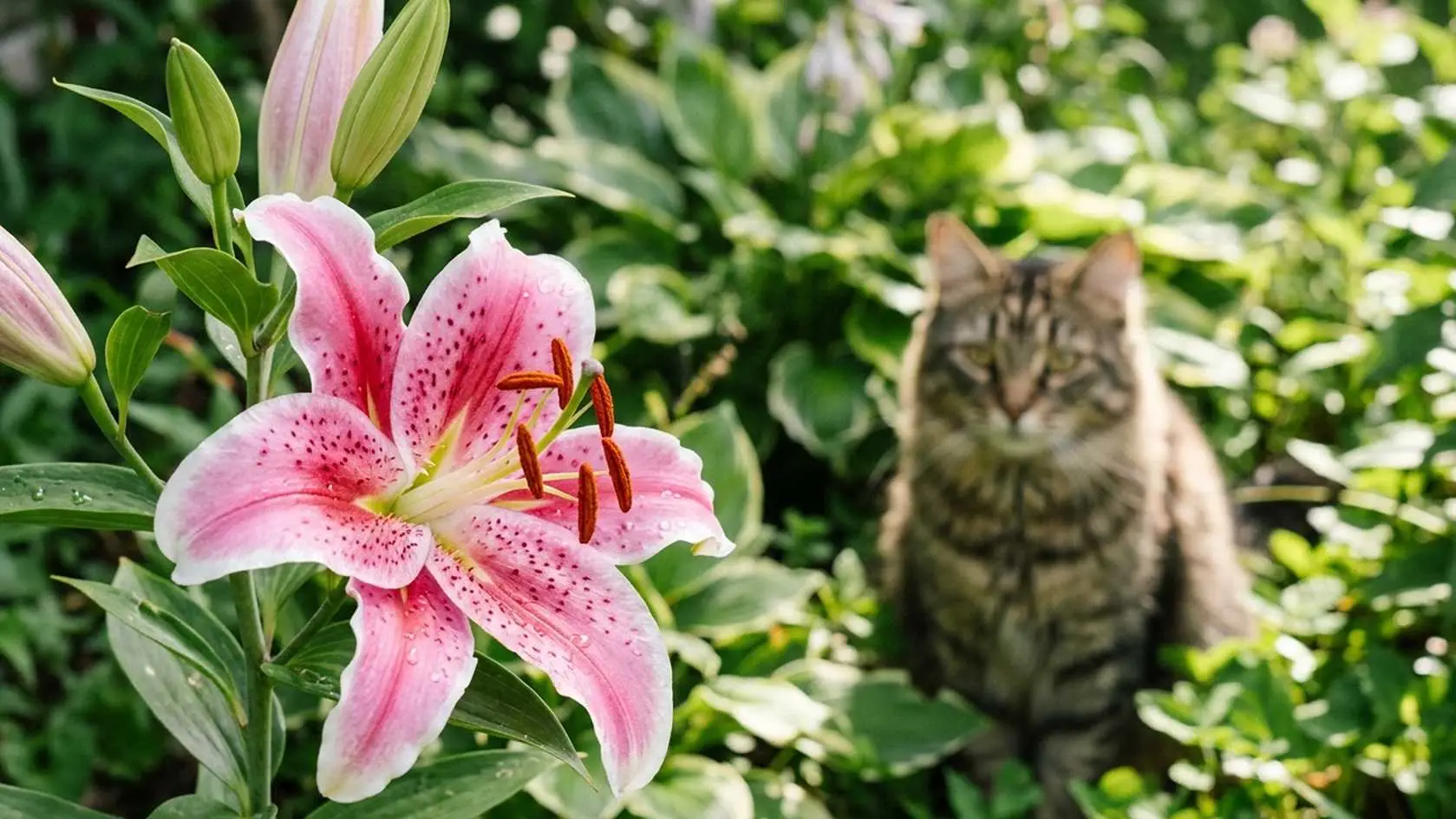

TL;DR: Lily Poisoning in Cats and The Risks You Should Know
- Lilies are very toxic to cats, and even a small amount can cause serious poisoning.
- The biggest risk is fast kidney damage that can become permanent if treatment is delayed.
- Early signs can look mild, like vomiting, drooling, or not wanting to eat.
- Things can get worse quickly, with weakness, dehydration, and behaviour changes.
- Urination can change too, sometimes more at first, then suddenly much less later.
- Even something small like vase water or pollen can be enough to cause harm.
- Cats can also ingest it later while grooming after contact.
- Some cats may seem okay at first, which can be misleading.
- True lilies are the most dangerous, while some similar plants mainly cause irritation.
- There is no quick antidote, so treatment depends on fast veterinary care.
- Vets usually need to run tests, give fluids, and monitor kidney function closely.
- Waiting too long can lead to permanent damage or even be fatal.
If there is any suspicion of exposure, it should always be treated as urgent and checked by a veterinarian right away. Give us a call; our expert vets can act quickly to improve the chance of recovery and help prevent permanent damage.
Have you ever seen a beautiful bouquet of lilies and thought they would make a perfect addition to your home? Many cat owners are surprised to learn that lilies and cats can be a risky combination. In fact, some lilies are toxic to cats, which is why this topic gets so much attention from pet lovers and veterinarians.
If you have a curious cat at home, it's easy to see how they might become interested in a plant, a flower arrangement, or even a vase sitting on a table. Something as simple as pollen or water from a vase containing lilies can raise concerns about lily toxicity in cats. It's one of those pet safety issues that many people don't hear about until they have a reason to look into it.
As cat owners, we all want to make our homes as safe as possible for our pets. Learning about toxic lilies and understanding the risks is an important part of that. Read on to learn more about lily poisoning in cats and why these popular flowers deserve a closer look.
Why Are Lilies Toxic to Cats and What Makes Lily Poisoning So Dangerous?
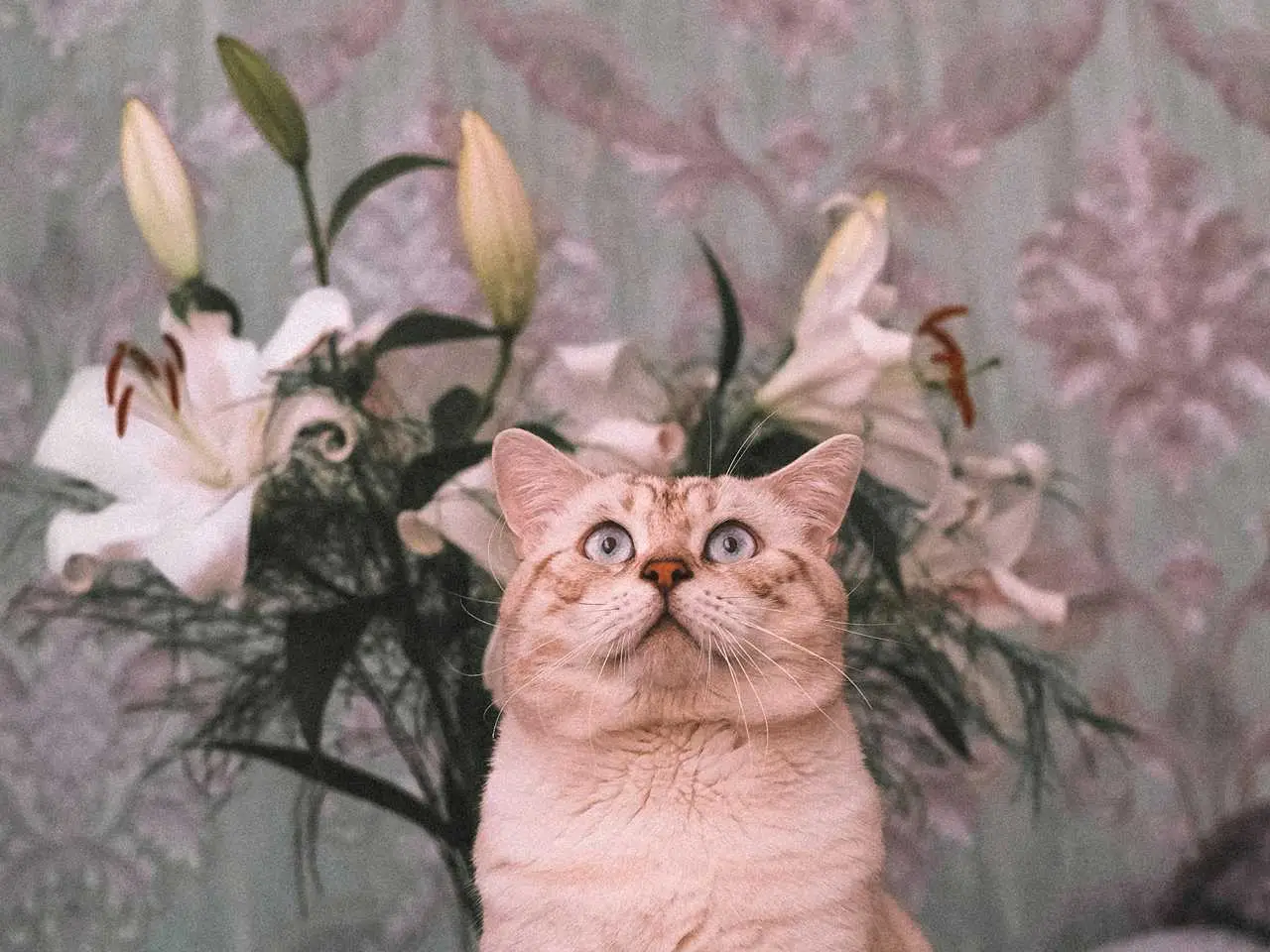
Lilies are one of those things that look harmless until you learn how risky they can be for cats. A lot of people don’t expect a simple plant to cause such serious trouble, but lilies are so dangerous to cats that even a small exposure can turn into an emergency. It often catches owners off guard because everything can seem normal at first.
Why Lilies Affect Cats So Strongly
What makes this so serious is what a lily contains in its pollen, leaves, and other parts of a lily plant. Once a cat has eaten a lily, or even if cats chew on it and later groom themselves, those substances can get into the body within hours after ingestion. It can lead to kidney damage that may become irreversible, especially when treatment is delayed and veterinary care is not started right away.
- Even a small amount of lilies can be dangerous for cats, and there is a high risk of death if they're ingested.
- Drinking the water from a vase containing lilies can also lead to toxicity.
- Pollen or plant material can stick to fur and be swallowed later.
- Early effects may look mild but can progress quickly and can result in life-threatening situations.
- Without fast veterinary care, it can develop into irreversible kidney failure in cats.
Which Type of Lilies Are Toxic and Should Cat Owners Know About?
It’s surprising how many common plants around the home or garden fall under plants that are toxic to cats, and lilies are one of the biggest concerns. The tricky part is that even a small exposure, or something as simple as water from the vase, can already be risky if a cat gets curious.
Stargazer Lily
This is one of those flowers that looks harmless in a bouquet, but it’s actually very risky for cats. Even a tiny bit of contact can turn serious once it’s ingested while grooming.
- A type of lily that is dangerous for cats, and there’s a high risk if ingested.
- The plant is toxic and can cause kidney failure in cats.
- Even small residue can be swallowed during grooming.
- Vomiting can show up early after exposure.
Asiatic Lilies
These are often part of flower arrangements at home, which makes accidental exposure more likely than people think. A cat brushing against them can already become a problem later.
- Asiatic lily plants are toxic to cats, even in small exposures.
- Many parts of the lily plant can affect the kidneys.
- Grooming after contact leads to ingestion.
- Cat will likely have irreversible kidney damage.
Easter Lily
A common holiday plant that many people bring indoors without realizing the risk.
- Even the water from the vase can be harmful.
- The water in the vase can cause your cat to develop a serious illness.
- Exposure may lead to vomiting and kidney failure.
Tiger Lily
This is usually seen outdoors, so the risk often comes from cats going outside and brushing against it without anyone noticing.
- Cat goes outside and may contact toxic plant material.
- Tiger lily plants can cause severe kidney issues after ingestion.
- Even small exposure can become dangerous later.
- It can pose a high risk if ingested.
Oriental Lily
These are the strongly scented ones often placed indoors, which means pollen can easily spread around the house without anyone realizing it.
- Oriental lily plant parts contain toxic compounds.
- Exposure may lead to vomiting and kidney damage.
- Even indirect contact can still be harmful.
- It can cause your cat to develop fatal complications.
Japanese Show Lily
This type is more likely to be found in gardens, so exposure usually happens when a cat is roaming outside and comes into contact with it.
- The Japanese show lily plant is toxic to cats and should be avoided.
- Exposure often happens when cats go outside.
- It can lead to vomiting and kidney failure.
- Even a small ingestion can be irreversible.
Rubrum Lily
These are often mixed into flower bouquets, so the risk is less obvious. Even the vase of water can become a hidden source of exposure.
- Even water from the vase can be dangerous.
- It can cause your cat to develop an illness when ingested.
- Exposure may lead to vomiting and kidney issues.
Day Lilies
These are especially dangerous outdoors. Even a small bite or ingestion can quickly turn into a serious kidney problem.
- The daylily plant is toxic and can cause kidney failure in cats.
- Even a small ingestion can be serious and life-threatening.
- Exposure often happens when cats go outside.
- It can lead to irreversible kidney damage.
Calla Lilies
These are a bit different, but still not safe. They don’t usually cause kidney failure, but they can irritate the mouth and stomach.
- Calla lily contains oxalate crystals that are insoluble.
- Can cause vomiting and mouth irritation.
- Still unsafe if chewed or eaten.
Lily of the Valley
This one is especially serious. Even a small amount can affect the heart, which makes it very dangerous compared to others.
- This plant is toxic and affects the cat's heart.
- Even tiny amounts can be fatal.
- High risk if ingested.
- Contact your veterinarian immediately if suspected.
Peace Lilies
A lot of people keep these indoors, thinking they are safe, but they still contain compounds that can irritate cats.
- Peace lilies contain insoluble oxalate crystals.
- Can cause vomiting and mouth irritation.
- Not always fatal but still harmful.
- Best to keep away from cats.
Peruvian Lily
These are common in bouquets, and while the effects are usually milder, ingestion is still not safe.
- Exposure may come from water in the vase.
- It can lead to vomiting if eaten.
- The plant is still toxic in small amounts.
Flame Lily
This one is less common, but still dangerous if a cat chews or ingests it. It can affect the body in a more serious way than simple irritation.
- The plant is toxic and dangerous for cats.
- Ingestion may lead to vomiting and illness.
- Even small exposure can be harmful.
- It can cause serious internal complications.
What Are the Early Signs of Lily Poisoning in Cats and When To Seek Veterinary Help?
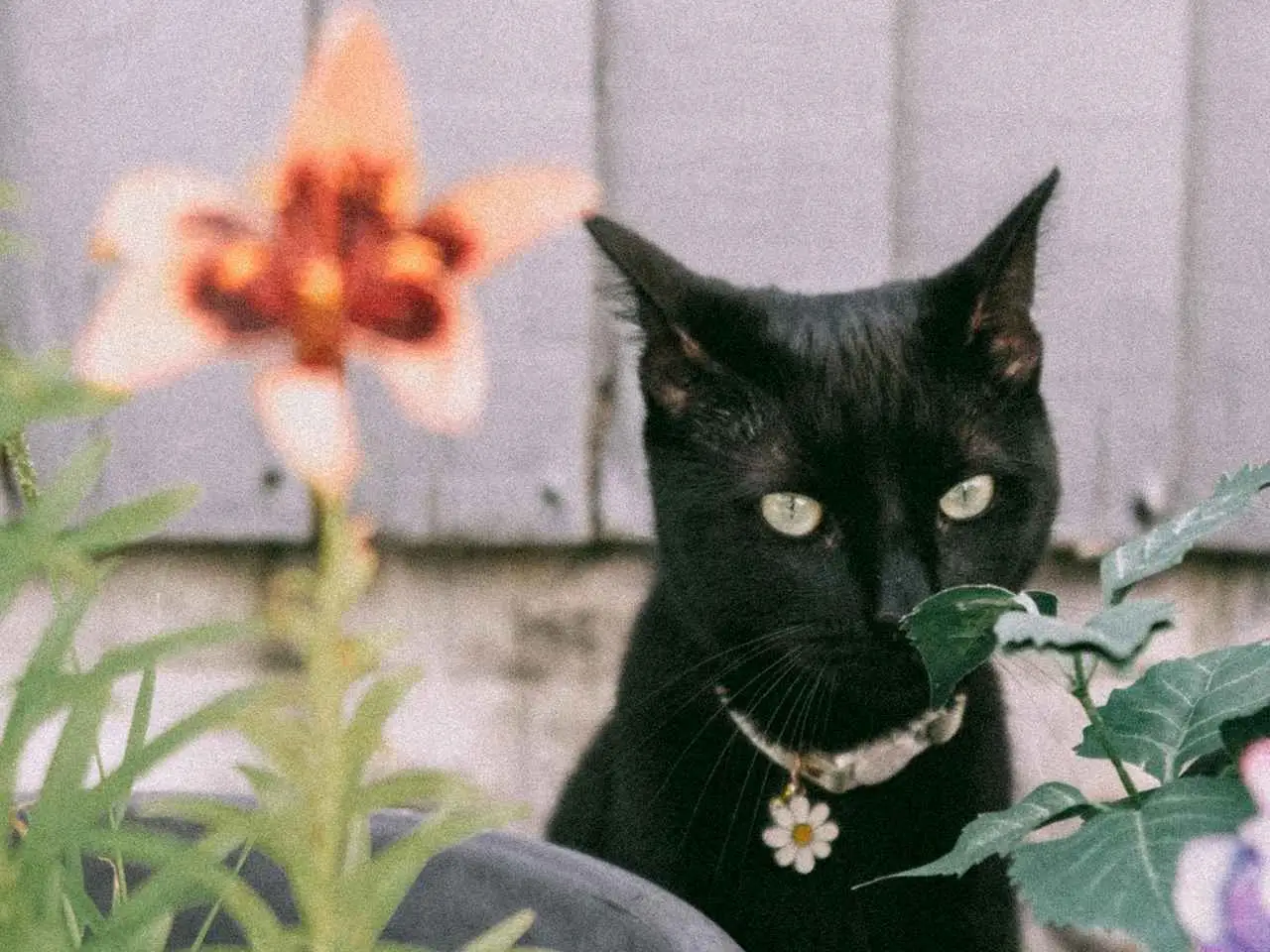
Lily's exposure to cats can start quietly, and it is easy to think nothing serious is happening at first. The problem is that lilies may already be affecting the body before anything obvious shows up, especially if there are lilies in your home or any nearby arrangement.
Early Signs (0 to 12 Hours After Exposure)
In the first few hours, it usually begins with stomach and mouth irritation. A lot of cat owners miss this stage because it can look like simple nausea, but it often means that lilies for cats have already been ingested or licked off fur during grooming.
- Vomiting that starts suddenly.
- Drooling or discomfort in the mouth.
- Not wanting to eat or refusing food.
- Acting tired or unusually quiet.
Intermediate Signs (12 to 24 Hours)
This is where things can feel confusing because a cat might seem slightly better, but inside, the damage may be continuing. It is a stage where kidney stress is already starting, even if it is not obvious yet.
- Drinking more water than usual.
- Going to the litter box more or less often.
- Weakness or low energy.
- Signs of dehydration, such as dry gums.
Advanced Signs (24 to 72+ Hours)
This stage is very serious because kidney function can start shutting down. One of the biggest warning signs is when the cat stops urinating, which is often a sign of severe kidney failure.
- Cat stops urinating or produces very little.
- Severe weakness or collapse.
- Confusion or unusual behaviour.
- Risk of coma in severe cases.
When To Seek Veterinary Help
If there is even a small chance of exposure, it should be treated as urgent. The reality is that there is no simple antidote for lily poisoning, so timing matters a lot if you suspect that your cat has been exposed.
- Call a veterinarian right away if exposure is suspected.
- Do not wait for symptoms to become obvious.
- Early treatment can make a big difference in the outcome.
- The safest approach is to keep cats away from lilies completely or avoid having lilies at home.
- Regular checkups are helpful if any exposure has ever happened.
Important Clarification on Common Plants
A lot of plants get mistaken for true lilies because of their names, but they do not all affect cats in the same way. Peruvian lilies, lily of the valley, peace lilies, and calla lilies are not true lilies and do not cause kidney failure in cats, but they can still cause problems.
- Peruvian lilies may lead to mild stomach upset if eaten or chewed.
- Lily of the valley is much more serious and can affect the heart even in small amounts.
- Calla lily and peace lily can irritate the mouth and cause drooling or discomfort when chewed.
- They are not true lilies that cause kidney failure, but they are still not safe for cats.
- When in doubt, it is always better to keep these plants out of reach.
What To Do If Your Cat Has Ingested a Lily or Part of the Plant?
If there is even a small chance a cat got into a lily, it should not be taken lightly. Lilies pose a threat, and things can go from “looks fine” to serious pretty quickly, so it’s better to act right away.
Immediate Action Steps
This is really about stopping things from getting worse and removing anything the cat could still reach or ingest.
- If you suspect your cat has eaten any part of the plant, treat it as urgent.
- Remove lilies and any plant pieces from the area immediately.
- Keep the cat away from anything that might have residue on it.
- Don’t try home remedies or wait to see what happens.
Contact Veterinary Help
Even if the cat still looks normal, it’s not something to gamble on. A vet needs to check because timing matters a lot here.
- Contact a veterinarian as soon as possible.
- Explain what plant it might have been.
- Follow whatever instructions the clinic gives.
- Be ready for an urgent visit if needed.
Information to Prepare
When calling the vet, a few details can really help speed things up and make decisions clearer.
- What type of plant was it, if known?
- When you suspect your cat may have been exposed.
- Any early changes in behaviour or appetite.
- Whether vase water or plant parts were involved.
Aftercare and Monitoring
Even after the first vet visit, things don’t always end there right away. Some effects can show up later, so watching the cat closely matters.
- Need to have regular checkups after exposure.
- Watch for changes in eating, drinking, or urination.
- Kidney function may still need follow-up tests.
- Keep observing even if everything seems normal again.
Can Cats Survive Lily Poisoning, and What Does Treatment for Lily Poisoning Involve?
This is one of those situations where everything really depends on timing. Some cats do make it through lily poisoning, especially when help comes fast, but it can turn serious quickly if it is ignored or delayed.
Can Cats Survive Lily Poisoning?
Yes, survival is possible, and it is often very much tied to how soon treatment starts. The earlier it is caught, the better the outcome tends to be.
- Cats have a better chance when they get help right away.
- Early treatment can prevent lasting organ damage.
- Waiting too long lowers the chance of recovery.
- In severe cases, it can still become life-threatening.
How Treatment Is Done
There is no quick fix or simple reversal for this kind of poisoning. Instead, vets focus on supporting the body and protecting the organs while they try to limit the damage.
- Fluids are given to help support the kidneys.
- Blood tests are used to check organ function.
- Medication may be used to stabilize the condition.
- Hospital monitoring is often needed for a few days.
Why Timing Matters
This is honestly the part that makes the biggest difference. Even a short delay can change the outcome, because damage can start before anything looks seriously wrong.
- Getting help early can reduce toxin impact.
- Some kidney damage may still be reversible at the start.
- Delays can lead to permanent kidney failure.
- Fast action gives the best chance of survival.
Severe Cases
In more serious situations, the body can struggle to recover even with treatment. It becomes a critical condition that needs intensive care and close monitoring.
- Kidneys may stop functioning properly.
- Hospital care becomes necessary for survival support.
- Continuous treatment is required to stabilize the cat.
- Outcomes depend heavily on how early care began.
Final Thoughts
Lilies might look pretty, but they’re honestly not worth the risk when there’s a cat around. Even something small like pollen or vase water can already cause serious poisoning.
The scary part is how fast it can affect the kidneys, and sometimes the early signs don’t look that serious. That’s why it’s easy for people to miss it until things get worse.
Keeping lilies out of your home is one of those simple choices that can really help prevent serious problems from happening. And if there’s ever even a small doubt about exposure or ingestion, it’s always better to respond quickly and consult your vet.
Frequently Asked Questions
Why are lilies toxic to cats even in small exposure situations?
Lilies are one of those plants that look harmless at first, but can actually be really dangerous for cats. Even a small bit of contact can end up causing serious internal problems.
Absorption risk: Even a little pollen or plant dust can get on fur, and cats may ingest it while grooming.
Internal impact: The toxins can hit important organs, especially the kidneys, even in tiny amounts.
Rapid response: The effects can move fast, which is why things can escalate quickly.
Hidden exposure: Even a vase of water or leftover residue can still carry harmful substances.
High sensitivity: Cats are just more vulnerable to lilies compared to many other plants.
What makes Lily toxicity in cats different from other plant-related toxicity cases?
What makes this especially worrying is how serious it can get compared to other plants. It is not just a mild stomach upset situation.
Organ targeting: It can directly affect the kidneys instead of just causing minor irritation.
Severity level: Even a small exposure can turn into something serious.
Fast progression: The condition can worsen faster than most people expect.
Low threshold: It does not take much exposure to trigger toxicity.
Medical urgency: It is treated as an emergency, not something to “wait and see.”
How can pet owners identify toxic lilies before bringing them into the home?
A lot of people bring flowers home without realizing lilies might be included, so a bit of checking helps a lot. It is really about prevention before anything happens.
Plant recognition: Learn what common lilies look like in bouquets or gardens.
Label checking: Take a quick look at the plant tags before buying it.
Florist awareness: Ask directly if the arrangement includes any types of lilies.
Risk assumption: If unsure, treat the plant as potentially unsafe.
Preventive habit: Keep unknown plants away from areas cats can reach.
What are effective ways to keep cats away from lilies in homes and gardens?
Keeping cats safe from lilies is mostly about prevention and making sure they simply do not have access in the first place. Once it is in the home, curiosity can make it hard to control.
Remove risk plants: The safest option if you have cats is not keeping lilies at all.
Secure placement: Keep any plants somewhere your cats cannot reach.
Outdoor caution: Be careful in gardens or unfamiliar outdoor spaces.
Safe alternatives: Choose cat-safe plants instead of risky ones.
Consistent awareness: Regularly check for flowers brought into your home.
What should you do if you suspect your cat has eaten a lily but shows no symptoms yet?
This is one of those situations where waiting can be risky, even if everything still looks normal. It is better to act early than to assume it is fine.
Immediate action: Call a veterinarian as soon as there is suspicion.
Do not wait: No symptoms do not always mean no problem.
Information sharing: Be ready to explain what plant it might be.
Prevent further contact: Remove any remaining plant right away.
Early assessment: A vet can check for damage before it becomes serious.

