


TL;DR: Cat Drooling, What It Means, and When to Worry
- If a cat starts drooling, it can actually be normal sometimes, especially when they’re relaxed, purring, or just resting.
- Other times it’s just a quick, harmless thing that shows up and then disappears on its own.
- But when it turns into excessive drooling, it can be linked to things like dental problems, nausea, stress, foreign objects, or mouth irritation.
- It helps to look out for things like bad breath, pawing at the mouth, vomiting, changes in eating, or behaviour that feels “off.”
- Sudden or ongoing drooling usually stands out more than the occasional kind.
- Keeping things calm and just observing closely can already give a lot of clues.
- If the drooling doesn’t go away, gets worse, or comes with other symptoms, a vet check is the safer move.
- Catching changes early can make a big difference in avoiding bigger problems later on.
- Over time, it becomes easier to notice what’s normal for your own cat and what isn’t.
- When there’s doubt, it’s always better to get a vet’s opinion instead of guessing.
If a cat is drooling more than usual or just doesn’t feel right, it’s worth reaching out to a vet. Give us a call, our compassionate vets can help sort out what’s going on and make sure the cat gets back to feeling comfortable again.
Ever notice your cat’s drooling and wonder if it’s normal or a cause for concern? Drooling in cats can be normal when a cat is relaxed or purring, but excessive drooling or drooling more than usual can be pretty worrying.
There are many potential causes of drooling, and it’s not always obvious what’s going on. Sometimes it’s just normal behaviour, but other times, excessive drooling in cats may point to a health problem.
If a cat started drooling suddenly or is drooling often, it’s only natural to want to determine the cause and think about a vet visit. Read on to understand the potential causes and when to bring your cat to a veterinarian.
Understanding Cat Drooling and the Meaning Behind Drool in Cats
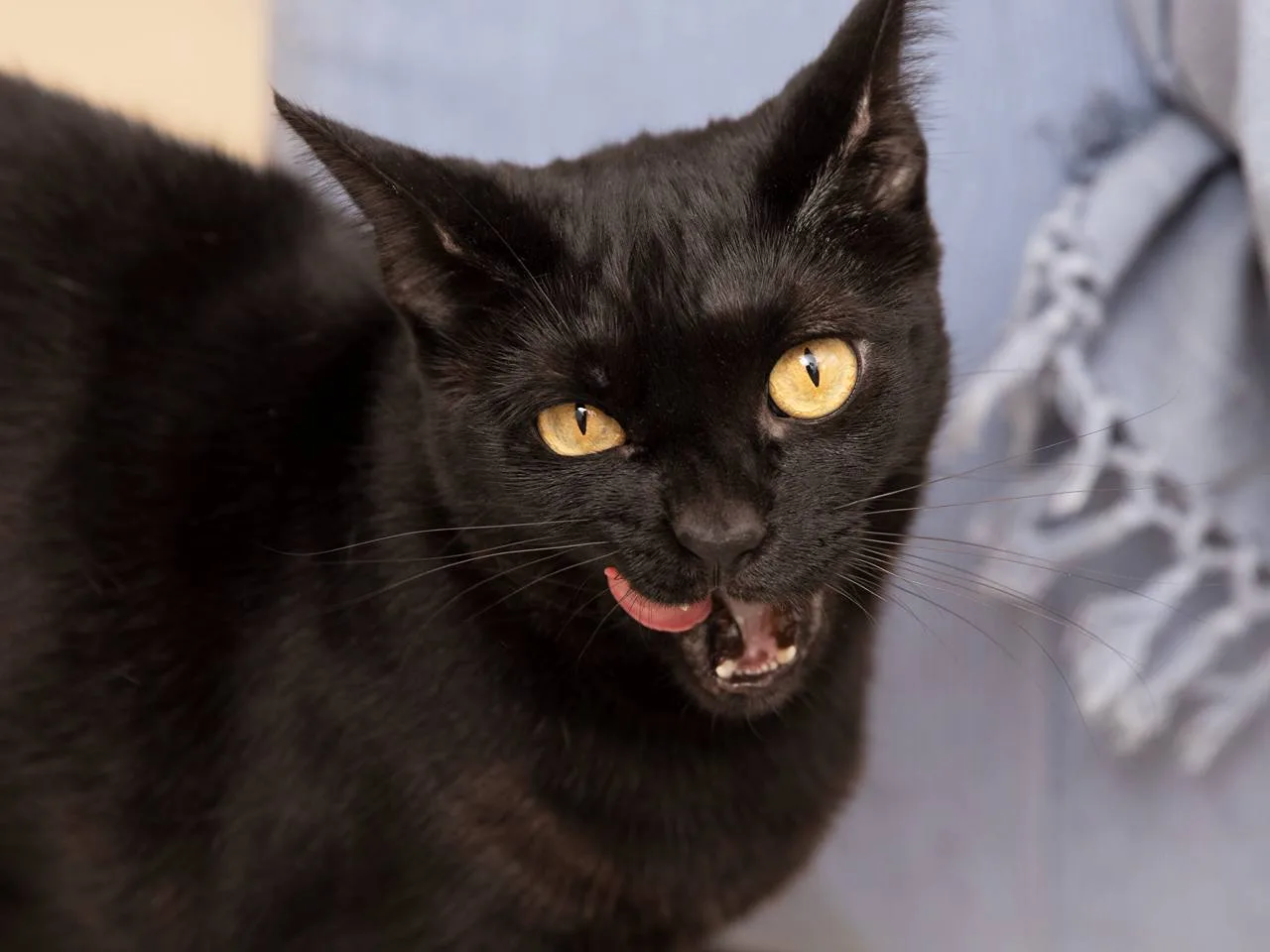
Cat drooling can feel a bit surprising when it suddenly shows up, especially when they're acting just fine, but it usually just means saliva is becoming visible outside the mouth. Most of the time, it’s nothing serious and just part of how cats naturally behave.
General Meaning Of Drool
Drool is simply saliva that becomes more noticeable around the mouth, depending on what’s going on.
- Visible moisture around the cat’s mouth.
- It can appear for a short time and then disappear.
- Drooling can be normal in some situations.
What Drool Can Indicate In A Broad Sense
Sometimes drool is just something that shows up in the moment without much meaning behind it.
- It can appear during different everyday behaviours.
- May come and go without a clear pattern.
- It can show up without anything being wrong on its own.
Normal Variation In Cats
Every cat is different, so drooling doesn’t always look or happen the same way.
- Some cats may drool occasionally, while others rarely do.
- The amount of visible saliva can vary from cat to cat.
- What seems unusual in one cat may be normal in another.
Common Causes of Excessive Drooling Vs Normal Drooling
Cat drooling can be totally normal in relaxed moments, but it can also be a sign that something is going on when saliva starts increasing more than usual. The difference usually comes down to whether it’s just occasional drooling or it turns into excessive cat drooling that keeps happening.
Normal Drooling Triggers
Normal drooling is a sign of being in calm, comfortable situations and usually isn’t anything to worry about.
Purring Or Kneading
- Drooling is completely normal when a cat is relaxed and content.
- It usually shows up briefly and then stops.
Occasional Drooling
- Drooling may happen from time to time without any issue.
- Cat drooling is normal when it's light and not frequent.
Comfortable Emotional States
- A relaxed environment can lead to a small increase in saliva.
- Drooling is normal in these moments.
Common Excessive Drooling Causes
Excessive cat drooling can be due to many causes and issues affecting the mouth, body, or environment.
Dental Issues Or Dental Disease
- Dental problems can cause cat drooling and bad breath.
- Dental disease can lead to discomfort and increased saliva.
- Regular dental problems may also lead to ongoing drooling.
Nausea Or Vomiting
- Nausea can cause increased saliva before vomiting happens.
- Stomach upset is a common cause of drooling in cats.
Foreign Object In The Cat’s Mouth Or Throat
- Something stuck can make a cat drool a lot.
- Pawing at the mouth may also be noticed.
- This often leads to discomfort and drooling.
Mouth Ulcers Or Oral Irritation
- Ulcers in the mouth can lead to pain and excess saliva.
- Mouth ulcers often cause drooling and discomfort.
Trauma To The Mouth
- Injury can cause sudden drooling and sensitivity.
- Drooling is often accompanied by discomfort while eating.
Heatstroke Or Overheating
- Heatstroke is another cause of excessive drooling.
- High heat can lead to increased saliva production.
Stress Or Strong Sensory Response
- Stress can also cause drooling in cats.
- Strong reactions may trigger sudden drooling episodes.
Toxins Or Foreign Substances
- Exposure to toxic plants or chemicals can lead to drooling.
- Harmful substances can also increase saliva.
Infections In The Mouth Or Throat
- Infection in the cat’s mouth or throat can lead to drooling.
- Drooling may also come with other signs of illness.
Gastrointestinal Upset
- Nausea from stomach issues can lead to drooling.
- Vomiting may also happen in some cases.
Why Drooling Can Suddenly Increase
Sometimes drooling becomes more noticeable when the body reacts strongly to something happening in the moment.
- A sudden change in physical comfort can lead to drooling.
- A reaction to something tasted or chewed can cause drooling.
- Stress or a strong sensory response can also cause drooling in cats.
Key Difference To Notice
The main difference is how often and how strongly it happens.
- Drooling is normal when it is occasional and brief.
- Excessive drooling is more frequent or intense.
- Drooling persists when something underlying is affecting the cat.
What to Do When Your Cat Drools Excessively

When a cat suddenly starts drooling more than usual, it can feel a bit worrying at first, especially if it comes out of nowhere. Excessive drooling can be caused by different things, so it helps to slow down and look at what’s really happening instead of guessing right away.
Observe Your Cat’s Behaviour
Watch how your cat is acting overall, since drooling is sudden in some situations and may point to something off. Suspect your cat if the change in behaviour feels unusual or happens out of the blue.
Check For Other Symptoms
Pay attention to anything else happening at the same time, since drooling is accompanied by other symptoms in some cases. Even small changes in eating, movement, or mood can help explain what’s going on.
Identify Possible Triggers
Think back to what your cat was exposed to recently, since certain things can cause a cat to drool. Drooling can also show up after stress or something irritating that causes them to react strongly.
Keep Your Cat Comfortable
Try to keep your cat calm and relaxed while you observe what’s happening. Keep your cat in a safe, quiet space so nothing adds more stress or discomfort.
Decide If Further Attention Is Needed
Keep an eye on whether the excessive drooling continues or gets worse over time. Potential causes and seeking advice may be needed, especially when your cat doesn’t return to normal or the signs keep showing up.
When to Seek Veterinary Care for Abnormal Drooling in Cats

Sometimes drooling is just a short, harmless thing, but there are moments when it can feel off or keep going longer than expected. That’s usually when it makes sense to have a vet take a closer look, especially if it doesn’t settle or comes with other changes.
Persistent Or Worsening Drooling
When a cat keeps drooling for a long time, or it slowly gets worse, it doesn’t feel like normal behaviour anymore. Excessively drooling in this way can be a sign that something deeper is going on and shouldn’t be ignored.
Drooling With Changes In Behaviour
It gets more concerning when drooling comes with changes in how your cat acts, like eating less or seeming “not themselves.” These combined signs can point to something that causes excessive drooling rather than just a temporary moment.
Signs Of Discomfort In The Mouth
If your cat seems bothered when eating, avoids food, or reacts when the mouth is touched, it usually means something isn’t right. Pain or irritation in this area can cause them to drool, and it is worth getting checked.
Drooling After Possible Exposure Or Injury
When drooling starts after something unusual, like a minor accident or exposure to something questionable, it’s safer not to wait it out. Certain situations can quickly cause excessive drooling and need proper attention.
General Health Concerns Alongside Drooling
If drooling shows up together with vomiting, weakness, or clear changes in behaviour, it can feel like something bigger is affecting the cat. In these cases, it’s best to let a vet assess things early rather than hoping it passes on its own.
Vet Tips for Managing Drooling Cats
When a cat starts drooling more than usual, it can feel a bit stressful at first, especially if it’s not something you normally see. The goal at home is really just to keep things calm, observe closely, and get a clearer idea of what’s going on while deciding if a vet visit is needed.
- Pay attention to when the drooling starts and how often it happens.
- Notice if your cat is still eating and drinking like normal.
- Keep the home environment calm and avoid sudden changes or stress.
- If your cat allows it, gently look around the mouth for anything unusual.
- Make sure fresh water is always available and easy to reach.
- Stick to familiar food and avoid introducing new treats for now.
- Follow any advice given by a vet if you’ve already had a check-up.
- Book a vet visit if the drooling doesn’t improve or starts getting worse.
- Watch energy levels, since a tired or “not quite themselves” cat can be a clue.
- Keep notes on what you’re seeing so it’s easier to explain if you go to a vet.
Final Thoughts
Cat drooling can be pretty normal in a lot of cases, especially when a cat is relaxed, purring, or just feeling comfortable. It’s easy to brush it off when it happens once in a while.
But when it becomes excessive or starts happening suddenly, it can feel a bit worrying. Sometimes it’s something minor, but other times it can point to an issue that needs attention.
Watching how your cat behaves overall really helps make sense of what’s going on. If anything feels off or the drooling doesn’t settle, getting a vet to check it is the safest way to be sure.
Frequently Asked Questions
Is drooling in cats always a sign of illness?
Not always, cat drooling can be totally harmless, especially when your cat is just relaxed, purring, or in a comfortable mood. It can catch you off guard, though, especially if it suddenly looks different from what you’re used to.
Watch the context: If it happens while your cat is calm or enjoying a cuddle, it’s often just normal and nothing serious.
Look for changes: It gets more noticeable when drooling suddenly shows up more often than usual.
Check overall behaviour: Appetite, mood, and energy shifts can help you figure out if something is not right.
Notice duration: Quick, one-off drooling is usually less worrying than something that keeps happening.
Seek advice if unsure: If it just doesn’t feel right, a vet can help clear things up and ease worries.
Can dental problems cause a cat to drool more than usual?
Yes, and this is actually one of the more common reasons cats start drooling more than normal. It usually shows up when eating or mouth comfort starts becoming a bit of a struggle.
Look for bad breath: A stronger or unusual smell can sometimes be the first hint that something dental is going on.
Watch eating habits: If your cat is eating more slowly, avoiding food, or chewing differently, that’s worth noting.
Check for sensitivity: Some cats don’t like their mouth or face being touched when something is bothering them.
Notice saliva changes: The drooling often builds up slowly instead of appearing all at once.
Get a vet check: Dental issues don’t usually fix themselves, so it’s better to have them checked early.
Can a cat drool after eating something unusual?
Yes, that can happen pretty quickly if a cat eats or chews something unfamiliar. Sometimes it’s just a short reaction, but it can still look worrying in the moment.
Identify recent exposure: Think about anything new they may have gotten into, like plants or small objects.
Watch for discomfort: You might notice lip licking, pawing at the mouth, or just acting uneasy.
Monitor closely: If it’s mild, the drooling may settle once whatever triggered it passes.
Check for other signs: Vomiting or acting out can indicate it’s more than just a simple reaction.
Call a vet if it continues: If it doesn’t calm down, it’s better to get it checked properly.
Can stress or anxiety make a cat drool?
Yes, stress can definitely show up in weird physical ways, and drooling is one of them for some cats. It usually happens when something in their environment feels off or too intense.
Notice triggers: Things like moving to a new home, new pets, or loud environments can throw them off.
Observe behaviour shifts: A stressed cat might hide more, seem restless, or act out of character.
Keep things stable: A quiet and calm, familiar space can really help them settle down again.
Watch timing: Drooling often shows up during or right after a stressful moment.
Get help if needed: If the stress signs stick around, a vet can help figure out what to do next.
Why would a cat suddenly start drooling out of nowhere?
It can be pretty surprising when it just happens suddenly, especially if everything seemed fine right before. Usually, it means something triggered a quick reaction.
Check recent activity: Think back to what they ate, chewed, or explored right before it started.
Look for discomfort signs: Things like pawing at the mouth or acting restless can give clues.
Monitor closely: Sometimes it stops just as quickly as it started if it was something mild.
Watch for patterns: If nonstop drooling happens again, it might point to something that needs attention.

