
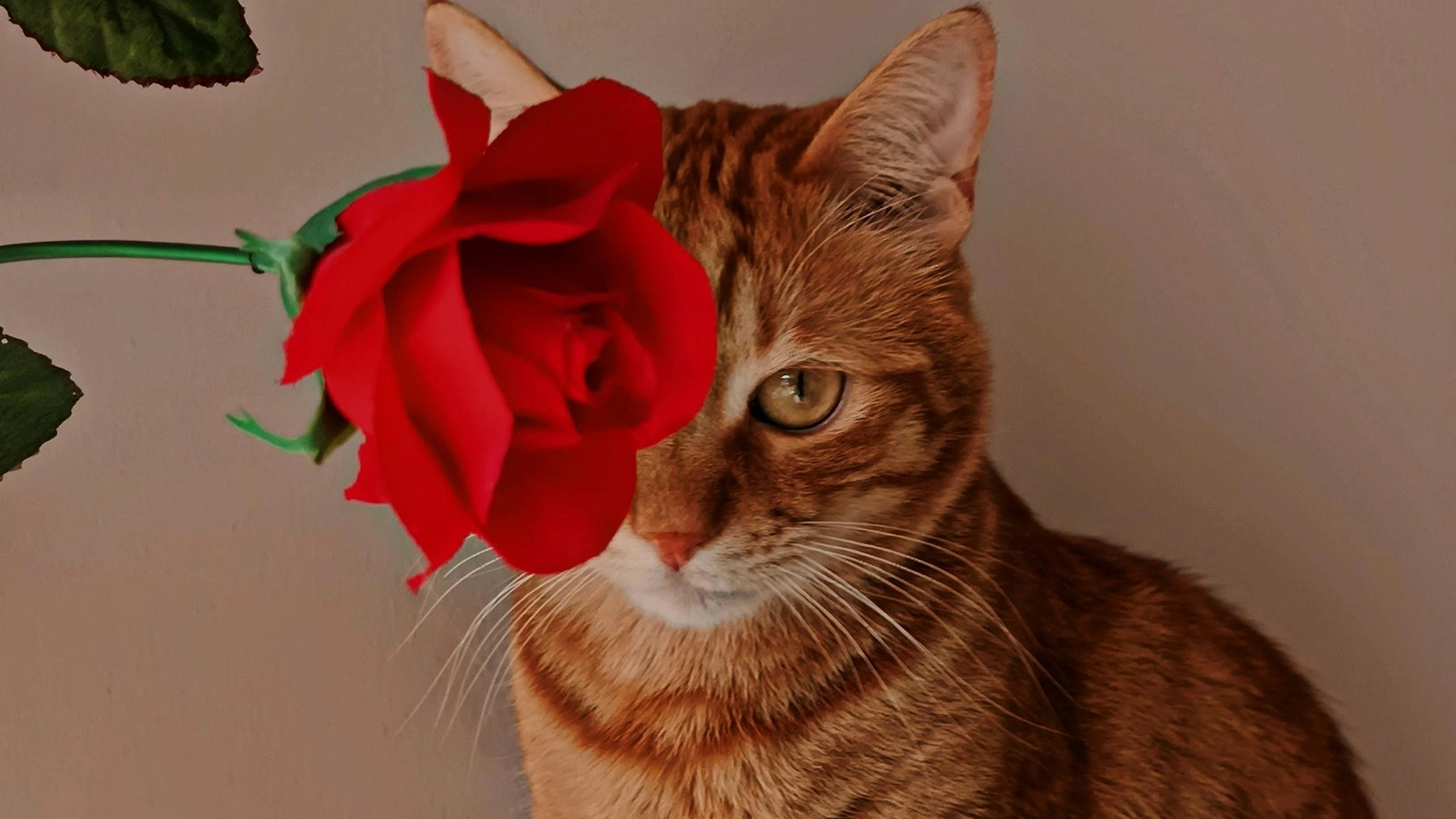

TL;DR — Are Roses Toxic to Cats?
- Roses are non-toxic to cats, so having them in your home or garden is usually safe.
- Some curious cats might nibble on petals, leaves, or stems, which can cause mild vomiting, diarrhea, or an upset stomach.
- Rose thorns can scratch paws, mouths, or eyes if your cat gets too close.
- Pesticides or flower food on roses can be toxic to cats if ingested, so always be careful.
- Not all plants with “rose” in the name are safe—Desert Rose and Christmas Rose are highly toxic and can cause serious problems like vomiting, drooling, or kidney issues.
- Safe alternatives include true roses without thorns, orchids, spider plants, African violets, camellias, and other cat-safe flowers.
If your curious cat gets into flowers or shows signs like vomiting, drooling, or lethargy, reach out to us immediately. Our professional vets have seen this many times—quick care can make a huge difference.
Are roses safe for cats? It’s a common question for anyone who loves both flowers and their pets. The good news is that roses are non-toxic to cats, though those sharp thorns can still scratch a curious paw or nose.
Roses won’t poison your cat, but if your feline decides to nibble on a few rose petals, you might notice mild vomiting or diarrhea. The bigger risk usually comes from pesticides or flower food in the vase, not the rose itself. If you’re unsure which plants and flowers are cat-safe, it’s always best to ask your veterinarian.
If your cat has eaten part of a rose and starts showing symptoms like drooling, vomiting, or lethargy, contact your veterinarian right away. Many pet parents have been there—it’s scary, but usually manageable. Read on to learn why roses are mostly safe, and which “rose” plants could actually be harmful to cats.
Are Roses Toxic to Cats?
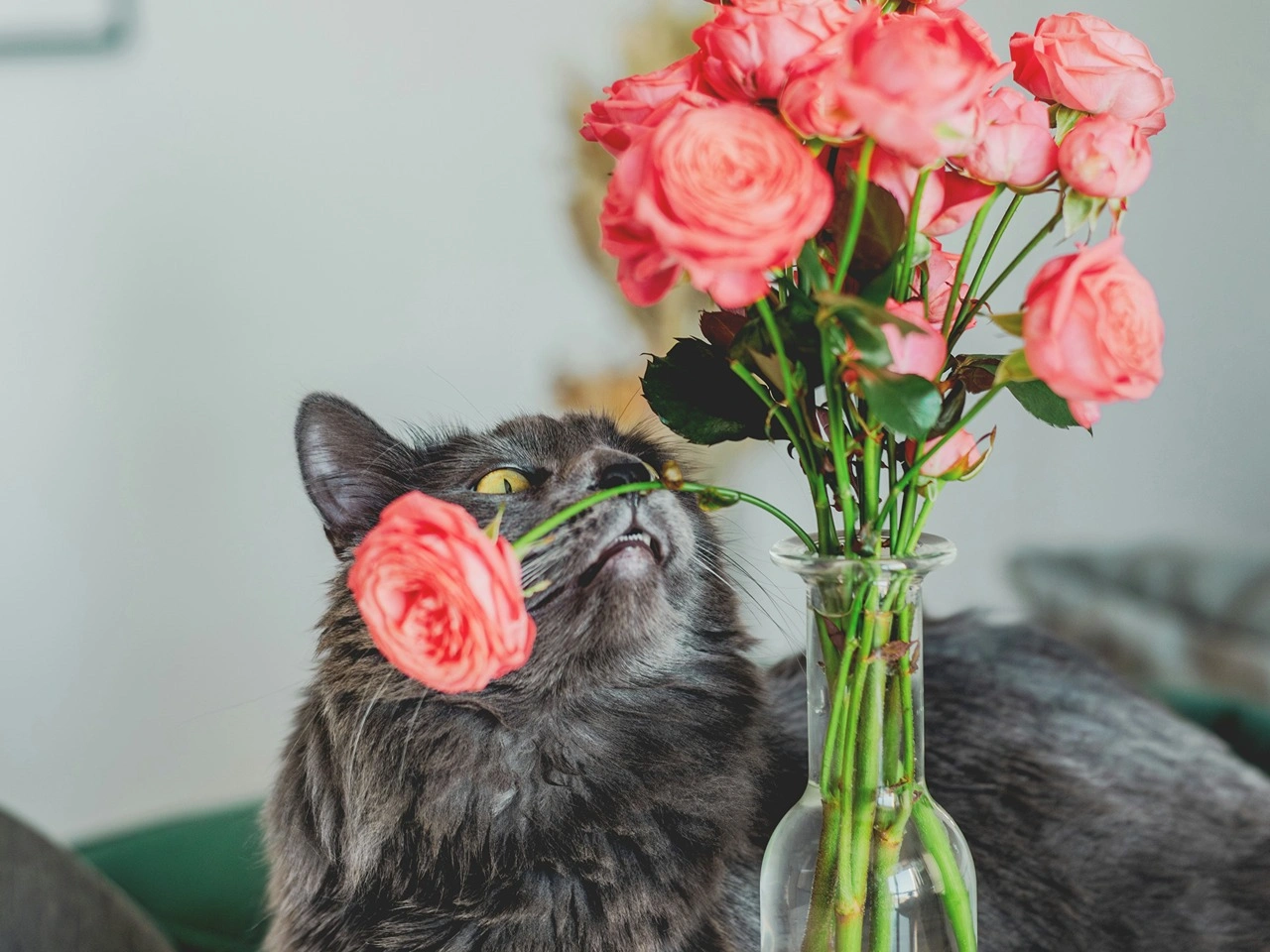
Roses are non-toxic to cats, so they’re generally safe for cats and dogs to have around the home or garden. Still, a curious cat might try to ingest parts of the rose bush or flower, which can lead to a mild upset stomach. The real concern isn’t the rose itself but the rose thorns, pesticides, or flower food that could be harmful if your cat eats them.
What to watch for:
- Upset stomach: If your cat ate a plant or chewed on rose petals, you might notice mild vomiting or diarrhea—signs that the plant material didn’t sit well.
- Thorn injuries: Thorny stems can easily scratch your cat’s mouth or paw, especially if they like to bat at flowers or sniff too closely.
- Chemical exposure: A bouquet of roses that’s been sprayed with pesticides or placed in flower food water could cause trouble if your cat drinks from the vase or licks the stems.
While roses are not poisonous to cats, toxicity is only a concern if chemicals or treated water are involved. It’s always a good idea to keep your pets away from treated plants and flowers and to ask about pet-safe options for pesticides when buying or growing roses.
Understanding the Different Parts of Roses and Their Risks
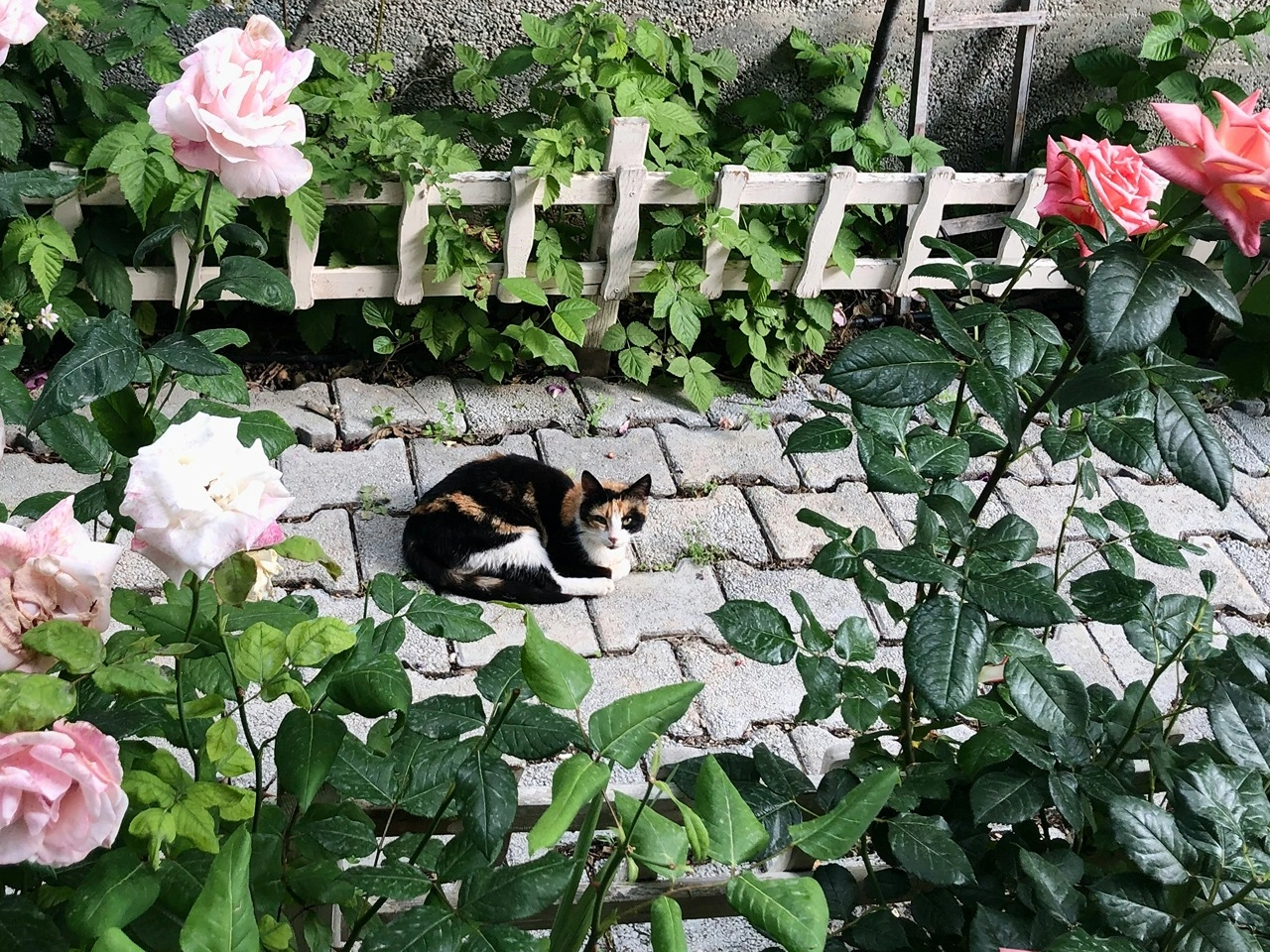
Roses are generally non-toxic to cats, which means they aren’t poisonous. But that doesn’t mean they’re completely safe either. If your curious cat decides to chew or eat parts of a rose bush or a bouquet of roses, it can still cause an upset stomach or other problems. The real concern usually comes from rose thorns and chemicals like pesticides or flower food, which can be toxic and harmful if ingested.
Rose Petals and Leaves
Cats are naturally curious, and the soft texture or scent of rose petals might tempt them to take a bite. While roses are not poisonous to cats, eating the petals or leaves can still cause some digestive upset because cats’ stomachs aren’t designed to handle plant material.
Common symptoms if your cat eats rose petals or leaves:
- Vomiting, sometimes with bits of flower visible.
- Diarrhea or loose stool.
- Decreased appetite or skipping meals.
- Mild drooling or licking their lips frequently.
- Lethargy or appearing uncomfortable.
These signs are usually mild and short-lived, but if your cat keeps vomiting or refuses food for more than a day or two, it’s best to call your veterinarian to make sure nothing more serious is going on.
Thorns and Physical Injuries
If you’ve ever handled thorny stems, you know how sharp they can be—and for cats, they’re no different. Rose thorns can easily poke or scratch a cat’s mouth, paws, or skin, especially if your pet likes to play with flowers or rub against them.
Watch out for these signs of thorn injuries:
- Small cuts or punctures around the mouth or paws.
- Drooling or pawing at the mouth.
- Limping or sensitivity when walking.
- Redness, swelling, or bumps (possible abscess).
- Signs of internal irritation or bleeding if thorns were swallowed.
If you think your cat may have chewed or swallowed thorns, don’t wait—contact your vet. Even a tiny wound can turn into an infection if left untreated.
Pesticides and Flower Food
The biggest risk from roses usually comes from what’s on them rather than the flowers themselves. Their toxicity becomes a concern if flower food or pesticides are present, as these substances can make the petals, leaves, or even the vase water harmful to cats.
Symptoms of pesticide or flower food poisoning include:
- Repeated vomiting
- Drooling or foaming at the mouth
- Diarrhea
- Loss of appetite or refusing food
- Weakness, tremors, or trouble walking
- Fever or body shaking
- Difficulty breathing
- In severe cases, kidney failure, seizures, or even coma
If your cat shows any of these symptoms after being near treated flowers or drinking from the vase water, contact Pet Poison Helpline or get veterinary help immediately.
Understanding Which Roses and “Rose” Plants Are Safe or Toxic to Cats
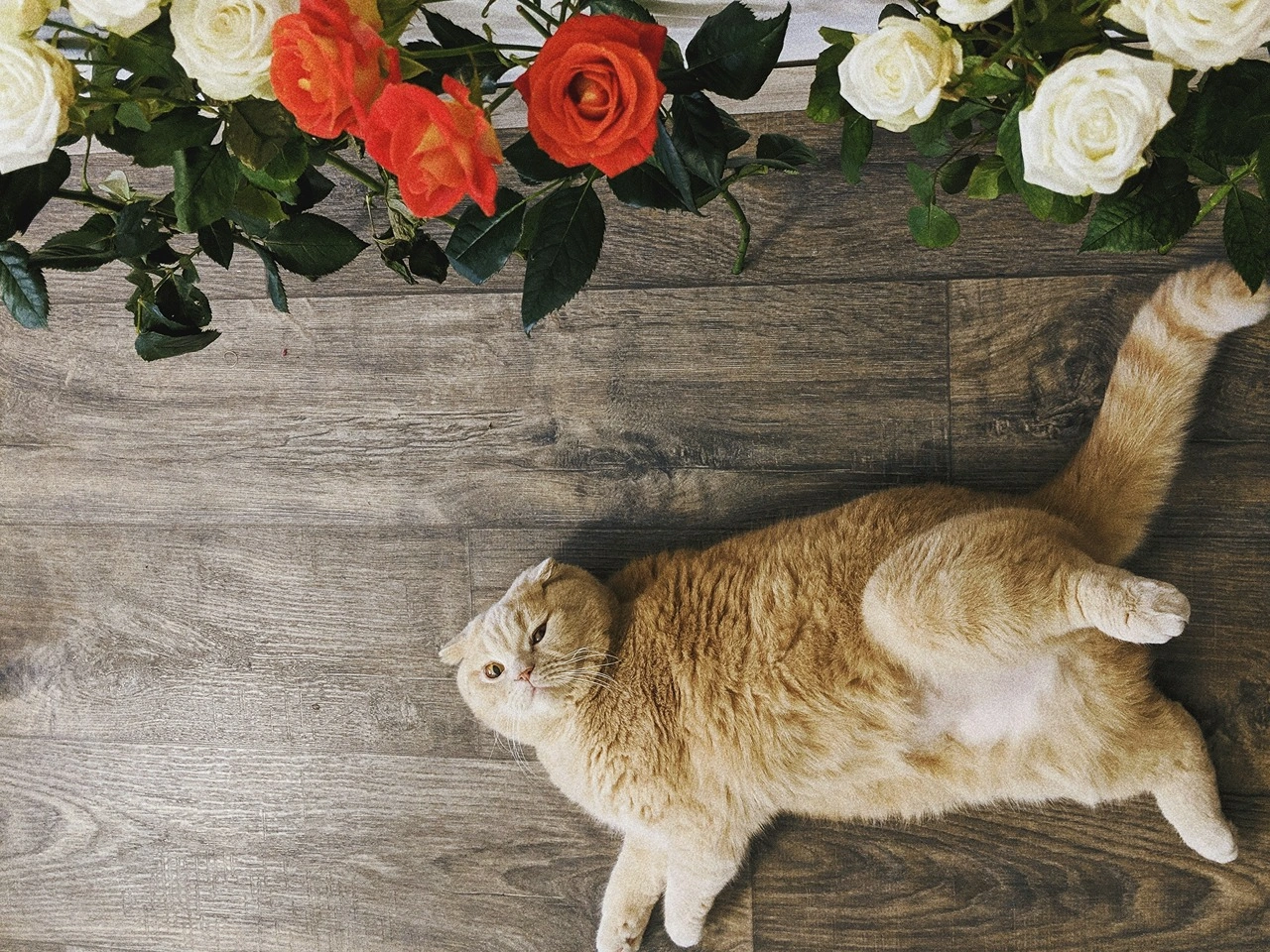
If you love keeping flowers around your home, it’s natural to wonder which ones are truly safe for cats. The good news is that most garden roses are non-toxic to cats, but not every plant with the word “rose” in its name is harmless. Some, like the Desert Rose or Christmas Rose, are actually highly toxic to cats if ingested. Knowing the difference helps protect your curious cat from unnecessary trips to the vet.
Garden Roses
Real garden roses — the ones you might keep in your yard or receive in a bouquet of roses — are generally safe flowers for cats and even safe for dogs. Still, a few things are worth keeping in mind:
- If your cat chews or ingests petals or leaves, it might experience mild vomiting or an upset stomach, since cats aren’t built to digest plant material.
- Thorns along their stems can hurt your cat’s mouth, paws, or eyes, so it’s best to trim them or choose roses without thorns if possible.
- The biggest concern is usually pesticides or flower food, which can be toxic to cats if they lick or chew treated plants.
- When buying roses or maintaining a rose bush, always inquire about pet-safe options for fertilizers and pest control.
Even though roses are not poisonous to cats, keeping them out of reach is still the safest choice—especially for kittens or curious pets that like to explore.
Plants with “Rose” in the Name
Some plants that sound like roses aren’t true roses at all, and these can be dangerous for cats. This is where it gets tricky, because their names can be misleading:
- Desert Rose (Adenium obesum): This beautiful plant is highly toxic to cats, causing serious reactions including vomiting, weakness, and heart problems if ingested.
- Christmas Rose (Helleborus niger): Despite its festive name, it’s a toxic plant that can cause drooling, stomach pain, vomiting, or even kidney issues.
- Primrose (Primula spp.): Not as severe but still irritating, it may cause mouth irritation, vomiting, or skin reactions in cats.
It’s easy to confuse these plants with safe roses, so always double-check before bringing new flowers around pets.
Guidelines for Keeping Your Pets Safe
If you love decorating with flowers but want to keep your home cat-friendly, a few precautions go a long way:
- Choose plants and flowers safe for cats, like garden roses without thorns, orchids, or snapdragons.
- Keep pets away from the area where you display flowers, especially fresh bouquets.
- Avoid using flower food or chemical pesticides—they’re often a bigger risk than the plants themselves.
- Watch for symptoms like vomiting, drooling, or lack of appetite if your cat ate a plant.
- If you hire a gardener or landscaper, ask them to use pet-safe products and follow guidelines about keeping your pets away from treated areas.
With a little care and attention, you can enjoy beautiful roses and safe flowers at home without worrying about your cat’s health. After all, our furry friends deserve a lovely—and safe—environment too.
What to Do If Your Cat Ate Roses or Other Flowers

If your cat sneaks a bite of a rose or starts chewing on a bouquet, it can be scary at first. The good news is that true roses are non-toxic to cats, so most of the time they won’t cause serious harm. Still, it’s important to watch your cat closely, especially if the flowers were treated with pesticides or flower food, since these can be toxic.
Step 1: Figure Out What Your Cat Ate
First, check exactly what your cat got into. Make sure it’s a real rose and not a plant with “rose” in the name, like desert rose or Christmas rose, which are highly toxic to cats. If it were a bouquet, look for flower food or pesticide residue on the stems.
- Identify whether it was a safe rose or a dangerous plant.
- Look for chemicals, sprays, or flower food in the vase.
- Keep a piece of the plant handy to show your veterinarian if needed.
Step 2: Watch for Symptoms
Even though roses themselves are non-toxic to cats, eating petals, leaves, or stems can still upset your cat’s stomach.
Common signs to watch for include:
- Vomiting, sometimes with pieces of petals.
- Diarrhea or soft stool.
- Drooling or pawing at the mouth.
- Loss of appetite or low energy.
- Tremors, trouble breathing, or kidney problems may occur if chemicals were ingested.
If any of these symptoms last more than a day or two, call your veterinarian right away.
Step 3: Call Your Veterinarian or Pet Poison Helpline
If your cat ate something treated with pesticides or flower food, contact your vet immediately. You can also call the Pet Poison Helpline for guidance.
Be ready to explain:
- What your cat ate and how much.
- When it happened.
- Any symptoms you’ve noticed.
Your vet may recommend observation, treatment, or tests to make sure your cat’s kidneys and digestive system are safe.
Step 4: Keep Flowers Out of Reach
To prevent future incidents, keep bouquets, rose bushes, and other plants and flowers out of your cat’s reach. Even though roses are safe, other flowers in the same area may be dangerous for cats. Choosing cat-safe flowers and avoiding chemical sprays or flower food is the easiest way to keep your curious cat safe.
Cat-Safe Flower Alternatives: Keep Your Home Beautiful and Safe For Cats
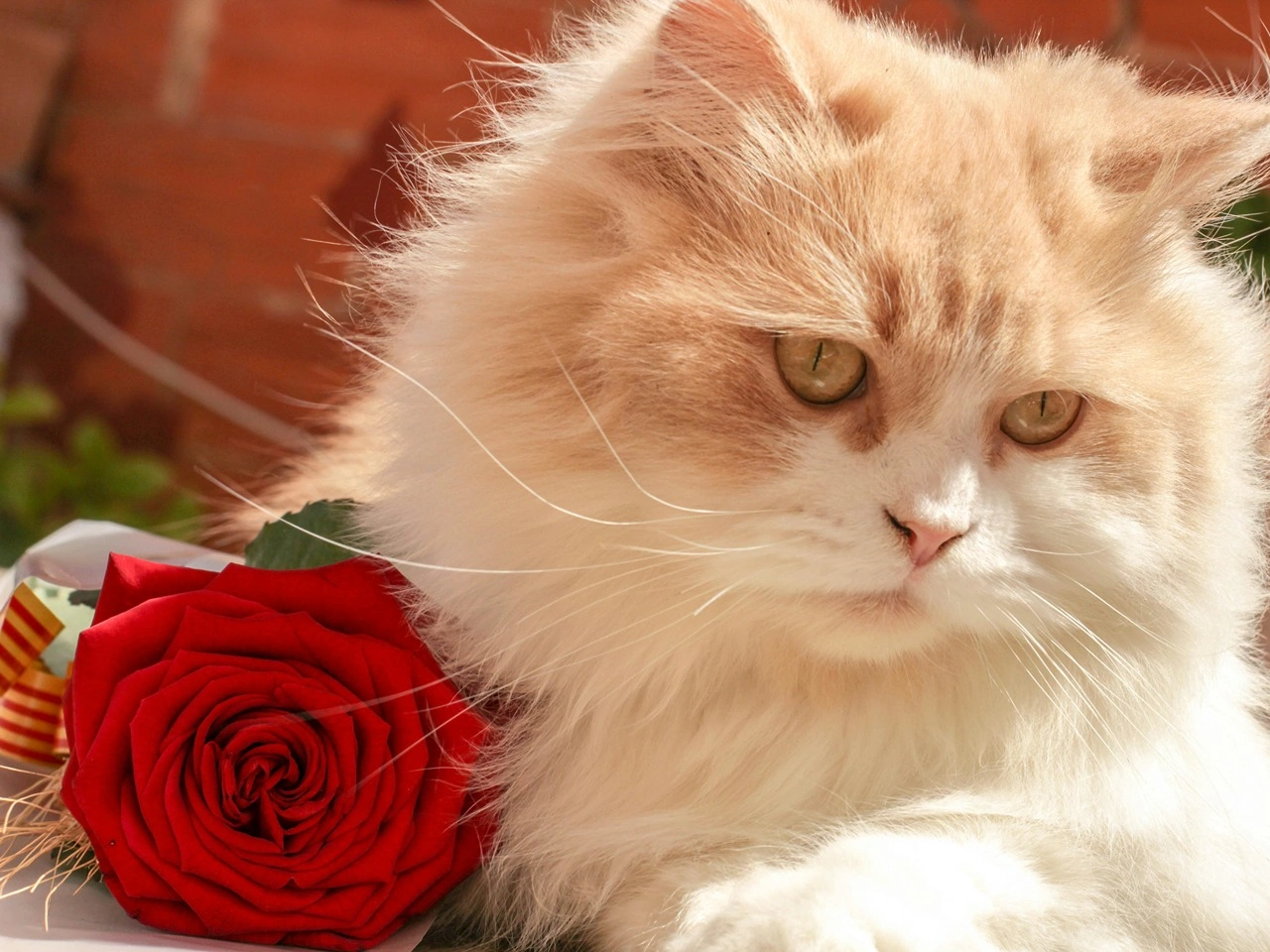
Choosing cat-safe flowers means you can enjoy a colourful, lively home without worrying about vomiting or other digestive issues. With a little planning, you can create a beautiful space that’s safe for your curious cat.
Indoor Cat-Safe Flowers
If your cat loves exploring windowsills or indoor pots, these flowers are safe to have around:
- Orchids – Elegant, long-lasting blooms that won’t poison your cat.
- Spider plants – Hardy and playful, cats often enjoy watching or gently pawing at them.
- African violets – Colourful and perfect for indoor spots, completely safe for cats.
- Boston ferns – Lush greenery your cat can sniff and explore.
- Bamboo – Easy to care for and safe for cats to be around.
Outdoor Cat-Safe Flowers
For your garden or patio, these options let your cat roam safely while adding colour to your outdoor space:
- Camellias – Beautiful garden blooms that are non-toxic to cats.
- Snapdragons – Bright and vertical, perfect for safe outdoor planting.
- Petunias – Hardy flowers that won’t harm your cat if it sniffs or nibbles.
- Hibiscus – Tropical-looking blooms are safe for cats.
- Calendula – Cheerful flowers that can be grown indoors or outdoors safely.
True Roses and Other Safe Options
If you love roses, there are ways to enjoy them safely around your cat:
- True roses without thorns – Safe as long as no pesticides or flower food are used.
- Marigolds (Tagetes) – Generally safe for cats in small amounts.
- Geraniums (safe varieties) – Some types are non-toxic; double-check the variety before planting.
Safety Tips for Cat Owners
Even with cat-safe flowers, it’s smart to take a few precautions:
- Avoid plants with the word “rose” that are highly toxic, like Desert Rose or Christmas Rose.
- Skip bouquets with flower food or chemical sprays.
- Keep all flowers out of reach of curious cats.
- Ask about pet-safe options for pesticides when gardening or buying flowers.
Final Thoughts
Roses are mostly safe for cats, but those sharp thorns and any pesticides or flower food can still be a problem. If your curious cat nibbles on petals or leaves, you might notice mild vomiting or an upset stomach—it can be worrying, but usually isn’t serious.
Plants like desert rose or Christmas rose are highly toxic, so it’s best to keep them far from furry paws. Keeping cat-safe flowers within reach and putting bouquets or rose bushes out of harm’s way makes a big difference. With a little care, you can enjoy beautiful blooms while keeping your curious cat safe and happy.
Frequently Asked Questions
Are all roses safe for cats, or are some poisonous?
Many cat owners wonder if all roses are safe for their pets. True roses are generally non-toxic to cats, but some plants with “rose” in the name can be harmful if ingested.
True roses: Safe for cats; may cause mild vomiting or an upset stomach if petals or leaves are nibbled.
Desert Rose and Christmas Rose: Highly toxic; can trigger vomiting, drooling, kidney issues, or more severe symptoms.
Rose thorns: Can scratch paws, mouth, or skin—keep thorny stems out of reach.
Pesticide-treated roses: Chemicals on petals or stems can be toxic and harmful if ingested.
What should I do if my cat ate a plant from my home or garden?
It can be alarming to catch your cat chewing on plants, but staying calm helps. First, identify exactly what your cat ate, including whether it’s a safe flower, a toxic plant, or part of a rose bush.
Check the plant: Determine if it’s a safe rose, a dangerous “rose” plant, or another flower.
Watch for symptoms: Look for vomiting, drooling, diarrhea, lethargy, or loss of appetite.
Contact your vet: Professional vets can guide you on the next steps to keep your cat safe.
Which flowers and plants are considered safe for cats and dogs?
You don’t have to choose between a beautiful home and your pet’s safety. Many cat-safe flowers are perfect for indoors or the garden.
True roses without thorns: Safe for curious cats and dogs.
Orchids, spider plants, African violets, camellias: All non-toxic to cats.
Snapdragons, petunias, bamboo: Great safe options for indoor or outdoor spaces.
Precautions: Avoid flower food or pesticides, which are often more dangerous than the plants themselves.
How can I tell if a flower is poisonous to cats or dangerous for cats?
It can be tricky to know which flowers are safe just by looking. Not all plants with “rose” in their name are harmless, so it’s best to double-check before letting your cat explore.
Check plant names: Watch for misleading names like Desert Rose or Christmas Rose, which are highly toxic.
Observe your cat: Symptoms like vomiting, drooling, lethargy, or kidney problems can indicate poisoning.
Ask experts: Contact our professional vets for guidance before letting your cat near a new plant.
Are there reliable sources for finding flowers safe for cats to keep around the house?
Reliable information can save both you and your cat a lot of stress. There are trusted sources that make it easy to choose cat-safe flowers.
Pet care websites: Maintain lists of plants and flowers safe for cats and dogs.
Professional vets: Our vets can recommend safe flowers and advise on avoiding toxic ones.
Florists and garden centers: Ask about pet-safe options for pesticides or flower food.

