

TL;DR: Why Is My Cat Vomiting?
- Many possible causes: There are many reasons cats vomit, including hairballs, diet changes, parasites, infections, inflammatory bowel disease, toxins, and foreign bodies.
- Know when to worry: An occasional episode may not be serious, but frequent vomiting can indicate an underlying medical condition that needs veterinary care.
- Watch for warning signs: Blood in the vomit, lethargy, weight loss, loss of appetite, persistent vomiting, or bile are all signs that your cat should be examined by a veterinarian.
- Monitor your cat at home: Offer fresh water, temporarily withhold food, and keep track of how often your cat vomits, especially if they're throwing up after eating or repeatedly throughout the day.
- Diagnosis identifies the cause: Your veterinarian may recommend a physical exam, bloodwork, fecal testing, or imaging to determine why your cat is vomiting and the best treatment approach.
- Treatment depends on the cause: Care may include dietary changes, anti-nausea medication, deworming, IV fluids, antibiotics, or other treatments based on your cat's condition.
Concerned about your cat? Consult with us if your cat's vomiting is persistent, severe, or accompanied by other symptoms for an examination and appropriate treatment.
Why is your cat vomiting all of a sudden, and should you be worried? Occasional vomiting can happen from time to time and not be a cause for concern, however, repeated or severe episodes can point to an underlying illness that needs attention. Understanding why your cat is sick helps you decide whether simple home monitoring is enough or if it's time to call a veterinarian.
There are many reasons why cats throw up, ranging from harmless hairball problems to digestive disorders, infections, or other serious conditions. In this post, we'll explore the common causes of cat vomiting, signs of serious illness, what you can do at home, and when to seek veterinary care to help catch potential issues early.
Common Causes of Vomiting in Cats

There are many possible explanations for why a cat is vomiting, and identifying the underlying trigger is the first step toward proper care and appropriate treatment.
Hairballs From Grooming
As cats groom themselves, swallowed fur can collect into a hairball that irritates the gastrointestinal tract. While hairballs are common, they can cause vomiting if the fur cannot pass normally through the digestive system.
Dietary Changes or Intolerance
A sudden switch to a new diet or introducing a large amount of the new food too quickly can upset their stomach and trigger vomiting. Some cats also have food intolerances that result in vomiting after eating certain ingredients.
Ingesting Foreign Objects
Cats are naturally curious, and they can swallow something they shouldn’t, like string, plastic or small toys. They can block the digestive system and will usually lead to vomiting and require immediate attention from a veterinarian.
Parasites (Roundworms, Tapeworms)
Intestinal parasites can irritate the digestive tract and interfere with normal digestion. Infected cats may experience repeated episodes of vomiting, along with diarrhea, weight loss, or a poor appetite.
Viral or Bacterial Infections
Certain viral and bacterial infections can trigger digestive inflammation, irritating the stomach and intestines. Along with vomiting, affected cats may develop fever, lethargy, or a reduced appetite and often require veterinary diagnosis and treatment.
Inflammatory Bowel Disease (IBD)
Chronic vomiting in cats is frequently caused by inflammatory bowel disease (IBD). IBD is defined as chronic inflammation of the intestines. Over time, this ongoing problem can lead to problems with digestion, nutrient absorption and general health.
Toxin or Poison Ingestion
If your cat eats a toxic plant, household chemical, medication, or spoiled cat food, poisoning can occur. Because these situations can quickly become a serious health emergency, seek veterinary attention immediately.
Signs Your Cat's Vomiting May Be Serious
Not every vomiting episode is an emergency, but these warning signs suggest your cat may need prompt veterinary care.
Vomiting More Than Twice Daily
Repeated or frequent vomiting within a short period is not normal. Multiple bouts of vomiting can quickly lead to dehydration and may signal an underlying medical condition that requires veterinary evaluation.
Blood in Vomit
If your cat's vomit looks bright red or dark brown, or it contains something that looks like coffee grounds, there may be internal bleeding. This is more serious than stomach upset and should be checked by a veterinarian as soon as possible.
Lethargy or Weakness
A cat may be throwing up repeatedly because of a more serious illness than a mild upset stomach. If your cat seems unusually tired, weak, or less responsive, veterinary care is recommended.
Significant Weight Loss
Ongoing vomiting and marked loss of weight may indicate chronic digestive disorders, kidney disease, or poor absorption of nutrients. These changes often indicate an underlying health problem that requires timely diagnosis and treatment.
Loss of Appetite
If your cat is throwing up and refuses food for more than 24 hours, recovery can become more difficult. A poor appetite alongside vomiting often points to illnesses that require veterinary attention.
Yellow or Green Bile Present
Yellow or green vomit usually contains bile, which may appear when the stomach is empty or irritated. While an occasional episode may not be serious, persistent bile vomiting should be evaluated by a veterinarian to identify the underlying cause.
What to Do When Your Cat Throws Up
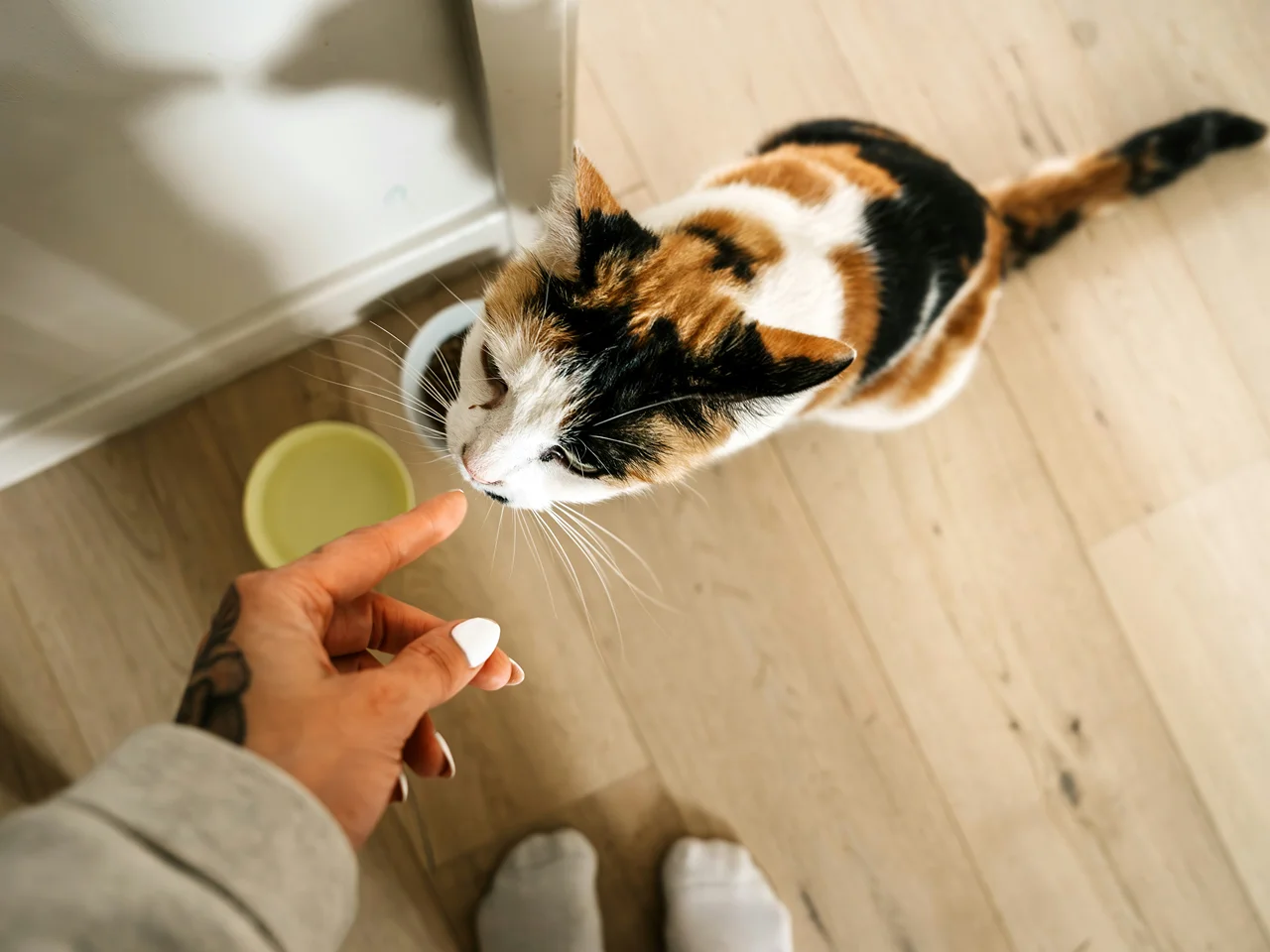
If your cat vomits, a few simple steps can help you monitor the situation before deciding whether veterinary care is needed.
- Stay Calm, Observe Closely: Avoid panicking and watch your cat's behaviour carefully after vomiting. Whether it happens only once or continues repeatedly can help you decide if home monitoring is enough or if veterinary attention is needed.
- Withhold Food for 2–4 Hours: Giving the stomach a short rest may help reduce irritation after vomiting. If your cat stops vomiting, gradually offer small portions of easily digestible cat food.
- Make Sure Fresh Water Is Available: Keep clean drinking water available at all times because vomiting can lead to dehydration. Encourage small, frequent sips instead of allowing your cat to drink a large amount at once.
- Check Vomit for Blood or Foreign Material: Examine the vomit for fur, plants, toys, blood, or undigested food. Also note what the vomit looks like, as unusual contents or colour changes may provide helpful clues.
- Note Frequency and Appearance: Make a note of when the vomiting began, how often it occurs, and any changes in colour or consistency. By sharing these observations with your veterinarian, the cause of your cat’s vomiting can be identified more quickly.
When to Seek Veterinary Care
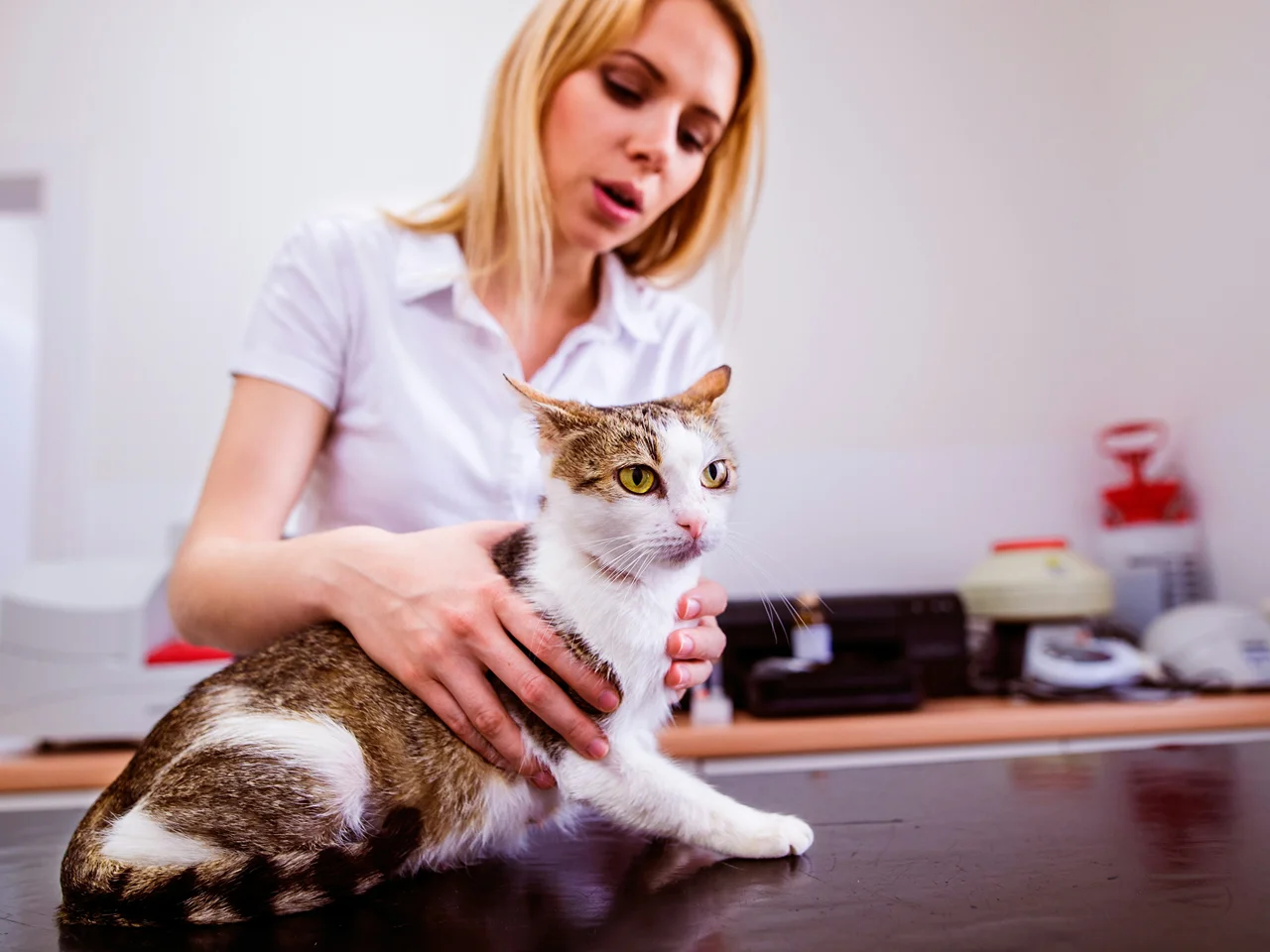
Some situations require prompt medical attention rather than home monitoring.
- Vomiting Persists Beyond 24 Hours: Persistent vomiting often means it's more than a simple stomach upset. If it continues despite supportive care, vomiting requires professional veterinary evaluation to find the underlying cause.
- Blood Is Present: Even a small amount of blood in your cat's vomit shouldn't be ignored. Contact your veterinarian immediately if your cat keeps vomiting, the bleeding worsens, or other concerning signs appear.
- Cat Appears in Pain: Crying, hiding, or showing signs of abdominal discomfort may point to something more serious. If your cat seems painful as well as sick, it's best to have them examined as soon as possible.
- Suspected Toxic Ingestion: If you think your cat swallowed poison, medication, or another harmful substance, don't wait to see if they improve on their own. Quick treatment can make a big difference in their recovery.
- Accompanied by Diarrhea or Fever: Vomiting along with diarrhea or fever can increase the risk of dehydration and other complications. Since these symptoms often occur together with more serious illnesses, it's safest to have your cat checked by a veterinarian.
How Veterinarians Diagnose the Cause of Vomiting
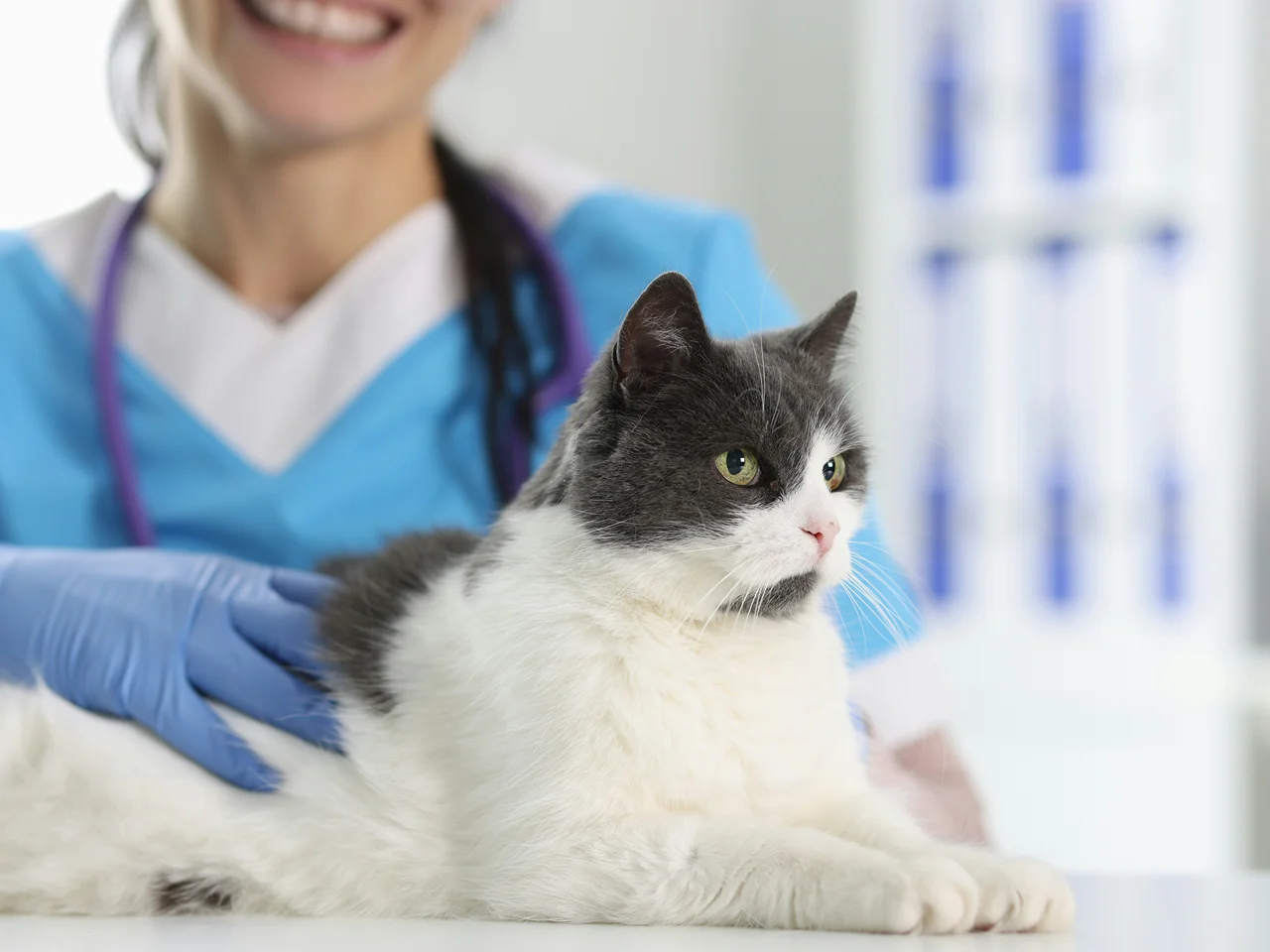
Your veterinarian will combine your cat's history, examination findings, and diagnostic tests to determine the underlying problem.
- Full Physical Examination: A complete examination checks hydration, abdominal discomfort, and overall feline health. Your veterinarian may also ask about recent diet changes, medications, and vomiting history.
- Blood and Urine Tests: Routine blood work and urine tests help to assess organ function and to identify illnesses such as infection or metabolic disease. These tests can also reveal hidden causes that aren't visible in the physical exam.
- Fecal Parasite Screening: A sample of stool can be used to identify worms and other intestinal parasites that could be contributing to the vomiting. If you find these parasites, they can be treated.
- X-rays or ultrasound imaging: Imaging tests help find blockages, swallowed objects or abnormalities in the digestive system. X-ray is often the first step, and ultrasound adds detail where it is needed.
- Food Trial for Allergy Testing: Your veterinarian may recommend a carefully controlled elimination diet to identify food-related triggers. This helps determine whether certain ingredients are responsible for recurring digestive signs.
Treatment for Vomiting in Cats
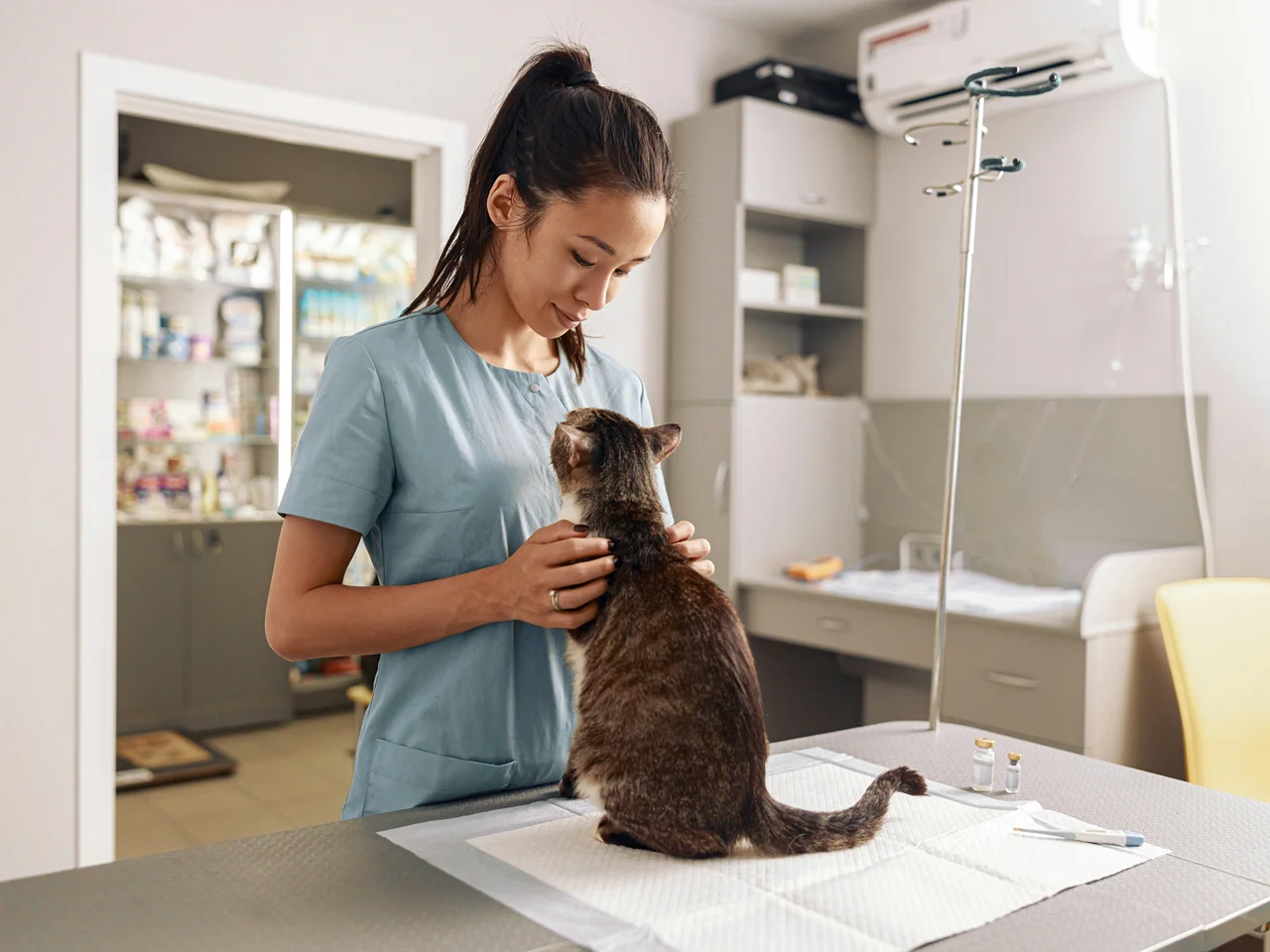
Treatment depends upon the underlying cause, the severity of symptoms, and the overall condition of your cat.
Dietary Modification or Bland Diet
A temporary bland diet gives the stomach time to recover after vomiting after meals. If your cat eats too quickly, slowing their eating pace with smaller, more frequent meals can also help reduce puking after eating, especially in households where competition for food encourages rapid eating.
Anti-Nausea Medications
Prescription drugs are used to control nausea and vomiting while the underlying disease is being treated. These drugs are often used when repeated vomiting is uncomfortable.
Dewormers for Parasites
If parasites are identified, deworming medication removes the infection and allows the digestive system to recover. Treatment may be repeated depending on the type of parasite found.
IV Fluids for Dehydration
Cats that keep vomiting will usually need to get intravenous fluids to rehydrate them and restore their electrolyte balance. Fluid therapy is helpful for recovery and helps prevent further complications.
Antibiotics for Infections
If a bacterial infection is shown on testing, treatment may include antibiotics. They are only used when it is appropriate, as vomiting can also be caused by non-bacterial factors.
Final Thoughts
Vomiting in cats can have many causes, from minor digestive upset to serious medical conditions that require prompt treatment. While an occasional episode may not always be a cause for concern, frequent vomiting, blood in the vomit, loss of appetite, or other concerning symptoms should never be ignored.
Watching your cat closely and seeking veterinary care when necessary can help you identify the root cause before it becomes a more significant problem. With early diagnosis, correct treatment and regular preventative care, most cats can make a good recovery and maintain good digestive health and so enjoy happier, healthier and more comfortable lives.
Frequently Asked Questions
When Should I Worry About Vomiting in Cats?
Occasional vomiting may not always be an emergency, but certain signs mean your cat should be evaluated promptly.
Frequent Episodes: If your cat is vomiting several times within a day, repeated episodes are more concerning than a single isolated incident.
Blood in the Vomit: If you see red or coffee-ground material in the vomit, this means there is bleeding in the digestive tract, and you should see a vet immediately.
Loss of Energy: Lethargy, weakness, or hiding after vomiting can signal an illness affecting your cat’s health beyond a simple stomach upset.
Persistent Appetite Changes: Refusing food for more than 24 hours alongside vomiting increases the risk of dehydration and other complications.
Pain or Other Symptoms: Vomiting accompanied by diarrhea, fever, abdominal discomfort, or suspected toxin exposure should never be monitored at home for long.
How can I tell the Difference Between Vomiting and regurgitation?
Knowing whether your cat is vomiting or regurgitating helps your veterinarian narrow down the possible cause.
Timing of Food Return: Regurgitation usually happens shortly after eating, while vomiting may occur at any time.
Effort Involved: Vomiting involves abdominal contractions and retching, whereas regurgitating is often passive with little warning.
Appearance of Material: Regurgitated food is often undigested, while vomit usually contains partially digested food, bile, or foam.
Possible Causes: Regurgitation commonly points to problems involving the esophagus, while vomiting is more often linked to stomach or intestinal disorders.
Veterinary Assessment: Recording what happens before and during each episode helps your veterinarian determine which condition your cat is experiencing.
What Should I Do Right After My Cat Vomits?
Simple home monitoring can help you decide whether your cat is improving or needs medical attention.
Observe Your Cat: Watch your pet's behaviour, energy level, and whether your cat might vomit again after the initial episode.
Rest the Stomach: Withholding food for a short period, if advised by your veterinarian, may help reduce stomach irritation.
Offer Fresh Water: Encourage small amounts of water frequently to help reduce the risk of dehydration.
Inspect the Vomit: Check for blood, hairballs, or unusual material that may help identify the cause.
Keep a Record: Note the timing, frequency, and appearance of each episode to share during the veterinary visit.
What Can Cause a Cat to Vomit?
Vomiting can result from a wide range of mild to serious medical conditions.
Hairballs: Swallowed fur from grooming can irritate the stomach and occasionally trigger vomiting.
Dietary Problems: Sudden food changes or intolerances may upset the digestive system.
Parasites or Infections: Intestinal worms, viral illnesses, and bacterial infections can all affect digestion.
Digestive Disorders: Conditions such as inflammatory bowel disease may lead to recurring or chronic vomiting.
Foreign Objects or Toxins: Swallowing toys, plants, medications, or household chemicals can quickly become a medical emergency.
How Do Veterinarians Diagnose and Treat Vomiting in Cats?
Finding the underlying cause allows treatment to target the problem rather than just the symptom.
Complete Physical Examination: Your veterinarian evaluates hydration, abdominal comfort, medical history, and the severity of acute vomiting if present.
Diagnostic Testing: Blood work, urine testing, and fecal examinations help identify infections, parasites, or organ disease.
Imaging Studies: X-ray or ultrasound imaging can reveal blockages, swallowed objects or abnormalities in the digestive tract.
Supportive Treatment: Anti-nausea medications, fluid therapy and dietary changes help relieve symptoms as recovery begins.
Cause-Specific Therapy: Dewormers, antibiotics, or special diets may be recommended, depending on the final diagnosis.

