


TL;DR: What You Need to Know About Growing Cat Grass
- Safe, natural, and fun: Cat grass is a non-toxic, pet-safe mix of young cereal grasses (like wheat, barley, and oats) your cat can safely nibble on — perfect for indoor cats.
- Supports digestion & hairball control: Packed with fibre, it helps your cat digest food smoothly and naturally manage hairballs.
- Nutrient boost in every bite: Rich in folic acid, B vitamins, and chlorophyll to support energy, red blood cell health, and fresh breath.
- Natural stress reliever: Grazing satisfies your cat’s instincts, keeps them calm, and prevents them from chewing on toxic houseplants.
- To grow: 1. Use a pot with drainage and organic soil. 2. Sprinkle seeds (wheat, oat, or a blend) and cover lightly. 3. Keep soil moist, let it sprout in 3–5 days, then move to a sunny spot.
- Ready in 7–10 days, it’s an easy, safe way to keep your cat healthy, happy, and away from toxic houseplants.
Need expert guidance? Our veterinary team can help you choose safe, cat-approved options and share tips for keeping your cat's health thriving, from their diet to their daily enrichment.
Cat owners know that cats love to nibble on grass, whether they’re indoor loungers or outdoor explorers. Growing cat grass indoors is not only easy but also one of the best ways to keep your cat healthy and entertained. This simple addition to your home provides a natural source of fibre that aids digestion, reduces hairballs, and satisfies your cat’s instinct to graze safely.
With just a few minutes of setup, you can grow a lush pot of greenery your kitty will love. Let’s get into what makes cat grass special, how to grow it, and how it can boost your pet’s overall well-being.
What is Cat Grass?
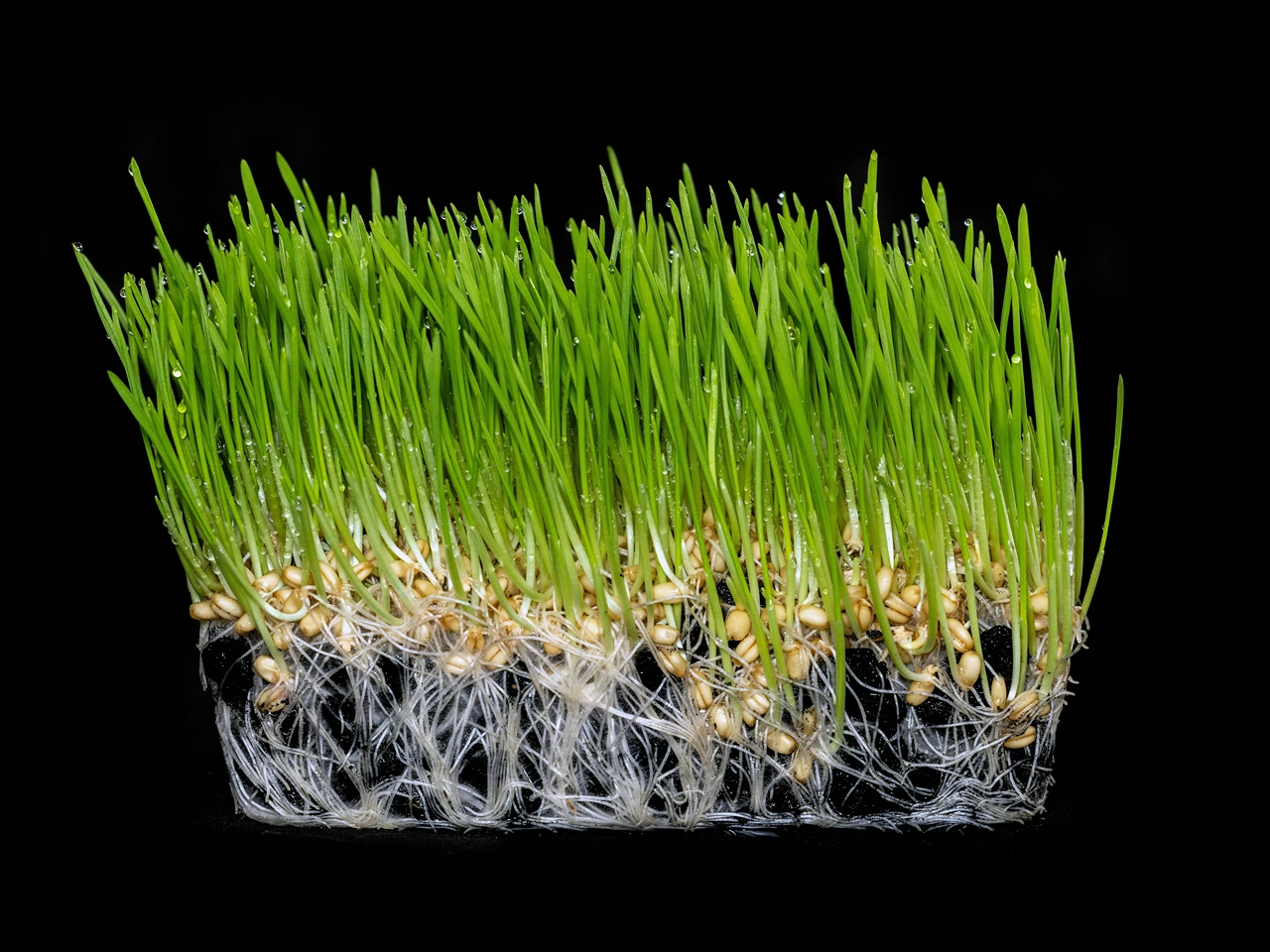
Cat grass is basically a mix of young grasses like wheat, barley, oats, or rye — grown just for your cat to snack on. It’s packed with nutrients that help with digestion and keep your cat feeling their best. A lot of people mix it up with catnip, but they’re totally different things. Catnip excites or relaxes cats through its scent, while cat grass offers a tasty, fibre-rich snack that helps with digestion and reduces hairballs.
These young, tender shoots grow around 4–6 inches tall, forming a small grass garden that’s both attractive and functional. It’s the perfect way to bring a bit of nature indoors for your cat to enjoy safely. Unlike outdoor grass or many household plants, cat grass isn’t toxic to cats, making it a worry-free addition to your home. Plus, it’s easy to grow, needs minimal upkeep, and keeps your cat happy with fresh greens year-round.
Is It Safe for Cats?

Yes! Cat grass is completely safe and natural for cats to consume, and it helps satisfy one of their most natural instincts — grazing. Unlike toxic houseplants that cats may eat out of curiosity or boredom, cat grass gives them a safe and healthy outlet for this behaviour. Even if your cat never goes outside, this is perfectly normal — indoor cats have the same instinct to chew grass, and offering it at home keeps them from nibbling on houseplants and flowers that could be dangerous.
Because it’s commonly grown indoors, there’s no worry about pesticides, dirt, or outdoor contaminants. Whether you have an indoor or outdoor cat, cat grass is a safe, easy way to enrich their environment and support their natural habits.
Benefits of Cat Grass for Your Feline
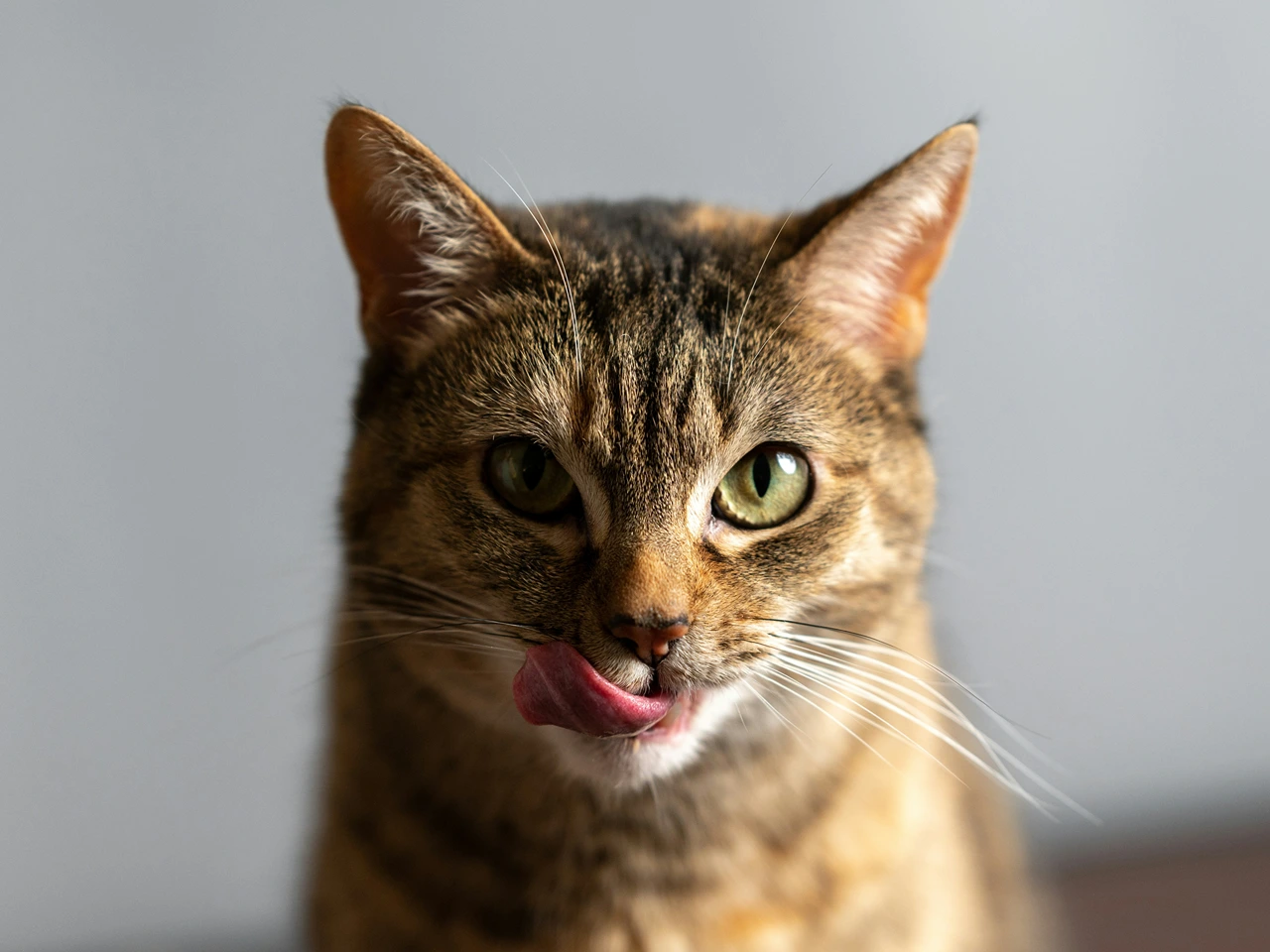
Cat grass might look like a simple pot of greens, but it’s actually one of the easiest ways to keep your cat healthy and happy. It supports their digestion, helps with hairballs, and gives them a safe outlet for that natural urge to chew on plants.
- Aids digestion and hairball control: Cat grass works as a natural laxative that helps cats either throw up hairballs or digest them naturally. It’s a gentle way to keep their tummy happy and hairball-free.
- Supports gut health: Loaded with dietary fibre, cat grass helps keep digestion running smoothly and your cat’s food routine balanced — no fuss, just better gut health.
- Nutrient-rich greens: They contain folic acid and B vitamins that support red blood cell production and keep your cat’s energy levels steady. It's a natural, leafy supplement in every nibble.
- Cleanses and refreshes: It also gives your cat a good dose of chlorophyll, which naturally helps cleanse the body and even freshens up their breath!
- Encourages natural instincts: Cats like the taste, scent, and texture of grass. Since grass is a natural behaviour, the act of grazing gives them a bit of mental stimulation and keeps them content, especially if they stay indoors most of the time.
- Safe and healthy nibbling: It’s a great alternative to nibbling on houseplants, giving your kitty a safe, healthy nibbling option that satisfies their curiosity without any risk.
Some cats will eat their grass daily, while others just take a few bites now and then. Either way, it’s completely natural and beneficial. If your cat’s new to this, introduce it slowly and see how they react. And if you’re ever unsure, talk to your veterinarian — they can help you make sure it fits nicely with your cat’s regular treats and diet.
How to Grow Cat Grass at Home
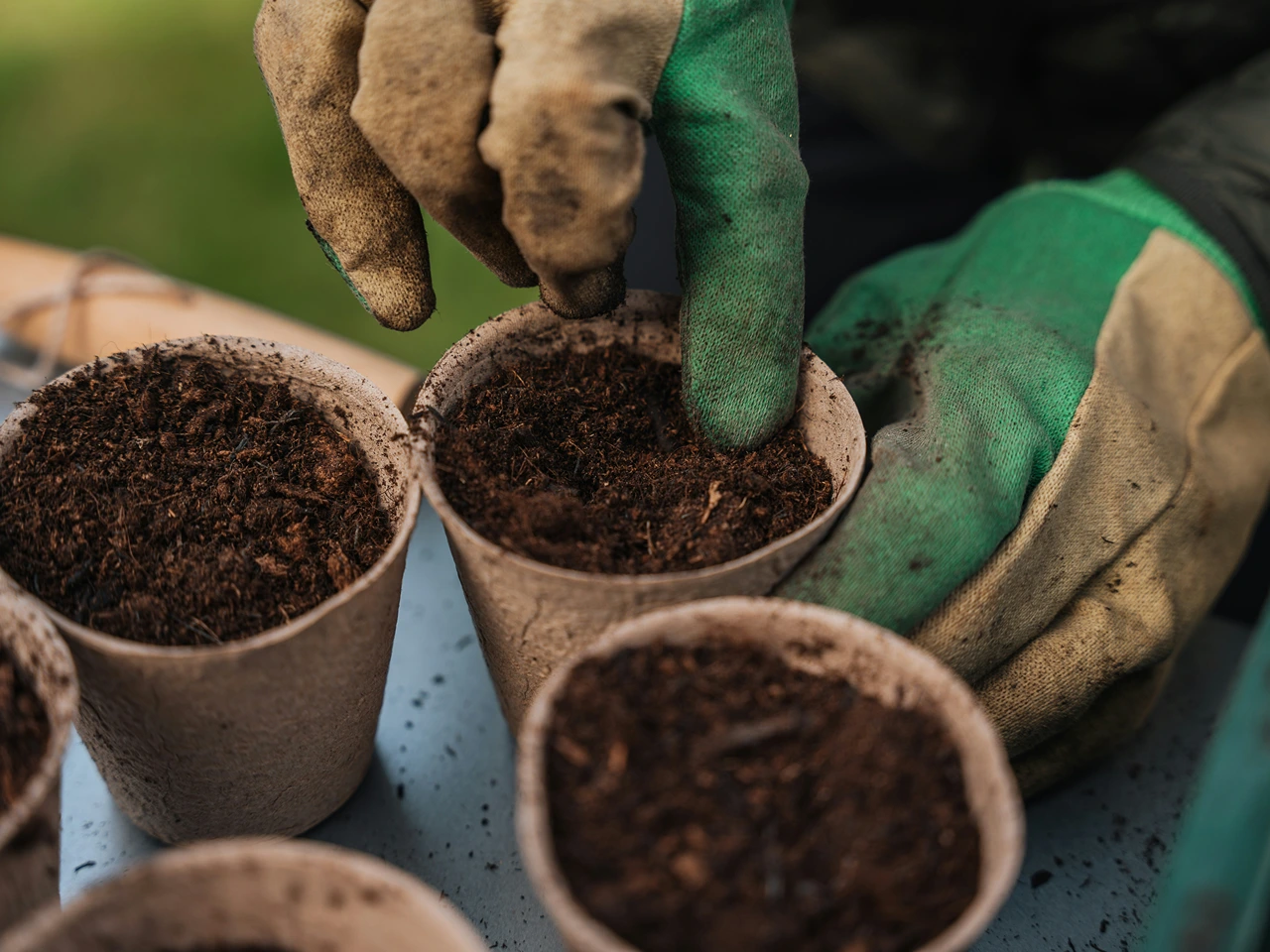
Cat grass is easy to grow and only takes a few minutes to set up. You can start from scratch using cat grass seeds or make it even simpler with cat grass kits from your local pet store, both work great for creating a healthy treat for your cat.
1. Choose a suitable pot with soil
Pick a pot with soil that has good drainage holes to keep the roots from getting soggy. A small ceramic or plastic container works perfectly for indoor growing.
2. Select quality cat grass seeds
Go for wheat seeds, oat seeds, or a blended pack of grass seeds for variety. These types of grass seed grow quickly and are safe for cats to nibble on.
3. Use organic potting soil
To keep your organic garden chemical-free, always use natural, organic potting soil. It’s safer for your pet and helps the grass grow lush and healthy.
4. Plant seeds on top and cover lightly
Spread the seeds on top of the soil, then gently cover them with a thin layer of soil — just enough to keep them in place while they germinate.
5. Keep soil moist but not soggy
Water lightly or mist daily to keep the soil moist. Avoid overwatering; you want damp soil, not a swamp.
6. Let the seeds start to sprout
Place the pot in a warm indoor area and wait for the seeds to start to sprout, which usually happens within 3–5 days. You’ll see tiny green shoots peeking through in no time.
7. Move to a sunny spot
Once the blades of grass grow to about 4 inches, move the pot to a bright windowsill. Sunlight will help the grass thicken and stay fresh longer.
In just 7–10 days, your little indoor organic garden will be ready for your cat to enjoy. It’s that simple!
Final Thoughts
Growing cat grass indoors is one of those small, rewarding things that can make a big difference in your cat’s daily life. It’s easy, natural, and full of benefits, from aiding digestion and reducing hairballs to satisfying your cat’s instinct to graze safely.
Unlike some houseplants that can be risky for cats, cat grass gives your pet a safe alternative — and it adds a nice pop of green to your space too. It’s easy to grow, barely needs any care, and it’s a fun little way to bond with your cat while keeping them healthy and happy. In just a few minutes, you’ll have a cozy indoor garden your cat will absolutely love.
Frequently Asked Questions
Why do cats eat grass?
Eating grass is a natural behaviour for all cats and helps them feel good inside and out.
Instinctive Grazing: Nibbling on greens is something cats do instinctively—it connects them to nature and helps them feel balanced indoors.
Digestive Support: Cat grass provides a form of fibre that helps with smooth digestion and keeps their stomachs comfortable after meals.
Hairball Control: The fibre that helps cats either pass or eliminate hairballs naturally reduces discomfort and promotes gut health.
Nutrient Boost: Grass offers trace nutrients and chlorophyll that give a natural freshness to their system and breath.
Stress Relief & Enrichment: Grazing is calming and acts as mental enrichment, much like playtime with cat toys does for stimulation.
Is cat grass safe for cats?
Yes, cat grass is completely non-toxic and provides a healthy outlet for your cat’s grazing instincts.
Non-Toxic and Gentle: Unlike many houseplants, cat grass is harmless and can be safely chewed without worry.
Great for Indoor Cats: Even if your cat doesn’t go outside, it’s a natural and fun way for them to explore their instincts indoors.
Clean and Controlled Growth: Grown inside, it’s free from pesticides or dirt, making it safe and pure for everyday nibbling.
Complements Their Diet: It’s not a substitute for cat food, but it’s a great complement that helps support digestion and overall wellness.
Encourages Healthy Habits: Safe nibbling reduces the risk of cats chewing on harmful plants or random household items.
What’s the difference between cat grass and catnip?
While they’re often confused, cat grass and catnip serve totally different purposes for your cat.
Type of Plant: Cat grass is made of young cereal grasses like wheat or oat, while catnip is a herb from the mint family.
Effect on Cats: Catnip triggers a scent-based reaction that excites or relaxes cats, whereas cat grass also benefits their digestion physically.
Usage Purpose: Cat grass is a healthy snack your cat can chew on, while catnip is more of a playful sensory treat.
Nutritional Role: Grass acts as a gentle, leafy form of fibre that helps maintain digestive flow—catnip doesn’t.
Best of Both Worlds: Offering both gives your cat variety: catnip for stimulation, cat grass for health and instinct satisfaction.
How do I care for cat grass indoors?
Keeping a small garden of cat grass fresh and healthy indoors only takes a few simple steps.
Choose the Right Container: Use a small pot or tray with drainage to prevent soggy roots.
Sunlight and Air: Place it by a bright window where it can get indirect light for steady growth.
Watering Routine: Mist or water lightly every few days to keep the soil moist but never soaked.
Trim and Refresh: Trim old blades regularly so new shoots can grow strong and lush.
Rotate and Replace: Every few weeks, start a new batch to keep your cat’s mini garden vibrant and safe for daily nibbling.
How often should my cat eat cat grass?
There’s no set rule, it really depends on your cat’s age, habits, and what they like.
Occasional Grazers: Some cats are occasional grazers who just take a few bites once a week to help with digestion.
Daily Snackers: Others enjoy small daily bites like cat treats, especially after meals.
Monitor Intake: Let your cat guide you—too much may cause mild vomiting, which is normal for clearing hairballs.
Offer Moderation: Keep grass available but fresh; this encourages healthy, mindful grazing.
Balanced Enrichment: Alongside playtime and proper cat food, cat grass offers safe, natural enrichment that keeps your pet happy and healthy.

