
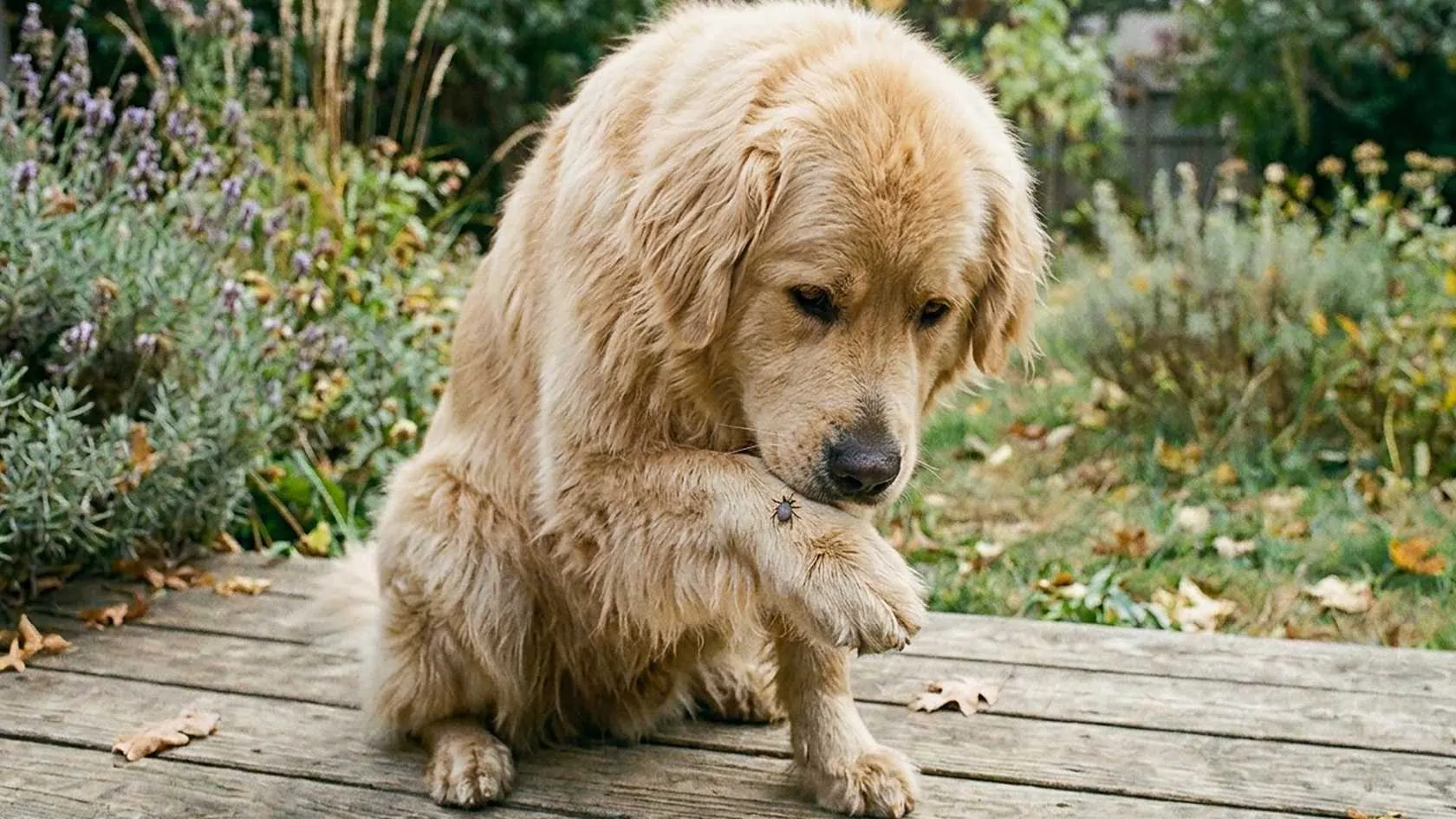

TL;DR: Lyme Disease in Dogs and What Pet Owners Should Know
- Lyme disease in dogs is a tick-borne infection that comes from infected ticks, often found in grassy or wooded areas.
- Dogs can pick it up after being outside, and sometimes there are no obvious signs right away.
- Early signs can be things like tiredness, joint stiffness, swelling, or just not acting like themselves.
- These signs can show up about four weeks later, which makes it easy to miss at first.
- In more serious cases, it can lead to kidney problems if it is not caught and managed early.
- Some dogs may also start limping or seem uncomfortable when moving around.
- A veterinarian usually confirms it through blood tests and a full check-up.
- Treatment often includes antibiotics like doxycycline, depending on the case.
- Simple prevention, like tick checks and avoiding high-risk areas, really helps.
- Catching and removing ticks early can make a big difference.
It can feel worrying when something seems “off” with a dog after being outside, especially when ticks are involved. If there is any concern after possible exposure, contact our expert veterinarians, and we can help figure things out and guide the right next steps.
What is Lyme disease in dogs, and why should you pay attention to it? It’s a tick-borne illness that spreads through the bite of an infected tick, usually the black-legged tick or deer tick. It’s one of those tick-borne diseases that can show up in dogs and cats, especially in areas where Lyme disease is common.
After your dog spends time in wooded areas or anywhere with exposure to ticks, there’s always a small risk of infection. The bacteria that cause Lyme disease can penetrate the bloodstream after a tick bite, and sometimes, dogs may show no signs at first. It can quietly affect animal health before you even realize something is wrong.
That’s why understanding the risk of Lyme disease matters for every dog owner, especially if your dog may spend time outdoors. Even a simple walk can sometimes lead to exposure to ticks, and ticks can transmit Lyme disease without warning. Read on to get a clearer idea of what to look out for and how it can affect your dog.
What Is Lyme Disease (Lyme Borreliosis) in Dogs and Why Is It a Concern
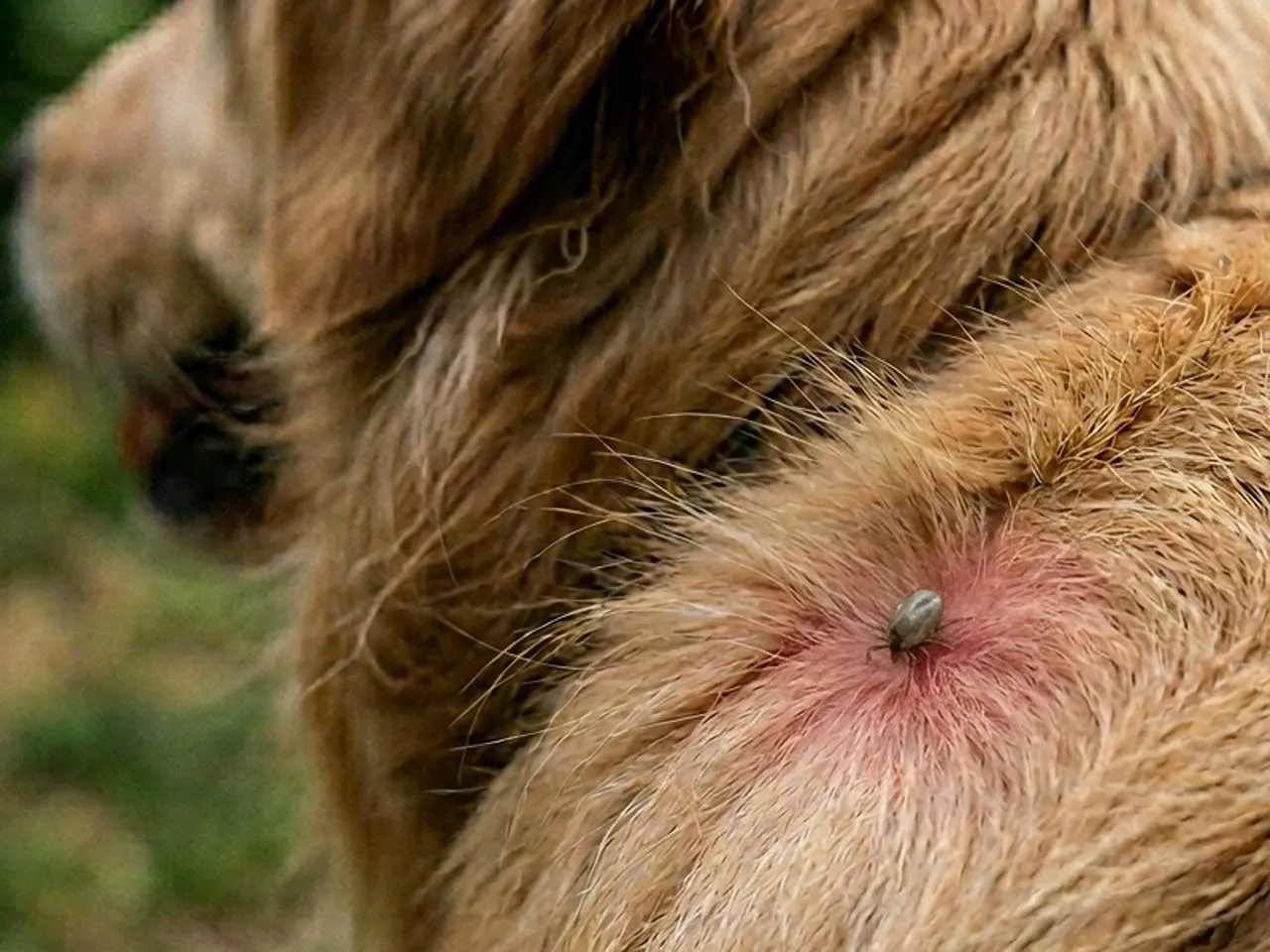
Lyme disease or Lyme Borreliosis in dogs is an infection in dogs caused by Borrelia burgdorferi, usually passed through the bite of a tick, often called the deer tick. It can be worrying for dog owners because ticks themselves do not cause the problem, but certain species of ticks can transmit it once a tick attaches. In many cases of Lyme disease, a dog may look normal at first, even during the initial infection.
Why This Condition Raises Concern
This is where things usually get stressful for a lot of pet owners, because the signs can show up slowly and quietly. A veterinarian often watches closely for changes that might point to something deeper going on.
- A dog may start showing lethargy or loss of appetite that seems to come out of nowhere.
- Signs of Lyme disease can include lameness and swollen joints, especially seen in limb and joint disease.
- If Lyme disease is left untreated, it can affect your dog's kidneys and lead to more serious issues.
- Some dogs may test positive for Lyme disease after antibody testing done by a veterinarian.
- Early diagnosis and treatment are important to treat Lyme disease in dogs before it gets worse.
How Dogs Get Lyme Disease from Tick Bites and Exposure

Dogs can get infected after spending time in places where ticks are common. It helps make sense of how something so small can lead to a bigger health issue later on. The focus here is on how transmission happens before any clear warning signs appear.
How Infection Starts and Spreads
- Infection is easily transmitted through the bite of an infected tick once it attaches and starts feeding on blood.
- Known species of ticks can transmit infection, especially in areas where Lyme disease is prevalent, and dogs live in or travel through these areas often.
- It usually takes one to two days for transmission to occur, which is why prompt removal of ticks is so important.
- Many dog owners only find a tick after outdoor walks, which makes tick control something worth paying attention to.
- Pulling the tick straight out carefully is often recommended by your veterinarian to reduce risk.
Signs and Symptoms in Dogs
- Common signs often start with simple things like lethargy or a dog just not acting like itself.
- Symptoms of Lyme disease may not show for weeks after the initial infection, which can make it easy to miss at first.
- Clinical signs like limping or stiffness can appear when joints start to feel uncomfortable.
- Swelling in joints may come and go, sometimes affecting different legs.
- Lymph nodes can become noticeable as the body reacts through the lymph system.
- Some dogs lose interest in food or seem less excited about meals than usual.
- If Lyme disease is neglected or left untreated, it can affect the kidneys and even lead to damage in the kidneys over time.
- A dog infected with Lyme disease may also feel warmer than usual or act a bit off without a clear reason.
- At times, it can look like other conditions, which is why checking with a veterinarian matters.
- Changes can be subtle at first, like less playfulness or slower movement during normal routines.
How to Protect Your Pet Dogs from Lyme Disease Risk
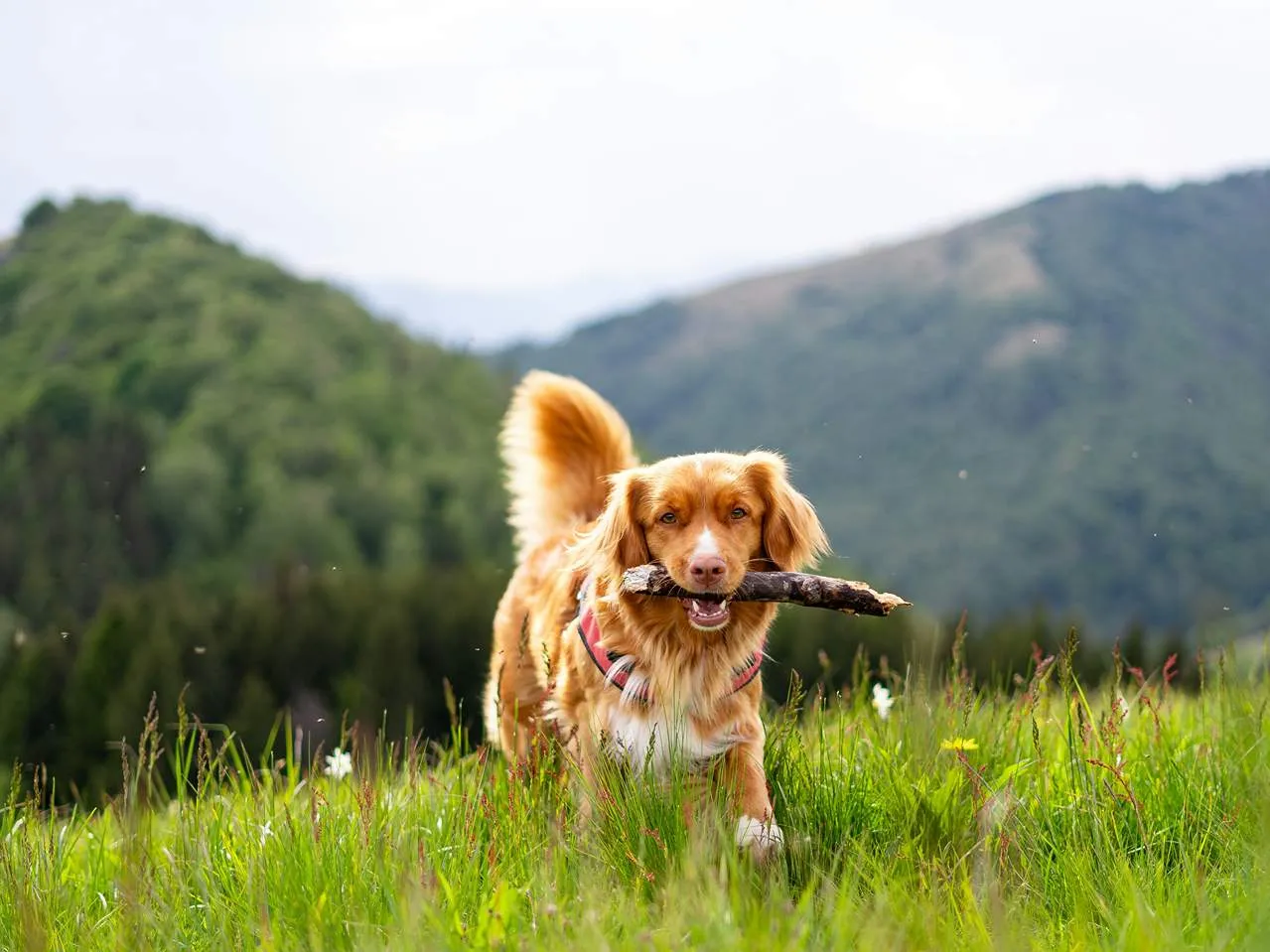
Protecting your dog is really about small yet consistent habits that help keep them safer. Many people only think about it after finding a tick, but prevention works better before anything bad happens. It all comes down to reducing exposure during your dog's outdoor time.
- Using veterinarian-recommended disease prevention, topical products like Bravecto® can make a big difference in lowering risk.
- Vaccination against Lyme disease is sometimes something a veterinarian may bring up, especially if pets live in an area where Lyme disease is prevalent.
- Sticking to a steady routine, like a four-week schedule for certain prevention products, helps keep protection consistent.
- It helps to remember that the days for it to transmit after a tick has been attached are not very long, so timing really matters.
- Removal of ticks is important as soon as one is found, even if it looks small or harmless at first.
- Doing a quick check after walks can help catch it early if a tick has been attached.
- Keeping pets away from tall grass or thick wooded spots can lower exposure during outdoor time.
- Some owners rely on topical prevention as a regular habit, not just something used after a scare.
- If pets live in an area where ticks are common, it becomes more of a routine part of care rather than an occasional concern.
- Regular checking helps avoid missing early changes if a pet's Lyme disease shows subtle signs later on.
Treating Lyme Disease in Dogs: Diagnosis and Care Options

When something feels off with a dog after a possible tick bite, a veterinarian usually takes a closer look to figure out what is really going on. It often starts with checking symptoms and thinking about possible Lyme disease transmissions from earlier exposure. From there, decisions are made based on the dog’s overall condition, not just one sign.
Diagnosis Process and Veterinary Assessment
Getting clarity usually involves a mix of observation and testing.
- A veterinarian checks clinical signs and considers any history that might point to Lyme disease transmission.
- Blood tests can help confirm infection and show if there is an immune response happening.
- The diagnosis is not based on just one symptom, since many conditions can look similar.
- Sometimes, repeat testing is needed when early results are not fully clear.
- Everything is put together to decide the most appropriate next step.
Care and Treatment Options
Once infection is confirmed, care usually becomes more structured and consistent.
- Antibiotic treatment is commonly used under veterinary supervision to help manage the infection.
- Doxycycline is often the main option chosen as part of the treatment plan.
- The length of treatment can vary depending on how early the condition was caught.
- Regular follow-ups help make sure the dog is responding well over time.
- Lyme disease can affect overall health, so monitoring does not stop right after treatment starts.
- In more serious cases, the disease affects the kidneys, which is why closer attention from a veterinarian is sometimes needed.
Final Thoughts
Lyme disease is one of those health issues that can develop quietly, so it’s important to know what to look out for. A dog may appear perfectly fine at first, with subtle changes only becoming noticeable weeks later.
Catching those changes early can make a big difference and help avoid bigger problems down the road. A little extra attention after outdoor adventures can go a long way.
Regular checks and staying aware of unusual behaviour can help keep a dog healthy and comfortable. When something does not seem quite right, reaching out for professional advice is always a smart step.
Frequently Asked Questions
Can a dog get Lyme disease more than once?
It is really common to think that once a dog has already gone through it, it will not happen again, but that is not always how things work. Even after recovery, there is still a chance of it coming back if the dog gets exposed again in the wrong environment.
It can happen again: Having it once does not fully protect a dog, so another bite from an infected source can still cause a new case.
Outdoor life still plays a role: Regular walks, yard time, and play outside can still carry some level of risk depending on where you are.
Every dog’s situation is different: Some dogs naturally spend more time in places where exposure is more likely.
Small changes can matter: Things like being a bit less active or eating less can sometimes be early signs that something is off.
Vet checkups help a lot: Regular visits can catch things early before they turn into something more serious.
Can indoor dogs still be exposed?
It is easy to feel like indoor dogs are completely safe, and most of the time, the risk is lower, but it is not zero. Things can still slip in without anyone noticing.
They can be carried inside: Sometimes they come in on clothes, shoes, or other pets without being seen.
Quick outdoor moments still matter: Even a short time outside can sometimes be enough for exposure.
Indoor life lowers risk, not removes it: Staying inside helps, but it does not make it impossible.
Simple prevention helps a lot: A few basic habits can give extra peace of mind.
How often should a dog be checked after going outside?
It does not need to be complicated, but doing it regularly really helps. A quick check becomes much easier when it turns into a normal part of the routine.
After outdoor time: Just a quick look after walks or playtime can make a difference.
Check the hidden spots: Around the ears, under the neck, between the toes, and under the legs are common areas.
Make it a habit: The more checks you do, the more automatic it becomes.
Use grooming time: Brushing or petting is a natural moment to notice problems or anything unusual.
Ask a vet if unsure: They can show an easy way to do it without stress.
Which dogs are more likely to encounter ticks?
Some dogs just have more chances of running into ticks depending on where they go and how they spend their day. It is not always obvious until you really think about their routine.
Very active outdoor dogs: Dogs that love running around fields, hiking, or exploring nature are more likely to pick them up.
Where you live matters: Some places just naturally have more ticks around than others.
Travel and trips: Even quick outings or visits to the park can expose dogs to different environments.
Daily routines add up: Even normal routine walks or yard time can slowly increase their exposure over time.
Lifestyle affects prevention: The more outdoor time a dog has, the more consistent protection usually needs to be.
What if you are not sure whether something was attached to your dog?
This is actually pretty common, especially when it is small or hard to see clearly at first. It is better to slow down and check carefully than to panic or guess.
Take a closer look: Good lighting can help you see it more clearly.
Watch your dog for changes: Small changes in behaviour or energy over the next few days can give clues.
Take a photo if you can: It helps if you decide to ask a vet later.
Remember when it happened: Timing and where it was found can be useful details.
Ask a vet if you are unsure: A quick check can clear things up and give peace of mind.

