
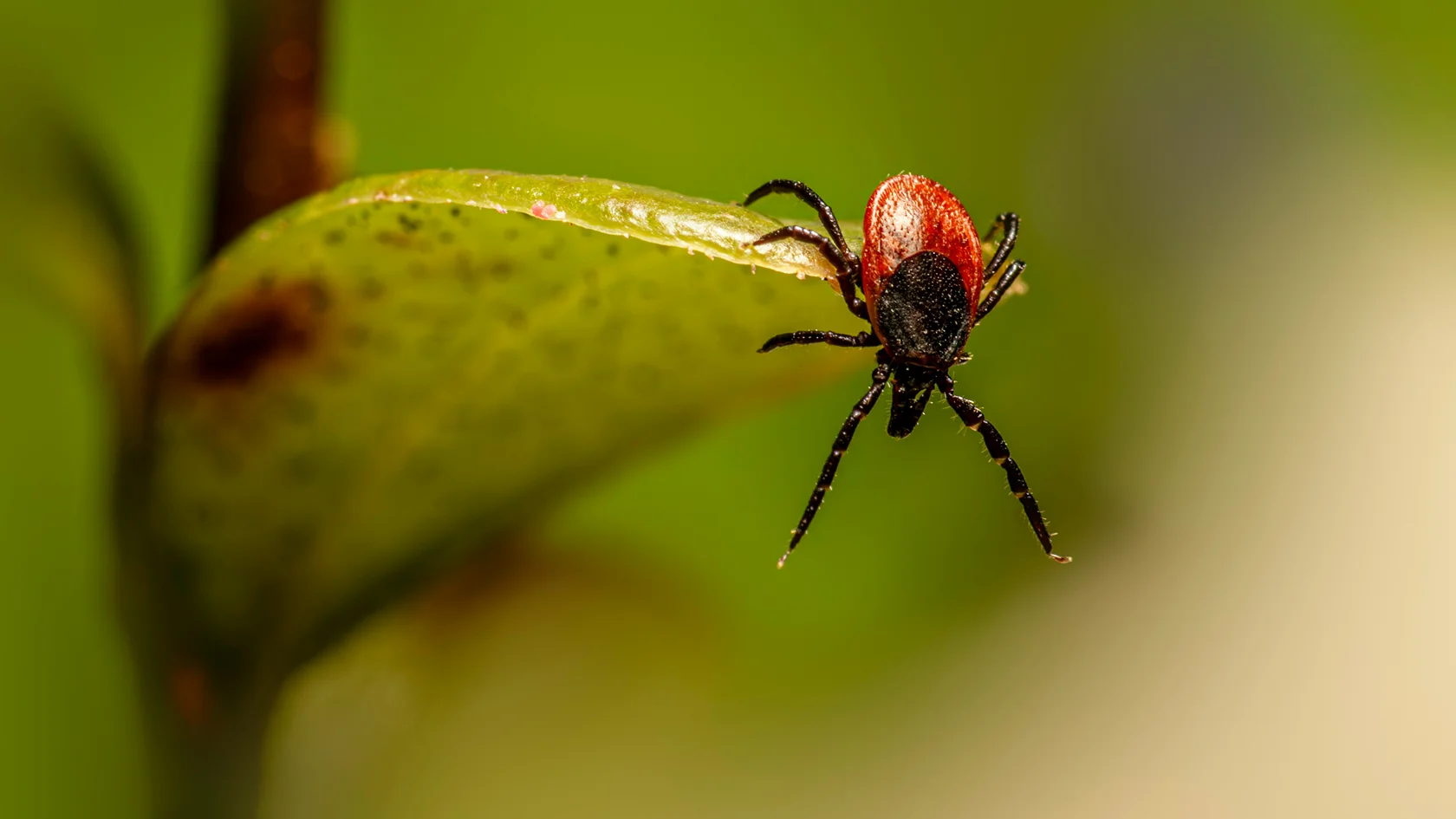

TL;DR: What You Need to Know About the Life Cycle of a Tick
- Different life stages: Ticks go through different life stages — egg, larva, nymph, and adult — and each stage requires a blood meal to develop.
- Fall is peak season: Adult ticks are at their most active time in October and November, which means that cooler weather still cannot protect your pets from exposure.
- Where ticks hide: In leaf litter and woods, as well as in tall grasses, and especially along the edges of forests, ticks can lie in wait for an animal to pass by.
- Ticks can transmit disease: Ticks can transmit Lyme disease and other pathogens, making prevention and early detection especially important for pets that spend time outdoors.
- Check your pet regularly: After walks and outdoor activities, check your pet’s coat carefully, especially around the ears, neck, toes, and other hidden areas where ticks may attach.
- Prevention matters: Keep your pet’s tick prevention up to date, stay on the centre of trails, and use appropriate protection when spending time in tick-prone areas.
- Remove ticks promptly: If you find an attached tick, use fine-tipped tweezers to remove it carefully and completely. Early removal can help reduce the risk of disease transmission.
Need help protecting your pet? Talk to us about the right tick prevention plan for your pet and keep up with regular checks throughout Ontario’s fall season.
Fall in Ontario is one of the most active times of year for ticks, and understanding why starts with knowing how ticks actually live and behave. The tick life cycle is more complex than most people realize, and each life stage plays a role in determining when and where tick exposure risk is highest.
Whether you're a pet owner, a hiker, or simply someone who spends time outdoors, learning about the tick's life cycle can go a long way toward helping you and your pets stay safe this season.
Understanding the Tick Life Cycle: Egg, Larva, Nymph, and Adult
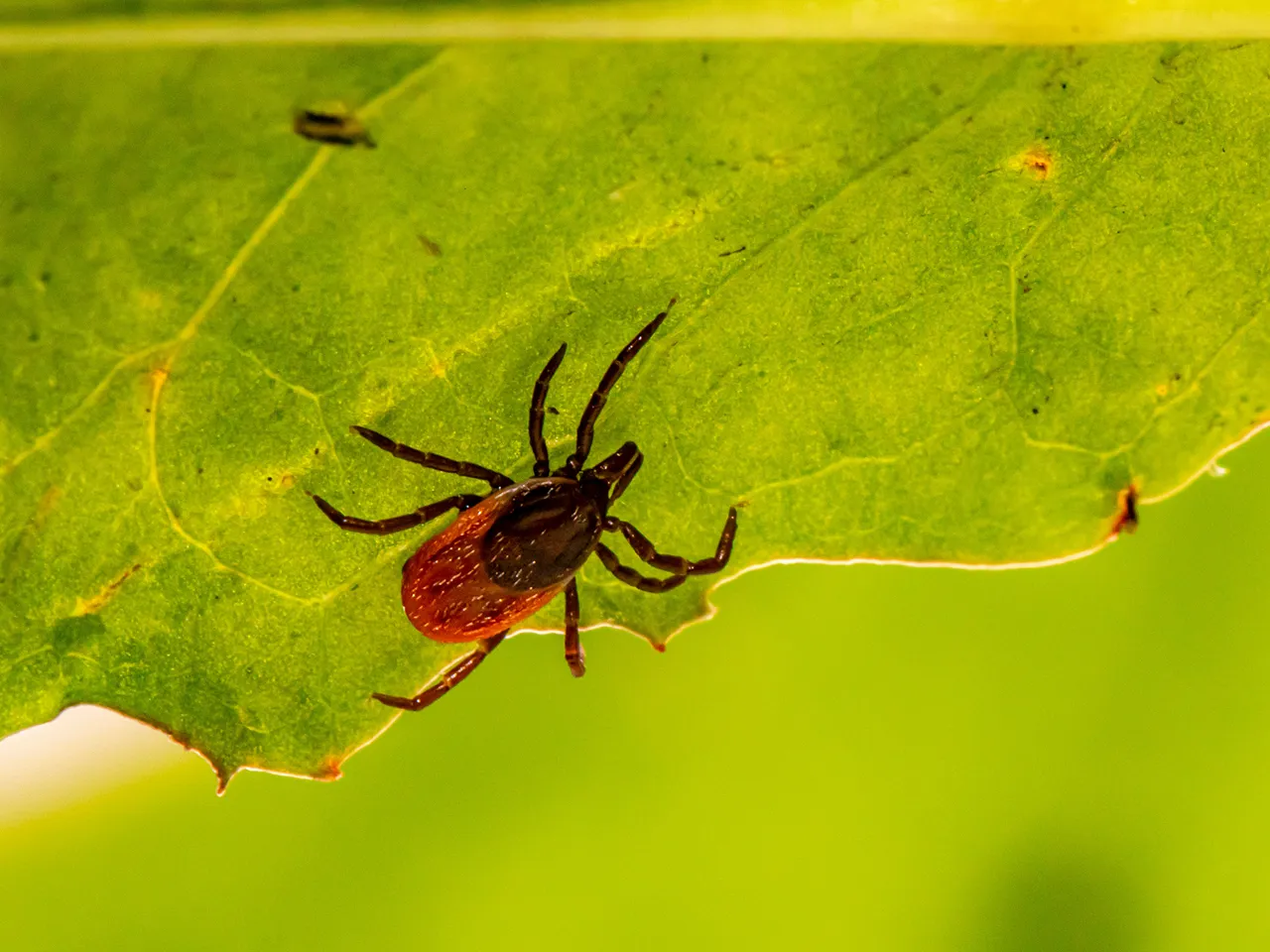
Ticks go through four life stages from start to finish — egg, larva, nymph, and adult. The full life cycle typically spans two to three years, depending on the species and environmental conditions. Each stage of their life requires a blood meal before the tick can moult and progress to the next phase.
Eggs
- Ticks typically lay eggs during the spring or early summer, deposited directly in sheltered environments such as leaf litter or ground-level vegetation. A single adult female can lay thousands of eggs at once — a staggering number that explains how tick infestations can escalate quickly.
- Eggs are often laid in clusters on the ground. Unlike some parasites, ticks do not lay eggs directly on a host — instead, they lay eggs directly on the ground after the female tick detaches and finds a suitable spot.
Larvae
- Once tick eggs hatch, the six-legged tick larvae emerge hungry and ready to seek their first host. This larval tick stage is when ticks take their first blood meal, usually from a small mammal like a mouse or a bird.
- After feeding, the larvae detach, drop to the ground, and moult into nymphs.
Nymphs
- The nymphal stage is considered the most dangerous from a disease-transmission standpoint. Nymphs are tiny — about the size of a poppy seed — making them easy to miss during tick checks.
- Nymphs are most active through the summer months and must find a different host than the one they fed on as larvae. This is why ticks are referred to as three-host ticks — each stage feeds on a separate host.
Adults
- Adult ticks reach their peak activity in the fall. The adult tick must also take a blood meal before mating. Adult female ticks feed, mate, and then detach to lay eggs, completing the lifecycle and beginning it again.
- Each stage of their life depends entirely on finding a suitable host. Without that blood meal, they cannot progress or reproduce.
Common Tick Species and Where They Live
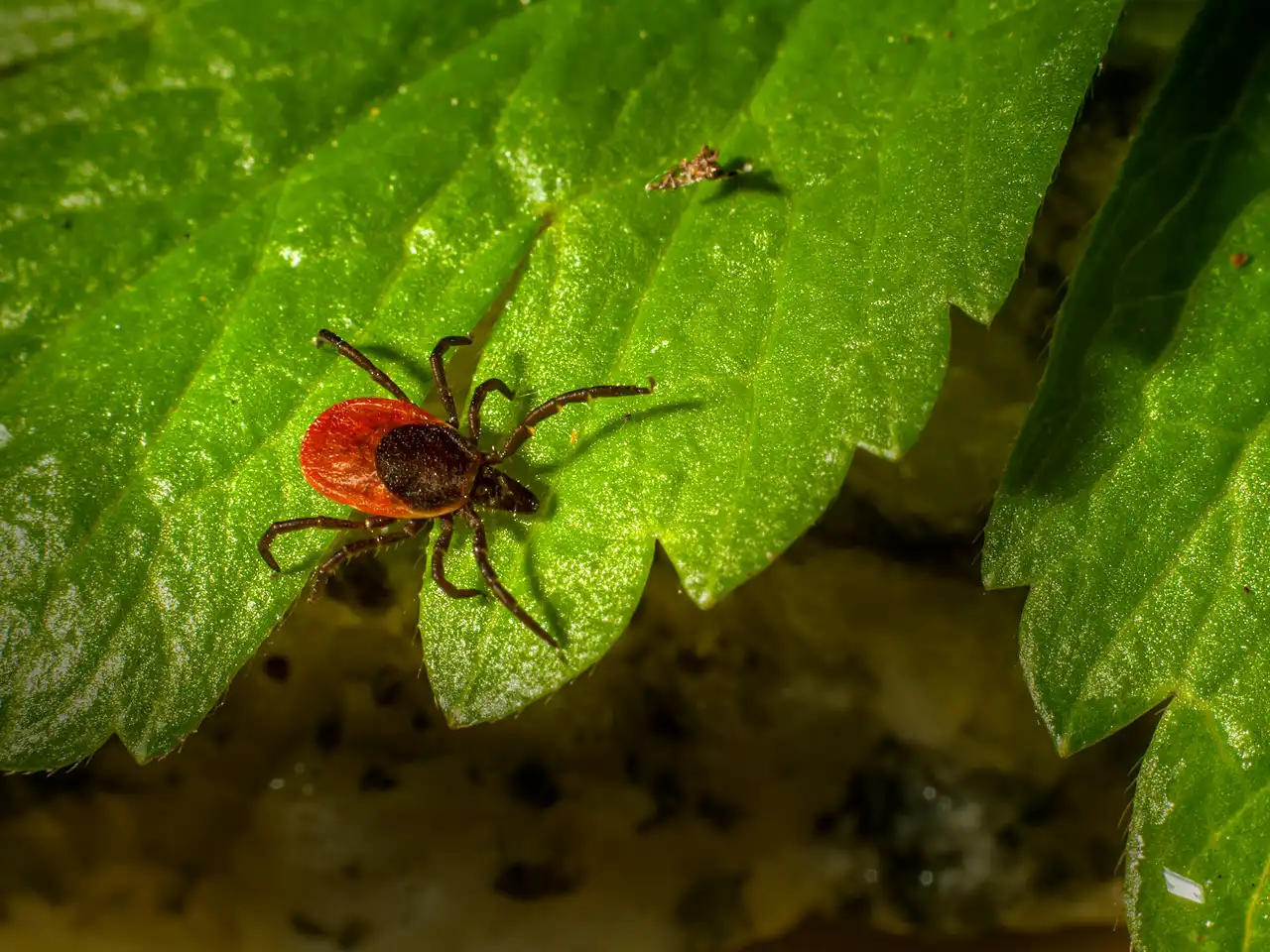
Not all ticks are the same, and different ticks have different habitat preferences, host choices, and disease risks. Knowing which species are common in your area is part of understanding the life cycle of ticks that could affect your pet.
- The Blacklegged tick: Also called the deer tick, it is the primary tick species in Ontario and the one that causes Lyme disease. It's commonly found in wooded areas and along forest edges.
- The American Dog Tick: Widespread across Ontario and is associated with tick bites that can cause Rocky Mountain spotted fever, a serious bacterial infection. It prefers grassy, open areas.
- The Brown Dog Tick: More commonly found indoors and in kennels, and unlike the blacklegged tick, it can complete its entire tick life cycle without ever leaving a domestic environment.
- Lone Star Ticks: While less established in Ontario, they are expanding northward and have been detected in parts of the province in recent years.
Ticks live in wooded, grassy, and humid environments. They thrive in leaf litter, low vegetation, and anywhere that offers moisture and shade.
How Ticks Find a Host
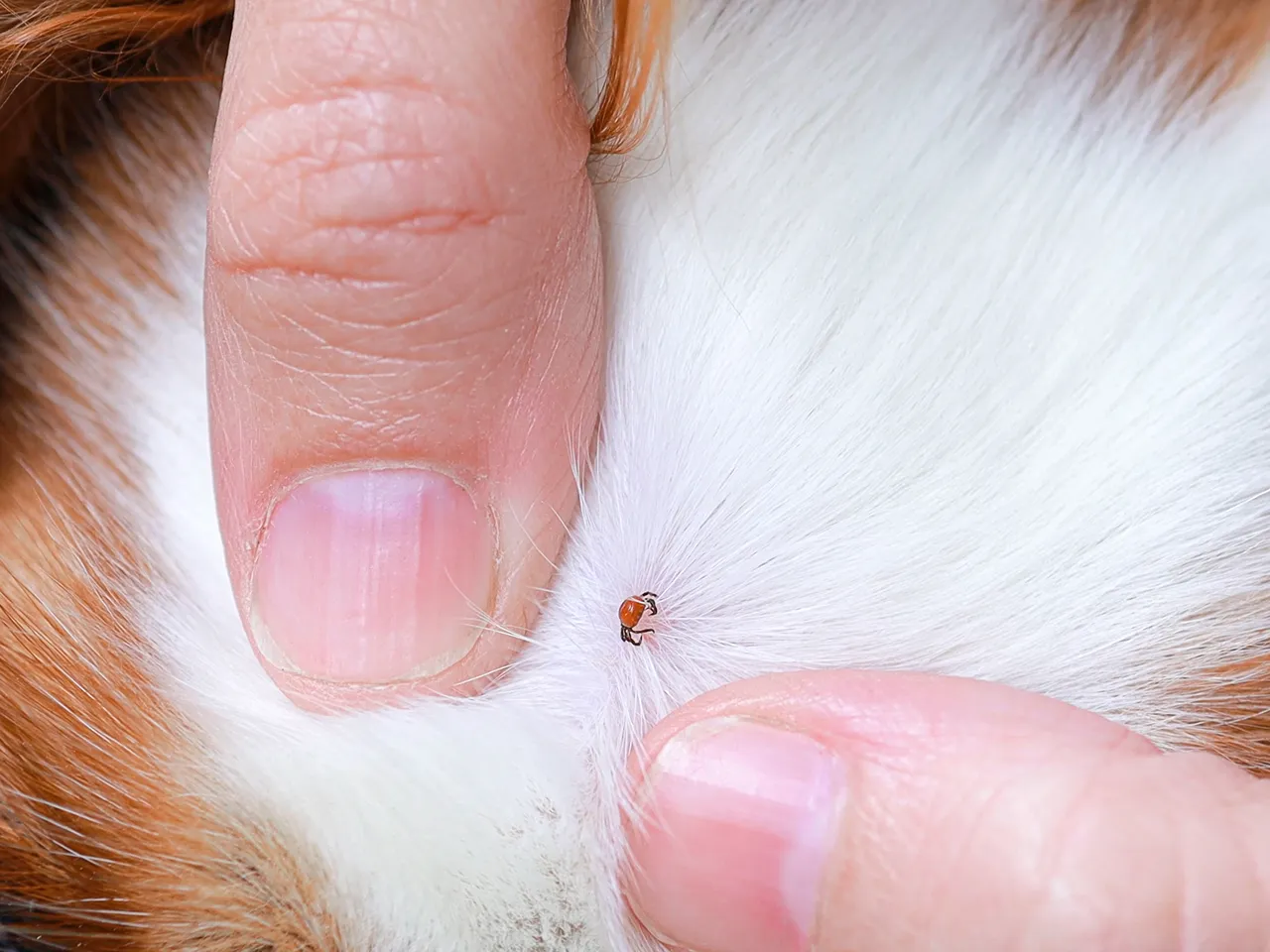
One of the most common misconceptions is that ticks jump or fly onto their hosts; they don't. Ticks attach through a behaviour called questing — a surprisingly patient and calculated process.
- Ticks usually climb to the tips of grasses or low shrubs and wait with their front legs extended, ready to latch onto anything that brushes past.
- They detect heat, CO2, and vibration to identify a passing host — meaning your exhaled breath and body warmth can signal your presence from a short distance away.
- Once contact is made, ticks attach quickly and begin to crawl toward warm, hidden areas — behind the ears, between toes, under the collar, or in the groin — where ticks feed without much disturbance.
Ticks can live without a host for months at a time, patiently waiting for an opportunity in leaf piles or dense undergrowth.
Why Fall Is Peak Season for Ticks in Ontario
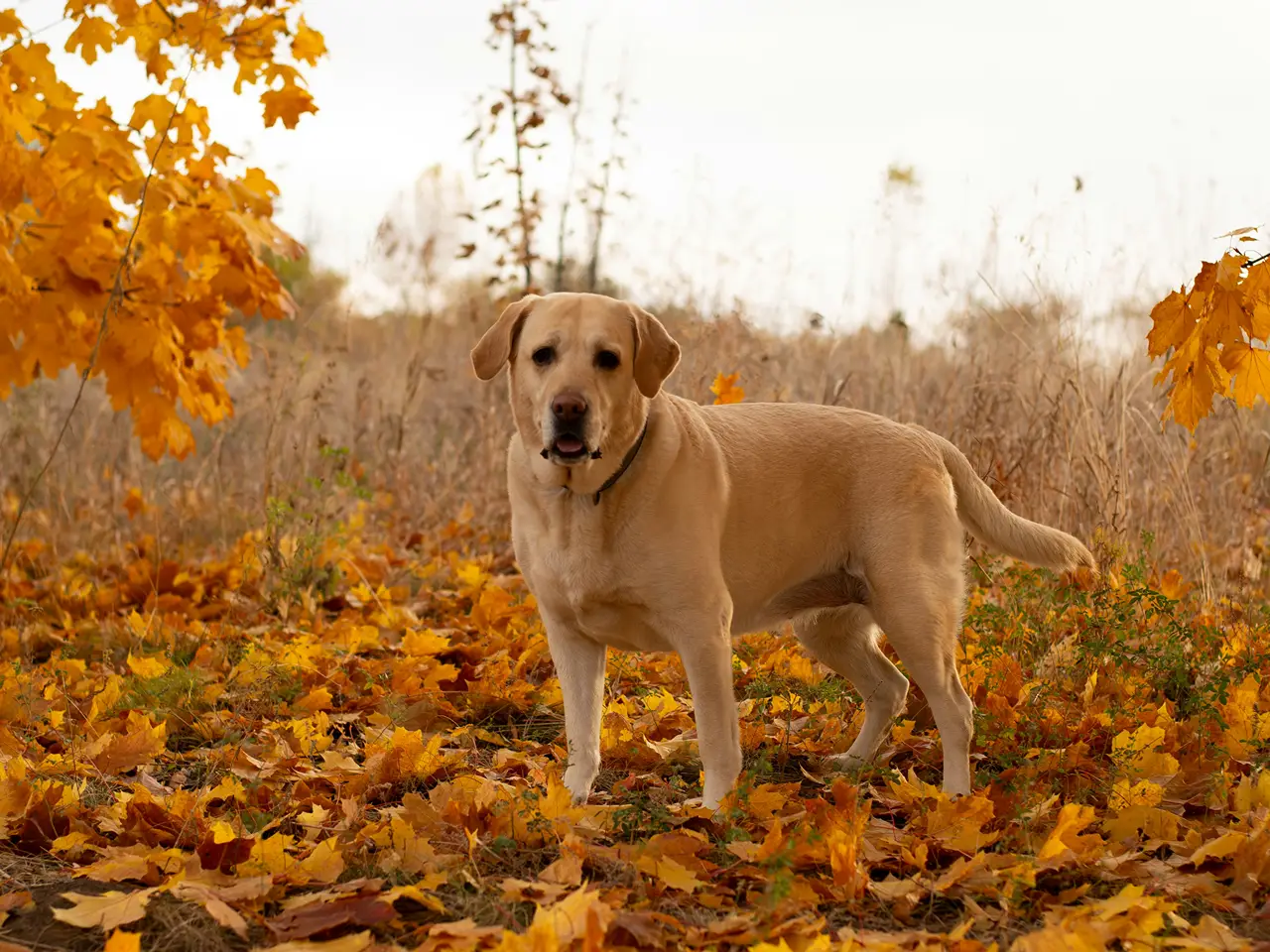
Many pet owners assume that tick season ends when summer does. Unfortunately, that's not the case — especially in Ontario.
- Adult blacklegged ticks reach their peak activity between October and November, which overlaps almost perfectly with peak fall outdoor season for both people and pets.
- Tick activity doesn't shut down with cooler temperatures. These ticks remain active as long as temperatures stay above 4°C, which means mild fall days in Ontario are still high-risk days.
- Fallen leaves create the ideal microhabitat for adult ticks. Leaf litter retains moisture and warmth, giving ticks shelter and a comfortable staging ground to quest for a new host.
- Deer — the primary host for adult female ticks — become more mobile during fall as the mating season begins, spreading adult tick populations across wider areas and bringing them closer to trails and residential zones.
- Outdoor activity tends to remain high through autumn, meaning the overlap between tick activity and human or pet exposure is at its seasonal peak.
- Ticks can spread pathogens during this window that can cause serious illness. The blacklegged tick is the primary species that transmits Lyme disease in Ontario, but it can also carry other pathogens depending on where it has previously fed.
How to Reduce the Risk of Tick Bites and Tick-Borne Diseases
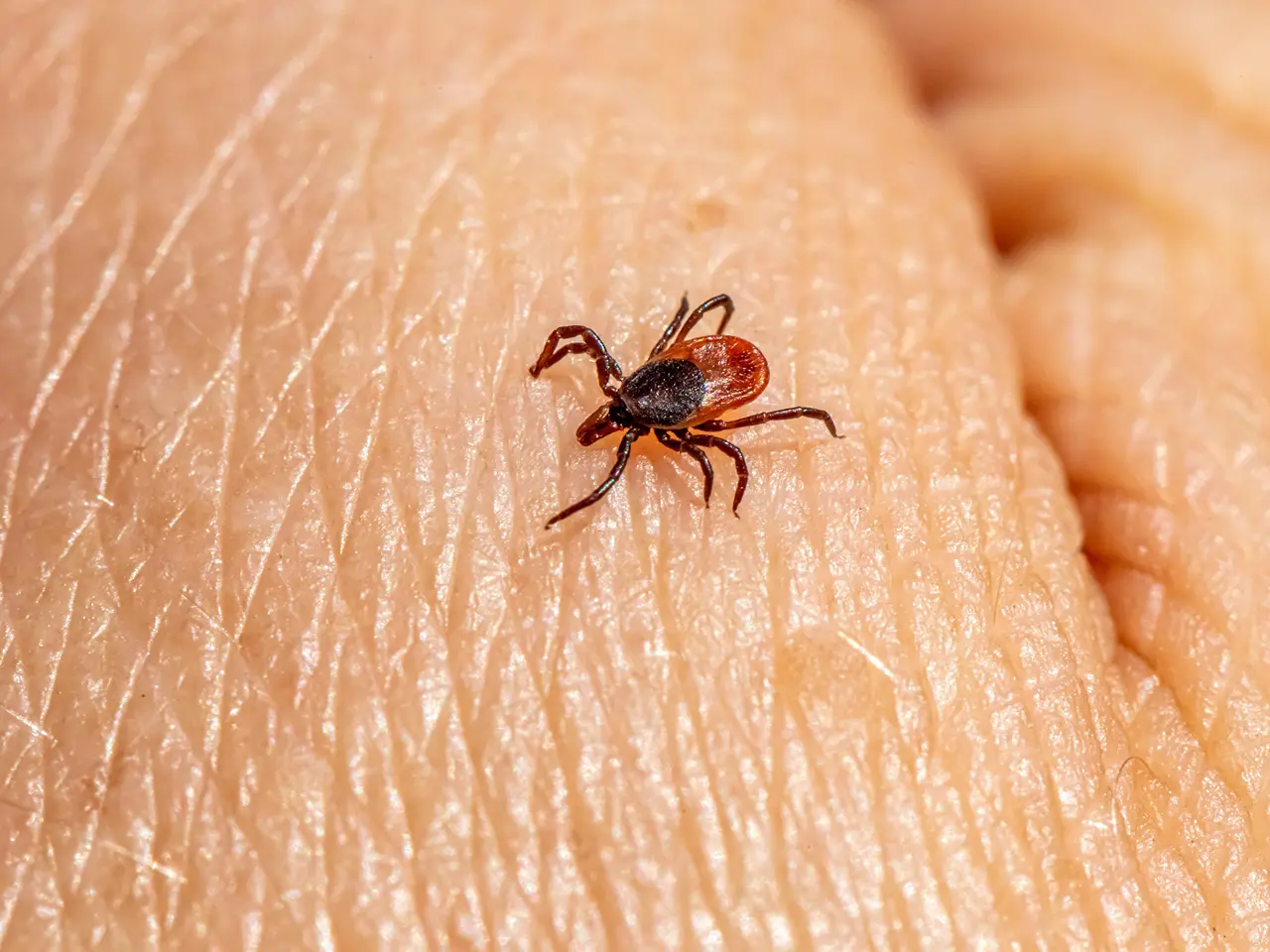
With a few consistent habits, you can significantly avoid tick bites and lower the chances of encountering ticks and tick-borne diseases on your walks and hikes this fall.
Check pets regularly
After every outdoor outing, run your fingers through your pet's coat — especially around the head, neck, ears, and between the toes. Ticks attach quickly but usually need time to transmit a pathogen, so catching them early matters. Perform tick checks on yourself and family members as well after an outdoor activity.
Wear long pants and sleeves
When walking in wooded or grassy areas, tucking pants into socks may look a little funny, but it creates a physical barrier that makes it harder for tick larvae or adults to access skin.
Use DEET or permethrin repellent
DEET is effective against ticks when applied to the skin, whereas permethrin can be used on clothing and gear to make them tick-resistant. These are some of the best and most popular means of tick prevention.
Stick to the centre of trails
Since ticks quest from the edges of grasses and shrubs, staying in the middle of a path reduces your chances of brushing against vegetation where ticks wait.
Tick removal should be done promptly and correctly
Use a fine-tipped tweezer to grab the tick as close as you can and lift it up and out with a steady motion. Don't twist or crush the tick, or you could cause it to inject bacteria into the wound.
Consult with your veterinarian on the latest tick prevention products for your pet. There are various effective monthly or seasonal treatments that prevent pets from getting infected or getting any other disease.
Final Thoughts
While fall tends to be cooler in Ontario, that doesn't mean it's too late for ticks to appear. As a matter of fact, adult ticks thrive the most during fall in Ontario, so being prepared and informed about ticks in the fall can be useful in the prevention of tick-borne diseases. Knowing the tick life cycle, tick habitats, and how ticks find their hosts can help prevent ticks from attaching to you or your pets.
In order to enjoy the spectacular fall weather but still remain safe, make sure to do tick checks as a matter of routine, especially after spending time outside. The prevention of tick bites, as well as keeping a pet's preventative treatments up to date, are important in staying healthy.
Frequently Asked Questions
What is the tick lifecycle and how long does it take?
The tick lifecycle consists of multiple stages that can last up to two or three years.
Four Distinct Stages: Ticks develop through four life stages — egg, larva, nymph, and adult — each requiring specific conditions and a host to progress.
Blood at Every Stage: In order to progress through each stage, the tick must feed on blood, as this is vital for its survival and growth.
Egg-Laying Habits: The female tick can lay eggs on the ground, in sheltered locations such as leaf litter, and can produce thousands of eggs at one time.
The Dangerous Nymph: Nymphs are the highest risk for spreading disease because they are small and can be easily missed during inspections.
Adult Activity in Fall: Adult ticks reach peak activity in autumn, when they must find a host, mate, and prepare to restart the cycle.
What tick species are commonly found in Ontario?
Ontario is home to several tick species, each with distinct habitats, behaviours, and health risks for both people and pets.
The Blacklegged Tick: The primary species in Ontario, commonly found along forest edges, and the one most associated with being infected with Lyme disease through its bite.
The American Dog Tick: Widespread across the province and linked to Rocky Mountain spotted fever, this species prefers open, grassy environments.
Brown Dog Tick: Unlike outdoor species, the brown dog tick is unusual in that it can thrive entirely indoors — in kennels or homes — without ever needing to venture outside.
The Lone Star Tick: Though not as established, this tick has been found in Ontario parts and is spreading to the north.
Habitat: Regardless of the species, ticks like to inhabit wooded, damp, and shady areas.
How do ticks find and attach to a host?
Ticks don't jump or fly — they use a patient, calculated behaviour called questing to intercept passing hosts.
Questing Behaviour: Ticks climb to the tips of grasses or low shrubs and extend their front legs, waiting to latch onto anything that brushes by.
Sensory Detection: They pick up on heat, CO2, and vibration, meaning your body warmth and breath can signal your presence from a short distance away.
Preferred Attachment Sites: Once on a host, ticks crawl toward hidden, warm areas — behind the ears, between toes, or under a collar — where they can feed on blood with minimal disturbance.
Surviving Without a Host: Ticks are remarkably resilient and can survive for months without a host, lying in wait in leaf piles or dense undergrowth.
Three-Host Lifecycle: Because each life stage feeds on a separate host, ticks are referred to as three-host ticks — a pattern that widens their geographic spread and disease risk.
Why is fall considered peak tick season in Ontario?
Many people assume tick season winds down with summer, but fall is actually one of the most active and high-risk periods for tick exposure in Ontario.
Peak Adult Activity: Adult blacklegged ticks are most active between October and November, coinciding directly with the height of fall outdoor activity for people and pets.
Mild Temperatures Keep Ticks Active: Tick-borne illness risk doesn't disappear with cooler weather — ticks remain active as long as temperatures stay above 4°C.
Leaf Litter as Shelter: The fallen leaves provide a moist and warm habitat where ticks can dwell comfortably and safely quest for new hosts.
Deer Movement Spreads Ticks: Deer start moving more actively in the fall searching for mates, which leads to spreading the infected ticks further in their range, creating more breeding grounds.
High Human and Pet Exposure: Outdoor activity remains elevated through autumn, meaning the overlap between tick activity and human or pet exposure peaks during this season.
How can you prevent tick bites and tick-borne illness in fall?
With the help of the appropriate prevention measures and methods, you can reduce the risks of being bitten by a tick and tick control becomes easier, especially during the peak season.
Regular Pet Checks: After every outing, check your pet's coat thoroughly — especially around the head, ears, and toes — since early removal reduces the chance of disease transmission.
Protective Clothing: Tucking your pants legs into your socks while walking in woods or places with tall grasses creates a barrier that makes it harder for ticks to get on you.
Use Repellents: Use DEET on the skin and permethrin on clothes and equipment to help repel and kill ticks.
Stay on Trail Centres: Because ticks quest from the edges of vegetation, walking in the middle of a path lowers your chances of brushing against shrubs where ticks wait.
Remove Ticks Correctly: Prompt and correct removal using fine-tipped tweezers — and speaking with your vet about preventive treatments — are essential steps to keep pets safe all season.

