

TL;DR: Lyme Disease in Dogs: A Quick Guide
- Lyme disease comes from tick bites and can sneak up without obvious signs at first.
- Dogs that spend time in wooded, grassy, or bushy areas are more likely to pick up ticks.
- Watch for limping, stiff or swollen joints, low energy, loss of appetite, or a mild fever.
- Sometimes lameness can shift from one leg or joint to another, making it tricky to notice.
- Dogs may also show sore muscles or sensitivity, making movement uncomfortable.
- In rare cases, Lyme disease can affect the kidneys, causing more serious health issues.
- Getting your dog checked by a vet early helps them recover faster and avoids bigger problems.
- Checking your dog's coat and skin for ticks regularly and removing them right away reduces risk.
- Vaccines can give extra protection, especially for dogs that spend lots of time outside.
- Keeping an eye on your dog’s behaviour, energy, and mobility helps catch issues early.
If your dog seems off, limps, or isn’t as lively as usual, don’t wait to get help. You can contact us right away. A quick visit to our expert vets can make a huge difference and keep your dog happy, healthy, and safe.
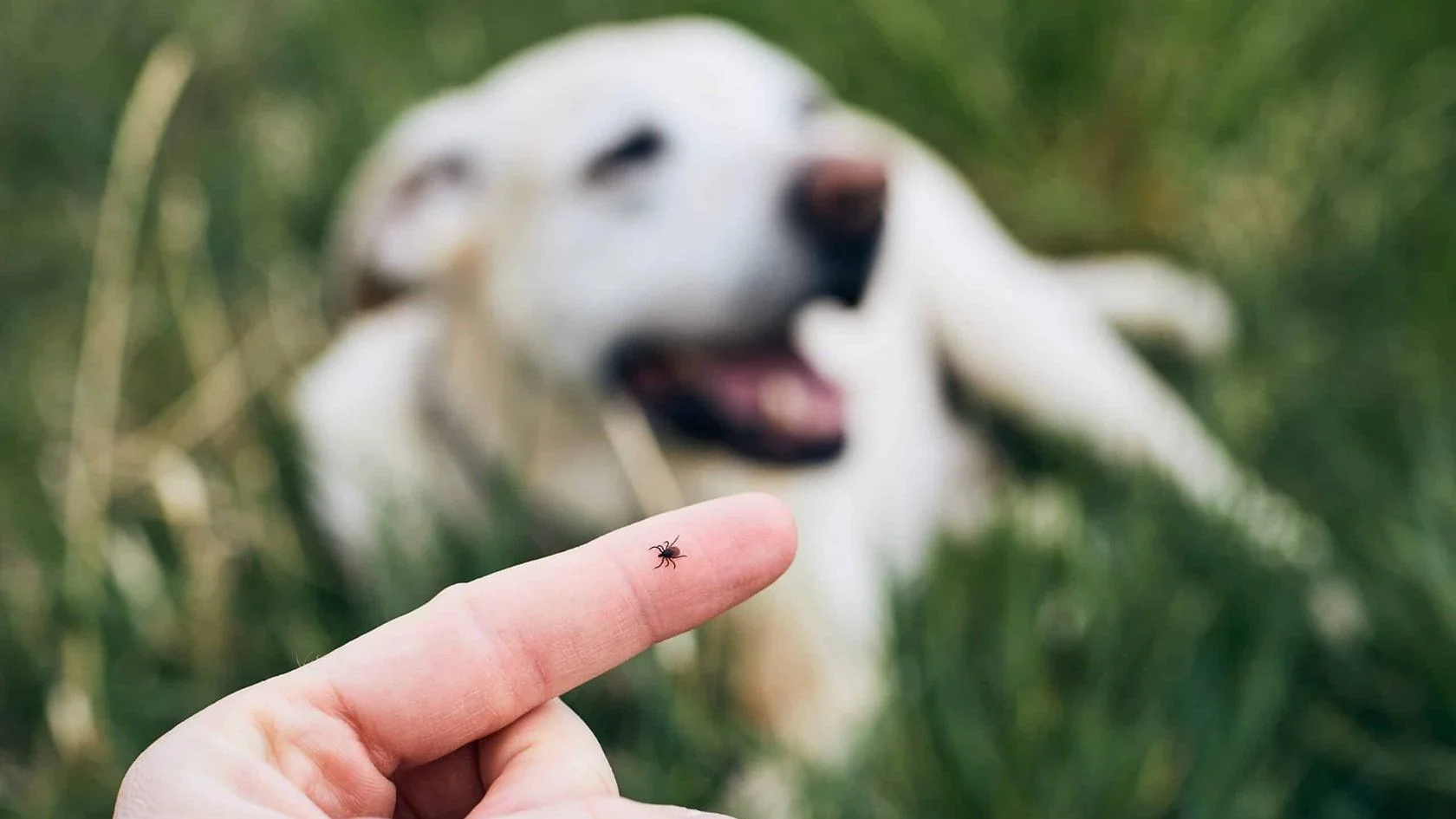
Did you know dogs can become infected with Lyme borreliosis through the bite of an infected tick? It can happen when dogs get bitten by this parasite, and the bacteria that cause Lyme disease can affect dogs, especially in areas where Lyme disease is common.
Dogs infected might show signs of Lyme disease, like lameness or joint pain, and the risk of Lyme disease is higher if they spend time in places with lots of ticks. Vaccination against Lyme disease and keeping an eye out for ticks are some of the best ways to prevent infection in dogs.
It’s always worrying to think about your dog getting sick, but knowing the signs and talking to your veterinarian can make a big difference. Read on to see what Lyme disease in dogs is all about and how to help keep them safe.
Lyme Disease in Dogs: What It Is and What Canadian Dog Owners Should Know
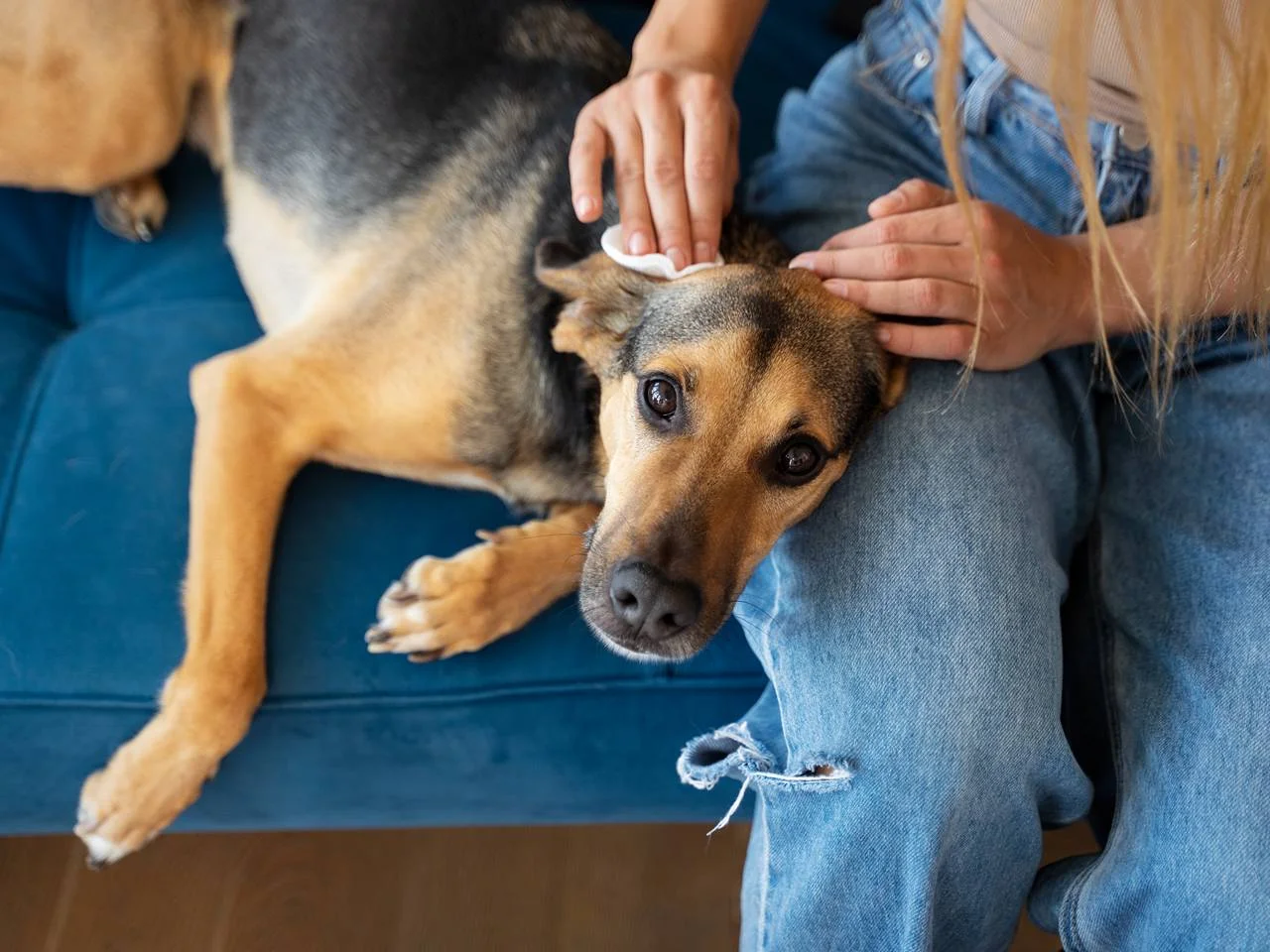
Lyme disease is an infection that can affect your dog's health over time. It is linked to the Lyme spirochete and is being seen more often in areas where Lyme disease is prevalent. Having a basic understanding of canine Lyme disease helps make sense of what might be happening with affected dogs.
Why Awareness of Lyme Disease Matters
Canine Lyme disease does not always show up in obvious ways at first, which can make it easy to miss. Some dogs testing positive may seem completely normal, even though the infection or disease is present. This is why staying aware of small changes can really matter over time.
- It is recognized as a form of the disease that can affect infected dogs.
- Cases of Lyme disease are being seen more often in endemic areas.
- Dogs may test positive for Lyme disease without clear signs at first.
- The disease may persist in some exposed dogs over time.
- It can be linked to joint disease or issues seen in limb and joint movement.
- In more serious situations, the disease affects the kidneys and may lead to kidney disease.
- Dogs will experience different outcomes depending on how the condition develops.
- Dogs testing positive often need further veterinary attention.
This gives a clearer picture of canine Lyme disease before getting into how dogs become infected and what signs to watch for next.
How Dogs Become Infected: Causes of Lyme Disease
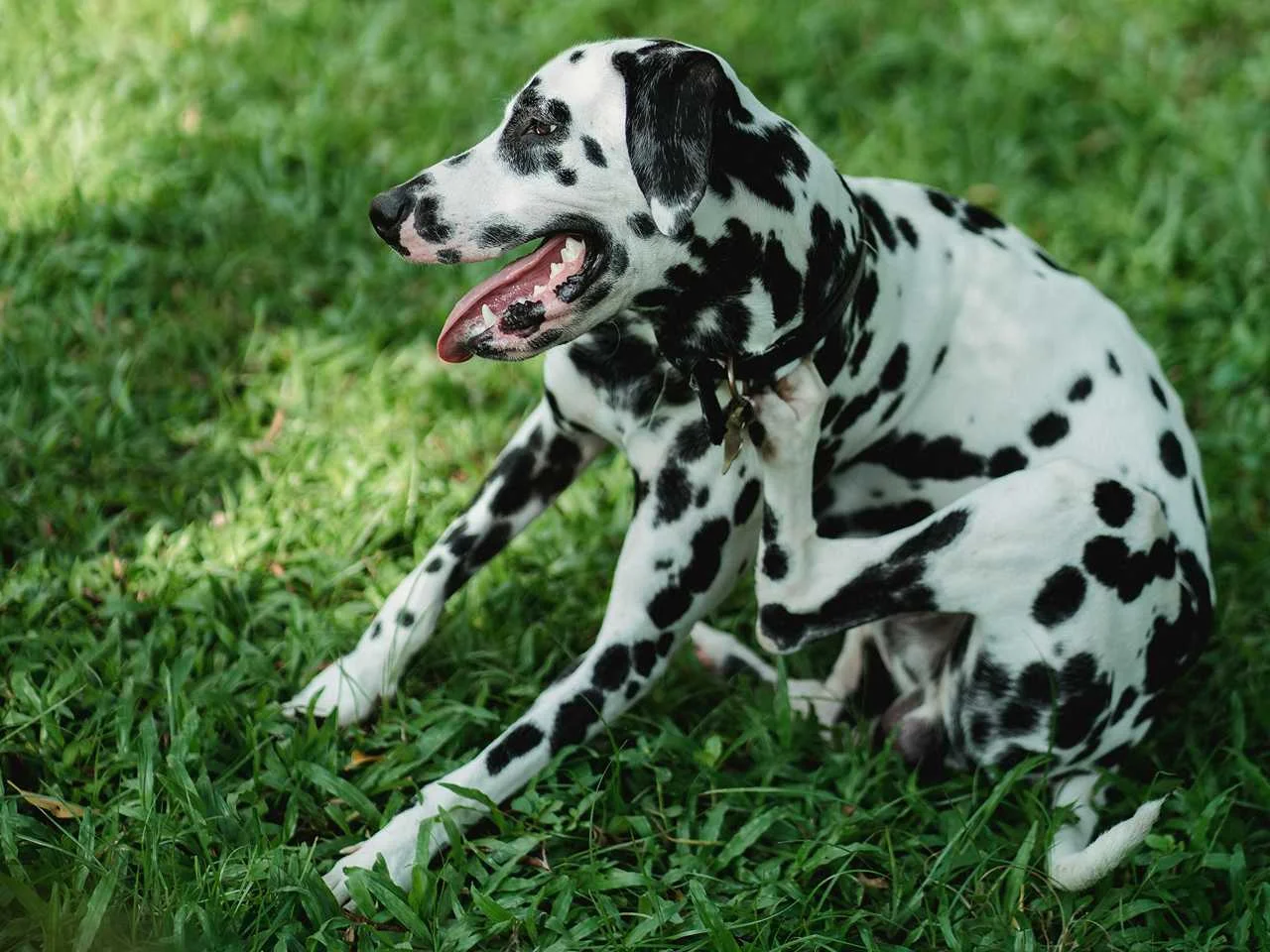
Lyme disease in dogs is passed on through the bite of a tick carrying the bacteria that cause the infection. Certain ticks, like the deer tick or black-legged tick, can transmit the infection when they feed. Knowing how dogs get exposed helps explain why paying attention and taking precautions matter.
Ticks and the Initial Infection
Ticks are the main way dogs get Lyme disease. When a tick bites, the bacteria can enter the dog’s body, starting the initial infection that may not show any signs right away. The longer a tick stays attached to your dog, the higher the chance they could become infected.
- Infection is transmitted through the bite of a tick.
- Deer ticks and black-legged ticks are the primary carriers.
- Initial infection can happen quietly, without obvious clinical signs.
- Immediate removal of ticks is important to lessen the risk of infection.
Exposure to Ticks in Different Environments
Dogs pick up ticks in certain outdoor areas where these insects are common. Spending time in these places, even on everyday walks, can increase the risk of infection. Being aware of these environments can help lower the chances that your dog will be exposed.
- Ticks are often found in wooded, grassy areas. or bushy areas.
- Dogs should be kept away from heavily tick-infested spots when possible.
- Exposure can happen during walks, hikes, or play outside.
- Disease prevention includes checking dogs for ticks after being outdoors.
Factors That Increase Infection Risk
Some dogs are more at risk than others, especially if they spend a lot of time outside in areas where Lyme disease is common. The infection may develop quickly, and dogs can start showing symptoms in as little as a few weeks. Keeping an eye on your dog and knowing what to watch for makes all the difference.
- Dogs in endemic areas have a higher chance of infection.
- Clinical signs may include limb and joint disease or swollen joints.
- Infection can be detected 4 to 6 weeks after the initial tick bite.
- Early veterinary attention supports the diagnosis of Lyme and timely antibiotic treatment.
This helps explain how dogs become infected before looking at the signs of Lyme disease and what to do next.
Signs to Watch For: Symptoms of Lyme Disease in Dogs
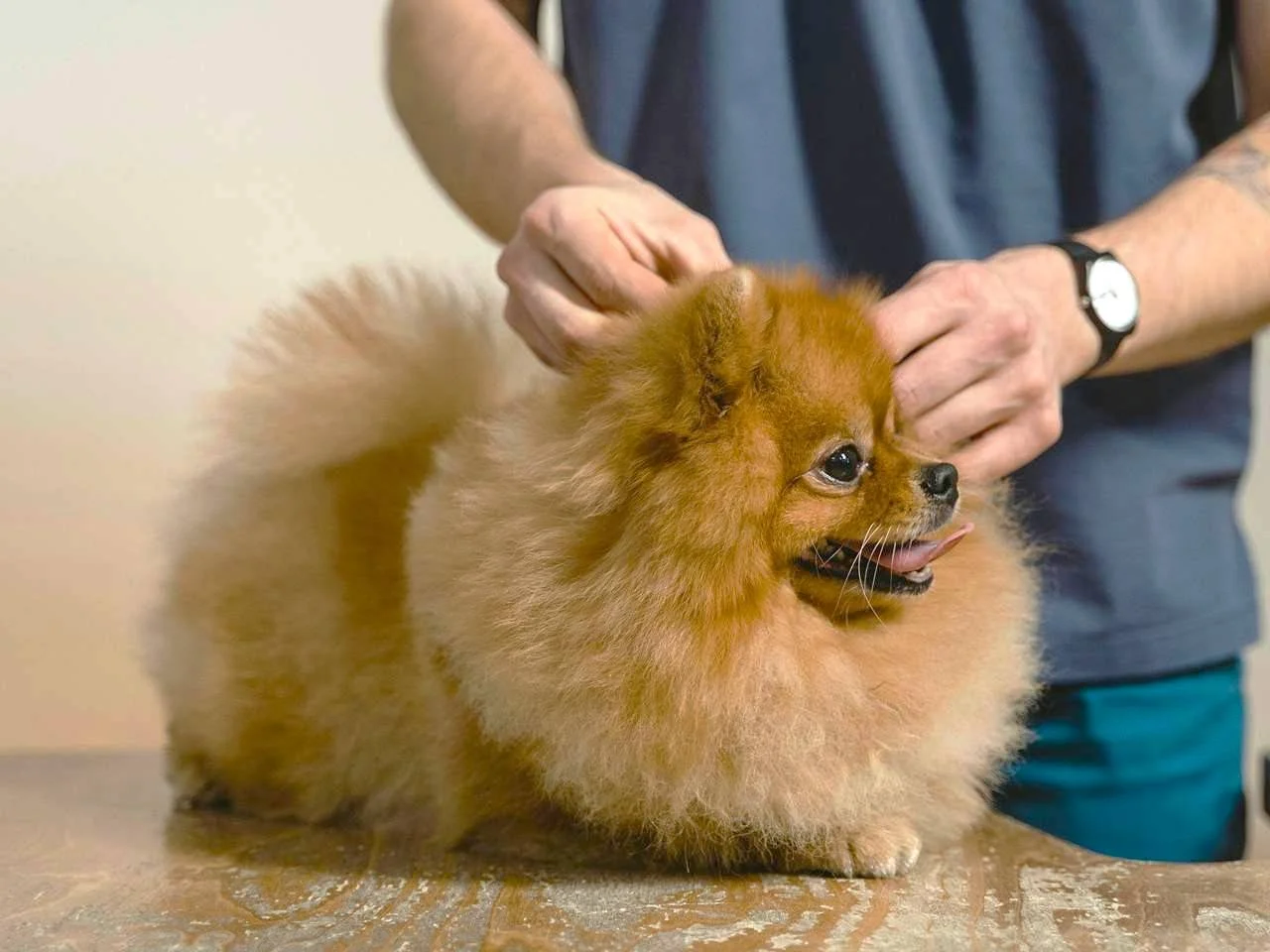
Catching Lyme disease in dogs early can make a huge difference in their recovery. Some dogs show clear signs right away, while others might seem perfectly fine even after being exposed. Knowing the possible symptoms can help you act before the disease is left untreated.
Limping or Stiffness
One of the most common signs of Lyme disease is limping or stiffness. Dogs might favour one or more legs, and walking or running can look awkward or slow. These symptoms can appear and disappear, so it’s easy to overlook them at first.
Swollen or Tender Joints
Lyme disease can also make a dog’s joints swollen or tender. This can make everyday activities like walking, jumping, or playing uncomfortable. Sometimes the discomfort shifts from one joint to another, which can be confusing.
Low Energy and Reduced Activity
Dogs with Lyme disease may suddenly seem tired or less interested in their usual activities. They might skip walks, playtime, or even seem less social. These changes might feel small and may not bother you, but they are important early signs of infection.
Loss of Appetite or Mild Fever
Some dogs may eat less than usual or develop a mild fever. These changes usually occur alongside other symptoms of infection. Keeping an eye on your dog’s appetite and overall condition can help catch Lyme disease before it develops further.
Recurring or Shifting Lameness
A tricky but common sign is lameness that comes and goes, sometimes moving between legs or joints. Dogs experiencing this may look fine one day and uncomfortable the next. Spotting this shifting lameness early is a good reason to check with your veterinarian.
Muscle Pain and Sensitivity
Beyond joints, some dogs may have sore or sensitive muscles. They might react when certain areas are touched or appear stiff when moving. Muscle discomfort can be another sign of infection that shouldn’t be ignored.
Kidney-Related Issues
In more serious cases, Lyme disease is also linked to damage in the kidneys. Dogs might show changes in urination or drink more water than usual. Early diagnosis and treatment, as recommended by your veterinarian, can prevent long-term problems.
Rare or Serious Signs
Although uncommon, some dogs may develop severe complications. This could include weakness, trouble moving, or signs detected through antibody tests or polymerase chain reaction. Quick veterinary attention is crucial in these situations.
Caring for Affected Dogs: Treatment of Lyme Disease Recommended Veterinarians
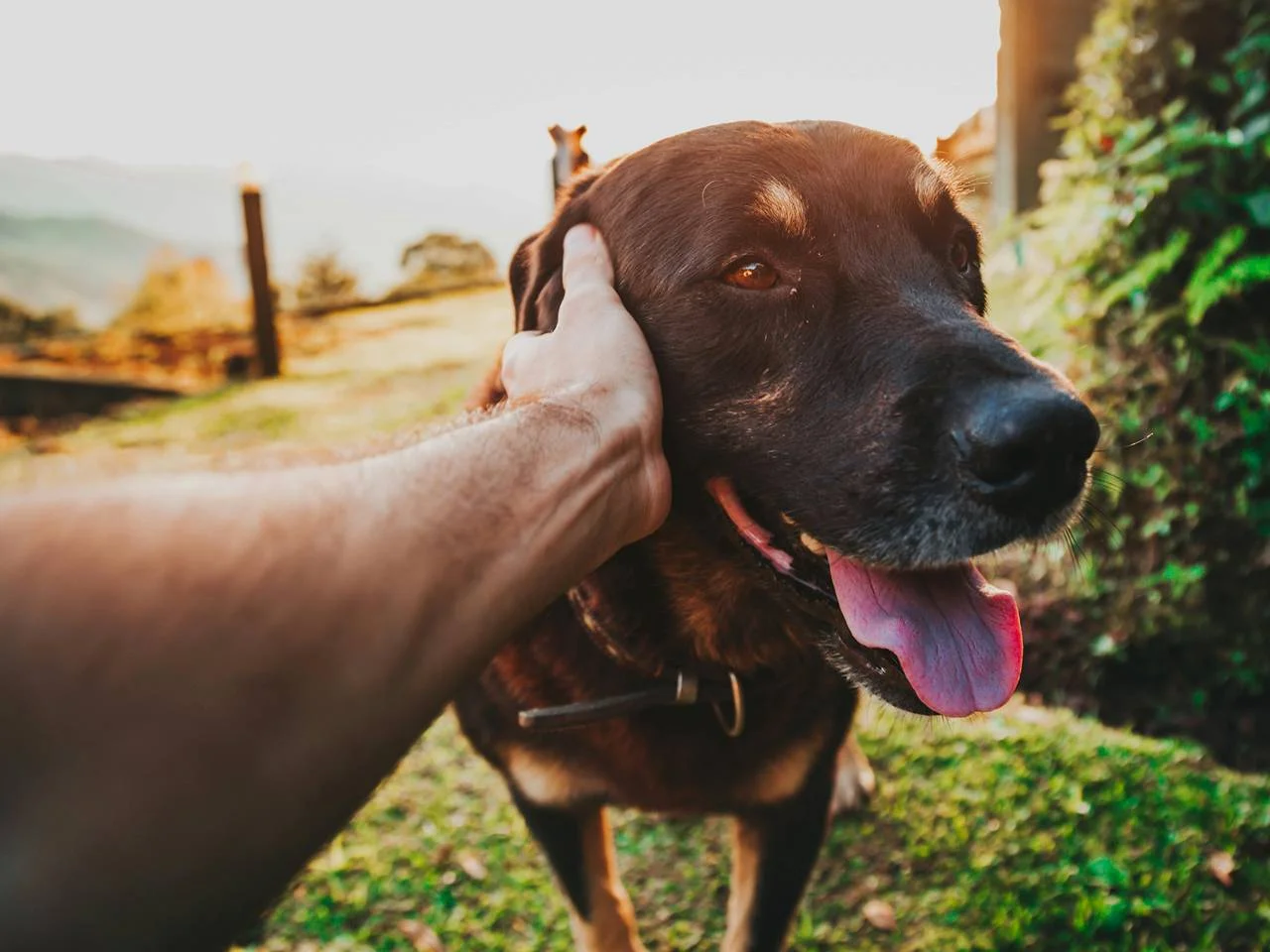
If your dog is diagnosed with Lyme disease, getting care quickly can make a big difference in how well they recover. Treatment focuses on clearing the infection and easing any discomfort. Working closely with a veterinarian ensures your dog gets the right plan for their situation.
Antibiotic Treatment
Antibiotics are the main way to treat Lyme disease in dogs. A full course is usually needed to make sure the infection is completely cleared. Your veterinarian will decide the best type and length of treatment based on your dog’s health and symptoms.
- Doxycycline is often prescribed to treat Lyme disease.
- Completing the full course of antibiotics is important to fully resolve the infection.
- Antibiotic treatment can help reduce joint discomfort.
- Treating early helps prevent serious problems if Lyme disease is left untreated.
Supportive Care
Beyond antibiotics, your dog may need extra support to feel comfortable while recovering. This can mean managing pain, reducing inflammation, and giving your dog plenty of rest. Small changes at home can make recovery much smoother.
- Anti-inflammatory care may be suggested to ease joint pain.
- Rest and lighter activity can help your dog recover faster.
- Keeping an eye on your dog allows the veterinarian to adjust care if needed.
- Good nutrition supports healing and energy levels.
Vaccination Considerations
In some cases, vaccination can help protect dogs from Lyme disease in the future. The decision to vaccinate against Lyme disease should be based on an assessment of your dog’s risk and lifestyle. Your veterinarian can guide whether vaccination is a good choice for your dog.
- Vaccines can help lessen the risk of developing symptoms like Lyme disease.
- Vaccination is more important in areas where Lyme disease is common.
- Dogs that spend a lot of time outdoors in high-risk areas may benefit most.
- Your veterinarian can advise on the timing and type of vaccine for your dog.
Follow-Up and Monitoring
Even after your dog has finished treatment, it’s important to keep up with follow-up care to ensure they fully recover. Some dogs might need extra tests or check-ups to confirm that the infection has cleared.
- Veterinary check-ups track recovery and make sure your dog is improving.
- Follow-up tests may confirm that the infection has cleared.
- Detecting any lingering issues early allows quick intervention.
- Keeping an eye on joint health and activity helps protect your dog long-term.
With the right and proper treatment, supportive care, and vaccination guidance, dogs can recover fully and stay healthy, reducing the risk of complications from Lyme disease.
Staying Safe: Prevention of Lyme Disease in Dogs
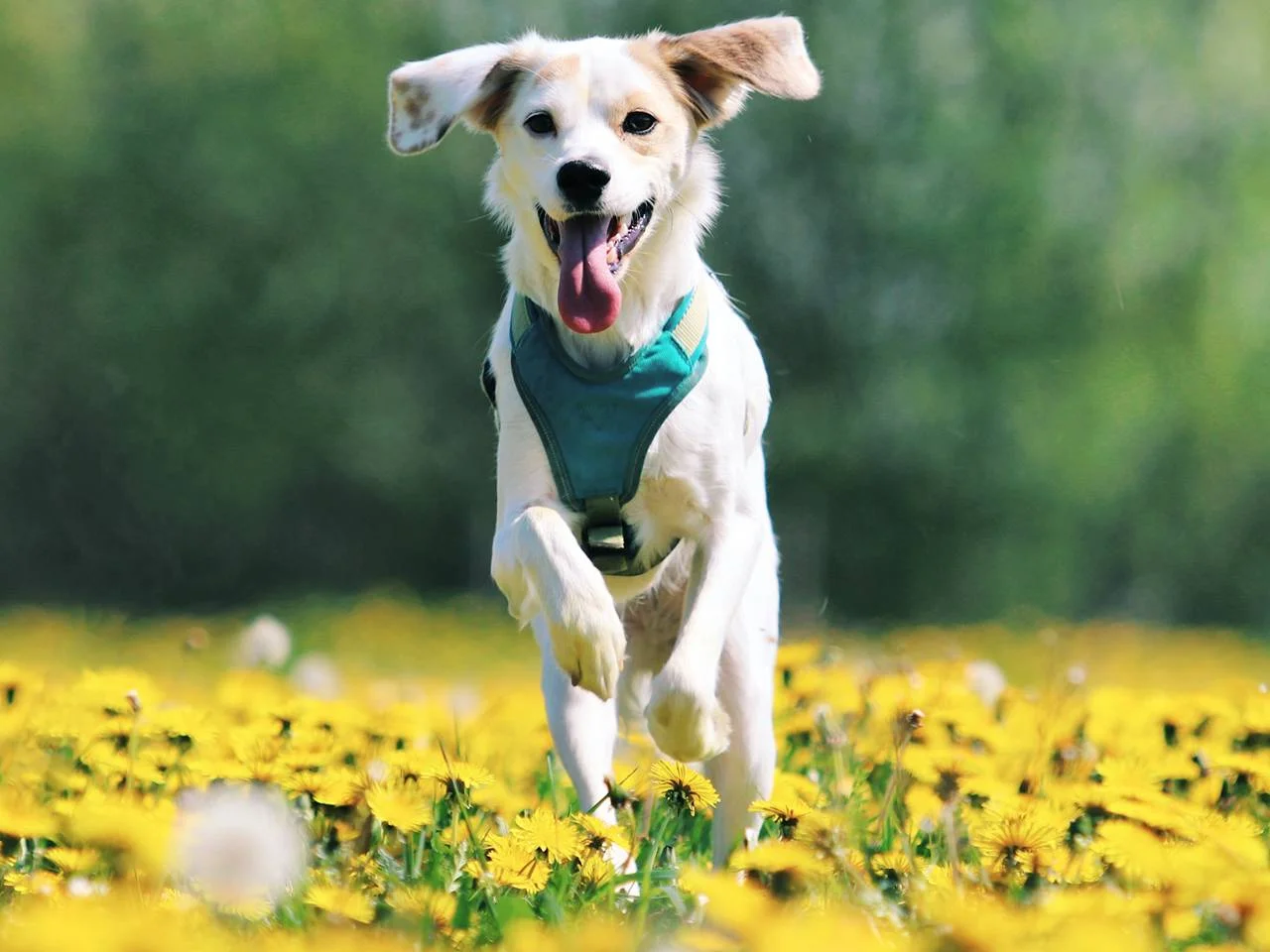
Keeping dogs safe from Lyme disease is much easier than dealing with the infection later. A few simple and easy habits can make a big difference in protecting your dog. Being aware and proactive helps prevent unnecessary discomfort and health problems.
Avoiding Ticks
One of the best ways to prevent Lyme disease is to keep dogs away from ticks. Ticks love wooded, bushy, or grassy areas, so knowing where your dog goes is important. Checking your dog after outdoor time can catch ticks before they cause problems.
- Try to avoid areas with lots of ticks when walking or playing.
- Look over your dog carefully after outdoor adventures.
- Remove any ticks right away to lower the risk of infection.
- Keeping your yard trimmed and tidy helps reduce tick hiding spots.
Extra Protection
There are a few tools and routines that can help protect dogs from ticks. These add-ons work well alongside careful observation and safe outdoor habits.
- Tick-repellent products or collars can help keep ticks away.
- Regular grooming lets you spot ticks before they attach.
- Protective gear, like light clothing, can help in high-risk areas.
- Using several methods together gives the best protection.
Vaccination
In some cases, vaccination can add another layer of protection. Whether it’s the right choice depends on how much time a dog spends in risky areas. A vet can help decide if a vaccine makes sense for your dog.
- Vaccines can help reduce the chances of getting Lyme disease.
- Dogs and cats that spend time outdoors in areas with lots of ticks benefit most.
- Following your vet’s advice ensures the vaccine works properly.
- Vaccination works best when combined with other preventive steps.
Regular Checks
Even with precautions, keeping an eye on your dog is key. Regular checks for ticks and watching for any changes in behaviour can help catch problems early. Staying proactive helps dogs stay healthy and happy.
- Check your dog regularly, especially after outdoor activity.
- Watch for changes in movement, energy, or behaviour.
- Acting quickly at the first sign of trouble makes a big difference.
- Keeping track of outdoor time and preventive steps helps plan future protection.
Final Thoughts
Lyme disease in dogs can be worrying, but catching it early makes a big difference. Keeping an eye on your dog’s behaviour and noticing even small changes can help avoid more serious health issues.
Getting prompt care from a veterinarian helps dogs recover more comfortably and stay active. Simple prevention steps, like checking for ticks and being mindful of where your dog plays, go a long way.
Keeping an eye on your dog’s movement, energy, or appetite helps you act fast if something seems off. With a little awareness and care, dogs can enjoy the outdoors safely and stay happy and healthy.
Frequently Asked Questions
How can I tell if my dog picked up a tick during a walk?
Ticks are tiny and love to hide in fur, so it’s easy to miss them. Taking a few minutes after every outdoor adventure can save a lot of trouble.
Run your hands over your dog’s body: Check ears, neck, underarms, and between toes where ticks like to sneak in.
Look for small bumps: Ticks attach to the skin and usually don’t move when you touch them.
Check right after walks: Even short strolls in grassy or bushy areas can be enough for a tick to latch on.
Use a comb or brush: This helps catch ticks hiding in thicker fur that are easy to miss with your hands.
Remove ticks quickly: If you see one, take it off safely to lower the chance of your dog getting sick.
Can Lyme disease show up even if my dog seems healthy?
Sometimes, dogs can have Lyme disease without showing any obvious signs. That’s why paying attention to even small changes really matters.
Watch for subtle signs: A limp that comes and goes, stiffness, or less energy than usual can be early hints.
Check with your vet: Even a healthy-looking dog can benefit from a quick test if they’ve been in tick-prone areas.
Catching it early helps: The sooner it’s found, the easier it is to treat and prevent problems down the road.
Do certain areas in Canada have a higher risk of Lyme disease?
Some places just have more ticks carrying Lyme bacteria, so it pays to be aware and careful where you’re walking your dog.
Wooded and grassy areas: Ticks love tall grass, bushes, and forested trails.
High-risk regions: Certain neighbourhoods or provinces report more cases, so extra caution is smart.
Warmer months: Spring and summer are peak tick times, so check your dog carefully during these seasons.
Are there ways to protect my dog besides checking for ticks?
There’s a lot you can do to reduce risk, and it doesn’t have to be complicated.
Use tick-prevention products: Collars, sprays, or spot-on treatments like tick drops can help stop ticks from attaching.
Avoid risky spots: Stay on short grass or clear paths instead of walking through thick brush.
Talk to your vet about vaccines: Some dogs benefit from a shot that provides extra protection.
Keep up with grooming: Brushing or bathing your dog after outdoor activities helps you catch ticks early.
What should I do if my dog shows sudden joint pain or limping?
Lameness that comes and goes can be a first sign of trouble, and quick action helps your dog feel better.
Pay close attention: Notice which joints hurt, if the pain shifts, and whether your dog is moving differently.
Give them proper rest: Take it easy and gentle with walks or play until a vet has a look.
Consult your vet: A check-up can rule out Lyme disease and get your dog on the right treatment plan quickly.
Keep a little diary: Jot down symptoms and outdoor activity; it really helps the vet understand what’s happening.

