
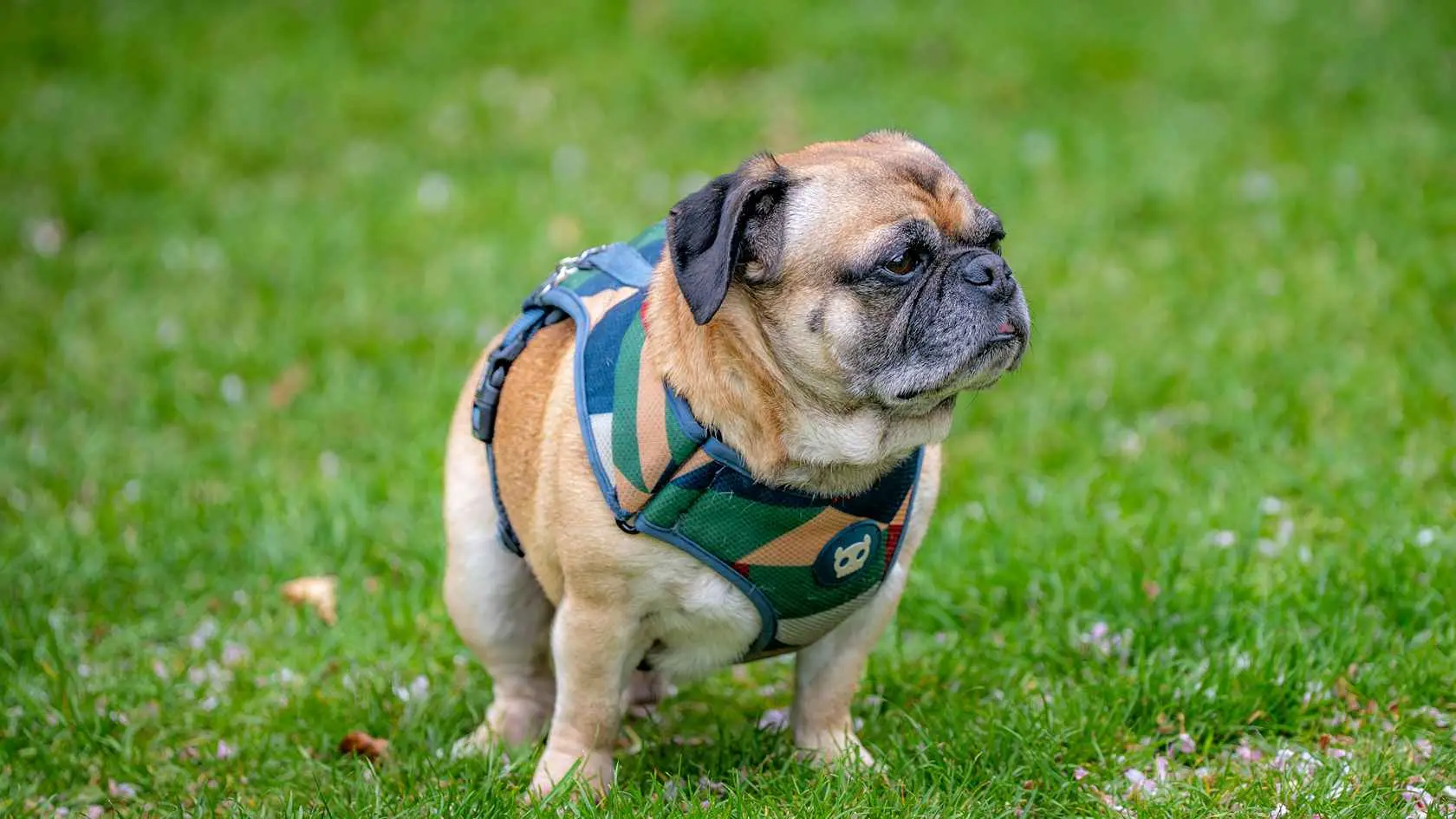

TL;DR: White Dog Poop and What You Should Know
- It can be pretty surprising to suddenly see white poop, especially when everything looked normal before.
- Most of the time, it ends up being related to what your dog ate earlier in the day or recently.
- Things like bones or certain types of food can make the stool look pale or a bit chalky.
- Sometimes it shows up after a small change in food, treats, or even a shift in routine.
- If the poop has been sitting outside for a while, it can also start to look lighter than it really was.
- When it only happens once, it usually is not something that needs a lot of concern.
- But if you keep noticing it over several days, it naturally starts to feel a bit worrying.
- You might also begin to notice small changes in your dog’s energy or appetite around the same time.
- If your dog seems to struggle or take longer than usual to go, that is something worth paying attention to.
- Once you get familiar with what is normal, these kinds of changes become much easier to spot early.
If it keeps happening or something just feels off, it is best to contact us and have it checked. Our professional vets can help make sure everything is okay and give you peace of mind.
Have you ever noticed your dog’s poop looking white and wondered what’s going on? It can be a little surprising the first time you see it. The colour of your dog’s stool can change, and seeing white dog poop might make you pause and worry a bit.
Sometimes the appearance of your dog’s stool just looks different, lighter or chalkier, and it can catch you off guard. Even small changes in your dog’s poo can feel strange when you’re used to seeing healthy dog poop.
Keeping an eye on your dog’s stool is actually a simple way to keep track of their health. Noticing changes in the colour or consistency can give you clues about what’s happening. Read on to find out more about why white dog poop happens and what it could mean.
What Are the Common Causes of White Dog Poop and What Does it Mean
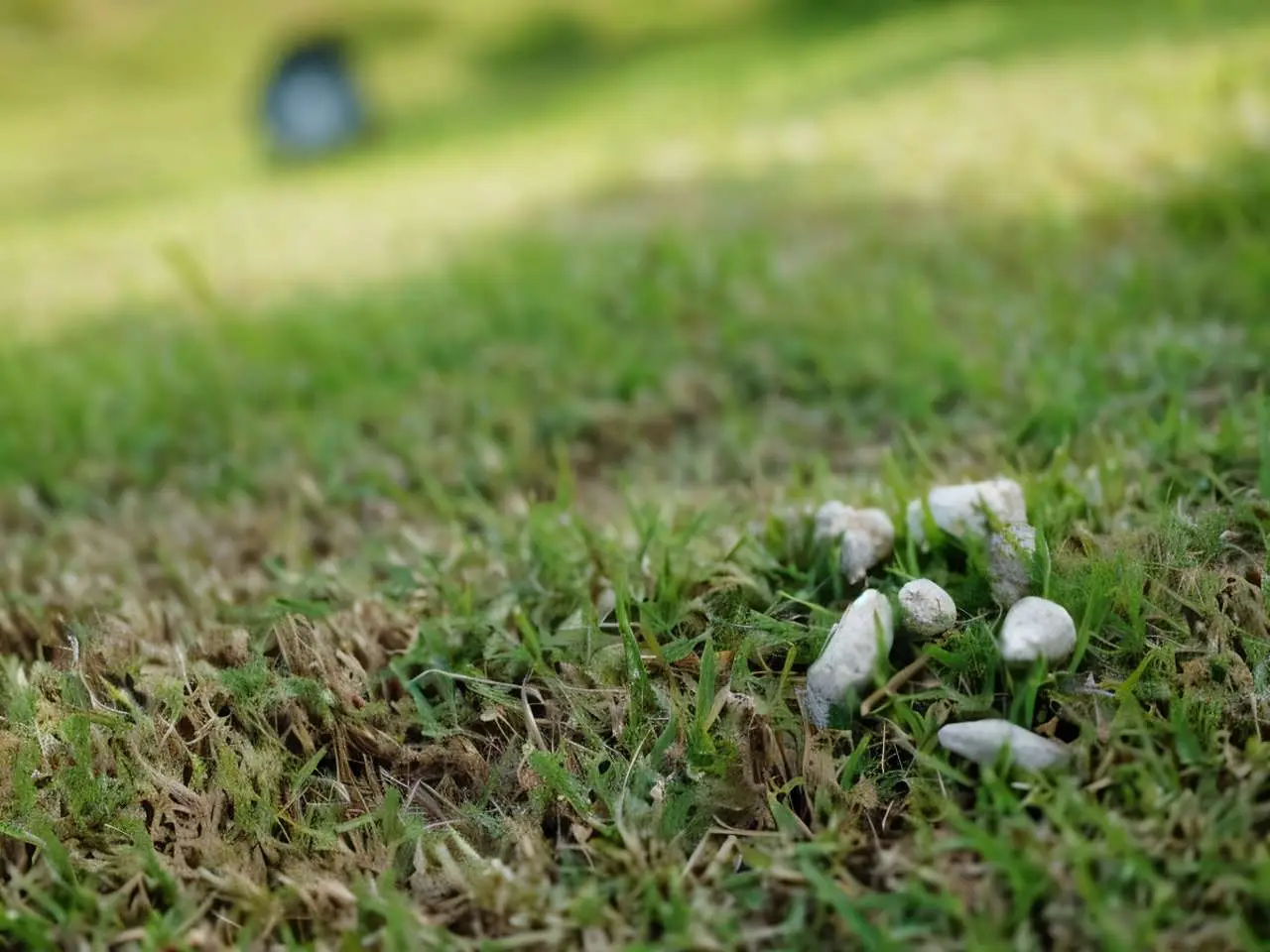
Noticing white dog poop can be a little alarming, especially if it’s whitish or lighter than usual. Most of the time, it’s nothing serious and is just a result of diet or temporary digestive changes. Still, it’s helpful to understand the common causes of white poop in dogs so you can tell when it’s just a small change or when it’s time to visit your vet.
Excess Calcium in Bone Meal or Dog Food
Sometimes, dogs that eat a lot of raw bones or commercial dog food high in calcium levels can have stools that turn white or chalky. This is usually harmless, especially if your dog seems healthy and active. Too much calcium isn’t too concerning, but it’s worth keeping an eye on the colour and consistency of their stool.
- Commercial dog food is high in calcium.
- Raw bones or bone meal.
- Calcium supplements.
Diet Changes
A sudden switch in your dog’s diet can make their poop appear white for a short time. Switching to a raw diet or introducing new treats can temporarily affect the digestive system. Usually, the stool goes back to normal once your dog’s body adjusts.
- Switching pet food brands quickly.
- Adding new treats or table scraps.
- Transitioning to raw-fed diets.
Digestive Upset
Minor digestive issues can also lighten the colour of stools. Things like constipation, mild intestinal irritation, or even stress can make white or pale poop appear. Most of the time, this resolves on its own, but it’s good to watch for continued changes.
- Constipation or soft stools.
- Mild intestinal irritation.
- Stress affects digestion.
Liver or Pancreatic Problems
The liver and pancreas produce bile and digestive enzymes that give stool its normal colour. If these organs aren’t functioning well, stools may turn white or pale. Persistent white poop, especially if your dog shows other signs of illness, is a reason to check with a veterinarian.
- Reduced bile production.
- Pancreatic enzyme deficiencies.
- Chronic liver or pancreatic conditions.
Parasitic Infections
Worms and other intestinal parasites can sometimes change the colour of the stool. Puppies or dogs that haven’t been dewormed recently are more likely to have white or pale poop.
- Intestinal worms.
- Other parasites affecting digestion.
- Mild intestinal infections.
Medications or Supplements
Certain medications or supplements can temporarily lighten stools. Usually, this is harmless, but it’s helpful to keep track of any changes in the colour or consistency of the poop.
- Antibiotics or prescription drugs.
- Mineral supplements.
- Short-term side effects.
Food Additives or Treats
Some commercial dog food or processed treats can affect stool colour. Dogs that eat a lot of mineral-rich or chalky treats may occasionally produce white or pale stools.
- Artificial additives in pet food.
- Highly processed treats.
- Mineral-rich or chalky supplements.
Environmental Conditions
Sometimes, the poop itself isn’t the problem; it’s where it ends up. Environmental conditions such as sunlight, heat, or certain surfaces can make stools look white or lighter even if the digestive system is fine.
- Poop left in sunlight.
- Drying outdoors on pavement or grass.
- Surfaces that bleach the stool.
Age or Breed Factors
Older dogs or certain breeds might naturally produce lighter stools. Larger or older dogs may occasionally have white poop without it being a problem.
- Old dogs have slower digestion.
- Larger dog breeds.
- Breed-specific stool characteristics.
Chronic Health Conditions
If white or pale stools keep appearing, it might point to a more serious issue with the digestive system. Chronic problems with the intestines, liver, or pancreas can change both the colour and consistency of poop. A veterinarian can help figure out if something more serious is happening.
- Long-term digestive disorders.
- Chronic liver or pancreatic problems.
- Ongoing intestinal issues.
When Seeing White Dog Poo Could Be a Concern
Sometimes white poo is nothing to worry about, but other times it can make you stop and think that something feels off. When the colour of your dog’s poop suddenly looks different, it is hard not to overthink it a little.
Ongoing Changes in Stool Colour
It can feel a bit worrying when the dog’s poop is white more than once.
- Dog poop was white again the next day.
- The poo might stay lighter in colour for a few days.
- The colour of your dog’s poop does not go back to normal.
- It might be white even without recent diet changes.
Straining or Difficulty Passing Stool
You usually notice right away when you’re noticing your dog straining.
- Your dog starts to strain during bowel movements.
- Frequent attempts with very little coming out.
- You notice it more while picking up dog poop.
- Stool looks hard, especially in dogs that are fed a lot of bones.
Diet and Digestive Reactions
Sometimes it really just comes down to what your dog is eating.
- Dogs that consume a lot of bones may have firmer stool.
- Stools of raw-fed dogs are firmer and might be white.
- Raw-fed dogs are firmer compared to others.
- Diet changes or what you give your dog can affect the dog’s digestive system.
- In some cases, it is caused by too much calcium.
Additional Physical Symptoms
There are moments when white poo comes with other signs that feel harder to ignore.
- Your dog may strain more than usual.
- The dog or cat seems low on energy or less active.
- Appetite drops, or the dog is eating less.
- Vomiting or signs of discomfort appear.
- Weight loss without a clear reason.
- The condition could be a sign of a deeper issue in the dog’s digestive system.
- When it keeps happening, it could be a sign of a serious health issue.
What to Do if You See White Dog Poop and When to Visit a Veterinary
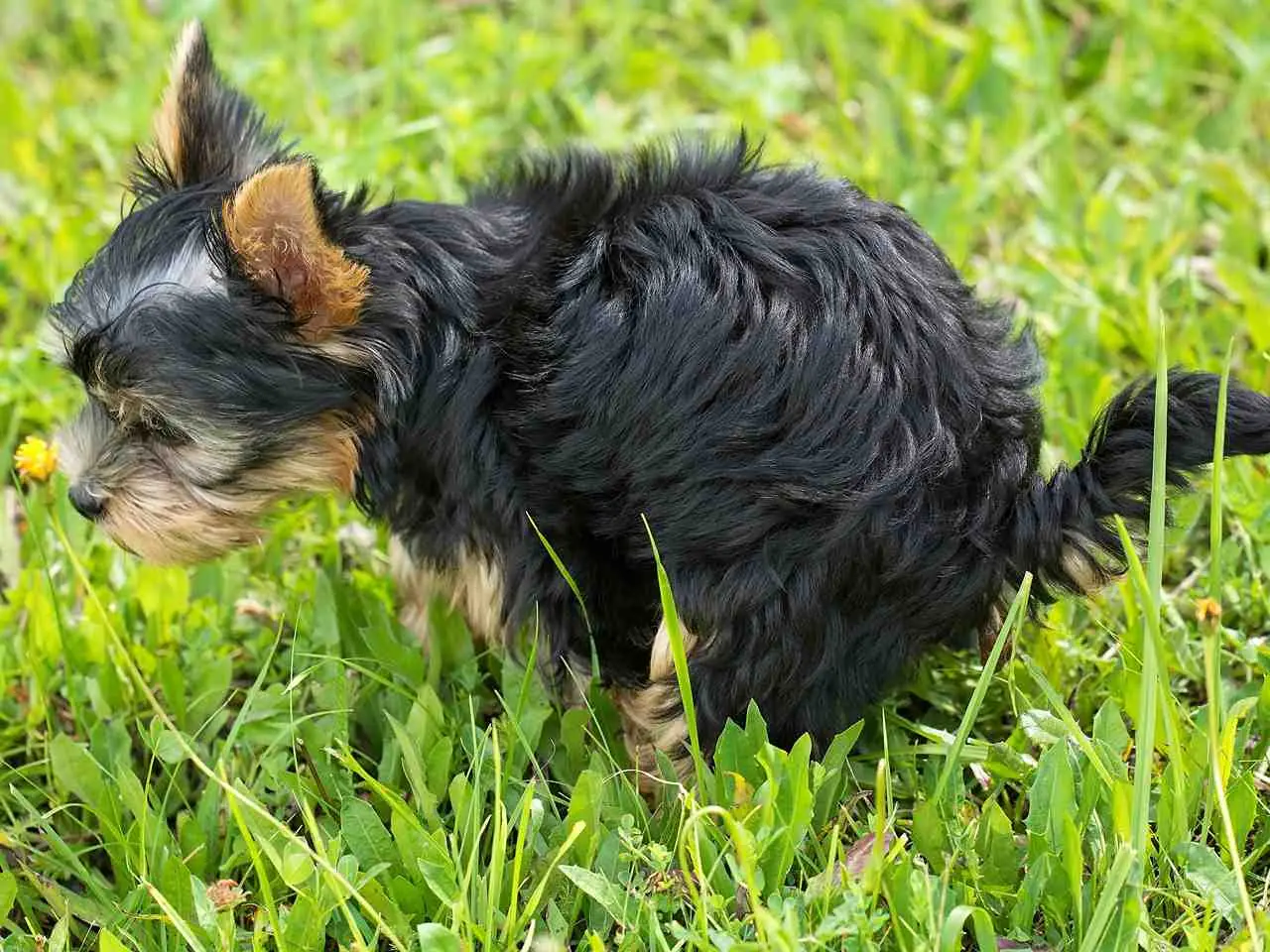
Seeing white dog poop can feel a bit unsettling, especially if it’s something new. It is easy to overthink it, but taking a few simple steps can help you figure out what’s going on.
Keep an Eye on the Stool
The first thing to do is just observe and not panic right away.
- Check if the colour goes back to normal after a day or two.
- Look at the texture, whether it is too hard, too soft, or unusual.
- Notice if it happens once or keeps repeating.
- Try to remember what the stool usually looks like for comparison.
Pay Attention to Your Dog’s Behaviour
Sometimes the biggest clues come from how your dog is acting.
- See if energy levels seem lower than usual.
- Notice if your dog is eating less or skipping meals.
- Watch for signs of discomfort or restlessness.
- Check if there is any vomiting or unusual behaviour.
Think About Recent Changes
A small change can sometimes explain a lot.
- Consider if there was a recent change in food.
- Think about new treats or table scraps given.
- Recall anything unusual your dog may have eaten.
- Even small changes can affect digestion for a short time.
Know When to Get Veterinary Help
There are times when it is better not to wait it out.
- The colour does not go back to normal after a few days.
- The issue keeps coming back.
- Your dog seems uncomfortable or in pain.
- Other symptoms start to show along with the stool change.
Prevention Tips to Avoid White Dog Poop and Track Dog Poop Changes
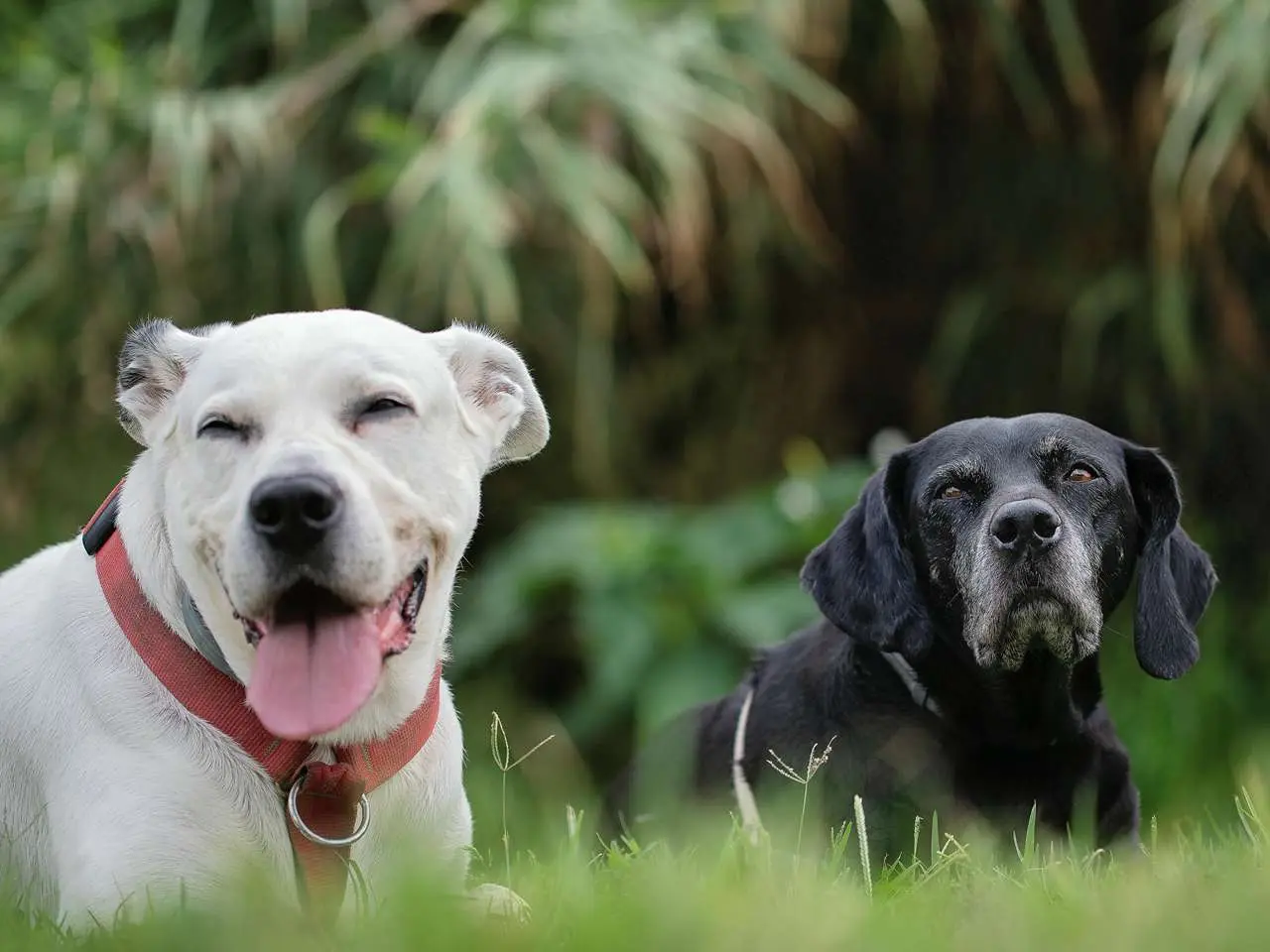
Avoiding odd changes in your dog’s poop really comes down to simple, everyday habits. It is not about doing anything complicated, just staying a bit more aware of what is normal for your dog.
Keep Diet Consistent
Dogs do best when their meals stay predictable.
- Stick to the same food and feeding schedule.
- If you need to switch food, do it slowly over a few days.
- Try not to give too many random treats.
- Keep things steady so the stomach does not get upset.
Avoid Overfeeding Certain Foods
It is easy to give extra treats without thinking much about it.
- Be mindful of how often treats are given.
- Avoid giving too much rich or heavy food.
- Keep portions simple and balanced.
Make Clean-Up a Habit
Picking up after your dog actually tells you more than you might expect.
- Clean up regularly instead of leaving it outside.
- Take a quick look at the stool each time.
- Bring poop bags so it becomes part of your routine.
Watch for Patterns Over Time
Small changes are easier to notice when you pay attention over time.
- Notice how often your dog goes.
- Look at any changes in texture or colour.
- See if something unusual keeps happening.
Support Overall Health
Good daily care goes a long way in keeping things normal.
- Make sure fresh water is always available.
- Keep your dog active with regular movement.
- Do regular check-ups when needed.
What Does a Healthy Dog's Poop Look Like
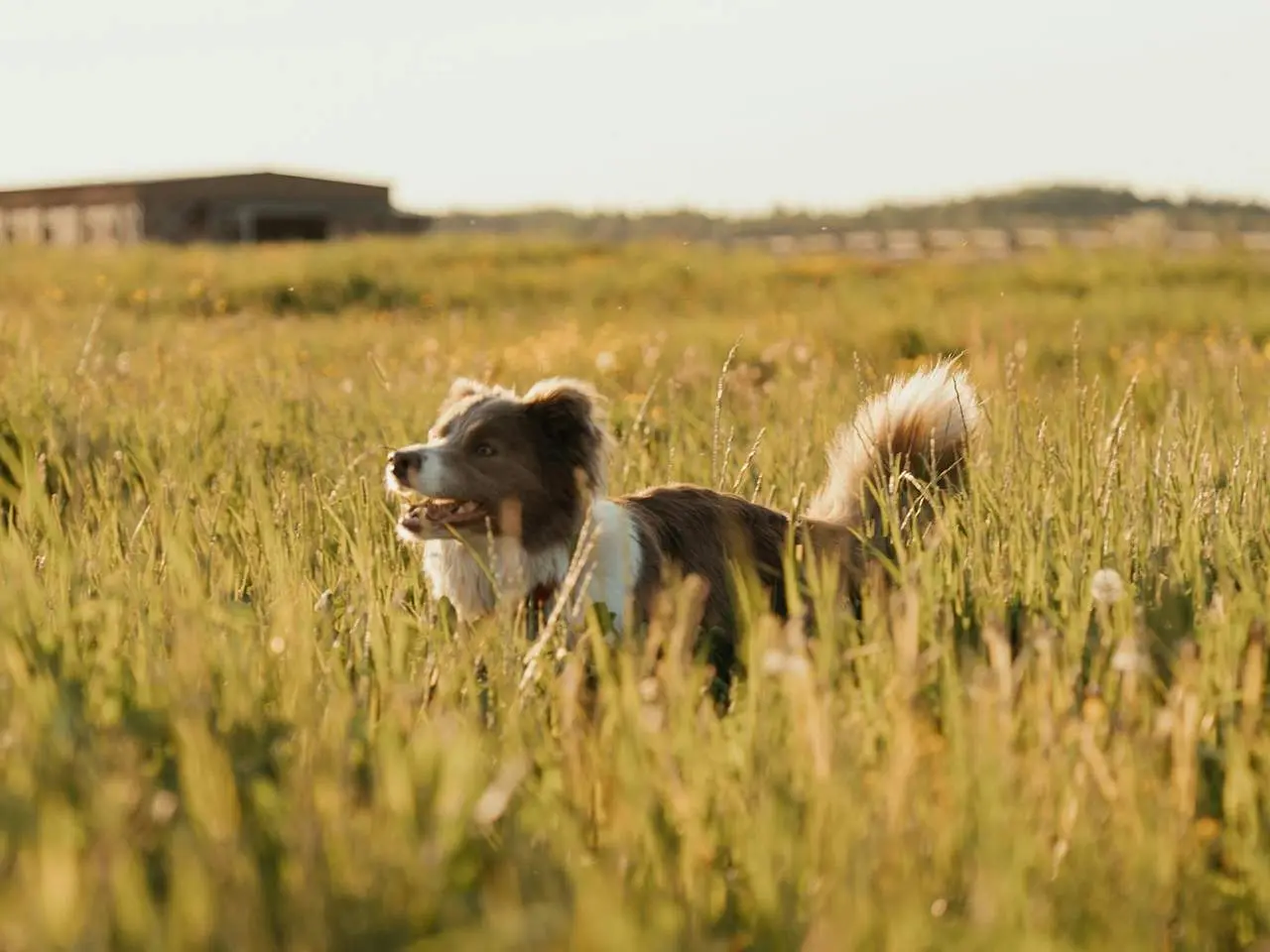
It might sound a bit weird, but knowing what “normal” looks like can really help. Once you get used to it, it becomes easier to notice when something feels off.
Normal Color
Colour is usually the first thing you notice without even trying.
- A healthy poop is usually some shade of brown.
- It can change a little depending on what your dog eats.
- Anything too pale, very dark, or unusual can stand out right away.
Ideal Texture
The way it feels and holds together matters more than most people expect.
- It should be firm but not rock hard.
- Easy to pick up without falling apart.
- Not too dry and not too soft.
- Should not feel mushy or watery.
Consistent Shape
You will start to recognize what is normal just by looking at it.
- Usually comes out in a simple, solid shape.
- Not too thin or overly thick.
- Looks the same most days.
Regular Frequency
Every dog has its own routine, and you will get used to it.
- Many dogs go once or twice a day.
- Some go a bit more or less, and that can still be normal.
- What matters is that it stays consistent over time.
Easy to Pass
One of the biggest signs that everything is okay is how easy it is for your dog.
- No struggling or taking too long.
- No signs of discomfort.
- Just a quick, normal bathroom break.
Final Thoughts
Seeing white poop can definitely catch you off guard, especially if it’s the first time. Most of the time, it turns out to be something simple, like a small change in food or digestion.
It helps to just keep an eye on it and see if things go back to normal on their own. But if it keeps happening or comes with other changes, it is hard not to feel a bit concerned.
That is usually the moment to trust your gut and pay closer attention. If something doesn’t feel right, getting it checked can save you a lot of worry.
Frequently Asked Questions
Why did my dog’s poop suddenly turn white?
It can be a bit surprising when your dog’s poop turns white out of nowhere, especially if nothing else seems different. Sometimes it’s just a small change that goes away quickly, but other times it can hint at something happening inside.
Think about your dog's recent snacks or meals: Even a new treat or a few extra bones can make the poop look lighter.
Check the texture: Stool that looks a bit chalky or firm is usually not a big concern, but softer or runnier poop is something you’ll want to watch more closely.
Observe if it happens again: One-time poop changes often aren’t an issue, but repeated white or very pale stools are worth keeping an eye on.
Watch your dog’s mood and energy: If they are playful, eating normally, and acting like themselves, it’s probably nothing to worry about.
Get advice if it continues: If the pale poop keeps showing up, it’s a good idea to check in with your vet.
Can certain foods or bones make my dog’s poop white?
It might seem strange, but what your dog eats can definitely affect poop colour. Foods with lots of calcium or that give many bones can turn stools lighter and chalkier.
High-calcium dog food: Some commercial diets have extra calcium that changes the stool colour.
Lots of bones or bone meal: Dogs that eat a significant amount of bones usually have firmer, pale stools.
Sudden diet changes: Switching foods too quickly can make poop temporarily lighter.
Treats and supplements: Certain mineral-rich treats or calcium pills can also result in white or paler stools.
Pay attention to how long it lasts: Short-lived changes are usually fine, but ongoing white stools should be checked.
When should I be concerned about white poop?
White poop isn’t always a problem, but there are some signs you should pay attention to. Often, looking at patterns and how your dog feels gives the best clues.
It keeps happening: If the stools stay white for several days, it’s worth noticing.
Straining or discomfort: Trouble going or obvious pain can point to digestive issues.
Changes in eating or energy: If your dog seems tired or is eating less along with white stools, it could be a sign of something more.
Other warning signs: Vomiting, unexplained weight loss, or unusual behaviour, along with pale stools, mean you should get professional advice.
Don’t ignore repeated episodes: Continuous white poop is a good reason to check with your vet.
Can sunlight or being outside make poop look white?
Sometimes poop looks pale even when nothing is wrong. Sunlight, heat, or certain surfaces can lighten the colour, making it look white even when it is normal.
Poop left in the sun: It can dry out and appear chalky.
Hot surfaces like pavement or sand: They can make stools look lighter than they really are.
Time matters: Fresh poop may be normal, but after sitting outside, it can change colour.
Compare with fresh samples: If fresh stools look normal, the pale appearance outside is usually nothing to worry about.
No other symptoms: If your dog is happy, eating well, and playful, this is likely just an environmental effect.
How can I track my dog’s poop to know if white stools are serious?
Watching your dog’s poop doesn’t have to be complicated and can help you notice changes early. Paying a little attention goes a long way.
Notice the colour: See if it is paler than usual or chalky.
Look at the texture: Check if it is firm, soft, or runny.
Track frequency: Occasional white stools are usually fine, but repeated ones need attention.
Observe your dog’s behaviour: Energy, appetite, and comfort give important hints about their health.
Take notes for the vet: If white stools keep happening, having a record makes it easier for the vet to figure out what’s going on.

