
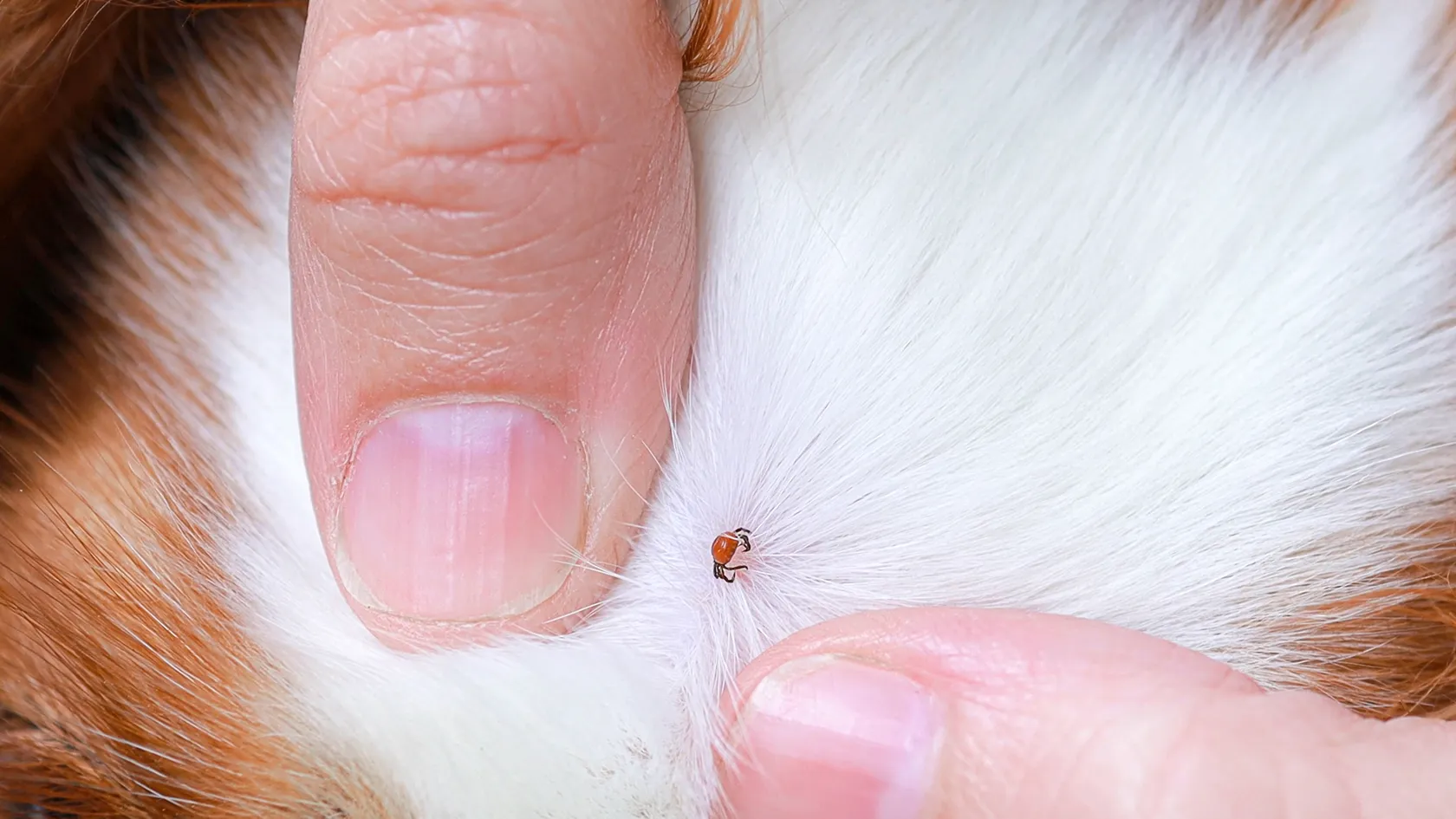

TL;DR: What You Need to Know About Tick Removal in Dogs
- Check for ticks: After walks, thoroughly check for ticks, especially around your dog’s ears, paws, collar, between the toes, and other hidden areas.
- Remove it right away: If a tick is attached, remove it as soon as possible with fine-tipped tweezers or a tick removal device. Grab the tick close to the skin level and pull it out gently but firmly.
- Know what to avoid: Don’t twist, jerk, crush, burn, or apply petroleum jelly to a tick. These methods can make removal more difficult and may increase the risk of irritation or infection.
- Clean & dispose safely: After removal, clean the bite area with antiseptic and safely dispose of the tick. If needed, save it in a sealed container so your veterinarian can identify it.
- Prevention matters: Ticks can transmit serious diseases, so regular checks and consistent preventative treatments are important—even when your dog spends most of their time at home.
- Protect your whole household: Understanding tick habitat, checking your pet regularly, and using veterinarian-recommended prevention can help reduce the chance of ticks coming indoors and affecting other pets or family members.
Need help with tick prevention? Reach out to us about the right flea and tick prevention plan for your dog’s lifestyle and risk level.
Is your dog constantly scratching, shaking their head, or acting more tired than usual after a walk through the park? It might be time to check your dog for ticks. These little parasites can be a real threat to your pets and even your whole family. Whether your dog spends a lot of time outside or just enjoys the occasional romp in the backyard, learning how to find and remove a tick is an essential skill for any pet owner.
In this guide, we'll walk you through everything you need to know, from spotting the signs of a tick problem and safely removing a tick to disposing of it properly and why tick prevention is important.
How to Know If Your Dog Has Ticks

Before you can address the problem, you need to spot a tick — and that starts with knowing what to look for. Ticks on dogs aren't always easy to see, especially on thick or dark-coated breeds.
- Excessive scratching or biting at the skin: If your dog is focused on one area more than usual, it's worth taking a closer look. A tick's bite can cause localized irritation that your dog just can't leave alone.
- Frequent head shaking: Ticks that find their way into or around the ear area can cause your dog to shake their head repeatedly. Keep an eye on your dog if this behaviour persists.
- A visible bump under the fur: When you run your hands over your dog's coat, a small, raised lump can be the first sign of an attached tick. Ticks have eight legs and a rounded body that becomes more prominent as they feed.
- Lethargy or loss of appetite: A dog that's been bitten by a tick may seem unusually tired or uninterested in food. These symptoms can signal a reaction to the bite or early tick-borne disease.
- Red, irritated skin patches: Redness around the bite area or patchy skin inflammation are signs that warrant a closer inspection — and possibly a call to your vet.
So it is necessary to inspect your dog for ticks after walks, especially if your pet spends a lot of time in gardens or lives in an area with high tick activity. It is important to check the ears, between the paws, the tail, and the place on the neck where the collar usually is.
How to Safely Remove a Tick from a Dog
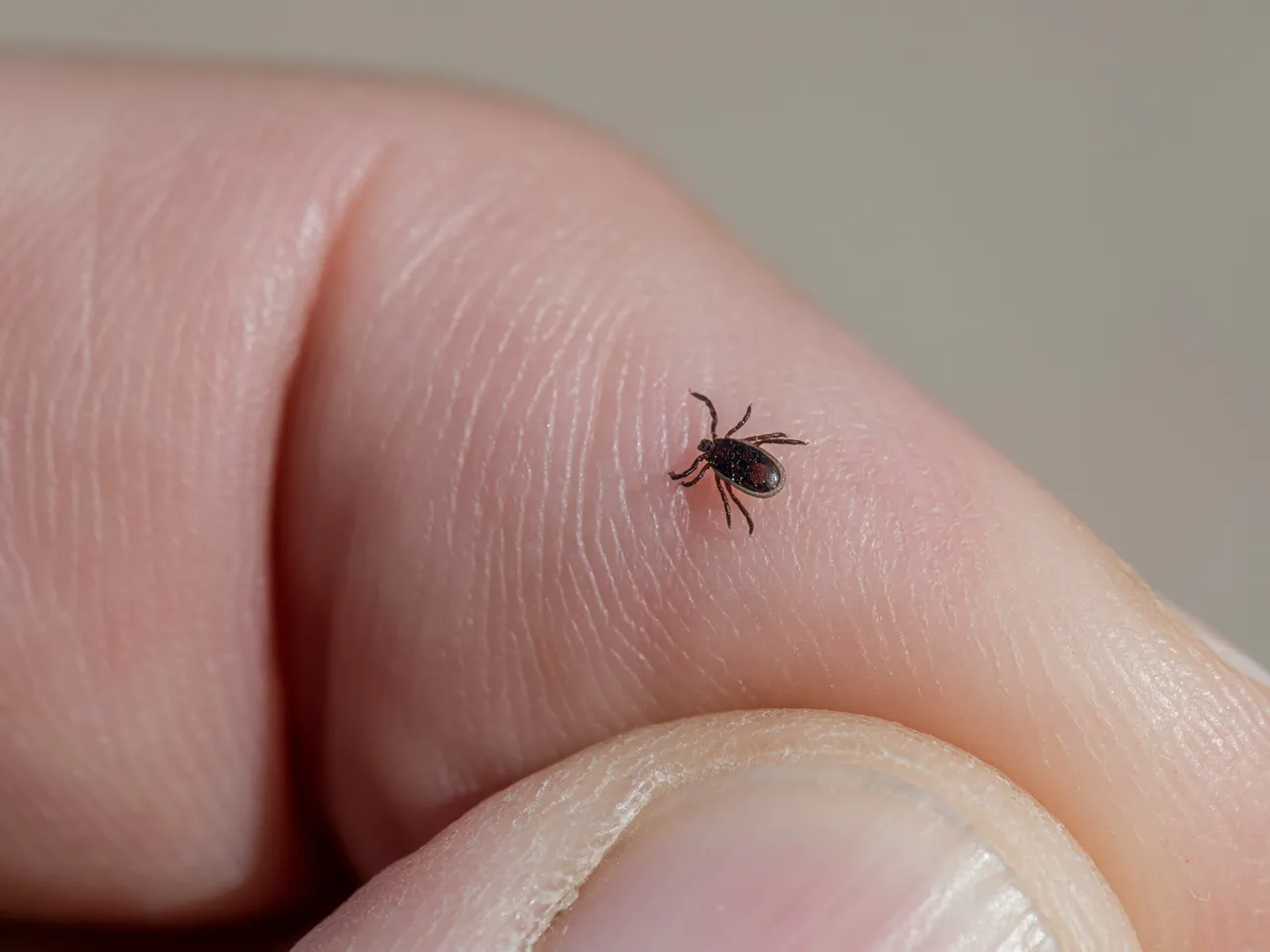
It's important to remove a tick as soon as possible — the longer it stays attached, the greater the risk of disease transmission. Avoid home remedies like trying to burn the tick or applying petroleum jelly, as these methods may cause the tick to release its gut contents into the wound, which actually increases the risk of infection.
Use fine-tipped tweezers
A tick removal tool or fine-point tweezers gives you the control you need. Standard household tweezers work in a pinch, but a pair of tweezers with a fine tip is the safest option.
Part the fur to expose the tick
Before you try to remove the tick, make sure you can clearly see what you're working with. Parting the fur gives you a clean line of sight to the tick right at the skin surface.
Grasp the tick as close to the skin as possible
Position your tweezer tips so you can grasp the tick as close to your pet's skin as you can. Getting underneath the body and near the head prevents the mouthparts from breaking off and remaining embedded in the skin.
Pull upward with steady pressure
Pull straight up without twisting or jerking. Applying even, consistent pressure is the safest way to make the tick release cleanly from the skin.
Avoid twisting or jerking
Sudden movements may cause the tick's mouthparts to remain in the skin, which can lead to irritation or secondary infection.
Do not crush the tick
Squeezing a tick's body during removal can cause the tick to regurgitate, pushing harmful bacteria into your dog's bloodstream. Never squeeze the tick or handle it with bare hands.
Clean the bite area with antiseptic
Once the tick is removed, clean the bite area with rubbing alcohol or soap and water. Keep an eye on the area over the next few days for signs of redness or swelling.
Disposing of Ticks The Right Way
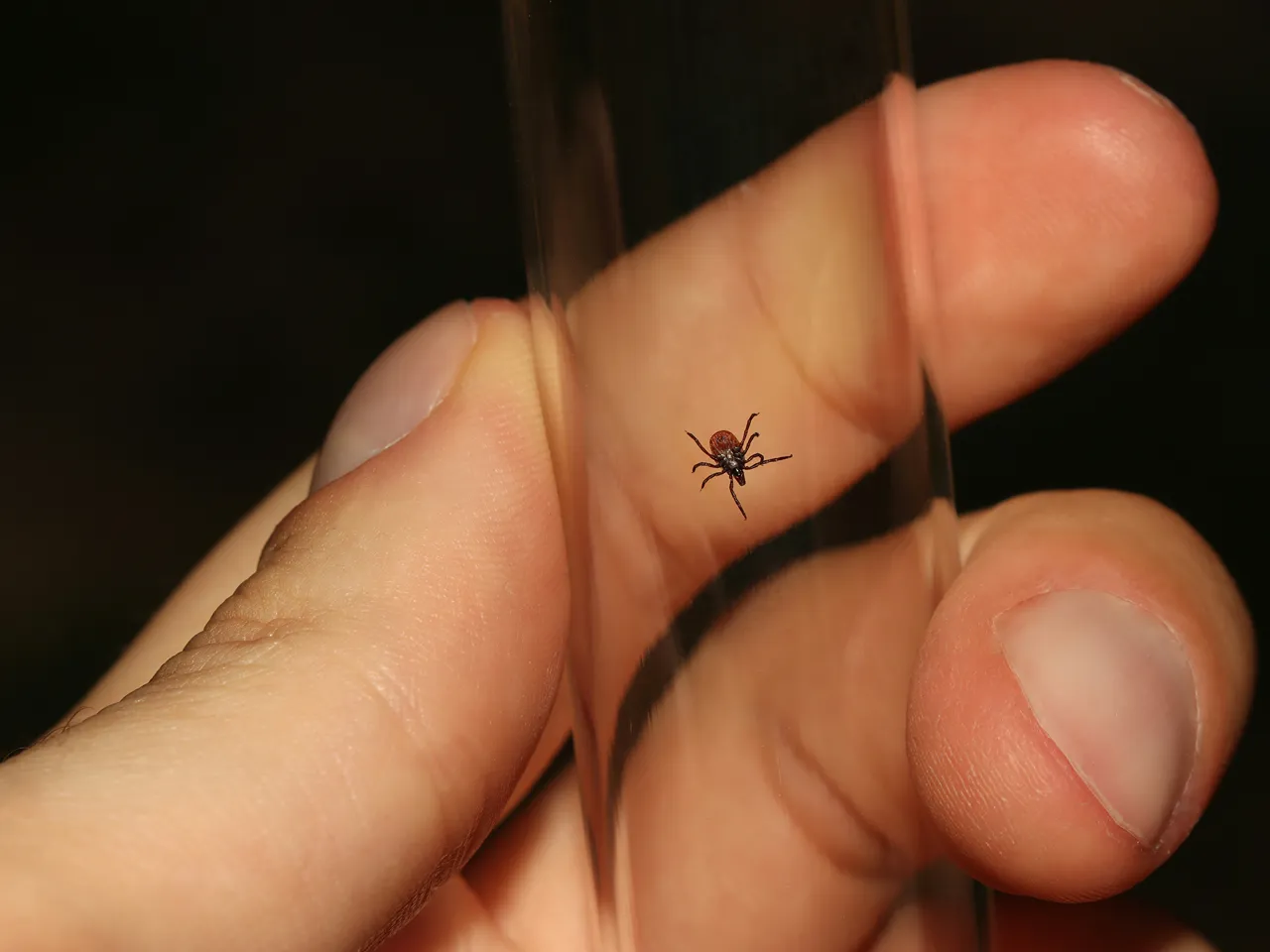
Once you've found the tick and removed it, proper disposal matters. A live tick can still transmit disease if mishandled.
- Never crush with fingers: Crushing a tick releases potentially infectious fluids and increases the risk of exposure.
- Submerge in rubbing alcohol: Dropping the tick into a small container of rubbing alcohol will kill the tick quickly and effectively. Never leave a removed tick loose where it could reattach to a person or another pet.
- Seal in a zip-lock bag: After removal, it's a good idea to save the tick so your vet can identify the species of tick if your dog develops symptoms. If you want to keep the tick for identification purposes, place it in a sealed container or bag
- Flush down the toilet: Flushing is a simple and sanitary disposal option once you're sure you no longer need the tick.
- Wrap tightly in tape: Another safe option is to wrap the tick in tape and dispose of it in the trash. This prevents it from escaping or contacting skin.
Why Tick Prevention Matters for Your Pet

Ticks are active year-round in many regions, and the risks they carry go well beyond a minor bite. Staying proactive about tick exposure is so important for dogs and cats alike.
- Ticks transmit Lyme disease: Lyme disease is one of the most well-known tick-borne disease concerns in pets. It can lead to joint pain, fevers, and kidney issues if not treated.
- Risk of Rocky Mountain spotted fever: This serious illness that ticks can transmit can affect both pets and people, causing fever, swelling, and in severe cases, organ damage.
- Tick paralysis is a real concern: Some species of tick produce a toxin that causes progressive muscle weakness.
- Heavy infestations can cause anemia: When multiple ticks feed simultaneously, the blood loss adds up. Puppies and small dogs are especially vulnerable.
- It protects the whole household: A tick preventative doesn't just protect your pet — it reduces the chance that a flea or tick hitches a ride indoors and bites a family member. When you check your pet regularly and use preventative treatments, you're protecting everyone.
Discuss with your veterinarian the preventive measures that they offer, topically, orally, or on a collar according to your pet's lifestyle.
When to See a Vet for Dog Ticks

In many cases, you can safely handle tick removal at home — but there are situations where professional care is necessary. Keep in mind that home care is not a substitute for veterinary care when warning signs appear.
- The tick head is left in the skin: If the mouthparts break off and remain embedded after removal, your vet can safely extract them and assess the area for infection.
- Swelling or infection develops at the bite site: Some redness is normal, but significant swelling or pus around the bite is a sign that something more is going on.
- Lethargy that lasts for over 24 hours: While it is common to feel tired after being bitten by a tick, losing your appetite or becoming unusually weak could be a sign that you need to see the vet.
- Neurological problems: If a dog starts limping or dragging their legs shortly after being bitten by a tick, chances are they have either tick paralysis or another potentially serious tick-borne illness that needs to be treated by a vet.
- Multiple ticks are found at once: If you find a tick in one spot, there may be more. Spotting multiple ticks during a check could indicate a significant infestation — and a higher risk for illness.
Talk to your veterinarian if anything seems off. Your vet can test for illnesses, recommend appropriate treatment, and help you set up a prevention plan so your dog — and your whole family — stays protected.
Final Thoughts
Removing a tick from your dog safely starts with staying calm, using the right tools, and acting promptly. Check your dog regularly after outdoor activities, especially around the ears, paws, collar area, and other hidden spots. If you find a tick, use tweezers to remove it. Make sure to grab it near the skin and pull up gently. After removing the parasite, take proper measures to get rid of it and disinfect the affected area. Most importantly, try to prevent tick bites as much as possible. It's best to consult your vet to develop an efficient strategy for flea and tick prevention, and make sure to bring your dog to the hospital if any unusual signs occur after a tick encounter.
Frequently Asked Questions
How Do I Know If My Dog Has a Tick Bite?
Early detection of these warning signs can allow you to take steps before a tick causes serious damage to your pet.
Excessive Scratching or Biting at One Spot: If your dog keeps returning to the same area to scratch or bite, a tick bite may be causing localized skin irritation that's hard for them to ignore.
Persistent Head Shaking: Ticks that attach near or around the ears can trigger repeated head shaking, which is a telltale behavioural sign worth monitoring closely.
A Raised Bump Under the Fur: Running your hands through your dog's coat may reveal a small, rounded lump, especially as the tick feeds and its body becomes more prominent.
Lethargy or Loss of Appetite: Unusual tiredness or disinterest in food can indicate a reaction to the bite or the early stages of a tick-borne illness.
Red or Irritated Skin Patches: Visible redness or inflamed skin around the bite site is a clear signal to inspect further and consider calling your vet.
What Is the Safest Way to Safely Remove Ticks from a Dog?
Acting quickly and using proper technique is necessary to guarantee the safe removal of ticks.
Use Fine-Tipped Tweezers or a Tick Tool: A fine-point tweezer or dedicated tick removal tool gives you the precision needed to grasp the tick cleanly without crushing its body.
Part the Fur for a Clear View: Always part the fur before attempting removal so you can see the tick clearly at the skin's surface and position your tool accurately.
Grasp as Close to the Skin as Possible: Getting your tweezers as near to the skin as possible, near the tick's head, reduces the chance of mouthparts breaking off and staying embedded.
Pull Upward with Steady, Even Pressure: A slow, straight upward pull — without twisting or jerking — is the most effective way to get the tick to release cleanly from the skin.
Clean Bite Area Immediately After: Disinfect with rubbing alcohol or soap and water after removing it, and keep an eye on the site for a few days in case of any swelling or redness.
How Should I Dispose of a Tick After Removing It?
Proper disposal is just as important as removal, since a live tick can still pose risks if mishandled.
Do not crush it with your fingers: crushing it can lead to infection if the fluids from the tick get into the body.
Submerge It in Rubbing Alcohol: Dropping the tick into a small container of rubbing alcohol will kill ticks quickly and is one of the most reliable disposal methods available.
Seal It in a Zip-Lock Bag for Identification: If your dog develops symptoms later, having the tick saved in a sealed bag allows your vet to identify the species and guide appropriate treatment.
Flush It Down the Toilet: Once you no longer need the tick for identification, flushing it away is a simple and hygienic way to ensure it cannot reattach to anyone.
Wrap It Tightly in Tape: Encasing the tick in tape before placing it in the trash is another safe option that prevents it from escaping or coming into contact with skin.
Why Does Tick Prevention Matter for My Dog?
Prevention is far easier than treatment, and the health consequences of tick-borne diseases can be serious and long-lasting.
Ticks Can Transmit Lyme Disease: It is among the most common tick-borne conditions in pets, potentially leading to joint pain, fever, and kidney complications if left untreated.
Rocky Mountain Spotted Fever Is a Serious Risk: This disease that affects dogs and people is serious and can cause fever, swelling, and even organ damage. Rocky Mountain Spotted Fever requires medical attention right away.
Tick Paralysis Can Come On Strong Fast: Certain ticks produce a toxin that causes progressive muscle weakness. This means it is important to remove the ticks right away so your dog can get the medical treatment they need.
Heavy Infestations Can Cause Anemia: When multiple ticks feed at the same time, significant blood loss can occur, putting puppies and smaller dogs at especially high risk.
Prevention Protects the Whole Household: Keeping up with tick prevention treatments doesn't just safeguard your pet — it also lowers the risk of ticks making their way indoors and biting family members.
When Should I Take My Dog to the Veterinarian for a Tick?
While tick removal can often be handled at home, certain situations call for professional veterinary care without delay.
The Tick's Head Remains Embedded: If the mouthparts break off during removal, a veterinarian should extract them safely and check the area for signs of developing infection.
Swelling or Pus Appears at the Bite Site: While some redness around the bite site is normal, any swelling or discharge should be taken seriously and examined by a vet.
Lethargy Persists Beyond 24 Hours: Extended periods of tiredness or a loss of appetite after a tick encounter is a sign that you should schedule a vet appointment rather than waiting it out.
Neurological Symptoms Occur: Stumbling, loss of coordination, or muscle weakness after finding a tick can be warning signs of tick paralysis or other neurological diseases that require immediate treatment.
Finding Multiple Ticks: Finding more than one tick at a time is an indication that an infestation might occur. Therefore, you should seek professional help from a veterinarian.

