

TL;DR: What You Need to Know About Hot Spots in Dogs
- Hot spots can develop fast: What starts as a minor itch can quickly turn into a painful, inflamed skin lesion when dogs repeatedly scratch, chew, or lick the same area.
- There’s usually an underlying cause: Common triggers of hot spots include allergies, flea bites, trapped moisture, poor grooming, stress-related behaviours, and ear or anal gland issues.
- Early signs are easy to miss: Red, irritated skin, excessive licking, hair loss, moisture, and sensitivity are often the first indicators that a hot spot is developing.
- Professional care may be needed: It is important to have a veterinary evaluation to determine the cause and the most appropriate treatment plan, especially for severe or recurrent cases.
- Some dogs are more susceptible: Allergies, thick fur and sensitive skin can make some pets more prone to getting hot spots and more in need of regular preventive care.
- Prevention makes a difference: Regular grooming, keeping the coat dry, flea prevention, and addressing stress or underlying health concerns can help reduce future flare-ups.
Have questions? Consult with us. We’re happy to help evaluate your dog’s skin concerns, identify possible triggers, and create a prevention plan to help keep them comfortable and healthy.
Hot spots are one of the most common skin conditions in dogs, and they can develop surprisingly fast. What may begin as mild itching can quickly become an angry, irritated sore when dogs lick, scratch, or chew the same spot repeatedly. Understanding the causes and treatments of hot spots can help pet owners recognize problems early and seek appropriate care.
In this blog, we'll explore how to identify a hot spot, the underlying causes, and how to treat and prevent future episodes to reduce discomfort and lower the risk of hot spots developing again.
What Are Dog Hot Spots?
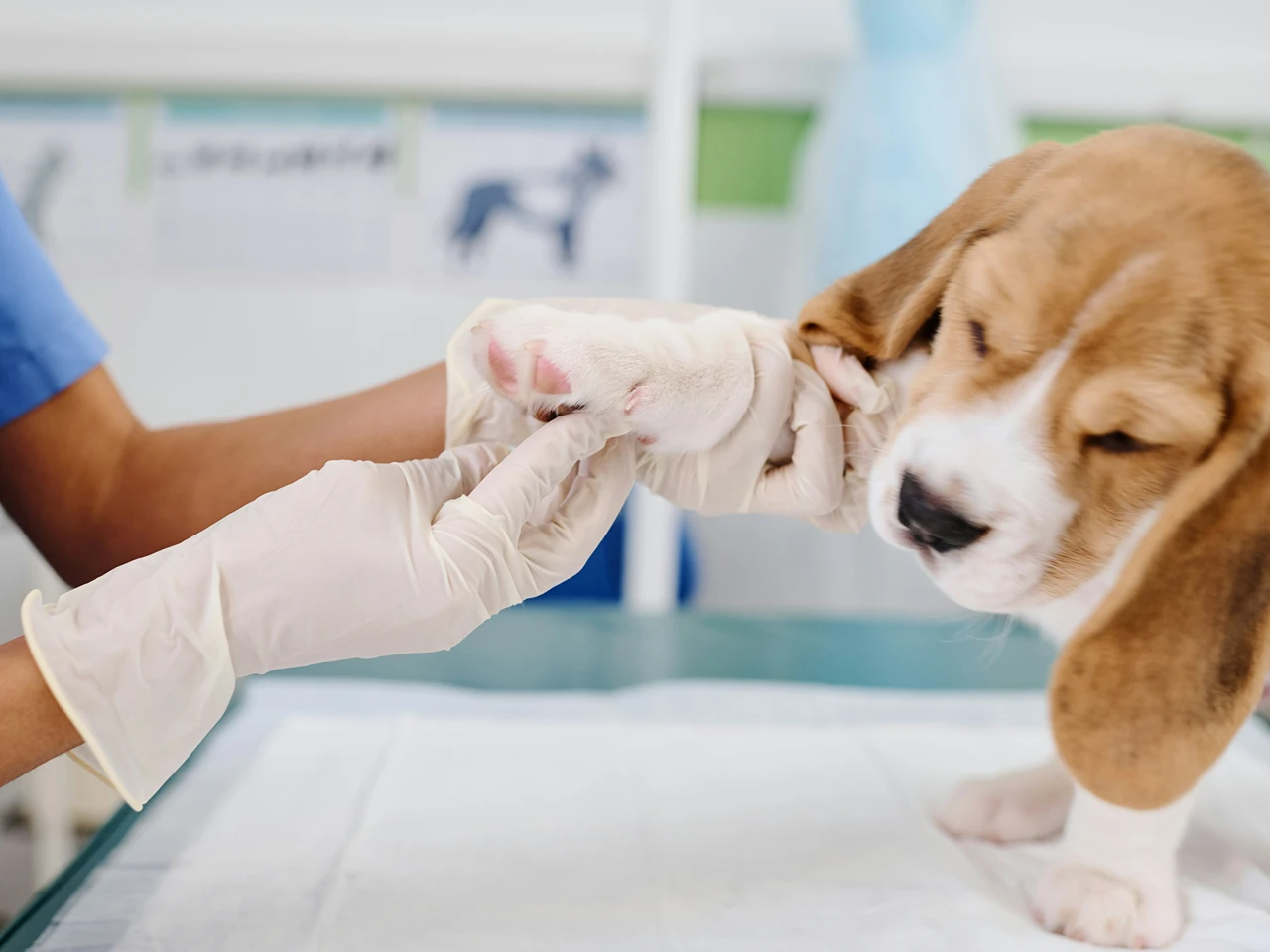
Hot spots, medically referred to as acute moist dermatitis or pyotraumatic dermatitis, are localized skin infections that develop when a dog irritates a specific area of skin over and over again. Excessive licking, scratching or chewing breaks down the skin’s protective barrier, allowing a bacterial infection to develop and causing significant inflammation.
These lesions may be found anywhere on a dog's body and are often rapidly growing. Hot spots are typically red, moist, painful and can become worse within hours if left untreated. Hot spots are usually isolated to one location, but it is important to find the underlying cause of the hot spot to prevent recurrence and to provide the best possible care.
What Causes Hot Spots on Dogs?

Hot spots can develop for several reasons, but they often begin when something makes a dog uncomfortable enough to scratch, lick, or chew at the skin repeatedly. Knowing the common causes of hot spots can make it easier to identify the trigger and help keep your dog comfortable.
Flea Bites or Allergies
A single flea bite can trigger intense irritation in sensitive dogs, especially those with a flea allergy. In fact, these reactions are one of the common causes of hot spots, as the persistent discomfort encourages dogs to scratch and chew the affected area.
Environmental Allergens
At certain times of year, environmental triggers such as pollen, dust, mould and others can make dogs very itchy. These allergic reactions often cause inflammation, and once a small irritation begins, scratching can easily turn into a hot spot.
Poor Coat Grooming
Without regular grooming, mats, debris and dead hair can accumulate and lodge against the skin. This irritation can make them more prone to developing hot spots, especially when thick or dense fur traps dirt and moisture.
Moisture Trapped in Fur
Wet fur from swimming, bathing or humid weather can lead to moist dermatitis. If moisture gets trapped against the skin for too long, it may cause recurrent hot spots and bacterial growth.
Stress-Related Scratching
Just like people, some dogs respond to stress, anxiety, or boredom through repetitive behaviours. Excessive licking, scratching, or chewing can damage the skin over time and lead to recurring hot spots if the source of stress is not addressed.
Ear or Anal Gland Infections
When dogs are dealing with ear infections or anal gland discomfort, they often focus their attention on nearby areas in an attempt to find relief. Unfortunately, the repeated licking and scratching can result in hot spots due to self-trauma, especially if the underlying issue goes untreated.
Symptoms of Canine Hot Spots
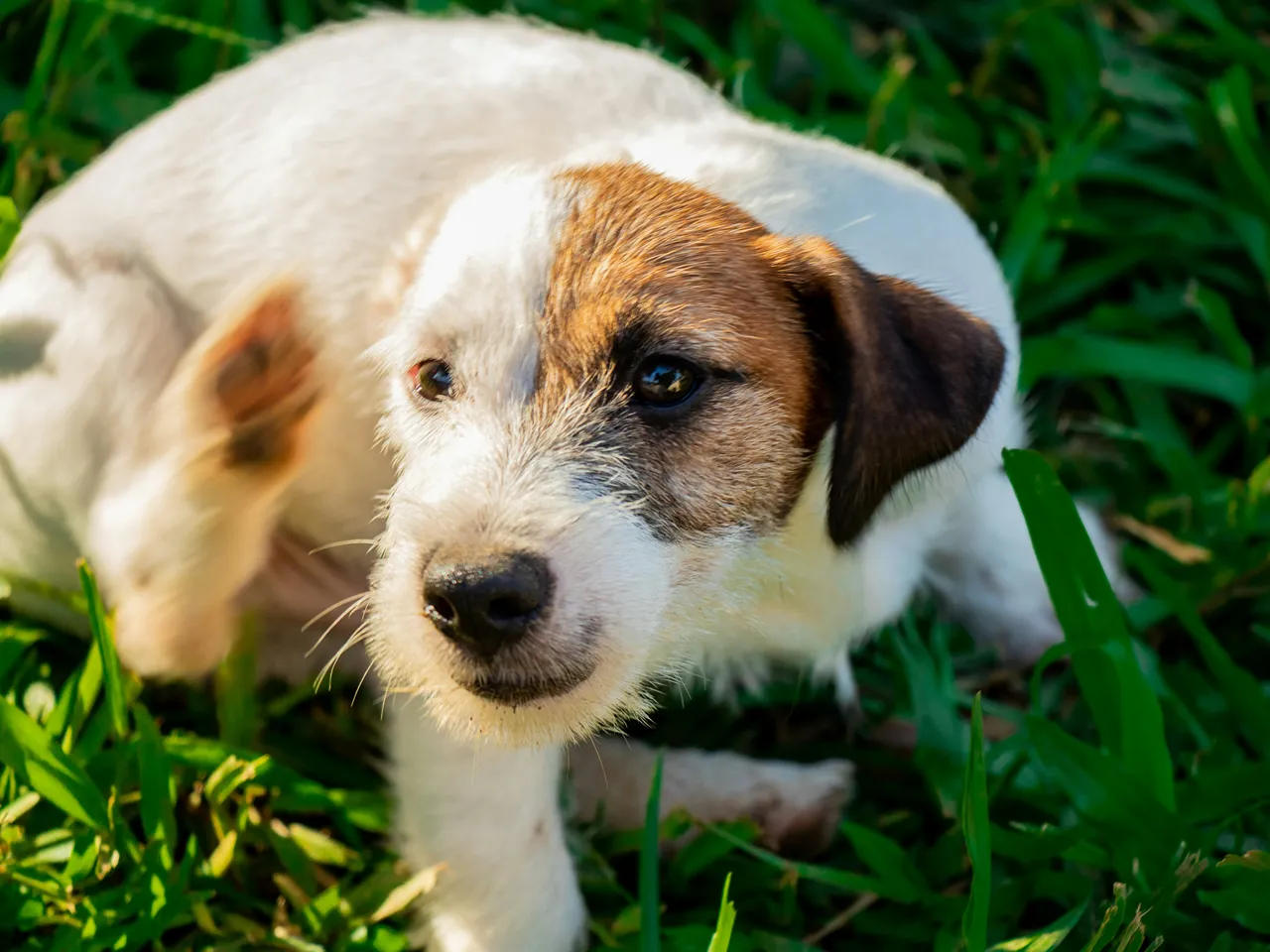
Hot spots can develop fast and often worsen within a matter of hours or days. Knowing the common signs can help you catch the problem early and get your dog the care they need before it becomes more serious.
- Red, Inflamed Skin Patch: One of the earliest signs of hot spots is a bright red area of skin that appears irritated, swollen, and noticeably inflamed. The affected patch often stands out clearly from the healthy skin surrounding it.
- Moist Lesion: Hot spots typically appear as wet, oozing lesions that feel warm to the touch. If the irritation continues, the damaged area can spread rapidly and become more severe.
- Hair Loss in the Area: As inflammation worsens, hair loss commonly develops around the affected site. The area may look bald or have broken, damaged hairs due to ongoing irritation and self-trauma.
- Constant Licking or Scratching: Some dogs lick, chew, or rub the area to try to relieve discomfort. Unfortunately, scratching the hot spot increases the irritation, enlarging and intensifying the pain of the wound.
- Foul Odour Present: A strong, unpleasant smell may be a sign that a secondary bacterial infection is developing. This odour often becomes more noticeable as bacteria multiply within the moist wound.
- Pain or Sensitivity to Touch: Hot spots can become quite tender, causing discomfort when touched or examined. Some dogs may pull away, flinch, or react defensively because the area is painful and irritated.
Hot Spot Treatment for Dogs
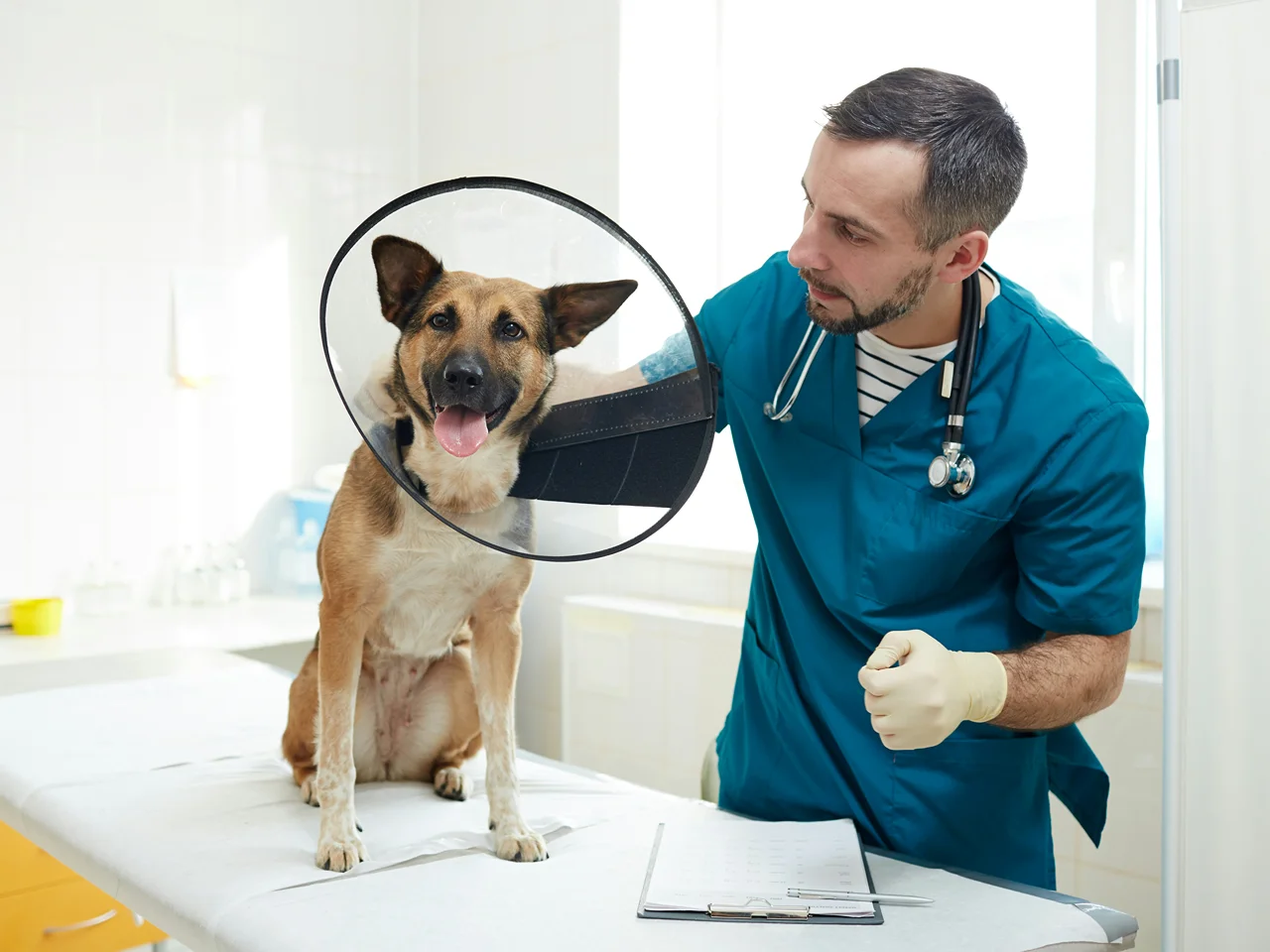
Treating hot spots early can help relieve discomfort, prevent infection from worsening, and speed up healing. Depending on the severity of the lesion, your veterinarian may recommend one or more of the following treatment options.
Clip Fur Around Lesion
Removing the fur in the area around the hot spot improves airflow and allows medications to reach the affected skin more effectively. It also makes it easier to keep the wound clean and monitor healing progress over time—helping you spot any changes as the area recovers.
Antiseptic Solution
Veterinarians often clean the lesion with an antiseptic solution containing chlorhexidine to remove debris and reduce bacteria on the skin. Proper cleansing helps create a healthier environment for healing and prepares the area for additional treatment—giving the skin a better chance to recover properly.
Topical Antibiotics
A topical medication or medicated spray for dogs may be prescribed to help control infection and soothe irritated skin. Some products also contain an anti-inflammatory ingredient to reduce redness, itching, and discomfort.
Oral Antibiotics if Severe
Large, deep, or heavily infected hot spots may require treatment with oral antibiotics. These medications help control bacterial infections that have gotten beneath the surface of the skin and help to heal more completely.
E-Collar to Prevent Licking
A protective cone can help prevent dogs from licking, chewing, or scratching the wound while it heals. Your veterinarian may recommend that you use an Elizabethan collar as part of the treatment plan to avoid further irritation and allow the skin to recover.
While some pet owners search for home remedies to treat a hot spot, professional evaluation is often the best treatment, especially when infection is present. Because many dogs can develop hot spots for different reasons, accurate diagnosis is important.
How to Prevent Hot Spots on Dogs
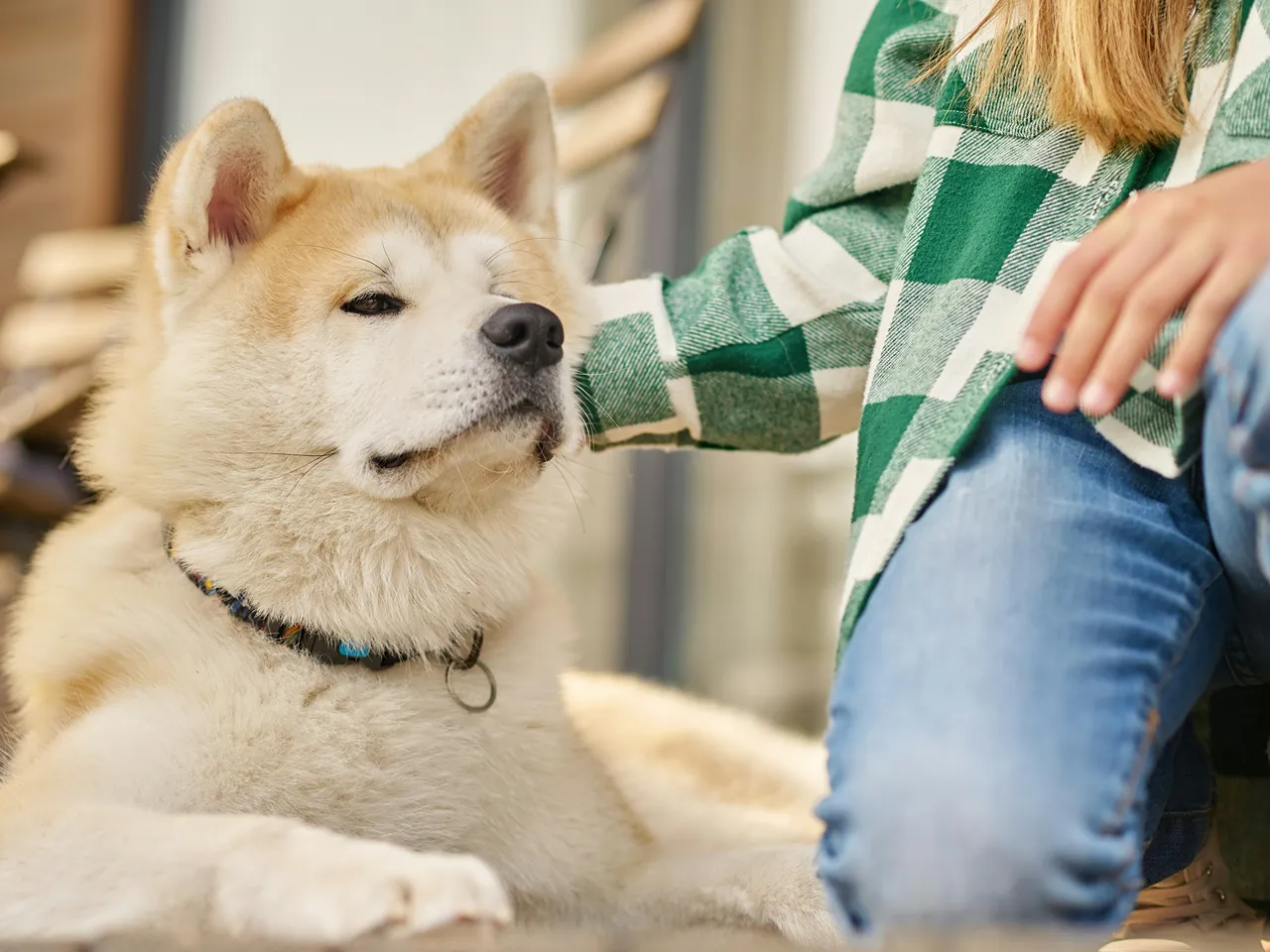
Preventing hot spots often comes down to maintaining good skin and coat health while addressing potential triggers before they become a problem. A few simple preventive habits can go a long way in helping keep your dog comfortable and healthy.
- Routine Coat Care: Regular grooming and brushing help to remove debris and prevent matting. Regular grooming may help prevent hot spots and may also make it easier to notice skin changes early.
- Keep Coat Dry: After swimming, bathing or being caught in the rain, a good drying of your dog’s coat will help minimize moisture trapped against the skin. This simple habit can help prevent your dog from developing irritation that can lead to hot spots.
- Regular Flea Control: Parasite control throughout the year decreases your dog’s chances of flea infestation and flea allergies, which are one of the most common causes of skin irritation. Good prevention will greatly reduce the chances of hot spots in prone pets.
- Routine Veterinary Checkups: Regular visits to a veterinarian can help determine the underlying cause of your dog's hot spots and persistent skin problems. Addressing these issues early is important because untreated conditions may continue to trigger flare-ups and contribute to hot spots from occurring repeatedly.
- Manage Stress and Boredom: Providing mental stimulation, exercise, and enrichment can reduce excessive grooming behaviours. This may help stop repetitive licking and scratching that can lead to hot spots from occurring in the future.
Final Thoughts
Hot spots can develop quickly, but with early recognition and proper care, hot spots can be treated effectively, and most dogs recover well and experience significant relief. If you’re curious if a hot spot on your dog is related to allergies, parasites or something else altogether, consulting a veterinarian can help determine the cause and recommend products that are safe for dogs.
Not every product is safe for pets—some substances may even be toxic to dogs. Since hot spots on dogs are caused by a variety of factors, proper treatment and prevention remain the best ways to protect them.
Frequently Asked Questions
What is a dog hot spot, and why does it develop?
Hot spots are localized skin infections that often result from repeated irritation and self-trauma.
Skin Barrier Damage: Repeated licking, scratching, or chewing can break down the skin’s natural protective barrier—making it easier for irritation and infection to develop.
Rapid Inflammation: These lesions can worsen quickly, often becoming red, moist, and painful within a short period of time.
Bacterial Growth: Once the skin is damaged, bacteria can multiply in the area and contribute to infection and inflammation.
What causes them: Allergies, parasites, trapped moisture and grooming problems are common culprits in the development of hot spots.
Need for Early Attention: The earlier the problem is recognized, the less discomfort and the less chance of the affected area spreading.
What are the most common causes of hot spots on a dog?
Several underlying issues can trigger the irritation that eventually leads to hot spots.
Flea-Related Reactions: Even a single flea bite may cause intense itching in sensitive pets, resulting in excessive scratching.
Environmental Triggers: Pollen, dust, mould and seasonal allergens can cause ongoing skin irritation and inflammation.
Moisture Retention: Wet fur from bathing, swimming or humid weather can create an environment more conducive to developing skin problems.
Poor coat maintenance: Mats and debris can accumulate and irritate the skin, causing further inflammation.
Stress Induced Behaviour: Excessive grooming habits can cause damage to the skin over time, caused by anxiety, boredom or stress.
How can I recognize the symptoms of a hot spot?
Early detection of the signs can enable pet owners to seek treatment before the illness progresses.
Red and Inflamed Skin: The patch of skin on the affected area generally looks bright red, swollen and clearly inflamed compared to the surrounding skin.
Wet or weeping lesions: Hot spots often look wet and can feel warm to the touch due to the inflammation.
Hair loss in the area: The fur may fall off or be damaged by ongoing irritation and self-trauma.
Persistent Scratching or Chewing: Many affected pets repeatedly scratch or rub the area in an attempt to relieve discomfort.
Unpleasant Odour or Sensitivity: A foul smell or increased pain when touched may indicate that a secondary infection is developing.
What treatment options are available for hot spots in dogs?
The treatment is directed at controlling infection, relieving discomfort and addressing the underlying cause.
Hair Clipping near the Lesion: Trimming the hair around the lesion allows better airflow and helps medications to better reach the affected skin.
Deep Cleansing: Antiseptic solutions suggested by veterinarians reduce the bacteria and prepare the wound for treatment.
Medicated Topical Products: Your vet may prescribe topical sprays or ointments to help manage infection and soothe irritation.
Prescription Medications: More serious cases may need oral antibiotics to deal with deeper bacterial involvement.
Preventing Further Trauma: Protective devices, like an Elizabethan collar, prevent dogs from licking at the wound as it heals.
Is treating hot spots on dogs at home recommended?
Although home care can help healing, veterinary advice is often the safest way to go.
Consult a Vet: A vet can identify the underlying cause and recommend a proper course of treatment.
Avoid Unapproved Products: Some products that seem harmless may not be safe for pets and may increase skin irritation.
Maintain Good Grooming Habits: Regular brushing and coat care can help to reduce common triggers associated with hot spots.
Focus on Prevention: Regular flea control, routine checkups, and keeping the coat dry can reduce the risk of future issues.
Consider Other Household Pets: While hot spots aren’t contagious, keeping an eye on your dog’s skin health can benefit the health of all your household pets.

