
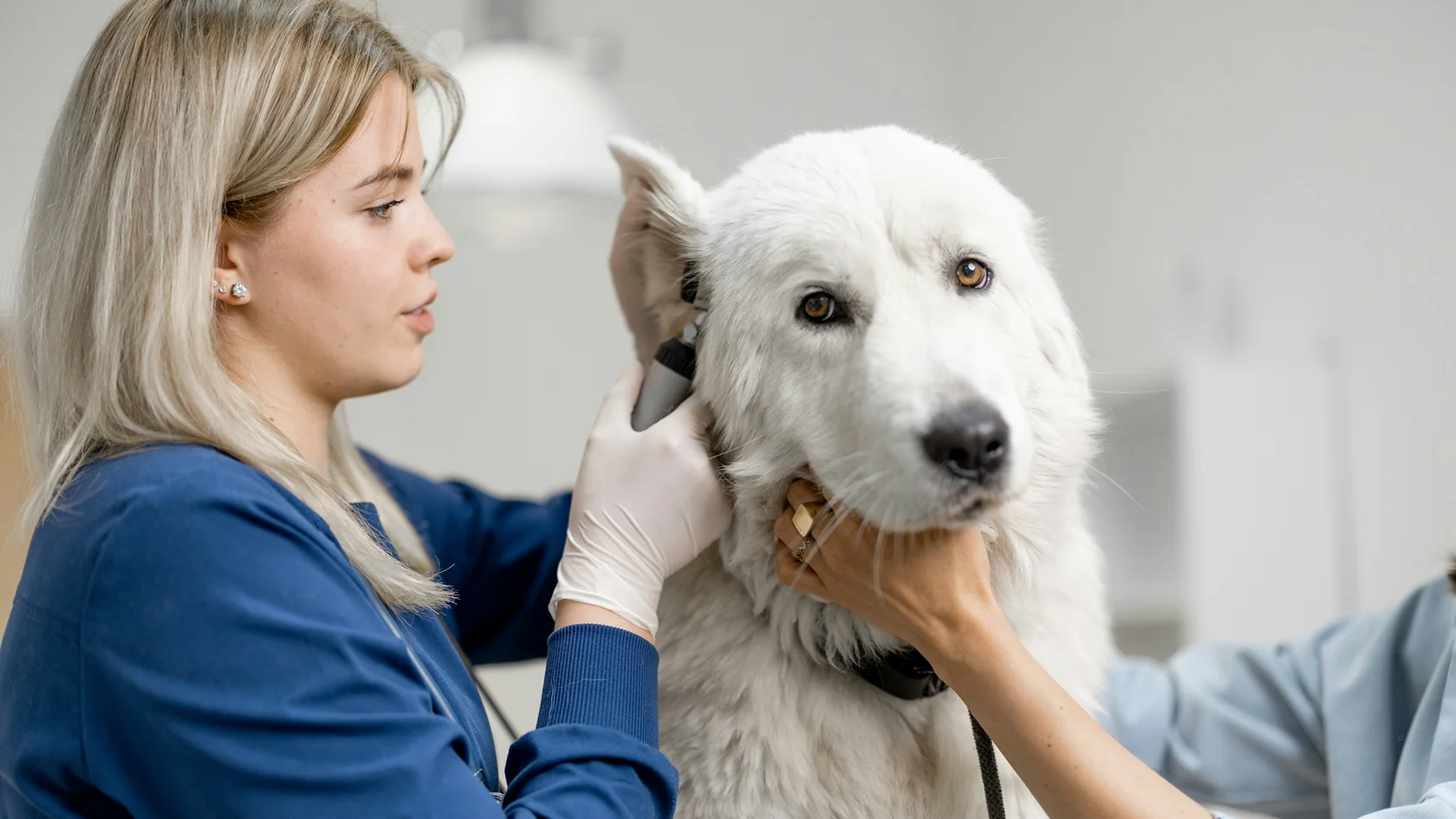

TL;DR: What You Need to Know About Dog Ear Infection
- Ear infections are common but treatable: Many dogs experience some form of ear problem at some point, but with early veterinary care, most infections can be managed quickly and comfortably.
- Moisture and microbes are common triggers: If the ear environment isn't kept dry and clean, warm, moist ear canals can foster the growth of bacteria or yeast, which can lead to bacterial ear infections to develop.
- Watch for early warning signs: Scratching the ears, frequent head shaking, strong odour, redness, or discharge are common indicators that your dog may be experiencing ear discomfort.
- Veterinary diagnosis ensures proper treatment: Vets examine the ear canal and may perform tests to identify bacteria, yeast, or parasites before recommending the right medication or ear treatment.
- Early treatment protects your dog’s comfort: Prompt care helps prevent infections from spreading deeper into the ear and reduces the risk of chronic ear problems.
- Prevention starts with routine ear care: Regular ear cleaning, drying the ears after swimming, and managing allergies can help keep your dog’s ears healthy and reduce future infections.
Concerned your dog may have an ear infection? Our veterinary team can examine your pet, identify the cause, and create a treatment plan to help your dog feel comfortable again.
Ear problems are one of the most common health concerns veterinarians see in pets. A dog's ear infection can range from a mild infection to a serious medical condition affecting deeper ear structures. Because ear infections can get worse quickly, understanding the warning signs and treatment options helps dog owners act early and help their dog recover comfortably.
Dogs rely heavily on their sense of hearing and balance, which makes ear health especially important for their overall well-being. In this blog, we’ll explore the common signs of ear infection in dogs, what causes these infections, how veterinarians diagnose and treat them, and what pet owners can do to help prevent recurring ear problems.
What is an Ear Infection in Dogs?
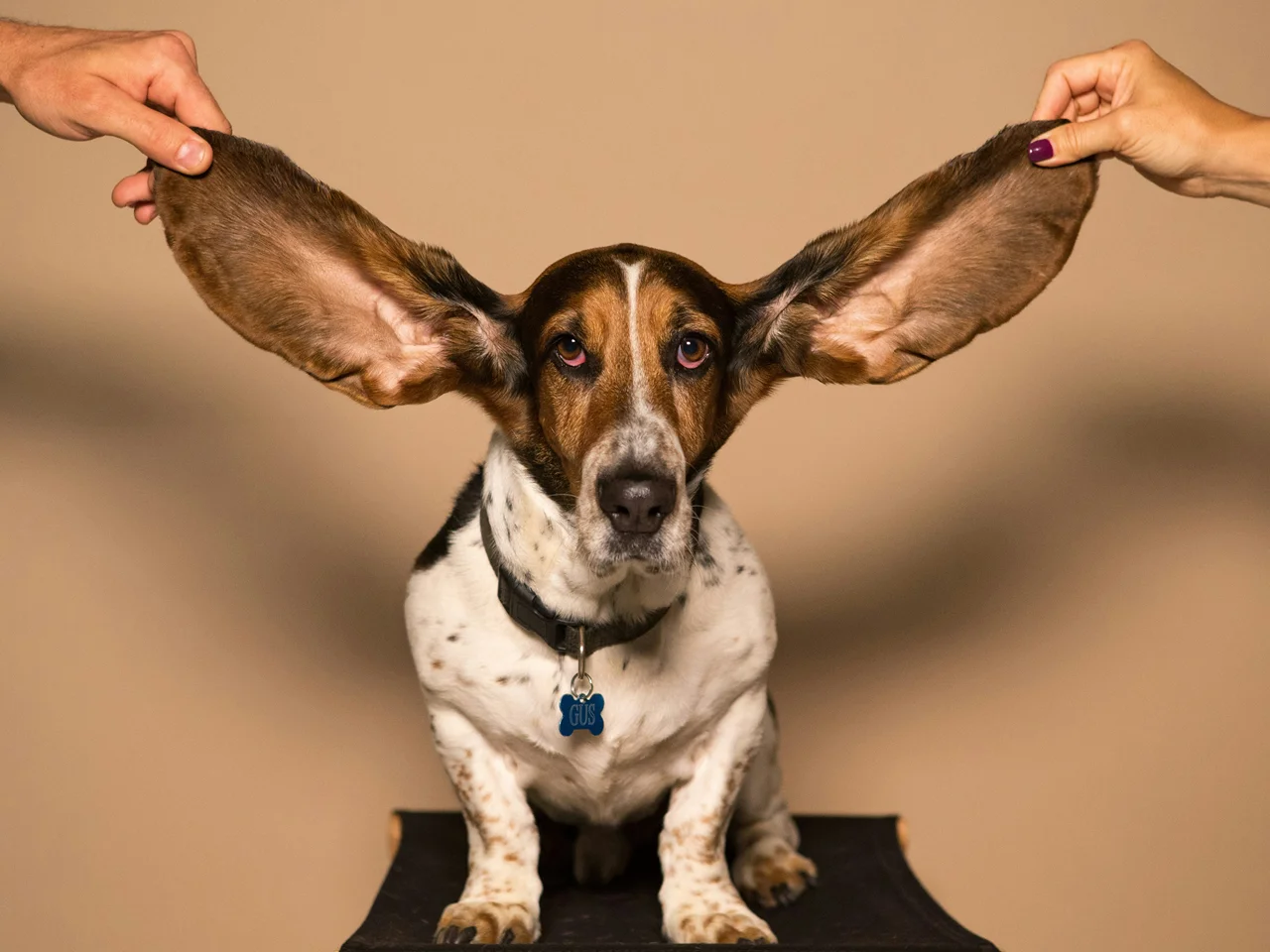
An ear infection in dogs refers to ear inflammation affecting structures inside the ear canal, often caused by microbial or parasitic overgrowth. The external ear, including the ear flap, funnels debris and moisture toward the sensitive inner structures, making infections fairly common.
Dogs can develop inflammation when bacteria, yeast, or parasites multiply inside the warm, moist environment of the ear. This environment creates an ideal environment for bacterial ear infections.
- Ear infections often lead to noticeable ear inflammation within the dog's ear canals, causing redness, swelling, and discomfort that may make dogs shake their heads or scratch frequently.
- While many cases begin in the outer ear, ear infections can spread deeper over time and involve the middle or inner ear structures, which can lead to balance problems or more severe complications.
- In many dogs, infections may develop secondary to another ear disease, such as allergies, ear mites, or structural ear problems that allow microbes to grow more easily.
- Ear infections may cause discomfort, foul odour, redness, and unusual discharge from the ear canal, all of which signal irritation or infection inside the ear.
- If inflammation persists, untreated ear infections in dogs may lead to rupture or injury of the ear drum, which can worsen pain and affect hearing.
- Untreated ear infections or recurring problems may cause long-term damage to the ear canal, increasing the likelihood of chronic or repeated infections.
- Because infections may have different causes, proper treatment for dog ear conditions requires a veterinary examination to identify the specific organism or underlying problem.
When a dog is diagnosed, veterinarians determine the severity of the infection before recommending care. Early care is essential because ear infections can worsen without proper medication.
Types of Ear Infections in Dogs
Veterinarians classify infections based on location and cause. Knowing the three types of ear infections helps explain why some cases are easy while others are difficult to treat.
Otitis Externa (Outer Ear Infection)
The outer ear canal and external ear are affected by this type. It is the most common type, and when caught early and treated right away before the infection spreads to deeper structures, it is frequently regarded as an uncomplicated ear condition.
Otitis Media (Middle Ear Infection)
These are infections of the middle ear that develop when bacteria or other pathogens pass through or damage the eardrum. Once the infection reaches the middle ear, it can affect surrounding tissues and may spread toward the middle and inner ear, making the condition more difficult to treat.
Otitis Interna (Inner Ear Infection)
This condition involves infection of the inner ear and usually develops as a complication of untreated or severe infections of the middle ear. Dogs may show neurological signs and symptoms such as balance problems, head tilt, or difficulty walking due to the inner ear’s role in coordination.
Common Infection Types
- Bacterial infection: The most frequent cause of canine ear disease, where bacteria overgrow inside the ear canal and may eventually spread toward the middle ear if untreated.
- Yeast infection: In dogs with allergies or floppy ears that retain moisture and debris, yeast organisms flourish in warm, wet ears.
- Parasitic infections: Ear mites are the most common cause of parasitic infections. These parasites irritate the ear canal and cause inflammation, which can result in secondary infections.
Dogs that experience repeated ear infections often have underlying health issues contributing to recurrence.
Signs and Symptoms of Dog Ear Infections

Recognizing symptoms supports early treatment of ear infections and improves recovery outcomes. If your dog is showing signs of an ear problem, prompt veterinary care can help prevent the infection from worsening or spreading deeper into the ear structures.
Scratching or rubbing the ears
Persistent scratching or rubbing against furniture or the floor often indicates irritation inside the ear canal. They may do this repeatedly when discomfort or inflammation in dogs affects the ear tissues.
Frequent head shaking
A dog with an irritated ear may shake its head frequently in an attempt to relieve pressure or remove debris. This behaviour is often one of the earliest signs noticed when a dog is showing signs of an ear infection.
Strong odour coming from the ears
A noticeable, unpleasant smell from the ears commonly occurs when bacteria or yeast overgrow in the ear canal. This odour often accompanies infection and should not be ignored.
Visible ear discharge
Abnormal ear discharge may appear thick, sticky, or moist and can vary in colour depending on the underlying cause. Discharge is a common indicator that infection or irritation is present within the ear canal.
Redness or swelling
Red, swollen ear tissues often signal inflammation in dogs, which can result from infection, allergies, or parasites. Inflamed ears may appear warm, tender, and uncomfortable when touched.
Brown or yellow debris
A buildup of brown, yellow, or dark wax-like debris inside the ear may signal bacterial or yeast infection. Excess debris often accumulates when the ear canal becomes inflamed or produces abnormal secretions.
Hearing sensitivity
When their ears are touched or exposed to loud noises, dogs with ear infections may become sensitive. They may pull away, complain, or avoid contact with the afflicted ear as a result of this discomfort.
Balance problems when deeper structures are involved
Balance and coordination may be impacted if the infection penetrates further into the ear. Internal ear structures can cause dogs to tilt their heads, stumble, or look confused.
If you suspect your dog has an ear issue, avoid attempting aggressive cleaning until evaluated. A dog may react painfully if the infection is advanced, and early veterinary care supports early treatment of ear infections.
What Causes Ear Infections in Dogs?

Recurrence can be avoided by being aware of the cause of ear infections. Rather than only being caused by infection, many causes of ear issues are related to environmental or underlying health issues.
- Allergies linked to the environment or dog food: Allergies can trigger inflammation inside the ear canal, creating irritation and excess wax that may contribute to developing an ear infection over time.
- Moisture trapped after bathing or swimming: When water remains in the ears after baths or swimming, it can open the ear canal to bacteria and yeast that thrive in warm, damp environments.
- Objects lodged in their ear: Grass seeds, dirt, or other debris can become lodged in their ear, irritating the lining of the ear canal and increasing the chance of developing an ear infection.
- Parasites: Ear mites are tiny parasites that live in the ear canal, causing intense itching and inflammation that can lead to infection if left untreated.
- Hormonal or immune-related disease: Certain health conditions affecting hormones or the immune system can weaken your dog’s ability to fight off microbes that enter and open the ear canal.
- Poor routine ear cleaning: Infrequent or improper cleaning can allow wax, debris, and bacteria to accumulate, creating conditions that support the development of an ear infection.
- The shape of your dog's ear, especially floppy breeds prone to ear infections: Dogs with long or floppy ears have limited airflow in the ear canal, which can trap moisture and make them more prone to ear infections.
Moisture buildup can open the ear canal environment to microbes. Repeated exposure to these factors increases the risk of developing an ear infection and may eventually result in chronic ear infections in dogs.
How Veterinarians Treat Dog Ear Infections
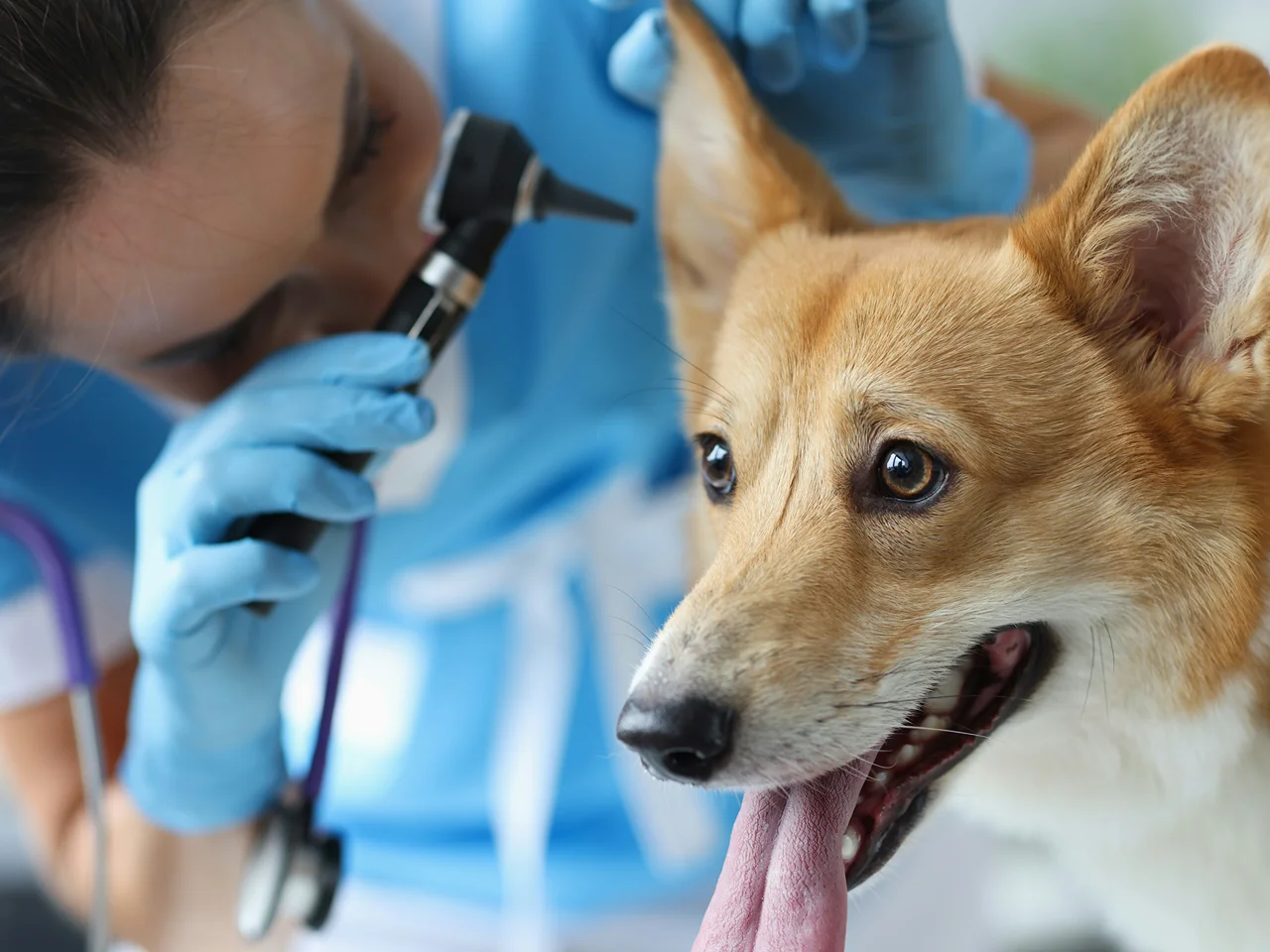
Treating an ear infection effectively requires proper diagnosis guides. A veterinarian evaluates your pet thoroughly to determine the best treatment, which may depend on infection type and severity.
Diagnostic Examination
- The veterinarian performs a physical exam and uses an otoscope to closely view the ear canal, checking for redness, swelling, discharge, or foreign objects that may be causing the infection.
- If the ear is painful or severely inflamed, your veterinarian may perform additional tests or gentle cleaning to ensure the ear canal can be safely inspected and treated.
- A small sample of ear debris may be examined under a microscope to determine whether a yeast infection or bacterial infection is present, which helps guide the right treatment plan.
Medical Treatment
Depending on findings, the vet may:
- Topical medication like medicated ear drops is commonly used to target infection directly inside the ear canal and help reduce irritation.
- A medicated ear cleanser may be recommended to gently remove wax, debris, and buildup so the ear canal stays clean during treatment.
- If tests confirm a bacterial infection, the veterinarian may prescribe antibiotics to eliminate the bacteria causing the problem.
- In cases of swelling or discomfort, the vet may prescribe antibiotics or anti-inflammatory medications to reduce inflammation and support healing.
- When the infection is more severe or spreads deeper into the ear, oral medication may be prescribed to support treating an ear infection more effectively from inside the body.
Your vet may also prescribe antifungal treatments if yeast is present. Treatment duration varies, but consistent care helps clear up your dog's ear and resolve the infection as quickly as possible.
In severe or recurring cases, surgery such as total ear canal ablation may be considered, especially for chronic ear infections that no longer respond to therapy. The goal is always to resolve the infection and treat your dog's ear infection as quickly and safely as possible.
How to Prevent Ear Infections in Dogs
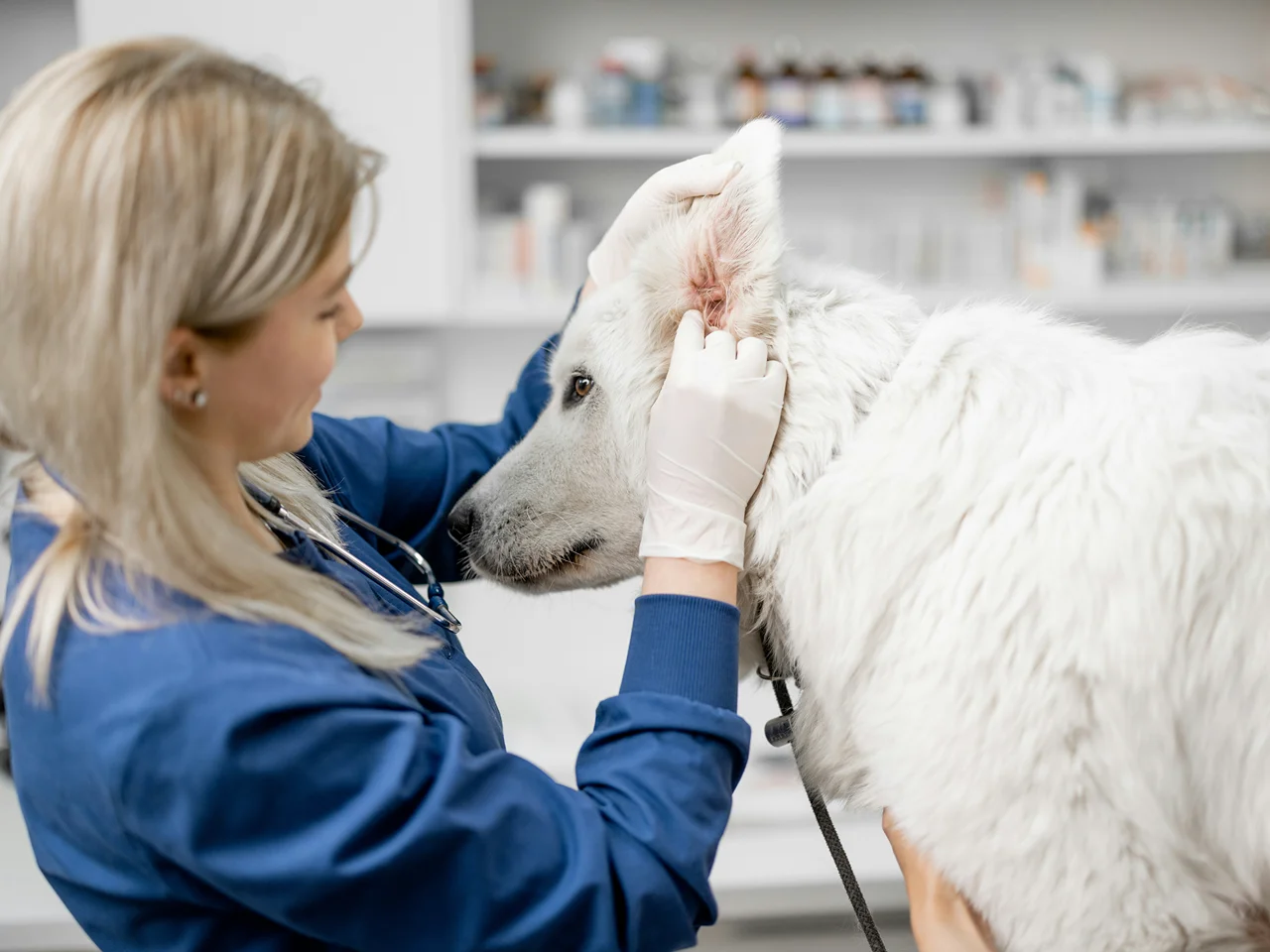
Good ear care reduces the risk of future infections and helps stop your pup from developing an ear problem again.
- Regularly clean with a veterinarian-recommended ear cleaner to help remove wax, debris, and moisture that could lead to infections in your dog’s ears at home.
- Moisture trapped in the ear canal after baths or swimming can allow bacteria and yeast to grow, so gently drying the ears helps prevent your pup from developing an ear infection.
- To increase airflow and lessen trapped moisture, which can lead to dog infections or recurring ear issues, trim any extra hair around the ear canal.
- Manage allergies early to reduce ear inflammation and irritation. Infections can be prevented when managed early.
- Use safe, vet-approved products when caring for ears at home to help protect delicate ear tissue and lower the risk of irritation or infection.
- Avoid cotton swabs that may damage the ear structures. Cotton swabs have the potential to injure the ear canal and force debris deeper, which could lead to more severe ear issues.
- Schedule routine exams for early treatment. Regular veterinary checkups allow professionals to detect early signs of ear issues before symptoms develop into painful infections.
Regular prevention supports healthy ears. Maintaining good hygiene and keeping an eye out for infections can help avoid complications and lower the chance of recurrent flare-ups or infections in dogs. If your dog has an ear issue or you notice discomfort, early action helps stop symptoms from developing into serious disease.
Final Thoughts
Ear infections in dogs are common, but with prompt care and proper treatment, most cases can be managed successfully. If you suspect your dog may be experiencing ear discomfort, early veterinary evaluation is important. Symptoms like odour, discharge, or frequent scratching may suggest your dog may have an ear infection that needs attention.
Because allergies, moisture, and bacteria are common causes of ear infections, identifying the trigger helps prevent repeat issues. The right treatment may include medication, cleaning, and addressing underlying conditions. With routine ear care and regular checkups, you can help your dog stay comfortable and reduce the risk of future ear infections.
Frequently Asked Questions
What are the signs of an ear infection in dogs?
By spotting early signs, dog owners can get treatment before the infection gets worse or spreads farther into the ear.
Frequent ear scratching: In an effort to ease their discomfort, dogs with irritated ears frequently scratch or rub their ears against the floor or furniture.
Head shaking or tilting: Persistent head shaking may indicate irritation or pressure inside the ear canal caused by inflammation or debris buildup.
Unpleasant odour from the ears: An overgrowth of bacteria or yeast in the ear canal is frequently indicated by a strong or strange odour coming from the ears.
Visible ear discharge or debris: Thick, sticky, or wax-like discharge that appears brown, yellow, or dark can signal infection or irritation affecting the ear tissues.
Redness and swelling of ear tissues: Inflamed ears may look red, warm, or tender when touched, indicating irritation or infection inside the ear canal.
What causes ear infections in dogs?
Ear infections often develop due to underlying conditions or environmental factors that allow bacteria, yeast, or parasites to grow inside the ear.
Allergies that affect the ear canal: Food or environmental allergies can cause inflammation and excessive wax production, which fosters the growth of microorganisms.
Moisture retained after bathing or swimming: Wet ears foster a warm environment that is conducive to the growth of bacteria and yeast, raising the risk of infection.
Ear mites and other parasites: Parasites can irritate the ear lining and cause intense itching, which may lead to inflammation and secondary infections.
Foreign objects inside the ear: Dirt or grass seeds are examples of debris that can get stuck in the ear canal and irritate delicate tissues.
Ear shape and poor airflow: Dogs with floppy ears or narrow ear canals may trap moisture and debris more easily, making infections more likely.
How do veterinarians diagnose a dog’s ear infection?
Veterinarians rely on physical exams and diagnostic tests to identify the exact cause of an ear infection and determine the most effective treatment.
Physical ear examination: The veterinarian examines the ear flap and canal for redness, swelling, odour, or abnormal discharge.
Otoscope inspection: A specialized instrument called an otoscope allows the vet to look deeper into the ear canal and evaluate the condition of internal structures.
Microscopic examination of ear debris: To detect bacteria, yeast, or parasites, a tiny sample from the ear is frequently inspected under a microscope.
Assessment of infection severity: The veterinarian assesses whether the infection has spread to deeper structures or is confined to the outer ear.
Finding the underlying causes: To stop infections in the future, allergies, hormonal issues, or structural ear issues may be looked into.
How are dog ear infections usually treated?
Treatment strategies typically concentrate on eliminating the infection and reducing inflammation, though they can vary based on the infection's cause and severity.
Medicated ear drops: Topical drugs that specifically target bacteria, yeast, or inflammation within the ear canal are frequently prescribed.
Therapeutic ear cleaning: During the course of treatment, veterinarians may advise using medicated cleansers to get rid of buildup, wax, and debris.
Oral medications when needed: Antibiotics or anti-inflammatory medications may be prescribed if the infection is severe or extends deeper into the ear.
Antifungal treatments: If yeast is identified as the cause, antifungal medications may be used to eliminate the organism.
Surgical intervention for chronic cases: In severe or recurring infections, procedures may be considered to remove diseased tissue and improve long-term ear health.
How can dog owners help prevent ear infections?
Preventive care and routine monitoring play an important role in keeping a dog’s ears healthy and reducing the risk of recurring infections.
Frequent ear cleaning: Using a veterinarian-recommended ear solution on a regular basis aids in clearing the ear canal of wax, debris, and moisture.
Drying ears after water exposure: After bathing or swimming, gently pat dry the ears to avoid moisture accumulation that promotes microbial growth.
Early allergy management: Reducing inflammation and irritation that may lead to ear infections can be achieved by promptly treating allergy symptoms.
Keeping your ears properly groomed: Eliminating excess hair near the ear opening improves ventilation and prevents debris from becoming trapped.
Scheduling regular veterinary checkups: Routine exams allow veterinarians to detect early ear problems and treat them before they become serious infections.

