

TL;DR: What to Know About a Dog UTI
- UTIs are common in dogs: A urinary tract infection happens when bacteria, most often E. coli, travel up the urethra and infect the bladder.
- Watch for these signs: Peeing often, straining, accidents in the house, licking the genitals, and cloudy, smelly or bloody urine.
- Female dogs get them more often: But a UTI in a male dog is usually more complicated and needs a closer look.
- A vet visit is needed: A urinalysis and urine culture confirm the infection and show which antibiotic will work.
- Don't wait it out: If left untreated, a bladder infection can spread to the kidneys or lead to bladder stones.
Think your dog has a UTI? Book an appointment with PetNation and our Toronto veterinarians can test your dog's urine and start treatment quickly.
If your dog is suddenly asking to go out every hour, squatting over and over with only a few drops coming out, or having accidents on the kitchen floor, a urinary tract infection may be to blame. UTIs in dogs are uncomfortable, but they're also very treatable when caught early.
Winter in Canada can make things worse. Many dogs drink less water when it's cold, and small or short-coated dogs often refuse to go outside in the snow, so they hold their urine for long stretches.
In this guide, we explain the causes of UTIs in dogs, the clinical signs to watch for, how your veterinarian will diagnose a UTI, and what treatment looks like. The good news is that most UTIs clear up quickly once the right antibiotic is started.
What Are Urinary Tract Infections in Dogs, and How Common in Dogs Are They?
The urinary tract includes the kidneys, the ureters (tubes from the kidneys to the bladder), the bladder and the urethra. A UTI occurs when bacteria get into part of the urinary tract and multiply, causing a bacterial infection. Most of the time, the infection is in the bladder, which vets call bacterial cystitis.
Studies suggest about 14% of dogs will have a bacterial UTI at some point in their lives, which makes it one of the most common infections we treat. Bacterial urinary tract infections usually occur when bacteria from the skin or the area around the anus move up the urethra into the bladder. E. coli is the most common cause, followed by bacteria like Staphylococcus, Enterococcus and Proteus.
Types of UTI
- Sporadic bacterial cystitis: An infection in the bladder in an otherwise healthy dog that happens less than three times a year. This is the simplest type of UTI to treat.
- Recurrent UTI: Three or more infections in 12 months, or an infection that comes back soon after treatment. These usually have an underlying cause.
- Kidney infection (pyelonephritis): When a bladder infection travels up the ureters to the kidneys. This is more serious and can damage the kidneys.
- Prostate infection: In intact male dogs, bacteria can also infect the prostate, which is harder to treat.
Clinical Signs of a Urinary Tract Infection: How to Tell if Your Dog Has a UTI
You can tell your dog may have a UTI if it pees more often in small amounts, strains, has accidents in the house, licks its genitals or has cloudy, smelly or bloody urine. The signs and symptoms of a UTI can be subtle at first. Watch for the following signs, especially changes in how your dog urinates:
- Peeing more often, but only small amounts
- Straining or crying while peeing
- Accidents in the house, even in a well-trained dog
- Licking the genital area more than usual
- Cloudy, strong-smelling or bloody urine
- Asking to go out at night
- Drinking more water than usual
Signs of infection that has spread to the kidneys can include fever, lethargy, loss of appetite, vomiting and pain in the lower back. These dogs need veterinary care right away.
Some dogs, especially senior dogs and dogs with diabetes or Cushing's disease, may have a UTI with no obvious urinary signs at all. Their infection is often found on a routine urine test.
Blood in the urine is a common sign of a UTI, but it can also point to stones, tumours or bleeding problems. Our article on blood in dog urine explains the other possibilities.
Causes of UTIs: Bladder Stones, Anatomy and Dogs at Higher Risk
Any dog can get a UTI, but several things cause UTIs in dogs more often, and some dogs are at higher risk for urinary tract infections:
- Female dogs: They have a shorter, wider urethra, so bacteria have a shorter path to the bladder.
- Dogs with a recessed vulva: Extra skin folds around the vulva trap moisture and bacteria. This is more common in overweight dogs.
- Male dogs: UTIs are less common, but when male dogs do get one, there's often an underlying health condition such as prostate disease or stones.
- Senior dogs: Older dogs have weaker immune defences and more medical conditions.
- Dogs with other diseases: Diabetes, Cushing's disease, kidney disease and long-term steroid use all make infections more likely.
- Dogs with bladder stones: Stones irritate the bladder wall and give bacteria a place to hide.
- Dogs that hold their urine: Long workdays, cold weather and icy sidewalks can mean fewer chances to empty the bladder.
If your dog is drinking and peeing a lot, it may be a sign of something other than infection. See our guide to why a dog pees and drinks a lot and our article on Cushing's syndrome in dogs.
How a Veterinarian Will Diagnose a UTI
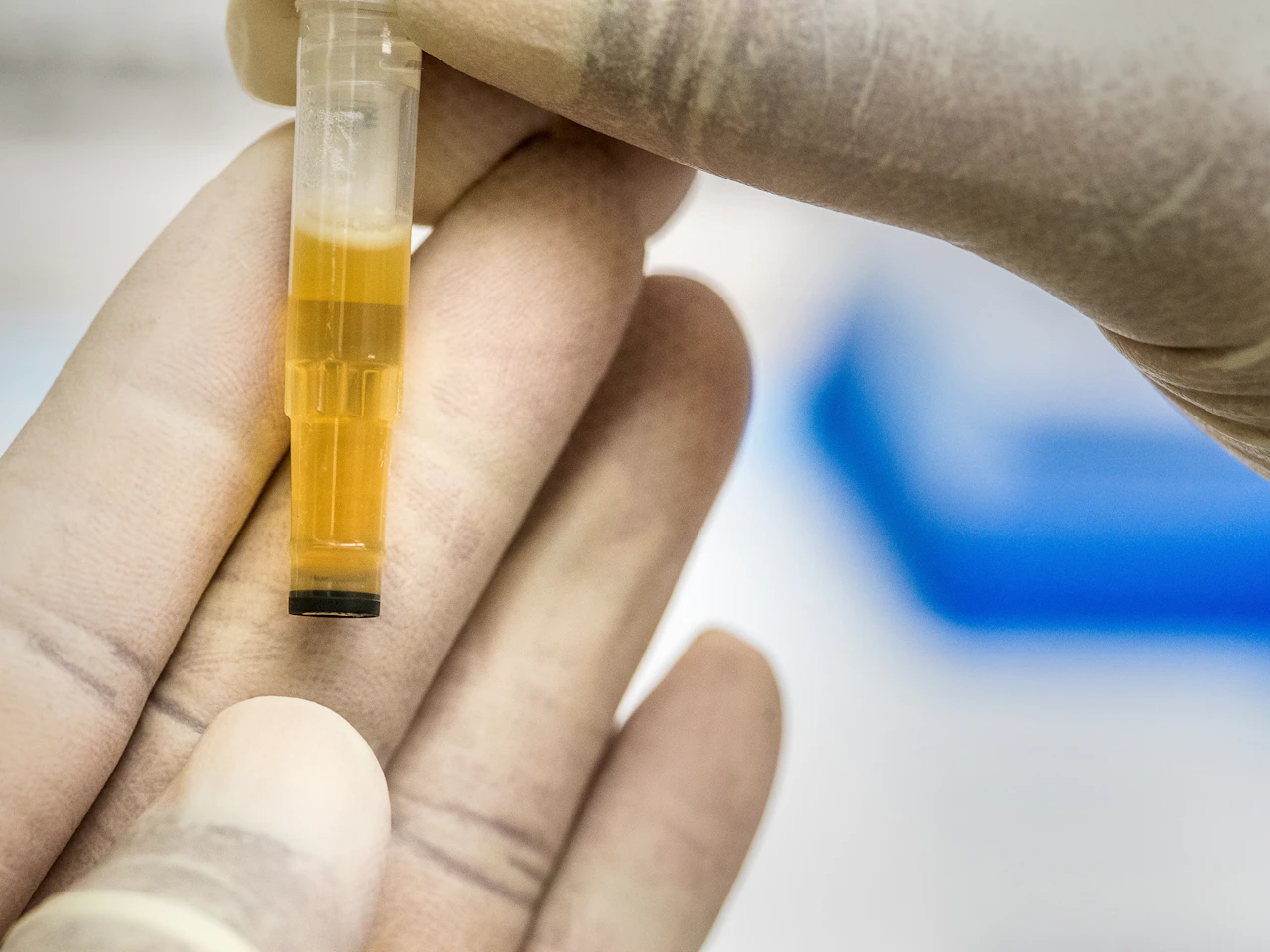
A veterinarian diagnoses a UTI with a urinalysis and a urine culture, usually from a sample taken straight from the bladder, plus an exam and sometimes blood work or imaging. You can't tell if a dog has a UTI just by looking. Other problems, like bladder stones, crystals, tumours and incontinence, can cause the same signs. To diagnose a UTI, your veterinarian may recommend:
- A physical exam: Your vet will feel the bladder and kidneys and check the genital area.
- A urinalysis: A urine sample is checked for bacteria, white blood cells, blood, crystals and how concentrated the urine is.
- A urine culture and sensitivity test: This grows the bacteria in a lab to confirm the infection and show which antibiotic will work best. The sample is usually collected with a fine needle directly from the bladder, called cystocentesis, so it isn't contaminated.
- Blood work: This checks kidney function and looks for diabetes or other medical conditions. Learn more about blood tests for dogs.
- Imaging: X-rays or an ultrasound can find bladder stones, tumours or kidney changes, especially in dogs with a persistent UTI.
UTI Treatment: Veterinary Treatment of UTIs in Dogs
Veterinary treatment of a UTI in dogs is usually a course of antibiotics chosen from the culture results, plus pain relief and treatment of any underlying cause. For a simple sporadic bladder infection, current guidelines recommend just 3 to 5 days of antibiotics, with amoxicillin or trimethoprim-sulfonamide as common first choices. Recurrent infections, kidney infections and prostate infections need longer courses and closer follow-up.
Antibiotic treatment
Most bladder infections are treated with a course of antibiotics. For a simple sporadic UTI, current veterinary guidelines often recommend a shorter course than in the past. Recurrent or complicated infections, kidney infections and prostate infections usually need longer treatment, and the choice of drug is guided by the culture results. Your vet will choose the antibiotic and the dose. When you give antibiotics at home, give every dose, even if your dog seems better after a day or two.
Pain medication
A UTI can be painful, and your dog may be reluctant to squat. Your veterinarian may prescribe pain medication to make your dog more comfortable while the antibiotic works. Never give your dog human pain relievers, as many are toxic to dogs.
Most dogs feel better within 24 to 48 hours of starting treatment. Your vet may prescribe a dog-safe anti-inflammatory for 3 to 5 days if there's no kidney or stomach problem. Ibuprofen, naproxen and acetaminophen can cause stomach ulcers or kidney or liver damage in dogs, so keep them out of reach.
Treating the underlying cause
Treatment options for dogs with recurrent infections go beyond antibiotics. Successful treatment means finding and fixing the underlying cause. That might mean removing bladder stones, managing diabetes, weight loss for a dog with a recessed vulva, or treating prostate disease. Without this step, a new infection is likely.
Recurrent UTIs, defined as 3 or more in 12 months, should prompt a search for the cause with blood work, imaging and a culture. Common culprits are bladder stones, a recessed vulva, diabetes, Cushing's disease and, in intact males, the prostate.
Follow-up testing
For complicated or recurrent infections, your vet may want another urine culture after treatment to make sure the infection is resolved. Infections caused by resistant bacteria can be difficult to treat, which is why culture testing matters. Our medicine and surgery team can help with complex cases.
For recurrent or complicated infections, a recheck culture is usually done shortly after the course ends, or sooner if signs come back. For a simple sporadic infection in a dog that feels better, many vets skip the recheck, in line with current guidelines.
Can a Bladder Infection in Dogs Go Away on Its Own?
Sometimes a mild infection clears up without treatment, but you can't count on it. A UTI should be treated, because the infection can spread to the kidneys and cause pyelonephritis, or contribute to struvite bladder stones. In severe cases, kidney infections can lead to kidney damage. Read more about kidney failure in dogs.
Home remedies like cranberry supplements and apple cider vinegar have little evidence behind them, and they should never replace prompt treatment. Talk to your vet before you give your dog any supplement.
After Treatment for UTIs in Dogs: How to Help Prevent the Next One
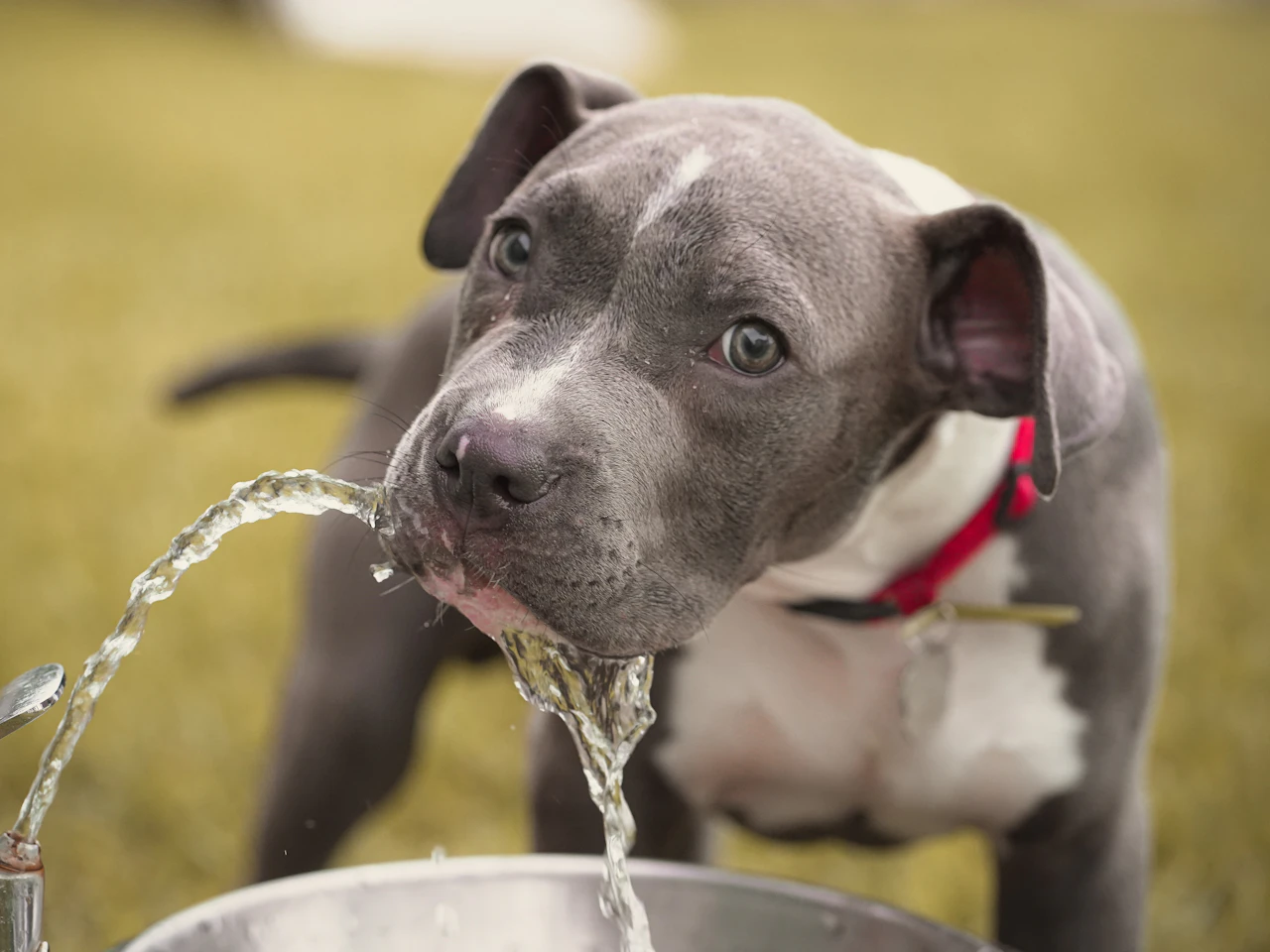
- Keep water available: Fresh water encourages your dog to drink and pee often. Adding water to food can help in winter.
- Offer frequent bathroom breaks: Aim for a chance to go out every four to six hours during the day.
- Clear a spot in the snow: Small dogs are more willing to go when they have a shovelled patch near the door.
- Keep the area clean: Trim long fur around the genitals and wipe after walks if needed.
- Maintain a healthy weight: This reduces skin folds that trap bacteria.
- Book regular check-ups: Routine urine tests can catch silent infections in senior dogs. See our winter wellness guide.
Final Thoughts
A dog UTI is common and usually easy to treat, but only with the right diagnosis. If your dog is peeing often, straining or having accidents, get a urine test done rather than guessing. Early treatment keeps your dog comfortable and helps prevent kidney infections and stones.
If your dog is showing signs of a UTI, our veterinary team at PetNation in Toronto is ready to help.
Frequently Asked Questions
How can I tell if my dog has a UTI?
The most common clue is a change in your dog's peeing habits.
Frequency: Your dog asks to go out much more often.
Straining: Your dog squats for a long time with little urine coming out.
Accidents: A house-trained dog starts peeing indoors.
Urine changes: Cloudy, bloody or very smelly urine.
Confirmation: Only a urinalysis and culture can confirm a UTI.
Female dogs are at higher risk, so watch closely for these changes in a female dog.
Are dog UTIs painful?
Yes, most dogs with a bladder infection feel some discomfort.
Burning: Inflamed bladder walls make peeing uncomfortable.
Urgency: The constant need to go can be stressful.
Licking: Many dogs lick the area to soothe it.
Kidney pain: A kidney infection can cause back pain and fever.
Relief: Your vet can prescribe medication to ease the pain.
With the right antibiotic, most dogs feel noticeably better within 1 to 2 days, but finish the full course your vet prescribes.
What not to feed a dog with a UTI?
Diet alone doesn't cause or cure most of a dog’s urinary problems, but some foods matter.
Salty snacks: Skip salty human food, which can change thirst and urine.
Supplements: Don't add vitamin C or cranberry pills without asking your vet.
Stone-related diets: If your dog has stones, your vet may prescribe a special urinary diet.
Water: Wet food or water added to kibble helps dilute urine.
Consistency: Avoid sudden diet changes during treatment.
Is a dog UTI contagious?
No, UTIs aren't passed from dog to dog in the usual way.
Source: The bacteria usually come from your dog's own body.
Other pets: Your other dogs and cats won't catch it.
People: The risk to people is very low with normal hygiene.
Hygiene: Wash your hands after cleaning up accidents.
Cleaning: Use an enzyme cleaner on indoor accidents.
Most UTIs happen when bacteria from the dog's own skin or gut travel up the urethra, which is why they don't spread between pets.
What is the fastest way to cure a dog's UTI?
The fastest route is a vet visit and the right antibiotic.
Test first: A urinalysis confirms the infection.
Culture: A culture picks the most effective drug.
Start early: Beginning treatment quickly shortens your dog’s UTI and the discomfort that comes with it.
Finish the course: Stopping early can lead to a persistent UTI.
Skip home cures: Home remedies delay real treatment.
For a simple bladder infection, current guidelines recommend a short course of 3 to 5 days, and most dogs feel better within 48 hours.
Can I treat my dog's UTI at home without a veterinarian?
No, a dog UTI should be treated by a veterinarian, because it needs a prescription antibiotic and a urine test to confirm it. Bladder stones, crystals, tumours and incontinence can look exactly like a UTI, and the wrong antibiotic can lead to resistant bacteria. Cranberry and apple cider vinegar have little evidence in dogs and can delay real treatment. At home, you can support recovery by offering fresh water, adding water to food and giving more bathroom breaks. Most simple infections clear with just 3 to 5 days of the right antibiotic.
When should I take my dog to the vet for a suspected UTI?
Book a vet visit within 1 to 2 days if your dog is peeing often, straining, having accidents or has bloody or smelly urine. Go the same day if your dog has a fever, vomiting, back pain, low energy or is not eating, which can mean the infection has reached the kidneys. Go to an emergency clinic right away if your dog is straining with no urine coming out, since a blocked bladder can become life-threatening within hours. Senior dogs and dogs with diabetes or Cushing's disease should be checked sooner, because their infections are often harder to spot.

