
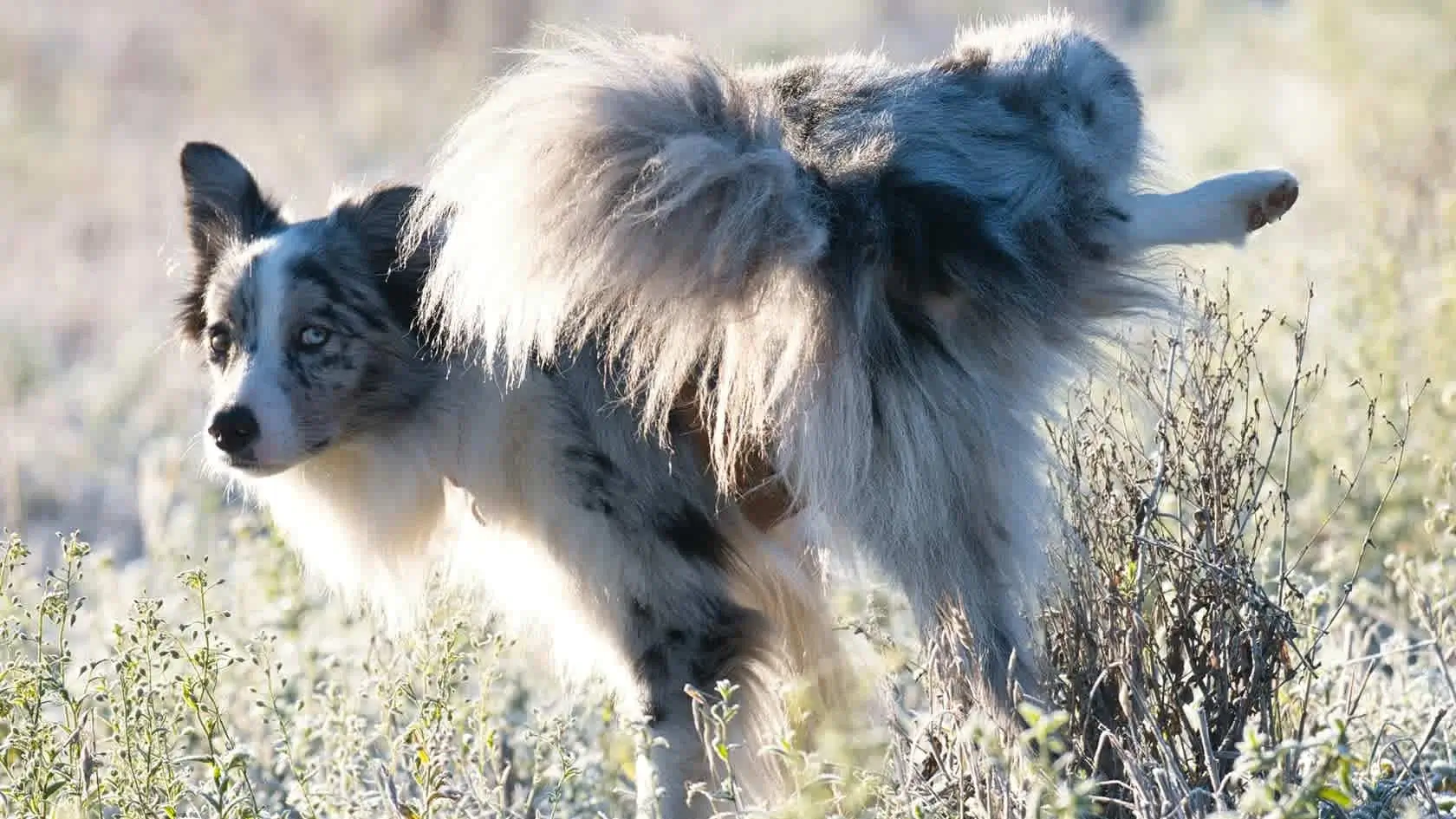

TL; DR: Dog Peeing So Much and Drinking a Lot in Spring – Causes, Warning Signs, and When to See a Vet
- Dogs usually pee and drink water throughout the day, but in spring, with warmer weather and more walks outside, it can feel like your dog is going nonstop.
- If your dog suddenly starts peeing a lot or drinking much more than usual, not only this spring, it could be something like kidney issues, diabetes, or a urinary tract infection.
- Watch for accidents in the house, weird urine colour or smell, or whining while peeing; these are signs you shouldn’t ignore.
- Paying attention to how often your dog goes out and how much water they drink can help you notice changes early.
- Puppies and older dogs can need more bathroom breaks, so it’s normal for them to go frequently, but sudden changes are worth a closer look.
- If your dog seems off in other ways, like changes in appetite, energy, or mood, along with peeing and drinking more, that’s another warning sign.
- Simple things at home, such as giving extra bathroom breaks, making sure water is always available, or tracking how much they drink, can make life easier for both of you.
- Acting quickly if something seems unusual can prevent bigger problems and keep your dog comfortable and happy.
If anything seems off or your dog is drinking and peeing way more than usual this spring, don’t wait, call us right away. Our professional vets can figure out what’s going on, treat any issues, and give you peace of mind.
Could your dog’s constant trips to pee and sudden need to drink more water be a sign of something more? Frequent urination, increased thirst, and changes in how a dog urinates can be hard to ignore. These shifts may affect a puppy, adult dog, or senior dog and also concern dog owners, especially in spring when weather changes and activity levels increase.
When a dog is peeing more than usual, you may see accidents in the house, changes in the amount of urine, or a dog that needs to urinate more frequently. Drinking a lot of water, visiting the water bowl often, and altered peeing habits can signal a possible medical issue. Male dogs and female dogs can both experience these changes.
If you’ve noticed your dog is peeing so much and drinking more water than usual this spring, it may be just the weather, or it might be a time to take a closer look. Ongoing increased urination and thirst can point to common causes that a veterinarian should assess. Read on to learn why these changes happen and when to bring your dog to the vet.
How Often Should Your Dog Urinate and Drink Water?
It is hard not to notice when a dog’s routine feels different, especially in spring when warmer weather and more outdoor time can change habits. A dog may start peeing more often, leave a larger amount of dog’s pee than usual, or spend more time near the water bowl. These small, everyday changes are usually the first things that make someone stop and think something might be different.
Urination Frequency
Most dogs settle into a predictable schedule, so changes tend to stand out quickly. When frequent urination in dogs shows up, it can feel like the dog suddenly needs to go outside all the time, particularly in spring when increased activity or warmer weather may make a dog drink more.
- A dog may urinate more often, even when nothing obvious has changed.
- Older dogs often need more bathroom breaks and may struggle to hold urine as long as they used to.
- When a dog needs to pee more frequently than normal, it becomes hard to ignore.
- Noticing how often your dog needs to pee helps make sense of what is normal.
Urination Volume
Sometimes the number of bathroom trips stays the same, but the amount of urine changes. A dog might be peeing a lot simply because more urine comes out each time.
- Larger amounts of urine can make it seem like a dog is peeing a lot more than usual.
- Smaller amounts passed more often can still change how a dog’s peeing habits feel day to day.
- Paying attention to the amount of urine helps separate frequency from volume.
- These details are easy to miss unless they are watched closely.
Drinking Patterns and Water Intake
Drinking and urination usually go hand in hand. When a dog is drinking more water, extra trips outside often follow.
- Water intake can shift with weather, activity, or routine changes, which is common in spring when dogs spend more time outdoors.
- A dog is drinking more when water consumption increases across the day.
- Measuring how much your dog is drinking can be surprisingly helpful.
- Watching drinking patterns gives a clearer picture of daily habits.
Common Medical Causes Why Your Dog Pees a Lot
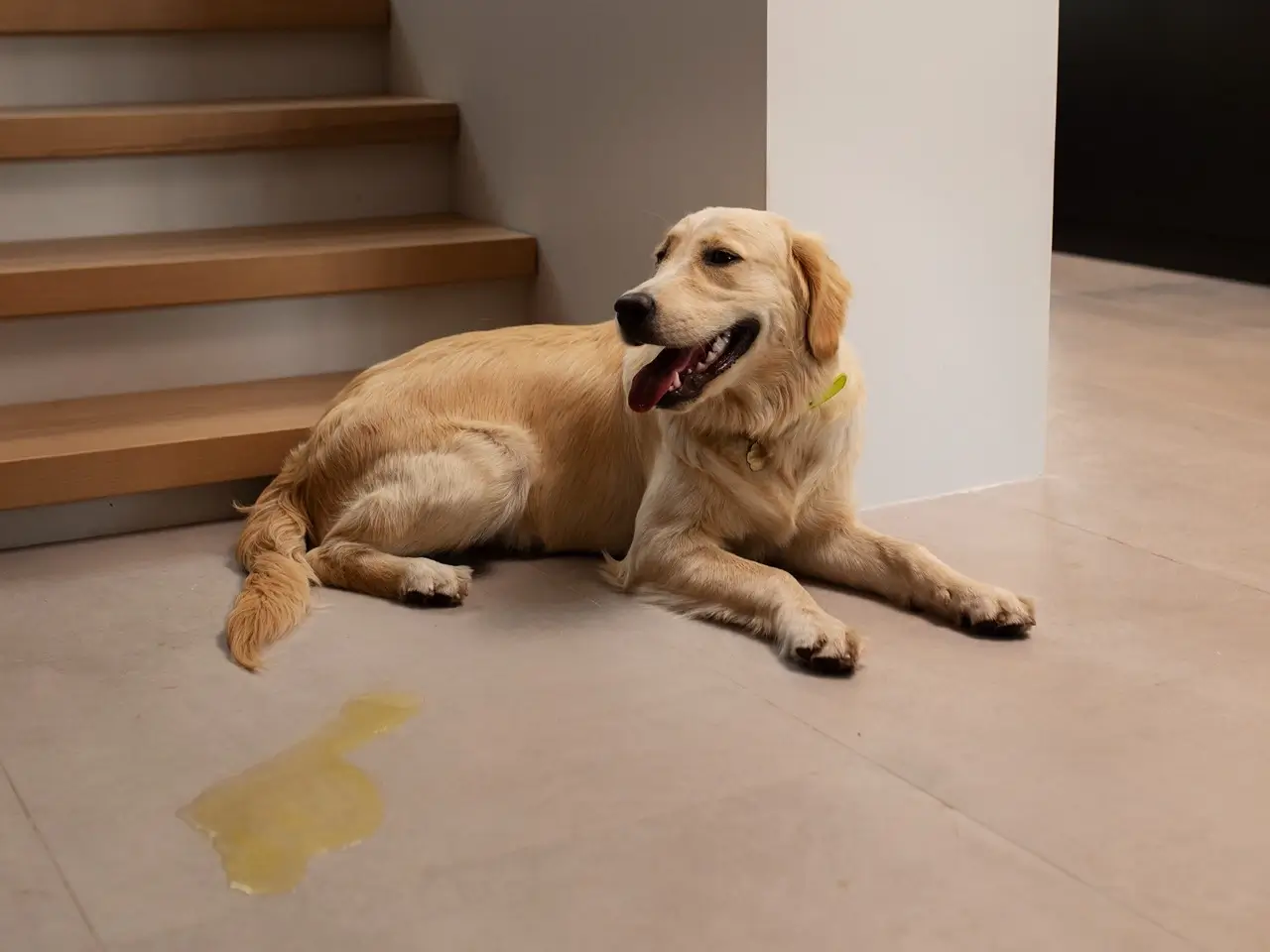
A dog may drink more, make extra trips outside, or even start peeing in the house, and it’s easy to wonder what’s going on. Often, there’s a medical condition behind increased thirst and urination, and a veterinarian may need a urine sample or other tests to figure out what’s causing it.
Conditions That Lead to Increased Urination
Some health issues make a dog drink more and urinate larger amounts than usual.
Kidney Disease
When the kidneys aren’t working properly, a dog may drink more water, which leads to increased urination. This is something that often shows up in older dogs.
Diabetes
Diabetes can make a dog’s body push out extra sugar through urine, pulling water along with it. The dog may also show excessive thirst and start drinking a lot, which makes the dog pee more than usual.
Liver or Electrolyte Imbalances
If a dog’s body isn’t balanced correctly, it can affect how much water they need. When this happens, a dog may drink more and urinate more often than normal.
Medication Side Effects
Some medications can make a dog drink more water and urinate more often, even if the dog otherwise seems healthy.
Conditions That Cause Frequent Urination With Small Amounts
Other issues can irritate the bladder or urinary tract, making a dog feel like it needs to go all the time, even if only a small amount comes out.
Urinary Tract Infection
UTIs can make a dog pee frequently, sometimes with blood in the urine. A dog may also strain or seem uncomfortable when trying to urinate.
Bladder Stones or Crystals
These irritate the bladder lining, which can make a dog feel the urge to go constantly. Dogs may start peeing more than usual, often passing only small amounts each time.
Bladder Cancer
Tumours in the bladder can make urination difficult and may even cause accidents in the house.
Prostate Problems
Male dogs with prostate issues may urinate more often or in smaller amounts. Sometimes, blood in the urine can also appear.
Hormonal, Reproductive, and Age-Related Conditions
Changes related to hormones or reproductive health can affect a dog’s bladder control and drinking habits.
Pyometra
This infection in unspayed female dogs often causes a dog to drink more water and urinate more than usual.
Urethral Sphincter Mechanism Incompetence
Spayed female dogs may lose some bladder control over time. This can lead to urine leakage, frequent peeing, or urinating in the house.
Age-Related Changes
Older dogs may get conditions that change how much they urinate or how often. Keeping an eye on a dog’s drinking and urination, especially in spring when activity levels rise, can help you notice changes early.
Non-Medical Reasons for Frequent and Excessive Urination In Dogs
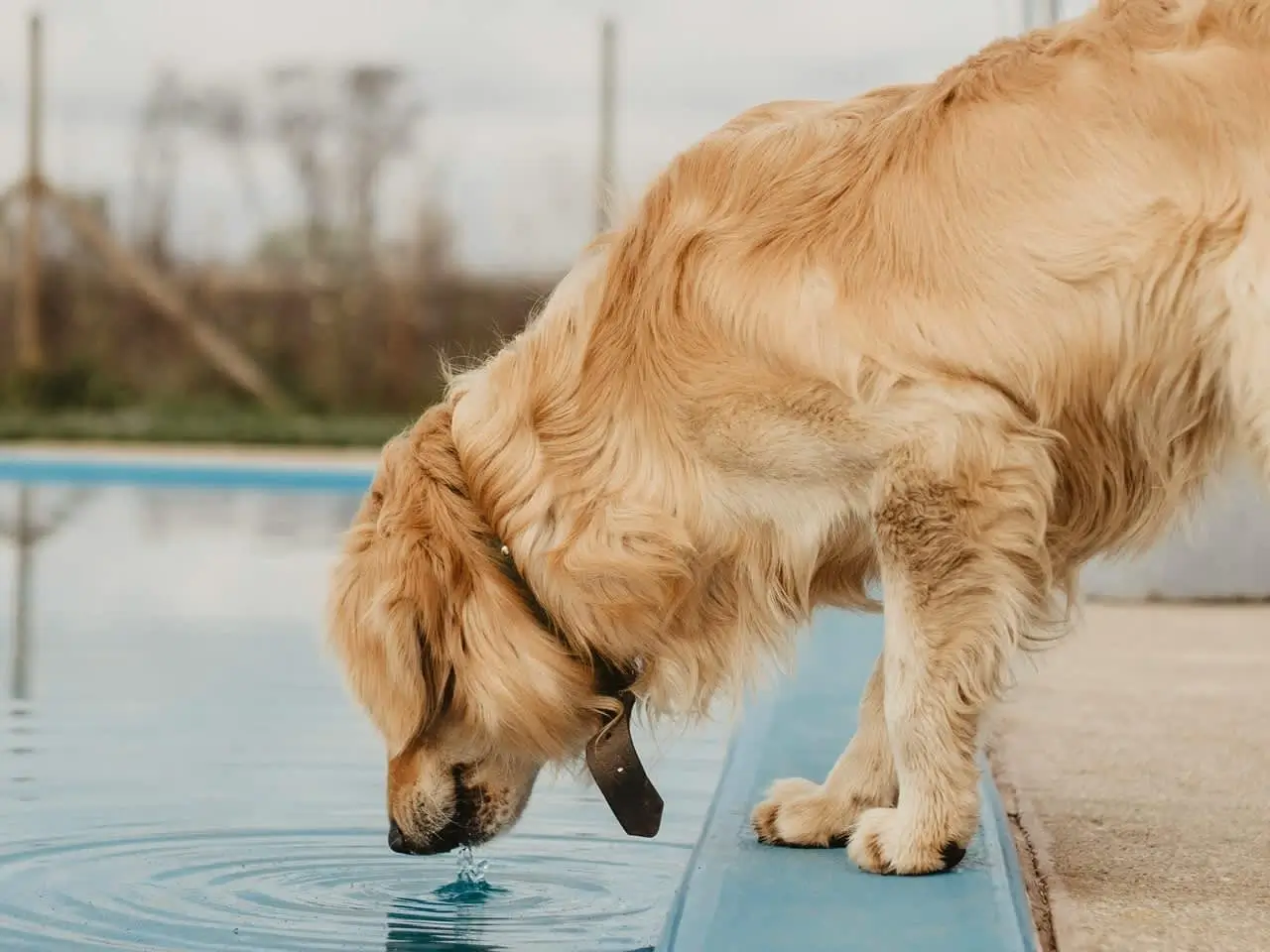
Sometimes a dog peeing a lot or drinking more isn’t a sign of illness. There are plenty of everyday reasons why your dog may start to pee more or drink more water. Knowing these factors can help you figure out whether your dog’s habits are normal or need a closer look.
Weather and Environment
The weather can really affect drinking and bathroom habits. In spring, warmer temperatures often make a dog drink more and then need to pee more often. Some dogs with anxiety may hold their urine during rain or thunderstorms, so when they finally go, your dog gets a larger amount than usual.
Diet
What your dog eats can change how much they drink and urinate. Low-protein or high-sodium meals can make your dog drink more water, which naturally leads to more trips outside. Even a sudden change in food or treats can make your dog pee more than usual for a little while.
Activity and Exercise
A dog’s energy level can make a big difference. After long walks or play sessions, especially in spring when outdoor time increases, your dog may get thirsty and need to pee more often. Puppies and active dogs tend to process fluids faster, so it’s normal for them to drink and urinate more than usual.
Age
A dog’s life stage matters too. Puppies have tiny bladders and need to pee frequently, while older dogs may lose some bladder control and get the urge to go more often. Both younger and senior dogs can show changes in drinking and urination that are perfectly normal, especially in spring with increased activity.
Anxiety, Excitement, or Stress
Emotions can change how much a dog drinks and pees. Being left alone, meeting new people, moving to a new place, stressed, or scared can make your dog feel stressed and drink or urinate more often. Sometimes, your dog may even have accidents in the house during these stressful times.
Access to Water
How much water your dog can get during the day can also cause your dog to pee extra. Dogs with constant access to water may naturally need to pee more. Keeping an eye on water intake can help you notice whether your dog’s habits are normal or starting to increase, especially in spring, when dogs tend to drink more after playing outside.
When Increased Thirst and Frequent Urination Mean a Visit to the Vet Is Needed
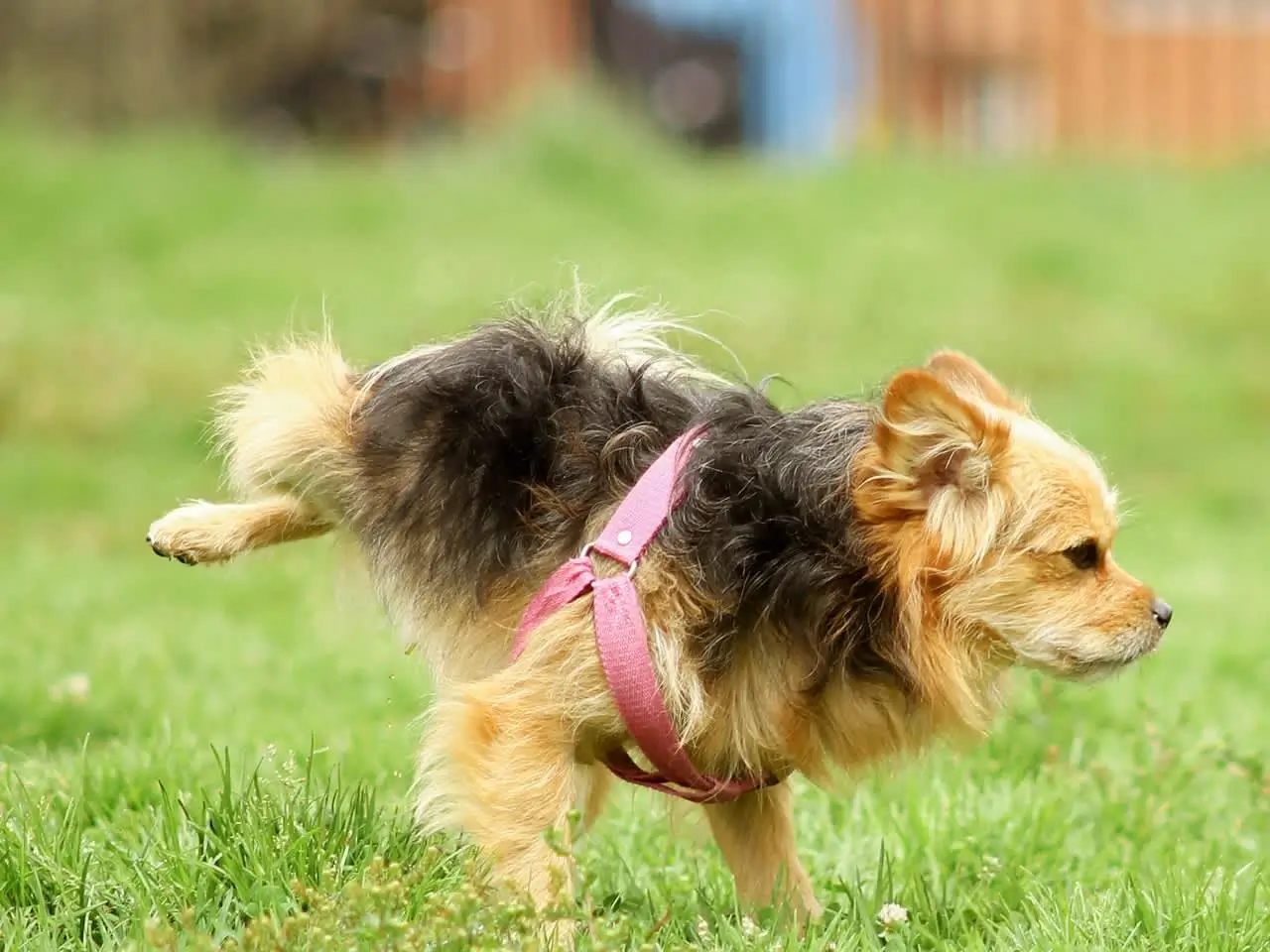
Sometimes your dog drinking and peeing more isn’t a big deal, but other times it can be a sign that something isn’t right. It can be tricky to know whether your dog needs a vet, especially if the changes happen slowly. Watching for patterns and paying attention to other signs can make it easier to decide when it’s time to get professional help.
Warning Signs That Require a Veterinarian
Certain behaviours or changes usually indicate a medical issue and should not be ignored.
- Your dog is peeing a lot and drinking much more than usual over several days.
- You notice blood in the urine, a strange colour, or a strong odour.
- Your dog seems uncomfortable, strains, or whines while trying to pee.
- Accidents in the house or sudden changes in appetite, energy, or behaviour.
Situations That Need Immediate Care
Some symptoms may point to urgent health problems and require quick attention.
- Your dog cannot pee at all or seems to be in pain while trying.
- Very large amounts of urine combined with vomiting, diarrhea, or sudden behaviour changes.
- Sudden excessive thirst and urination in a young or previously healthy dog.
- Any combination of unusual urination, blood in the urine, or clear signs of distress.
Keeping an eye on your dog’s habits and noticing even small changes early is the best way to understand the reasons your dog may need a vet. Getting help quickly can make a big difference in helping your dog feel better and preventing bigger problems down the road.
Treatment for Urinary Incontinence, Excessive Urination, and Bladder Issues in Dogs
The treatment usually depends on what’s causing the problem, including medical issues like kidney disease, diabetes, or urinary tract infections that we talked about earlier. With the right plan, your dog can feel more comfortable, and accidents around the house can become much less common.
Medical Treatments
Some problems need medications or procedures from the vet to get things under control.
- Medicines can help treat infections, reduce inflammation, or improve bladder control.
- Hormone therapy may help spayed female dogs who have incontinence.
- Surgery can be needed if there are bladder stones, tumours, or structural issues.
- Treating underlying conditions like diabetes or kidney problems can also reduce excessive urination and make your dog feel better.
Lifestyle Adjustments
Small changes at home can make a big difference for your dog.
- Give your dog more bathroom breaks so accidents are less likely.
- Adjust diet or water habits if the vet recommends it to help the bladder.
- Create a quiet, safe space where your dog can go to the bathroom without stress.
Monitoring and Follow-Up
Keeping an eye on your dog and checking in with the vet helps make sure the treatment is working.
- Watch how often your dog pees, how much, and if they seem uncomfortable.
- Look out for new signs like blood in the urine, extra thirst, or sudden changes in behaviour.
- Regular vet visits let them tweak the treatment so your dog stays healthy and comfortable.
Final Thoughts
Spring is finally here, and you might notice your dog drinking more water and running outside to pee more often. Warmer days and extra playtime can really change a dog’s routine.
Most of the time, this is normal, but sometimes a sudden increase in urination and thirst can mean something else is going on. Paying attention to how much your dog drinks and pees, and checking their urine, can help you catch problems early.
If you see blood in their urine, accidents in the house, or anything unusual, it’s a good idea to call your vet. Keeping an eye on your dog’s habits this spring will help them stay happy, healthy, and comfortable while enjoying the season.
Frequently Asked Questions
What causes a puppy to get a urinary tract infection?
Puppies can get urinary tract infections for a few different reasons, and it’s more common than many people realize. Basically, bacteria get into the urinary tract and start causing trouble.
Immature immune system: Puppies’ bodies are still learning how to fight off germs, so infections can happen more easily.
Not emptying the bladder fully: Sometimes puppies don’t pee completely, and leftover urine gives bacteria a place to grow.
Environment matters: Wet bedding, dirty areas, or surfaces with germs can make it easier for a UTI to develop.
Other health issues: Occasionally, a puppy might have a birth defect or other condition that makes them more prone to infections.
Can diabetes cause a dog to drink and urinate more than usual?
Yes, diabetes can change how much your dog drinks and pees, and it’s often one of the first things dog owners notice. When blood sugar is too high, the body tries to get rid of the extra sugar through urine, which also pulls water along.
Drinking more water: Your dog may suddenly spend more time at the water bowl.
Peeing a lot: You might notice more trips outside or even accidents in the house.
Other signs: Sometimes dogs lose weight, seem tired, or have changes in appetite along with the extra drinking and urination.
What should I look for in my dog’s urine to spot potential health issues?
Keeping an eye on your dog’s urine can help catch problems early, before they get serious. Small changes can mean anything from a mild infection to something more serious, like kidney issues.
Colour changes: Dark, cloudy, or reddish urine can be a warning sign.
Smell: A strong or unusual odour is worth checking out.
Frequency and volume: Peeing a lot or very little compared to usual could indicate an issue.
Discomfort: If your dog seems to struggle or whines while peeing, that’s a sign to call the vet.
How can more spring walks affect a dog peeing so much without other symptoms?
Sometimes, dogs start peeing more simply because their routine or activity changes in spring. Even without illness, extra time outdoors, longer walks, or more play can increase urination.
Peeing more often or in larger amounts: You might notice extra trips outside without your dog seeming sick.
Drinking more water: They’ll often drink more to make up for all the lost fluids.
No pain or accidents: Unlike infections, normal activity-related peeing usually doesn’t come with discomfort.
Slow changes: These habits can creep up with spring activity, so paying attention to your dog’s routine is key.
Are female dogs more likely to drink a lot and urinate frequently than male dogs?
Sometimes female dogs do show more frequent urination and increased drinking, but it really depends on the dog’s health and life stage. Hormones and bladder anatomy can play a role.
After spaying, Hormone changes can affect bladder control in some spayed female dogs.
Bladder differences: Female dogs have a shorter urethra, which can make them more prone to infections that increase peeing.
Every dog is different: Some male dogs may drink and urinate just as much, depending on their health, age, or activity level.

