
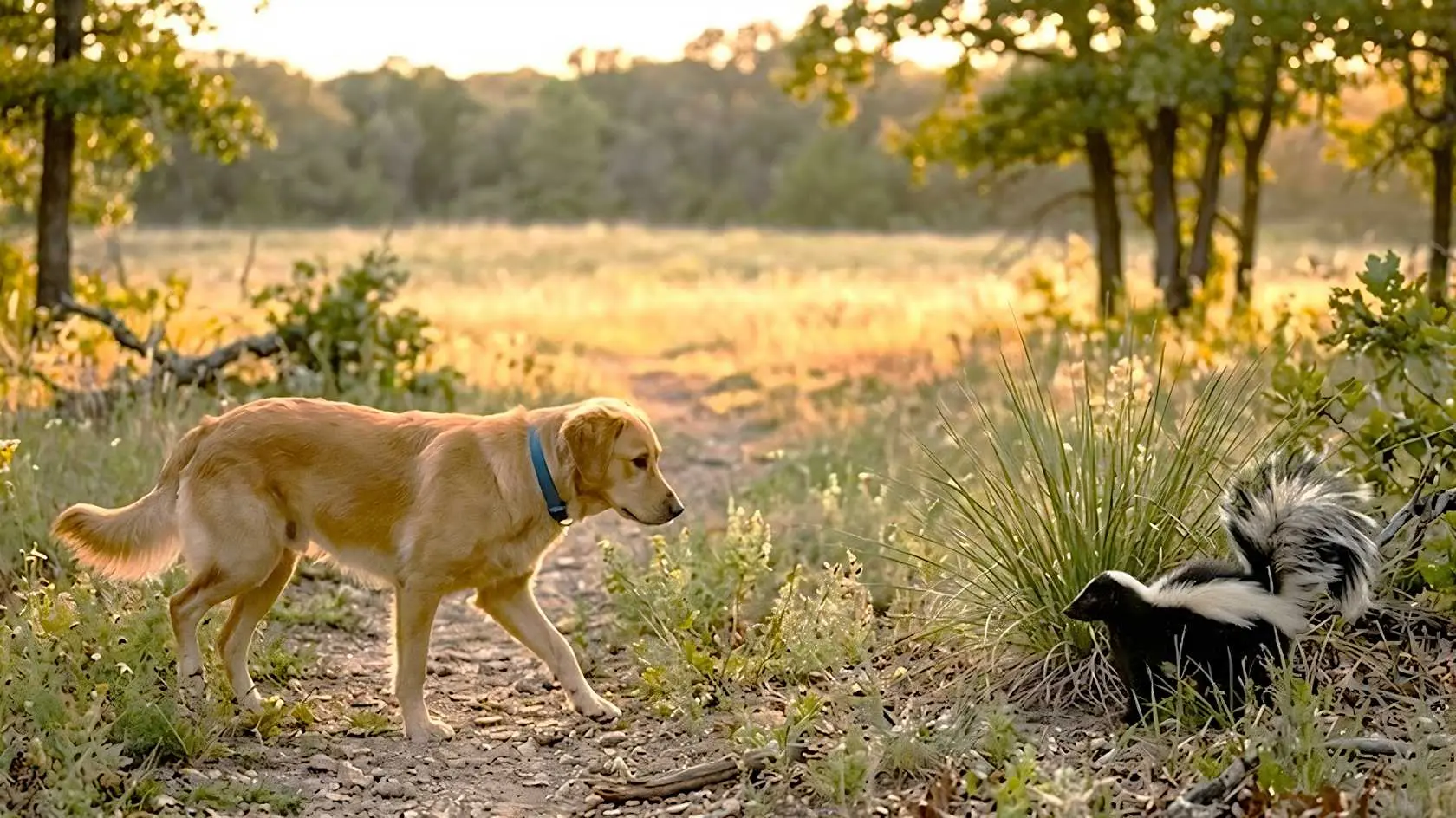

TL;DR: Dog Got Sprayed by a Skunk? What to Do and How to Remove the Smell
- Skunk spray contains sulfur-based compounds that cause its strong odour.
- The smell can cling to fur and linger after a simple rinse.
- Keep your dog outside after being sprayed.
- Keep them away from furniture, carpets, and bedding.
- Move away from the skunk to avoid another spray.
- Check your dog’s face and eyes for irritation.
- Use a pet-safe skunk odour remover.
- Baking soda and hydrogen peroxide can help break down the spray.
- Wash the coat with dog shampoo and rinse it well.
- Repeat the cleaning process if necessary.
- Avoid bleach and other harsh household chemicals.
- See a veterinarian for serious eye irritation or temporary blindness.
- In rare cases, skunk spray can lead to anemia by affecting red blood cells.
- Pale or brown gums and sudden weakness need veterinary attention.
- A bite or scratch from a skunk can raise concerns about rabies.
- Skunks are carriers of rabies, so direct contact should be taken seriously.
- Skunks are nocturnal animals and are most active at night.
- Dogs may also run into them around dawn and dusk.
- Keep garbage, pet food, and other food sources secured.
- Block access to sheds, decks, porches, and other hiding spots.
Getting sprayed is definitely one of those dog-owner moments nobody wants to repeat. If something about your dog’s condition does not seem right, contact us; our professional vets can help you figure out what to do next.
Did your dog get sprayed by a skunk and suddenly smell skunky from head to tail? That strong skunk smell can be hard to ignore, especially when your dog was sprayed at close range, or the spray got all over their fur. If you have ever dealt with a skunked dog, you know how quickly a normal day can turn into a very smelly mess.
A skunk encounter can leave the whole house smelling unpleasant if your dog comes inside before the skunk spray is dealt with. The smell can stick to your dog’s fur and make cuddles, bedding, and even your hands smell skunky. It is one of those pet problems that can leave you wondering what to do first.
If a skunk sprays your dog, you probably want to get rid of the skunk smell as soon as possible. Read on to learn more about skunk spray on your dog, what to know after a skunk encounter, and how to remove skunk smell from your dog’s fur.
What Is Skunk Spray and What Makes Skunk Odour So Stinky
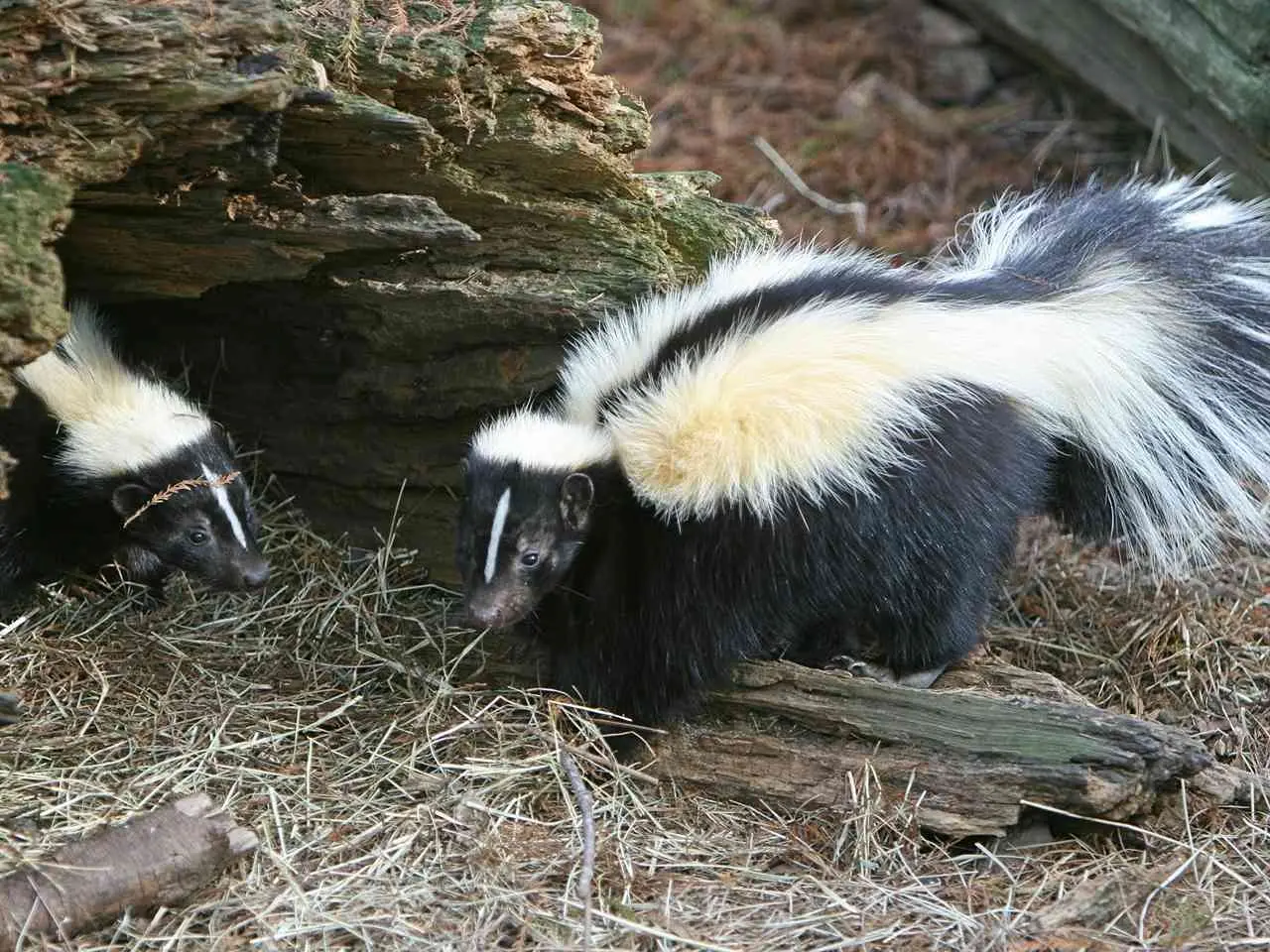
Skunk spray is an oily secretion produced by glands near the base of their tail. It contains sulfur-based compounds, including thiols and thioacetates, which give it that unmistakable smell. Skunks are generally not aggressive animals and only use their spray as a defense mechanism when they feel threatened.
What Causes the Strong Smell?
The compounds in skunk spray are what make the odour so intense. Thiols are especially strong-smelling, while thioacetates can add to the lingering smell that makes skunk’s spray so memorable.
- Thiols: These sulfur-containing compounds are a major source of the strong skunk odour, and the human nose can pick them up at extremely low concentrations.
- Thioacetates: Skunk spray contains thioacetates. These compounds are found in skunk spray and can add to its lasting smell. When mixed with water or exposed to humidity, they can contribute to the formation of smelly thiols.
- Anal glands: These glands produce the secretion that a skunk releases when it feels threatened.
- Oily secretion: Skunk’s spray has an oily consistency, which allows it to cling to fur, skin, and clothing.
- Defense mechanism: Skunks use their spray to discourage animals or people that get too close or make them feel threatened.
- Strong odour: Even a small amount can produce a noticeable smell because of the strength of its sulfur-containing compounds.
- Chemical makeup: The sulfur and hydrogen in thiols are also linked with unpleasant smells from things such as rotting food and sewage.
- Moisture: Water or humidity can make some compounds contribute to the smell again, which helps explain why the odour can stick around.
Why Is Removing Skunk Smell So Challenging
Skunk smell can be surprisingly difficult to remove because the spray does not just sit on the outside of a dog’s coat. Some of the compounds do not dissolve well in water, so they can stay attached to the hair even after a rinse. With all those individual hairs for the residue to cling to, getting rid of every trace can be harder than it first seems.
Why Can Skunk Odour On Your Dog Be So Persistent?
There is a simple bit of science behind why the smell hangs around. Some compounds in skunk spray interact more easily with oily surfaces than with water, which means water alone may not carry them away.
- Poor water solubility: Some compounds in skunk spray do not dissolve easily in water, so a simple rinse may leave some residue behind.
- Hair adhesion: The compounds can stick to individual hairs, keeping the odour on the coat.
- Oily residue: The spray can cling to fur because of its oily nature rather than washing away easily.
- Coat structure: Thick or long fur gives the residue more hair to settle on and can make complete removal more challenging.
- Sensitive sense of smell: The human nose can detect certain sulfur-containing compounds at very low levels, so even a tiny amount left on the coat can still be noticeable.
- Moisture: Changes in moisture can affect how some remaining compounds are released, which may make the smell seem to return after it has faded.
What to Do When Your Dog Gets Sprayed by a Skunk
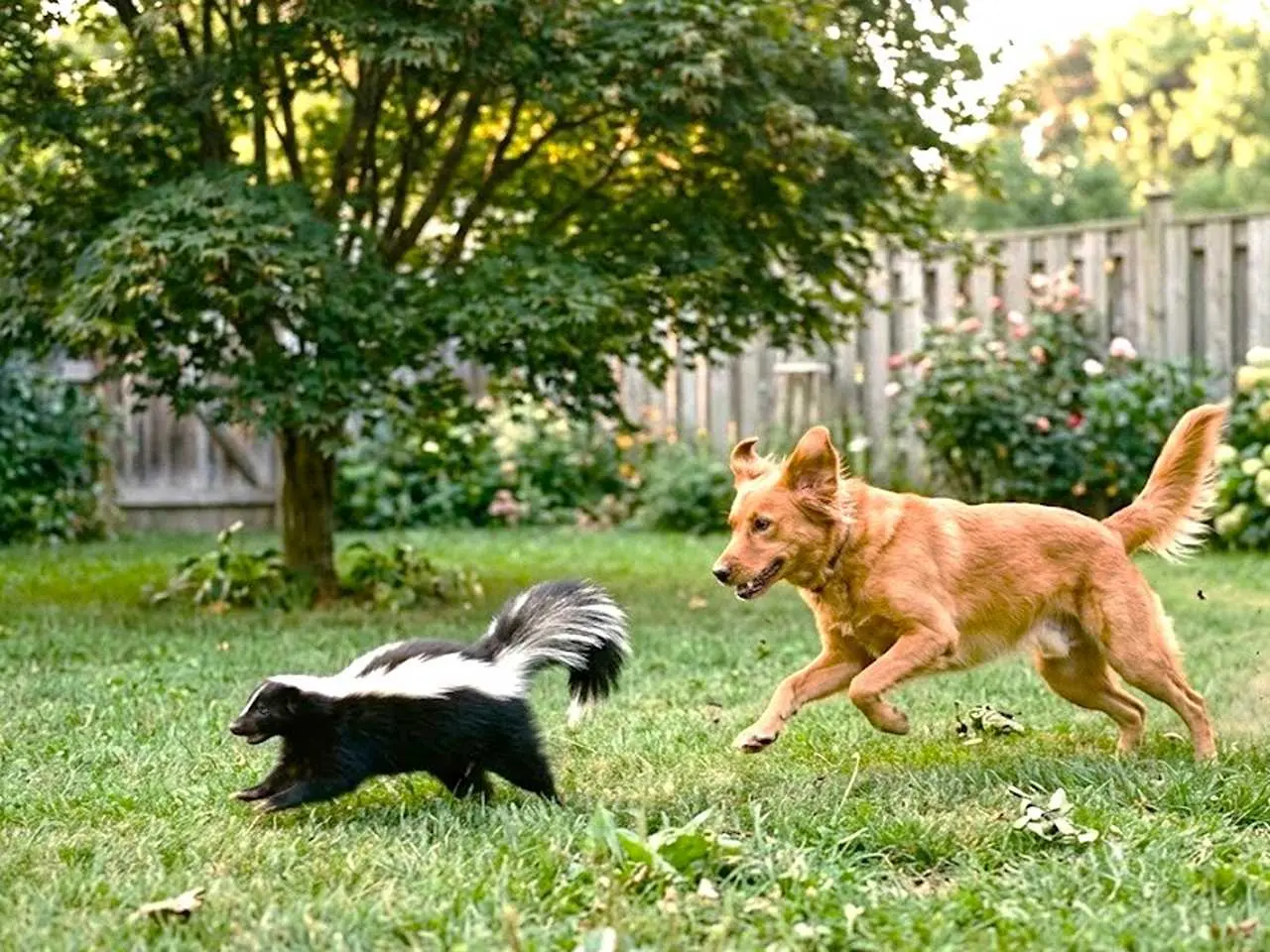
Getting caught in a skunk encounter can turn an ordinary walk into a pretty stressful situation. The first thing to focus on is keeping your dog safe and stopping the spray from being carried into the house. A little calm and patience can make the situation much easier to manage.
Keep Your Dog Outside
Keeping your dog outside helps prevent the spray from getting onto furniture, carpets, and other things around the house. A secure outdoor spot is best while the situation is being assessed.
- Keep your dog outside in a safe, enclosed area.
- Keep the dog away from furniture, carpets, and bedding.
- Stay nearby and keep an eye on the dog.
Keep Your Dog on a Leash
A dog on a leash is much easier to control after an unexpected encounter. It also helps prevent the dog from running back toward the skunk.
- Keep your dog on a leash while leaving the area.
- Stop the dog from chasing or approaching the skunk.
- Move away from the area where the encounter happened.
Move Away From the Skunk
A skunk can spray multiple times if it still feels threatened. Giving it plenty of space is a simple way to avoid turning one spray into another.
- Move your dog at least 15 feet away when possible.
- Do not approach, corner, or try to catch the skunk.
- Watch for signs such as stamping their feet, which can mean the animal feels threatened.
Check Where the Spray Landed
Once the dog is in a safe spot, take a quick look at where the spray reached. This is especially important if the dog was sprayed in the face.
- Check the coat for areas that were exposed.
- Look around the dog’s face, neck, and body.
- Note whether the spray reached the eyes.
Pay Attention to the Face
A dog sprayed in the face may experience discomfort around the eyes and nose. The dog’s face deserves a closer look without unnecessarily touching or irritating the area.
- Check for redness around the dog’s eyes.
- Watch for signs of eye irritation.
- Notice if the dog keeps pawing at its face.
Avoid Your Pet’s Eyes
The pet’s eyes are sensitive and can be easily irritated. Be especially careful not to get anything intended for the coat into the eyes.
- Avoid your pet’s eyes when handling the affected areas.
- Keep substances intended for the coat away from the eyes.
- Watch for ongoing redness or irritation.
Prevent Rubbing
A dog may try to rub its face or body after being sprayed, especially if it feels uncomfortable. Stopping this can help keep the spray from spreading onto household surfaces.
- Prevent the dog from rubbing against furniture or walls.
- Keep the dog away from carpets and bedding.
- Watch the dog if it repeatedly tries to rub its face or body.
Keep Other Pets Away
It is easy for another dog or cat to come into contact with a sprayed pet. Keeping them apart for the moment can help prevent the spray from spreading to other animals.
- Keep other pets away from the affected dog.
- Separate the dog from other animals in the home.
- Keep shared bedding and belongings away from other pets.
Avoid Household Chemicals
It can be tempting to reach for whatever cleaning product is nearby, but household chemicals are not necessarily safe for animals. Bleach and strong detergents should not be used on a dog’s coat.
- Do not use bleach on your dog.
- Keep household detergents and other chemicals away from the pet.
- Avoid products that are not made for use on animals.
Skip Common Home Remedies
Tomato juice is one of those remedies that has been passed around for years after a skunk encounter. It is better not to assume that a familiar home remedy is the right choice for a pet.
- Do not rely on tomato juice simply because it is commonly recommended.
- Avoid putting unfamiliar substances on the dog.
- Stick to options intended for use on pets.
Watch Your Dog’s Behaviour
Being sprayed can leave a dog unsettled for a while. Keeping things quiet and paying attention to your dog’s behaviour makes it easier to notice anything out of the ordinary.
- Watch for unusual behaviour or signs of distress.
- Pay attention to changes involving the eyes, face, or general behaviour.
- Seek veterinary care if your dog appears seriously unwell or develops concerning symptoms.
How To Effectively Get Rid of Skunk Smell On Your Dog
Getting rid of skunk odour on your dog can take a little more work than a regular bath. If the spray got deep into the fur, a quick rinse may not be enough. The good news is that there are a few ways to tackle the smell without simply covering it up with another strong scent.
Try a Skunk Odour Remover
A product made for skunk spray can make the cleanup a lot easier. Nature's Miracle Skunk Odour Remover is one option made specifically to help deal with this stubborn smell.
- Pick a product that is made for use on dogs.
- Follow the directions on the label rather than using more than recommended.
- Keep the product away from your dog’s eyes and mouth unless the label says it is safe to use there.
Use Baking Soda and Hydrogen Peroxide
Baking soda and hydrogen peroxide are commonly used together to help break down skunk spray. A small amount of mild dish detergent can also be included in the mixture. This can be useful when the skunk odour is still strong after the initial cleanup.
- Mix baking soda and hydrogen peroxide shortly before using them.
- Gently work the mixture into the smelly parts of the fur.
- Keep it away from the dog’s eyes, nose, and mouth.
Wash With Shampoo
Once the skunk spray has been applied, shampoo can help wash away what is left on the coat. A dog shampoo is a better choice than household cleaners, especially if the skin is already irritated.
- Massage the shampoo gently into the fur.
- Pay attention to areas where the spray landed heavily.
- Rinse well so no shampoo or residue is left behind.
Take Care Around the Eyes
The face needs a little extra care because skunk spray and cleaning products can both be irritating to the eyes. If your dog’s eyes are red, watery, or uncomfortable, avoid putting cleaning mixtures near them.
- Do not apply baking soda and hydrogen peroxide around the eyes.
- Use extra care when cleaning the fur around the face.
- Contact a vet if eye irritation continues after cleaning.
Rinse the Coat Thoroughly
It can be tempting to stop once the coat looks clean, but a good rinse is an important part of getting rid of the odour. Thick fur can hold onto skunk residue, so take the time to rinse it properly.
- Use plenty of clean water to rinse the coat.
- Run your fingers through thicker areas of fur to check for leftover product.
- Keep rinsing until the water runs clear and no cleaning mixture remains.
Repeat if Necessary
Sometimes one treatment is not enough, especially if the spray covered a large part of the dog. Let the coat dry before deciding whether another round is needed, since the remaining skunk odour can be easier to judge once the fur is dry.
- Check the coat after it has completely dried.
- Repeat if necessary, following the product instructions.
- Do not keep adding stronger products just because some odour remains.
Avoid Harsh Alternatives
When a dog smells strongly of skunk, it is easy to reach for whatever cleaning product is nearby. That can do more harm than good. Some household chemicals can irritate the skin or eyes, so stick with options that are appropriate for pets.
- Never use bleach on your dog.
- Do not rely on tomato juice as the main way to remove skunk odour.
- Avoid mixing cleaning products unless the instructions specifically say they can be used together.
When Should You See a Veterinarian After a Skunk Encounter
Most dogs are fine after being sprayed, even though the smell can make the whole situation feel much worse than it is. Still, it is worth keeping an eye on your dog because skunk spray can also cause problems beyond a bad odour in some situations. Eye irritation, stomach upset, and, in rare cases, changes involving red blood cells are reasons to take the situation more seriously.
Check Your Dog’s Eyes
If your dog was sprayed in the face, the eyes deserve a close look. Skunk spray can be very irritating, and severe exposure may cause temporary blindness.
- Watch for redness, swelling, watering, squinting, or signs of pain.
- Pay attention if your dog keeps rubbing or pawing at the eyes.
- Contact an animal health care professional if your dog cannot see normally or develops temporary blindness.
Watch for Signs of Anemia
In rare cases, skunk spray can also affect red blood cells and lead to anemia. This is not something most dogs will develop, but it is worth knowing what the warning signs look like.
- Check the mouth for an unusually pale or brown gum colour.
- Watch for weakness, unusual tiredness, or a sudden drop in energy.
- Get veterinary advice if these changes appear after the dog was sprayed.
Look for Stomach Upset
Dogs often lick themselves after something gets on their coat, and that can mean swallowing some of the spray. Ingesting some of the spray can cause nausea or other signs of stomach upset.
- Watch for vomiting, heavy drooling, or repeated licking of the lips.
- Notice if your dog loses interest in pet food or seems unusually uncomfortable.
- Speak with a vet if the stomach problems are severe or do not improve.
Take Rabies Seriously After Direct Contact
The spray itself is not the main rabies concern. The bigger concern is direct contact with the skunk. Skunks are carriers of rabies, so a bite or scratch should always be taken seriously.
- Tell the vet if the skunk bit or scratched your dog.
- Check that your dog’s rabies vaccination is current.
- Follow the veterinarian’s advice about any testing, monitoring, or veterinary medicine that may be needed.
Know When to Go to an Animal Hospital
Some signs are too serious to simply watch at home. If your dog suddenly becomes very weak, collapses, has trouble breathing, or seems seriously ill, it is safer to get help right away.
- Go to an animal hospital for collapse, severe weakness, difficulty breathing, or major changes in vision.
- Get urgent care if your dog becomes extremely lethargic or difficult to wake.
- Do not wait if your dog’s condition is getting worse quickly.
Where Are Dogs Most Likely to Encounter Skunks
Skunks can show up in places you might not expect, including right around the house. They usually look for easy food sources and quiet places to hide, so a backyard can be just as tempting as a wooded area. Since skunks are nocturnal animals, they are most active at night, with plenty of activity around dawn and dusk too.
- Backyards and gardens: Lawns, gardens, and flower beds can attract skunks looking for insects, grubs, worms, and other easy food sources.
- Garbage and compost: Open garbage, compost bins, and food scraps can give skunks access to readily available food.
- Outdoor pet feeding areas: Leaving pet food outside, especially overnight, can attract a skunk looking for an easy meal.
- Beneath decks and porches: Areas beneath your deck or porch can make a comfortable hiding spot, especially when they are quiet and protected.
- Around sheds and other structures: Check sheds and areas beneath or beside outdoor structures, as these spots can give skunks somewhere to stay out of sight.
- Piles of brush or wood: Stacked wood, brush piles, fallen logs, and similar clutter can create hiding places that dogs may want to investigate.
- Wooded areas and fields: Dogs exploring fields, parks, or the edges of wooded areas may come across a skunk searching for food.
- Ditches and drainage areas: These quieter spots can provide both shelter and access to insects and other food.
- Near ponds and streams: Skunks may pass through areas around water while searching for food or moving between sheltered locations.
- Quiet neighbourhoods: Skunks can live surprisingly close to homes when there are enough food sources and places to hide.
- Evening and nighttime walks: Since skunks are most active after dark, be especially watchful when walking your dog later in the day or around dawn and dusk.
- Making the yard less inviting: To reduce the chance of a close encounter, eliminate readily available food sources and limit your dog’s access to sheds and areas beneath decks, porches, and other structures.
Tips to Prevent Your Dog From Getting Sprayed by a Skunk Again
After dealing with that awful skunk smell once, it makes sense to do what you can to avoid going through it again. A few simple changes around the yard, along with keeping an eye on your dog at the right times, can make another surprise encounter less likely.
- Eliminate readily available food sources: Keep garbage, compost, food scraps, and anything else that could attract a hungry skunk securely covered.
- Bring pet food indoors: Pet food left outside overnight can be an easy meal, so bring the bowls inside after feeding.
- Secure garbage and compost: Use containers with tight-fitting lids so skunks cannot easily get to what is inside.
- Limit access to sheds and areas beneath structures: Close off hiding spots around sheds, porches, decks, and other outdoor structures where a skunk might settle.
- Check areas beneath your deck or porch: If there is an opening, make sure no skunk is inside before blocking it off.
- Clear piles of brush or wood: Tidying up these areas can remove some of the quiet hiding places that skunks like.
- Keep your dog close after dark: Since skunks are nocturnal animals, keep your dog nearby during evening and nighttime trips outside.
- Be extra careful around dawn and dusk: These are also good times to take a quick look around before letting your dog wander.
- Keep your dog away from wildlife: If your dog spots a skunk, call them back rather than letting them run over to investigate.
- Check the yard first: A quick look around bushes, sheds, decks, and other sheltered spots can help you notice a skunk before your dog does.
- Give skunks plenty of space: If one is already in the yard, bring your dog inside and let the animal move away on its own. Chasing it could be a good way to end up right back where the whole problem started.
Final Thoughts
A dog getting sprayed by a skunk can turn a normal day into a pretty unpleasant mess, but knowing what to do can make things a lot easier. Skunks spray dogs as a defense mechanism when they feel threatened, so getting your dog away from the skunk should always come first.
Once your dog is safe, cleaning the fur properly can help get rid of that stubborn skunk smell. It is also worth keeping an eye out for eye irritation or any other unusual signs that may need veterinary attention.
A few simple changes around the yard, like securing food sources and blocking hiding spots, can also help keep skunks away. With the right steps and preparation, dealing with skunk spray does not have to be as stressful the next time around.
Frequently Asked Questions
Can problems occur if a skunk sprays your dog at close range?
A close-range spray can be especially irritating because your dog may get a stronger dose around the face and nose. Most dogs recover without serious problems, but it is worth paying attention to how they act afterwards.
Breathing: Watch for coughing, wheezing, laboured breathing, or anything that seems unusual.
Eyes: Check for redness, watering, squinting, or signs that your dog is having trouble seeing.
Nose and throat: Sneezing, nasal irritation, or rubbing at the face can happen after a strong exposure.
Behaviour: Notice if your dog seems unusually weak, distressed, or uncomfortable.
Get veterinary help: If your dog has trouble breathing, major vision changes, or symptoms that are getting worse, contact a veterinarian promptly.
How long should a dog stay outside after being sprayed?
Keeping your dog outside for a bit can save the house from smelling like skunk too. There is no set amount of time that works for every dog, so the main thing is making sure they are cleaned up and feeling okay before bringing them back inside.
Before coming inside: Deal with as much of the spray residue as possible first.
Check the coat: Make sure there are no areas that still have a strong smell or noticeable residue.
Watch your dog: Keep an eye on their comfort and behaviour while they are outside.
Keep things easy to clean: A safe outdoor spot can make the cleanup much less stressful.
Bring them inside: Once your dog has been cleaned and seems comfortable, it is fine to bring them back indoors.
What should you do if you cannot get rid of the skunk after it enters your yard?
Having a skunk hanging around the yard can be worrying, especially if there is a dog eager to investigate. Trying to chase it away can make things worse, so giving the animal some space is usually the safest choice.
Keep your dog indoors: Do not let your dog run up to or investigate the skunk.
Give it space: Avoid chasing, cornering, or approaching the animal.
Remove attractants: Keep garbage, compost, pet food, and other food sources covered and secured.
Give it time: If the skunk has somewhere to leave, it may move on once things become quiet.
Get professional help: If the skunk stays around or seems trapped, contact local wildlife or animal control services for advice.
Can skunk spray dogs more than once during the same encounter?
Yes, a skunk can spray more than once, although it has a limited amount of spray available. That is why it is better to get your dog away rather than let them keep approaching the skunk.
Create distance: Move your dog away from the skunk as calmly and quickly as possible.
Use a leash: A leash can stop your dog from suddenly running back toward the animal.
Avoid chasing: Do not encourage your dog to chase or corner the skunk.
Stay alert: Keep track of where the skunk goes so your dog does not wander back toward it.
Give it time: Keep your dog away from the area until the skunk has moved on.
Does skunk odour affect other pets in the household?
It can. That strong smell can easily spread to bedding, furniture, carpets, and other things your dog touches. Other pets can also pick up the odour if they rub against or groom a dog that has not been cleaned yet.
Separate pets: Keep other pets away from your dog until the coat has been cleaned.
Check shared areas: Look around bedding, blankets, furniture, and other spots your dog may have touched.
Wash affected items: Clean any washable items that have picked up the smell.
Limit contact: Try to stop other pets from rubbing against or grooming the affected dog until cleanup is finished.
Keep monitoring: If another pet develops eye, skin, or breathing irritation, contact a veterinarian for advice.

