


TL;DR: How Does the 4DX Test Work?
- Early detection matters: The 4DX test helps identify serious diseases before noticeable symptoms appear, allowing for earlier intervention and better protection of your pet’s health.
- Screens for four major diseases: The test checks for heartworm disease, Lyme disease, ehrlichiosis, and anaplasmosis—common infections spread by mosquitoes and ticks.
- Simple and convenient: Only a small blood sample is needed, and the test is commonly performed during routine wellness visits.
- Many dogs show no symptoms: Dogs can carry certain infections without appearing sick, making regular screening an important part of preventive care.
- Supports informed treatment decisions: Positive results help veterinarians determine whether additional testing, monitoring, or treatment is needed.
- Works with prevention: Routine screening is a complement to year-round parasite control and tick prevention strategies to help cut disease risks.
- Annual recommendation: Most vets suggest scheduling the 4DX test as part of your dog’s routine wellness and preventive care schedule.
Have questions? Contact us. Our veterinary team can help you determine when your dog should be tested and create a preventive care plan that supports their long-term health and well-being.
Could your dog be carrying a hidden infection even when they seem perfectly healthy? Many vector-borne diseases can develop quietly, making routine testing an important part of protecting your dog’s health and long-term quality of life. The 4DX test is a simple screening tool that helps detect several serious diseases transmitted by ticks and mosquitoes before noticeable symptoms appear.
If it is identified early, it can be treated promptly, and the risk of complications can be reduced. In this blog, we’ll talk about what 4DX testing for dogs is, how it works, what it screens for, and why veterinarians often recommend it as part of preventive care.
What is the 4DX test for Dogs?

The 4DX test is an in-clinic blood test commonly performed during routine wellness care. It is a blood test that screens for several serious diseases that can affect dogs, using only a small blood sample collected by a veterinarian. Widely used in veterinary medicine, this screening tool is also known as the SNAP 4Dx Plus Test and is trusted by clinics and every animal hospital around the world.
This is a test that screens for four major infectious diseases that may threaten a dog’s health and well-being. Through screening with the 4DX test, veterinarians can detect specific markers in the blood, including an antigen associated with heartworm disease and the detection of antibodies linked to several tick-borne illnesses. The test’s value lies in helping identify potential infections early so appropriate follow-up care can be recommended.
What Diseases Can the 4DX Test Detect?

The 4DX test screens for several common tick-borne and mosquito-borne diseases that can affect your dog’s health. Detecting exposure or infection early helps veterinarians take action sooner and gives pet owners greater peace of mind.
Heartworm Disease
Heartworm disease is caused by a parasitic worm that is transmitted by mosquitoes. The test detects heartworm antigen in the blood, helping identify dogs that may be positive for heartworm before serious complications develop or obvious symptoms appear.
Lyme Disease
Lyme disease is a bacterial infection spread through a tick bite and can cause lameness, lethargy, fever and other symptoms of Lyme. The test is used to detect antibodies to Lyme exposure and can help veterinarians monitor dogs infected with Lyme as part of their long-term health care.
Ehrlichiosis
Ehrlichiosis is a bacterial illness from the family Ehrlichia, usually spread by ticks. This infection can affect white blood cells and, in some cases, help contribute to problems with blood clotting, which is why early testing can be so helpful.
Anaplasmosis
Anaplasmosis is caused by Anaplasma bacteria carried by ticks. A positive result may suggest a dog has been exposed to these diseases, even if they seem perfectly healthy and show no outward signs.
All Tick-Borne and Mosquito-Borne Risks
Ticks and mosquitoes may be small, but they can carry infections that lead to serious health issues if left unmanaged. The 4DX test helps evaluate exposure to these diseases by detecting either an antigen or identifying antibodies produced by the immune system, depending on the specific infection being screened.
Accurate test results are backed up by good sample preparation, widely accepted laboratory standards, advanced medical algorithms, and continuing accuracy data. It’s also worth noting that antibodies in the blood may sometimes indicate past exposure rather than current infection, while other findings can point to a current disease process that deserves veterinary attention.
Why is the 4DX Test Important for Your Dog?

The 4DX test is not just a routine screening—it provides valuable information about your dog's health and can help identify hidden infections before they become serious. Regular testing allows veterinarians to make informed decisions and keep your dog on the right path to long-term wellness.
Early Detection of Diseases
Finding a disease early gives veterinarians the opportunity to recognize potential health concerns before they become harder to manage. When problems are identified sooner, they can often begin treatment earlier and improve the chances of a better outcome.
Many Infections Show No Symptoms
Not all infections cause obvious signs right away, and some dogs may appear perfectly healthy despite having an active infection. Regular testing can help reveal hidden conditions and detect disease early, even before symptoms develop.
Confirms Preventatives Are Working
Routine testing helps determine whether your dog's preventative care plan is providing the protection it should. It also reinforces why prevention is important as part of a complete approach to your pet’s health and wellness.
Guides Treatment Decisions
A positive result may lead to further testing and help make informed medical decisions. Veterinarians may recommend confirmatory diagnostics to determine what to do next.
Prevents Disease Progression
If left untreated, some infections can spread and affect multiple organs throughout the body. Early detection and intervention can help reduce the risk of serious complications, including kidney failure in severe cases, and support your dog’s long-term health.
When Should Dogs Get a 4DX Test?
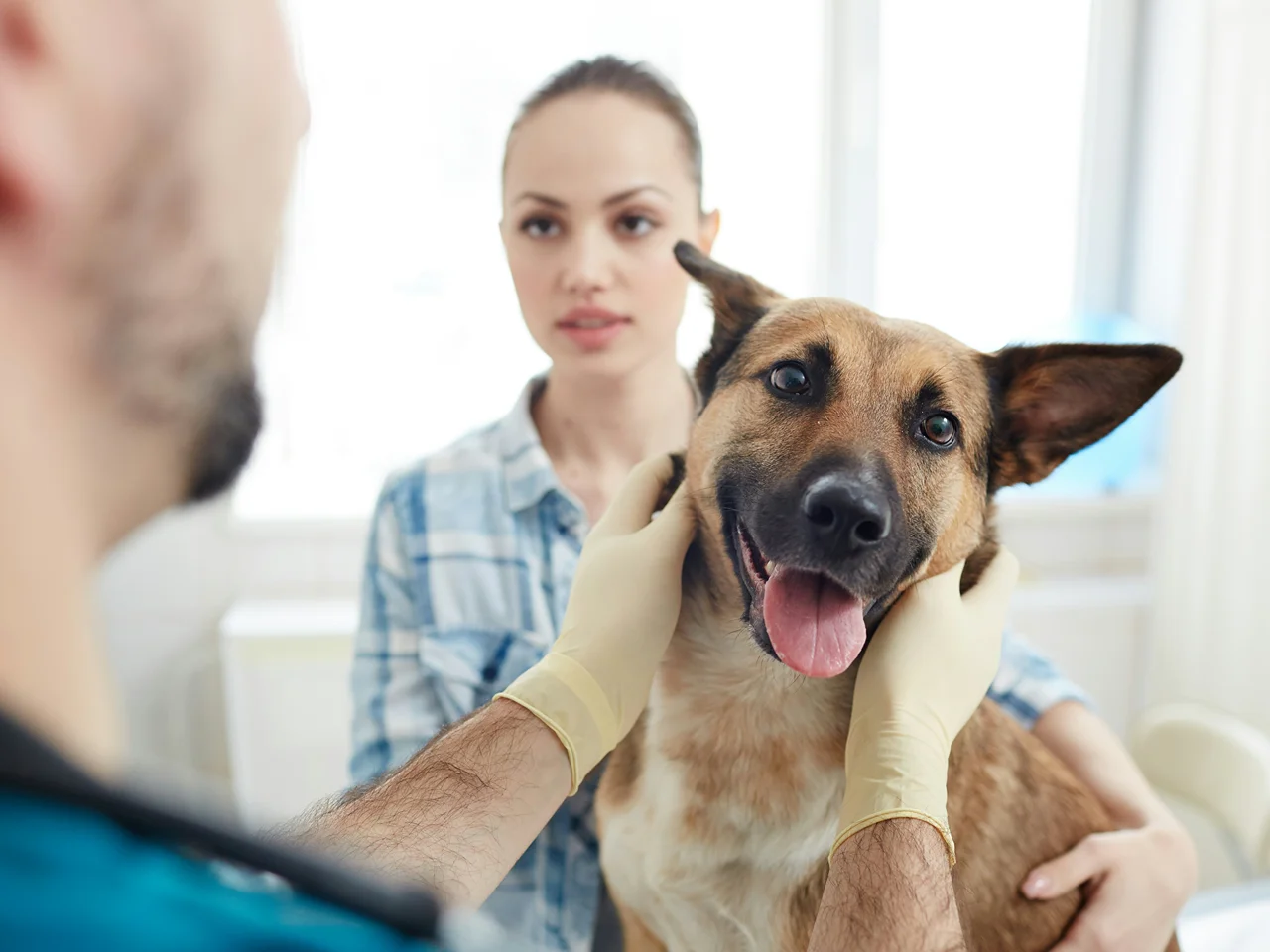
Most veterinarians recommend annual screening for dogs as part of a regular preventative health program. Routine testing may be done when there are no obvious signs of heartworm disease and tick-borne disease, to allow for early detection.
- Test Annually at Wellness Visits: Many veterinarians combine the annual 4DX with an annual health examination and an annual screening program. Routine testing of this kind is a good way to keep an eye on your dog’s health and to catch any potential infections early.
- Before Starting Heartworm Prevention: Testing before beginning a heartworm preventive program helps confirm that a dog is not already infected. A negative test provides valuable baseline information and gives both you and your veterinarian confidence when starting preventive protection.
- After Tick or Mosquito Exposure: Dogs that spend time outdoors may be exposed to parasites that carry disease. In some cases, testing can detect an immune response that indicates tick exposure and helps veterinarians determine whether further evaluation is needed.
- Before Travelling to High-Risk Areas: Travelling to regions with higher rates of heartworm disease or tick-borne infections may increase a dog's risk of exposure. Your veterinarian may recommend testing before travel to help ensure your dog is protected and healthy before the trip.
Final Thoughts
Many infections may not present with obvious symptoms, so routine testing is an important aspect of preventive care and early intervention. The 4DX test can provide important information about your dog’s health status, whether it is performed as part of annual wellness visits or following possible parasite exposure.
When used as part of a year-round parasite prevention program and regular veterinary checkups, the 4DX test can support early detection, help guide treatment decisions and promote your dog’s long-term health, comfort and well-being.
Frequently Asked Questions
What are Vector-borne and tick-borne diseases that the 4DX test can help identify?
The 4DX test helps screen for several infections that are commonly spread by parasites.
Heartworm Screening: The test checks for heartworm antigen in the bloodstream, helping identify infections spread by mosquitoes before severe complications occur.
Lyme Disease Monitoring: It detects antibodies associated with Lyme disease, allowing veterinarians to assess whether a dog has been exposed to infected ticks.
Ehrlichiosis Detection: Screening can reveal exposure to Ehrlichia bacteria, which may affect blood cells and overall health if left unmanaged.
Anaplasmosis Assessment: The test can identify evidence of exposure to Anaplasma bacteria, even when dogs appear healthy and symptom-free.
Parasite-Related Disease Evaluation: By checking for multiple infections at once, the test helps uncover health concerns that may otherwise go unnoticed.
Why is early detection important when using a 4DX test for dogs?
Detecting disease sooner can improve health management and treatment outcomes.
Identifies Hidden Illnesses: Many infections develop silently, making routine screening valuable even when a dog appears well.
Supports Prompt Care: Recognizing potential health concerns sooner allows veterinarians to recommend appropriate follow-up steps.
Reduces Long-Term Complications: Timely intervention may help lower the risk of damage to important organs and body systems.
Improves Wellness Planning: Test results provide useful information that can guide future preventive and monitoring strategies.
Helps Maintain Quality of Life: Addressing health concerns before symptoms worsen can contribute to a dog's long-term comfort and well-being.
How does the 4DX test detect a pathogen in a dog's body?
The test looks for biological markers associated with specific infectious diseases.
Uses a Small Blood Sample: Only a small amount of blood is required to perform the screening during a routine clinic visit.
Searches for Antigens: Certain disease-causing organisms produce detectable antigens that can be identified through testing.
Measures Antibody Responses: The test can reveal whether a dog's immune system has responded to particular infections.
Evaluates Multiple Diseases Simultaneously: Several serious conditions can be screened with a single diagnostic procedure.
Supports Diagnostic Decisions: Results help determine whether additional testing or medical evaluation may be necessary.
What role does Elisa technology play in the 4DX test?
Advanced testing methods help provide reliable screening results for veterinarians and pet owners.
Rapid In-Clinic Results: The technology allows clinics to obtain screening information during a routine appointment.
Sensitive Disease Screening: It is designed to identify specific markers linked to several common canine infections.
Efficient Preventive Care Tool: Quick testing makes it easier to include disease screening in regular wellness programs.
Assists with Follow-Up Recommendations: Results can help determine whether further diagnostic procedures should be considered.
Enhances Testing Reliability: Modern laboratory standards and validation processes help support dependable outcomes.
When should dogs receive a 4DX test?
Regular screening schedules help ensure that potential infections are identified promptly.
During Annual Wellness Visits: Many veterinarians recommend yearly testing as part of a complete health examination.
Before Heartworm Prevention Begins: Testing establishes a baseline and helps confirm a dog is not already infected.
After Outdoor Parasite Exposure: Dogs that spend significant time outside may benefit from screening after potential contact with ticks or mosquitoes.
Before Travel: Testing may be advised prior to travel to areas where diseases caused by parasites are more prevalent.
As a Component of Preventive Healthcare: Routine screening supports parasite prevention strategies and allows for continuous health monitoring.

