
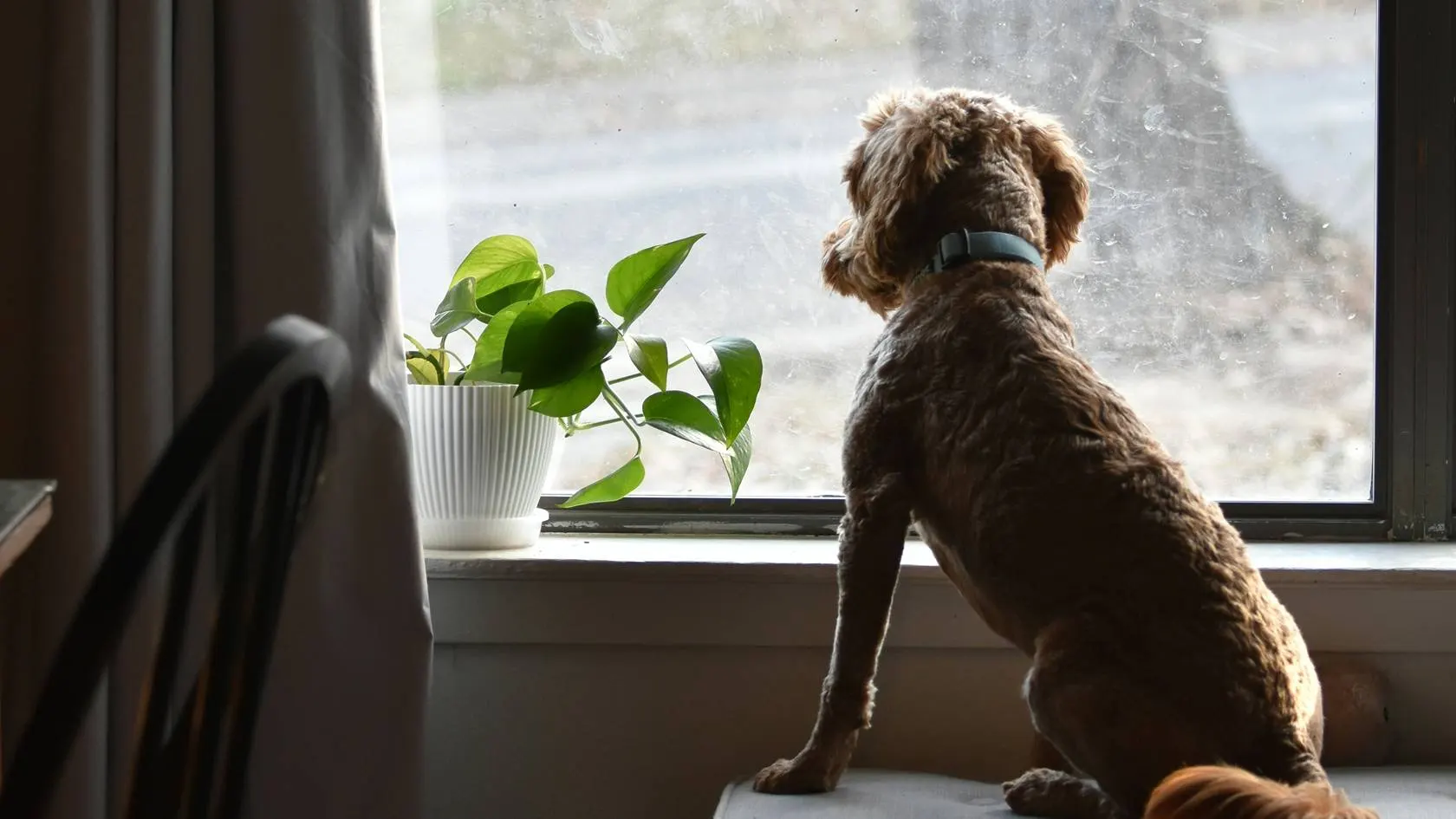

TL;DR: Separation Anxiety in Dogs: Symptoms, Causes, and Treatment
- Separation anxiety in dogs happens when being alone makes them scared, stressed, or anxious.
- It can start after changes at home, in their routine, or in the family.
- Common symptoms include barking, whining, howling, pacing, and restlessness.
- Some dogs may also follow their owner everywhere before they leave.
- You might also see chewing, scratching, accidents, panting, or drooling.
- Some dogs lose interest in food, play, or their usual activities.
- Others may become very upset when their owner leaves or comes back.
- A veterinarian can check your dog and rule out other possible problems.
- Treatment usually involves helping your dog get used to being alone slowly.
- Start with short periods and slowly increase the time.
- Safe toys, exercise, and a comfortable place to rest can make alone time easier.
- A dog walker or sitter can help if your dog struggles to stay alone.
- A certified professional dog trainer can also help with behaviour modification.
- Most importantly, don't punish your dog for separation anxiety.
- They are not being naughty on purpose. They are having a hard time.
- You can also help prevent separation anxiety by making alone time feel normal and safe.
- It can take a while to see progress, so try to be patient and consistent.
- With the right support, your dog can learn to feel safer and more comfortable alone.
If your dog starts showing signs of separation anxiety, it is better to have them checked rather than wait for the problem to get worse. Contact us; our professional vets can assess your dog's symptoms and help you figure out what to do next.
Does your dog seem stressed every time you leave the house? A dog with separation anxiety may become restless or show other signs of anxiety when left alone. It can be hard to see your dog struggle with a fear of being alone, especially when you just need to step out for a while.
Many dogs may develop separation anxiety after a change in their routine, home, or daily life. You might notice your dog acting differently when they're alone or when you leave them at home. Understanding the development of separation anxiety in dogs can make it easier to recognize what they may be going through.
The good news is that you can help your dog feel safer and more comfortable. Dog training and behaviour modification may be part of treating separation anxiety and finding the right approach. Read on to learn more about canine separation anxiety, its signs, and how to help your dog cope when left alone.
What Is Separation Anxiety in Dogs
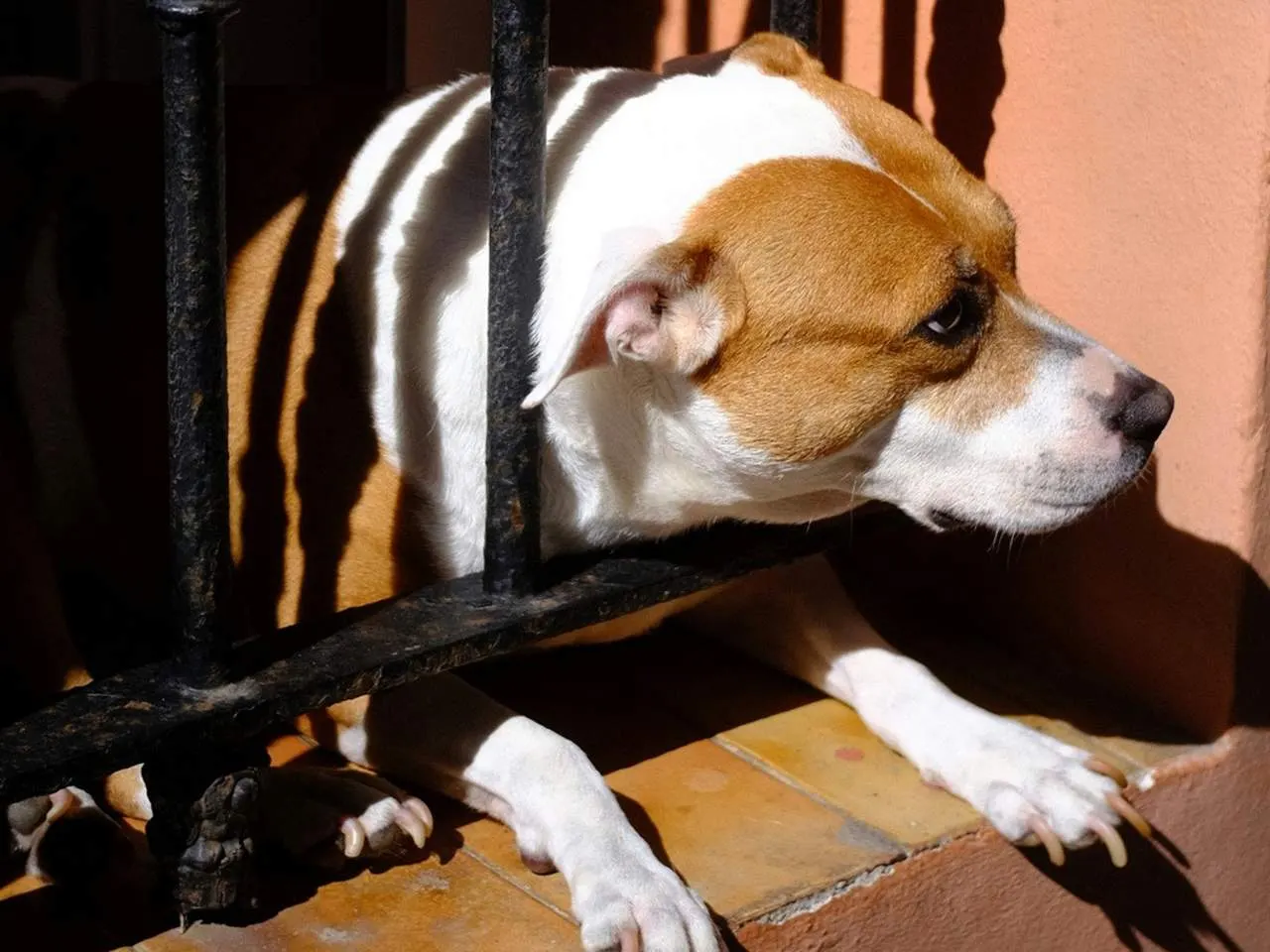
A dog has separation anxiety when being apart from someone they are closely attached to causes strong fear or anxiety. For many dogs, being home alone can feel much harder than simply having some quiet time by themselves. The experience can be especially difficult when the dog is not comfortable with the time spent alone.
Understanding a Dog’s Separation Anxiety
A dog’s separation anxiety is about how they cope with being apart from someone they depend on for comfort and security. Many dogs with separation anxiety may struggle with being alone, even in a familiar home. Each dog can have a different level of anxiety during separation.
- Feeling uneasy when the dog is left alone.
- Having fear or anxiety during separation.
- Finding the time spent alone difficult.
- Feeling increased stress and anxiety without familiar company.
- Struggling to settle when separated from a trusted person.
Common Causes a Dog May Develop Separation Anxiety
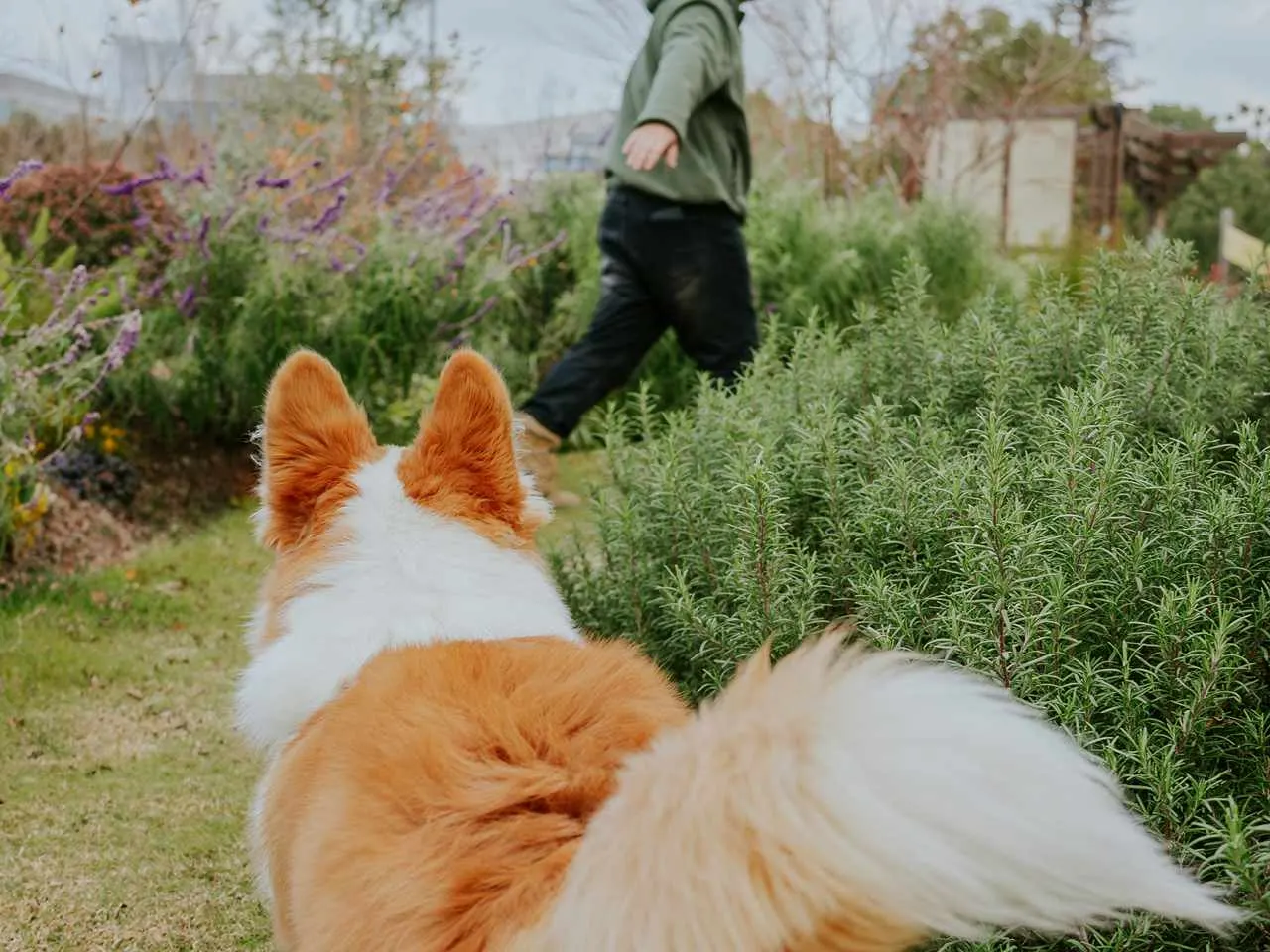
A dog may be likely to develop separation anxiety after going through changes that make being alone feel unfamiliar or stressful. This can happen with a new dog settling into a home, dogs from shelters getting used to a new environment, or facing changes in their daily lives.
Changes That May Play a Role
Sometimes, even a change that seems small to people can be a big adjustment for a dog. The length of separation and the amount of time a dog spends alone can also make a difference.
- Bringing a new dog into an unfamiliar home or routine.
- Dogs from shelters getting used to a different environment.
- A sudden change in the household routine.
- Spending more time alone than the dog is used to.
- A family member being away more often.
- A change in the people living in the home.
- Losing someone or another pet the dog was closely attached to.
- A major change in the dog’s usual surroundings.
- Being left alone for longer than before.
- Going through stressful experiences that may contribute to underlying anxiety.
What Are the Common Separation Anxiety Symptoms in Dogs
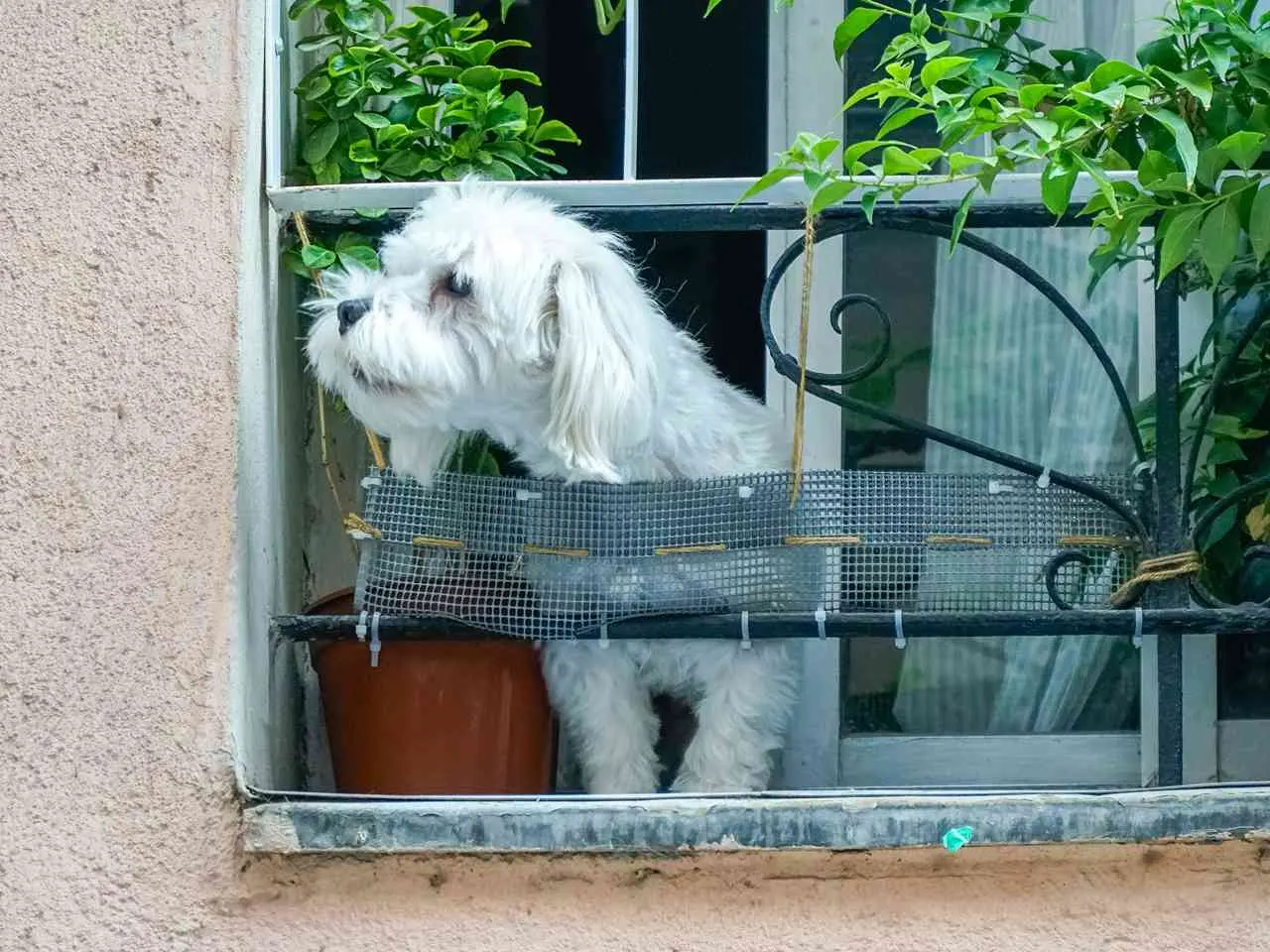
Signs of separation anxiety can be easy to miss at first, especially if they only happen when the dog is alone. Dog anxiety may show up in different ways, and some changes can seem unusual once they happen regularly.
Signs to Watch For
It can help to pay attention to what happens around the time of leaving your dog alone. These separation-anxiety behaviours may occur before the owner leaves, while the dog is alone, or after the owner returns.
- Barking, whining, or howling after the owner leaves.
- Pacing around instead of settling down.
- Scratching, chewing, or digging at doors and windows.
- Staying unusually close to the owner before leaving.
- Becoming restless as anxiety begins.
- Dogs urinate or defecate indoors even though they are house-trained.
- Panting or drooling more than usual while alone.
- Trying to get out of a room, crate, or enclosed space.
- Damaging household items during periods of separation.
- Losing interest in food or play while alone.
- Showing clear stress and anxiety shortly after the owner leaves.
- Having trouble relaxing without the owner nearby.
- Becoming extremely excited or distressed when the owner returns.
- Acting unusually quiet or withdrawn during time alone.
What Can a Veterinarian Do for a Dog Suffering From Separation Anxiety
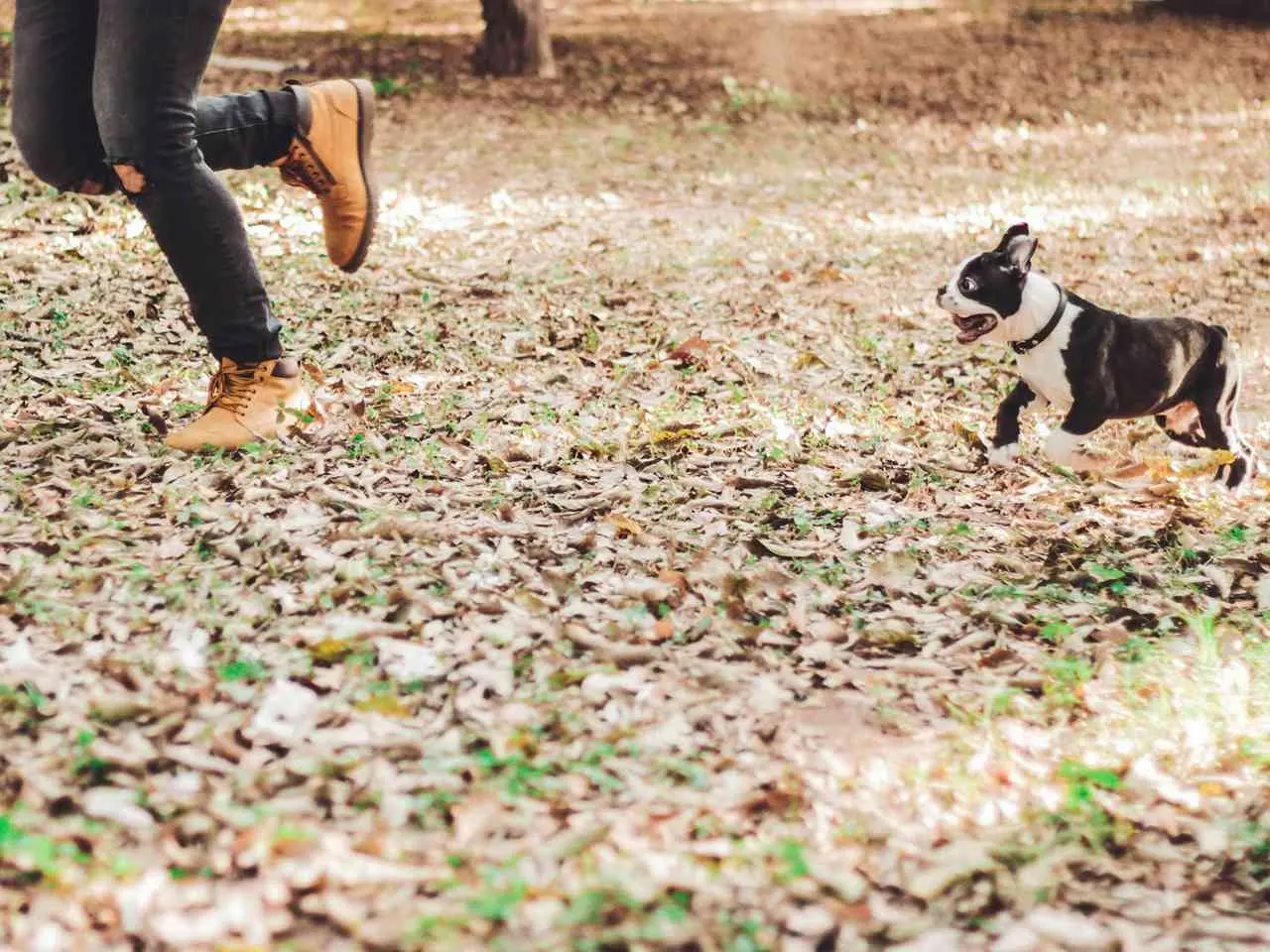
If a dog’s anxiety seems difficult to manage, a veterinarian can help make sense of what is happening. A proper check can also help rule out other disorders in dogs that may cause similar changes in behaviour.
What Can Happen During the Vet Visit
The veterinarian may ask about what happens when the dog is alone and what their usual routine looks like. Sharing these details can make it easier to understand the dog’s situation and decide what kind of help may be needed.
- Ask about separation anxiety behaviours at home.
- Discuss how long the dog can stay alone comfortably.
- Talk about the time your dog spends alone each day.
- Ask about changes in the dog’s anxiety or behaviour.
- Check for other possible disorders in dogs.
- Assess the dog’s overall level of anxiety.
- Discuss possible separation anxiety treatment options.
- Recommend a certified professional dog trainer when appropriate.
- Suggest ways to give your dog more support during separation.
What Does the Treatment of Separation Anxiety in Dogs Involve
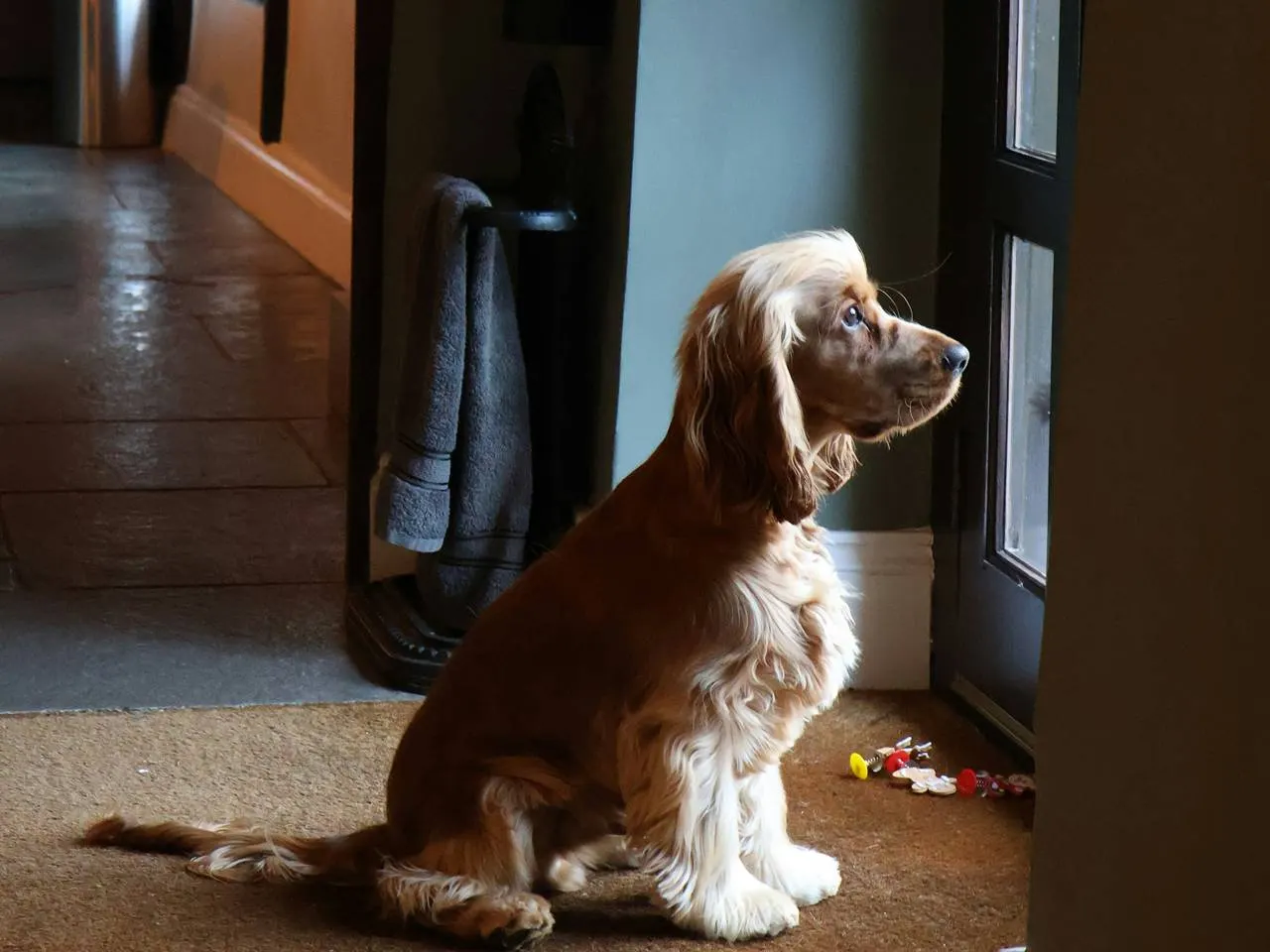
Helping a dog become comfortable with being alone usually takes time and patience. Effective treatment is not about forcing a dog to cope all at once, but about helping them feel safer little by little.
Approaches That May Help Your Dog with Separation Anxiety
A treatment plan can look different for each dog, so what works for one may not work for another. With anxious dogs, small and steady steps can make training easier and support successful treatment.
- Teach your dog that being alone can be safe and manageable.
- Train your dog through short periods of separation.
- Gradually expose your dog to being alone for longer periods.
- Give your dog time to relax before increasing the length of separation.
- Keep your dog busy with suitable activities during alone time.
- Ignore your dog briefly when needed to avoid making departures or returns overly exciting.
- Use a dog sitter or dog walker when your dog cannot comfortably stay alone for long periods.
- Work with a certified professional dog trainer for additional guidance.
- Never punish your dog for behaviour related to separation anxiety.
- Follow the treatment plan consistently and adjust it based on your dog’s progress.
Practical Tips to Prevent Canine Separation Anxiety
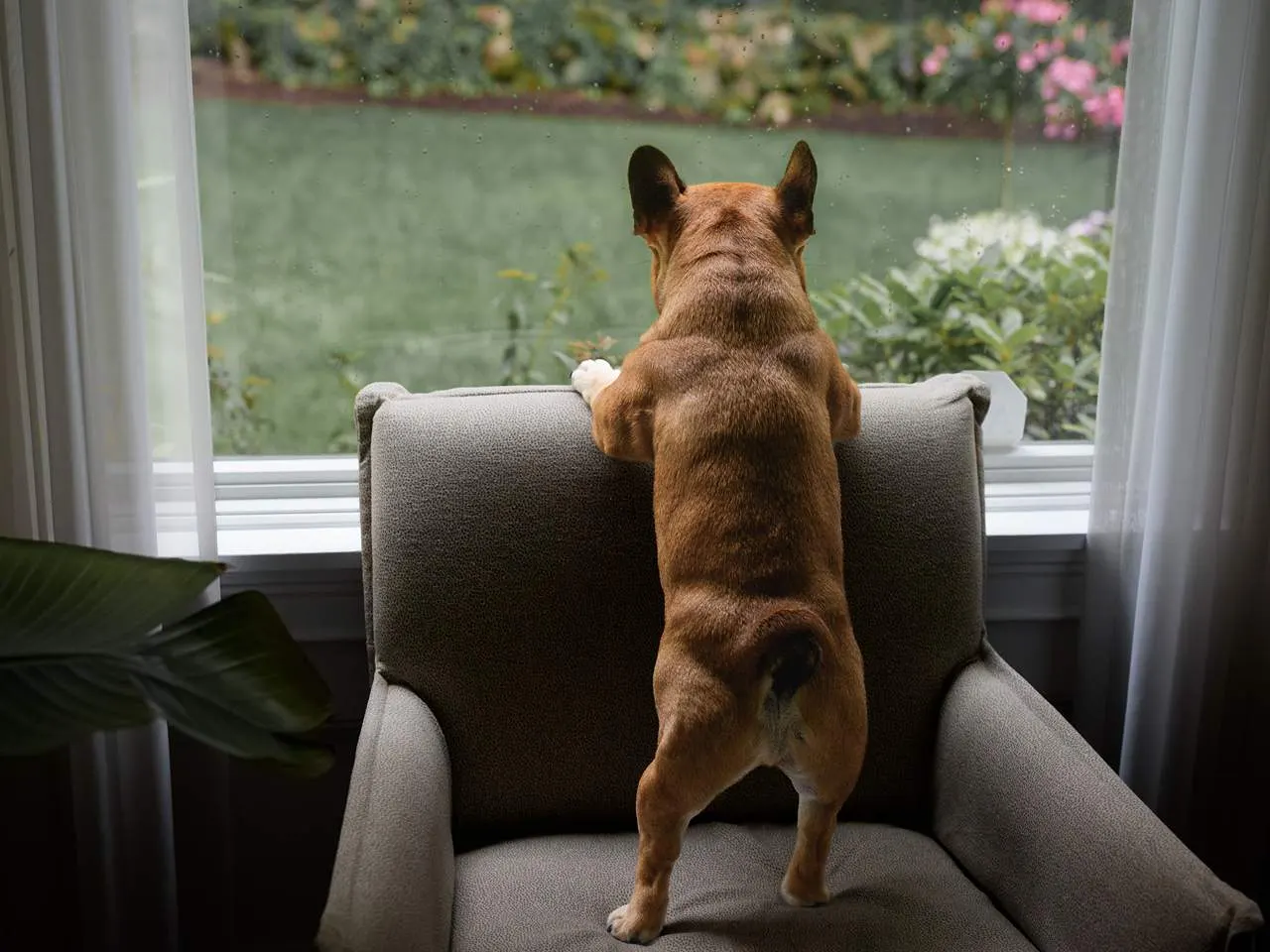
Helping a dog feel comfortable with time apart can make leaving home easier for everyone. Prevention of separation anxiety starts with building a calm and positive routine around being alone.
Helping Your Dog Get Comfortable Alone
Small, gradual steps can help a dog become more comfortable with separation. The goal is to make alone time feel normal without overwhelming the dog.
- Teach your dog to spend short periods alone.
- Gradually increase the time your dog spends alone.
- Give your dog a comfortable place to settle.
- Keep your dog busy with safe toys or activities.
- Allow your dog to relax before leaving the house.
- Avoid making departures and returns overly exciting.
- Give your dog enough exercise and attention during the day.
- Use a dog walker or dog sitter if long periods alone cannot be avoided.
- Never punish your dog for struggling with being alone.
- Consider guidance from a certified professional dog trainer if your dog has difficulty adjusting.
Final Thoughts
Separation anxiety can be tough for both you and your dog. It is hard to see your dog become stressed every time you leave the house.
Learning the signs can help you understand what your dog is going through. With patience, gentle training, and a steady routine, your dog can slowly get more comfortable being alone.
If things are not improving, a vet or professional trainer can help you figure out the next steps. With time and the right support, you can help your dog feel safer and more secure when you are away.
Frequently Asked Questions
Can separation anxiety in dogs develop later in life?
Yes, it can. A dog may be fine with being alone for years and then suddenly struggle with it. Changes in their routine, home, or family can sometimes make being alone harder.
Changes in routine: A new work schedule or daily routine can take some getting used to.
Life changes: Moving, losing someone, or changes at home can affect your dog's behaviour.
Getting older: Older dogs may find sudden changes harder to handle.
New behaviour: Notice if your dog suddenly becomes more clingy or upset when you leave.
Talk to your vet: If the change comes out of nowhere, your vet can check for other possible causes.
How can I tell if my dog is becoming too dependent on me?
Dogs naturally like being close to their owners, so some attachment is perfectly normal. It may be a concern if your dog seems unable to relax or do anything without you nearby.
Always following you: Your dog may follow you around the house almost constantly.
Getting upset when you leave: Even walking into another room may make your dog restless or worried.
Not settling alone: Your dog may have trouble resting or relaxing without you.
Changes in behaviour: Pay attention if your dog becomes more dependent over time.
Get some help: A vet or certified professional dog trainer can help you understand what is going on.
Can changes in my work schedule affect my dog's behaviour?
They can. They get used to their daily routine, so a sudden change can leave the dog confused or stressed. Even something as simple as going from working at home to being away all day can be a big adjustment.
More time alone: Your pet dog may struggle if you suddenly start spending much less time at home.
Different routine: Changes to walks, meals, playtime, or sleep can also affect them.
Make changes slowly: If possible, give your dog time to adjust to a new schedule.
Extra help: A dog walker or sitter can make longer days alone easier.
Watch for changes: Keep an eye on your dog's behaviour after your schedule changes.
How does prevention of separation anxiety differ between puppies and adult dogs?
The basic idea is the same for both. You want your dog to learn that being alone is safe. However, puppies and adult dogs may need different approaches.
Puppies: Start with very short periods alone and slowly build their confidence.
Adult dogs: Consider their past experiences and habits when starting training.
Past experiences: A dog that has been through stressful changes may need more time.
Keep things consistent: A steady routine can make the process easier for your dog.
Follow their pace: Every dog is different, so training may need to be adjusted along the way.
Can a dog completely overcome separation anxiety with the right support?
Many dogs can improve a lot with proper training and support. However, some dogs may still need ongoing help to stay comfortable when alone.
Keep training consistent: Regular practice can help your dog become more comfortable with separation.
Avoid pushing too far: Try not to leave your dog alone longer than they can currently handle.
Ask for help: A vet or certified professional dog trainer can help if you are struggling to make progress.
Give it time: Some dogs improve quickly, while others need much more time.
Keep supporting them: Even after things improve, routines and training can help your dog stay comfortable.

