
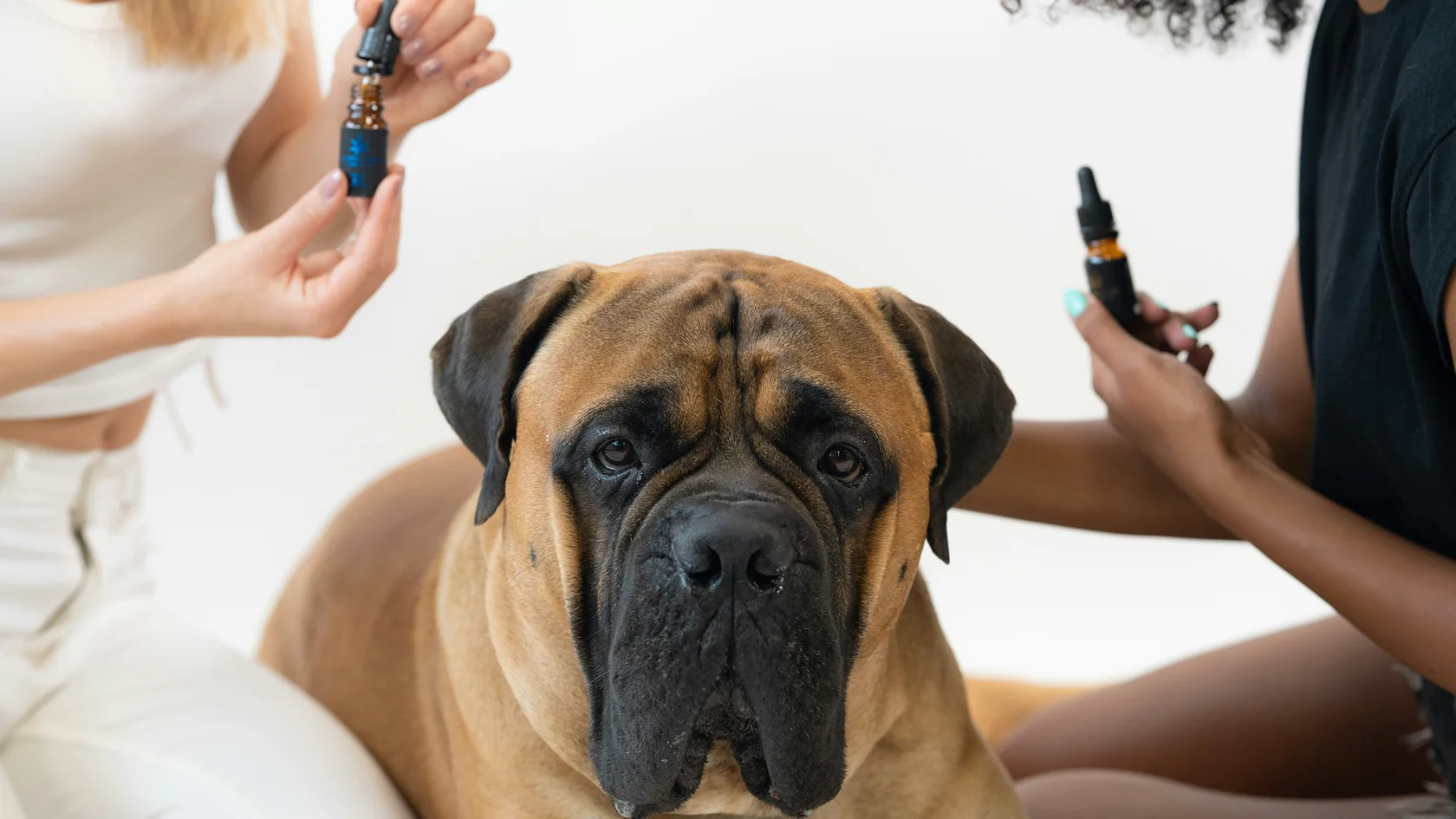

TL;DR: Essential Oils Safety Guide for Dogs
- Peppermint oil is toxic for dogs: Even small amounts can be dangerous if inhaled, applied to the skin, or ingested. Concentrated essential oils pose the highest risk.
- Be aware of the warning signs: Vomiting, diarrhea, drooling excessively, lethargy, muscle tremors, watery eyes, and difficulty breathing may all be symptoms of peppermint oil poisoning and should be taken to a veterinarian immediately.
- If your dog comes in contact with oil, act quickly: Call your veterinarian immediately. Rinse the oil off your dog's skin with warm water. Do not try to make your dog vomit unless your vet tells you to.
- Safer alternatives: Vet-approved flea and tick preventatives, dog-safe grooming products and oatmeal-based skin care are far safer alternatives to peppermint oil.
- The best approach is prevention: Don’t use essential oils around dogs, including in diffusers, because even particles in the air can irritate sensitive pets and cause health problems.
- Why it matters: The first step in caring for your dog’s health is knowing which household products are safe. Dog owners should always consult their veterinarian before using any new essential oil or natural remedy.
Have questions? Our veterinary team is happy to help you choose safe, pet-friendly products and create a care plan that keeps your dog healthy while avoiding products that are toxic for dogs.
Essential oils have become a go-to for home wellness routines, from aromatherapy diffusers to DIY grooming products. But what's soothing for humans isn't always safe for pets. Before you diffuse your favourite blend or reach for a natural remedy, it's worth understanding the real risks that certain oils pose to dogs. Peppermint oil is one of the most commonly used essential oils, but many pet owners don't realize it can be harmful when inhaled, applied to the skin, or ingested.
In this blog, we'll explain whether peppermint oil is safe for dogs, the signs of peppermint oil toxicity, when to contact your veterinarian, and safer alternatives for keeping your home pet-friendly.
Is Peppermint Oil Safe for Dogs?
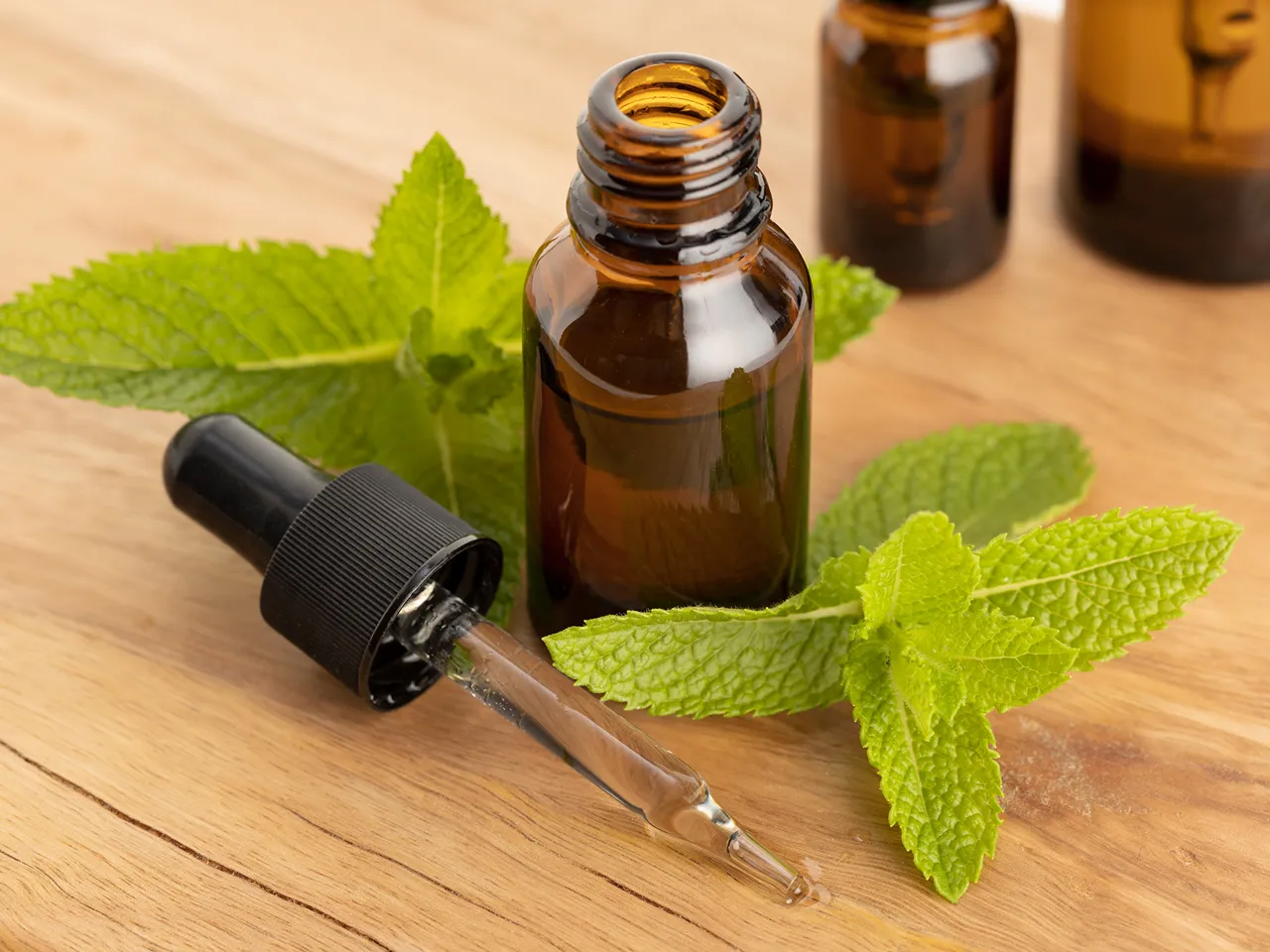
The short answer is no. Peppermint oil is toxic to dogs, and even exposure in small amounts can lead to serious health problems. The benefits of peppermint oil may be well-documented for people, but the same properties that make it feel cooling and refreshing make it unsafe for dogs. The high menthol content overwhelms a dog's system and can trigger rapid adverse reactions.
- Even small amounts can cause harm: You don't need a large spill for this to become a problem. Even a small amount of concentrated essential oil landing on your dog's fur or paws can enter the bloodstream quickly.
- Skin absorption is a real concern: Dogs groom themselves constantly. When peppermint oil gets onto a dog's skin, it is readily absorbed through the skin and into the body — before you've even noticed the exposure.
- Poisonous to dogs if ingested: If your dog licks a surface where the oil was applied or directly ingests the product, the effects are faster and more severe. Even trace amounts of undiluted peppermint may develop gastrointestinal distress within minutes.
- Concentrated forms carry the most risk: Essential oils are highly concentrated plant extracts — far stronger than what you'd find in, say, a peppermint plant or a cup of peppermint tea. A concentrated essential oil is not comparable to a mild herbal product.
- Diffusers aren't safe either: Even using essential oils in a diffuser can be harmful. The oil has a strong aromatic profile, and when you diffuse it in a closed space, dogs inhale particles directly. The scent of peppermint alone can cause respiratory irritation, especially in dogs with existing respiratory conditions.
Signs of Peppermint Oil Poisoning for Dogs

If your dog has had contact with peppermint oil, knowing the signs can be the difference. Toxic signs will usually appear quickly, although dogs may not develop symptoms right away.
- Vomiting or diarrhea: Gastrointestinal upset is often the first sign of peppermint oil toxicity. If your dog begins vomiting shortly after potential exposure, treat it as an emergency.
- Lethargy or weakness: A dog who seems suddenly tired, unsteady, or unwilling to move after being around oils should be evaluated by a veterinarian right away.
- Excessive drooling: Drooling well beyond your dog's normal baseline can signal irritation in the mouth or throat, particularly after possible ingestion.
- Muscle tremors: Shaking or trembling — especially if it's uncontrolled — points to neurological involvement and warrants immediate veterinary attention.
- Difficulty breathing: One of the more disturbing symptoms is respiratory distress. If your dog develops a cough, wheeze or difficulty breathing after exposure, this is a respiratory emergency.
- Watery eyes or nose: Irritation or sensitivity around the face, including runny eyes or nose, may occur if dogs have direct facial contact with the oil.
What to Do If Your Dog Is Exposed to Peppermint Oil
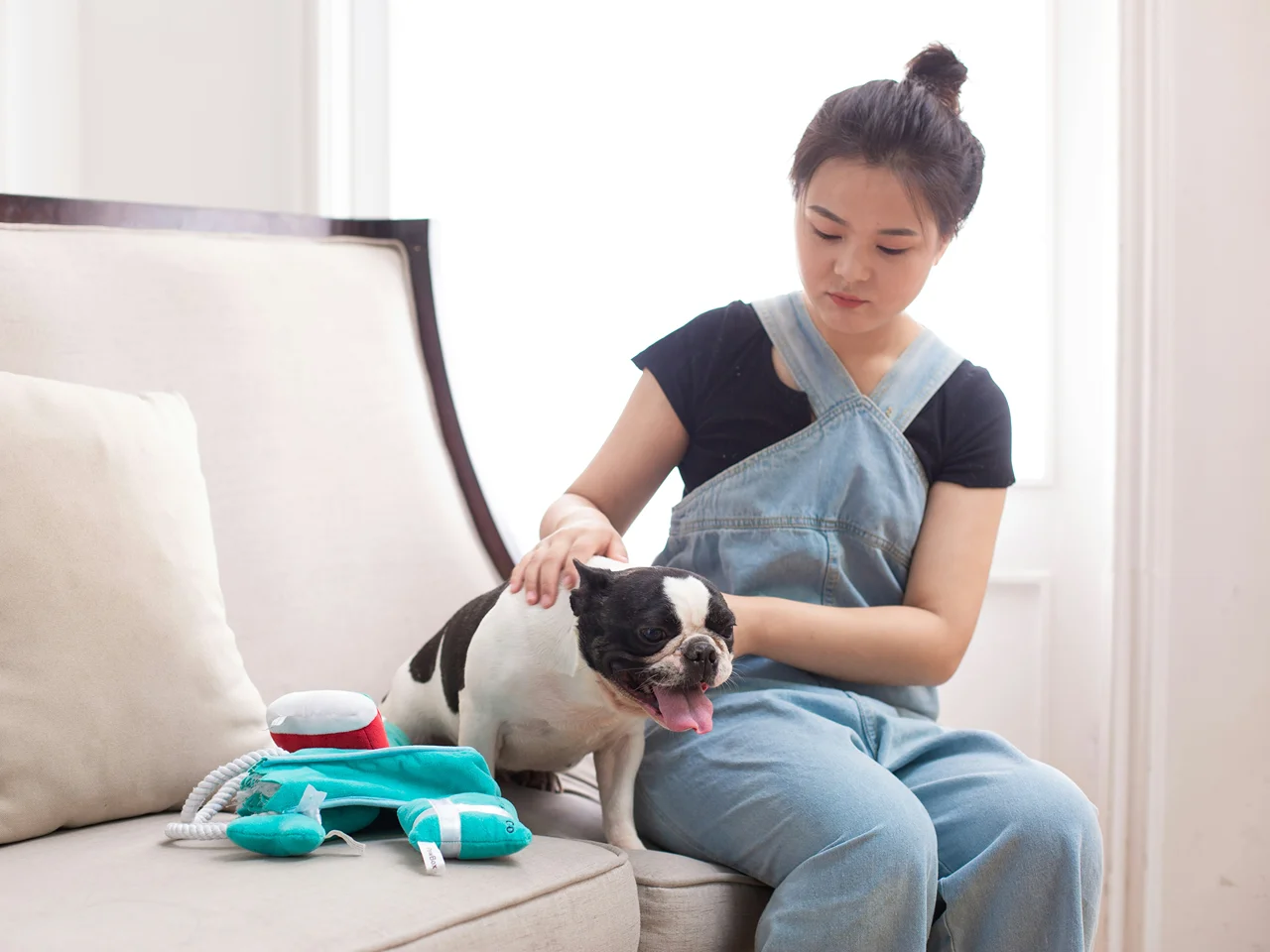
If you suspect your dog has come into contact with peppermint oil — whether through direct contact or accidental ingestion — act quickly and calmly.
- Contact your vet immediately: Don't wait to see if symptoms develop on their own. Call your vet the moment you suspect exposure. Peppermint oil is toxic to dogs, and symptoms can escalate fast.
- Call the Pet Poison Helpline: If you can't reach your regular clinic, the Pet Poison Helpline (855-764-7661) is available around the clock. Keep their number saved — it's one of those resources every household with a dog should have on hand.
- Do not induce vomiting: This is a common instinct, but it can make things worse. Never apply home remedies or attempt to force vomiting without direct guidance from a veterinarian or professional.
- Rinse the skin with water if the exposure was topical: If the oil landed on your dog's fur or skin, rinse the area gently but thoroughly with lukewarm water. Avoid using soap that contains additional fragrances or chemicals.
- Monitor your dog closely: Even after initial care, monitor your dog closely for any developing symptoms. Discontinue use of any oil products in your home and keep your dog in a calm, well-ventilated space while you wait for veterinary guidance.
Safe Alternatives to Peppermint Oil for Dogs
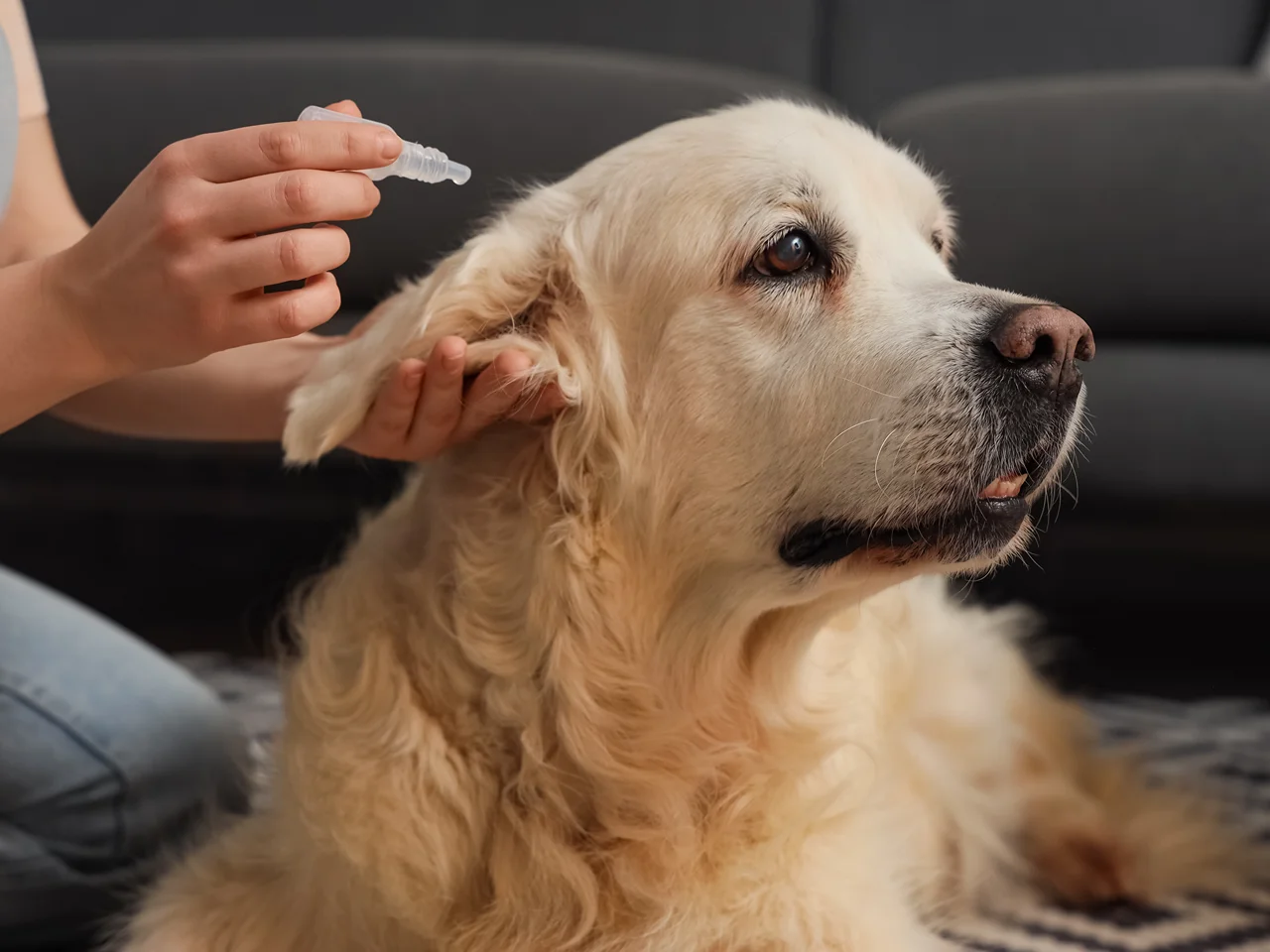
It's completely understandable to want natural or gentle solutions for your dog's health and comfort — you just don't have to put them at risk to get there. There are genuinely safer alternatives that dogs, when used correctly, can benefit from without the dangers that come with essential oils directly applied or diffused.
Vet-approved flea and tick treatments
Rather than reaching for peppermint oil as a flea and tick repellent — a use that's particularly risky — ask your vet about clinically tested, dog-safe options. These are formulated specifically with dog health and safety in mind.
Dog-safe grooming sprays
Many commercially available grooming products are designed to be gentle and effective without relying on highly concentrated plant compounds. Look for products labelled specifically for dogs and free from phenols.
Chamomile (diluted, vet-guided)
Chamomile is one of the few herbs that may offer mild calming benefits for dogs when properly diluted and used under veterinary supervision. It is not an oil to experiment with independently — always consult your vet before use.
Lavender (limited, with caution)
Lavender is sometimes discussed as an essential oil that can be a safe option for dogs in very controlled circumstances. However, it still carries risk, particularly for dogs with liver sensitivities. If you choose to explore it, only do so with diluted lavender and under professional guidance — properly diluted means using a carrier oil and keeping concentrations extremely low.
Oatmeal-based skin products
For skin irritation or dryness, oatmeal-based shampoos and topical products are among the gentlest and most widely recommended solutions. They soothe without the risks associated with applying essential oils to a dog's coat.
Always consult your vet before introducing any new product — oil, supplement, or otherwise — is the rule. The safety of essential oils varies widely, and what's considered safe for dogs in one context may not be in another.
Final Thoughts
Pet parents should be aware that peppermint oil is not safe for dogs even if it’s diffused or ingested. Diluted peppermint oil is still dangerous.
Dogs can be affected by ambient exposure, and there is no known safe level to use in the home without veterinary input. Skip the DIY essential oil experiments. Talk to your vet and look for products that are made with your dog’s health and safety in mind.
Frequently Asked Questions
Is Peppermint Essential Oil Safe for Dogs?
No. Peppermint essential oil can be harmful to dogs, even when exposure seems minor.
Highly Concentrated Formula: Peppermint essential oil contains concentrated compounds that can overwhelm a dog's body much more easily than natural peppermint leaves or herbal products.
Multiple Exposure Risks: Dogs can be affected by skin contact, inhalation, or accidental ingestion, so avoiding exposure in every form is important.
Fast Absorption: The oil can pass through the skin quickly, and dogs may also ingest it while grooming themselves after accidental contact.
Respiratory problems: Breathing in airborne oil particles can irritate the airways, especially in dogs that already have breathing problems.
Early symptoms to look out for: Vomiting, drooling, weakness, tremors or difficulty breathing all require emergency vet care.
Can I Use Peppermint Oil in a Diffuser Around Dogs?
Using peppermint oil in a diffuser is generally not recommended when dogs are in the home.
Airborne Exposure: Diffusers release tiny oil particles into the air that dogs can inhale throughout the day.
Sensitive Nose: A dog's powerful sense of smell makes strong fragrances much more overwhelming than they are for people.
Poorly Ventilated Spaces: Small or enclosed rooms increase the amount of oil circulating in the air, raising the chance of irritation.
Respiratory Irritation: Continued exposure may cause coughing, watery eyes, sneezing or breathing difficulties.
Choose Safely: When using aromatherapy diffusers, keep them away from pets and use only dog-friendly options after checking with a vet.
Are Other Essential Oils Safe for Dogs?
Not every essential oil poses the same level of risk, but they should always be approached carefully.
Safety Varies by Oil: Some essential oils are safe only under very specific circumstances and should never be assumed harmless.
Professional Guidance is Key: Always seek the advice of your veterinarian before introducing any essential oil into your dog’s environment.
Proper Dilution Is Essential: Some essential oils are safe for dogs when used properly, with the right dilution and under veterinary supervision.
Consider the Individual Dog: Age, size, medical conditions, and liver health all influence how a dog may respond to an essential oil.
Safer Everyday Choices: Oatmeal-based shampoos, dog-safe grooming products, and vet-approved flea preventatives are often better options.
What Should I Do If My Dog Is Exposed to a Peppermint Product?
Quick action can reduce the risk of more serious complications.
Call Your Veterinarian: Contact your vet immediately if you suspect your dog has been exposed, even before symptoms appear.
Avoid Home Remedies: Never induce vomiting or try DIY treatments unless a veterinary professional specifically instructs you to do so.
Rinse Off Topical Exposure: If the product gets on your dog's coat or skin, gently rinse the affected area with lukewarm water.
Monitor Closely: While waiting for professional advice, monitor your dog closely for signs of vomiting, tremors, weakness, excessive drooling or changes in breathing.
Prevent Future Incidents: To avoid this in the future, store essential oils and products containing them away from curious pets.
How Can I Keep My Dog Safe Around Essential Oils?
A few basic precautions can go a long way in decreasing the likelihood of accidental exposure.
Read Product Labels: Check ingredients before bringing new oils, sprays, or scented products into your home.
Store oils safely: Keep bottles tightly sealed and out of the way to avoid spills or accidental ingestion.
Avoid Excessive Fragrance Exposure: Avoid regular use of concentrated essential oils as a routine in your dog’s environment.
Use Pet-Specific Products: Choose grooming and healthcare products formulated specifically for dogs instead of DIY alternatives.
Schedule Routine Veterinary Advice: If you're considering any natural wellness product, ask your veterinarian whether it's appropriate for your dog's individual needs.

