


TL;DR: What You Need to Know About Dog Poisoning
- Curiosity can be risky: Dogs explore everything, and your dog may eat something harmful without you noticing. Quick recognition can save a life.
- Common hazards: From human medications and household cleaners to toxic spring plants and garden products, many everyday items are dangerous if a dog eats something poisonous.
- Watch for warning signs: Poisoning symptoms in dogs include vomiting, drooling, lethargy, changes in gum colour, difficulty breathing, tremors, or loss of coordination. Early detection is key.
- Act fast if exposure occurs: Remove the source, note what your dog may have been poisoned by, and immediately bring your dog to a vet or contact animal poison control. Do not induce vomiting unless instructed by a professional.
- Professional care saves lives: Depending on the type of toxin, veterinarians offer stabilization, antidotes, supportive care, and monitoring to preserve organs and aid in recovery.
- Prevention is key: Keep chemicals and medications out of your dog's reach, keep an eye on outdoor play, lock up trash, and get rid of poisonous plants. Simple habits help you give your dog a safe and happy spring.
Need guidance? Contact us to schedule a check-up. We can create a safety plan to protect your dog from common poisons before an emergency strikes.
Dogs are naturally curious, and their curiosity can sometimes put them in danger—especially during spring, when new plants, chemicals, and seasonal hazards become more accessible. Poisoning can happen quickly and unexpectedly, and many dog owners don’t realize there’s a problem until their pet starts to display any symptoms.
Learning how to recognize the signs, the cause of dog poisoning, and acting fast can truly save a life. In this blog, we’ll walk through the symptoms of poisoning in dogs, common causes, and what to do if you suspect your dog has been exposed to a toxic substance, helping you respond with confidence and urgency.
Common Causes of Poisoning in Dogs

Many everyday items, both at home and outdoors, can be highly toxic to dogs. Some are obvious hazards, while others may surprise even the most experienced pet parents.
- Human Medications: One of the most common causes of dog poisoning. Pain relievers, antidepressants, and other prescription drugs can poison your dog if it ingests even a small dose. Dogs may eat pills dropped on the floor without you noticing.
- Household Chemicals and Cleaners: Many cleaning products used during spring cleaning are poisonous to dogs. Even products that seem safe for dogs can be harmful if a dog has come into contact with concentrated cleaners or accidentally ingested residue.
- Antifreeze and Automotive Fluids: Antifreeze and other automotive fluids are highly toxic to dogs. Their sweet taste makes them attractive, yet toxic to dogs if eaten, and ingestion can be fatal within hours.
- Toxic Spring Plants and Flowers: As gardens and yards bloom, many popular plants can be poisonous to your dog. Outdoor supervision is essential because if a dog has eaten something poisonous from plants, serious symptoms can quickly develop.
- Human Foods: Some human foods are a common cause of dog poisoning. Chocolate, grapes, and xylitol can poison your dog, and symptoms of chocolate poisoning can appear quickly. These foods are a common reason for emergency veterinary calls.
- Pesticides and Rodenticides: Products like rat poison are designed to kill pests, but are extremely dangerous if a dog has ingested bait or prey that consumed it. Even small amounts can be deadly, making these chemicals highly toxic to dogs.
- Fertilizers and Garden Products: Fertilizers and other garden treatments often increase in use during spring. They can be poisonous to dogs if a dog has eaten something treated, so keeping dogs away from recently fertilized areas is important.
Early Symptoms and Major Signs of Poisoning in Dogs

Knowing the early signs of poisoning in dogs can make all the difference. Symptoms can vary depending on the type of poison, but there are common signs that owners should watch for. Acting quickly when a dog is showing these symptoms may prevent serious harm.
Gastrointestinal Issues
First signs often appear as vomiting or diarrhea. Typical symptoms include sudden stomach upset, nausea, or unusual bowel movements, especially after a dog has eaten or explored something new. These are common dog poisoning symptoms that shouldn’t be ignored.
Drooling or Foaming at the Mouth
Excessive drooling or foaming is another common sign of poisoning. Symptoms may develop shortly after ingestion of a toxic substance and indicate that the body is reacting to a poison.
Lethargy or Weakness
If your dog is showing unusual tiredness, reluctance to move, or weakness, it could be an early warning. Symptoms include low energy, floppiness, or unresponsiveness, which are common signs of poisoning in dogs.
Changes in Gum Colour
Discoloured gums—pale, blue, or bright red—are serious signs and symptoms of poisoning. Typical symptoms include poor circulation or oxygenation, which require immediate attention.
Difficulty Breathing or Rapid Breathing
Breathing issues are urgent. Symptoms may include wheezing, rapid breaths, or labored inhalation, which often appear quickly when a dog is poisoned with respiratory-affecting toxins.
Seizures or Tremors
These neurological symptoms are among the most dangerous dog poisoning symptoms. Symptoms include uncontrollable shaking, convulsions, or sudden collapse, and they signal severe poisoning that needs immediate veterinary care.
Loss of Coordination
Poisoning in dogs includes effects on the nervous system, leading to stumbling, wobbling, or difficulty walking. These common dog poisoning symptoms often accompany neurological symptoms from neurotoxins.
Excessive Thirst or Urination
Changes in drinking or urination habits can indicate kidney involvement. Symptoms may include unusual thirst or frequent urination, which are subtle but important signs and symptoms of poisoning.
Collapse or Unconsciousness
If a dog is showing sudden collapse or becomes unresponsive, it means the animal may be severely poisoned. Typical symptoms include rapid deterioration, and common signs of poisoning escalate fast, requiring emergency veterinary care.
What to Do if You Think Your Dog Has Been Poisoned

If you suspect that your dog has been exposed to something toxic, acting quickly can save their life.
- Stay calm and remove your dog from the source. Make sure your dog is no longer near the substance or environment that could harm them, and prevent access to anything else that might worsen exposure.
- Collect evidence if possible. If you know your dog has eaten a toxic item, gather any packaging, leftover food, or plant material. This information can help the vet or poison control identify the exact substance.
- Contact professionals immediately. Call an emergency veterinarian, animal poison control, or a pet poison helpline. They can guide you on the next steps and help you know if your dog needs urgent treatment.
- Avoid inducing vomiting unless instructed. Do not try to make your dog vomit on your own; doing so incorrectly could make your dog even sicker or cause further complications.
- Get your dog to professional care right away. Even if your dog seems fine, poisoning can progress rapidly. Time is critical—act quickly and get your dog to a veterinarian without delay.
How Vets Treat a Dog That Has Been Poisoned
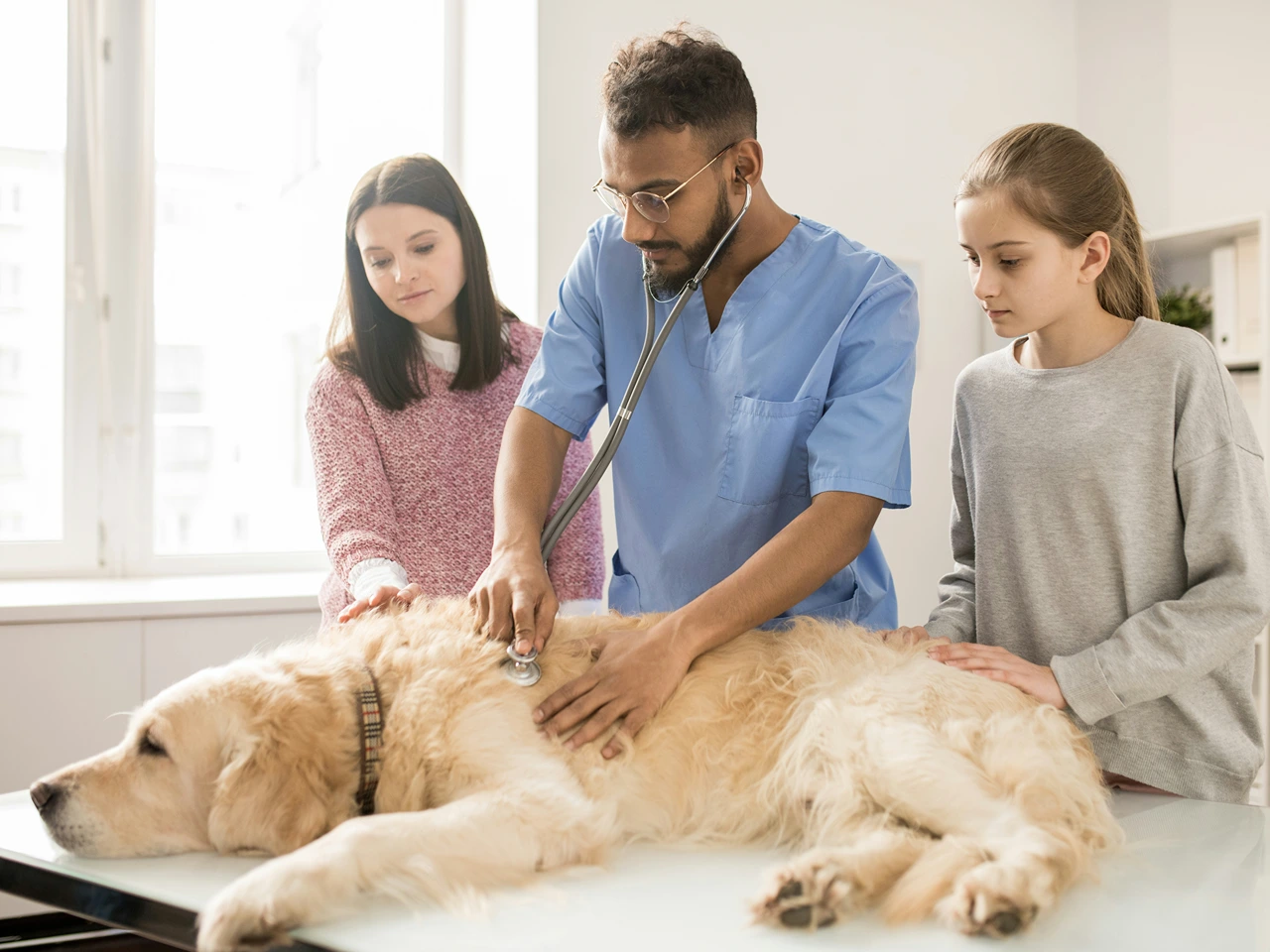
Veterinary teams tailor treatment based on the type of poison and the level of exposure, ensuring a plan specific to your dog's situation.
- Initial Assessment and Stabilization: They begin with an initial assessment and stabilization, carefully checking breathing, heart rate, and circulation—critical when there are signs that your dog is in distress.
- Decontamination Techniques: To stop additional damage, decontamination techniques like making people throw up or using activated charcoal can be used, but only under close medical supervision.
- Administration of Antidotes: When a dog has consumed a recognizable toxin, veterinarians can give them antidotes that are specific to that toxin, which offers a focused method of combating the poison.
- Supportive Care: This includes IV fluids and oxygen therapy, which helps flush toxins from the system and stabilize vital organs, forming essential first aid to your dog in poisoning cases.
- Monitoring and Blood Work: This allows vets to track organ function and detect complications early, as poisoning in dogs varies widely in severity and effects.
- Specific Toxin Treatments: Specific treatments based on the type of toxin are applied to ensure the best possible outcome, giving your dog the highest chance of full recovery.
Veterinary Care Tips to Protect Your Dog From Being Poisoned

Poisoning in dogs may include serious, lifelong complications, so prevention is always the best medicine when it comes to keeping your dog safe. Being proactive can make a huge difference in their health and well-being.
Keep medications securely stored and out of the reach of your dog
Even small amounts of human medications can be toxic, so always store pills, supplements, and prescriptions in high cabinets or locked containers to prevent your dog from accidental ingestion.
Use pet-safe household products and store cleaners properly
Many common cleaning supplies contain harmful chemicals, so choosing pet-friendly alternatives and keeping them locked or out of reach helps prevent your dog from exposure indoors.
Remove toxic spring plants from your yard
Seasonal blooms, bulbs, and weeds can be extremely dangerous if ingested. By identifying and removing these plants, you can prevent your dog from accidental poisoning while enjoying the outdoors.
Secure garbage containers
Dogs are naturally curious and may rummage through trash looking for food or scraps. A tightly sealed or locked bin helps keep your dog safe from spoiled food, chemicals, or other poisonous items.
Keep chemicals locked away, and always supervise your dog
Supervision allows you to intervene quickly if your dog approaches something dangerous. These simple habits not only prevent your dog from exposure but also help you tell if your dog is showing early signs of poisoning.
With awareness and preparation, you can keep your dog safer at home. By following these precautions, you’ll be better equipped to prevent your dog from accidental poisoning and respond promptly if a problem arises.
Final Thoughts
Spring brings new sights and smells, but it also increases the risk of poisoning for curious dogs. Knowing the early warning signs—and acting quickly—can make a life-saving difference. Many risks can be avoided with knowledge and basic safety measures, including poisonous plants and common household chemicals. Delays can worsen the situation, so follow your gut and get veterinary help as soon as something seems strange.
Your dog's symptoms may quickly worsen even if they initially appear to be fine. You and your dog can make sure that spring is a season of safe adventures rather than emergencies by being informed, keeping an eye on outdoor time, and securing potentially dangerous items.
Frequently Asked Questions
What are the earliest warning signs of poisoning in dogs during spring?
Poisoning often starts with subtle changes, and catching these early signs can prevent serious complications.
Sudden Vomiting or Diarrhea: Unexpected stomach upset may occur shortly after your dog eats or sniffs something toxic outdoors or indoors.
Excessive Drooling or Foaming: Increased saliva production can indicate oral irritation or toxin exposure.
Unusual Lethargy: A poisoned dog may seem unusually tired, withdrawn, or unwilling to move.
Loss of Coordination: Stumbling or wobbling can signal neurological involvement from certain toxins.
Changes in Gum Colour: Pale, blue, or bright red gums suggest circulation or oxygen problems and require urgent care.
What common spring hazards are most likely to poison dogs?
Spring introduces new environmental risks that curious dogs may easily encounter.
Toxic Spring Plants: Although garden plants and blossoming flowers may appear innocuous, they can be harmful if consumed or chewed.
Fertilizers and Lawn Treatments: Dogs may be harmed by chemicals in freshly treated lawns if they lick or consume them.
Pesticides and rodenticides: Dogs may be directly poisoned by pesticides or indirectly poisoned by exposure to prey.
Antifreeze and Automotive Fluids: These sweet-tasting liquids are extremely toxic and can be fatal even in small amounts.
Human Medications: Dropped pills or unsecured prescriptions are a frequent and serious poisoning source.
What should you do immediately if you suspect your dog has been poisoned?
Quick, calm action can significantly improve your dog’s chances of recovery.
Remove Your Dog From the Source: Keep your dog away from the suspected toxin to avoid additional exposure.
Avoid Inducing Vomiting: If you force your dog to vomit without supervision, it may exacerbate their injuries or result in aspiration.
Gather Proof if Safe: Experts can identify the toxin by looking at product names, plant samples, or packaging.
Contact Emergency Veterinary Help: Call a vet, animal poison control, or a pet poison helpline immediately.
Prepare for Immediate Transport: Even if symptoms seem mild, take your dog to the vet without delay.
How do veterinarians treat dogs that have been poisoned?
Treatment is customized based on the toxin, timing, and severity of symptoms.
Initial Stabilization: If your dog is in distress, the veterinarian will first support breathing, heart rate, and circulation.
Decontamination Procedures: When necessary, medical techniques may be employed to prevent additional toxin absorption.
Administration of Antidotes: Certain poisons have antidotes that can reverse or lessen harm.
Supportive Therapies: Oxygen and IV fluids aid in the removal of toxins and safeguard important organs.
Monitoring and Diagnostics: Organ function and recuperation progress are monitored through blood tests and observation.
How can dog owners prevent poisoning risks during spring?
Prevention is the most effective way to protect your dog from seasonal poisoning hazards.
Safeguard Chemicals and Medications: Always keep cleaners, medications, and car supplies locked away.
Use Pet-Safe Products: Whenever feasible, select non-toxic gardening and household cleaning products.
Remove Toxic Plants: Determine which plants in your yard and house are toxic and get rid of them.
Supervise Outdoor Time: Watch your dog closely during walks, gardening, and outdoor play.
Store Garbage Properly: Secure trash bins to prevent scavenging and accidental ingestion.

